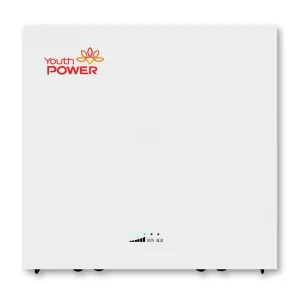
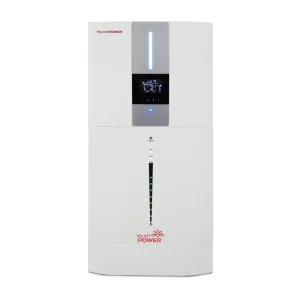
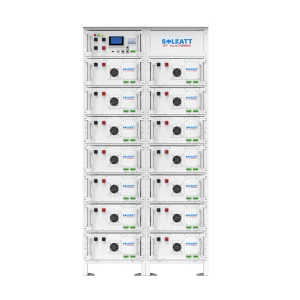
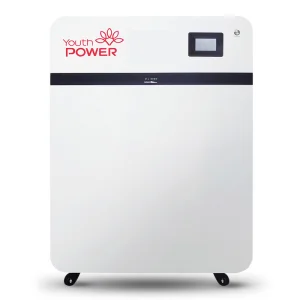
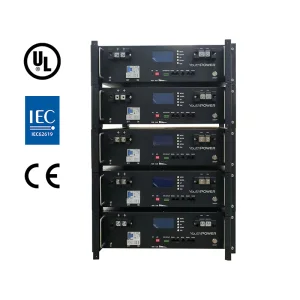
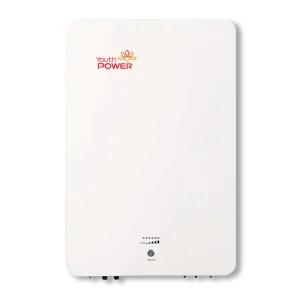
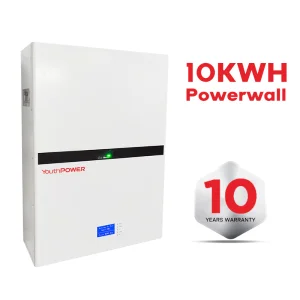
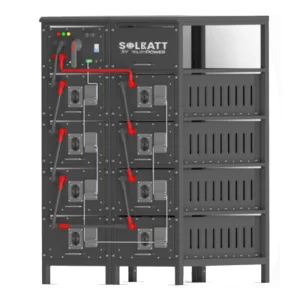
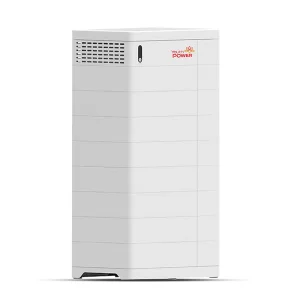
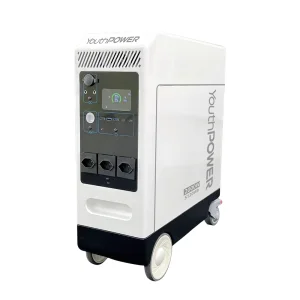
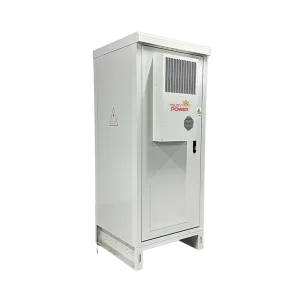
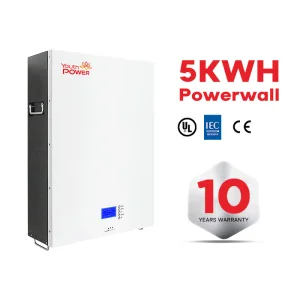
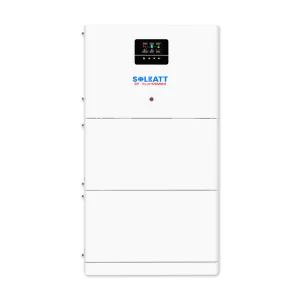
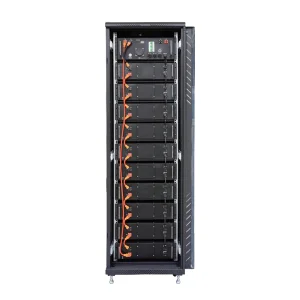
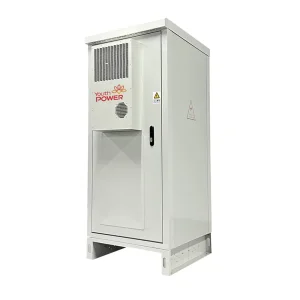
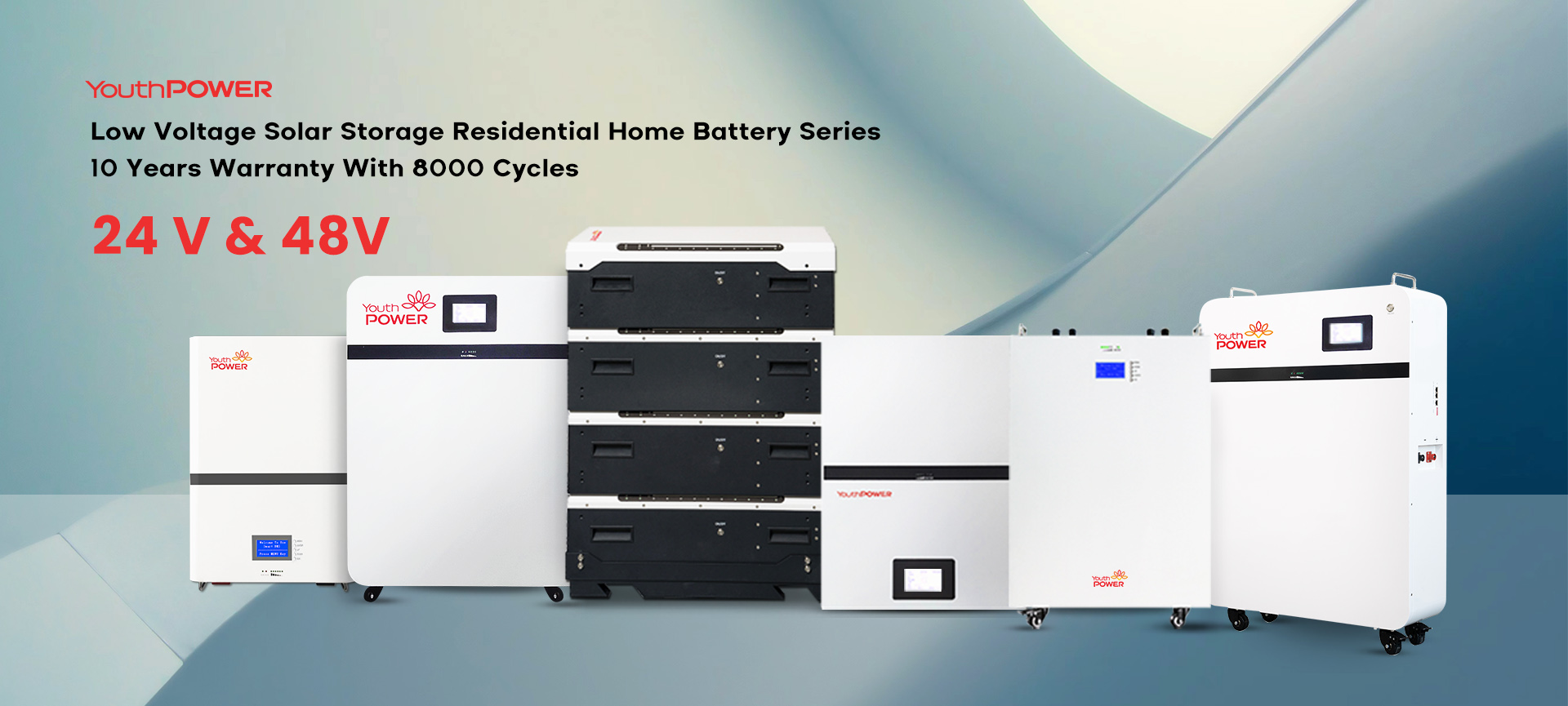
High-performance lithium iron phosphate (LiFePO4) storage products customized for residential off-grid autonomy and microgrid installations.
Decades of dedicated development in lithium-ion technology and robust global supply capabilities.
Founded in 2003, YouthPOWER has now become one of the leading suppliers of solar storage lithium batteries in the world. With a broad range of energy storage solutions, it covers a series of 24V, 48V and higher voltage lithium batteries solutions.
YouthPOWER has engaged in the battery technology and production for almost 20 years, with abundant manufacturing experience and strong new product R & D capability. Through many years of hard work and market promotion, we have created our own brand "YouthPOWER" in 2019.
With nearly 20 years’ experience in the battery industry, we have the capability to provide you with both the products you need and the most suitable products you want. We are always ready to supply the first-class products and meet the various needs of the customers.
We have established good business relationships with our customers from all over the world. And we have a good cooperation with all our customers as well for many years running. Supported by our local vendors of raw materials, we can certainly offer you the best prices.
We are so proud that YouthPOWER has offered the reliable solar storage solution for over 1,000,000 families now in the world.

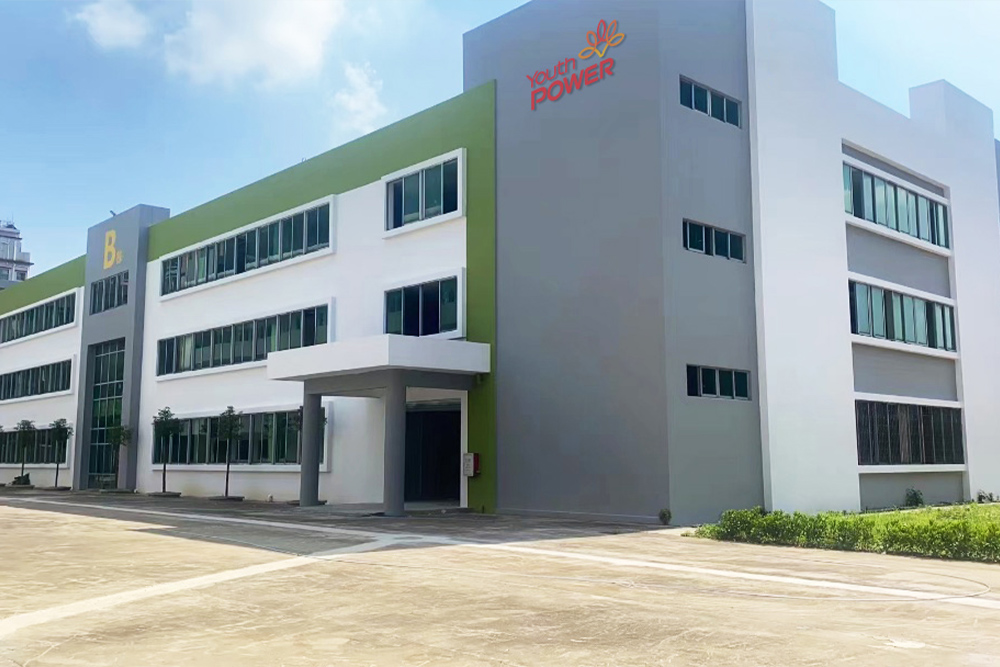
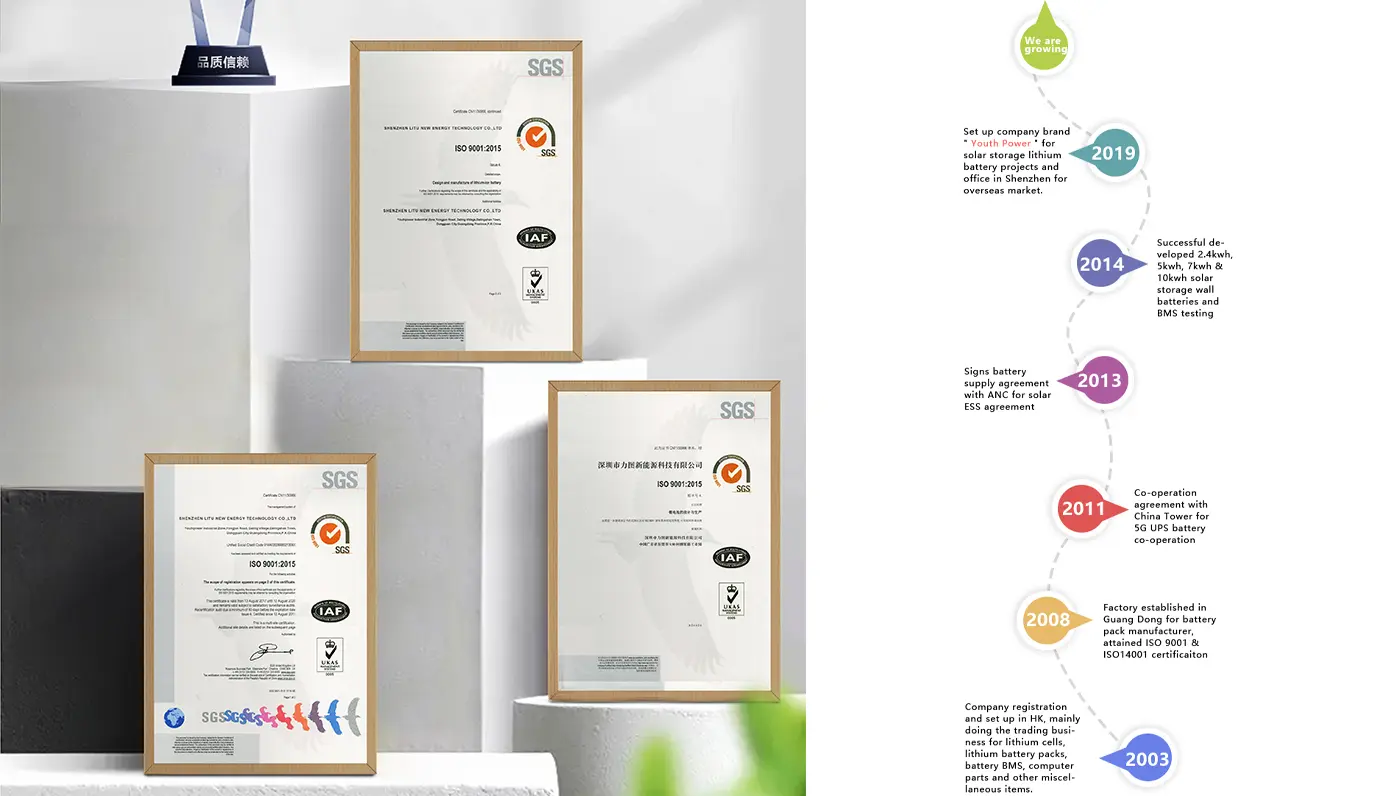
Evolution of technology, manufacturing excellence, and strategic milestones.
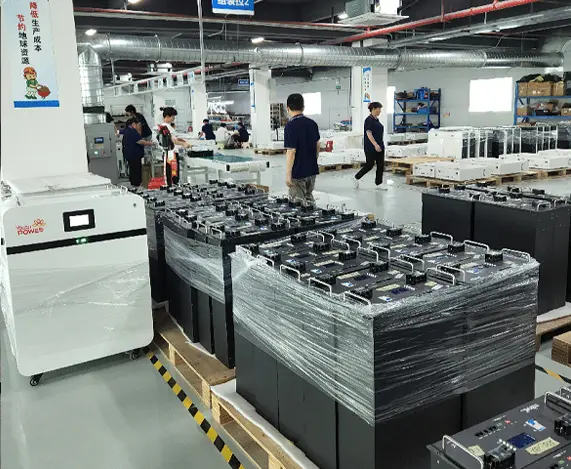
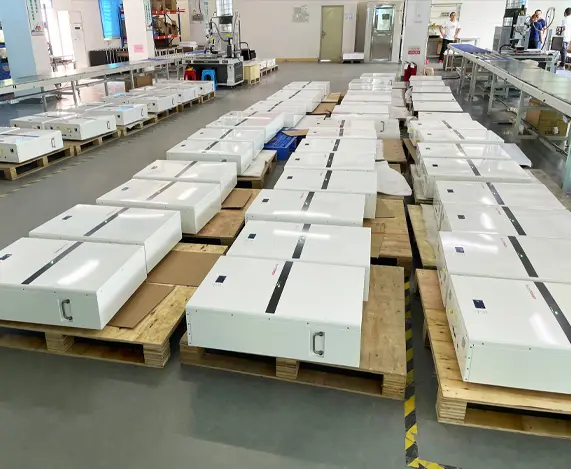
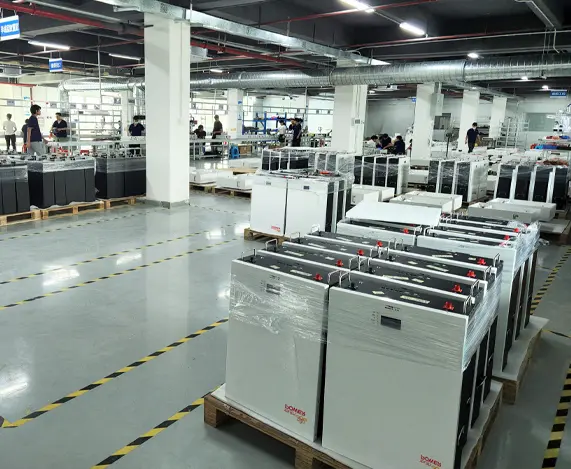
Addressing complex supply chain requisites, engineering specifications, and economic matrices for tier-one project developers.
Procurement departments prioritize the Levelized Cost of Storage (LCOS). Minimizing total lifecycle expense requires utilizing cells capable of high cycle life (>6000 cycles at 80% DOD), lower thermal-control operational expenditures, and minimizing round-trip efficiency (RTE) degradation over decades of continuous operation.
Global EPCs require stringent bankability credentials. Products must comply with safety standards including UL 9540, UL 1973, and IEC 62619. This compliance ensures mitigation of thermal runaway issues and facilitates seamless underwriting by top-tier reinsurance corporations.
Engineering divisions are rapidly transitioning from legacy low-voltage (48V) architectures to high-voltage configurations ranging from 400V to over 700V. This shifts operational thresholds, reducing cable transmission losses, improving round-trip efficiencies, and significantly shrinking physical footprints.
Industrial transitions towards sustainable microgrids demand versatile, highly integrated battery storage systems. Modern commercial energy landscapes require battery technology to adapt to varying operational profiles, such as peak shaving, demand response, and solar-plus-storage arbitrage.
YouthPOWER provides custom engineering designs that integrate seamlessly with major PCS (Power Conversion Systems) globally. Our commercial battery storage systems, such as the 200KWH 716V 280Ah Commercial Solar Battery Storage, are engineered to deliver reliable backup capacity while optimizing dynamic peak-shaving operations.
Our research and development team continues to pioneer innovations in Lithium Iron Phosphate (LiFePO4) cell chemistry. Recognized for superior thermal and chemical stability compared to conventional NMC cells, our current stackable high-voltage configurations utilize A-grade prismatic LiFePO4 cells to ensure maximum longevity.
Our technical roadmap points toward further structural efficiency optimization. This includes developments in Cell-to-Pack (CTP) integration methods, smart integrated cloud-based Battery Management Systems (BMS), and advanced aerosol fire-suppression systems integrated directly within the cabinet frames.
Decentralized storage deployment depends on navigating diverse regulatory environments, grid-interconnection codes, and environmental policies.
Deployments require strict adherence to UL 9540 (standard for energy storage systems) and UL 9540A thermal runaway testing protocols. In addition, integration with local utilities demands compliant IEEE 1547 communication standards for grid-tied solar-plus-storage arrays.
Projects must align with IEC 62619 safety standards for industrial battery packs, combined with the CE directive. Compliance with local grid-code dynamics, such as G99 in the United Kingdom or VDE-AR-N 4105 in Germany, is mandatory for commercial grid injection.
Regions characterized by severe climatic conditions require robust thermal management. YouthPOWER provides high-temperature tolerant battery enclosures with IP65-rated shielding and active cooling designs, guaranteeing optimal efficiency even in desert microgrid scenarios.
Explore our specialized commercial, industrial, and high-voltage stackable battery units built for scale.
Technical insight into solar storage batteries, pricing frameworks, and engineering integration.
Pricing for solar storage setups is influenced by cell tiering (e.g., Tier 1 raw cells versus lower grades), integrated BMS functions, liquid vs. forced-air thermal management systems, and safety features. Volume procurement at the factory level significantly reduces per-kilowatt-hour costs, making bulk commercial imports economically viable.
LiFePO4 (Lithium Iron Phosphate) offers superior safety and cycle life compared to NMC (Nickel Manganese Cobalt). While NMC provides higher energy density, LiFePO4 boasts a thermal runaway threshold exceeding 270°C and maintains over 6,000 cycles at 80% Depth of Discharge (DOD), reducing overall system lifetime cost.
Our Battery Management Systems (BMS) support standard communication protocols including CAN bus, RS485, and Modbus TCP. This enables seamless, plug-and-play integration with major inverter brands globally, including SMA, Victron Energy, Growatt, Deye, and Solis.
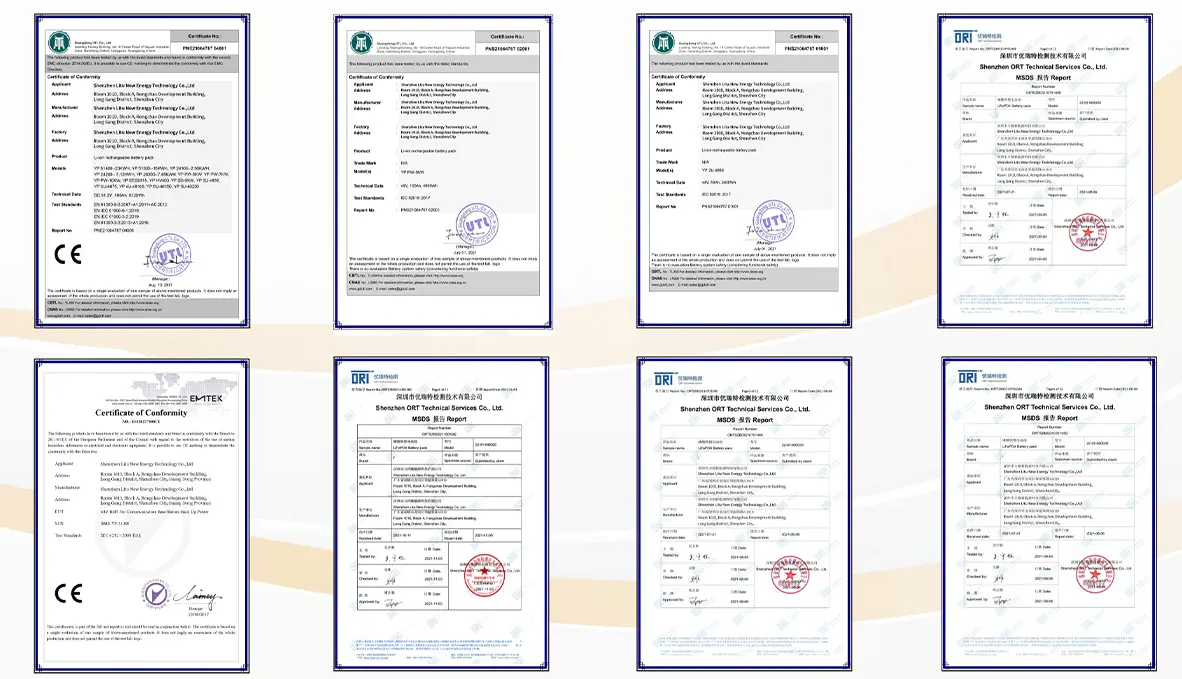
All battery lines undergo testing to secure certifications including UN38.3 (transport safety), MSDS, CE, IEC 62619, and UL 1973. These documents ensure smooth clearance through customs and verify that the safety parameters comply with local utility grids.
ROI is determined by calculating local peak demand charges saved, self-consumption optimization of on-site solar, and utility grid dynamic arbitrage. In regions with high demand tariffs, a commercial storage unit can pay for itself within 3.5 to 5.5 years of active operation.
 YouthPOWER