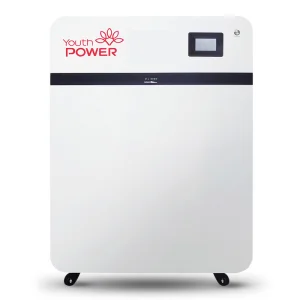
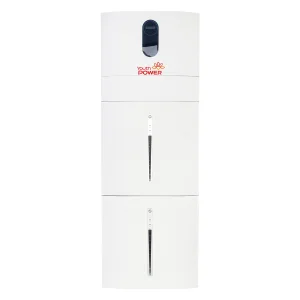
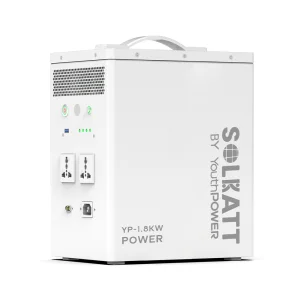
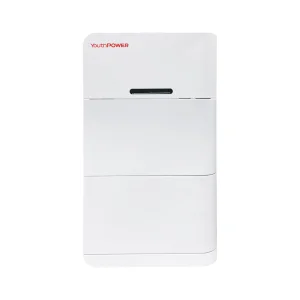
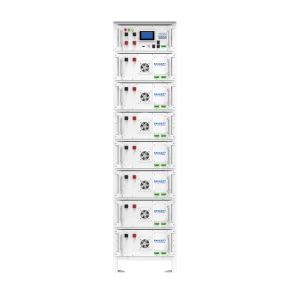
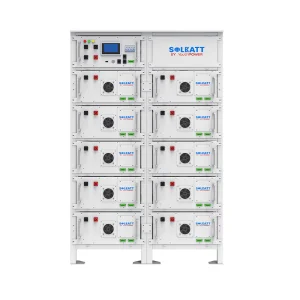
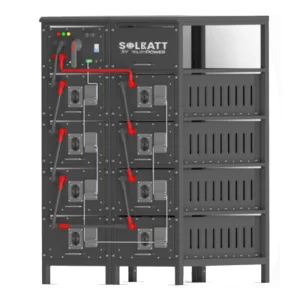
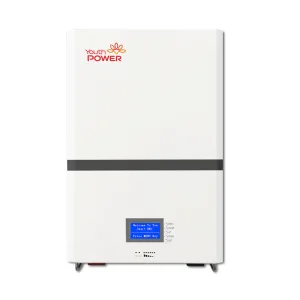
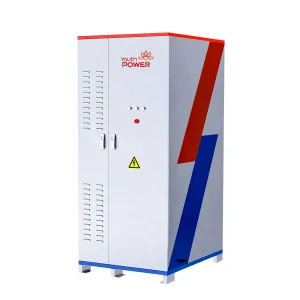
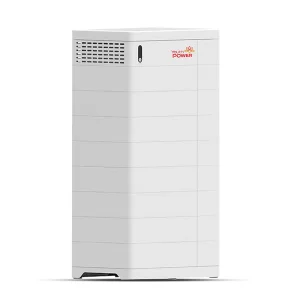
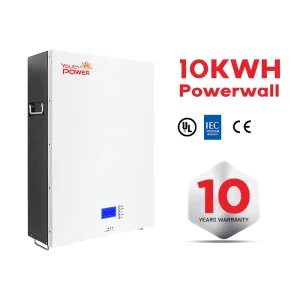
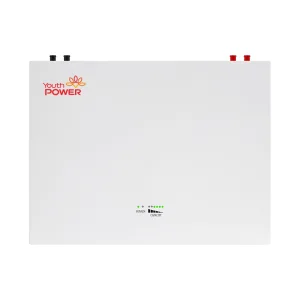
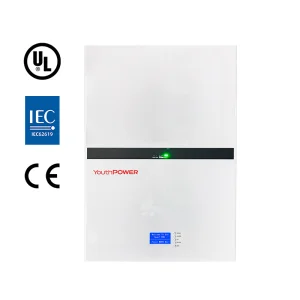
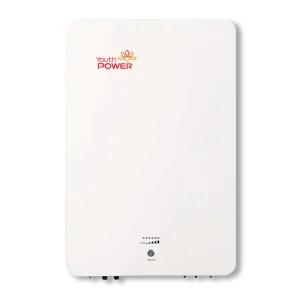
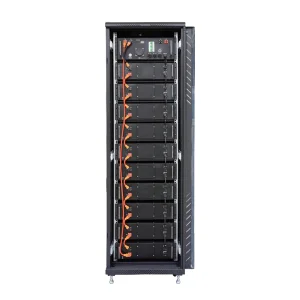
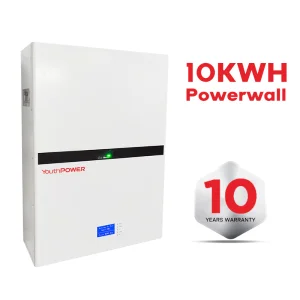
Engineered to deliver flexible, scalable, and safe alternatives to conventional residential and light commercial battery modules.
Analysing structural shifts in the global supply chain, technical compatibility, and safety criteria for energy storage systems.
Unlike NCA or NMC chemistries, Lithium Iron Phosphate (LiFePO4) offers thermal stability, eliminating risks of thermal runaway. Crucial for urban deployments and strict municipal fire codes.
By leveraging Chinese supply-chain efficiencies, tier-1 LFP alternatives decrease the Levelised Cost of Storage (LCOS) by up to 35% compared to mainstream US-branded equivalents.
Alternative battery suppliers configure standard Modbus, CAN, and RS485 communication ports to work seamlessly with multiple inverters (Solis, Growatt, Victron, Deye) instead of proprietary ecosystems.
As grid instability intensifies due to volatile extreme weather events and high renewable energy injection rates, industrial, commercial, and utility procurement departments are under immense pressure to source robust battery energy storage systems (BESS). Traditional options, while popular, are often subject to supply chain bottlenecks, strict closed-loop ecosystems, and high cost premiums. Consequently, EPC contractors and energy project developers look to dedicated battery manufacturing facilities capable of delivering customized, multi-tier voltage systems.
B2B organizations are prioritizing manufacturers that offer comprehensive engineering support, high manufacturing capacity, and flexible voltage architecture (ranging from low-voltage 48V residential storage solutions to multi-megawatt high-voltage commercial container systems). By shifting towards optimized LFP alternatives, procurement managers secure reliable shipping lead times, extended system warranties (often exceeding 10 years), and seamless integration with existing local distribution infrastructure.
A detailed engineering assessment of electrical, chemical, and cycle-life characteristics.
| Feature Parameter | Legacy Brands (e.g., Tesla Powerwall 2) | Advanced Alternative (e.g., YouthPOWER Stackable ESS) | Sourcing Benefit |
|---|---|---|---|
| Battery Chemistry | Lithium NMC / NCA | Lithium Iron Phosphate (LiFePO4) | Maximum safety, minimal thermal runaway risk. Clean energy compliant. |
| Cycle Life (80% DoD) | ~3,000 to 4,000 Cycles | > 6,000 Cycles | Almost double the operating lifespan; superior ROI over 10-15 years. |
| Inverter Compatibility | Proprietary (Integrated) | Open Protocol (Growatt, Solis, Victron, Deye, etc.) | Enables replacement or scaling of individual system layers without lock-in. |
| Voltage Architecture | Low Voltage (approx. 50V internal boost) | Low Voltage & Stackable High Voltage (up to 409V+) | High-voltage designs decrease cable size and conversion losses in C&I settings. |
| Scalability Range | Max 10 units parallel | Highly Scalable (Up to 215kWh+ per stack group) | Supports scaling from standard residential to heavy commercial microgrids. |
One of the primary technology choices facing system architects is the choice between low-voltage (48V/51.2V) parallel configurations and high-voltage stackable designs. Low-voltage configurations are inherently easier to install for residential applications and pose lower hazards to field technicians. However, they struggle with high line-current losses when scaled to commercial levels. By using high-voltage stackable architectures (such as the YP BOX HV series), factories can run series connections of up to 400V or 500V. This significantly increases round-trip conversion efficiency, decreases DC-side cabling costs, and enables standard solar inverters to run closer to their peak operating efficiency band.
Company Founded
Years Battery R&D
Families Powered
LFP Safe Technology
Providing global B2B clients with top-tier LiFePO4 cells and integrated energy storage solutions since 2003.
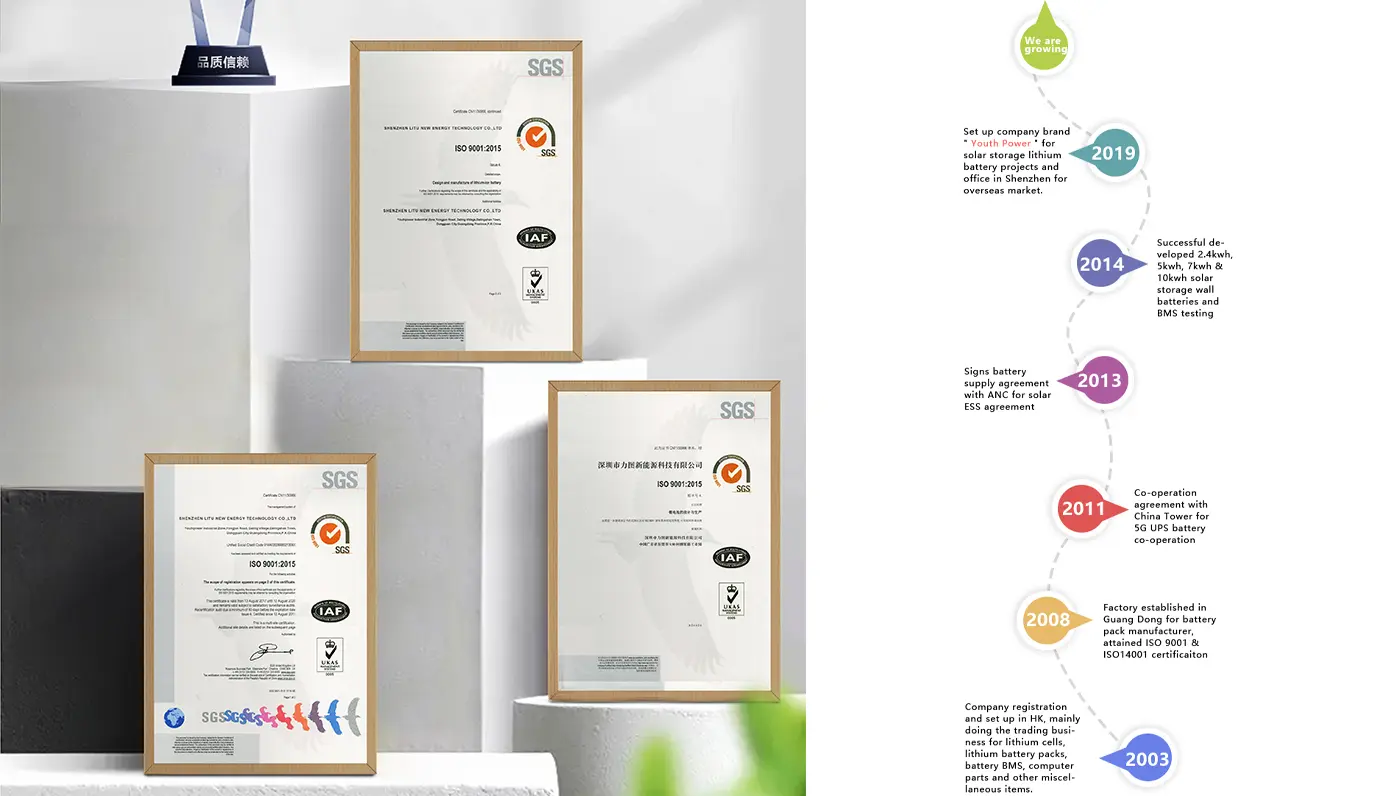
Founded in 2003, YouthPOWER has evolved to become one of the premier suppliers of solar storage lithium batteries on the global market. Our products address a broad spectrum of requirements with energy storage solutions ranging from 24V, 48V, up to high-voltage industrial battery systems. Our two decades of experience in battery engineering and high-volume production give us deep manufacturing expertise and extensive R&D capability.
Through systematic quality improvement, continuous materials testing, and active market presence, we launched our own registered brand "YouthPOWER" in 2019. We focus on providing high-yield solar batteries with customized configuration options that match the demanding expectations of global distributors, commercial project managers, and solar EPC companies.
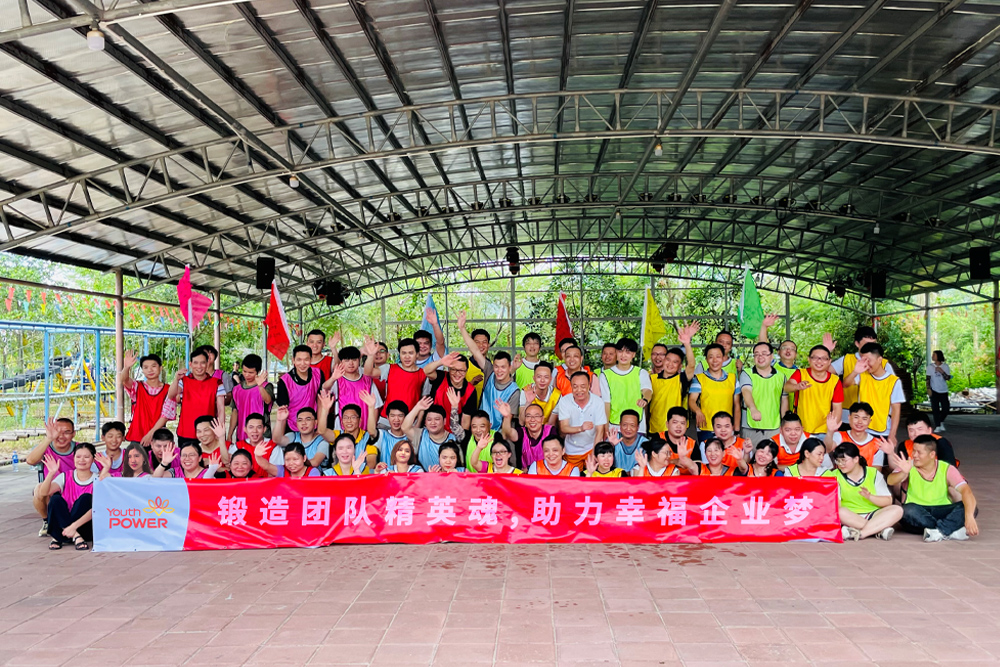
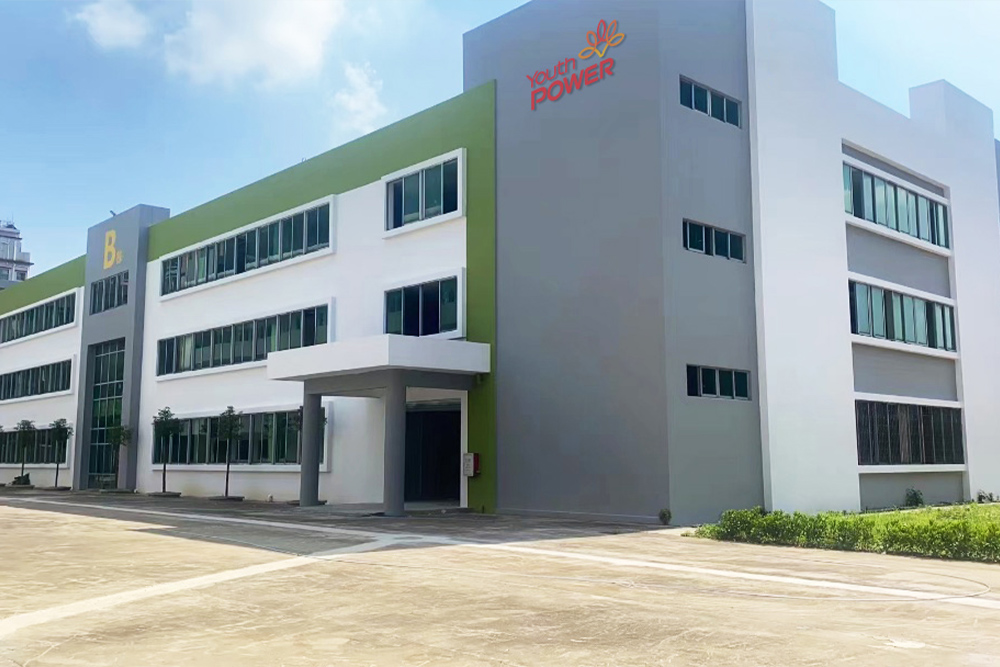
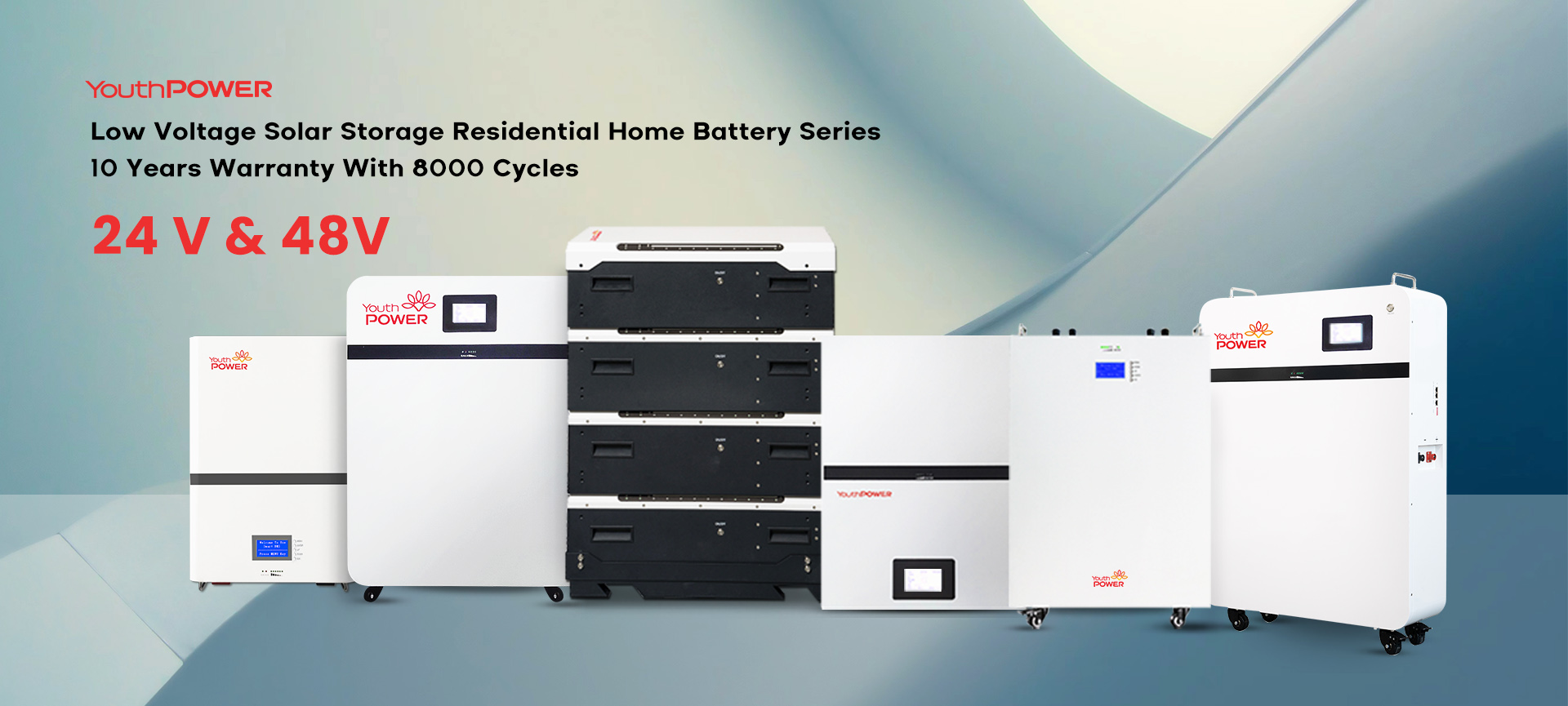
With near-twenty years of manufacturing experience, we deliver tailored products engineered to withstand varied environmental and grid conditions. We maintain deep-tier relations with local raw material vendors, allowing us to insulate our customers from sudden price increases while guaranteeing access to Tier-A quality lithium iron phosphate cells.
We are proud to announce that over 1,000,000 homes and commercial installations globally rely on YouthPOWER solar battery storage solutions. Our modular assembly lines in China adhere strictly to ISO 9001 and ISO 14001, verifying that every battery pack leaves the facility with tested reliability.
We work closely with clients across North America, Europe, Australia, and Africa. Because our engineering teams are well-versed in local regulatory landscapes, we provide B2B clients with the necessary certifications and custom branding (OEM/ODM) to ensure rapid time-to-market. Our supply chain is structured to ensure that regional vendors can ship products securely and cost-effectively, maintaining our competitive pricing advantages.
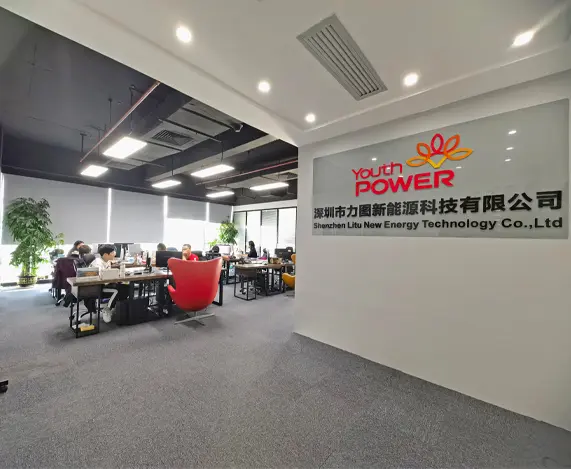
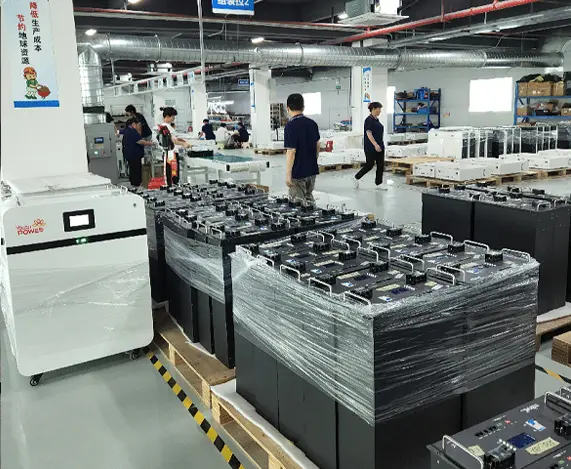
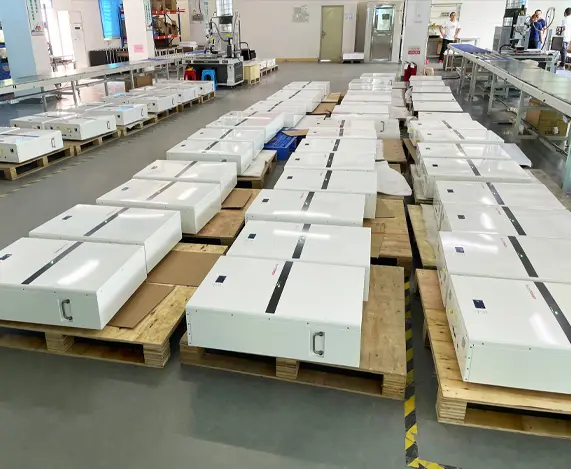
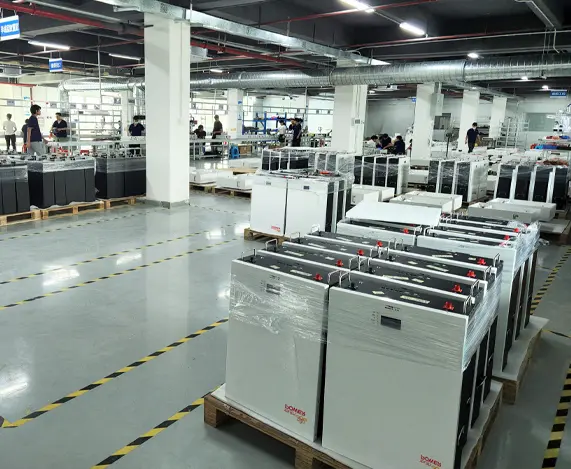
A timeline highlighting our development from a dedicated battery laboratory into a globally trusted BESS manufacturer.
A look at integration trends, grid interaction, and next-generation chemistry options.
Modern battery energy storage systems are moving beyond simple backup applications to play a key role in dynamic grid interaction. Utilities now reward commercial operations that can reduce peak load demand dynamically (Peak Shaving) or supply energy to the grid during periods of peak strain. By utilizing robust lithium battery arrays, businesses can capture excess renewable energy generated during off-peak hours and discharge it when grid tariffs are high. This stabilizes operational overhead and assists utility companies in balancing localized voltage fluctuations.
The convergence of artificial intelligence and energy management software (EMS) has enabled the creation of Virtual Power Plants (VPPs). By pooling the capacity of hundreds of individual residential or light commercial battery storages, aggregate capacity can be sold into spot frequency regulation markets. YouthPOWER alternative batteries support CAN-bus protocols that enable communication with smart EMS platforms. This allows real-time state-of-charge (SoC) tracking, predictive thermal health diagnostics, and coordinated grid discharge commands.
While LiFePO4 remains the industry standard for safe and durable stationary storage, manufacturers are actively exploring alternative chemistries to lower costs and address supply chain risks. Development is proceeding along two primary paths:
How we ensure rapid grid connection and international regulatory approval.
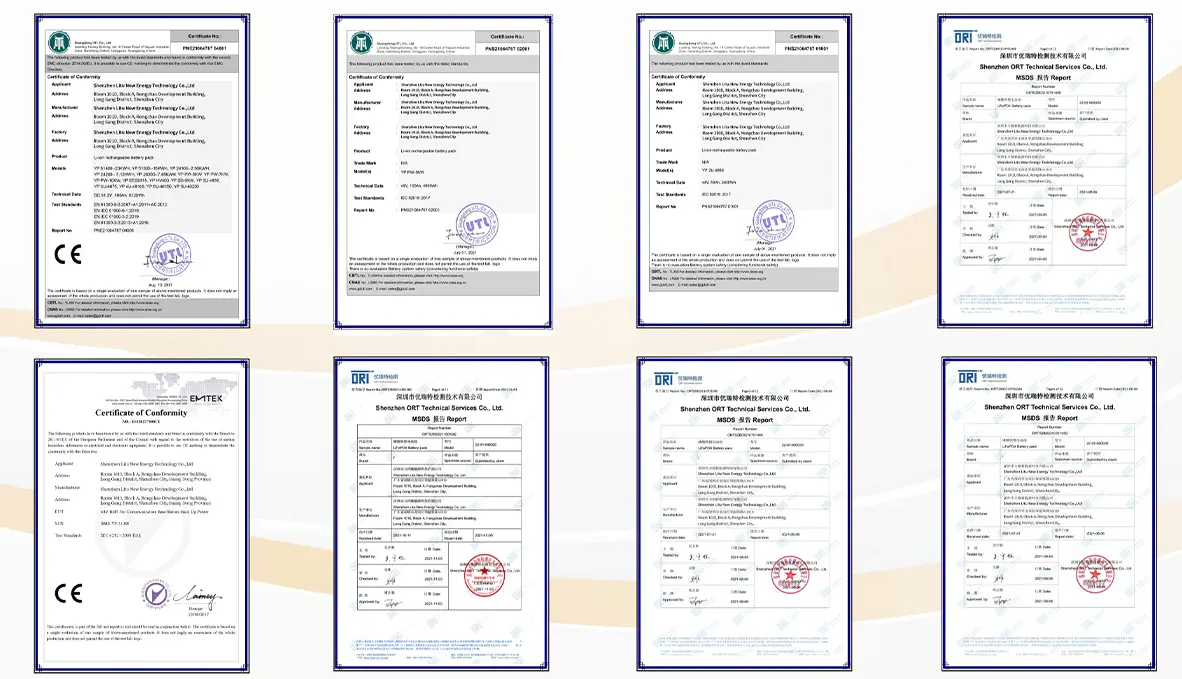
Adherence to UL 1973 (battery packs in stationary applications) and UL 9540A (thermal runaway propagation testing) ensures compliance with strict local building and fire codes in North America.
Complete documentation for CE, IEC 62619, and UN38.3 compliance guarantees smooth customs clearance, safe shipping, and rapid grid connection across European Union territories.
Our localized networks provide replacement parts, warranty claims processing, and system engineering assistance directly, reducing downtime for commercial end-users.
Explore high-voltage modular rack units, outdoor containers, and versatile wall batteries.
Addressing common queries from solar engineers, project procurement leads, and distributors.
 YouthPOWER