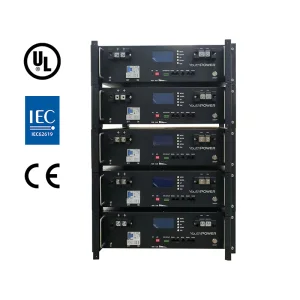
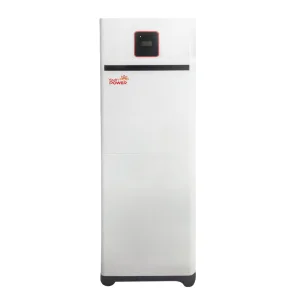
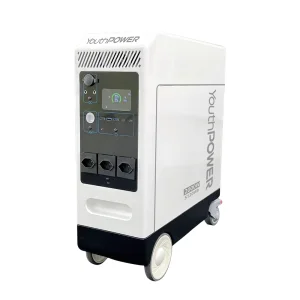
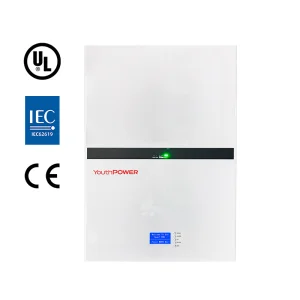
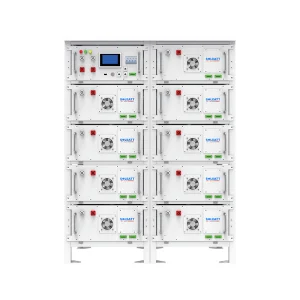
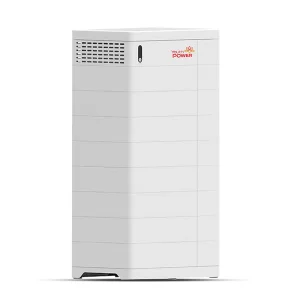
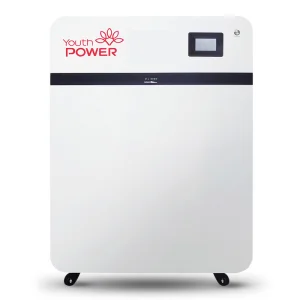
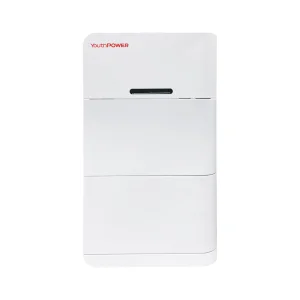
Explore our curated select line of modular lithium-iron phosphate solutions, customizable high-voltage battery arrays, and hybrid inverter system packages engineered for reliability.
In both global residential microgrids and telecommunication battery backups, the 100Ah lithium battery cell configuration represents the absolute golden mean of power-to-weight efficiency. Operating primarily at standard nominal voltages of 48V or 51.2V, a 100Ah unit provides exactly 4.8kWh to 5.12kWh of electrochemical energy storage capacity. This structural sizing fits perfectly within standard 19-inch rack installations, making it highly modular and scalable.
From an engineering perspective, using 100Ah Prismatic LiFePO4 (Lithium Iron Phosphate) cells allows systems designers to control thermal gradients much more effectively than utilizing massive 280Ah or 320Ah cells in tight configurations. Because the volume-to-surface-area ratio is optimized, passive heat dissipation works efficiently, which increases safety metrics and preserves the battery life up to 6,000 continuous charge-discharge cycles at 80% Depth of Discharge (DOD).
China is the epicenter of the global lithium battery supply chain. Sourcing directly from top-tier Chinese manufacturers yields clear structural cost benefits.
From lithium refining to cathode materials synthesis (LFP chemistry) and structural shell extrusion, Chinese manufacturers control over 75% of the global lithium processing sector. This eliminates international transport tariffs on subcomponents, passing savings directly to buyers.
Fully automated battery cell sorting and welding lanes ensure laser alignment and micro-ohm consistency in internal resistance. Automated quality assurance systems guarantee minimal deviation between cells, reducing failure rates to parts-per-million (PPM) levels.
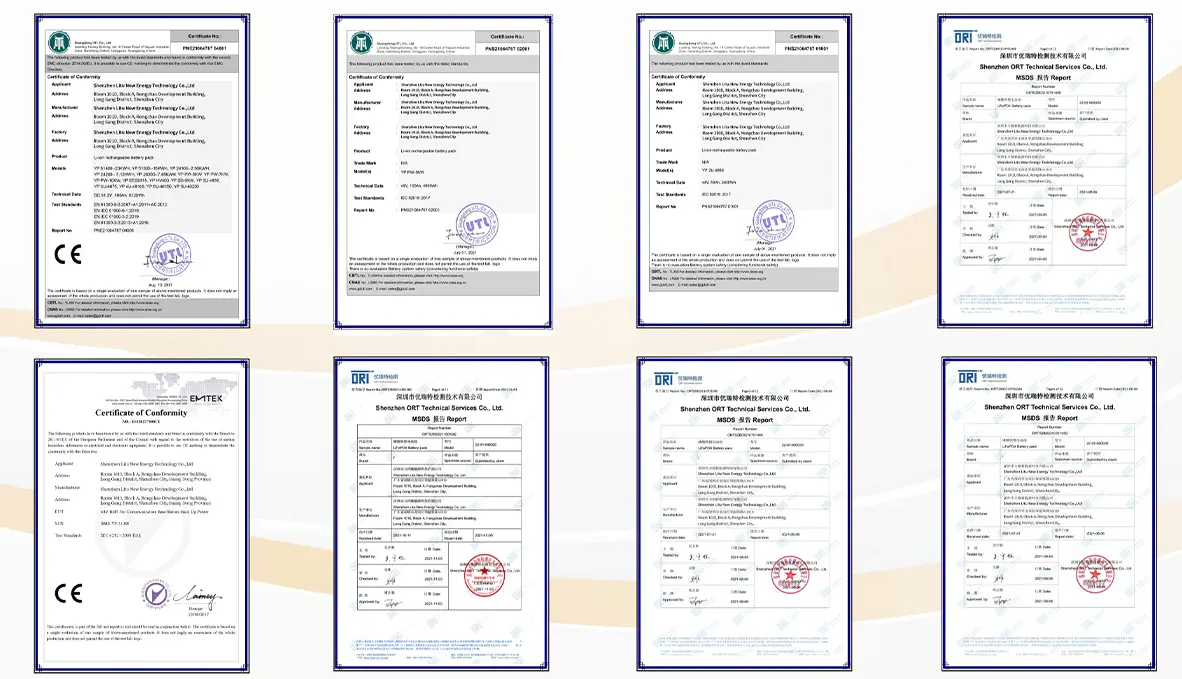
Industrial hubs in Dongguan, Shenzhen, and Jiangsu enforce stringent standards including ISO9001, CE, UN38.3, UL1973, and IEC62619, meaning cells are manufactured, tested, and certified for import into European, North American, and Australian markets without legal bottlenecks.
B2B procurement agents must understand what constitutes the final price tag of a 100Ah lithium storage module. Prices are directly influenced by component grades and technical design choices.
| Battery Configuration (Nominal) | Cell Grade Type | Cycle Life Expectancy | Estimated FOB China Price (B2B Bulk) | Ideal Target Application |
|---|---|---|---|---|
| 12V 100Ah (1.28kWh) | Grade A Prismatic LFP | 3,500+ @ 80% DOD | $110 - $160 USD | RV, Marine, Small Off-Grid DIY |
| 24V 100Ah (2.56kWh) | Grade A Prismatic LFP | 4,500+ @ 80% DOD | $230 - $320 USD | Small Solar Home, AGV, Floor Cleaners |
| 48V 100Ah (4.8kWh) | Tier-1 Automotive LFP | 6,000+ @ 80% DOD | $450 - $650 USD | Telecom Tower, Grid Backup, Residential ESS |
| 51.2V 100Ah (5.12kWh) | High-Density Grade A+ LFP | 6,000+ @ 90% DOD | $500 - $750 USD | Smart Microgrids, High-End Solar Storage |
Pricing Determinants: Cell grade is the primary cost factor. Grade A cells are brand new and match design specifications exactly. Grade B cells have slightly lower capacity or higher internal resistance and are commonly sold at a 20-30% discount. Additionally, integration of a smart BMS (Battery Management System) supporting CANBUS/RS485 communication protocols adds $30-$50 per unit but is essential for stackable configurations.
From off-grid homesteads in North America to micro-grid infrastructure in sub-Saharan Africa, the 100Ah module operates as the default power building block.
In Germany (Balkonkraftwerk setups) and neighboring nations, strict balcony solar limits require compact energy storage. 24V or 48V 100Ah systems store daytime excess generation, discharging at night to cover household baseline loads, ensuring compliance with local grid feeding laws.
Remote cellular towers rely on continuous power. Replacing lead-acid systems with rack-mounted 19-inch 48V 100Ah LiFePO4 batteries reduces maintenance visits by 90% and performs reliably in regions with high ambient temperatures, such as Southeast Asia and South America.
Warehouse robotics (AGVs) demand quick opportunity charging and deep discharge cycles. Industrial 24V 100Ah lithium packs enable continuous fleet operation with fast-charging cycles, improving logistical throughput over legacy lead-acid batteries.
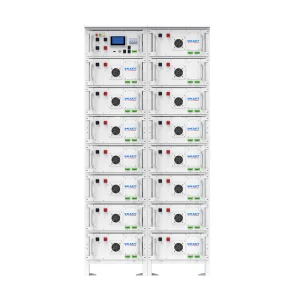
When addressing grid-level power volatility, commercial enterprise buyers look beyond standalone batteries to integrated, macro-level ecosystems. The standard 100Ah module is the foundation for high-voltage energy storage systems (HV ESS) running from 400V up to 800V DC.
By placing up to 15 modules of 51.2V 100Ah batteries in series, system builders design stackable arrays achieving voltages above 760V. High-voltage architecture reduces line currents, minimizes transmission losses, and improves overall system round-trip efficiency (RTE) to over 95%. These macro setups link directly to multi-megawatt central commercial inverters, facilitating peak shaving, reactive power support, and frequency regulation on localized utility loops.
Founded in 2003, YouthPOWER has now become one of the leading suppliers of solar storage lithium batteries in the world. With a broad range of energy storage solutions, it covers a series of 24V, 48V and higher voltage lithium batteries solutions.
YouthPOWER has engaged in the battery technology and production for almost 20 years, with abundant manufacturing experience and strong new product R & D capability. Through many years of hard work and market promotion, we have created our own brand "YouthPOWER" in 2019.
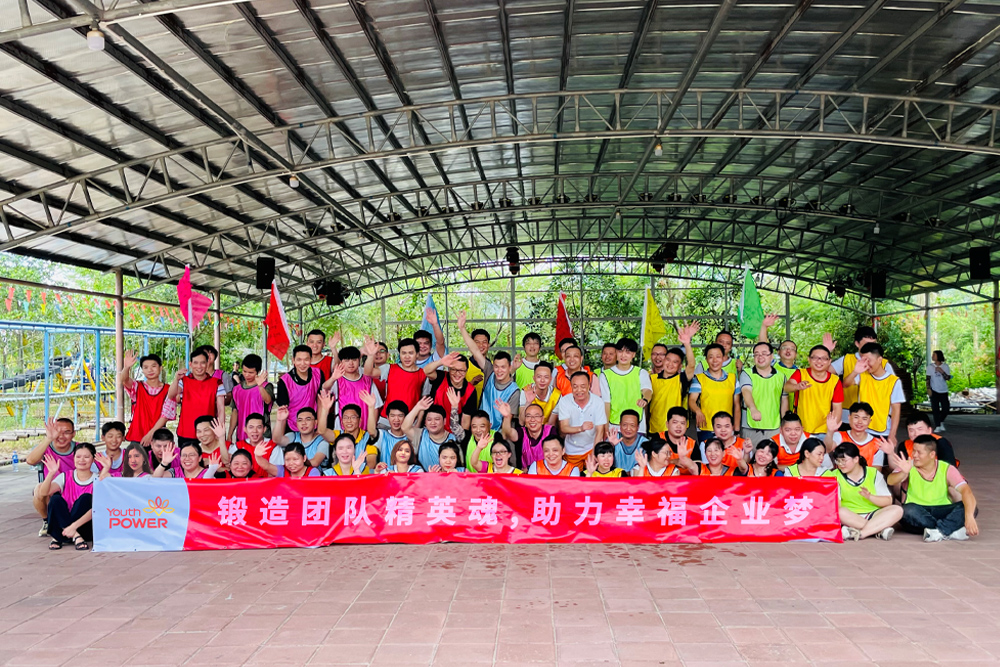
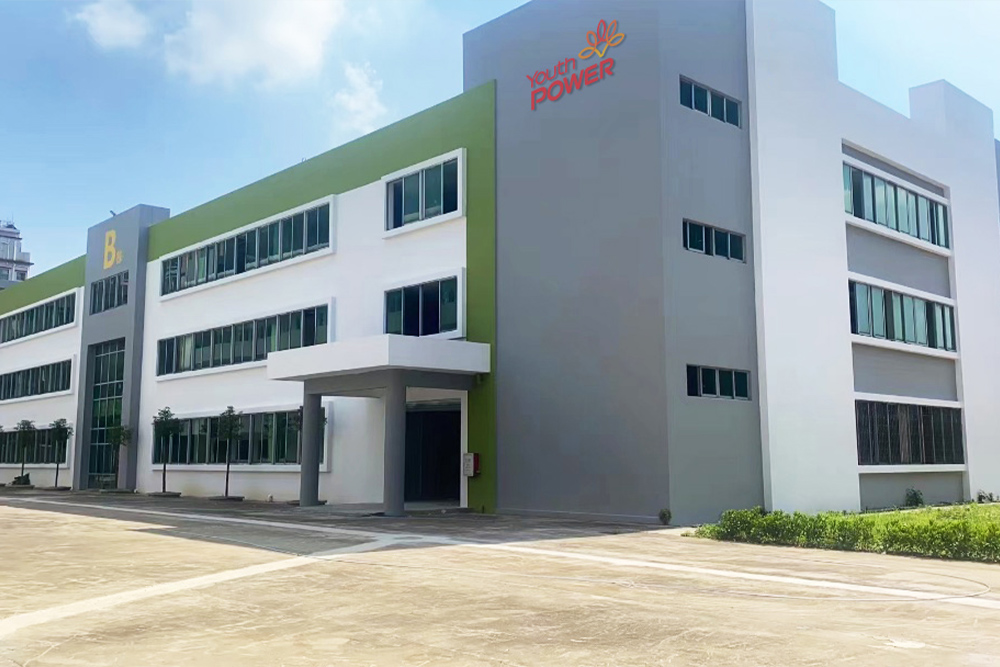
With nearly 20 years’ experience in the battery industry, we have the capability to provide you with both the products you need and the most suitable products you want. We are always ready to supply the first-class products and meet the various needs of the customers.
We have established good business relationships with our customers from all over the world. And we have a good cooperation with all our customers as well for many years running. Supported by our local vendors of raw materials, we can certainly offer you the best prices.
We are so proud that YouthPOWER has offered the reliable solar storage solution for over 1,000,000 families now in the world.
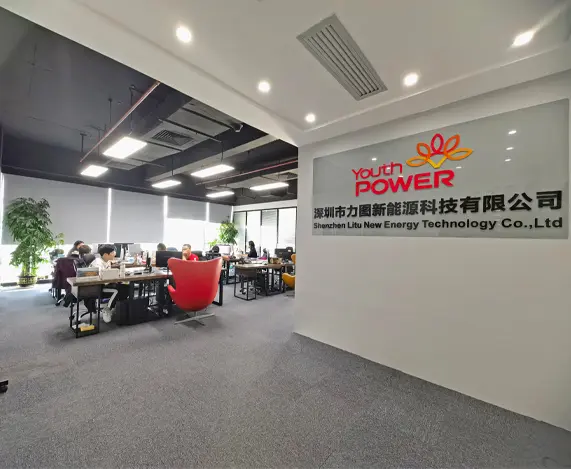
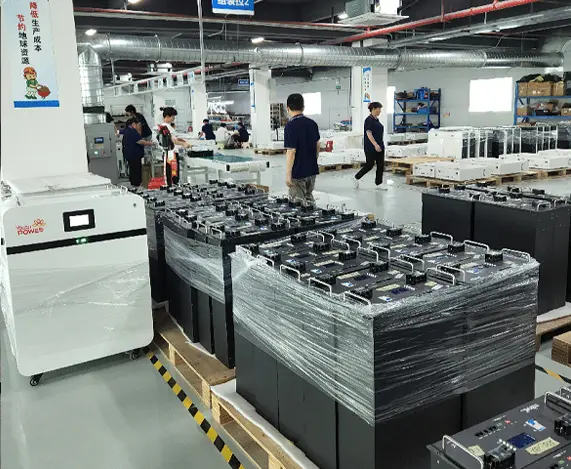
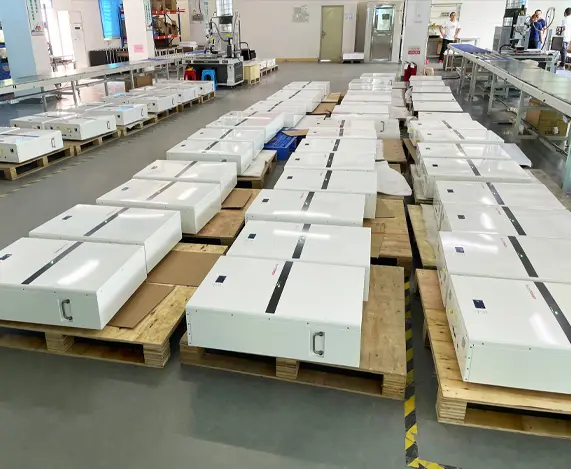
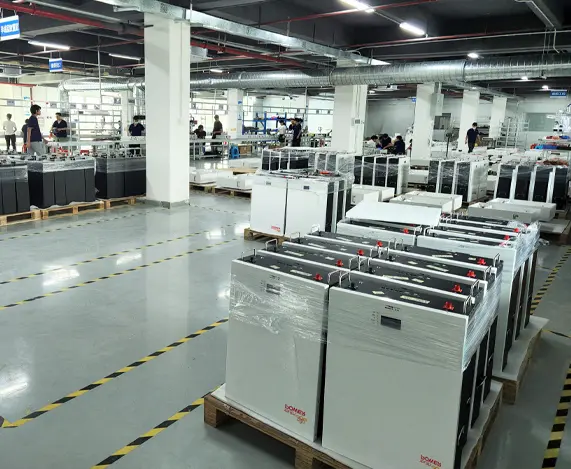
Our pathway to becoming a global tier-1 solar storage solution provider.
Inception of R&D and core battery manufacturing facility.
Upgraded assembly lines to fully automatic prismatic cell configurations.
Officially launched our proprietary global brand "YouthPOWER".
Powering over 1,000,000 households globally with efficient solar storage systems.
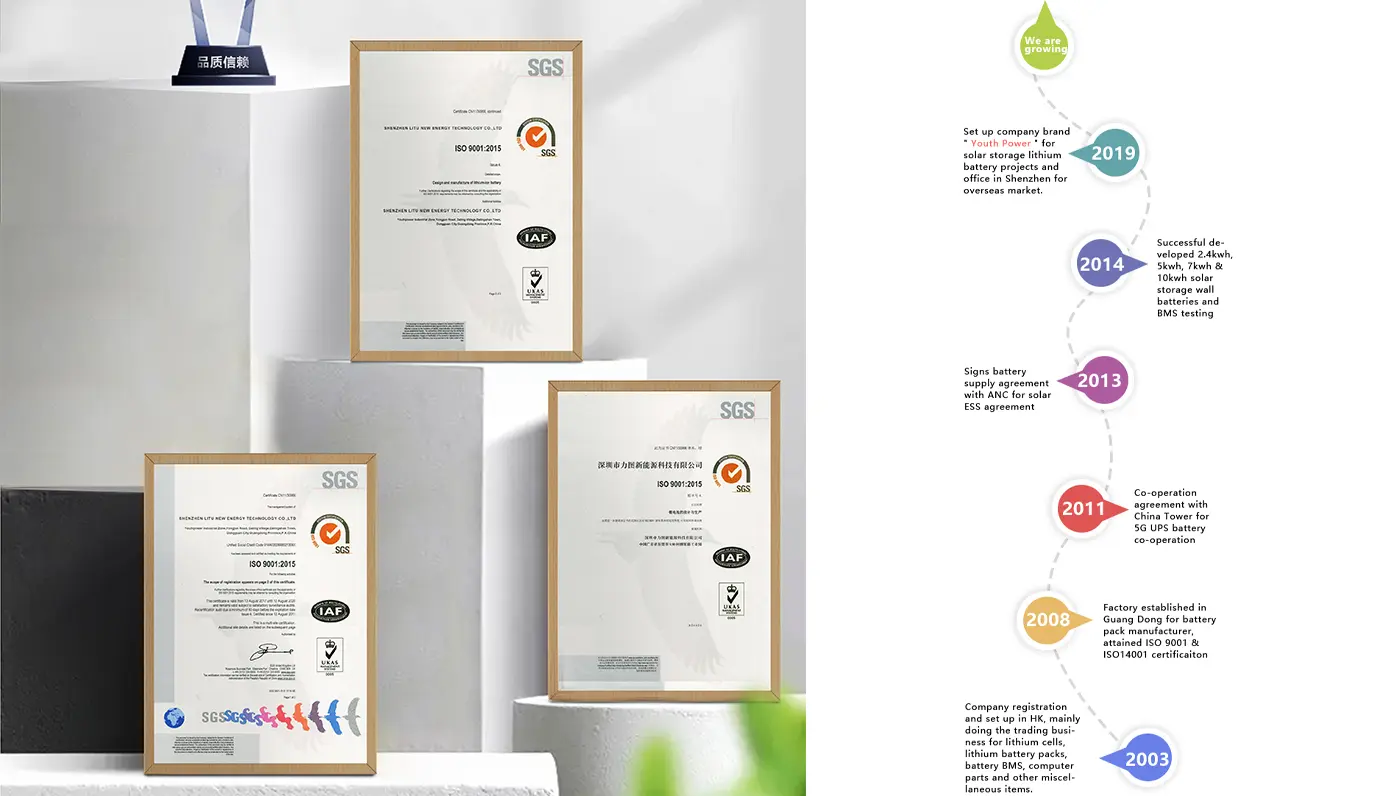
To mitigate deployment risks, procurement managers must evaluate essential compliance benchmarks when choosing battery suppliers.
Ensure the BMS protects against over-voltage, under-voltage, over-current, short circuits, and thermal runaway. Select systems that feature independent cell balancing to ensure all internal prismatic cells discharge at uniform rates.
Confirm compatibility with major inverter manufacturers (such as Victron, Growatt, SMA, and Deye). Standard units should support RS485, CAN, and RS232 connections for optimal telemetry and real-time cloud tracking.
Lithium batteries are classified as Class 9 Dangerous Goods. Ensure your supplier provides valid UN38.3 certification, MSDS reports, and robust sea-freight packing to prevent logistics customs delays.
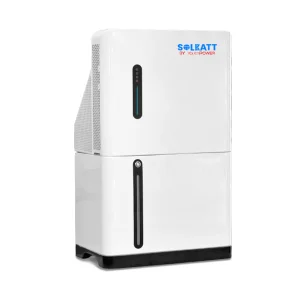
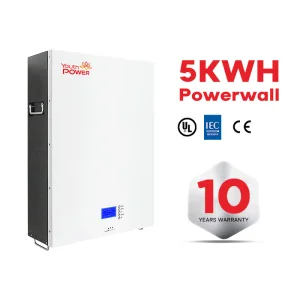
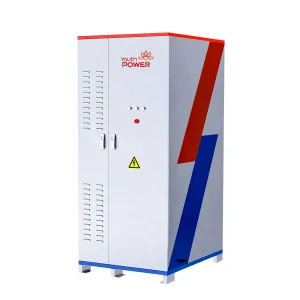
Review our larger-capacity commercial battery packs, stackable high-voltage configurations, and industrial energy storage systems.
Grade A cells represent the premium standard of manufacturing. They have not been cycled and match all specified tolerances—including cell capacity, weight, and internal resistance—exactly. Grade B cells may have minor aesthetic imperfections, slightly higher self-discharge rates, or slightly lower capacity, and are typically sold without warranties at a reduced price.
For residential solar and telecom storage, higher system voltages reduce current flow for the same power output (P=VI). Lower current means you can use thinner copper cabling, which reduces cost and significantly lowers energy losses to heat, improving safety and system efficiency.
Assuming one complete cycle per day (charging during solar hours, discharging at night), a Grade A LiFePO4 pack offering 6,000 cycles at 80% Depth of Discharge will operate reliably for over 15 years before dropping to 80% of its initial capacity.
The BMS should support CANBUS and RS485. These protocols enable the battery and inverter to communicate parameters like State of Charge (SOC), cell voltages, temperatures, and charge limits, preventing cell overcharging.
You must have a UN38.3 test report, a Material Safety Data Sheet (MSDS), and a dangerous goods declaration. These documents are required by shipping carriers to ensure compliance with hazardous materials transportation safety standards.
 YouthPOWER