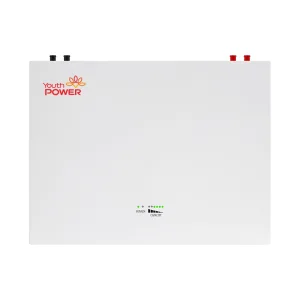
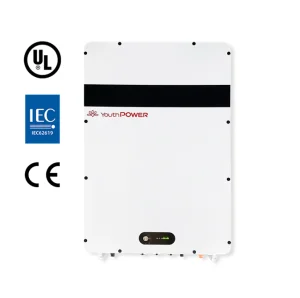
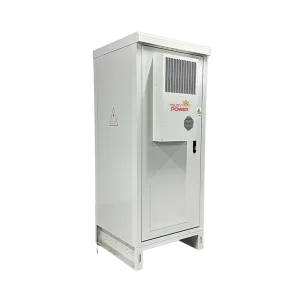
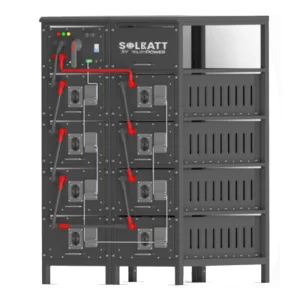
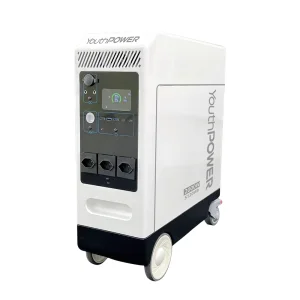
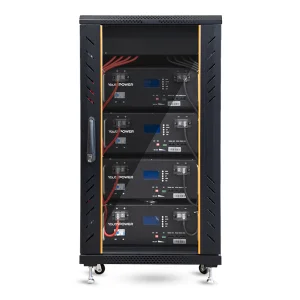
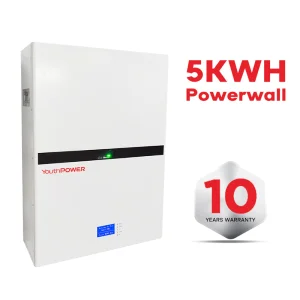
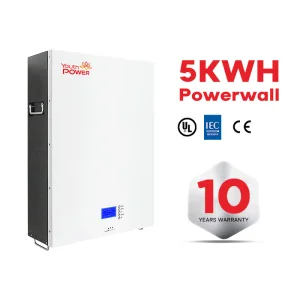
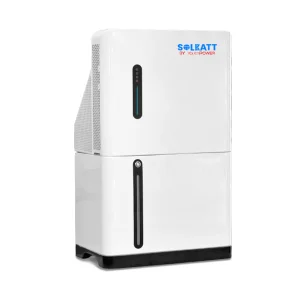
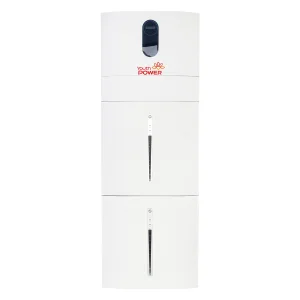
Explore our industrial energy storage cabinets, commercial-grade battery arrays, and compact modular power systems engineered for resilient operations.
The role of 10kW solar systems in decentralized commercial architectures, urban microgrids, and off-grid resilience strategies.
In the transition toward modern zero-carbon infrastructure, the 10kW solar system has established itself as a critical scale. It functions as the ideal bridge between residential systems and light commercial deployments. Regionally categorized under small-scale distributed generation (DG), a 10kW configuration provides enough yield to offset the baseload of light commercial offices, agricultural outposts, and large multi-family residential estates. This scale represents the standard entry level for businesses aiming to optimize their Levelized Cost of Energy (LCOE) while safeguarding operations against grid volatility.
The global demand for 10kW class systems is surging, driven by structural shifts in the energy landscape:
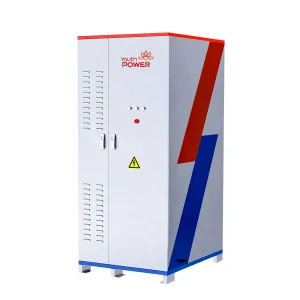
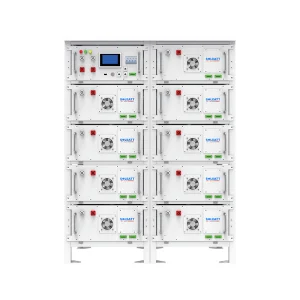
By bypassing retail distributors and sourcing directly from tier-1 factories, commercial installers, developers, and EPC contractors can secure pricing that improves project ROI. Directly purchasing complete system arrays or individual battery cabinets (such as our high-capacity 85kWh and 129kWh storage units) ensures hardware component compatibility, simplified warranty claims, and significant cost savings.
Comparing high-voltage (HV) and low-voltage (LV) systems, LFP chemistry advantages, and system design criteria.
Designing a highly efficient 10kW solar system requires balancing solar PV output with battery storage architecture. The core engineering choice lies in the DC bus voltage configuration: Low Voltage (48V / 51.2V) versus High Voltage (above 300V up to 500V+) systems.
Low-voltage (48V) battery arrays have been the standard for off-grid residences. However, 10kW and larger commercial systems increasingly use high-voltage topologies (e.g., 307V or 460V configurations). High-voltage architecture allows the system to reduce current flow for the same power output, lowering heat generation and power losses ($I^2R$). This allows installers to use thinner cables and simplifies direct DC-to-DC conversion to the high-voltage inverter bus, yielding system efficiencies above 97.5%.
| Specification Parameter | Low-Voltage (LV) Systems (48V / 51.2V) | High-Voltage (HV) Systems (300V - 500V+) |
|---|---|---|
| Ideal Application | Residential properties, small off-grid setups | Commercial buildings, large PV systems, peak shaving |
| Line Transmission Loss ($I^2R$) | Moderate to High (requires thicker gauge copper cables) | Extremely Low (higher efficiency over long distances) |
| Inverter DC-DC Conversion | Requires high boost ratio (limits peak efficiency) | Direct coupling with the inverter DC bus |
| BMS Complexity | Standard monitoring | Advanced multi-tier master-slave monitoring |
| Scalability | Parallel connection limits (current saturation) | Series stackable configurations |
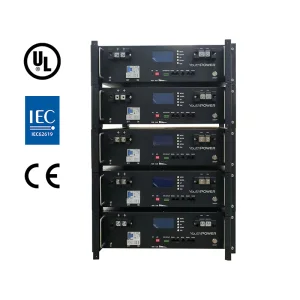
Additionally, modern Lithium Iron Phosphate (LiFePO4) cell chemistry is preferred over nickel-cobalt chemistries (NMC). LiFePO4 offers superior thermal stability, safety, and a long lifecycle (often exceeding 6,000 charge cycles at 80% Depth of Discharge). This longevity makes LFP the ideal standard for commercial energy storage investments, offering a lower levelized cost of storage (LCOS).
Tracing two decades of pioneering R&D, manufacturing expertise, and global energy solutions.
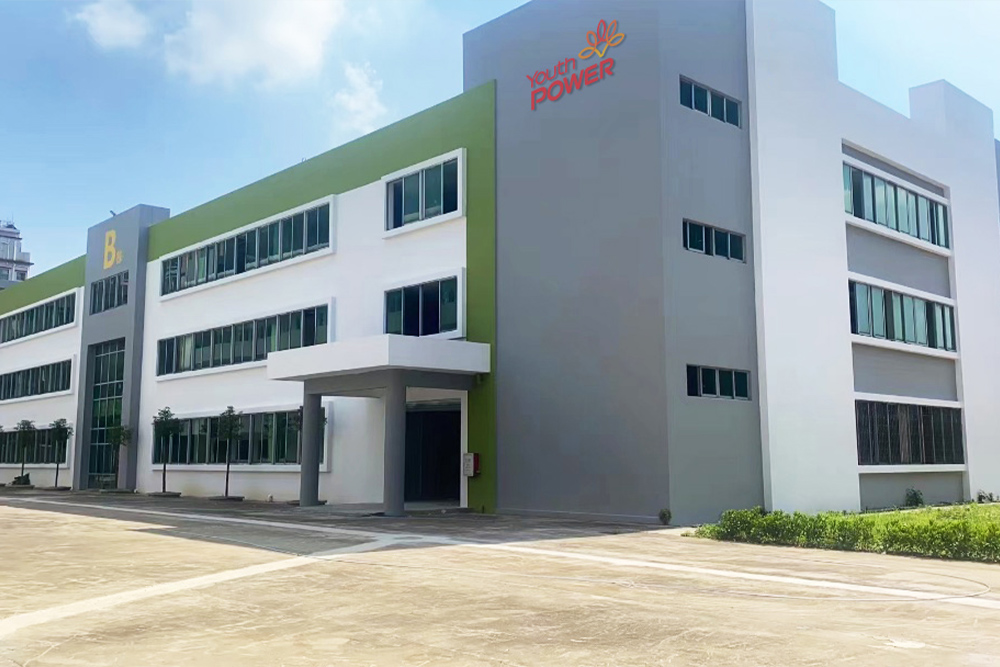
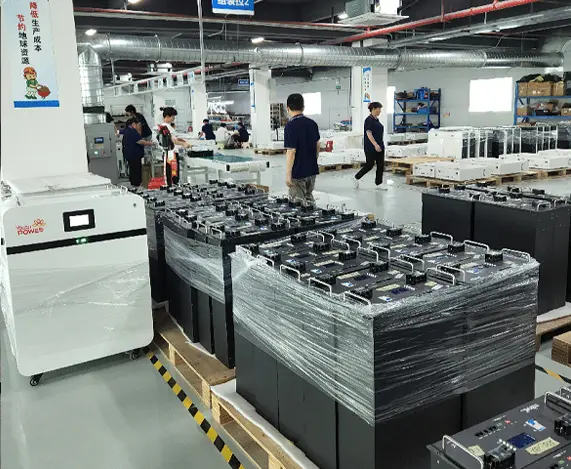
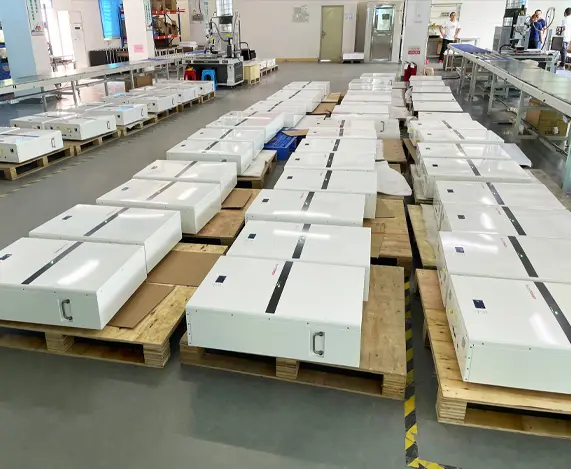
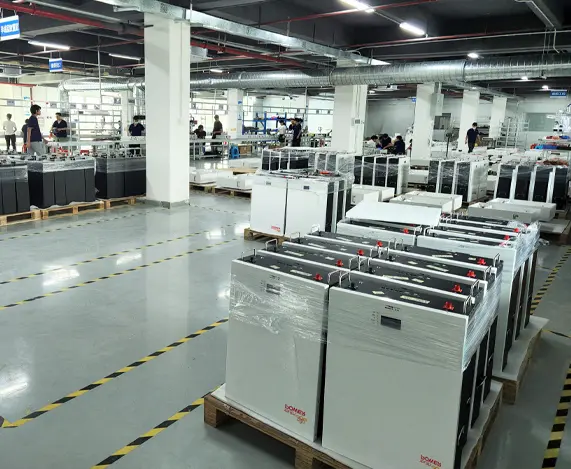
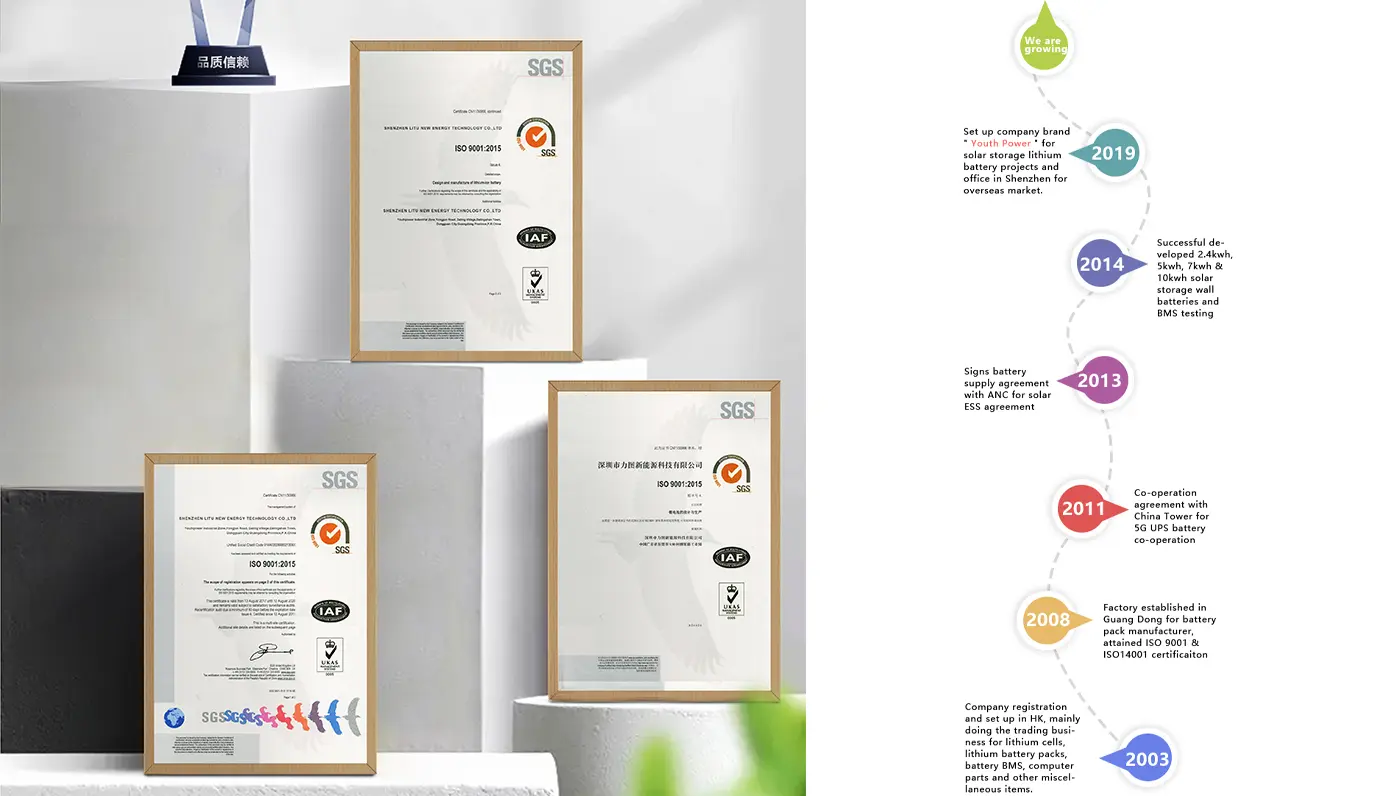
Founded in 2003, YouthPOWER has become one of the leading suppliers of solar storage lithium batteries in the world. With a broad range of energy storage solutions, it covers a series of 24V, 48V and higher voltage lithium batteries solutions.
YouthPOWER has engaged in battery technology and production for almost 20 years, with abundant manufacturing experience and strong new product R & D capability. Through many years of hard work and market promotion, we created our own brand "YouthPOWER" in 2019.
With nearly 20 years’ experience in the battery industry, we have the capability to provide you with both the products you need and the most suitable products you want. We are always ready to supply first-class products and meet the various needs of our customers.
We have established good business relationships with our customers from all over the world, cooperating closely for many years. Supported by our local vendors of raw materials, we can offer competitive direct pricing to our global partners.
We are proud that YouthPOWER has offered reliable solar storage solutions for over 1,000,000 families globally.
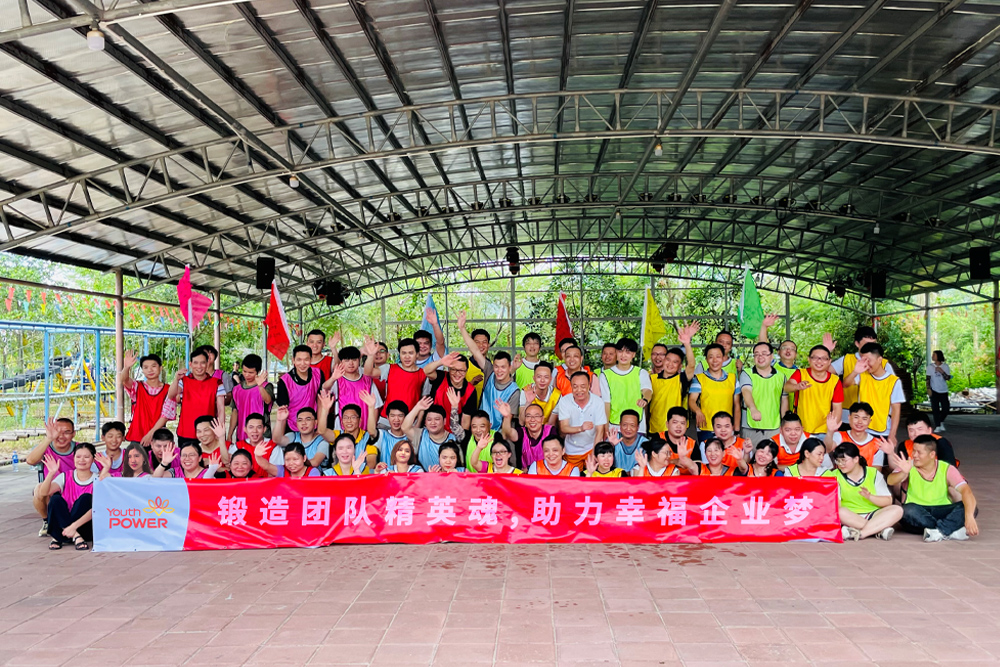
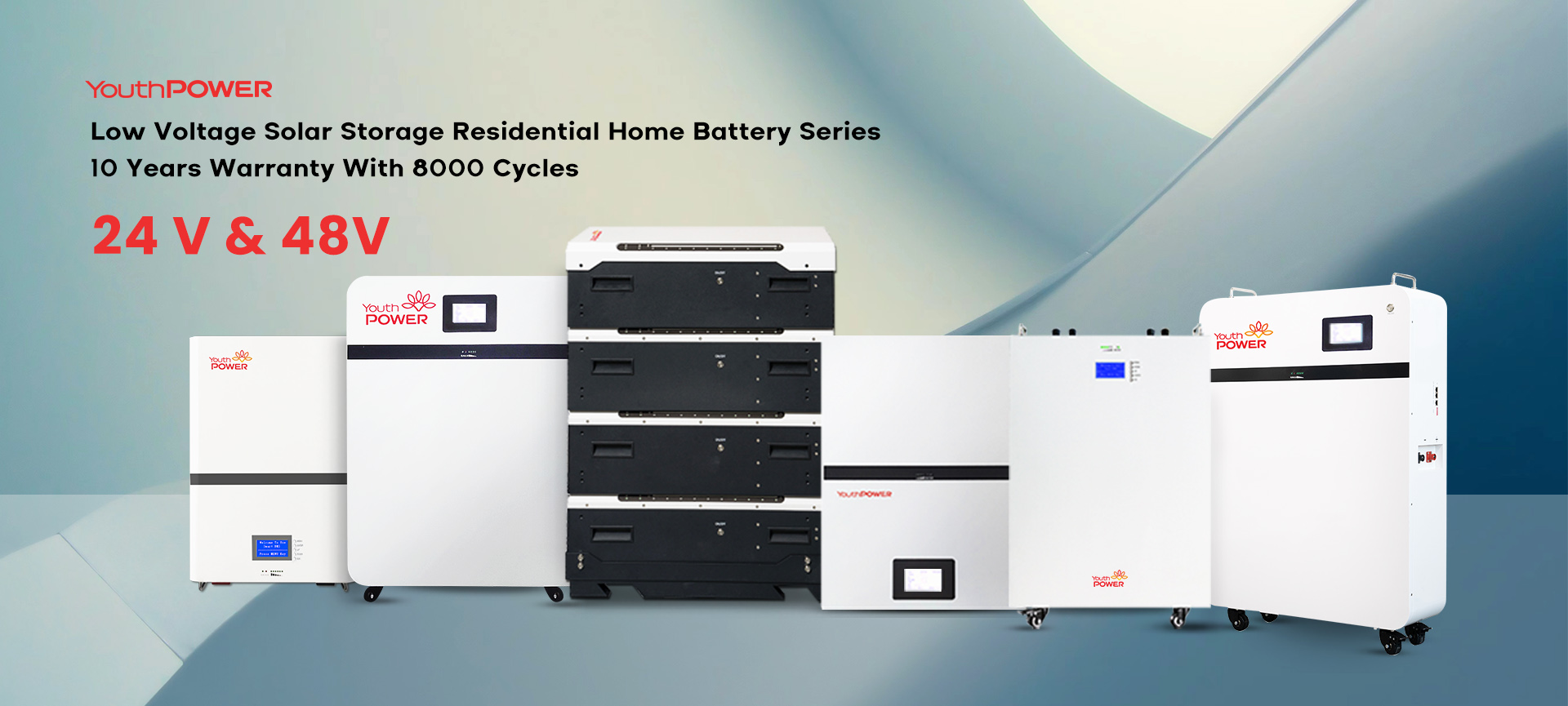
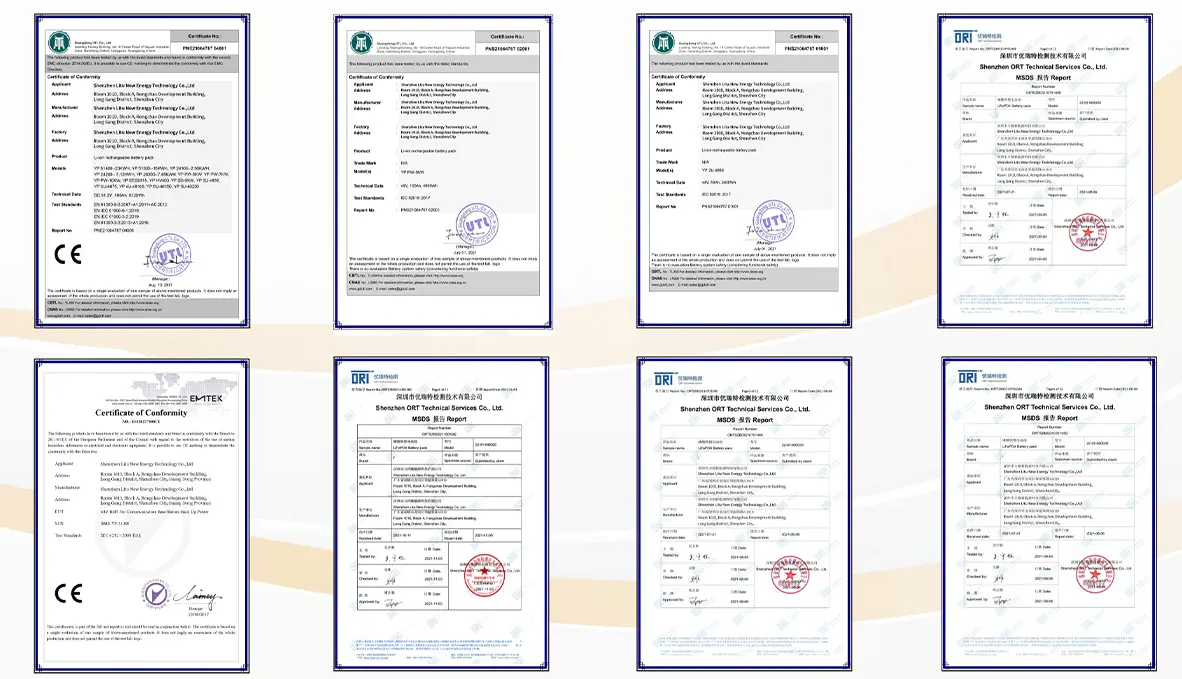
Our journey is defined by continuous technical improvements, expanding production capacity, and adapting to global clean energy needs. By optimizing battery pack density and developing advanced battery management systems (BMS), YouthPOWER ensures high reliability at competitive factory pricing.
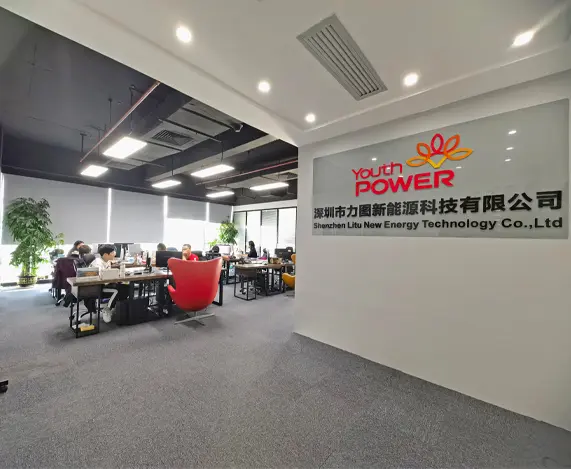
How 10kW systems integrate with modular batteries to solve critical power challenges across industries.
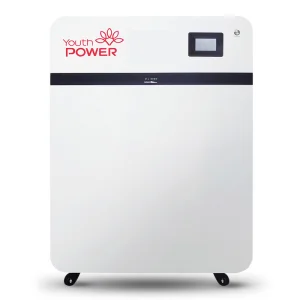
Commercial users face high demand charges based on peak usage. By coupling a 10kW solar system with a high-capacity storage option—such as our 133KWH 512V 260AH Lithium Battery Storage Cabinet—businesses can store excess solar power generated during off-peak morning hours. When the building's load peaks in the afternoon, the battery discharges to keep demand below the utility threshold, reducing demand charges and improving operational costs.
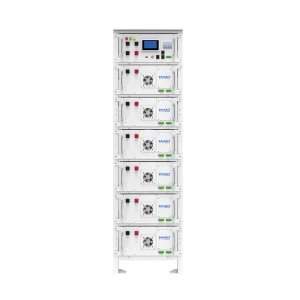
Remote farms and microgrids lack reliable utility access. A 10kW solar installation paired with a high-voltage battery array (like our 460V 280AH battery system) provides the continuous startup current needed for heavy machinery, irrigation pumps, and cooling systems. High-voltage storage reduces system current, allowing the microgrid to operate at lower temperatures, which helps extend the lifespan of the electronics in hot climates.
In high-density residential areas, full roof layouts are often impractical. Urban dwellers can utilize systems like our 2.5KWH Balcony Solar Lithium Battery System to establish a mini 10kW micro-generation footprint. Storing localized balcony generation reduces peak demand on the grid, providing backup power for home offices, computers, and medical equipment.
Understanding cost structures, materials, and importing directly from Tier-1 manufacturers.
The total price of a 10kW solar system with storage depends on battery chemistry, solar inverter features, and installation costs. Buying directly from the factory reduces reseller markups, allowing procurement managers and installers to optimize their budgets. Below is a breakdown of the key factors that influence system pricing:
Working directly with factory engineering teams also allows you to customize battery cabinet capacities, voltage configurations, and bracket mounts. This ensures the hardware integrates smoothly with your selected commercial or residential inverter brands.
Technical guidance and sourcing tips for engineers, distributors, and system installers.
Complete your renewable setup with our portable solar generators, modular high-voltage cabinets, and wall-mounted battery systems.
 YouthPOWER