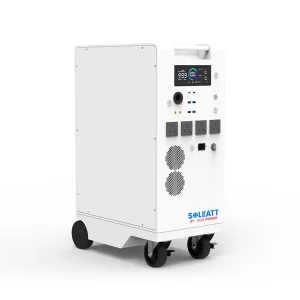
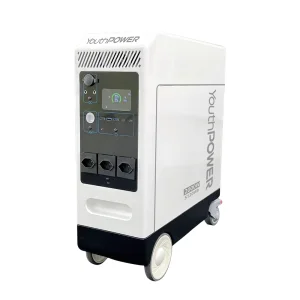
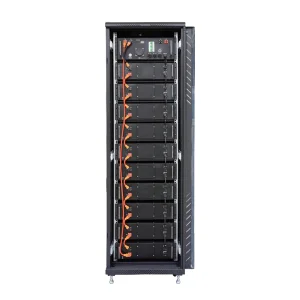
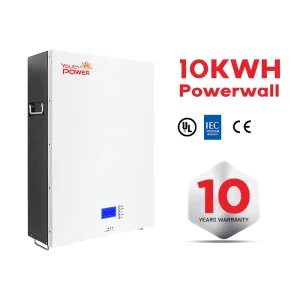
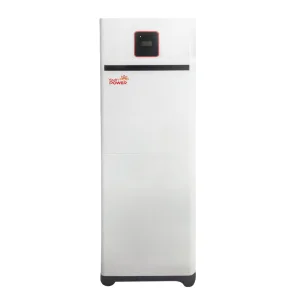
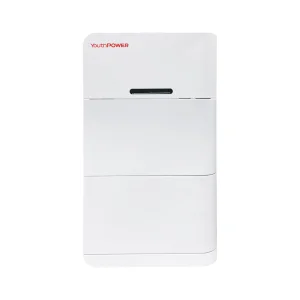
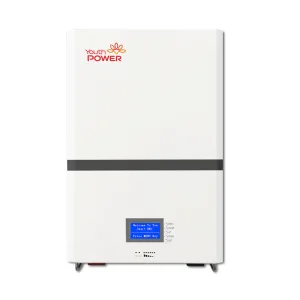
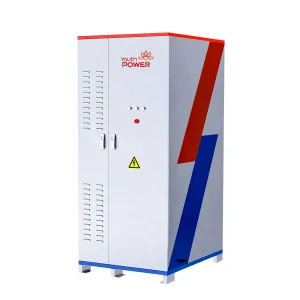
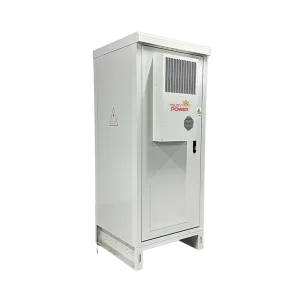
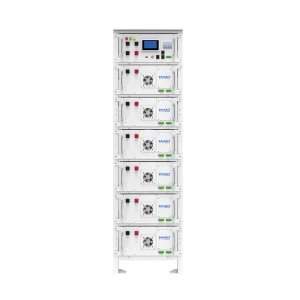
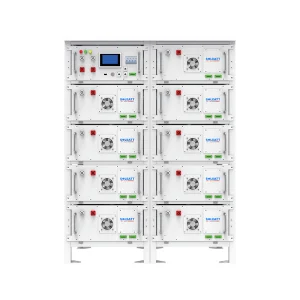
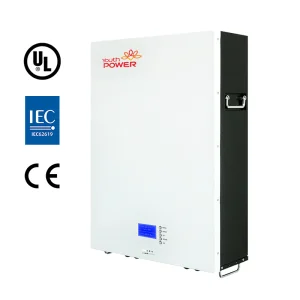
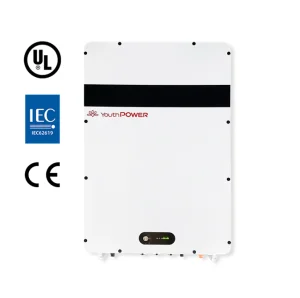
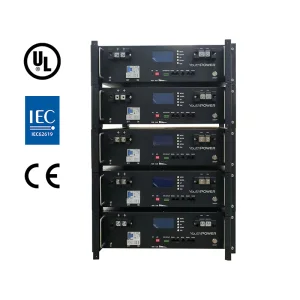
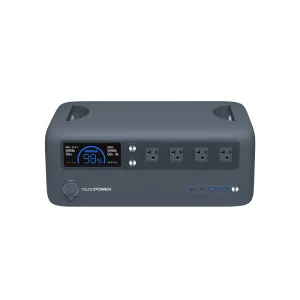
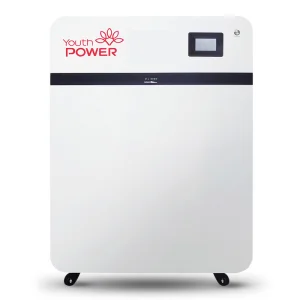
Explore our primary selection of scalable lithium iron phosphate (LiFePO4) storage systems, low-voltage powerwalls, and mobile commercial power units.
The global transition toward decentralized electricity storage has placed 15 kWh energy storage systems (ESS) in a critical strategic position. Serving as the tipping point between residential micro-generation and light commercial building applications, the 15 kWh capacity segment addresses the evolving demands of modern electrical networks. With the decline in grid reliability caused by volatile weather and the integration of intermittent renewable sources, B2B procurement managers are prioritizing robust chemical energy storage options.
In North America and Europe, strict carbon reduction requirements and rising energy costs are driving the adoption of high-capacity storage. Standard residential installations are shifting from 5 kWh options to 15 kWh configurations to accommodate electric vehicle charging infrastructure, heat pumps, and extended backup power requirements. In developing areas, these systems serve as reliable replacements for diesel generators, stabilizing off-grid solar microgrids for small businesses and healthcare institutions.
Industrial manufacturers of 15 kWh batteries are focusing on chemical stability and system intelligence. Modern batteries are integrated with cloud-managed Battery Management Systems (BMS), enabling real-time monitoring of State of Charge (SoC) and cell health, along with automatic thermal regulation. Sourcing managers now require more than simple components; they seek comprehensive partners capable of supplying certified assemblies that align with local utility regulations and grid-connection requirements.
According to current sector analyses, the B2B demand for LFP battery packs in the 10 kWh to 20 kWh capacity range has grown by over 34% year-on-year. Sourcing agents are shifting away from traditional lead-acid options to prioritize high-cycle 15 kWh LiFePO4 cabinets.
An engineering comparison of the chemistry, voltage range, scalability, and safety profiles utilized in high-density B2B energy storage assemblies.
| Feature Category | LiFePO4 (LFP) - 51.2V 300Ah | High-Voltage (HV) Stackable | Lithium Nickel Cobalt Manganese |
|---|---|---|---|
| Nominal Chemistry | Lithium Iron Phosphate (LFP) | Lithium Iron Phosphate (LFP) | NCM / NCA Ternary Lithium | Thermal Stability | Extremely High (Up to 270°C before runaway) | Extremely High (Standard LFP safe baseline) | Moderate (Requires complex liquid cooling) |
| BMS Protection | Integrated CAN/RS485 Dual Protection | Distributed Master-Slave architecture | Active cell-balancing with shutoff valves |
| Scalability Limits | Up to 15 modules in parallel (225 kWh max) | High voltage connection (up to 1000V DC) | Limited modularity due to thermal risks |
| Average Lifespan | 10 - 15 Years (6000 cycles at 0.5C rate) | 12 - 15 Years (Optimized grid charge/discharge) | 5 - 8 Years (3000 cycles maximum) |
Ideal for standard residential installations and retrofitting projects. These systems interface easily with common multi-brand hybrid inverters, simplifying connection setups while minimizing installation complexity and electrical hazard risks.
Engineered for high-demand loads and fast charging. High-voltage setups minimize current losses along connection cables, boosting system efficiency for commercial peak-shaving applications.
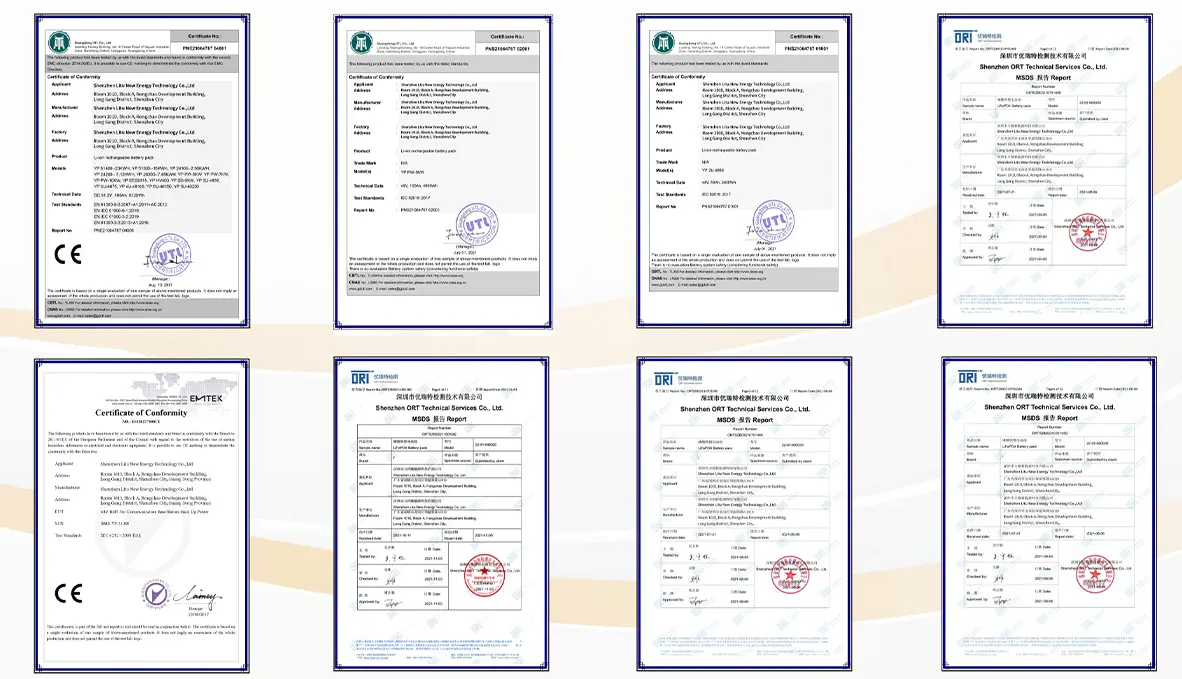
Our systems include multi-tier pressure valves, cell-level thermal sensors, and integrated fire extinguishing materials. They are built to pass strict building safety certifications globally.
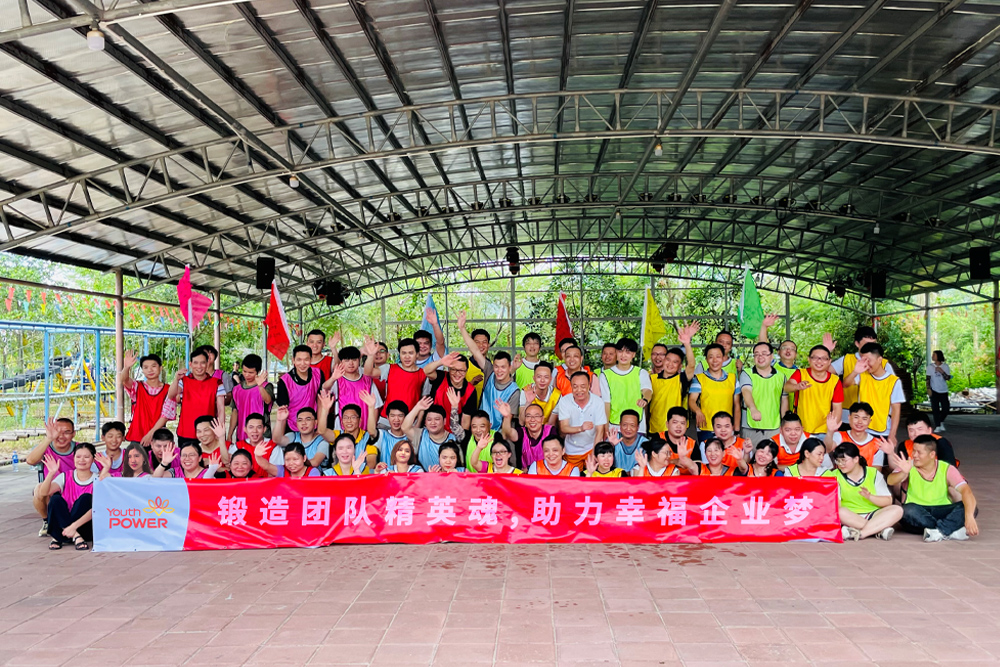
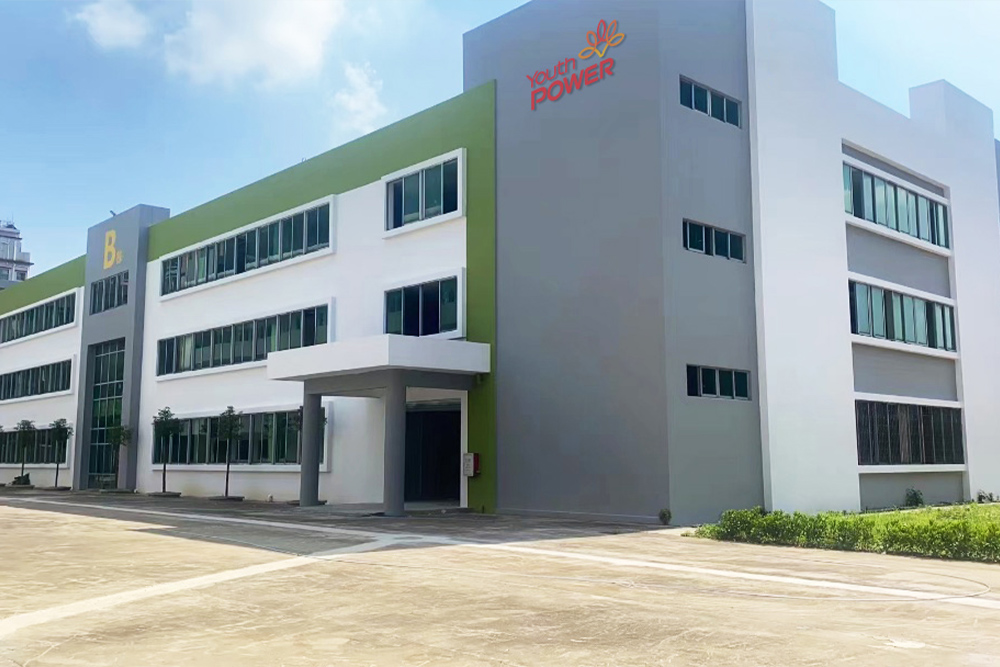
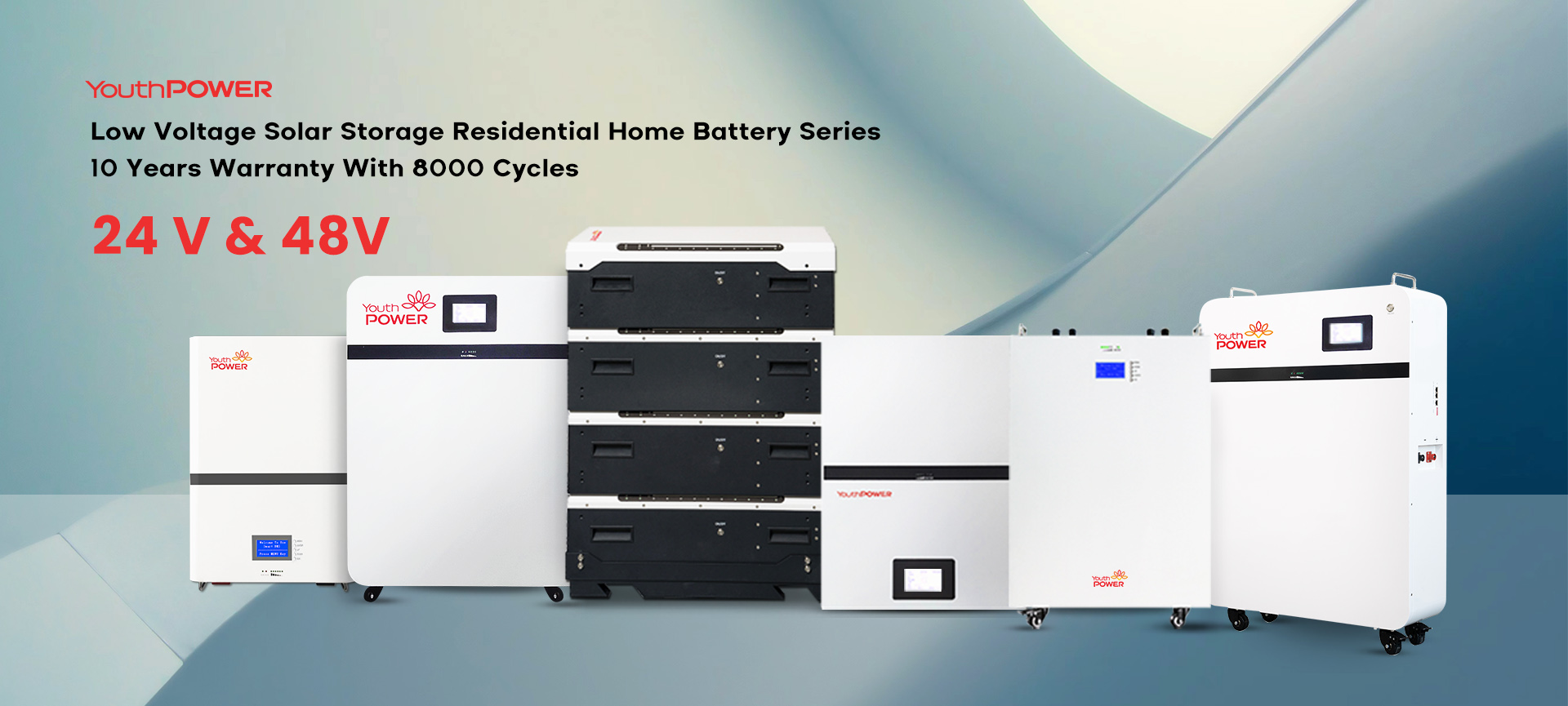
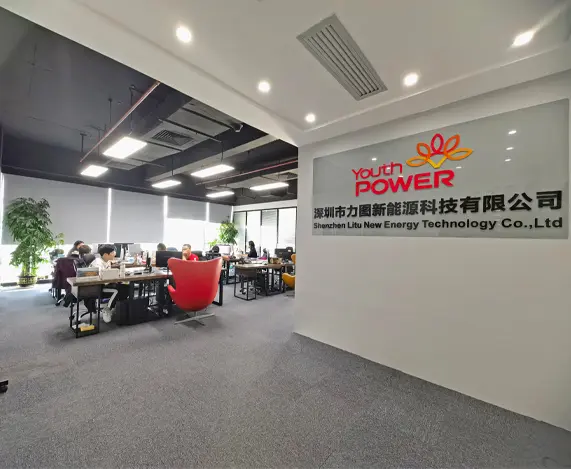
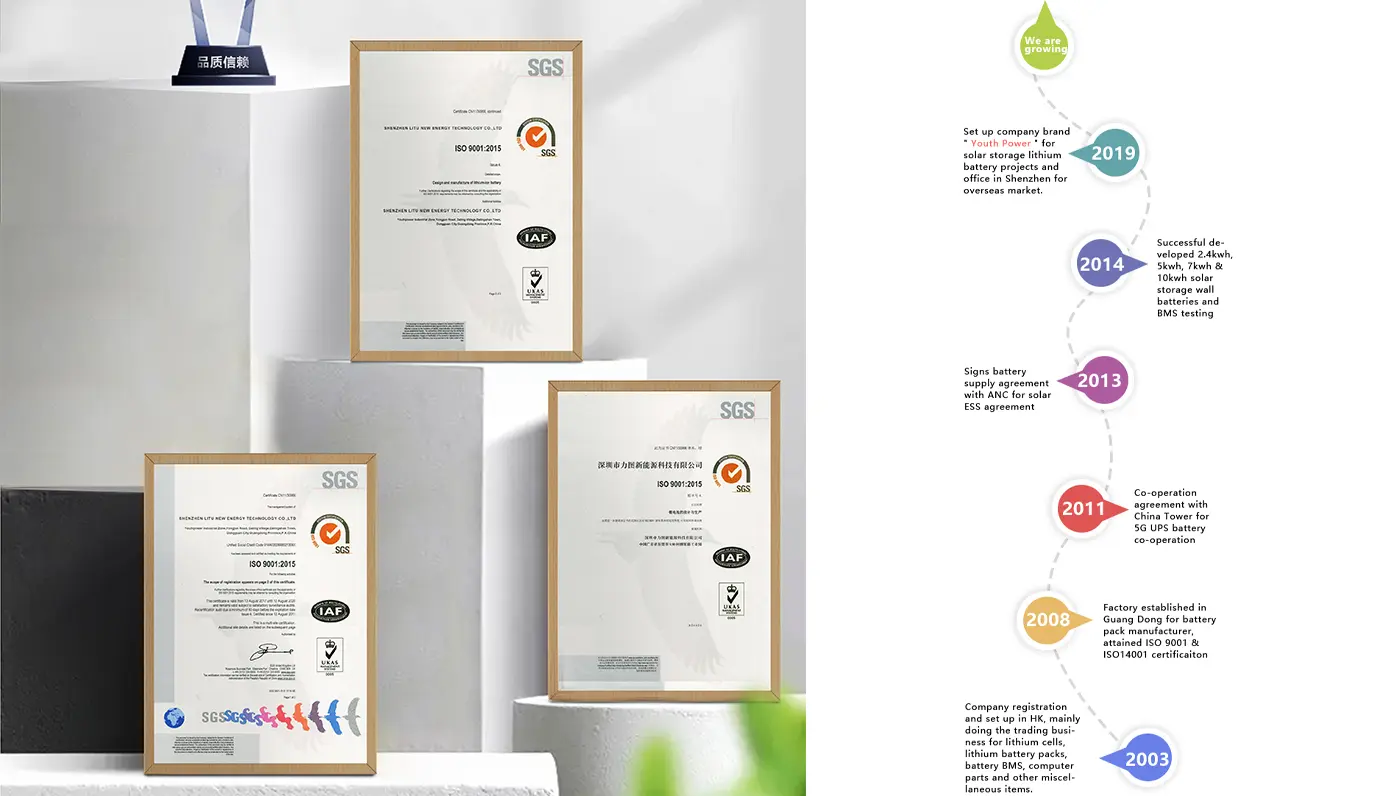
Founded in 2003, YouthPOWER has now become one of the leading suppliers of solar storage lithium batteries in the world. With a broad range of energy storage solutions, it covers a series of 24V, 48V and higher voltage lithium batteries solutions.
YouthPOWER has engaged in the battery technology and production for almost 20 years, with abundant manufacturing experience and strong new product R & D capability. Through many years of hard work and market promotion, we have created our own brand "YouthPOWER" in 2019.
With nearly 20 years’ experience in the battery industry, we have the capability to provide you with both the products you need and the most suitable products you want. We are always ready to supply the first-class products and meet the various needs of the customers.
We have established good business relationships with our customers from all over the world. And we have a good cooperation with all our customers as well for many years running. Supported by our local vendors of raw materials, we can certainly offer you the best prices.
We are so proud that YouthPOWER has offered the reliable solar storage solution for over 1,000,000 families now in the world.
From small industrial settings to large residential solar setups, 15 kWh battery modules provide dependable backup power and energy optimization.
A 15 kWh storage reserve supplies continuous electricity to power heavy appliances during grid failures, such as central air conditioning, well pumps, and refrigeration, maintaining household comfort.
Small offices and storefronts use the 15 kWh battery capacity to absorb power from the grid during cheaper, off-peak hours and discharge it during peak times, lowering monthly utility demand charges.
Buffer solar generation locally to charge electric vehicles overnight. A 15 kWh battery bank allows homeowners to recharge their EV using clean solar energy gathered throughout the day.
Our larger modular collections allow systems to scale from residential units to full industrial-grade distribution cabinets.
When evaluating manufacturers and suppliers for 15 kWh lithium batteries, standard datasheets do not tell the whole story. Sourcing professionals must analyze the underlying production technology, testing standards, and logistics workflows. The following framework provides the essential technical metrics required to secure high-performing battery units:
Insist on Grade-A cells verified by Traceable Laser Code etching. The cells should match capacity limits precisely, with an internal resistance variance below 0.2mΩ to prevent unbalanced cell degradation.
Verify the BMS firmware supports communication protocols (CAN/RS485) for major inverter brands, including SMA, Victron, Deye, Growatt, and Sol-Ark, allowing for fast system integration.
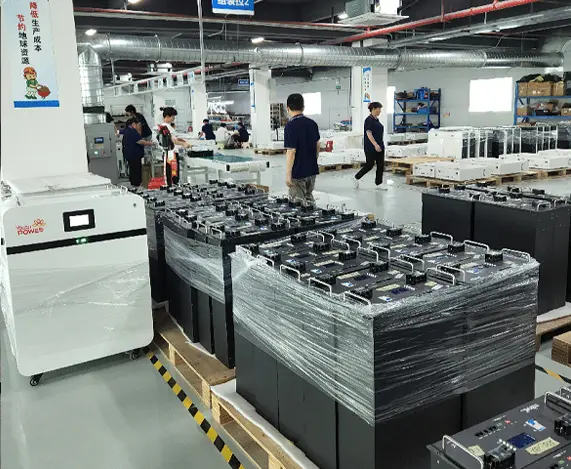
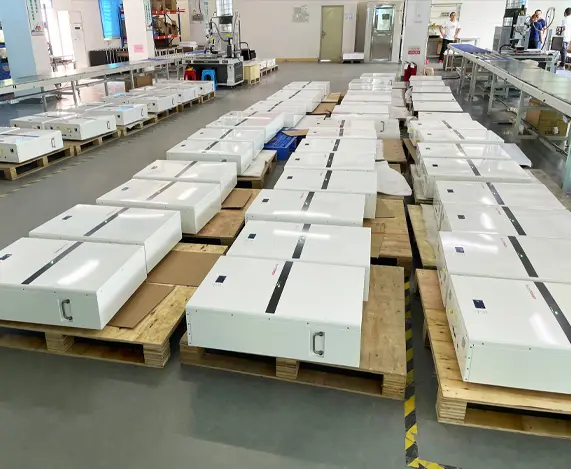
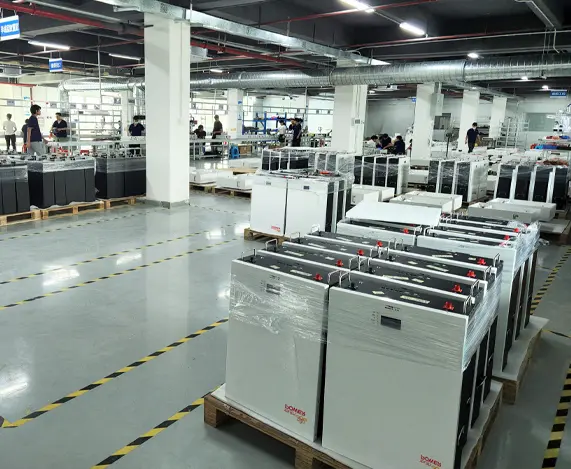
Ensure the factory subjects every pack to dual-stage aging tests: a full charge-discharge cycle test and a high-temperature chamber test (45°C) to detect micro-short circuits prior to shipping.
Request a customized factory quote, technical specifications, or compliance certificates. Our global team responds to all B2B inquiries within 12 business hours.
For immediate engineering support, custom parameters, or direct volume price breaks, please send your project specs directly through our official procurement portals.
 YouthPOWER