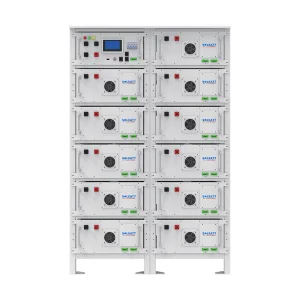
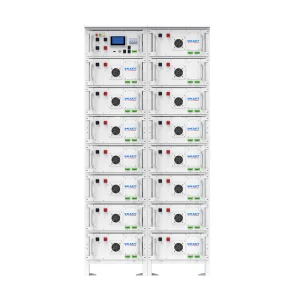
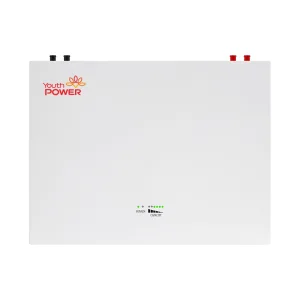
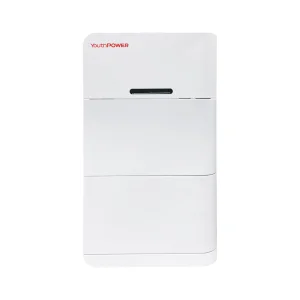
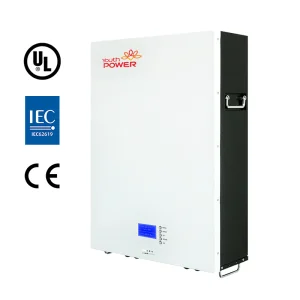
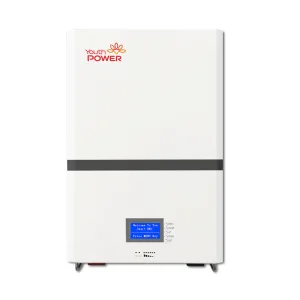
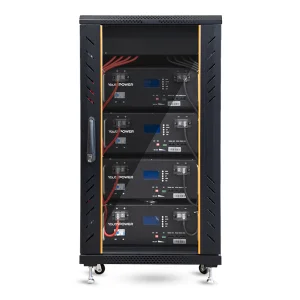
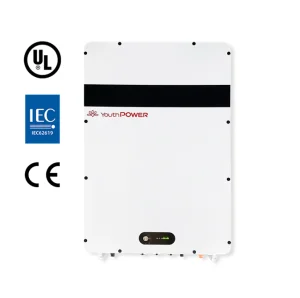
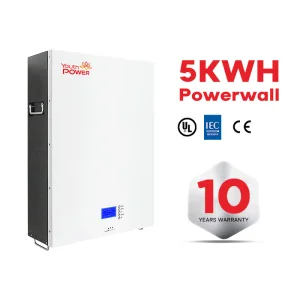
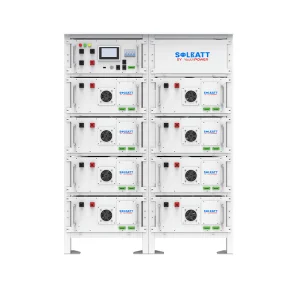
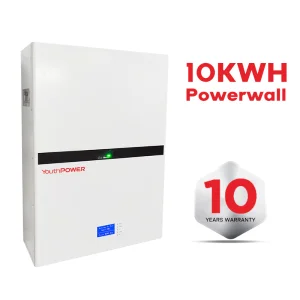
Explore our foundational lines of commercial battery systems and high-voltage rack setups manufactured to global engineering certifications.
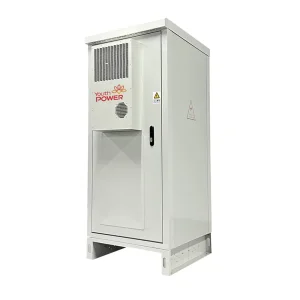
Analyzing charging topologies, duty cycles, and OEM supply pathways for industrial fleet operators and high-capacity system integrators.
Modern industrial 24V battery chargers leverage LLC resonant half-bridge or phase-shifted full-bridge topologies. These architectures ensure zero-voltage switching (ZVS) to push overall charging efficiency beyond 94%. By reducing thermal losses, component life is extended, keeping automated operations running efficiently.
An enterprise-grade 24V charger must feature selectable algorithms for LiFePO4 (Lithium Iron Phosphate), AGM, Gel, and flooded lead-acid batteries. The charger’s built-in MCU monitors specific voltage parameters, implementing bulk, absorption, float, and equalization stages safely.
Using CAN bus (CANopen, J1939) or RS485 (Modbus-RTU) interfaces, smart 24V chargers interact in real-time with the Battery Management System (BMS). This synchronization allows for dynamic current adjustments based on cell temperature, state-of-health (SOH), and voltage deviation.
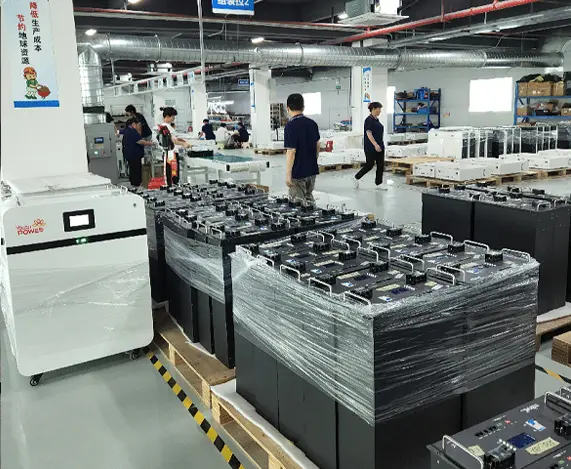
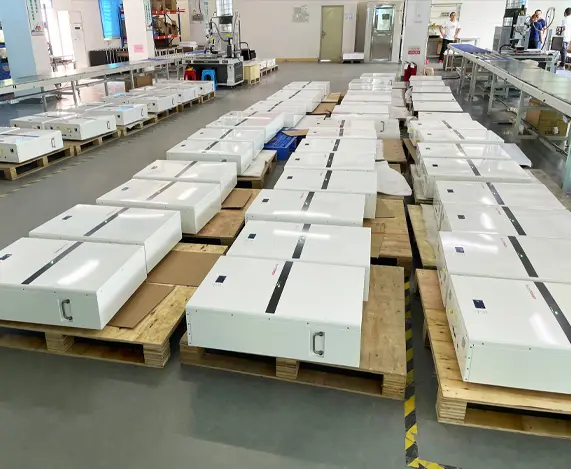
Procuring 24 Volt battery chargers at an industrial scale demands a clear understanding of the manufacturing line and quality checkpoints. At our partner factories, every assembly step is calibrated for maximum product lifetime and reliability.
Precision SMT Line: The control board is the brain of the charger. The Surface Mount Technology (SMT) process places high-speed micro-controllers and gate drivers with sub-millimeter precision. Optical testing (AOI) inspects every solder joint to prevent failures under vibrations in material handling settings.
Magnetic Components Design: The main transformer and output filter chokes are wound in-house. Standard factory steps use high-temperature copper wire and premium ferrite cores to minimize core losses at high switching frequencies (typically 60kHz to 150kHz).
Thermal Management Optimization: High-amperage 24V chargers (from 20A to over 80A) generate localized heat. Extruded aluminum heat sinks combined with smart, speed-controlled cooling fans dissipate thermal loads efficiently. Internal components are kept below 85°C to extend capacitor life.

Choosing the right charger design directly impacts charging time, grid draw, and operational lifecycle.
| Feature | High-Frequency Switch-Mode (SMPS) | Silicon Controlled Rectifier (SCR) | Ferroresonant Chargers |
|---|---|---|---|
| Typical Energy Efficiency | 90% - 96% (High Efficiency) | 80% - 85% (Moderate) | 75% - 80% (Low) |
| BMS Integration & CAN Comm | Full Integration Supported | Rare/Complex Analog Mapping | Not Supported |
| Weight & Footprint | Ultra-light & compact | Heavy (Large internal transformers) | Extremely heavy and bulky |
| Output Voltage Ripple | < 1% (Protects battery cells) | 3% - 5% (Higher heat generation) | > 5% (Higher cell degradation) |
| Total Cost of Ownership (TCO) | Lowest (Minimal power losses) | Medium (Higher grid electricity consumption) | High (Excessive utility costs and maintenance) |
Meeting safety and efficiency standards across international markets.
For US and Canadian markets, chargers must meet UL1564 (industrial battery chargers) and CSA C22.2 No. 107.2. They must also comply with FCC Part 15 Class A/B for electromagnetic compatibility, ensuring they do not interfere with warehouse wireless networks.
CE marking is mandatory for European markets. This covers the Low Voltage Directive (LVD) 2014/35/EU and the EMC Directive 2014/30/EU. Chargers must also meet EN 60335-2-29 safety specifications for battery chargers and RoHS limits on hazardous substances.
Modern guidelines require high Power Factor Correction (PFC). Our chargers feature active PFC (>0.98 at full load), meeting EN 61000-3-2 harmonics regulations. This design prevents penalties from power utilities for poor power factors.
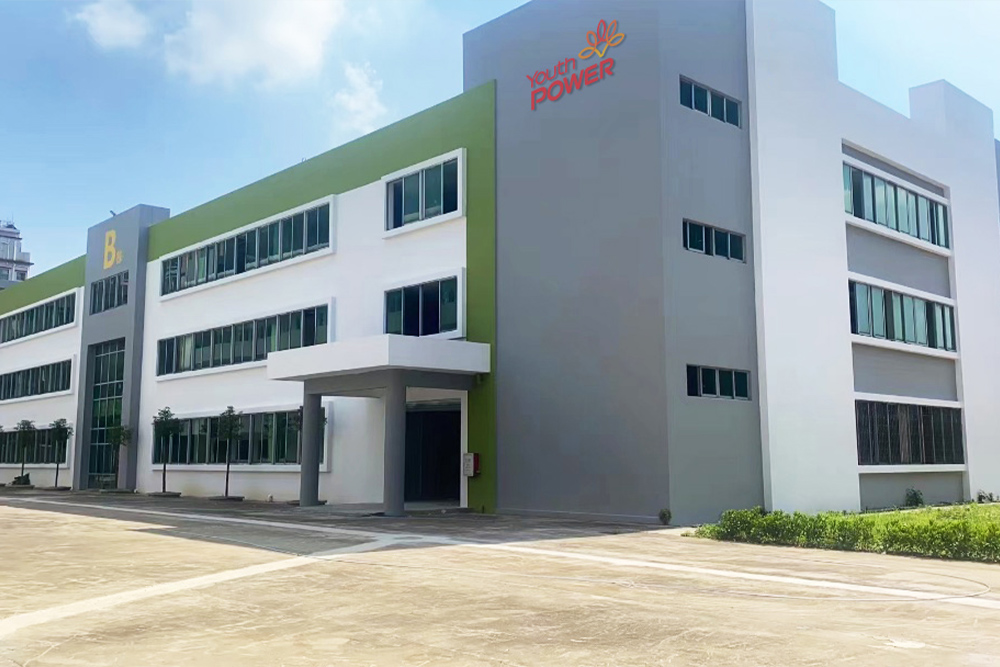
Choosing a Chinese factory for your 24V battery chargers offers significant advantages in component availability, engineering capacity, and raw material access.
Integrated Ecosystem: The close proximity of semiconductors, transformers, and plastic injection facilities minimizes lead times. Design updates or custom housing adjustments can be implemented in days, compared to weeks in other regions.
Material Sourcing: Strong partnerships with local vendors of silicon carbines (SiC) and copper wire keep manufacturing costs stable, ensuring reliable pricing for long-term supply agreements.
Rigorous Testing: Finished chargers undergo strict factory testing, including full-load burn-in chambers, high-voltage isolation checks, and simulated vibration profiles to ensure they arrive ready for operation.
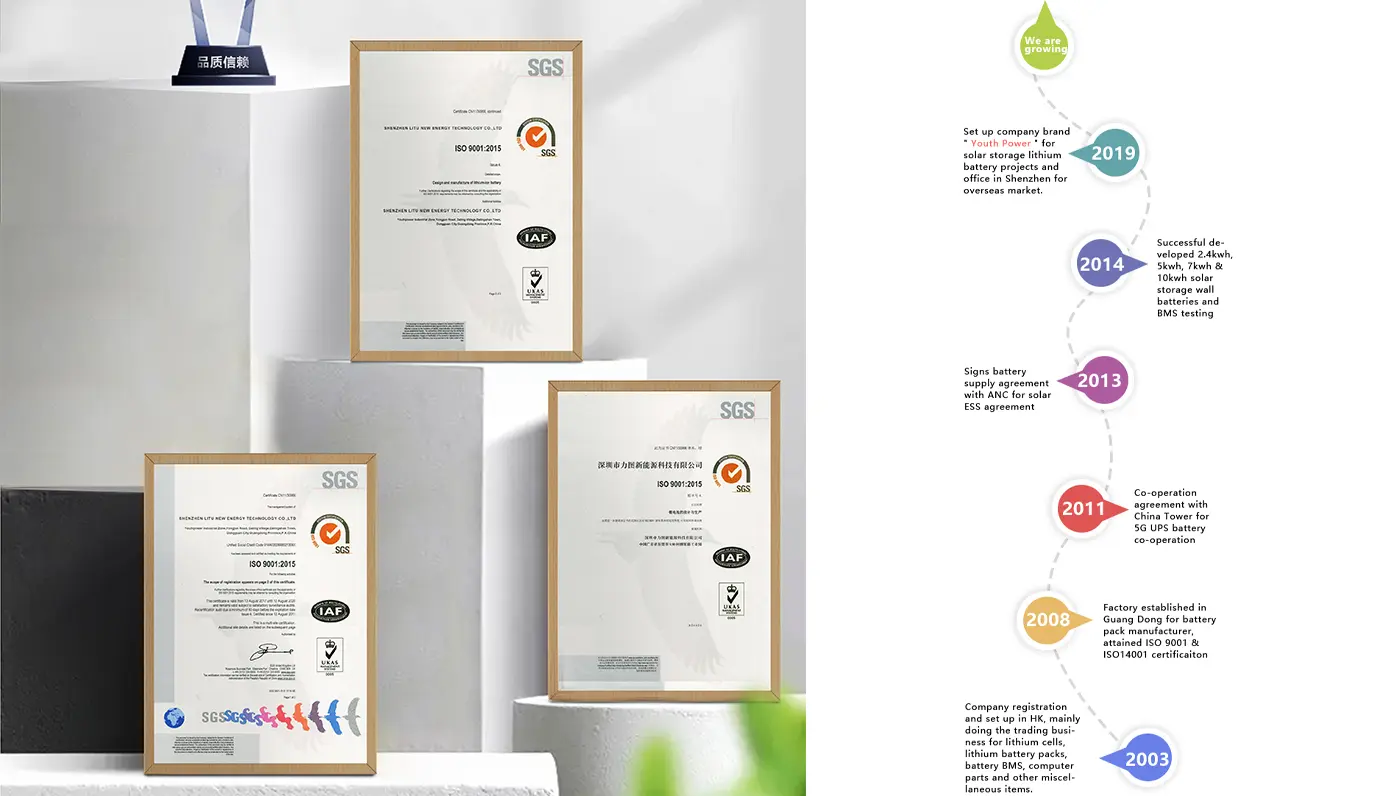
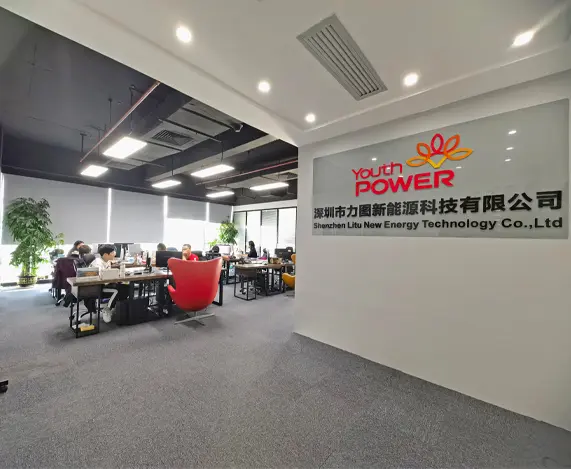
Founded in 2003, YouthPOWER has grown to become a leading supplier of solar storage lithium batteries and related charging equipment globally. With a broad range of energy storage solutions, the company manufactures 24V, 48V, and high-voltage energy systems.
With nearly 20 years of experience in battery manufacturing and electronics design, YouthPOWER has established strong R&D capabilities and deep technical expertise. The company launched its flagship brand "YouthPOWER" in 2019 to serve markets worldwide.
Through close partnerships with material suppliers and focus on technical quality, YouthPOWER provides dependable charging and battery storage options. Today, over 1,000,000 families and businesses rely on YouthPOWER solar storage and energy solutions globally.
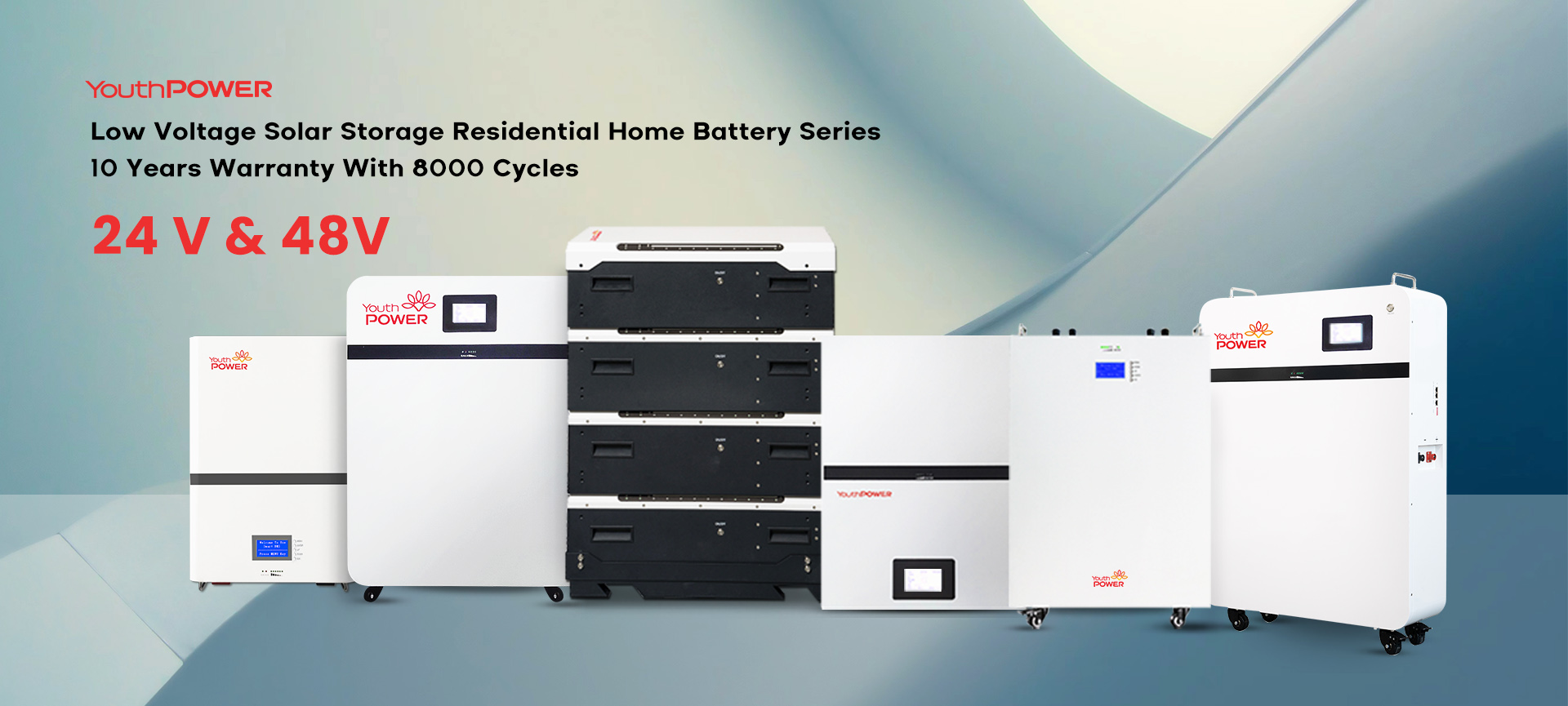
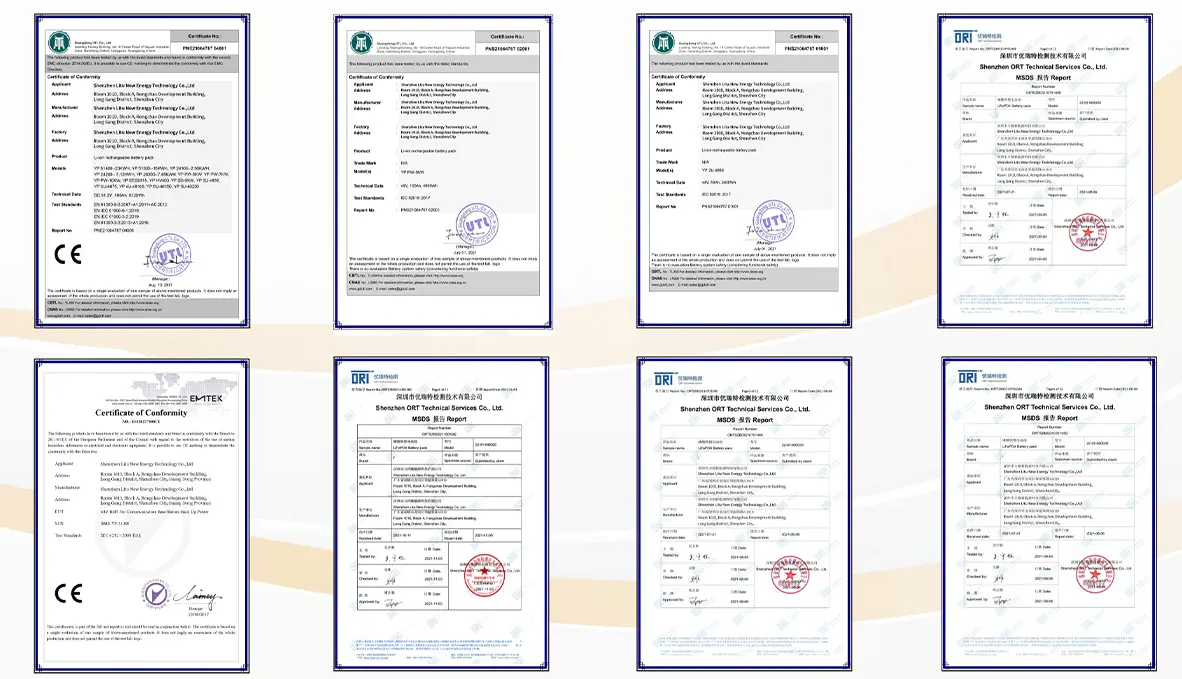
Our Milestones and Industrial Footprint:
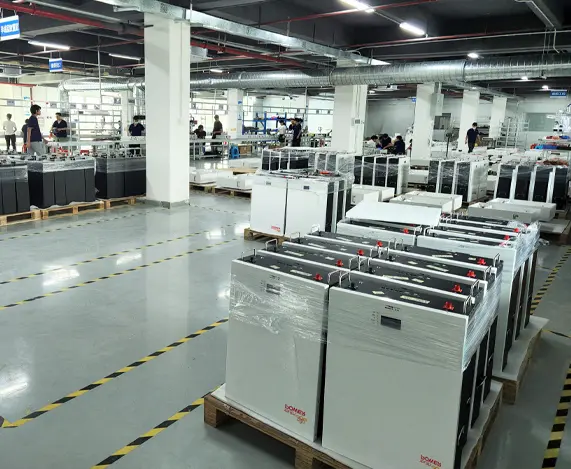
Where does high-frequency 24V battery charging technology perform in industrial and commercial sectors?
Class III pallet jacks, narrow-aisle stackers, and electric forklifts rely on 24V systems. High-frequency chargers allow for opportunity charging during breaks. Fast, partial charges keep equipment running without damaging lead-acid or lithium batteries.
In modern automated logistics hubs, AGVs use 24V power. Chargers integrate with central warehouse control systems via CAN bus or Modbus to adjust charge rates based on work cycles and temperatures, maximizing battery lifespan.
Electric scissor lifts and boom lifts require robust charging solutions. Outdoor construction sites need dust and waterproof enclosures (IP65 or higher). Chargers must also handle variable input voltage from onsite generators.
Technical questions regarding 24V battery charger factory procurement and system design.
Explore our high-capacity LiFePO4 batteries, mini wall units, and waterproof systems for commercial and residential integration.
 YouthPOWER