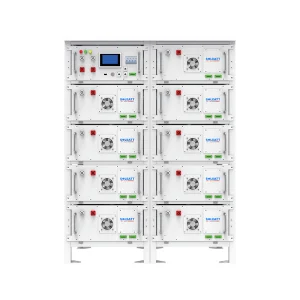
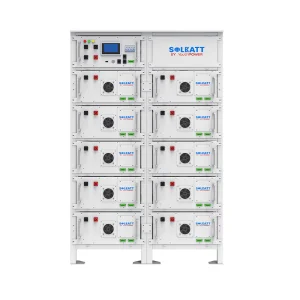
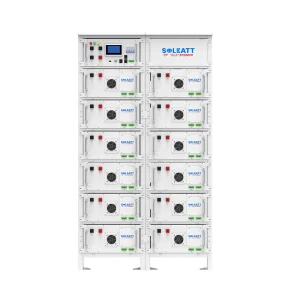
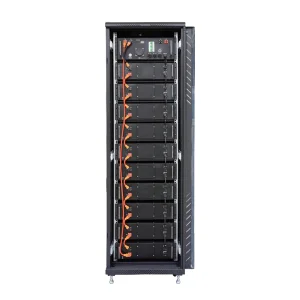
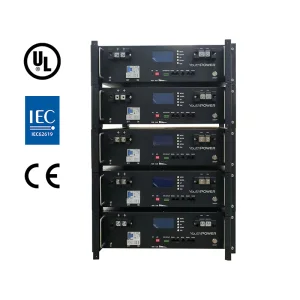
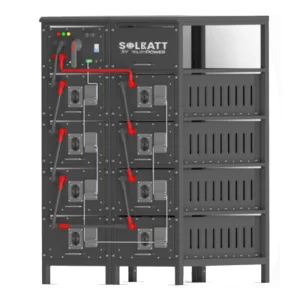
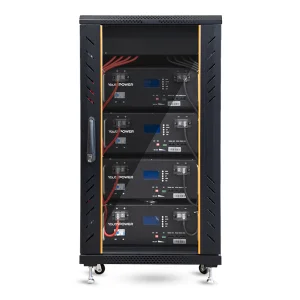
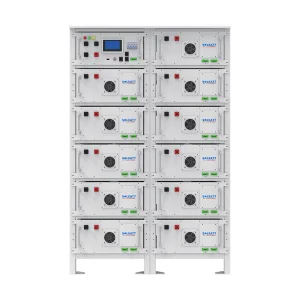
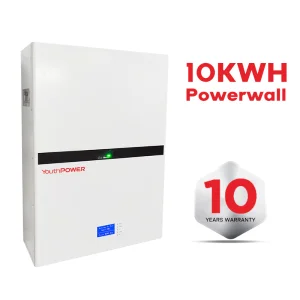
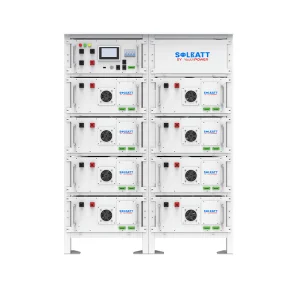
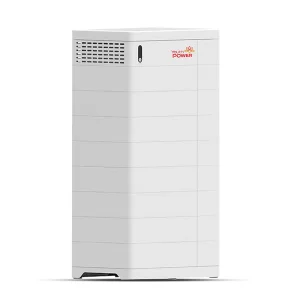
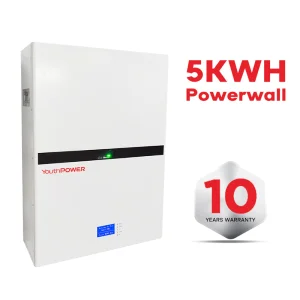
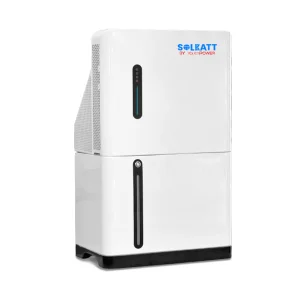
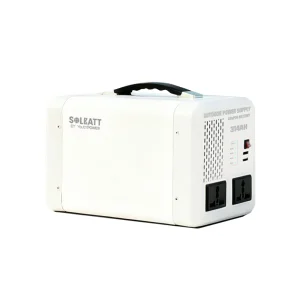
Explore our highly integrated, high-voltage battery racks and compact power solutions engineered for demanding global infrastructures.
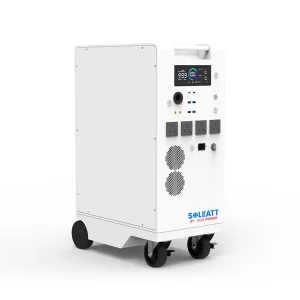
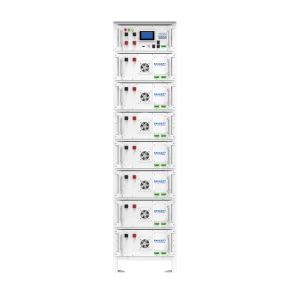
Analyzing chemistry, design topology, and performance characteristics for commercial off-grid deployment.
Within low-voltage storage architectures, the 48V 200Ah LiFePO4 (Lithium Iron Phosphate) battery pack represents a standardized design unit. Offering 9.6 kWh (or 10.24 kWh in standard 51.2V nominal configurations), this system provides an optimized balance of energy density, handling safety, and thermal management. Compared to traditional lead-acid configurations or volatile ternary lithium chemistries (NMC), LiFePO4 is the industry benchmark for commercial, telecom, and industrial energy storage systems (ESS).
Technical Insight: Lithium Iron Phosphate (LiFePO4) exhibits a highly stable olivine structure with strong covalent bonds between P and O. This structure limits oxygen release during thermal runaway, keeping the threshold above 270°C and offering unparalleled system safety under overcharge or high-temperature conditions.
A standard "48V" LiFePO4 battery pack is typically engineered using one of two cell topologies:
Configured in parallel, these units scale to hundreds of kilowatt-hours to support industrial demands, with internal cell balancing managed by complex digital Battery Management Systems (BMS).
Over two decades of proven cell engineering, system integration, and global supply chain partnerships.
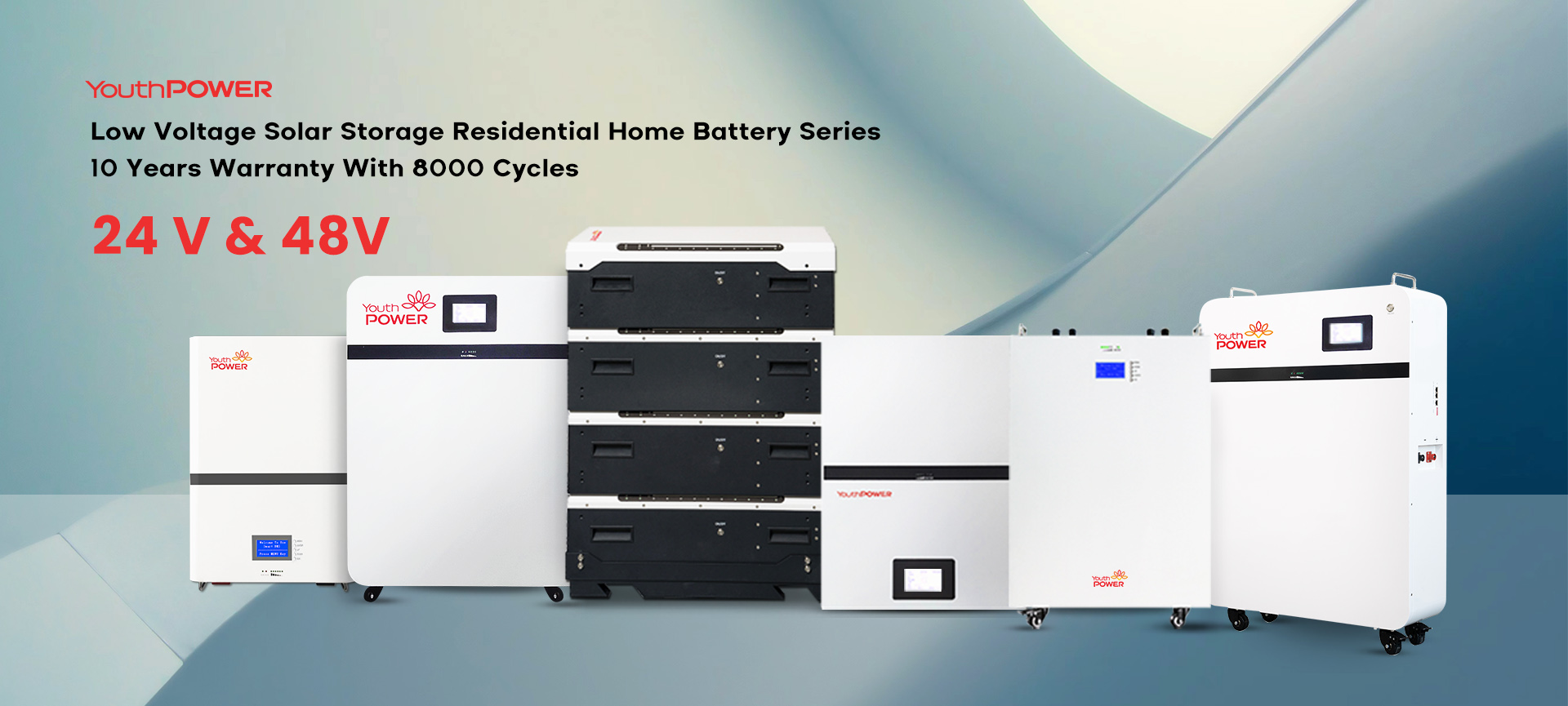
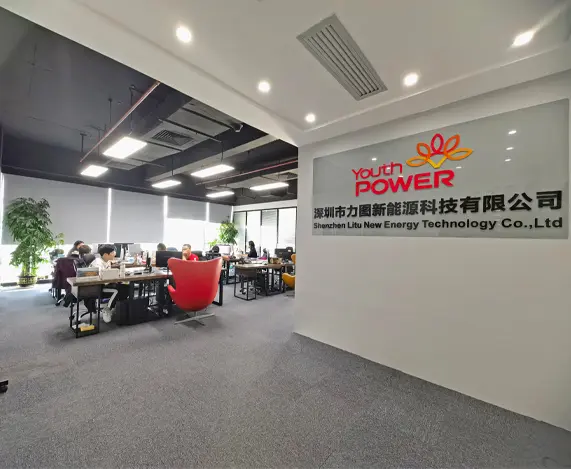
Founded in 2003, YouthPOWER has grown to become one of the leading global suppliers of solar storage lithium batteries. With a broad range of energy storage solutions, it covers a series of 24V, 48V, and higher voltage lithium battery systems designed for residential, commercial, and utility applications.
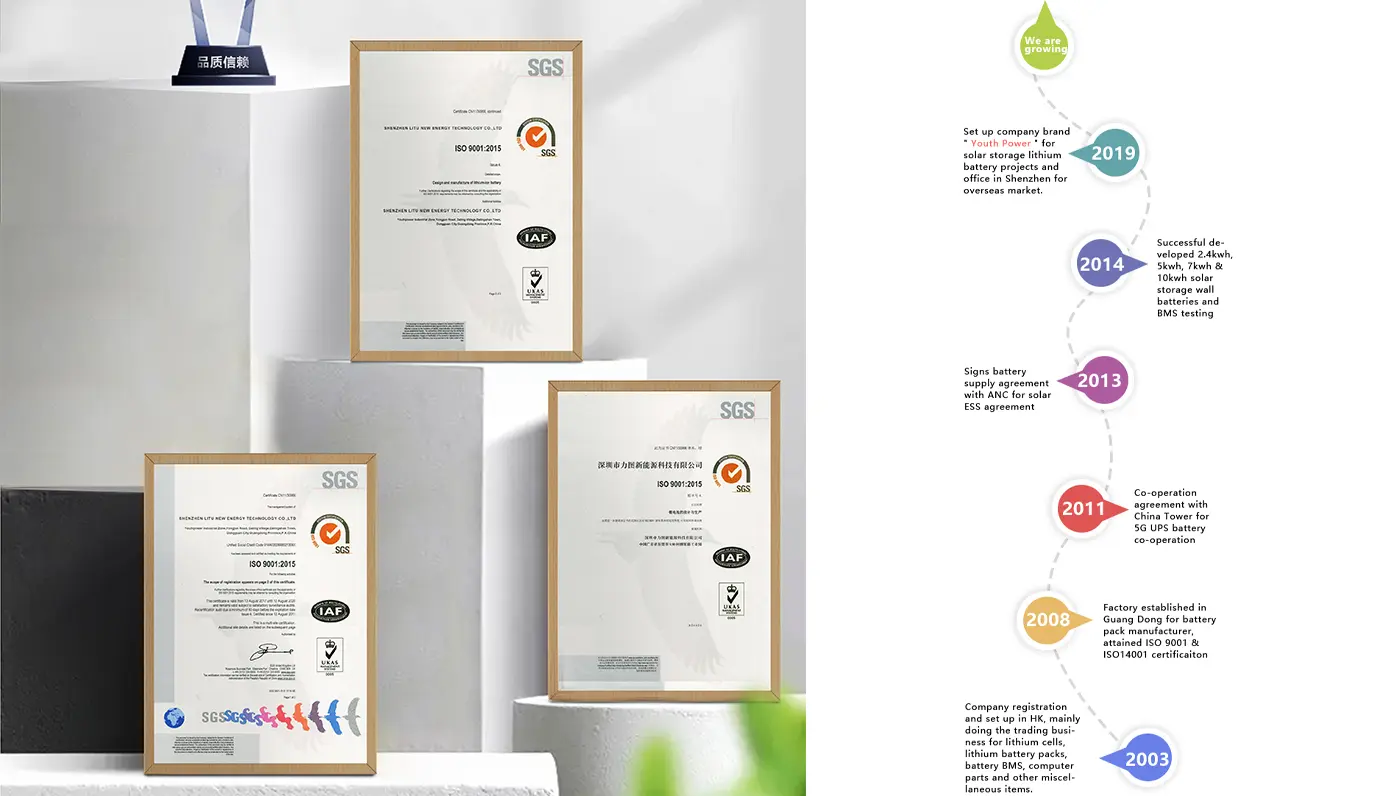
YouthPOWER has engaged in battery technology and production for almost 20 years, with abundant manufacturing experience and strong R&D capability. Through years of dedicated engineering and market expansion, we launched our own registered brand "YouthPOWER" in 2019, securing proprietary patents on cell packaging, advanced BMS, and high-voltage rack systems.
With nearly 20 years’ experience in the battery industry, we have the capability to provide you with both the products you need and the most suitable products you want. We are always ready to supply first-class products and meet the various needs of our global customers.
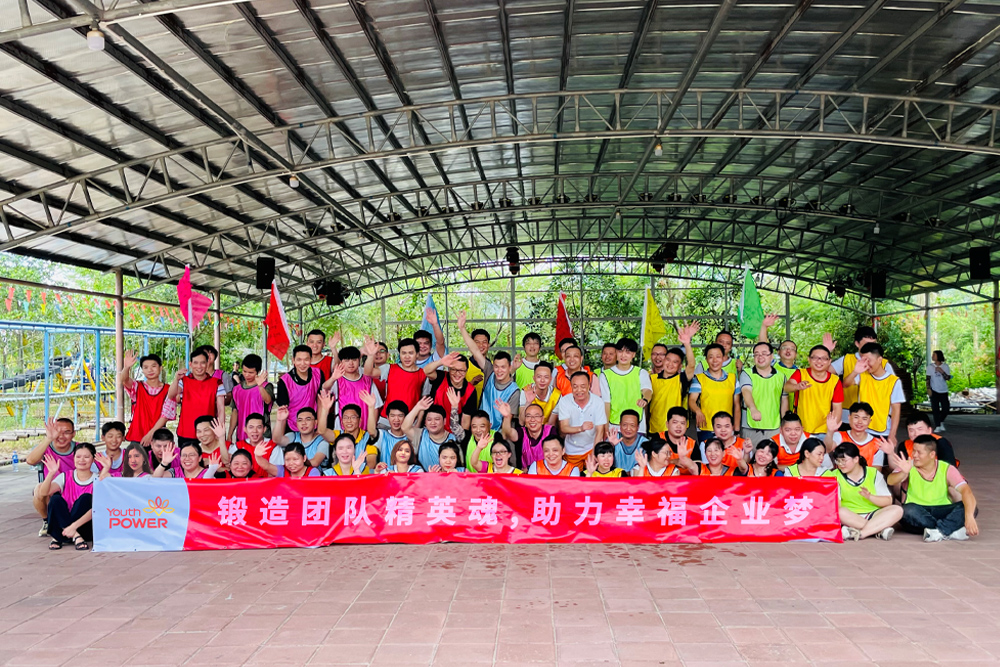
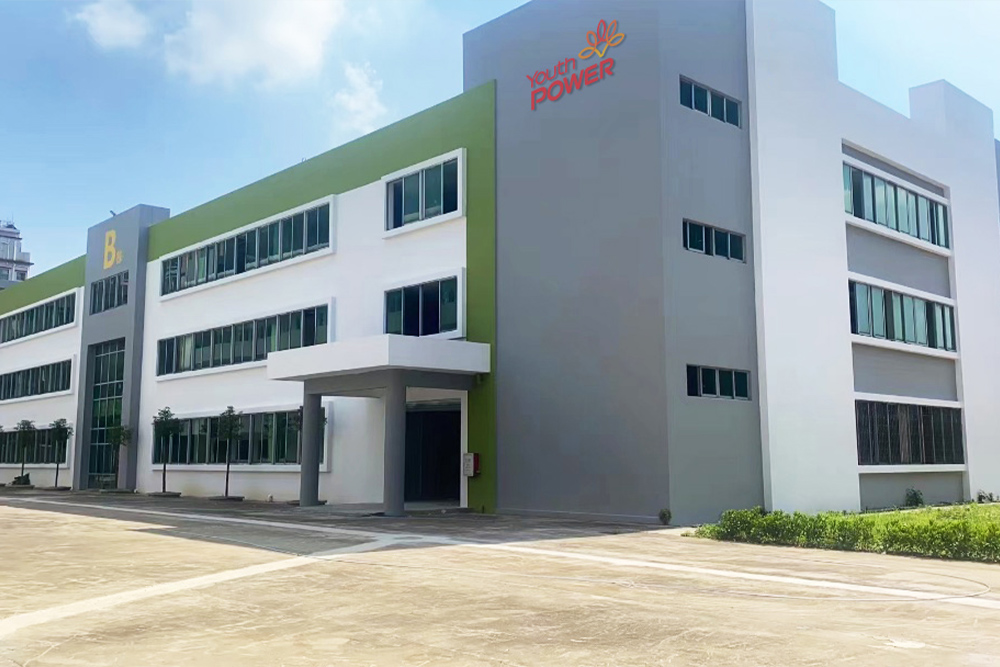
We have established strong business relationships with customers from all over the world. Our collaborative approach with developers and system integrators has enabled multi-year partnerships. Supported by our local raw material vendors, we control the manufacturing supply chain to ensure optimized price-to-performance metrics for our buyers.
We are proud that YouthPOWER has delivered reliable solar storage solutions to over 1,000,000 families worldwide, mitigating grid instability and lowering levelized cost of energy (LCOE).
How upstream mineral control, manufacturing automation, and supply integration yield cost efficiencies.
China refines over 60% of the world's battery-grade lithium carbonate and controls key components of the cathode precursor market. This direct access to raw materials shields factories from global spot price shocks and guarantees consistent batch-to-batch chemical purity.
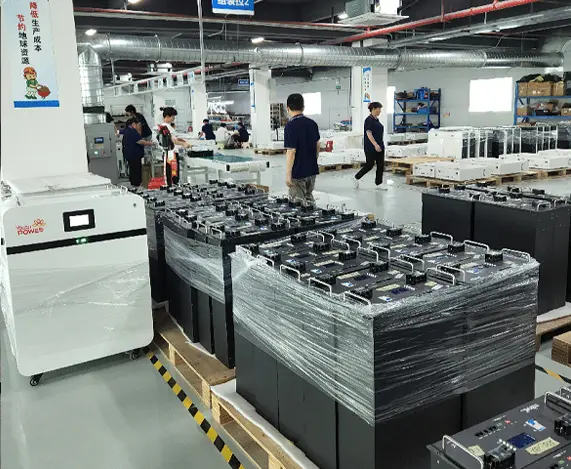
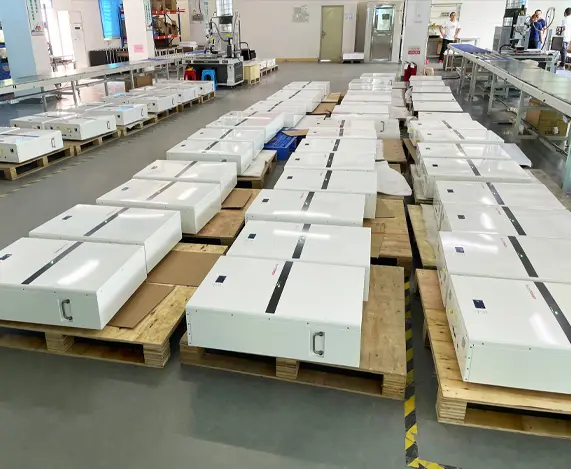
With intelligent assembly lines operating in Class 10,000 cleanrooms, Chinese gigafactories ensure tight cell grading tolerances. Laser welding, automated electrolyte injection, and cycle formation systems reduce variance in internal resistance and capacity across large production batches.
Co-locating raw material extraction, active cathode manufacturing, BMS board production, and injection molding factories reduces transportation overhead and lead times. This structural layout provides significant capital savings for global B2B procurement projects.
From industrial peak shaving to backup power for critical remote infrastructure.
Modern 5G transceivers consume significantly more power than legacy 4G systems. Compact 48V 200Ah battery cabinets provide high-current discharge capacity and long backup cycles. This makes them ideal for outdoor cabinets exposed to fluctuating ambient temperatures without air conditioning.
Industrial parks use multi-rack 48V configurations to store cheap grid energy during off-peak hours and discharge it during peak demand windows. This peak-shaving strategy reduces peak demand charges from utilities, delivering a fast ROI on energy infrastructure investments.
Remote agricultural pumps and rural microgrids rely on modular 48V battery systems integrated with solar arrays. The scalable parallel connection (up to 15 modules) of 48V 200Ah systems supports high-surge motor startup currents without system faults.
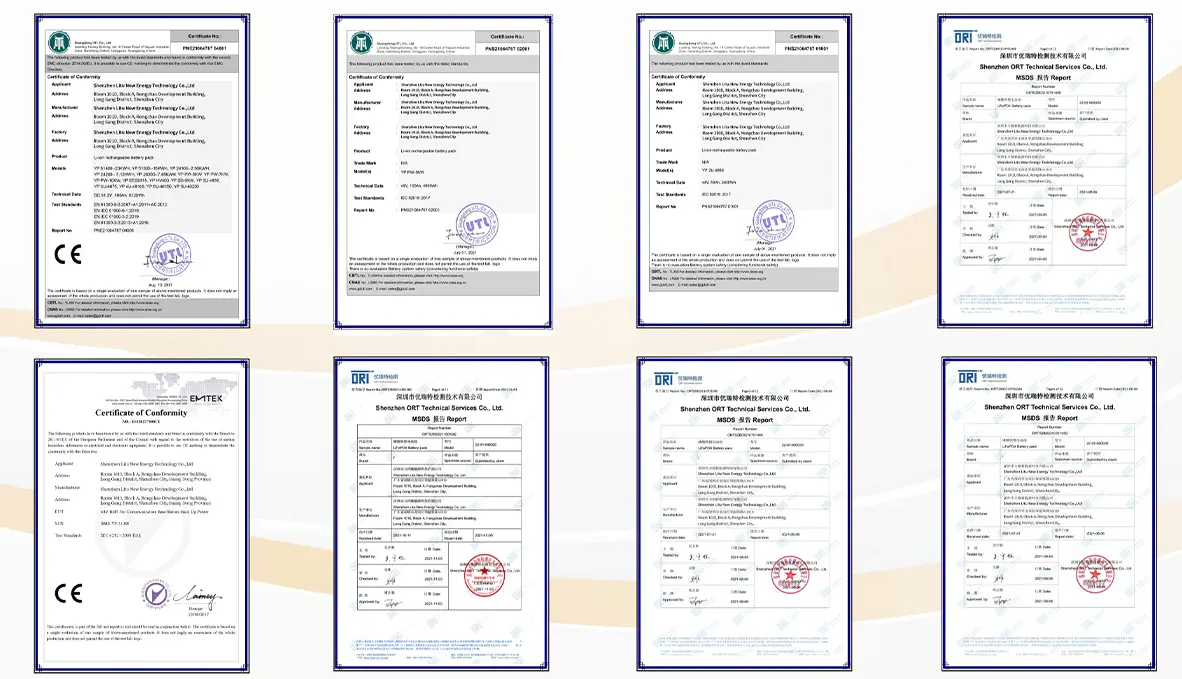
Core engineering criteria, compliance certifications, and auditing checkpoints for industrial-grade buyers.
Purchasing batteries at scale requires strict verification of safety, thermal performance, and electrical properties. Enterprise buyers should audit prospective suppliers against the following quality and compliance standards:
Ensure the manufacturer uses premium Grade A cells with QR codes intact. Grade B cells, which are often diverted from EV production lines due to capacity or internal resistance deviations, exhibit faster degradation rates, high thermal output, and uneven wear when connected in series.
The Battery Management System is the primary safety layer. Ensure the BMS supports:
Lithium batteries are classified as Class 9 Dangerous Goods. Sourcing from uncertified vendors risks border seizure and structural liability. Verify the presence of:
Our journey of research, development, and expansion in the clean energy industry.
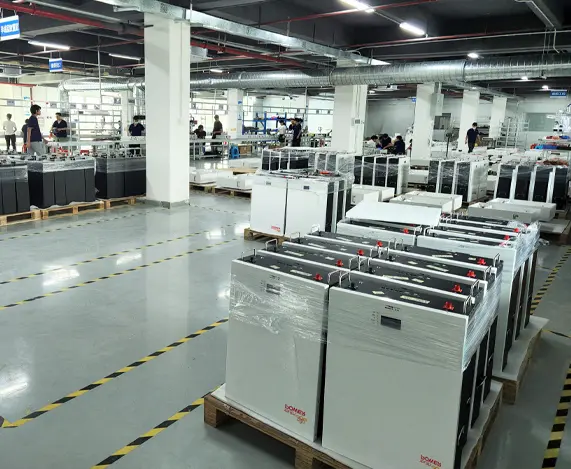
Deconstructing material costs, production scales, and value tiers for procurement managers.
Prices for 48V 200Ah LiFePO4 batteries are driven by the raw cost of lithium carbonate, manufacturing automation, and the quality of integrated components. Understanding these price determinants helps procurement teams avoid low-quality products.
Essential answers for engineers, installers, and procurement specialists.
Heavy-duty, high-capacity lithium storage racks for off-grid industrial use and microgrids.
 YouthPOWER