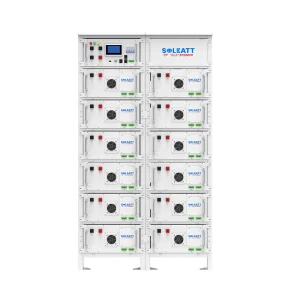
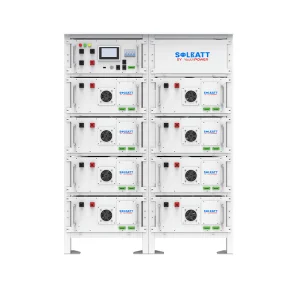
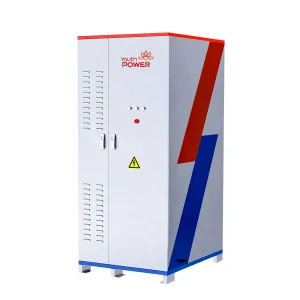
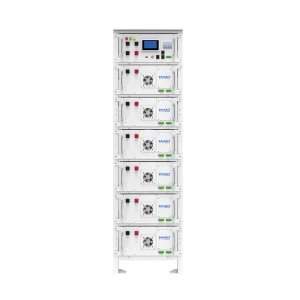
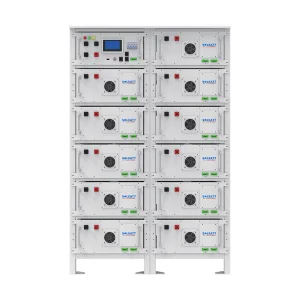
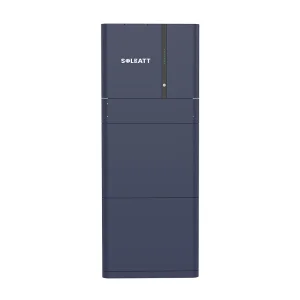
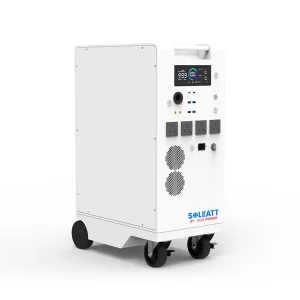
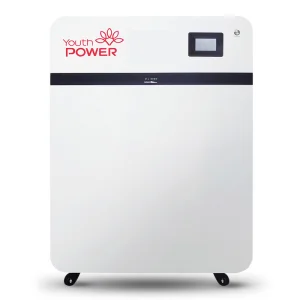
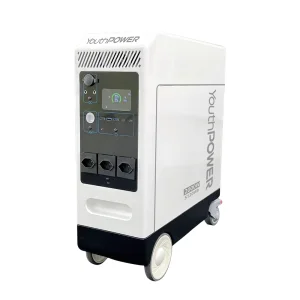
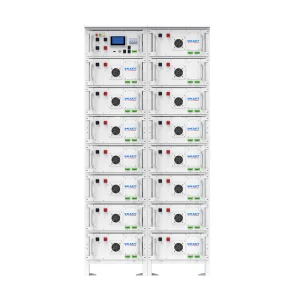
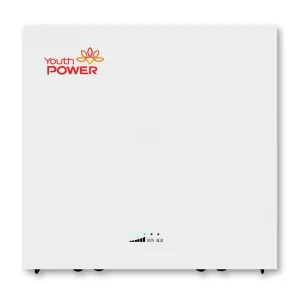
The global transition toward sustainable energy infrastructure has placed low-voltage (LV) lithium-ion systems, particularly the 48-volt configuration, at the center of residential, commercial, and industrial energy storage system (ESS) development. As grid instability, energy pricing volatility, and carbon mandates tighten globally, procurement officers, EPC contractors, and system integrators are actively seeking partnerships with established 48-volt battery factories and manufacturers.
A 48-volt DC architecture represents the thermodynamic and safety "sweet spot" for decentralized energy networks. It falls beneath the high-voltage safety thresholds (typically 60V DC class limits), eliminating the need for costly heavy-duty isolation systems and specialized high-voltage certified installation technicians. Yet, 48V systems deliver sufficient potential difference to support high-power throughput (from 5kW up to over 100kW in parallel configurations) with minimal resistive losses compared to legacy 12V or 24V topologies.
Lithium Iron Phosphate (LiFePO4) chemistry configured to 48V (nominally 51.2V using 16 series cells) has emerged as the definitive global standard for stationary storage. Unlike ternary lithium (NMC), LiFePO4 features exceptional thermal stability, avoiding thermal runaway up to 600°C. For industrial and residential sites alike, this eliminates catastrophic fire risks while providing over 6,000 cycles at 80% Depth of Discharge (DoD), dramatically lowering the Levelized Cost of Storage (LCOS).
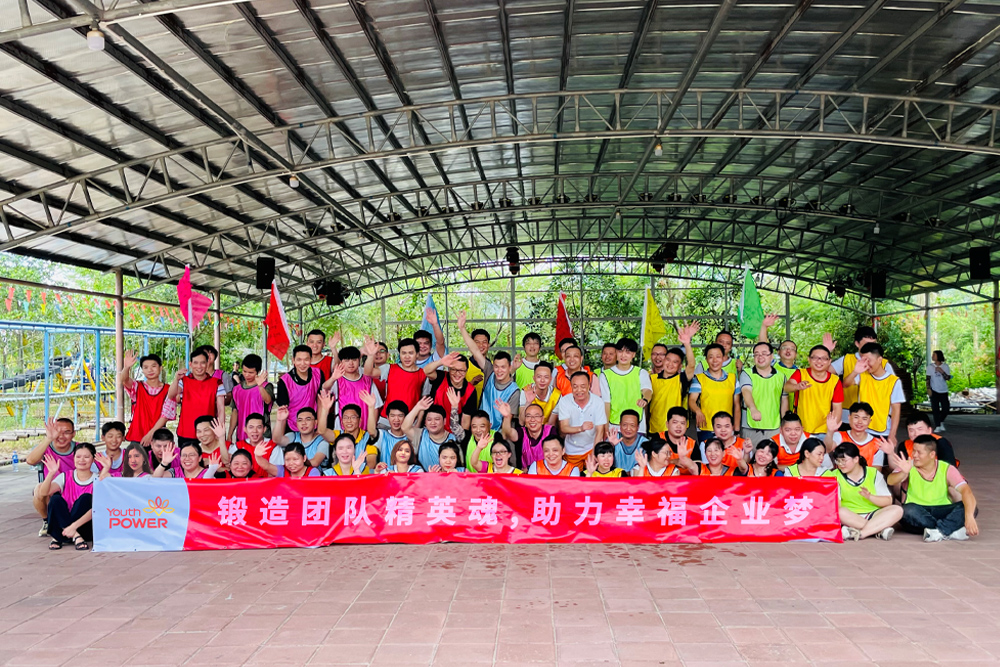
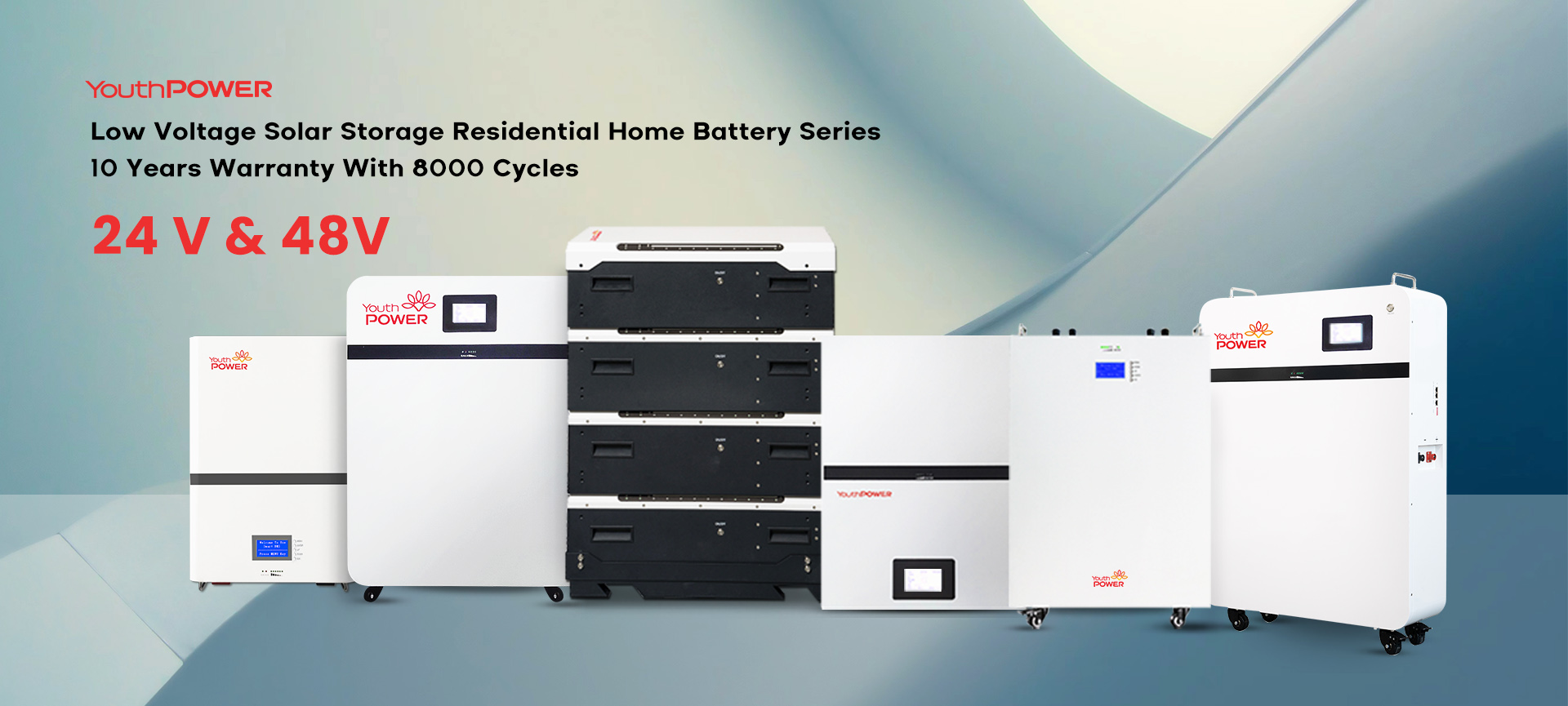
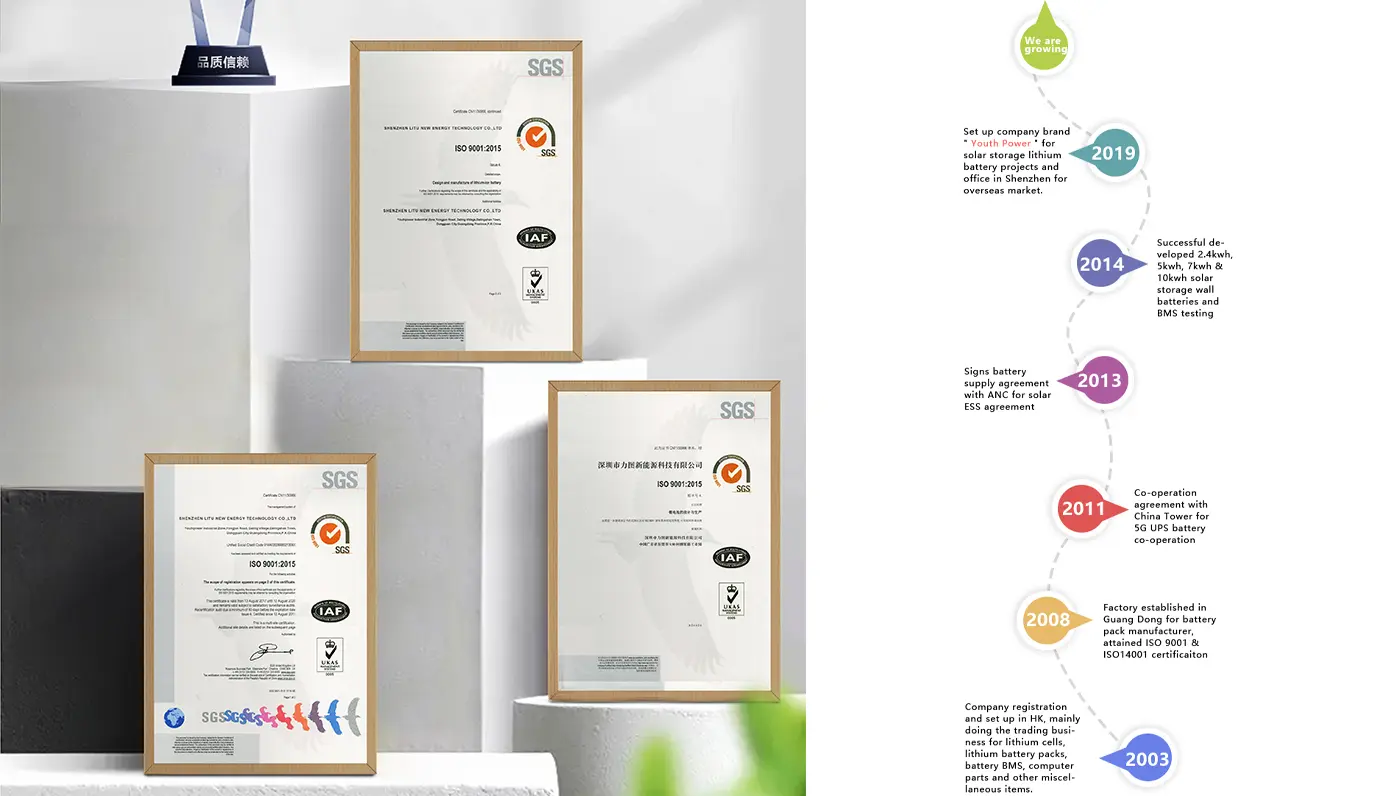
Founded in 2003, YouthPOWER has evolved over the past two decades to become one of the premier global suppliers of solar storage lithium batteries. Covering a comprehensive spectrum of clean energy solutions, our product portfolios span across 24V, 48V, and highly engineered high-voltage industrial battery systems.
With nearly 20 years of dedicated focus on battery technology, manufacturing precision, and raw material sourcing, YouthPOWER integrates advanced engineering capabilities with a strong internal R&D division. Through decades of rigorous testing, market adaptation, and global distribution, we officially introduced our flagship brand "YouthPOWER" in 2019, securing proprietary rights and elevating our position on the global energy stage.
By leveraging our deep-rooted relationships with local vendors of premium raw materials, we guarantee cost-efficiencies that are directly passed to our partners as competitive factory-direct pricing. Today, YouthPOWER is immensely proud to have delivered reliable, tier-1 solar storage installations to over 1,000,000 families worldwide.
Understanding the differences between 48V low-voltage configurations and high-voltage (HV) setups is key to selecting the right technology for your project. A reliable battery factory must provide transparent engineering parameters. The table below details the performance, safety, and deployment differences between these typical systems.
| Parameter / Specification | 48V Low-Voltage (LV) Systems | High-Voltage (HV) Industrial Systems |
|---|---|---|
| Nominal Voltage Range | 48.0V DC – 51.2V DC (15S / 16S LFP) | 192V DC to over 768V DC |
| Installation Complexity | Low; touch-safe, standard plug-and-play connections | High; requires certified high-voltage electricians |
| BMS Protection Layer | Integrated MOS-based or small relay protection | High-voltage contactors, heavy-duty fuses, insulation monitoring |
| Parallel Scalability | Up to 15+ units via communication links (CAN/RS485) | Series-connected racks, managed by master controller |
| Round-Trip Efficiency | ~92% to 94% (higher line losses at long distances) | ~96% to 98% (optimized for minimal conversion losses) |
| Primary Application | Residential ESS, telecom towers, off-grid microgrids | C&I Peak Shaving, Microgrid grids, large solar farms |
At YouthPOWER, we recognize that a battery pack is only as reliable as its weakest cell. Our factory employs a rigorous cell sorting routine, matching internal resistance (IR) variations within ≤0.5mΩ and capacity variations within ≤1%. This strict consistency prevents premature pack degradation and preserves long-term cycle performance.
Our integrated Battery Management System (BMS) offers real-time monitoring of cell voltages, temperature gradients, and current thresholds. With built-in RS485, CAN, and RS232 communication interfaces, our 48V batteries easily integrate with leading global hybrid inverters, including Deye, Growatt, Victron, GoodWe, and SMA.
As global power grids face increased demand, the roll-out of decentralized 48V battery systems has expanded. These systems are being customized to fit distinct regional needs:
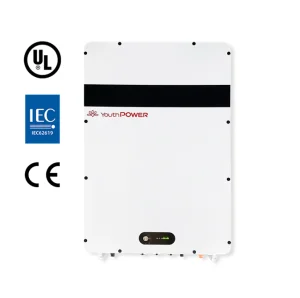
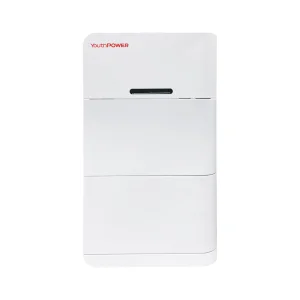
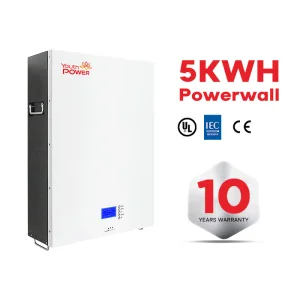
Driven by extreme weather and high grid rates, North American buyers seek robust 48V wall-mounted battery systems (such as the YouthPOWER Mini Wall Battery). These systems serve as reliable residential backup power and integrate smoothly with US split-phase hybrid inverters.
European markets focus on maximizing self-consumption. Multi-phase (3-phase) hybrid systems combined with modular 48V batteries allow homeowners and light businesses to store daytime solar energy for use during peak evening hours, avoiding high grid import costs.
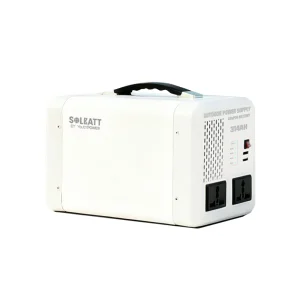
In regions like Africa, Southeast Asia, and parts of Latin America, 48V batteries are paired with solar generators to replace noisy, carbon-heavy diesel generators. These setups deliver steady, clean energy to off-grid clinics, rural schools, and remote agricultural projects.
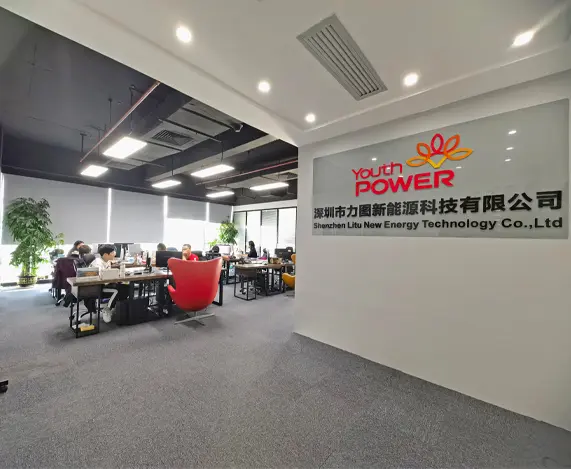
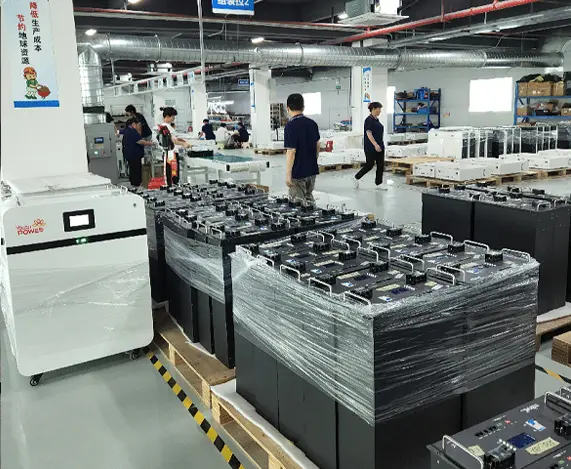
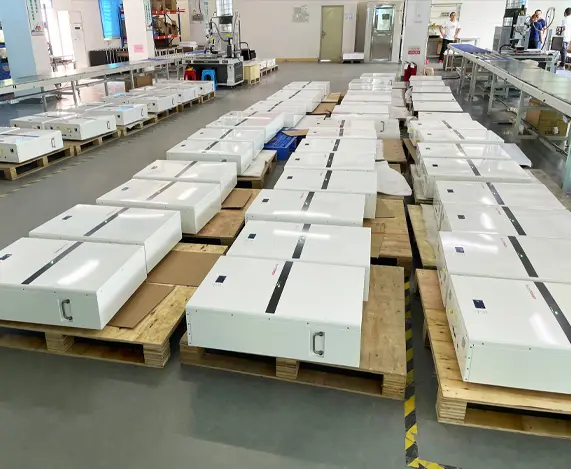
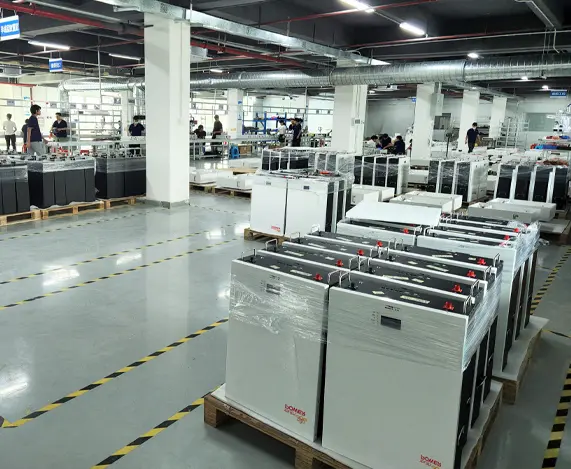
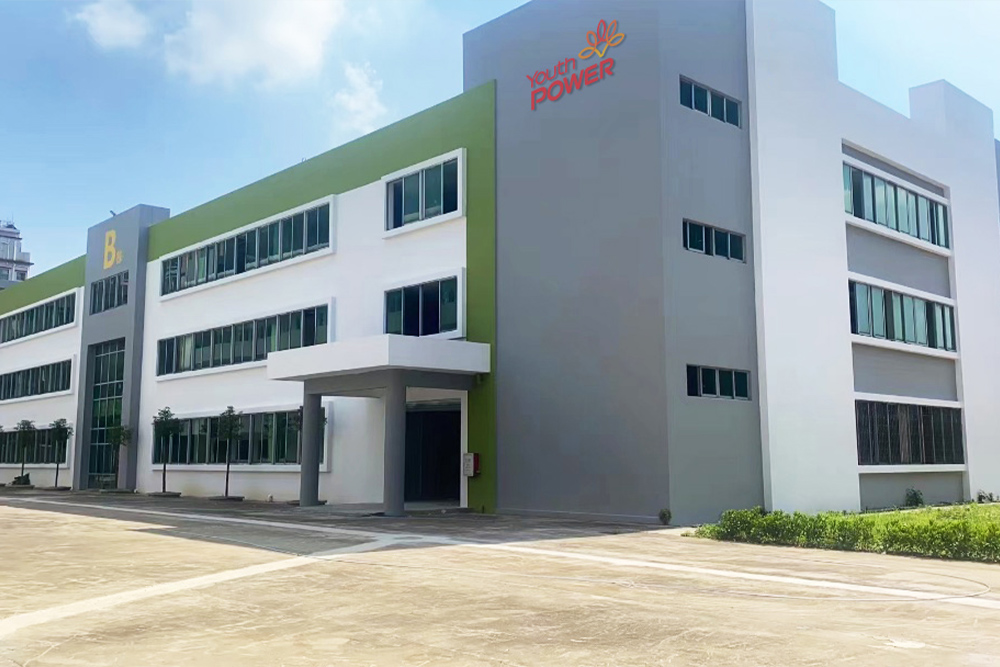
Establishing a presence in the energy storage industry requires long-term commitment and continuous testing. Over the years, YouthPOWER has refined its battery technology, expanding manufacturing processes and scaling output to meet global standards.
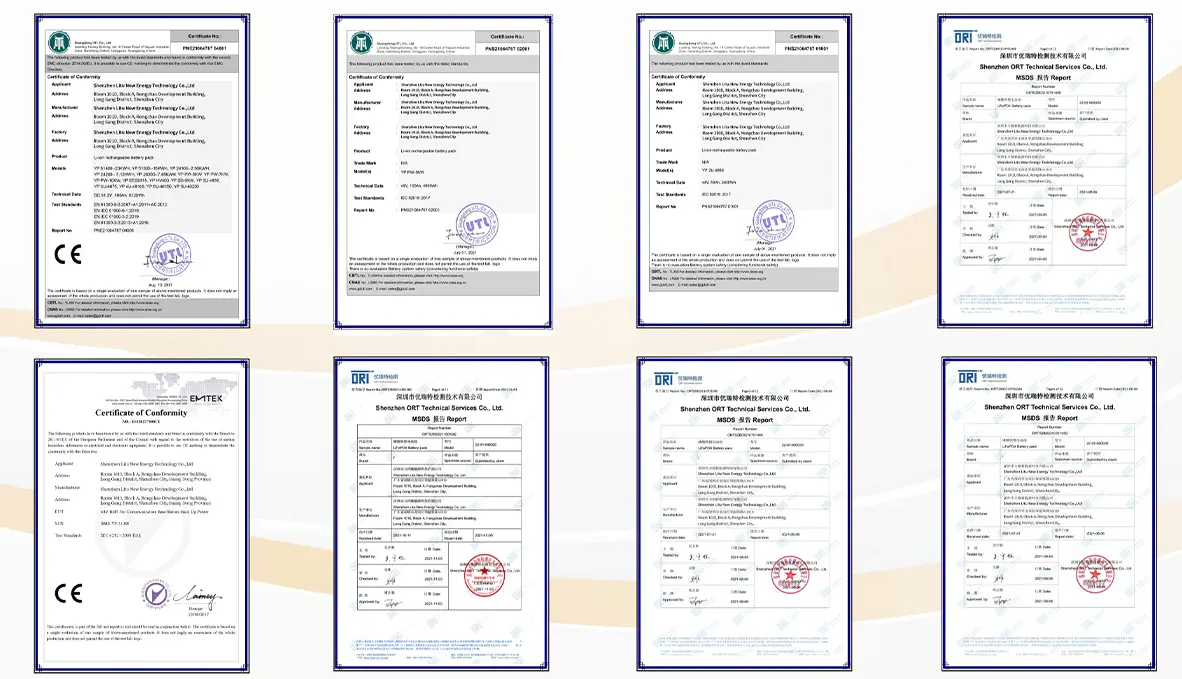
By investing in raw material validation, upgrading automated cell balancing lines, and refining BMS software, we ensure every battery pack leaving our factory meets international safety certifications, including UN38.3, CE, IEC 62619, and UL 1973. This long-term commitment to quality keeps our systems performing reliably for years under diverse environmental conditions.
To assist global procurement managers and engineers, here are answers to key questions about sourcing, installing, and managing 48V lithium energy storage systems.
 YouthPOWER