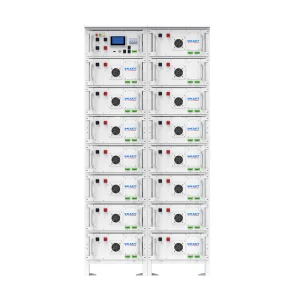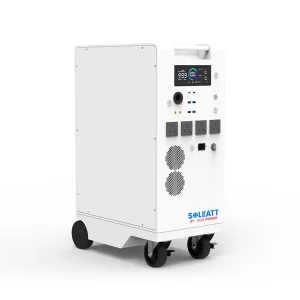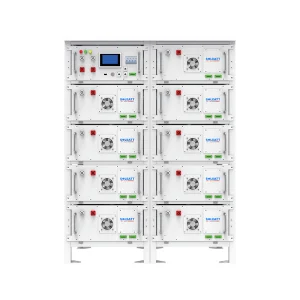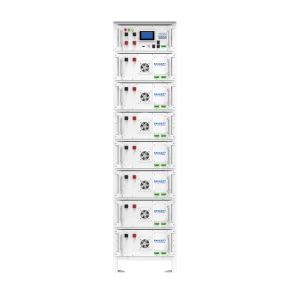
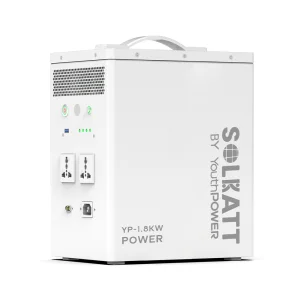
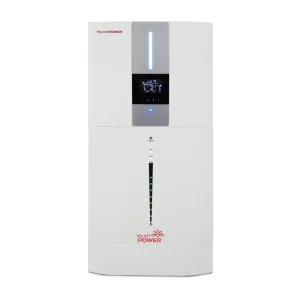
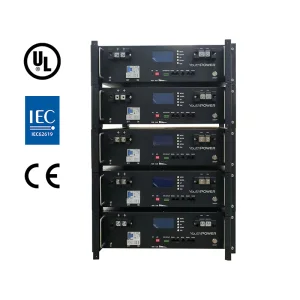
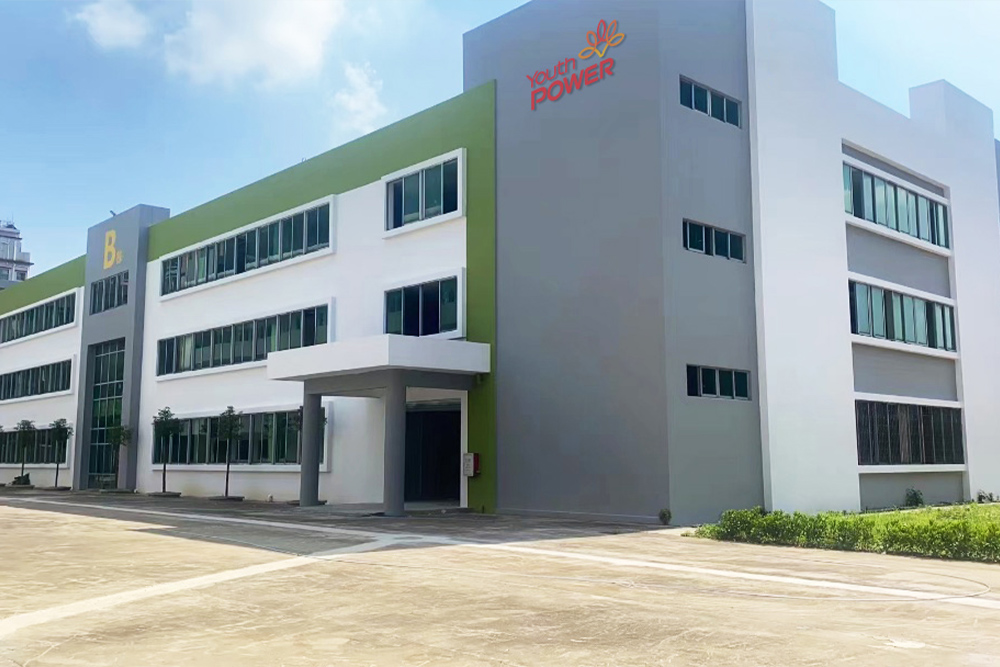
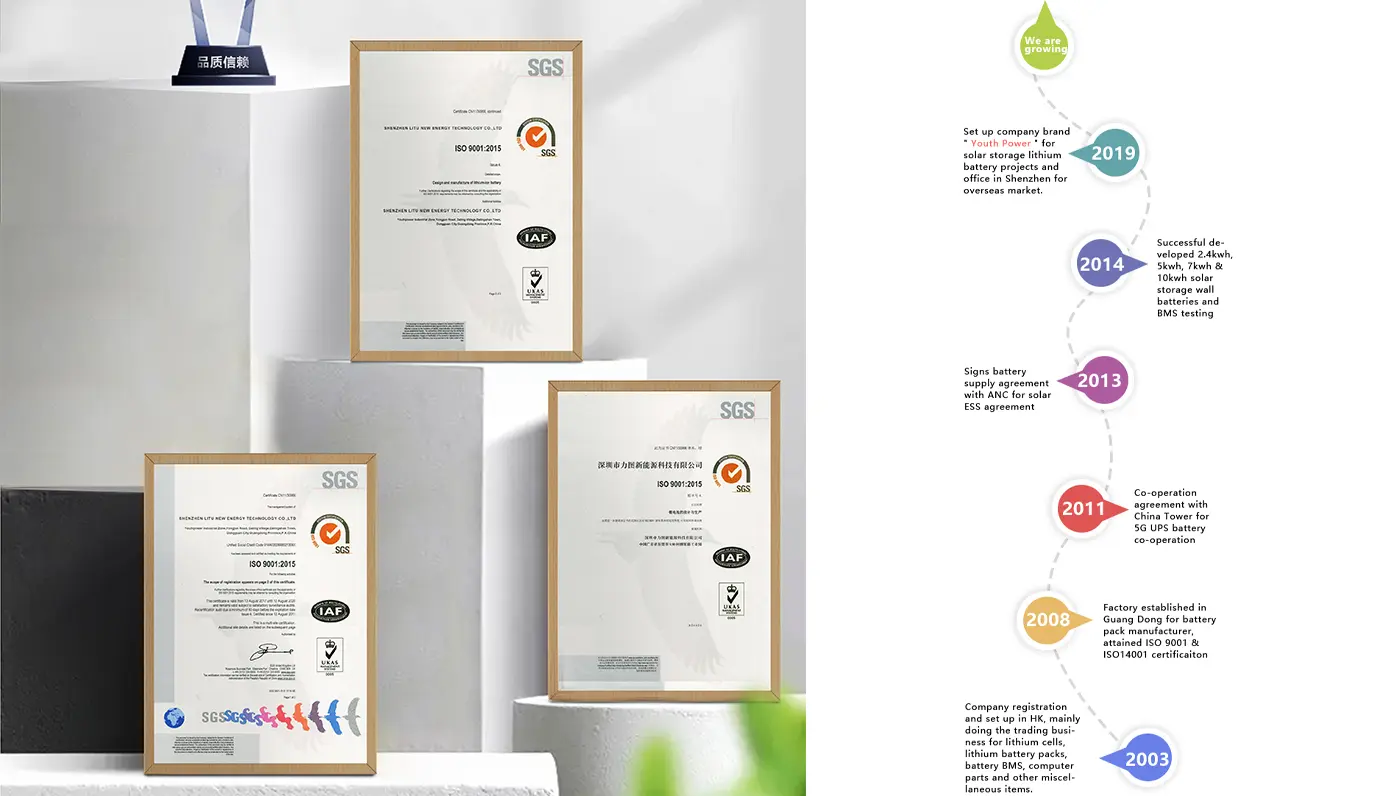
Founded in 2003, YouthPOWER has developed into one of the world's premier manufacturers and suppliers of lithium-based solar energy storage systems. Our robust, long-cycle energy storage solutions cover configurations from standard 24V and 48V residential battery units to sophisticated megawatt-scale, high-voltage commercial structures.
Backed by close to 20 years of solid chemical and electronic engineering history, we pride ourselves on intensive R&D, structural safety validation, and automated manufacturing. Through dedicated technology upgrades and continuous product iteration, we introduced our primary brand, YouthPOWER, to the global market in 2019. Since then, it has stood as a symbol of reliability, peak performance, and cost engineering efficiency.
Our long-term global footprint is supported by a stable, local vertical supply chain in raw battery cell sourcing, allowing us to leverage optimal pricing models and guarantee premium Tier-1 grade materials to our commercial partners and EPC contractors worldwide.
The transition of the grid toward high penetration of renewables has made Battery Energy Storage Systems (BESS) the cornerstone of modern electrical infrastructure. Commercial procurement models are shifting rapidly, driven by the need for resilience, financial return, and carbon reduction. Several critical advancements shape the current energy landscape:
Lithium Iron Phosphate has become the industry standard for stationary energy storage. LFP chemistry offers unmatched thermal stability, non-toxicity, zero thermal runaway propagation risks without intense mechanical mitigation, and an exceptional cycle life exceeding 6000-8000 cycles at 80% Depth of Discharge (DoD).
Modern commercial designs have moved from traditional 48V low-voltage parallel connections to high-voltage series strings (ranging from 360V to over 800V). HV designs decrease line currents, reduce copper cabling cross-sections, cut I²R thermal losses, and dramatically boost overall round-trip conversion efficiency.
Modern battery packs are no longer passive assets. Integrations of advanced Battery Management Systems (BMS) with cloud-based Energy Management Systems (EMS) enable real-time tracking of State of Charge (SoC), State of Health (SoH), active cell balancing, and algorithmic predictive maintenance.
Analyzing the Levelized Cost of Storage (LCOS) is more crucial than comparing the initial upfront price per kWh. Factors such as round-trip efficiency (RTE), cycle life stability, ambient thermal degradation coefficients, and structural warrantied throughput determine the lifetime ROI of solar batteries.
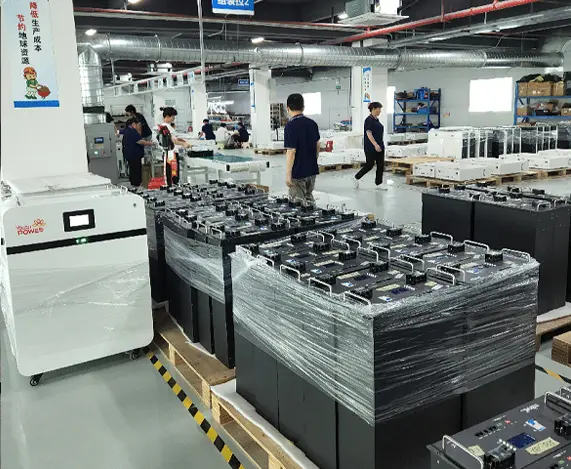
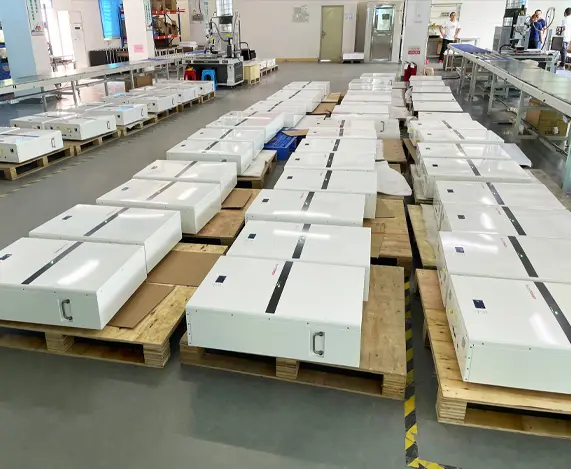
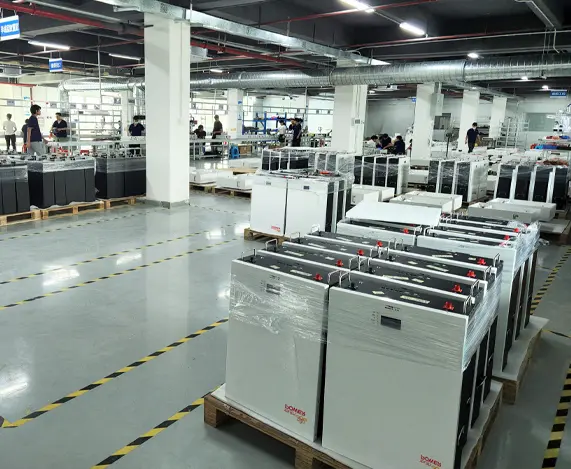
With almost two decades of deep industry expertise, YouthPOWER provides standard and customizable solutions that address the specific needs of distribution networks and EPC companies. Our state-of-the-art facilities leverage automated cell-sorting technology, ensuring that every LFP cell integrated into our systems exhibits minimal internal resistance variance and uniform capacity distributions.
Safety is the primary metric governing our production floor. Every battery module undergoes rigorous testing, including high-current capacity cycles, dynamic thermal stress monitoring, high-potential insulation testing, and communication protocol verification. By standardizing our structural designs, we offer systems with superior energy densities while adhering to the most stringent fire-safety standards.
Sourcing large-scale solar battery banks requires navigating multiple technical, financial, and logistical variables. Enterprise buyers must balance initial capital expenditures (CAPEX) with long-term operational expenditures (OPEX).
The price of lithium solar batteries is primarily driven by carbonate raw material indexes, BMS complexity, cell grade, and structural design factors. While standard low-voltage 48V server rack batteries offer the lowest cost per watt-hour initially, high-voltage commercial containerized systems deliver lower operational losses, easier site deployment, and better long-term system economics. Purchasing direct from factory manufacturers like YouthPOWER helps lower costs by bypassing traditional supply-chain distribution markups.
Years of Battery R&D
Families Powered Globally
Life Cycles @ 80% DoD
Tier-1 A-Grade Cells
YouthPOWER engineers energy storage solutions tailored to diverse operational environments, ensuring high reliability and rapid ROI across sectors:
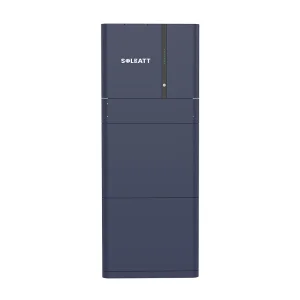
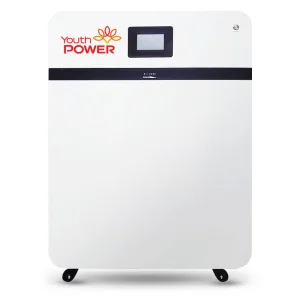
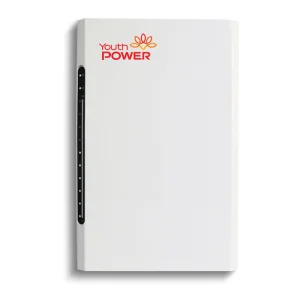
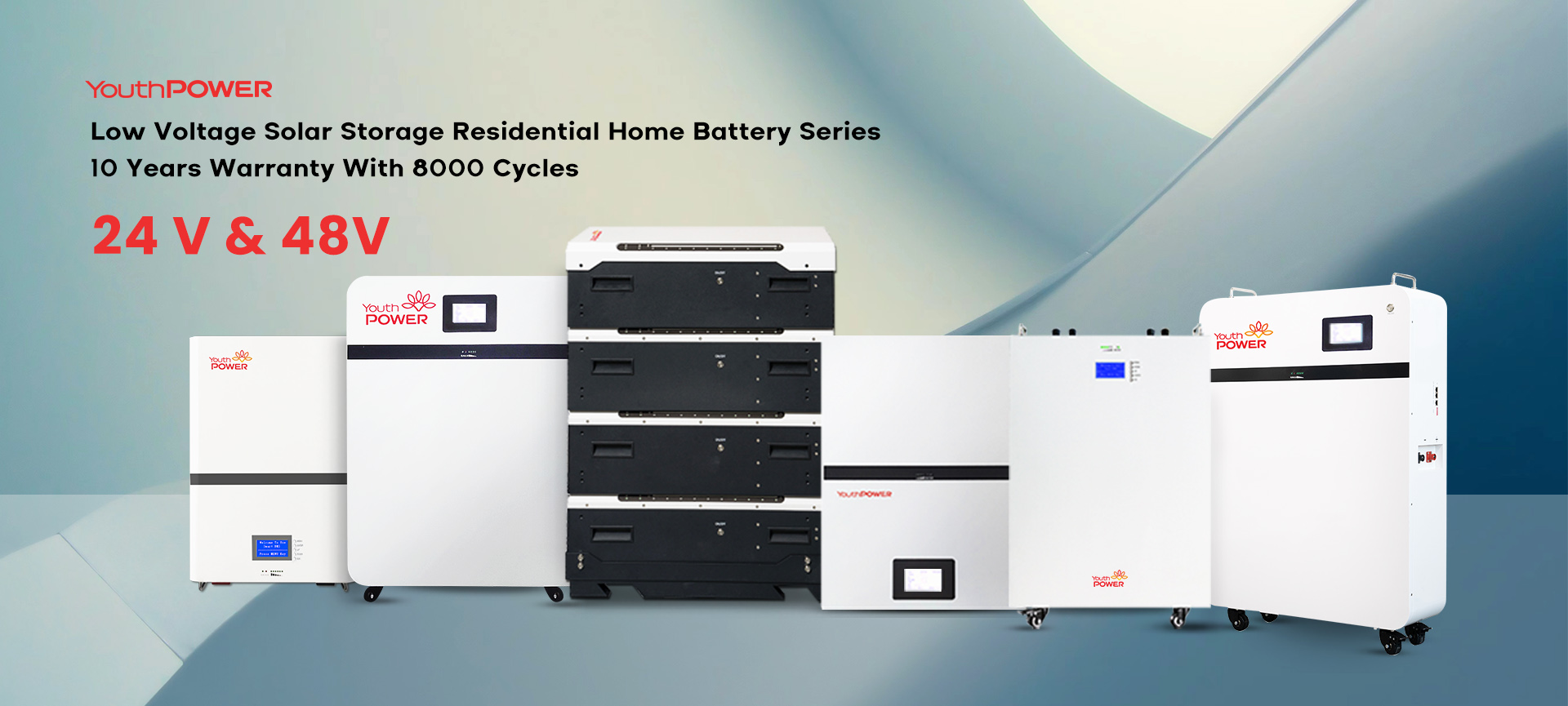
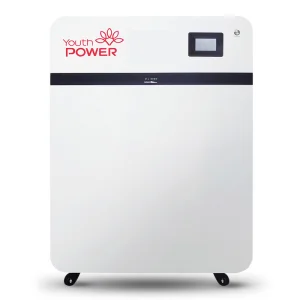
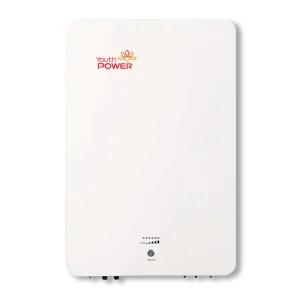
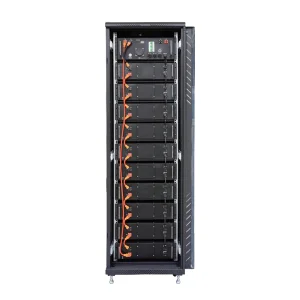
Sleek, modular wall-mounted or stacked systems (e.g., 51.2V 100Ah/200Ah Lifepo4) designed for high energy density, plug-and-play installation, and seamless integration with existing residential solar setups.
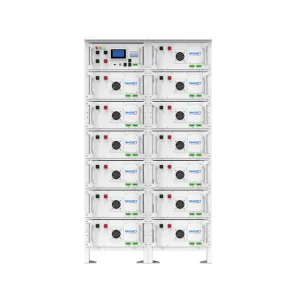
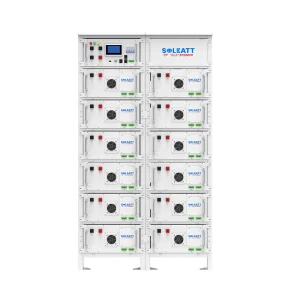
Containerized high-voltage systems (100kWh to 500kWh and beyond) designed for peak shaving, load shifting, reactive power compensation, and backup power during grid disruptions.
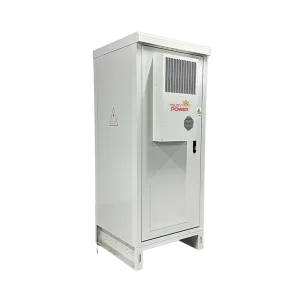
Rugged, heavy-duty configurations optimized for remote mine sites, telecom base stations, and agricultural pumping facilities, built to withstand extreme environmental conditions.
We work closely with global system integrators and local distribution hubs to maintain short lead times and provide responsive field engineering support. We assist our partners with product configuration, thermal profiling, layout planning, and commissioning support.
To date, YouthPOWER's energy storage systems have delivered clean, reliable energy to over 1,000,000 families worldwide, significantly reducing utility costs and carbon emissions.
Deploying energy storage systems globally requires strict compliance with varying safety standards, regional grid codes, and transportation safety guidelines. YouthPOWER ensures compliance across all target markets:
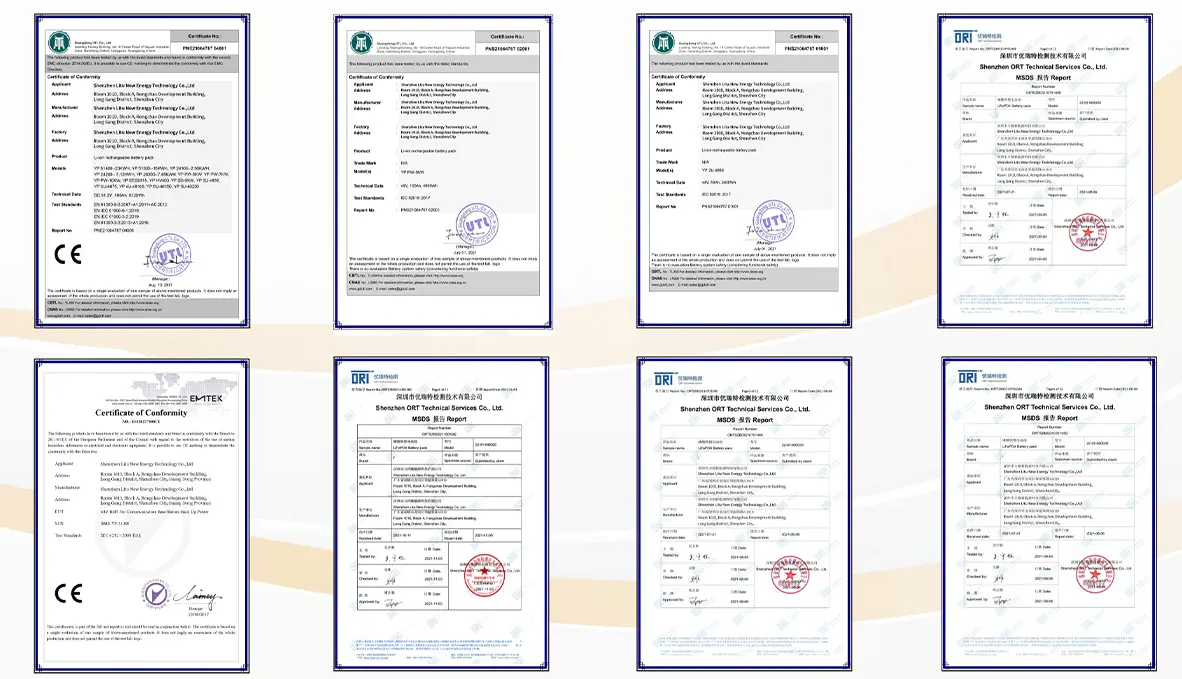
Our manufacturing and system assemblies conform to strict international standards, including IEC 62619 (safety of secondary lithium cells and batteries in industrial applications), UL 1973, and CE-EMC/LVD.
All lithium batteries are classified as Class 9 Dangerous Goods. We ensure every model has passed UN38.3 certification and supply complete MSDS, safe transport declarations, and packaging methods.
Our BMS communicates seamlessly with hybrid inverters compliance-certified for regional grid codes, including VDE-AR-N 4105 in Germany, AS4777 in Australia, and G99 in the UK.
YouthPOWER continues to innovate, adapting to shifts in cell chemistry and energy storage architectures. Our roadmap focuses on increasing system energy density, reducing manufacturing costs, and improving smart BMS control capabilities:
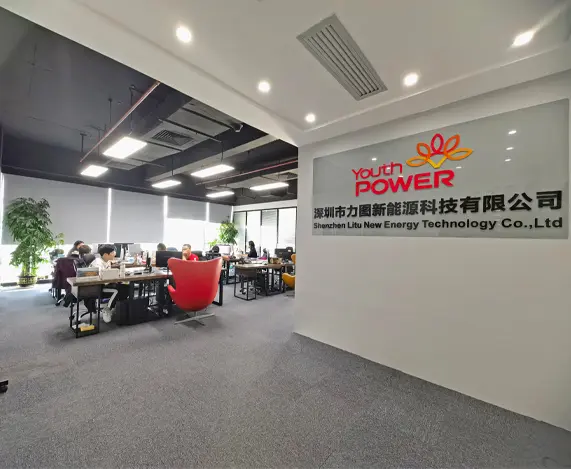
From our start in battery technology in 2003 to establishing the YouthPOWER brand in 2019, our growth is built on manufacturing quality, close partner relationships, and technical innovation. Over the years, we have scaled our production capacity to meet growing global demand while maintaining strict quality control standardizations.
 YouthPOWER