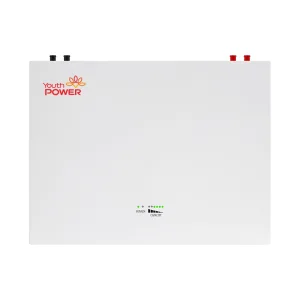
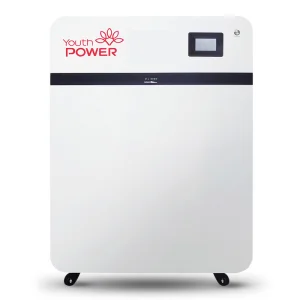
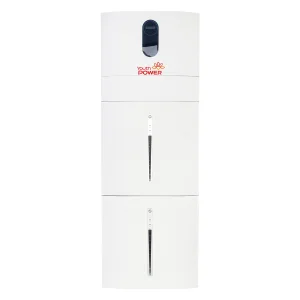
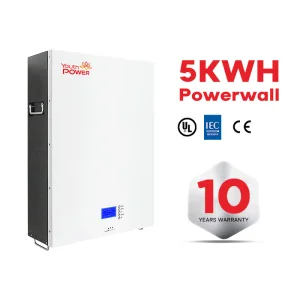
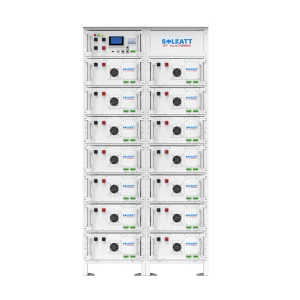
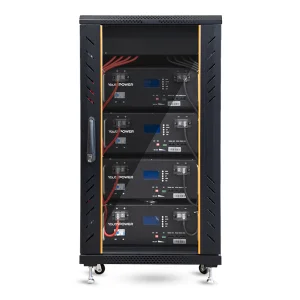
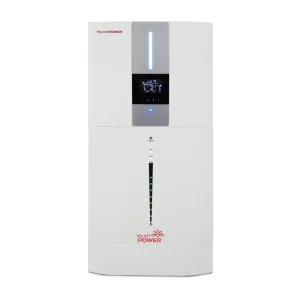
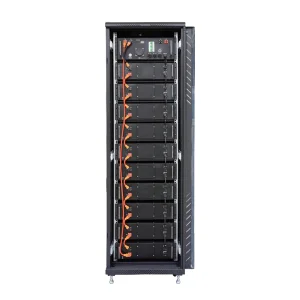
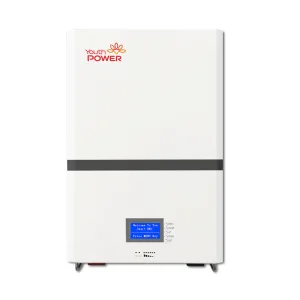
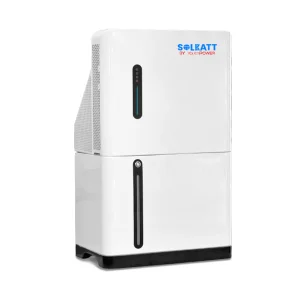
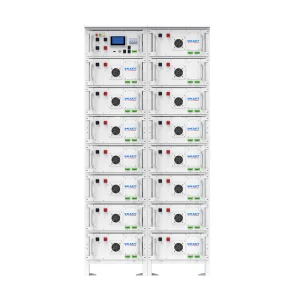
As global energy grids transition from centralized fossil power generation to decentralized distribution networks, finding a reliable energy storage manufacturer is crucial. Finding the right battery storage box factory is no longer just about searching for a supplier; it is about establishing a key supply chain partnership to manage grid stability, off-grid systems, and large-scale commercial deployments.
Whether you need outdoor IP65-rated server rack enclosures, liquid-cooled commercial cabinets, or integrated residential powerwalls, this guide covers the core aspects of manufacturing processes, chemical technologies, and the competitive advantages of Chinese manufacturing hubs.
China produces over 75% of the world's lithium-ion batteries and controls much of the supply chain. Sourcing directly from an established Chinese OEM/ODM factory like YouthPOWER provides significant benefits:
From raw lithium refining to cathode formulation, precision sheet metal fabrication, and BMS PCB assembly, China's clean energy hubs offer unmatched supply chain integration. This vertical consolidation lowers material costs, speeds up prototyping, and ensures reliable component sourcing even during global market shifts.
Leading Chinese factories feature advanced automated production lines. Automated laser welding, robot-guided cell matching, and automated testing rigs guarantee cell-to-cell consistency. This high level of automation reduces assembly errors and helps ensure a long cycle life for all battery packs.
China's engineering ecosystem is highly adaptable. Factory design offices can customize battery boxes to match specific spatial limitations, custom voltage configurations (from 24V up to 800V high-voltage systems), branding layouts, and specific environmental ratings to meet unique market needs.
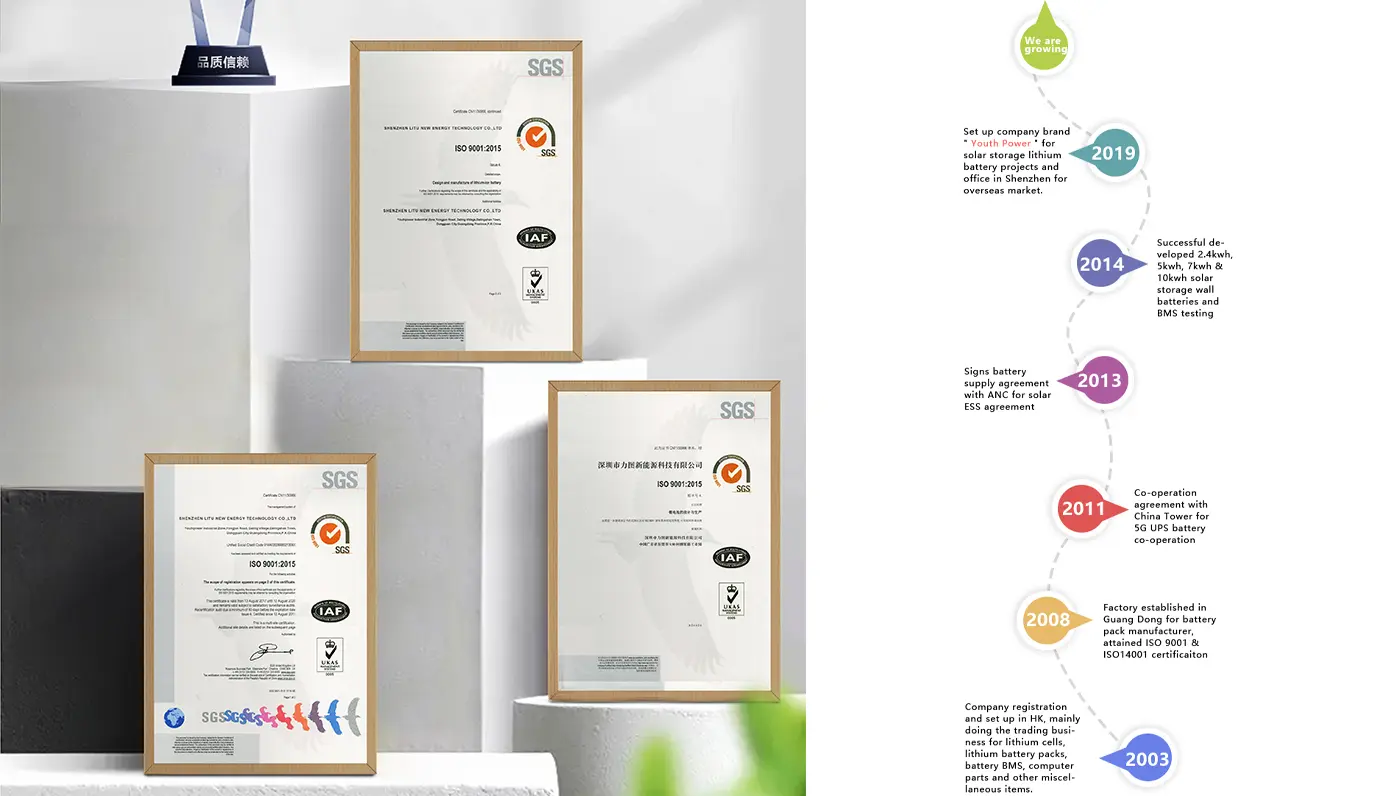
Founded in 2003, YouthPOWER has now become one of the leading suppliers of solar storage lithium batteries in the world. With a broad range of energy storage solutions, it covers a series of 24V, 48V and higher voltage lithium batteries solutions.
YouthPOWER has engaged in the battery technology and production for almost 20 years, with abundant manufacturing experience and strong new product R & D capability. Through many years of hard work and market promotion, we have created our own brand "YouthPOWER" in 2019.
With nearly 20 years’ experience in the battery industry, we have the capability to provide you with both the products you need and the most suitable products you want. We are always ready to supply the first-class products and meet the various needs of the customers.
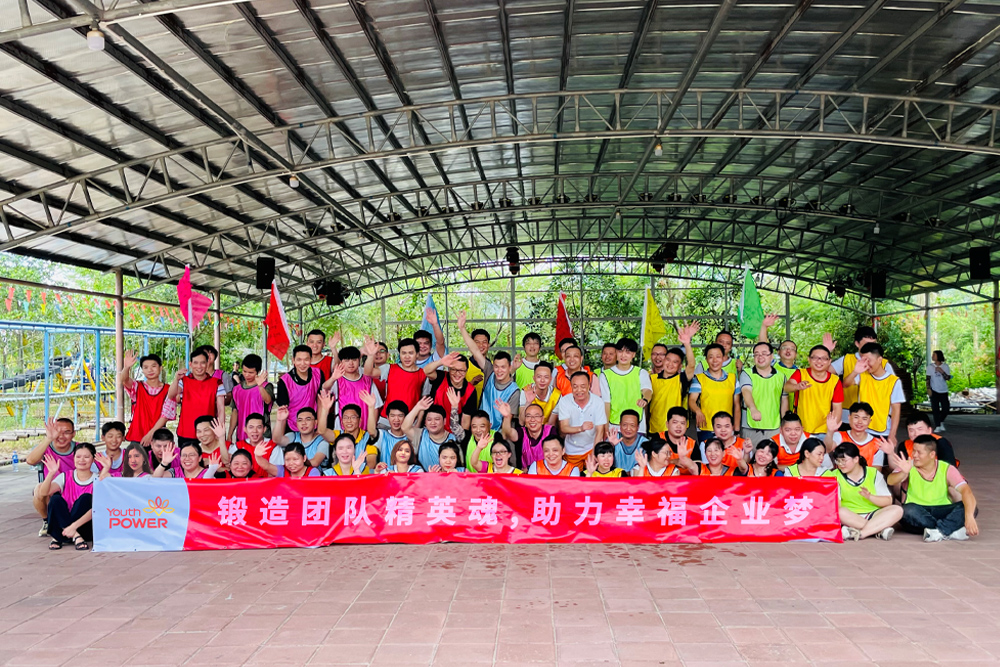
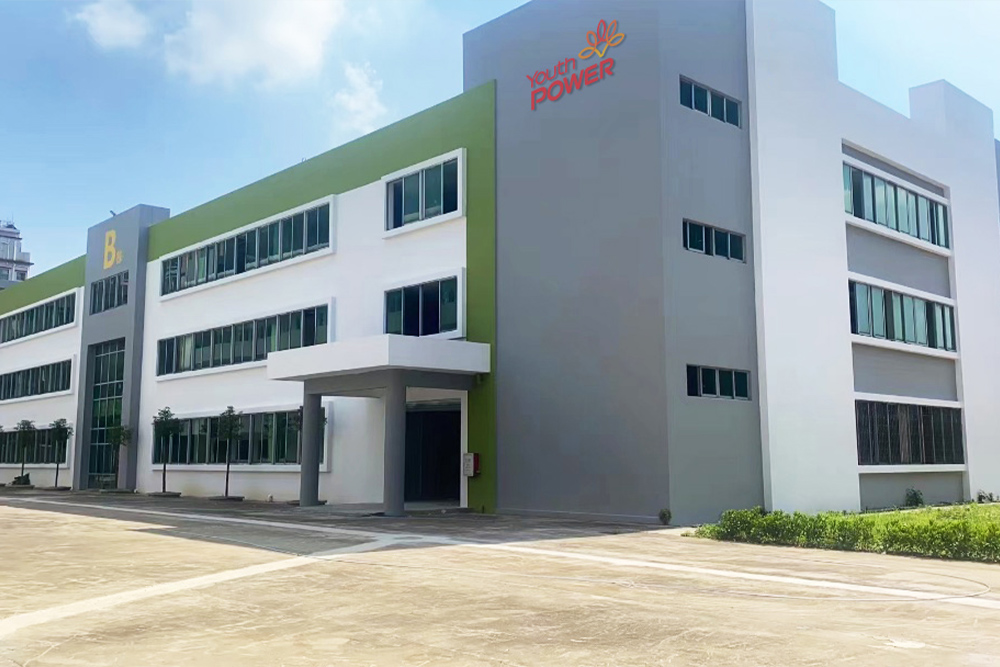
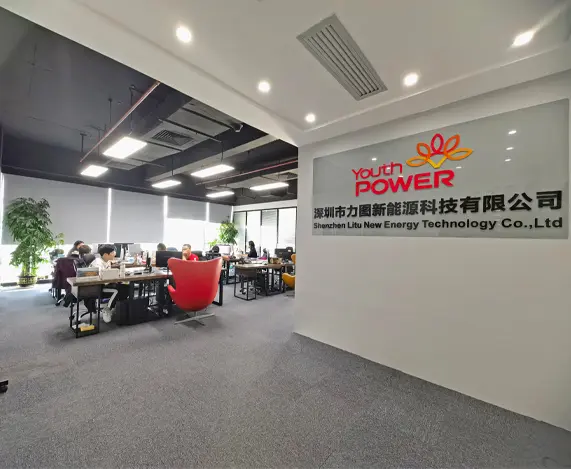
We have established good business relationships with our customers from all over the world. And we have a good cooperation with all our customers as well for many years running. Supported by our local vendors of raw materials, we can certainly offer you the best prices.
We are so proud that YouthPOWER has offered the reliable solar storage solution for over 1,000,000 families now in the world.
From our origins in custom cell formulation to becoming a global energy storage manufacturer, our journey is defined by continuous technical innovation and a commitment to reliability.
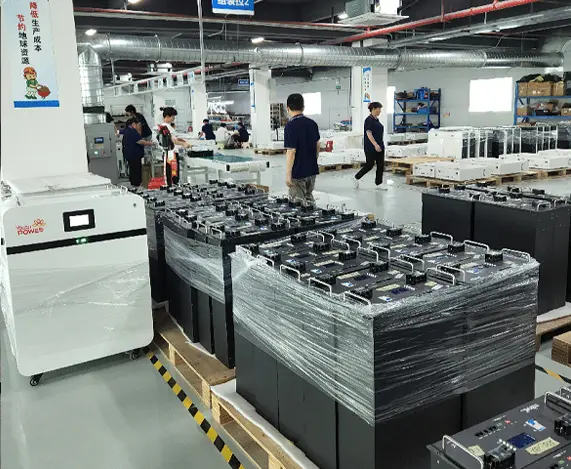
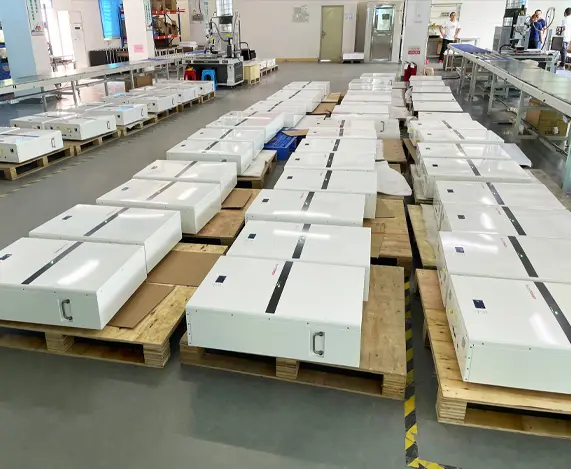
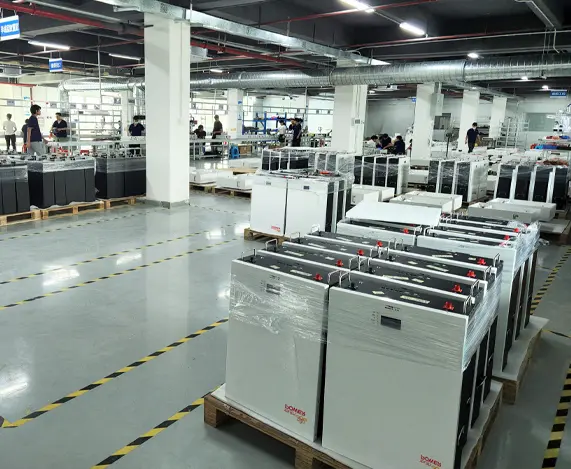
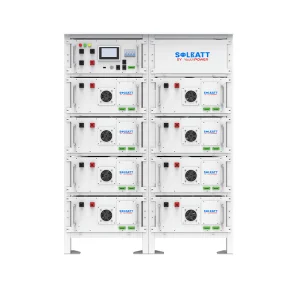
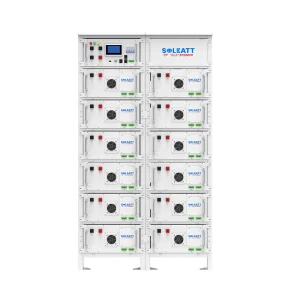
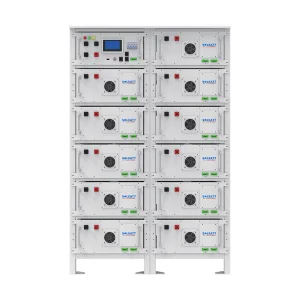
For manufacturing facilities and commercial properties facing high peak demand charges, our cabinet designs support high-voltage configurations (up to 700V+). These systems allow businesses to store energy during off-peak times and discharge it during peak hours to lower operational costs.
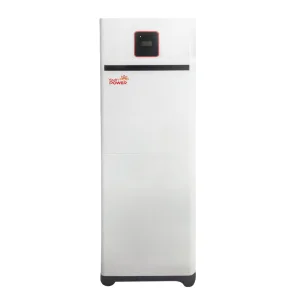
Our low-voltage wall-mounted and stackable battery boxes integrate smoothly with home solar systems. They help homeowners maximize solar self-consumption and provide reliable backup power during grid outages.
Designed for remote regions, island communities, and telecommunication sites, these high-capacity enclosures are built to handle harsh weather conditions, ensuring continuous power in remote locations.
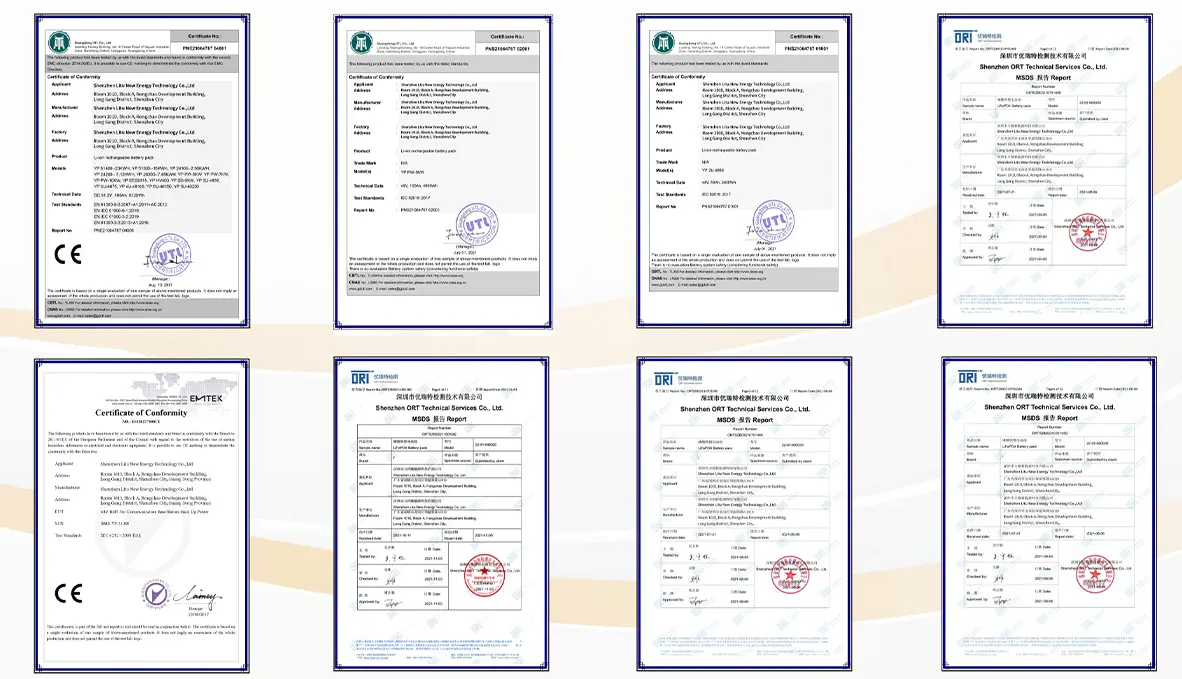
When procuring industrial battery boxes, compliance is essential for safety, insurance, and grid connection approvals. A reliable factory must provide full technical documentation and international certifications.
Without proper UL, CE, and UN certifications, importing commercial energy storage systems can face regulatory issues at customs or fail local electrical safety inspections.
Commercial battery designs are moving from standard 48V systems to high-voltage arrays (often exceeding 400V DC). High-voltage configurations improve round-trip efficiency, minimize cable losses, and lower system installation costs.
Modern battery storage systems use IoT-enabled BMS hardware to track parameters down to the cell level. Predictive AI diagnostics help spot anomalies, balance cell state-of-charge, and prevent potential thermal events before they occur.
As energy density increases, liquid cooling systems are replacing forced-air cooling in outdoor cabinets. Liquid cooling maintains stable operational temperatures across all cells, extending system lifespan and preventing thermal issues.
Lithium Iron Phosphate (LiFePO4 or LFP) is widely recommended for stationary energy storage systems. Compared to NMC chemistry, LFP offers superior thermal stability, a longer cycle life (often exceeding 6,000 cycles at 80% DOD), and lower environmental impact.
Low-voltage (48V/51.2V) systems are ideal for residential installations due to easier setup and lower safety risk during maintenance. High-voltage systems (above 100V, up to 800V) are best for large commercial, industrial, and utility-scale projects where minimizing transmission losses and reducing cabling sizes are critical.
Yes, our smart BMS systems support multiple communication protocols (CANbus, RS485, RS232) and can be configured to integrate with major global inverter brands like SMA, Solis, Victron, Deye, and Growatt.
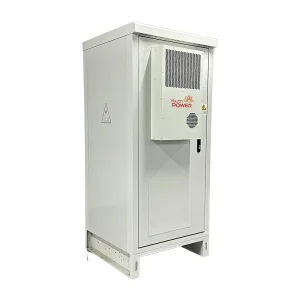
Outdoor enclosures should have at least an IP54 or IP65 rating to protect against water and dust. They should also feature dual-plane heavy insulation, C3/C4 anti-corrosion finishes for coastal sites, integrated ventilation or air conditioning, and fire suppression systems (such as aerosol or gas-based detectors).
The lead time for sample production and prototyping is typically 15 to 21 business days. Standard volume orders (100kWh to 2MWh container systems) average 35 to 45 days, depending on cell availability and customization requirements.
 YouthPOWER