Explore our high-performance home and commercial solar battery options, featuring advanced BMS protection and certified LiFePO4 cells.
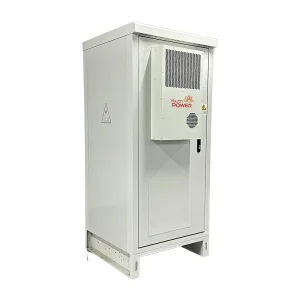
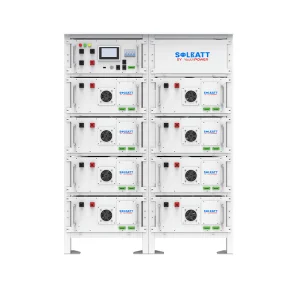
The global transition toward decentralized power grids has elevated home solar battery banks from optional backup accessories to indispensable components of modern grid infrastructures. Dynamic pricing models, Feed-in Tariff (FiT) rollbacks, and frequent weather-induced grid anomalies are forcing homeowners and enterprise purchasers worldwide to optimize self-consumption through local energy storage solutions.
Modern home solar battery systems serve a dual function. Not only do they secure continuous power supply during grid failures, but they also interface with smart energy management architectures to participate in peak shaving and arbitrage. Under dynamic tariff regimes, these systems automatically charge during off-peak hours and discharge when grid energy costs reach their zenith, achieving swift returns on capital investments.
A trusted global leader in lithium battery technology and customizable solar storage integration.
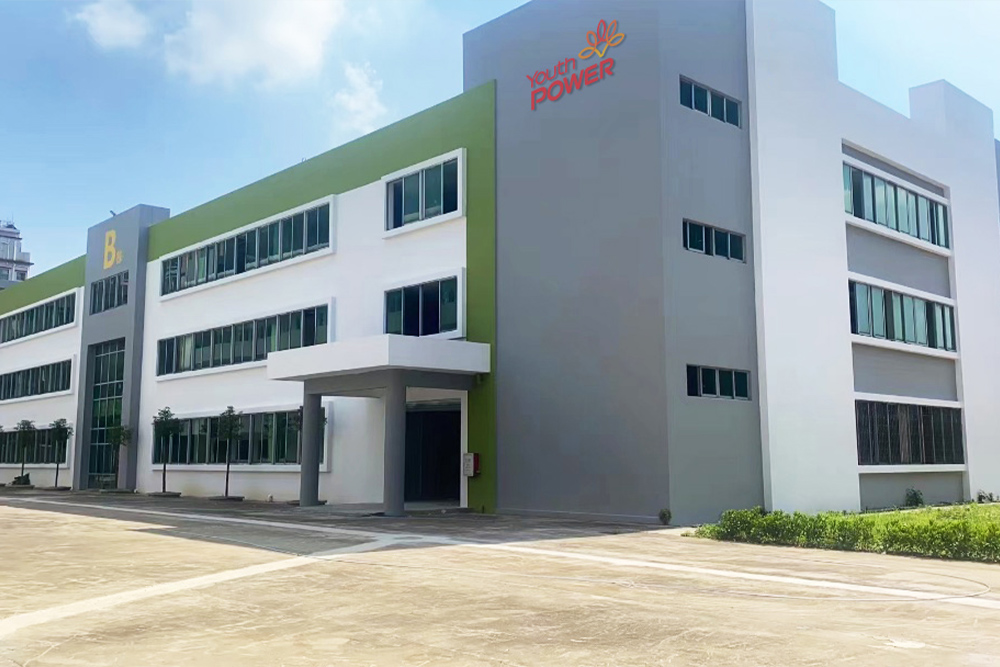
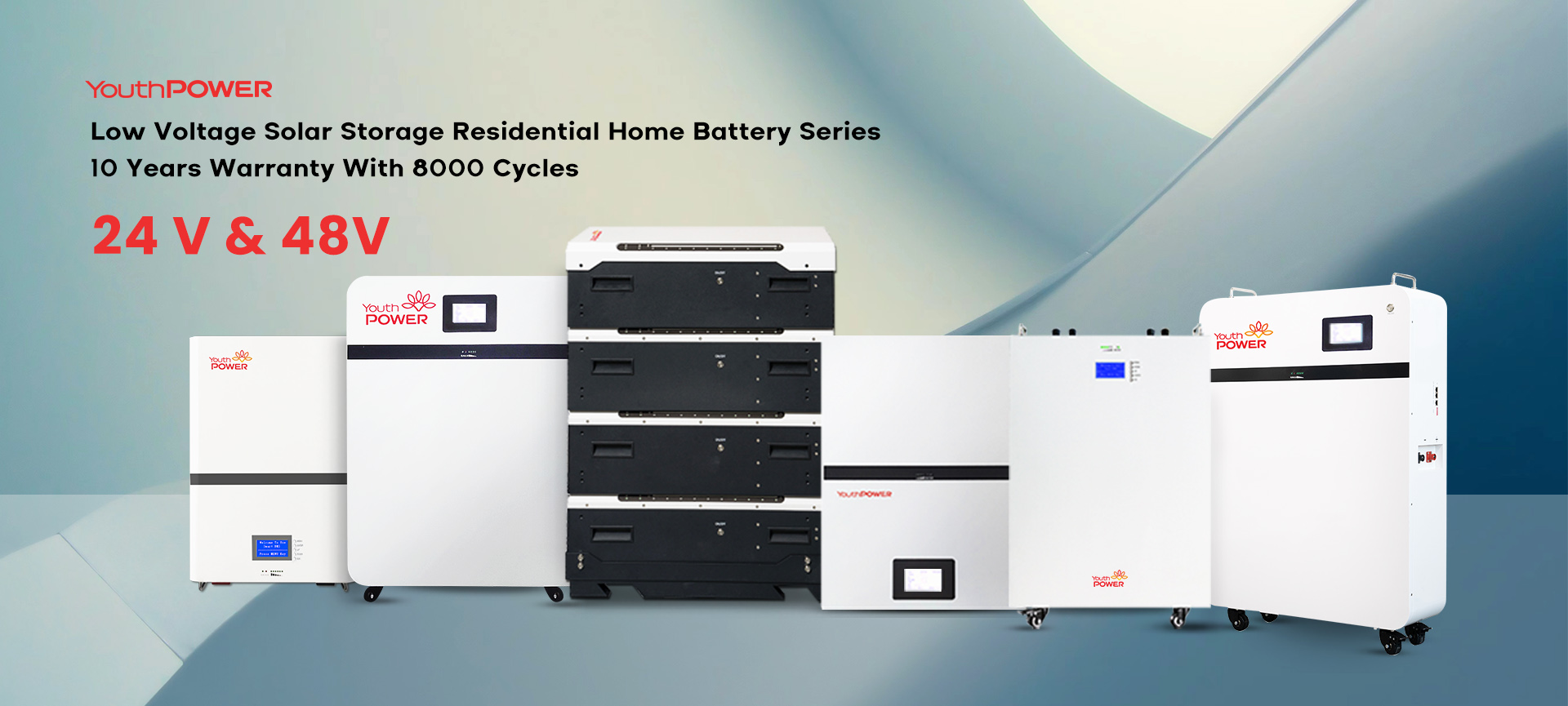
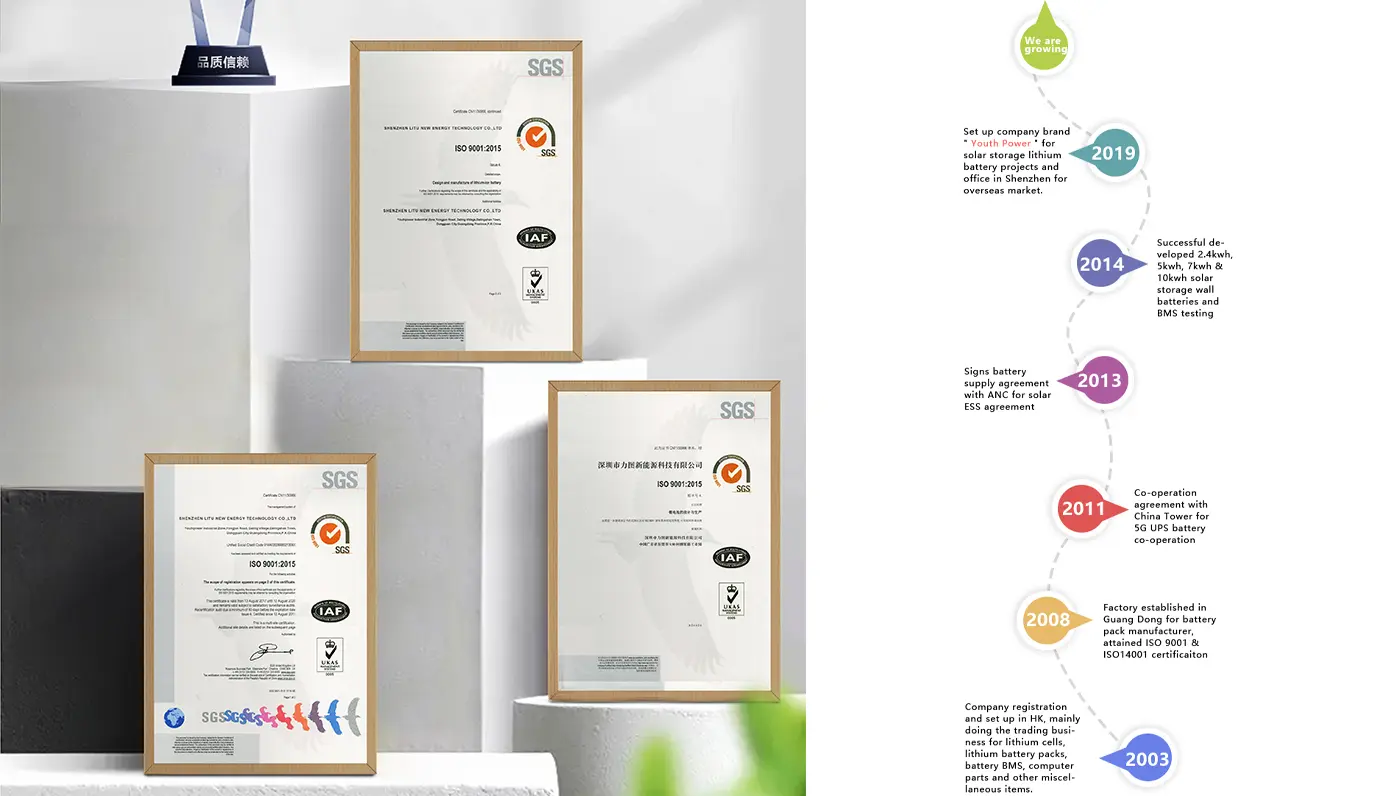
Founded in 2003, YouthPOWER has now become one of the leading suppliers of solar storage lithium batteries in the world. With a broad range of energy storage solutions, it covers a series of 24V, 48V and higher voltage lithium batteries solutions.
YouthPOWER has engaged in the battery technology and production for almost 20 years, with abundant manufacturing experience and strong new product R&D capability. Through many years of hard work and market promotion, we have created our own brand "YouthPOWER" in 2019.
With nearly 20 years’ experience in the battery industry, we have the capability to provide you with both the products you need and the most suitable products you want. We are always ready to supply the first-class products and meet the various needs of the customers.
We have established good business relationships with our customers from all over the world. And we have a good cooperation with all our customers as well for many years running. Supported by our local vendors of raw materials, we can certainly offer you the best prices.
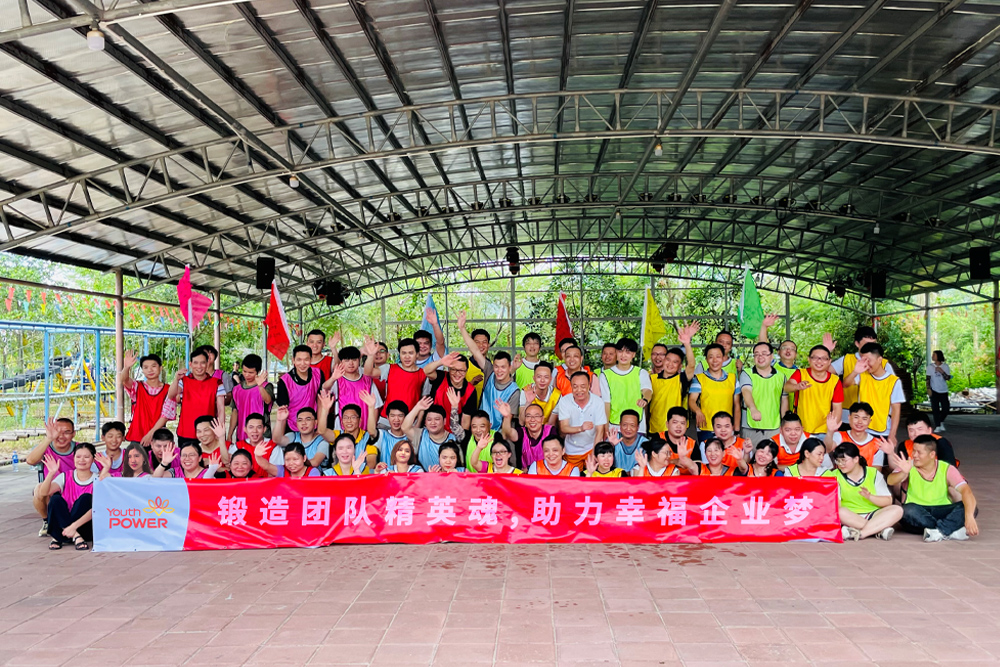
We are so proud that YouthPOWER has offered the reliable solar storage solution for over 1,000,000 families now in the world.
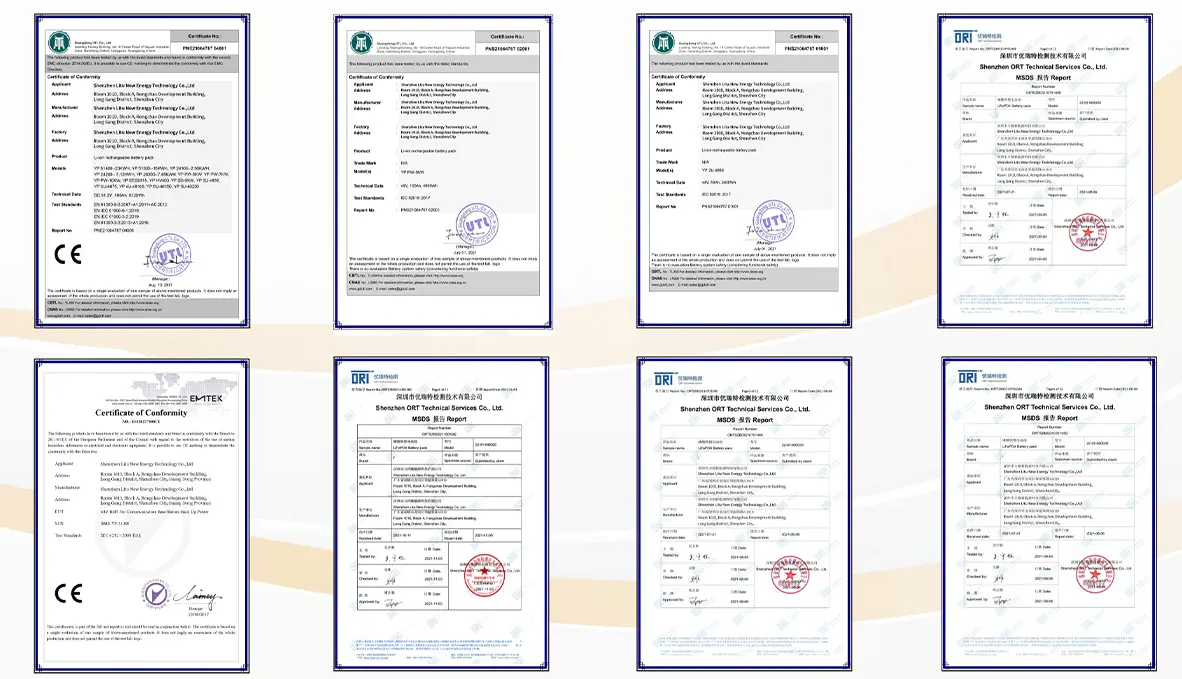
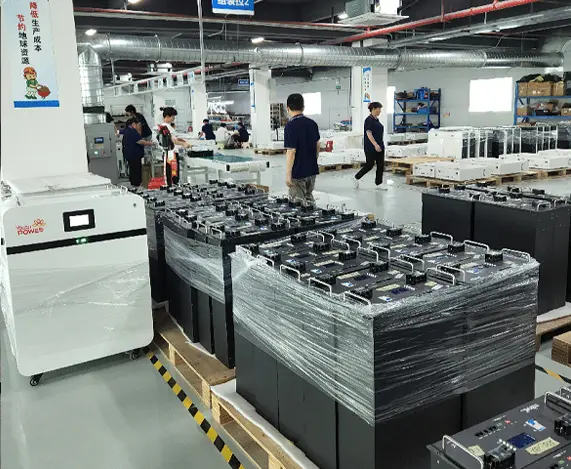
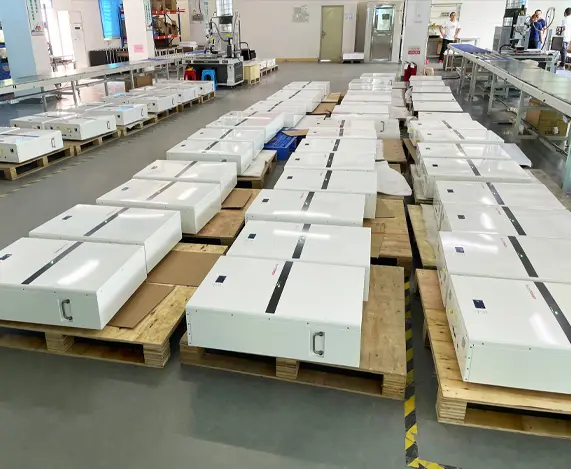
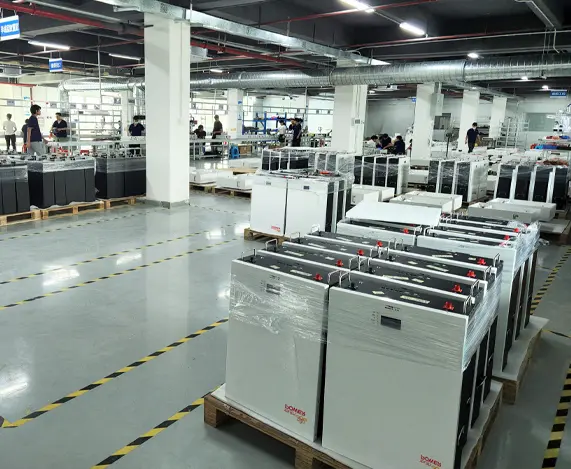
Understanding the technological mastery, supply chain concentration, and economies of scale of the world's leading lithium processing hub.
China processes over 60% of the world’s lithium, 80% of cobalt, and 100% of spherical graphite, creating a highly integrated supply chain that other countries cannot replicate overnight. For B2B purchasers and importers, sourcing a home solar battery bank directly from Chinese manufacturers ensures immediate access to the latest battery cell configurations, rapid product iterations, and massive cost savings.
At YouthPOWER, we capitalize on this vertical integration to secure premier Grade-A LFP (Lithium Iron Phosphate) cells directly from top-tier refineries. This eliminates middleman markups, permitting us to offer premium products equipped with intelligent Battery Management Systems (BMS) at highly competitive prices.
Top-tier Chinese factories operate under strict automated protocols. Automated module lines utilize advanced laser welding, electronic cell testing, and automated optical inspection (AOI) to guarantee that every home battery pack achieves optimal cell-to-cell consistency. Sourcing from YouthPOWER guarantees compliance with demanding international standards:
| Feature Parameter | YouthPOWER LFP Stackable ESS | Standard Lead-Acid Bank | Ternary Lithium (NCM) Battery |
|---|---|---|---|
| Cycle Life (80% DoD) | 6,000+ Cycles | 500 - 1,000 Cycles | 1,500 - 2,500 Cycles |
| Thermal Runaway Temp | 270°C (High Safety) | N/A | 210°C (Moderate Risk) |
| Depth of Discharge (DoD) | Up to 95% | 50% recommended | 90% recommended |
| Levelized Cost of Storage | Low (Over 10+ Years) | High (Frequent Replacements) | Medium-High |
| Maintenance Required | Zero Maintenance | High (Flooded type) | Zero Maintenance |
Whether for extreme remote areas or metropolitan high-tariff locations, discover how to architect your solar system.
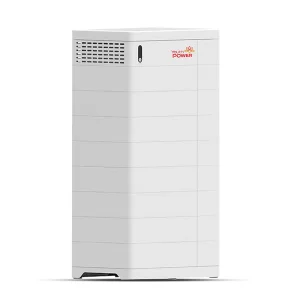
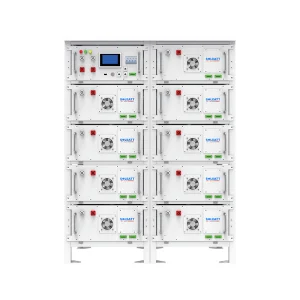
Modern homes with high electrical loads (heat pumps, EV chargers, HVAC systems) benefit significantly from High-Voltage (HV) Stackable Inverter Power Boxes. By connecting battery modules in series (rather than parallel), the system operating voltage scales up to 400V or 500V. This configuration reduces operational currents, minimizes heat generation, and dramatically improves DC-to-AC conversion efficiency.
HV systems allow installers to customize capacity by stacking modules from 10kWh to 30kWh without complex wiring. This scalable architecture saves space and facilitates fast installations in residential settings.
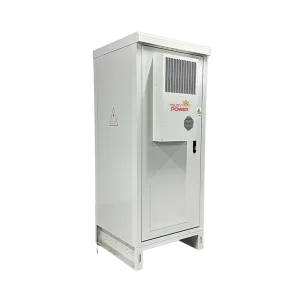
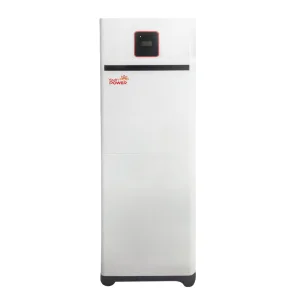
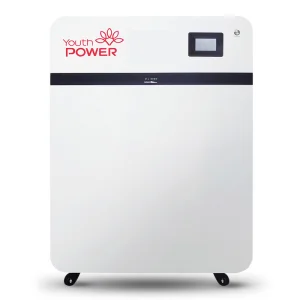
For rural properties, agricultural wells, or off-grid lodges, reliability is paramount. Utilizing high-capacity energy storage cabinets (such as our 51.2V 314Ah or high-voltage cabinets) guarantees multiple days of autonomy when solar generation is low. The integrated BMS actively balances individual cells, prolonging system performance under challenging ambient temperatures.
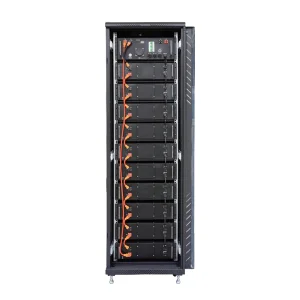
Commercial enterprises are charged based on their highest electricity demand peak during billing cycles. High-capacity battery storage systems (e.g., 100kWh to 133kWh cabinets) discharge automatically during these peak times to lower peak demands and significantly cut industrial power bills. Our smart systems interface seamlessly with high-power three-phase hybrid inverters for industrial setups.
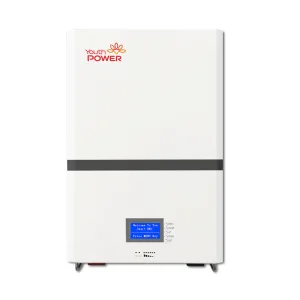
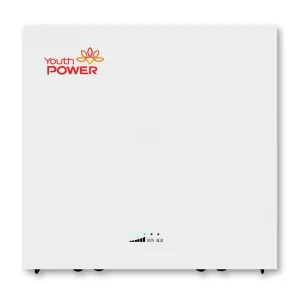
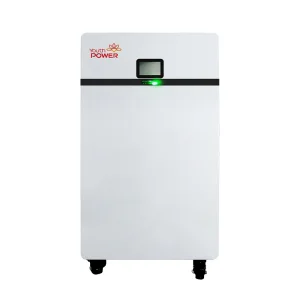
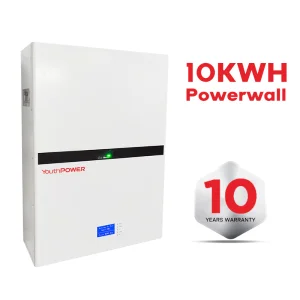
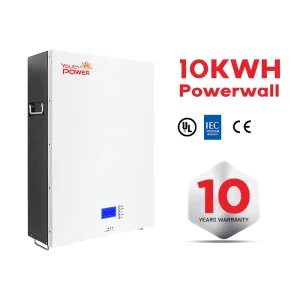
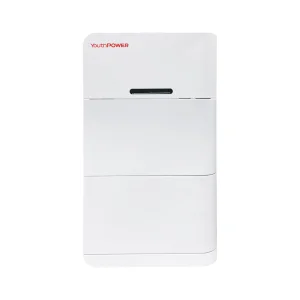
For modern smart homes with limited space, compact wall-mounted batteries (like the YouthPOWER Mini Wall Battery or 5kWh Powerwall series) provide a clean, aesthetic option. These systems easily parallel to expand capacity and match most hybrid inverters on the market, offering emergency backup during outages and grid anomalies.
Key factors that govern cost and performance, allowing you to maximize return on investment.
Purchasers must look beyond the initial ticket price and evaluate the **Levelized Cost of Storage (LCOS)**, calculated as the total investment divided by cumulative energy throughput over the battery’s lifetime. Understanding the key cost variables is essential:
B2B importers and project engineering firms should verify the following specifications when negotiating with potential manufacturers:
A forward-looking perspective on technological innovations redefining residential and industrial power.
The industry is transitioning from standard 280Ah cells to high-density 314Ah and 320Ah cells. This technology pack more energy into the same footprint, reducing structural costs and simplifying wiring connections. Our 16KWH 51.2V 314AH system leverages these advanced cells to provide more power in a compact design.
Future battery banks will do more than store power; they will interact with AI-driven clouds to analyze local weather forecasts, historic consumption, and real-time utility rates. This allows systems to automatically adjust charging and discharging times for optimized savings.
While LiFePO4 remains the industry standard for safety and longevity, sodium-ion batteries are emerging as a cost-effective alternative for cold climates. As technology progresses, solid-state batteries will also enter high-end markets, offering higher energy density and superior safety. YouthPOWER is actively researching these developments to keep our products at the cutting edge.
Get answers to common technical, shipping, and sourcing questions about solar batteries.
Browse our complete catalog of energy storage solutions, featuring robust engineering designed for extreme conditions.
 YouthPOWER