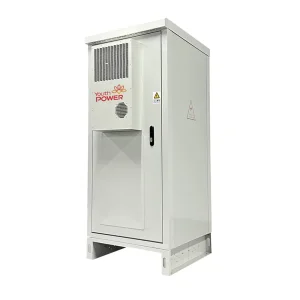
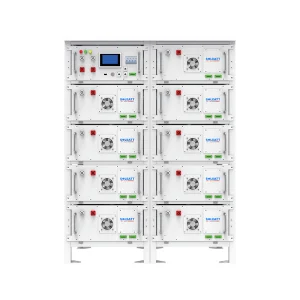
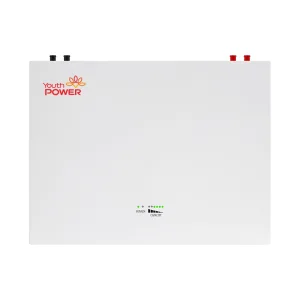
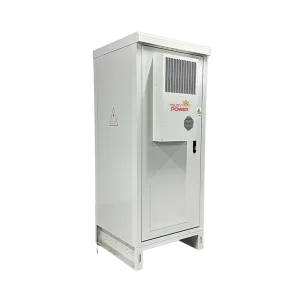
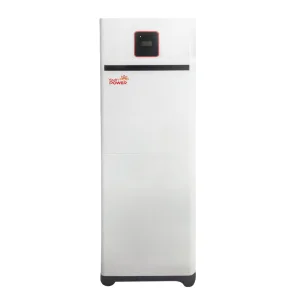
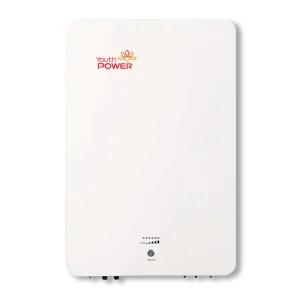
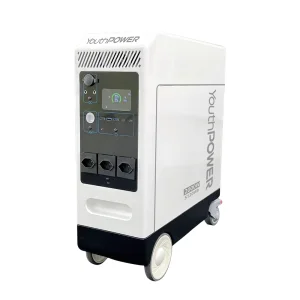
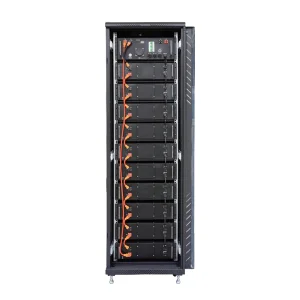
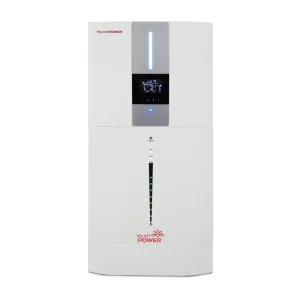
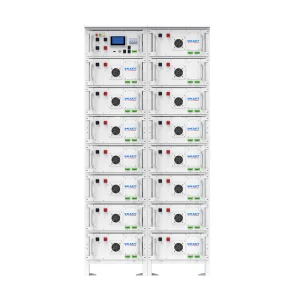
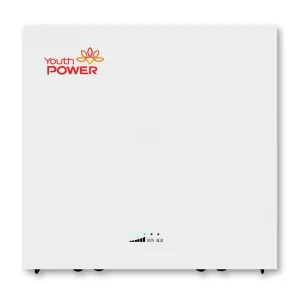
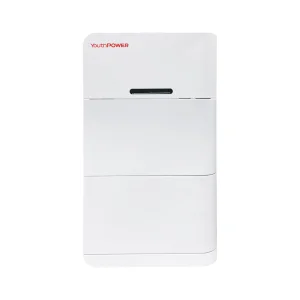
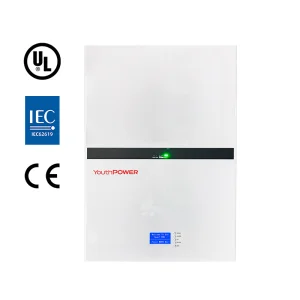
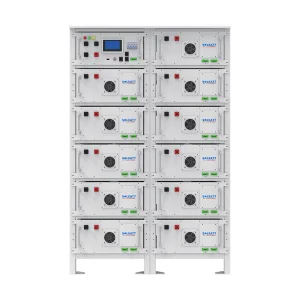
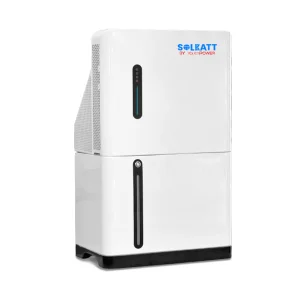
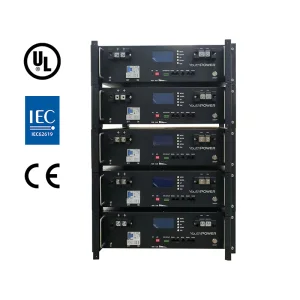
Select from our highly stable, field-tested lithium iron phosphate product lines engineered for durability and efficiency.
As the global power infrastructure undergoes a paradigm shift toward decentralized, renewable-heavy configurations, energy storage systems (ESS) have transitioned from simple backup utilities to active, revenue-generating, grid-stabilizing assets.
At the center of this transition lies the Lithium Iron Phosphate (LiFePO4 or LFP) chemical architecture. Recognized for its unparalleled safety profile, long lifecycle, and structural integrity, LFP has rapidly marginalized alternative chemistries in utility, commercial, and industrial markets.
For engineering, procurement, and construction (EPC) firms, project developers, and large-scale industrial buyers, the strategic decision to buy LiFePO4 solar batteries involves a multi-variable analysis. Finding the right balance between factory-level procurement, custom battery management system (BMS) configurations, thermodynamic performance parameters, and capital expenditure (CAPEX) efficiency is critical for long-term project viability.
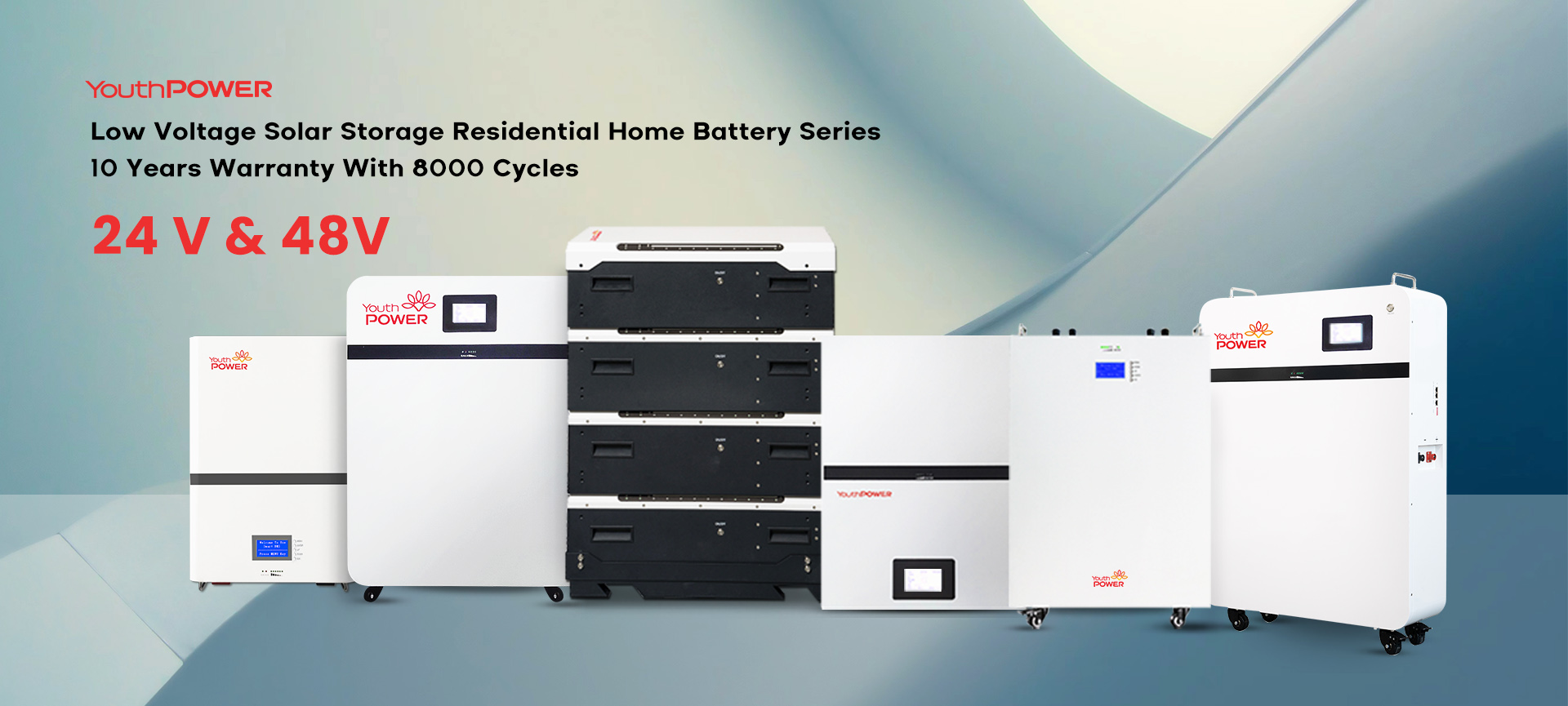
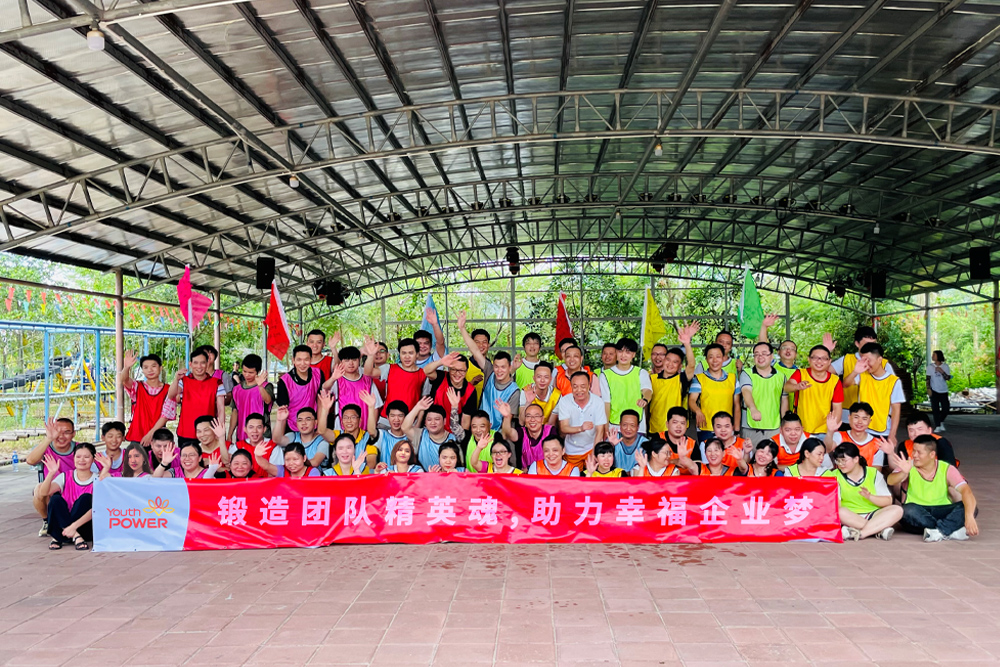
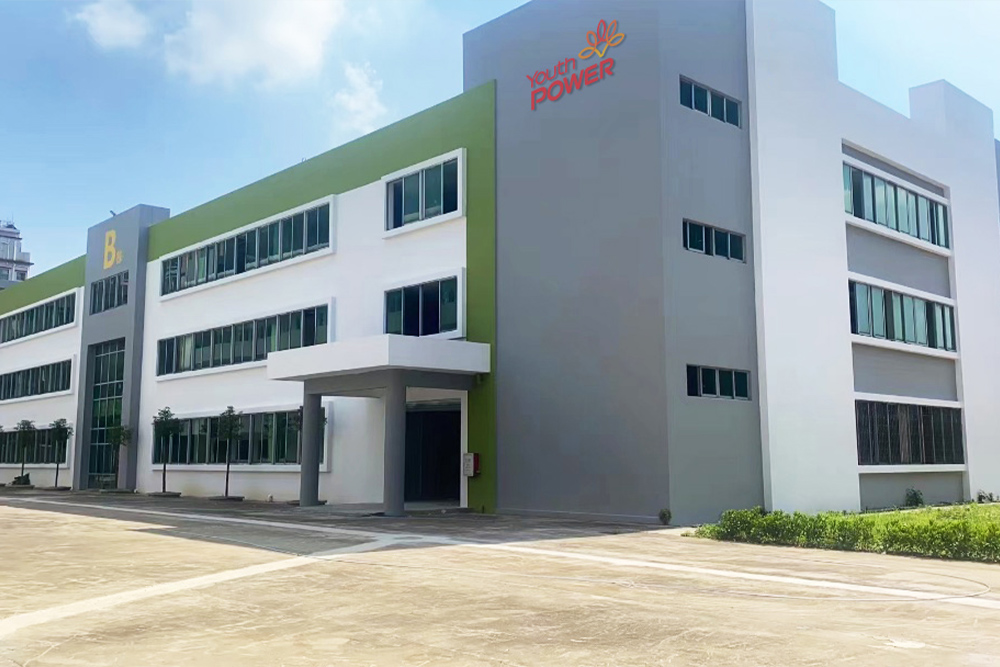
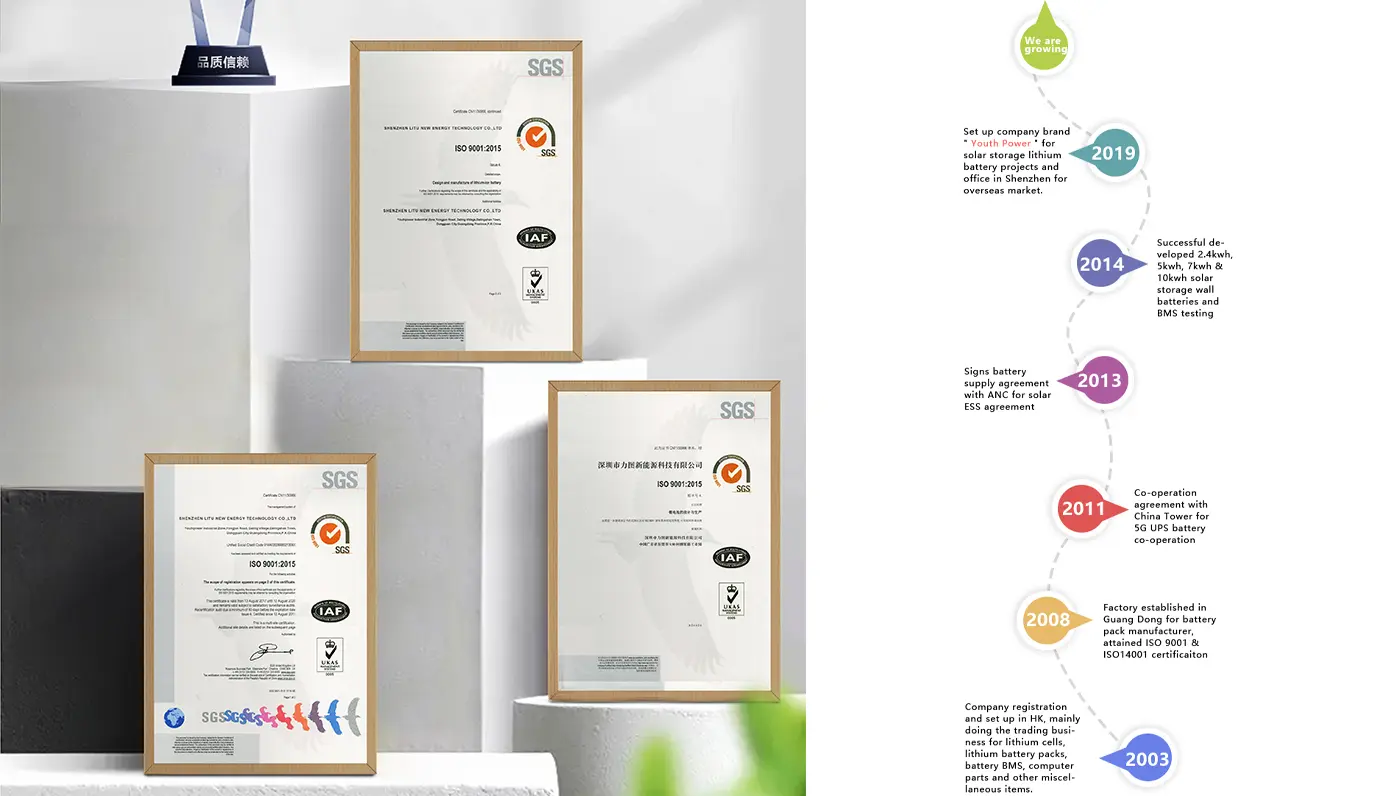
Founded in 2003, YouthPOWER has established itself as one of the leading global suppliers of advanced solar storage lithium batteries. With a broad range of energy storage solutions, the company manufactures residential wall-mounted batteries, medium-voltage commercial cabinets, and utility-scale high-voltage battery containers, spanning 24V, 48V, and high-voltage (up to 768V+) configurations.
YouthPOWER has been actively engaged in battery technology and cell assembly for almost 20 years. Drawing on this deep manufacturing experience and a strong R&D team, we officially introduced our own brand "YouthPOWER" in 2019 to better serve the clean energy market.
With nearly two decades of experience, we provide not just standard hardware, but optimized, fit-for-purpose solutions. Leveraging a robust supply chain network, we secure stable raw material pricing to keep costs highly competitive.
Today, YouthPOWER is proud to have deployed reliable solar storage solutions to over 1,000,000 families worldwide, supporting grid independence and lowering carbon footprints globally.
Understanding the cost structures, supply chains, and technical criteria that dictate Levelized Cost of Storage (LCOS).
The core of any high-performance LiFePO4 battery is the raw cell quality. YouthPOWER sources strictly Grade-A prismatic LFP cells with precise matching of capacity and internal resistance, preventing premature pack degradation.
Our integrated Battery Management Systems (BMS) feature native CAN, RS485, and Modbus communication protocols, facilitating seamless integration with global tier-1 hybrid inverter brands (Victron, SMA, Growatt, Solark, Deye).
By operating vertically integrated manufacturing lines and securing long-term raw material contracts, we bypass intermediate markup channels, offering substantial cost savings for commercial and industrial projects.
In utility-scale energy storage projects, pricing models are typically calculated on a dollar-per-kilowatt-hour ($/kWh) basis. However, experienced procurement managers evaluate batteries on their overall cycle life and depth of discharge (DoD) characteristics. A battery that offers 6,000 cycles at 80% DoD provides a significantly lower levelized cost of storage (LCOS) compared to cheaper alternatives that degrade after 3,000 cycles. We focus our manufacturing on robust thermal management and cell balancing to maximize usable life and project ROI.
Our LiFePO4 battery systems are designed to address the thermodynamic challenges of commercial and industrial settings. The olivine crystal structure of LiFePO4 provides high structural stability and prevents thermal runaway up to temperatures of approximately 270°C (518°F).
To ensure high reliability, YouthPOWER relies on key engineering features:
By pairing high-grade lithium iron phosphate cells with smart BMS diagnostics, our systems track cell voltage, temperature, and State of Charge (SOC) in real time to prevent overcharging, over-discharging, and over-current scenarios.
How high-capacity lithium iron phosphate systems support commercial properties, industrial sites, and utility grids.
Our high-voltage lithium cabinets (such as the 85KWH BESS and 129KWH Commercial Batteries) store power during low-demand periods and discharge it during peak demand. This helps businesses avoid high demand charges and lower their monthly utility bills.
For remote mining operations, agricultural centers, and island grids, YouthPOWER LiFePO4 batteries integrate with solar arrays and diesel generators to form reliable microgrids, securing stable power and reducing diesel fuel consumption.
In critical communication setups, our 48V rack-mounted and high-voltage cabinets provide reliable backup power. Their high energy density and long service life make them a dependable replacement for traditional lead-acid batteries.
Select from our high-voltage cabinets, micro-grid containers, and modular energy storage systems designed for quick onsite deployment.
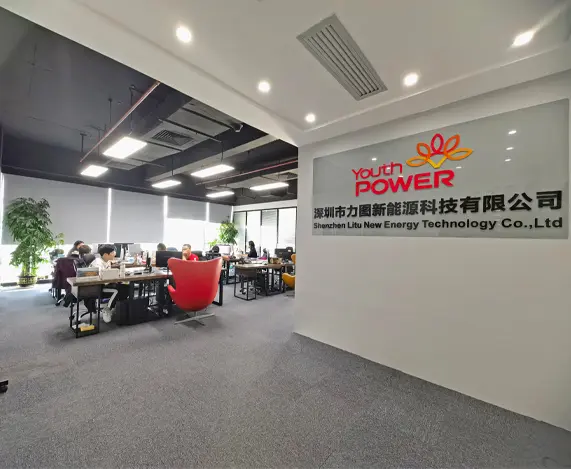
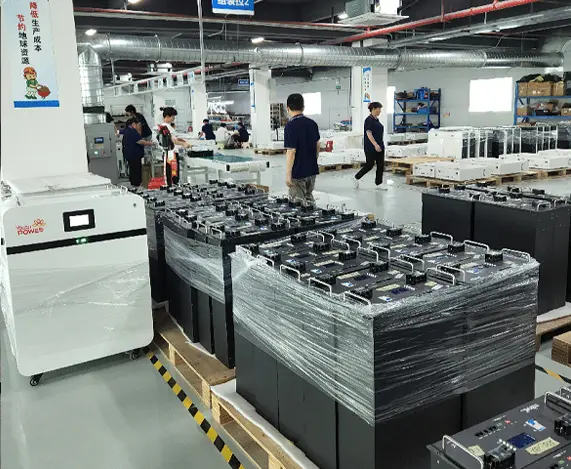
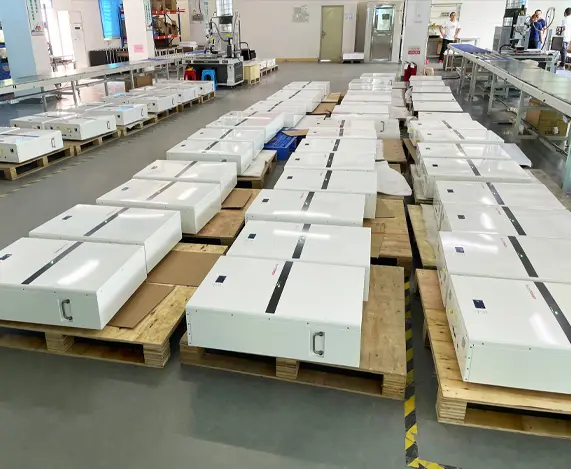
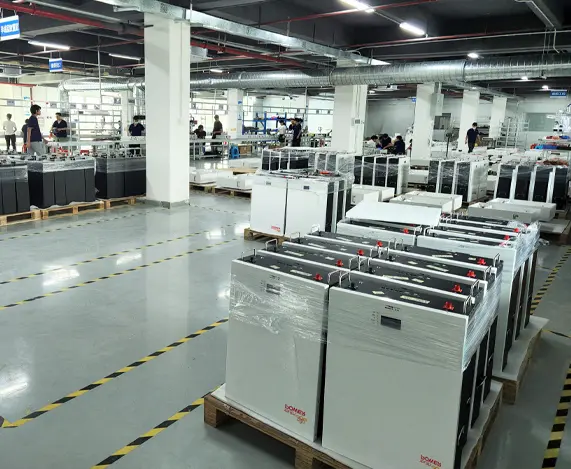
Our history reflects a commitment to continuous engineering improvements, scaling production to meet global standards, and developing clean energy solutions.
Began operations with a focus on battery pack assembly, cell testing, and quality control processes.
Expanded development to include advanced lithium iron phosphate (LiFePO4) chemistries, designing smart BMS platforms for multi-module battery systems.
Launched the YouthPOWER brand globally to focus on renewable energy systems, commercial storage cabinets, and modular high-voltage solutions.
Our solutions support commercial, residential, and industrial sites across Europe, North America, Africa, and Australia.
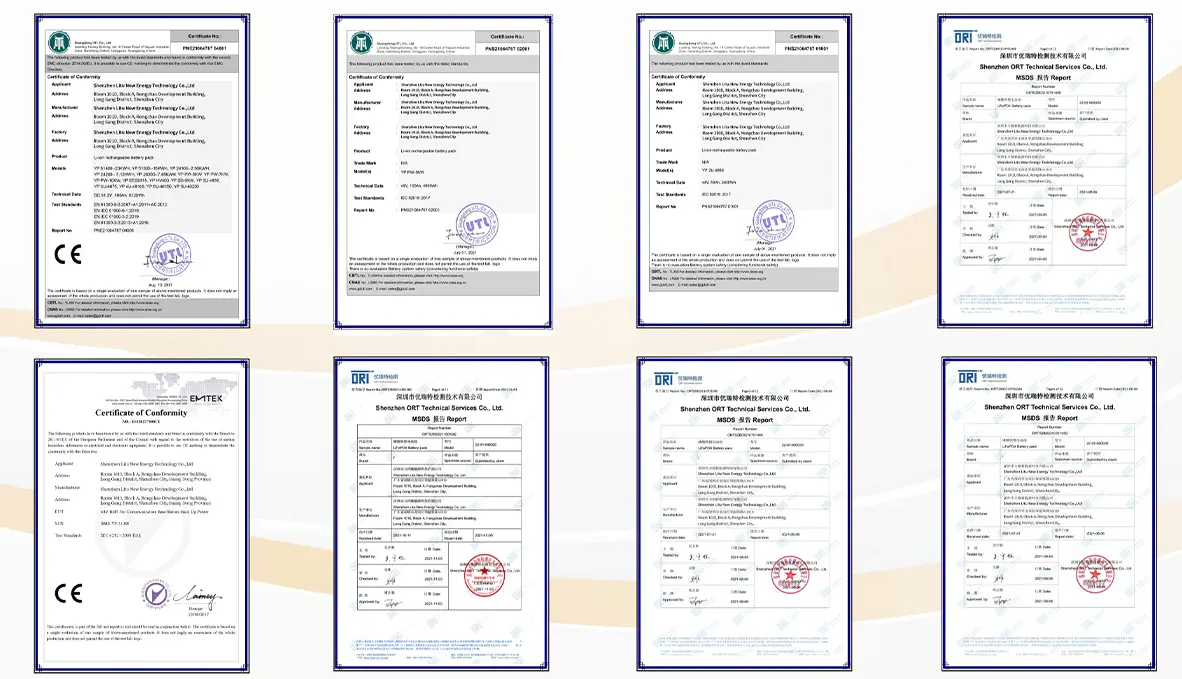
Deploying energy storage systems requires adherence to strict safety standards. YouthPOWER batteries are designed, manufactured, and tested to meet international regulatory requirements, including:
We work closely with local engineering partners and distributors to ensure quick shipping, custom clearance, and technical support. Our team provides detailed wiring schematics, BMS configuration files, and troubleshooting support for solar storage installations.
Answers to common engineering and sourcing questions regarding industrial energy storage systems.
 YouthPOWER