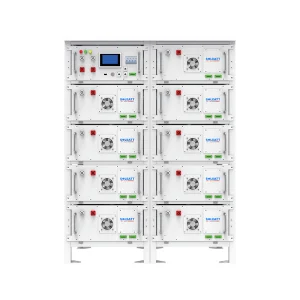
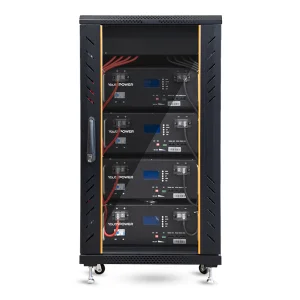
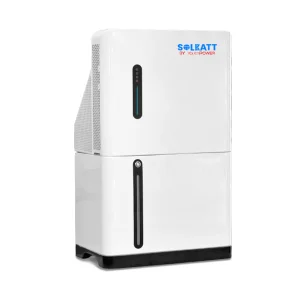
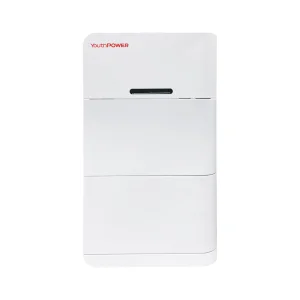
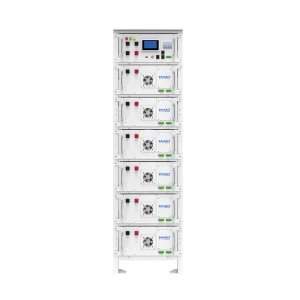
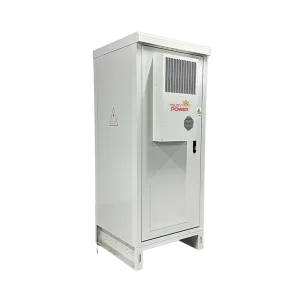
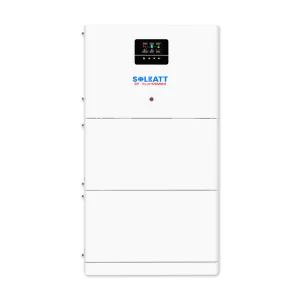
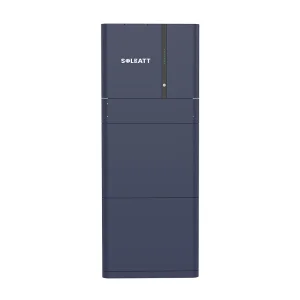
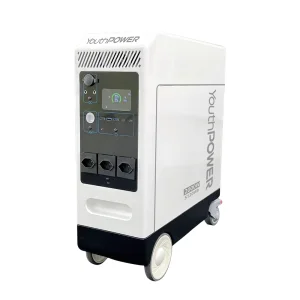
Direct factory-integrated lithium storage products engineered for critical commercial backups, local microgrids, and high-capacity residential applications.
Strategic analysis of shifts toward lithium-based architectures in utility, commercial, and microgrid applications.
The global transition to sustainable energy has made battery energy storage systems (BESS) core components of modern industrial infrastructure. Intermittent renewable generation from utility-scale solar and wind requires stable, high-capacity chemical storage to balance grids and manage peak loads. Lithium iron phosphate (LiFePO4 or LFP) has emerged as the preferred chemistry for stationary applications, overtaking nickel manganese cobalt (NMC) due to superior safety, longer lifecycle, and raw material cost advantages.
Global demand is driven by grid modernization, carbon reduction mandates, and B2B requirements to mitigate energy price volatility. In North America and Europe, commercial facilities install behind-the-meter (BTM) storage systems to avoid peak-demand charges and secure backup power. In developing economies, microgrid systems replace diesel generators, lowering operating costs and reducing environmental impact. Consequently, sourcing high-quality lithium solar batteries directly from expert manufacturers has become a key priority for EPC contractors, system integrators, and B2B distributors.
Why Chinese lithium solar battery factories lead global production in both volume and cost efficiency.
China refines over 60% of the world's lithium, 70% of its cobalt, and nearly 80% of its manganese. This domestic processing network minimizes global freight delays and tariff risks, stabilizing costs for factory cell production.
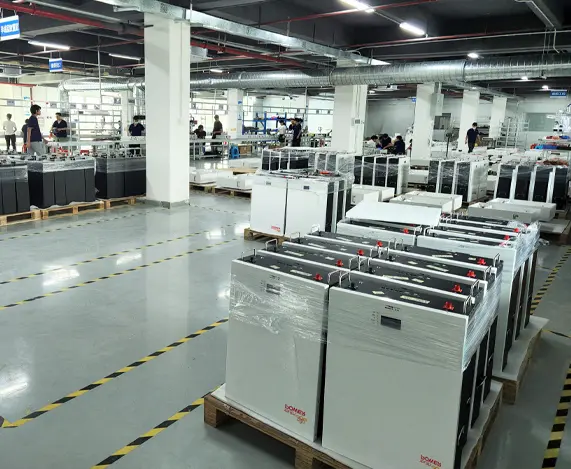
Chinese factories feature high levels of automation. Intelligent conveyor systems, automated cell sorting, and laser welding minimize human error. Consistent manufacturing results in uniform battery capacity, impedance, and longevity.
Cell production, BMS board assembly, sheet metal manufacturing, and validation labs are clustered in close proximity. This local supply chain reduces internal transit costs and accelerates delivery timelines.
From pioneer cell engineering to a premier global brand serving over 1,000,000 families worldwide.
Founded in 2003, YouthPOWER has become one of the leading suppliers of solar storage lithium batteries in the world. With a broad range of energy storage solutions, it covers a series of 24V, 48V and higher voltage lithium batteries solutions.
YouthPOWER has engaged in the battery technology and production for almost 20 years, with abundant manufacturing experience and strong new product R&D capability. Through many years of hard work and market promotion, we created our own brand "YouthPOWER" in 2019.
Supported by our local vendors of raw materials, we offer competitive prices for high-quality components. We are proud that YouthPOWER has offered reliable solar storage solutions for over 1,000,000 families worldwide. Our business operations cover North America, Latin America, Europe, Africa, and Southeast Asia, supported by professional B2B customer service.
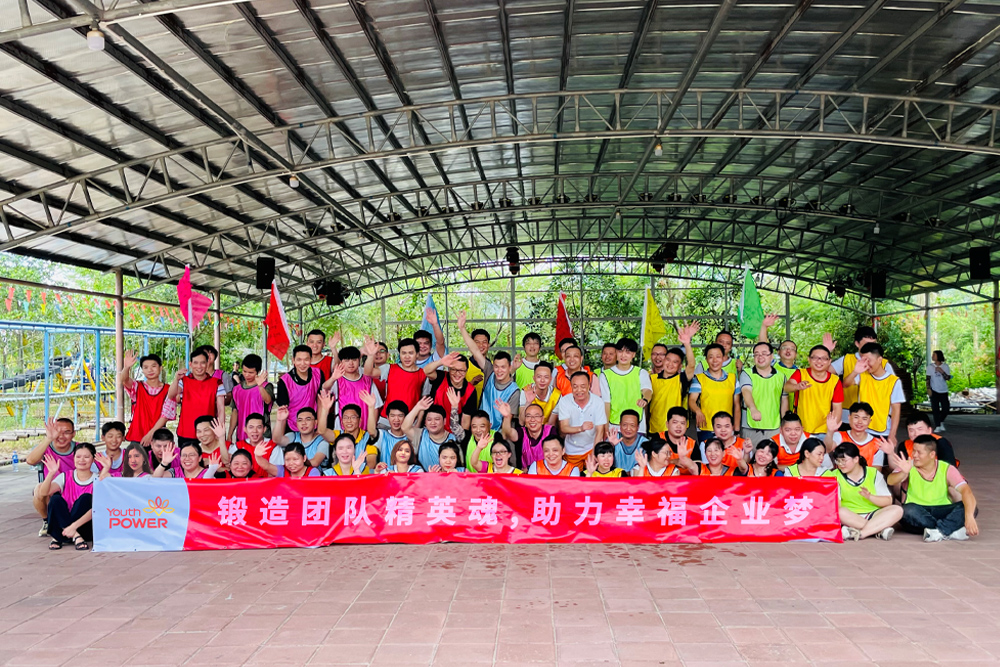
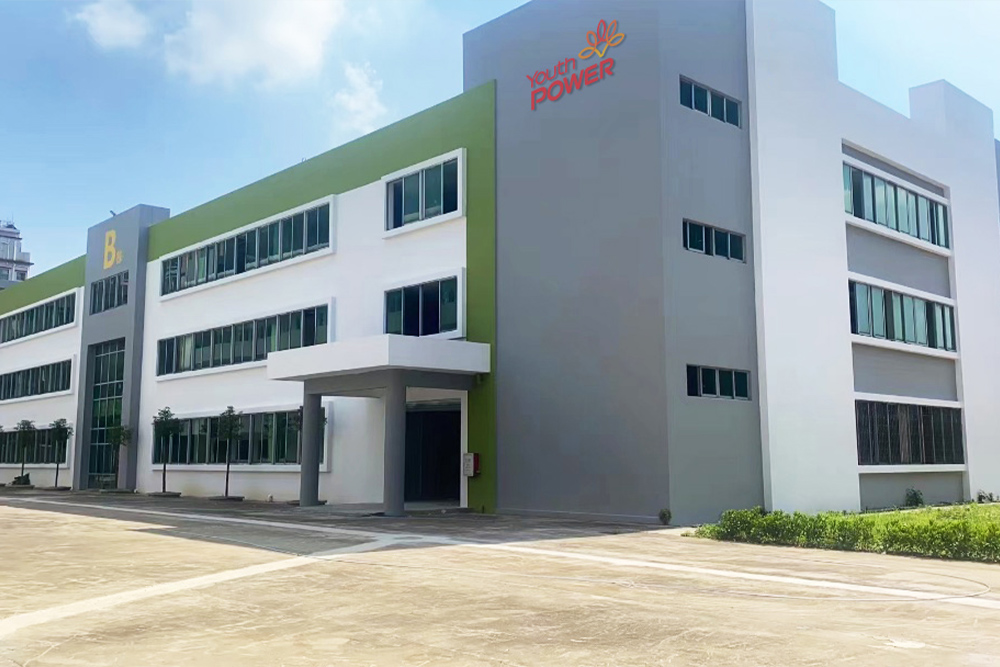
With nearly 20 years’ experience in the battery industry, we provide both standard products and custom configurations. We are prepared to supply high-performance solutions that meet diverse client requirements.
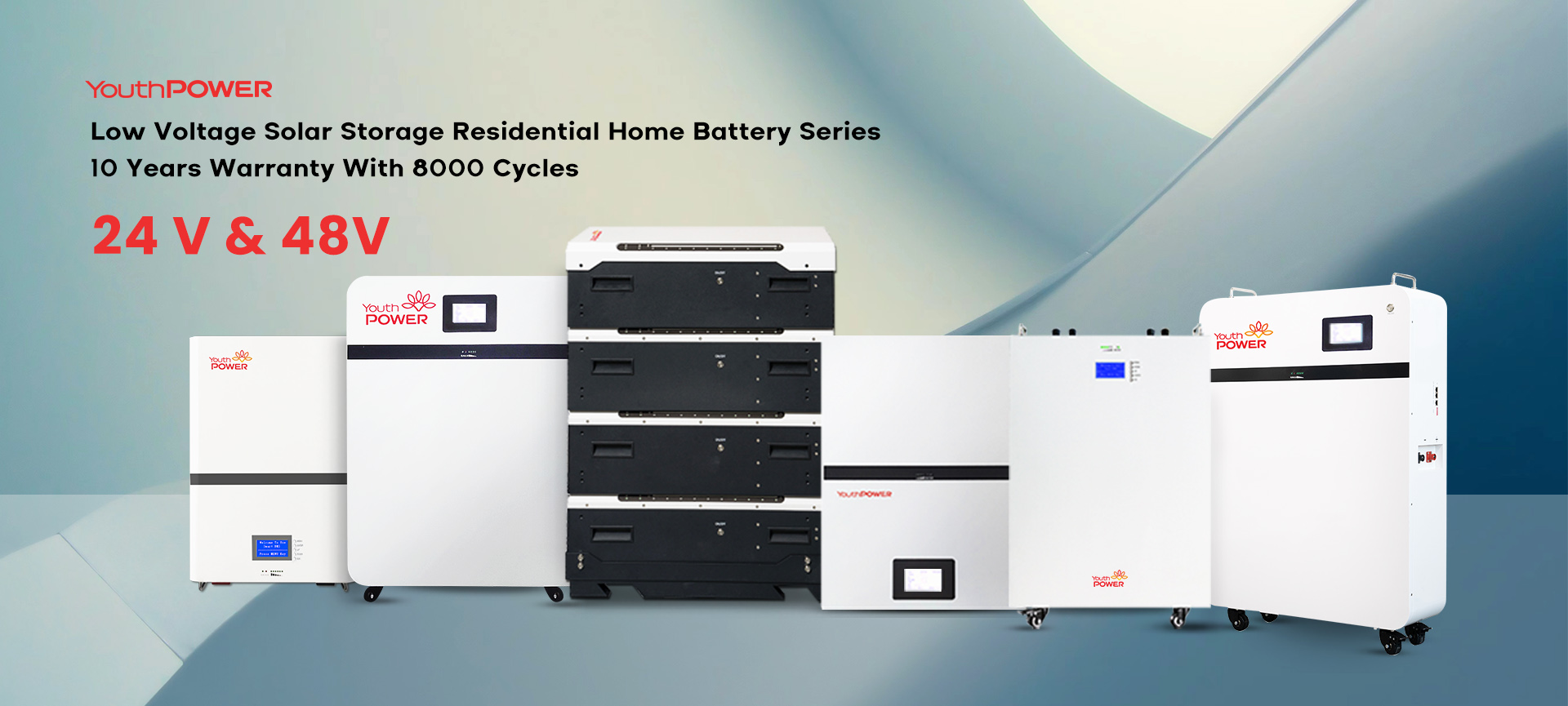
Our journey is built on continuous technology development and capacity expansion. We have evolved from a basic cell supplier into an integrated manufacturer of high-voltage and low-voltage battery energy storage systems (BESS).
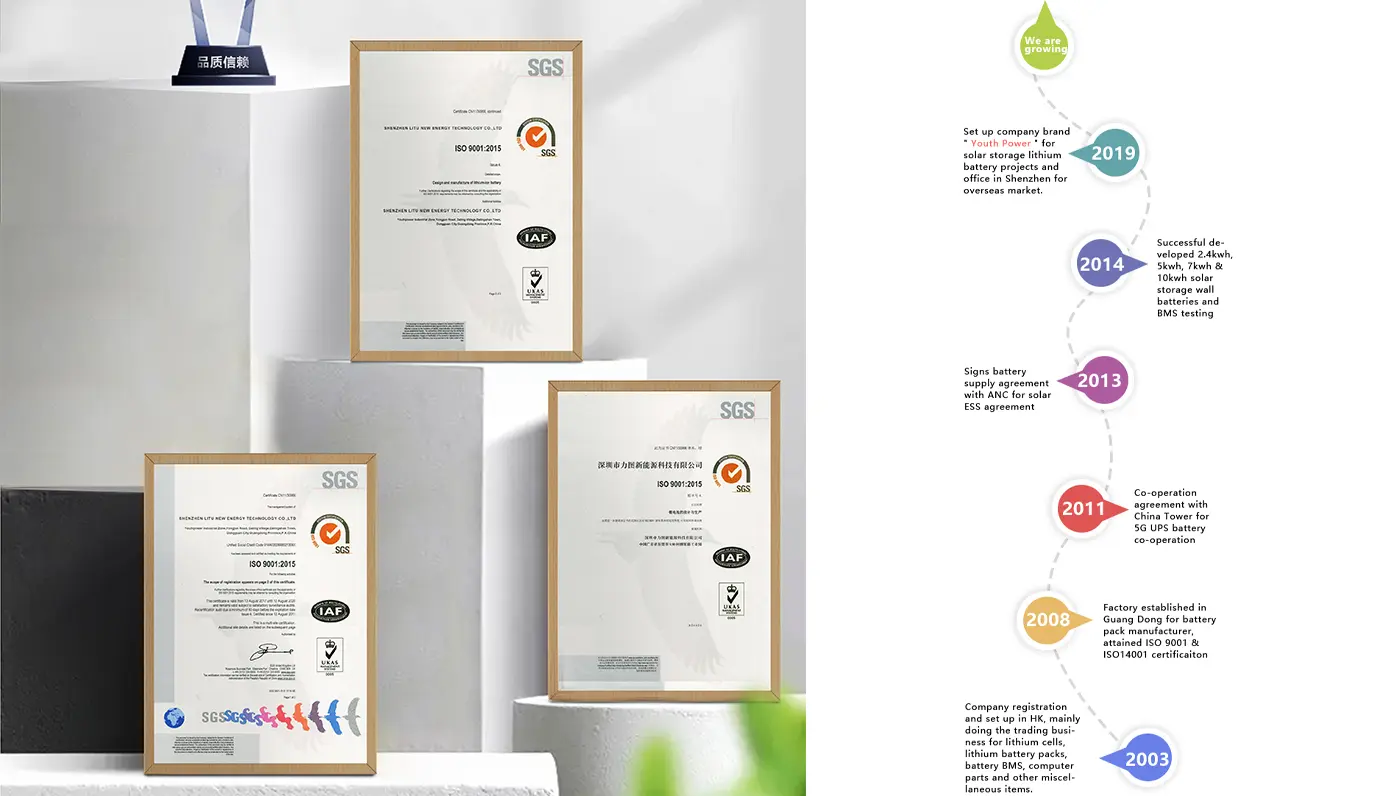
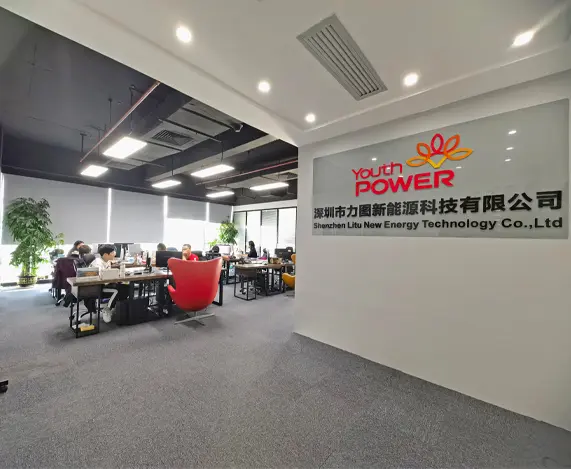
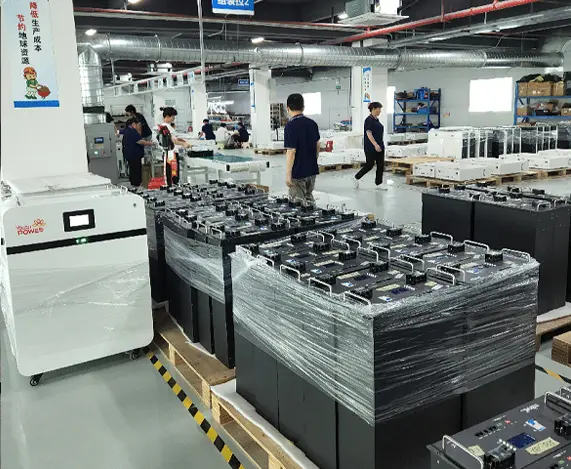
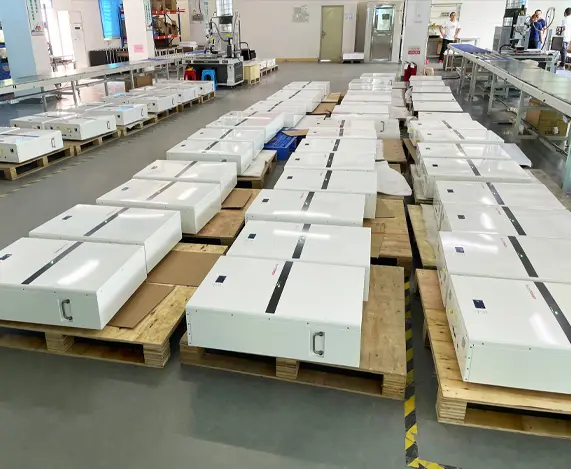
Key metrics demonstrating our international manufacturing capacity, engineering experience, and global reach.
Tailoring lithium storage systems to specific environmental and electrical load requirements.
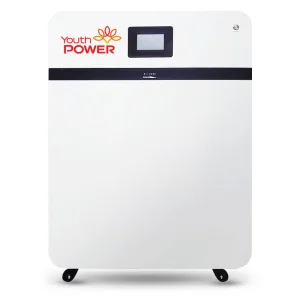
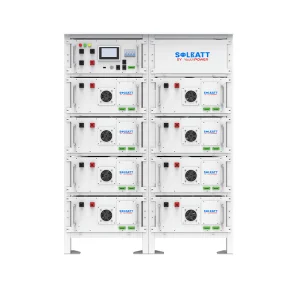
Large manufacturing facilities and high-load commercial centers utilize cabinet systems like the 129KWH 460V and 114KWH 409V models. These configurations manage peak loads, balance phase distribution, and provide high-voltage backup power.
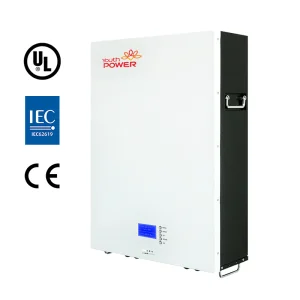
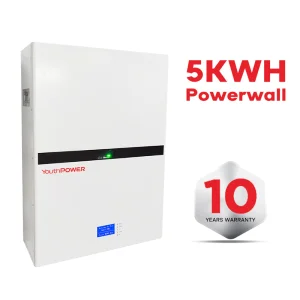
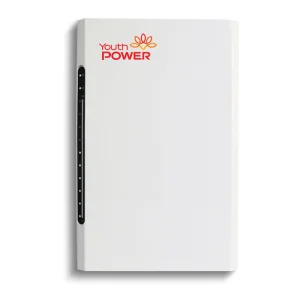
Urban apartments and single-family homes use low-voltage or modular solutions like the 2.5KWH Balcony system or the 5KWH/10KWH Powerwall. These systems fit small spaces, integrate with local grid networks, and provide simple plug-and-play installation.
Off-grid stations and remote telecom towers rely on high-capacity rack systems (such as HV Rack LiFePO4 Cabinets) for continuous operation under challenging weather conditions.
Key technical parameters procurement departments inspect when auditing battery factories.
The performance of a battery pack depends on cell quality. Premium suppliers use Grade-A cells with QR codes that track chemistry, capacity, manufacturing date, and batch details. B2B buyers should avoid suppliers that use Grade-B or recycled cells, which can exhibit capacity mismatch, higher self-discharge, and shorter lifespans.
An intelligent Battery Management System (BMS) protects battery cells from overcharge, deep discharge, overcurrent, thermal runaway, and short circuits. It should support common industrial communication protocols like CAN, RS485, and RS232 to ensure compatibility with Tier-1 hybrid inverters (including SMA, Victron, Deye, and Growatt).
For commercial installations (such as a 129KWH cabinet), cooling design is critical. Active liquid cooling or well-designed forced air cooling keeps temperatures uniform across all cells. Maintaining temperature differences below 3°C prevents uneven cell aging and reduces fire risks.
Evaluate degradation under realistic operating conditions. Grade-A LiFePO4 cells should deliver over 6,000 cycles at 80% Depth of Discharge (DOD) before capacity drops to 80% of its original rating. Ensure the manufacturer supports these figures with detailed laboratory test reports.
Emerging technologies shaping the future of global B2B procurement over the next decade.
High-voltage battery setups reduce DC-side current, allowing for thinner cables, lower system losses, and simplified inverter configurations. This approach improves round-trip efficiency (RTE) in utility-scale projects.
Modern BMS systems transmit cell data to cloud platforms. AI algorithms analyze this data to predict cell failures, optimize balancing schedules, and detect internal short circuits before thermal runaway risks develop.
Sodium-ion batteries are developing as a lower-cost alternative to lithium. While they have lower energy density, their performance in low temperatures and abundant raw materials make them suitable for stationary storage in cold regions.
Technical answers to key questions asked by EPC engineers, operations directors, and purchasing agents.
Standard factory lead times for 20ft or 40ft container orders typically range between 35 and 45 days. This includes cell capacity matching, pack assembly, enclosure fabrication, and a 48-hour continuous charge-discharge aging test. Custom ODM projects require additional time for engineering approval and BMS validation.
Low-voltage (48V/51.2V) configurations are common in residential installations due to lower touch-voltage safety hazards. However, high-voltage systems (ranging from 200V to 800V+) reduce current levels. This lowers power loss in wiring, increases overall conversion efficiency, and supports large commercial inverters without requiring parallel combiners.
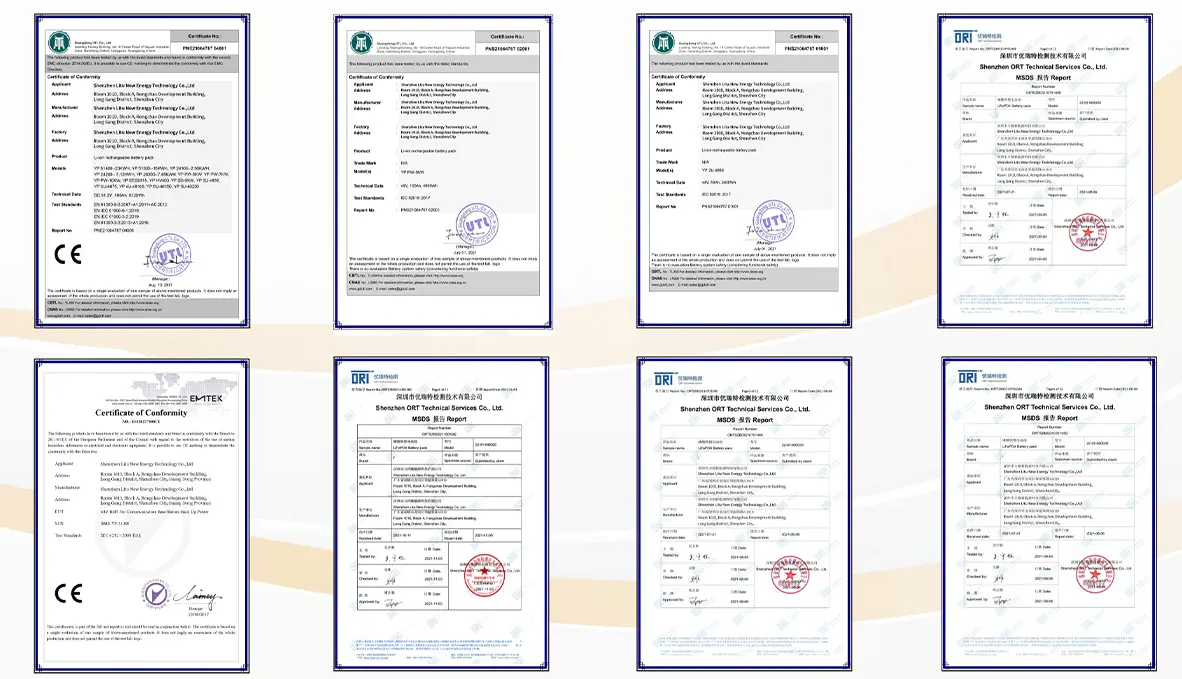
Regulatory requirements vary by market. For North America, certification to UL1973 (for battery packs) and UL9540A (thermal runaway testing) is standard. In Europe, systems must meet IEC62619, CE-LVD, and CE-EMC requirements. Global transport requires UN38.3 certification and a verified MSDS report.
YouthPOWER uses automated grading equipment to group cells by voltage, internal resistance, and capacity prior to assembly. A multi-layer BMS with active and passive balancing features adjusts charge states during operation, preventing cell mismatch and extending system cycle life.
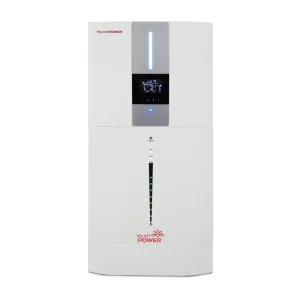
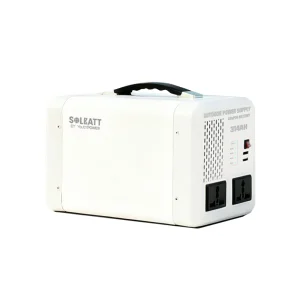
High-capacity energy systems, wall-mounted residential options, and portable power stations.
 YouthPOWER