Navigating the global landscape of solar battery storage system costs requires a deep dive into battery chemistry, capacity scalability, integration protocols, and manufacturer quality. In 2025, commercial and industrial (C&I) organizations alongside residential energy developers are balancing Capital Expenditure (CapEx) against long-term Operational Expenditure (OpEx) savings.
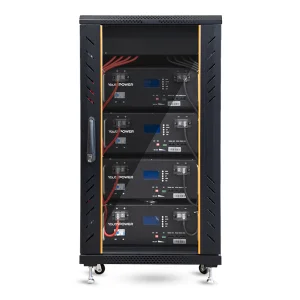
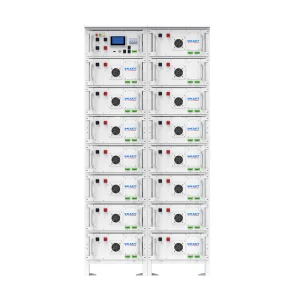
Determining the real cost of a battery storage system goes far beyond the initial price per kilowatt-hour ($/kWh) of the cell. True cost evaluation demands calculating the Levelized Cost of Storage (LCOS), cyclic durability (80% State of Health retention at 6,000+ cycles), integration compatibility with existing hybrid inverters, and geographical operating compliance. Deploying high-voltage LiFePO4 rack cabinets or containerized ESS solutions provides the required base for energy arbitrage, peak-shaving, and emergency power backup.
Premium solutions certified for C&I operations, residential off-grid setups, and custom system configurations.
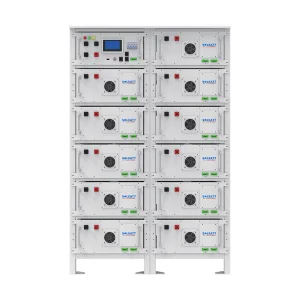
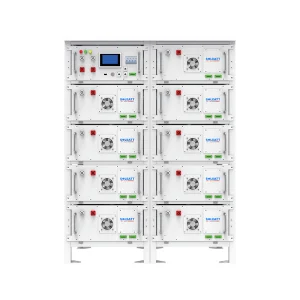
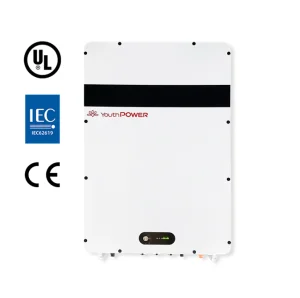
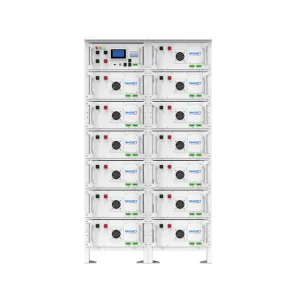
Over two decades of excellence in battery research, engineering design, and global logistics execution.
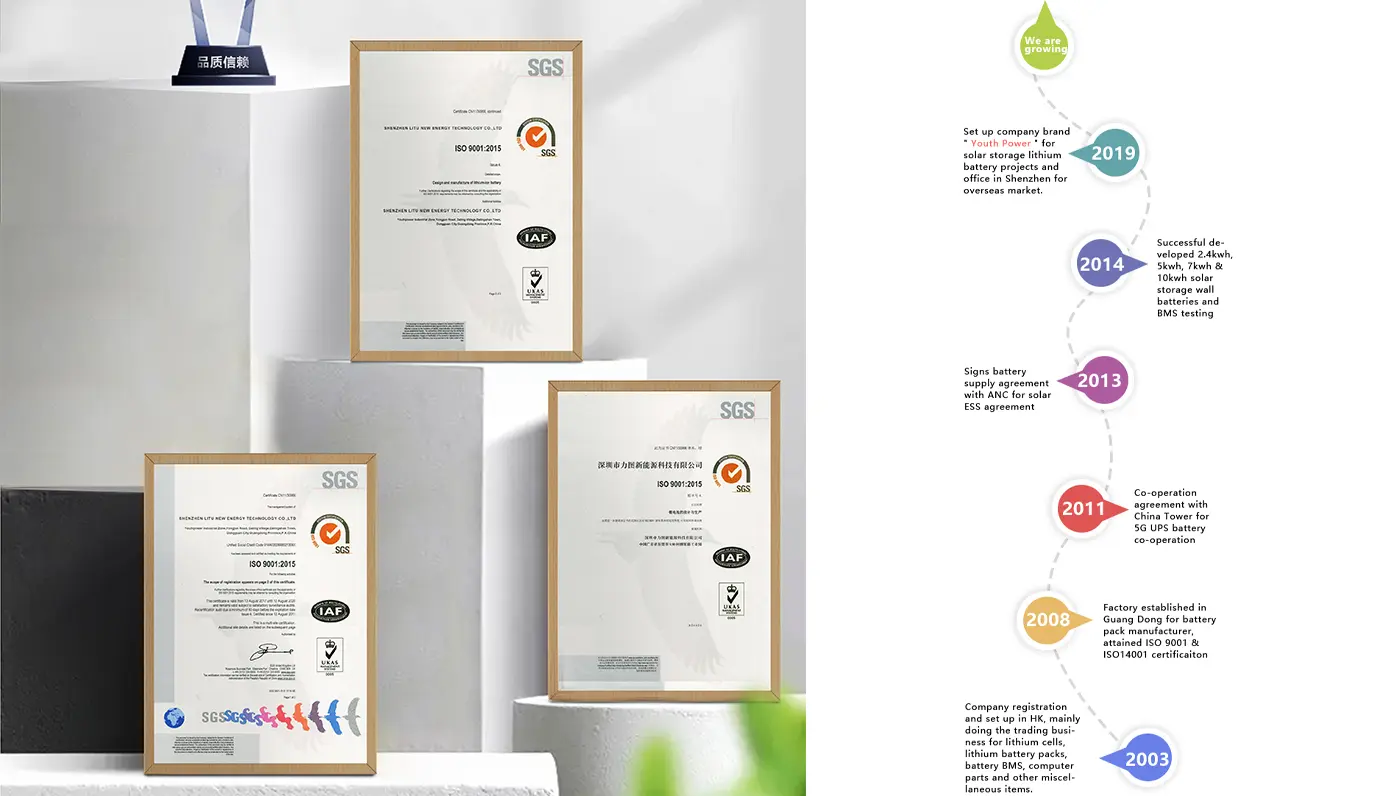
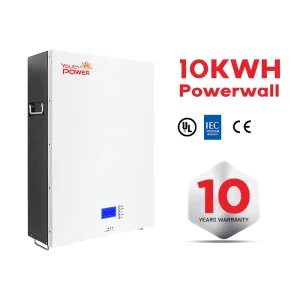
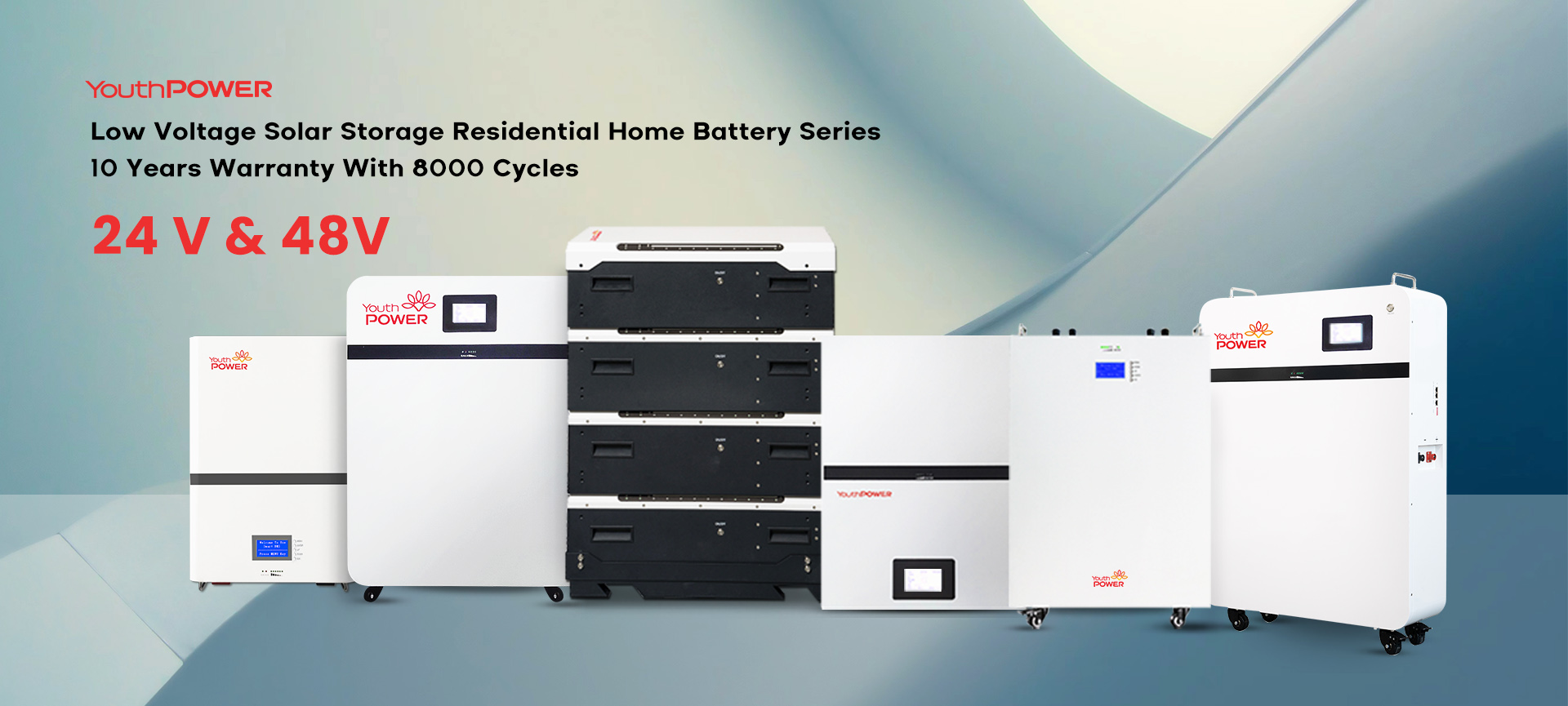
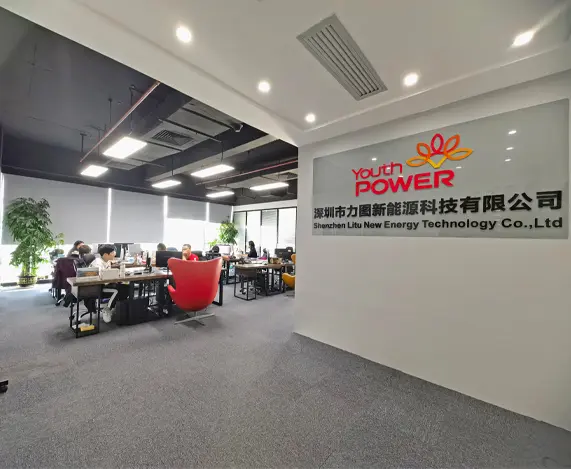
Founded in 2003, YouthPOWER has now become one of the leading suppliers of solar storage lithium batteries in the world. With a broad range of energy storage solutions, it covers a series of 24V, 48V and higher voltage lithium batteries solutions.
YouthPOWER has engaged in the battery technology and production for almost 20 years, with abundant manufacturing experience and strong new product R & D capability. Through many years of hard work and market promotion, we have created our own brand "YouthPOWER" in 2019.
With nearly 20 years’ experience in the battery industry, we have the capability to provide you with both the products you need and the most suitable products you want. We are always ready to supply the first-class products and meet the various needs of the customers.
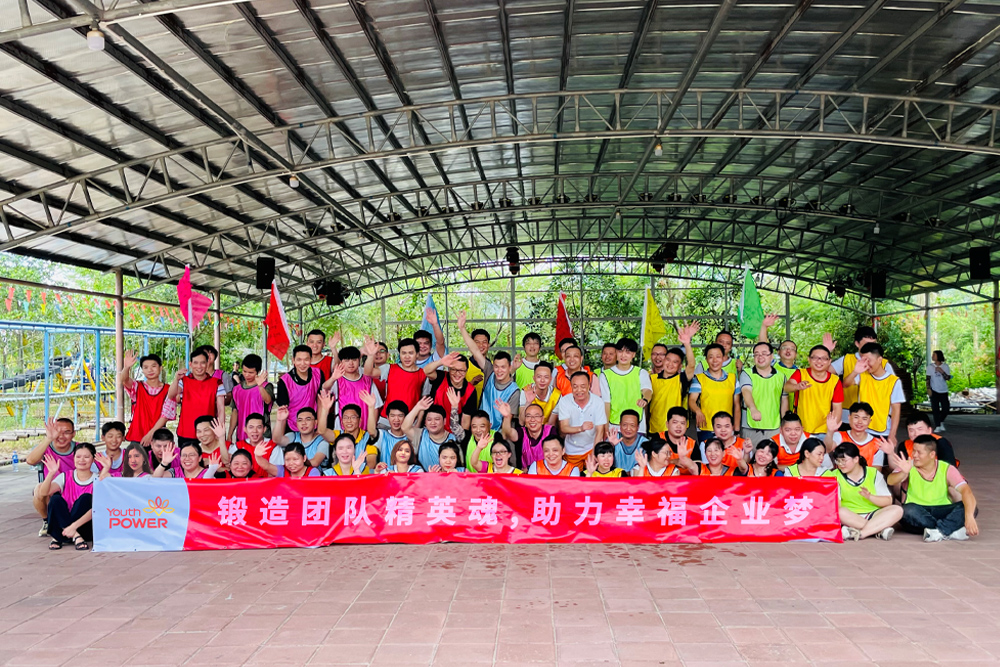
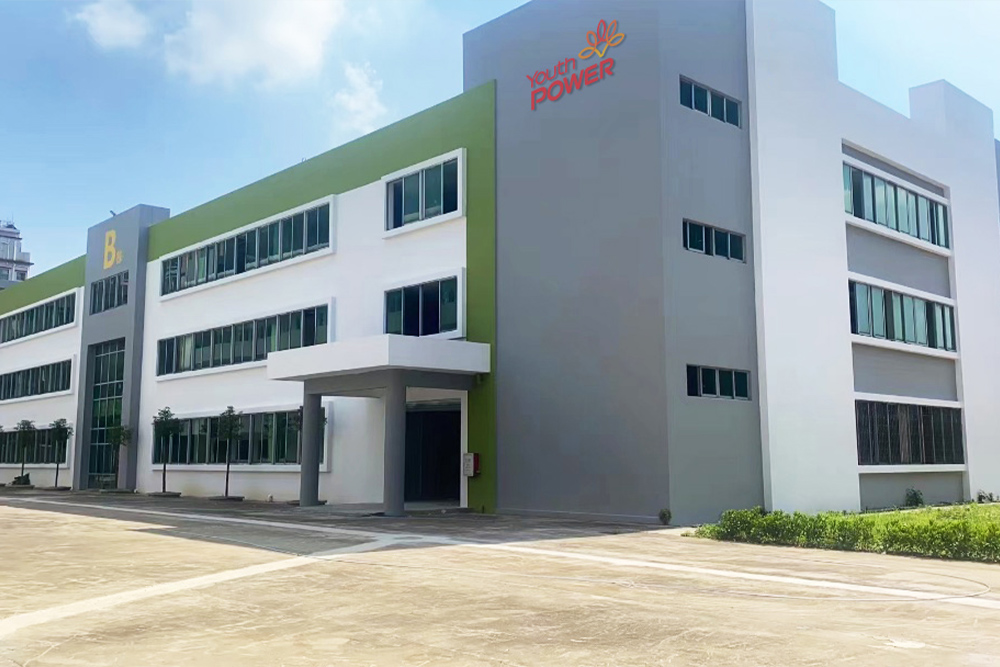
We have established good business relationships with our customers from all over the world. And we have a good cooperation with all our customers as well for many years running. Supported by our local vendors of raw materials, we can certainly offer you the best prices.
We are so proud that YouthPOWER has offered the reliable solar storage solution for over 1,000,000 families now in the world.
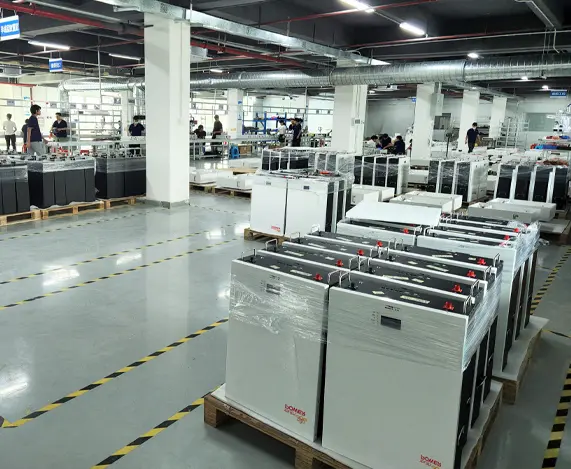
Why China's manufacturing ecosystem provides the highest level of cost-to-performance efficiency globally.
Over 75% of global lithium battery raw processing occurs in China. This direct domestic supply of Lithium Iron Phosphate (LFP) precursors, graphite anodes, separators, and advanced BMS chipsets eliminates hefty import transport duties, giving factories immediate pricing sovereignty.
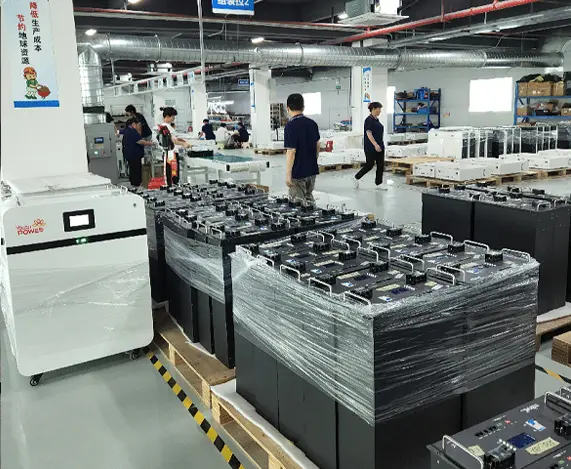
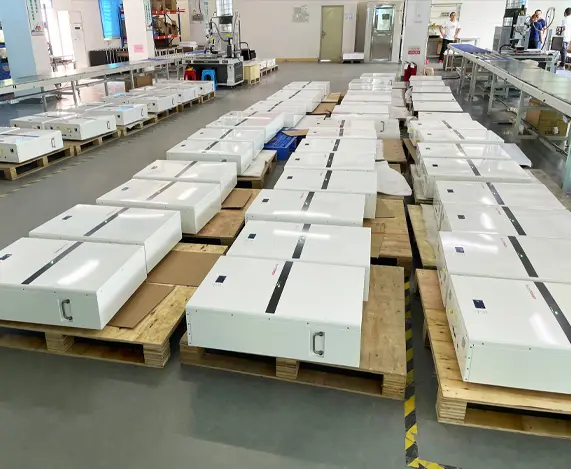
By using fully automated assembly robotics, Chinese gigafactories keep labor costs minimal while maintaining high dimensional tolerances. Ultrasonic welding, laser grading, and computerized pack-level balancing ensure minimal defect rates (< 100 DPPM) at rapid manufacturing speeds.
Whether you require a specific cell integration (like 280Ah vs. 314Ah), custom communication protocols (CANbus, RS485, Modbus TCP), or custom metal enclosure dimensions for outdoor harsh conditions, Chinese design bureaus execute custom prototyping in weeks compared to quarters in Western facilities.
Key technological shifts reshaping the efficiency, cost structures, and ROI profiles of modern ESS installations.
Standard low-voltage (48V) battery packs are shifting towards high-voltage (>400V to 800V) platforms for utility-scale and large commercial solutions. This shift minimizes current levels, significantly lowering copper cable requirements, reducing thermal loss, and improving round-trip efficiency (RTE) up to 95%.
To increase energy density without growing physical footprints, manufacturers are rapidly standardizing 314Ah lithium iron phosphate (LFP) cells. These high-capacity cells permit up to 5MWh of storage capacity within a standard 20-foot shipping container configuration, effectively reducing overall logistics and site preparation costs.
Advanced energy management systems (EMS) utilize cloud analytics and artificial intelligence to predict regional energy price spikes, weather patterns, and local load fluctuations. This level of smart grid integration permits seamless participation in Virtual Power Plants (VPPs) and automatic frequency regulation markets.
Deploying targeted energy storage hardware architectures tailored for distinct regulatory and regional grid environments.
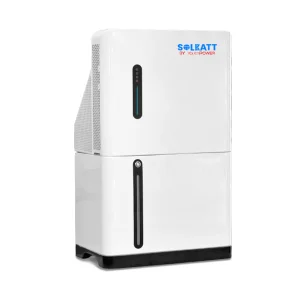
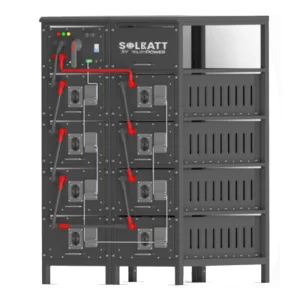
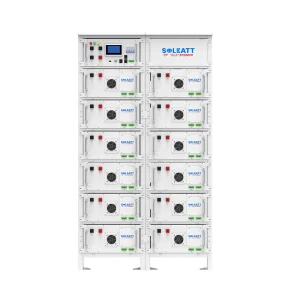
In regions with high grid demand charges (e.g., California, Germany, and parts of Australia), C&I businesses utilize high-capacity systems (like 157KWh or 215KWh cabinets) to discharge stored energy when rates peak, delivering a fast path to operational ROI.
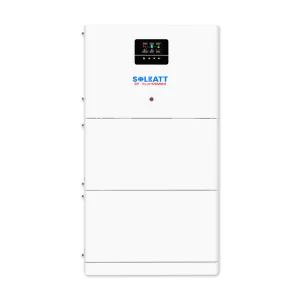
In highly populated areas where roof access is limited, modular systems (like Balcony Solar Lithium Battery Systems) allow tenants and apartment owners to store solar generation during daylight hours and power household loads overnight, avoiding expensive retail utility tariffs.
Mining operations, island communities, and off-grid telecom stations rely on rugged, highly protected cabinets (such as the Waterproof Solar Box) paired with hybrid inverters to substitute expensive diesel generator sets with clean, reliable solar storage power.
A standardized checklist designed for procurement directors evaluating Tier-1 battery manufacturer bids.
Direct technical answers to common queries raised by international engineering and procurement managers.
For commercial and industrial (C&I) scale installations, the average factory price of LFP battery systems ranges from $130 to $250 per kWh, depending on cell quality (Tier-1 or Tier-2), voltage profiles (HV vs. LV), capacity requirements, and enclosure specifications (IP65 containerized or standard rack cabinets). Fully integrated systems, featuring thermal cooling loops and Power Conversion Systems (PCS), can range between $250 and $450 per kWh, depending on installation complexities.
Lithium Iron Phosphate (LiFePO4/LFP) is the industry standard for stationary energy storage due to its high thermal stability, lack of cobalt (making it more environmentally friendly), and extended lifecycle performance. Standard LFP cells easily yield 6,000+ cycles at 80% depth of discharge (DOD), compared to NMC chemistries which typically achieve only 2,000 to 3,000 cycles before performance degrades.
High-voltage (HV) systems run multiple battery cells connected in series, achieving system voltages from 200V to over 800V. This configuration reduces the operational current, resulting in lower power losses during transmission, smaller required wire gauges, and enhanced integration with high-power industrial grid systems. Low-voltage (48V) systems remain highly effective for residential properties due to easier handling and simplified safety installations.
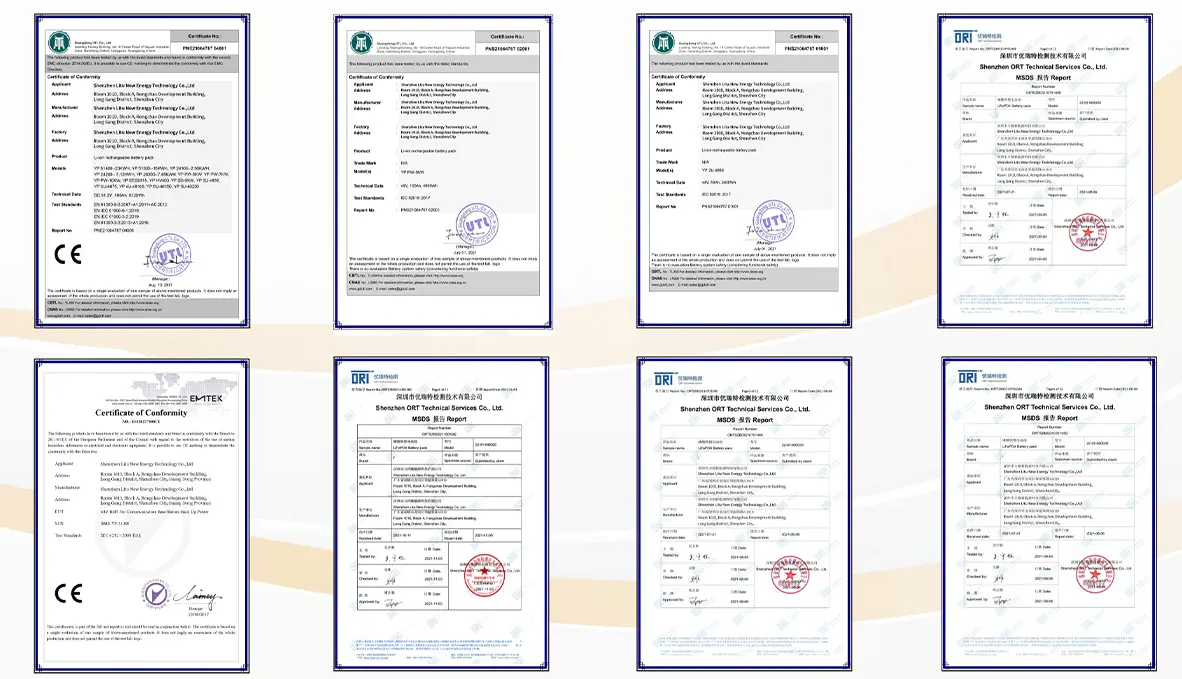
Batteries are classified under Dangerous Goods (Class 9). To avoid port holds, import documentation must include a valid UN38.3 test report, MSDS (Material Safety Data Sheets), and certified packaging layouts. Partners like YouthPOWER assist global buyers throughout this process, managing HazMat ocean shipping procedures and providing complete customs clearance support documentation.
Industrial scale and high capacity systems built to withstand demanding conditions worldwide.
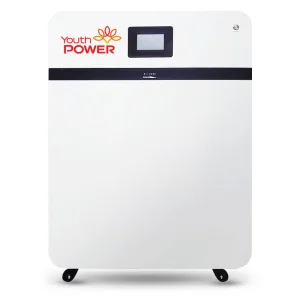
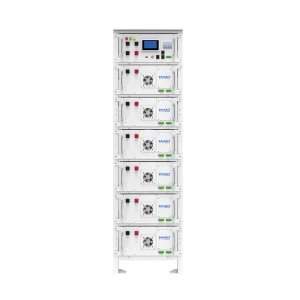
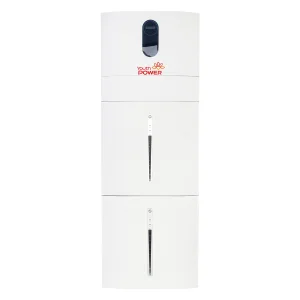
 YouthPOWER