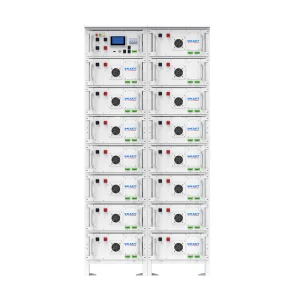
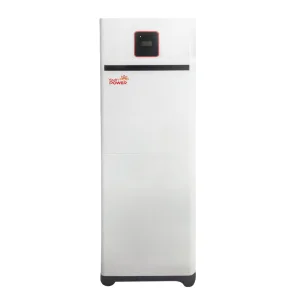
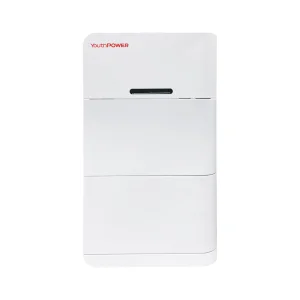
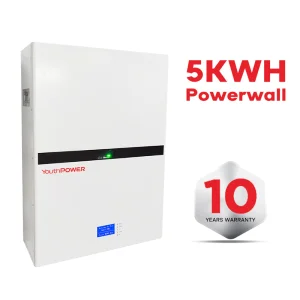
Explore our premium tier of factory-engineered solar battery packs designed for high duty cycle performance, compatibility, and safety.
Demystifying supply chain metrics, cell-level integration, and modern manufacturing paradigms for B2B global sourcing.
As the world pivots rapidly towards distributed renewable energy structures, the demand for highly stable, long-cycle-life solar storage systems has scaled exponentially. Selecting the right solar panel batteries factory is no longer just a transaction based on pricing per kilowatt-hour (kWh). Instead, it has transformed into a strategic technical partnership encompassing cell chemistry verification, advanced Battery Management System (BMS) logic validation, international certification compliance, and supply chain resiliency.
Modern lithium-ion storage solutions, primarily relying on Lithium Iron Phosphate (LiFePO4) chemistry, represent the benchmark in commercial, industrial, and residential energy storage applications. LiFePO4 cells are preferred due to their exceptional thermal stability, long service life exceeding 6000 cycles at 80% Depth of Discharge (DoD), and high safety profile compared to cobalt-based chemistries.
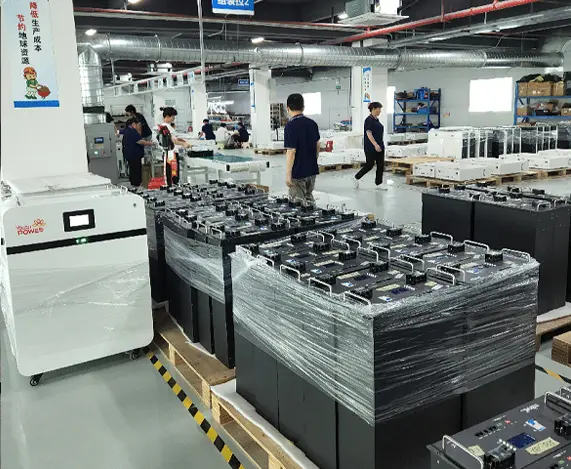
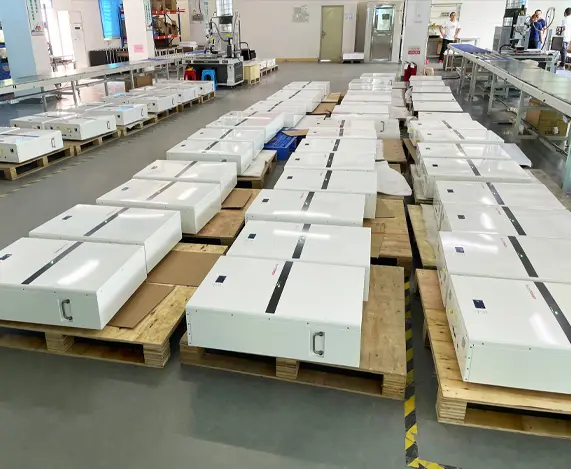
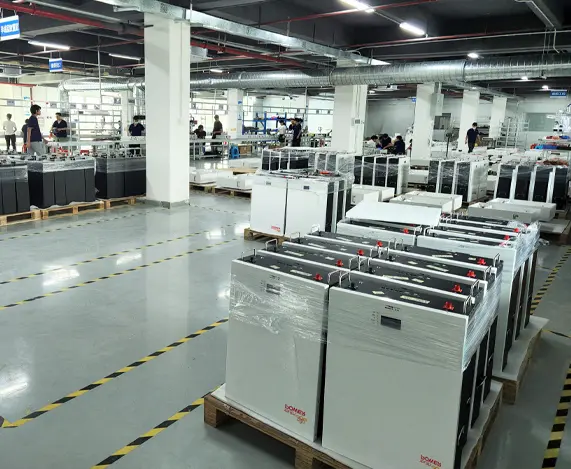
Direct supply control from raw lithium processing, cell formulation, pack assembly, to BMS programming ensures high level consistency.
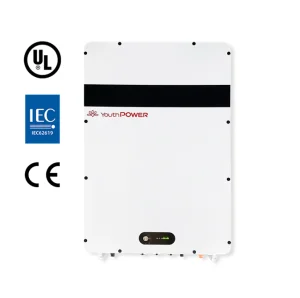
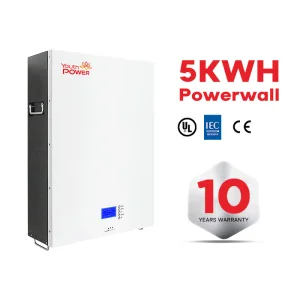
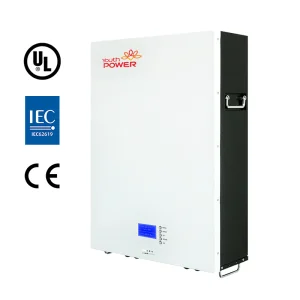
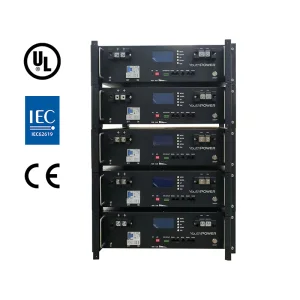
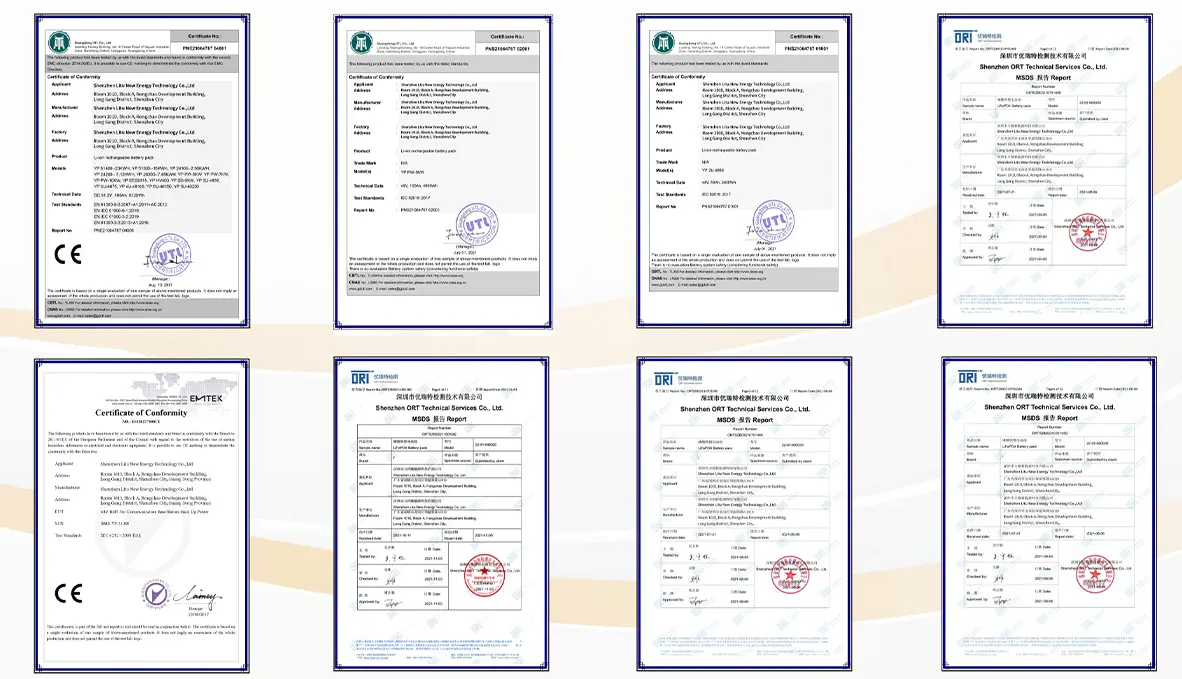
Fully compliant with UL 1973, UL 9540A, CE, UN38.3, and IEC 62619 standards, bypassing international regulatory friction points.
Flexible mechanical engineering and communication protocols custom-made to interface with major inverter systems globally.
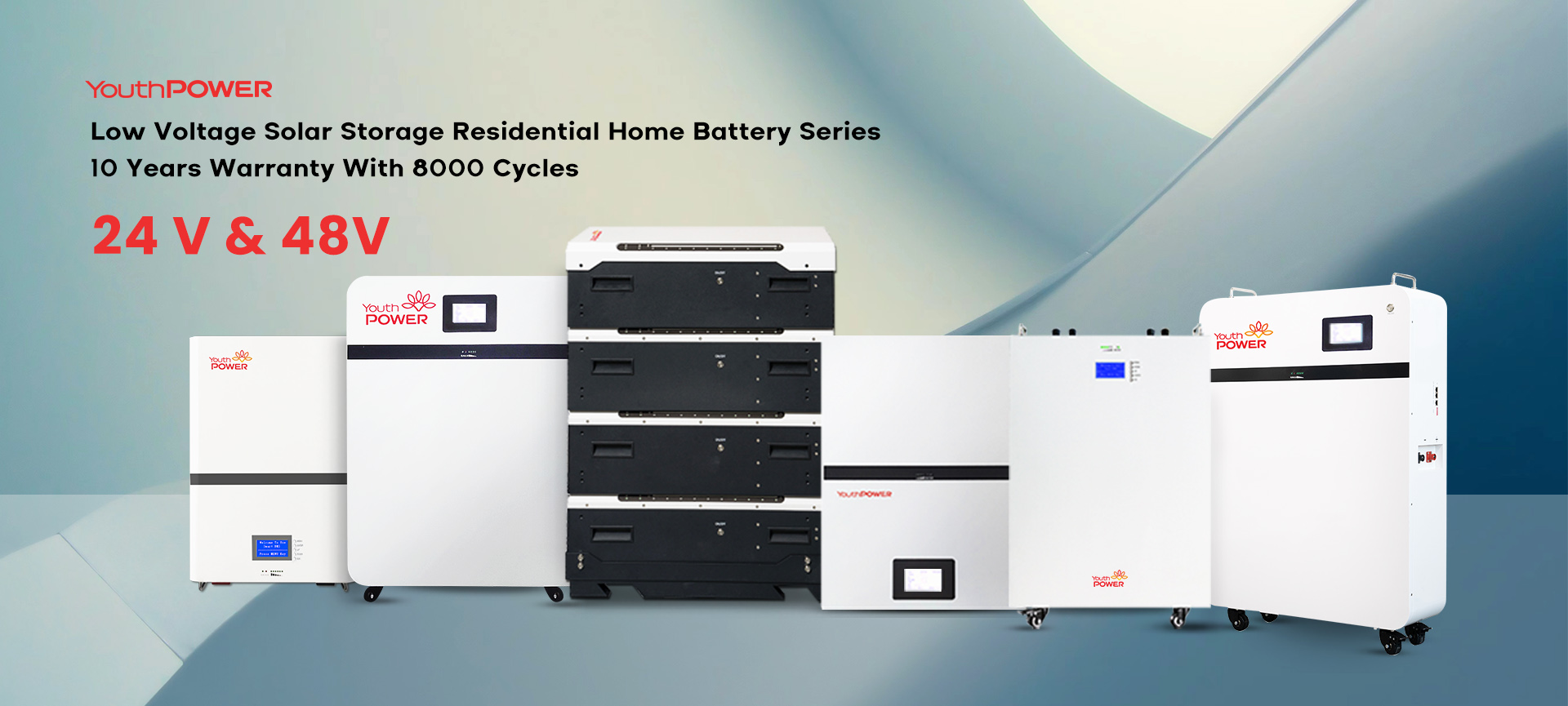
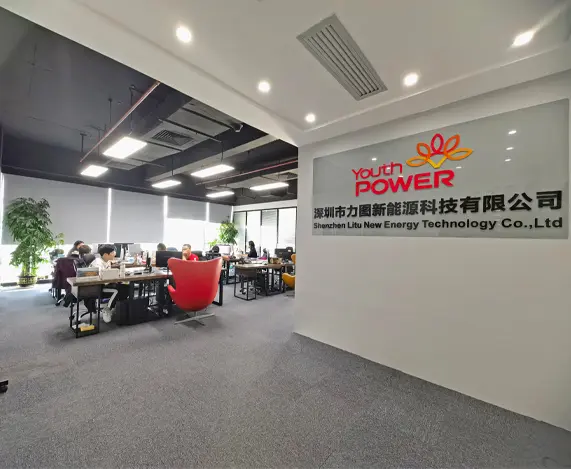
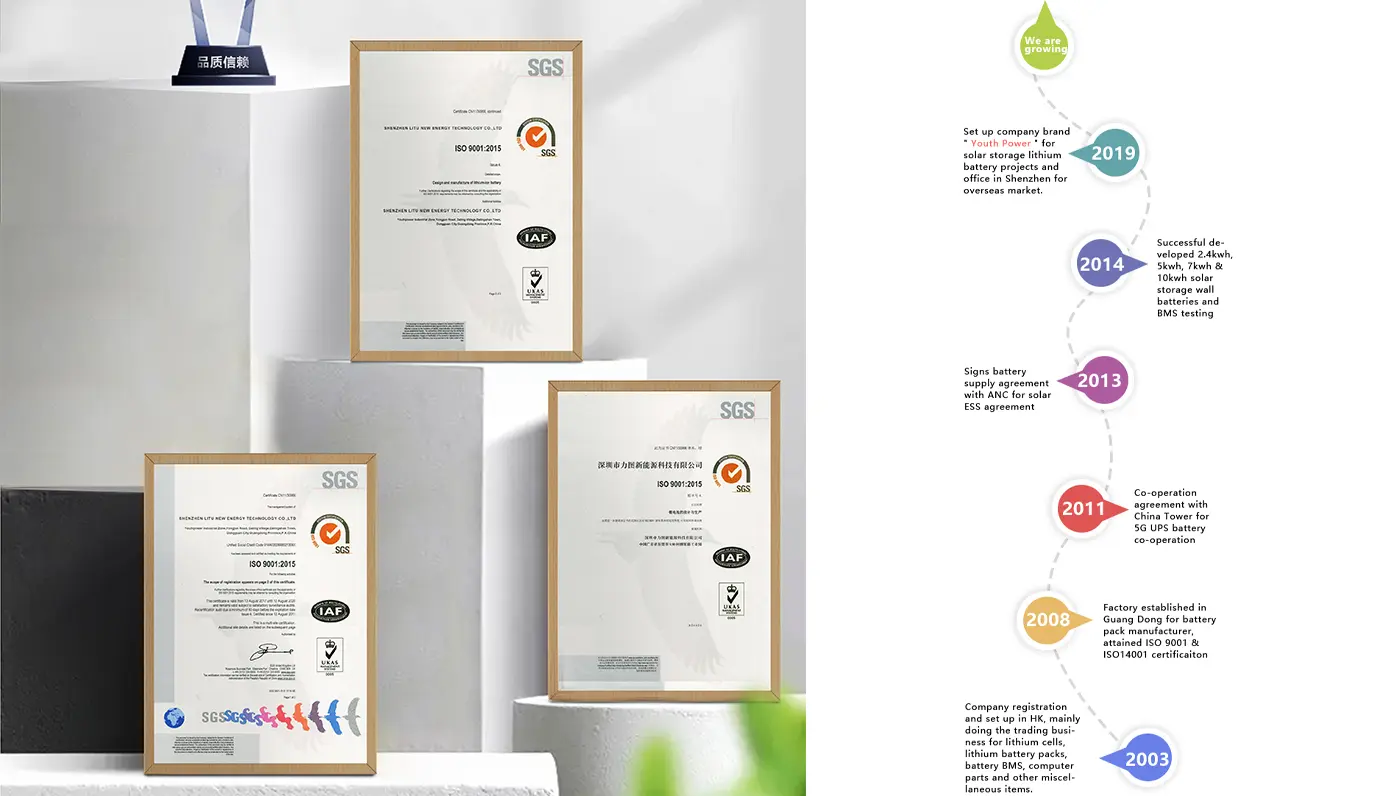
Founded in 2003, YouthPOWER has now become one of the leading suppliers of solar storage lithium batteries in the world. With a broad range of energy storage solutions, it covers a series of 24V, 48V and higher voltage lithium batteries solutions.
YouthPOWER has engaged in the battery technology and production for almost 20 years, with abundant manufacturing experience and strong new product R & D capability. Through many years of hard work and market promotion, we have created our own brand "YouthPOWER" in 2019.
With nearly 20 years’ experience in the battery industry, we have the capability to provide you with both the products you need and the most suitable products you want. We are always ready to supply the first-class products and meet the various needs of the customers.
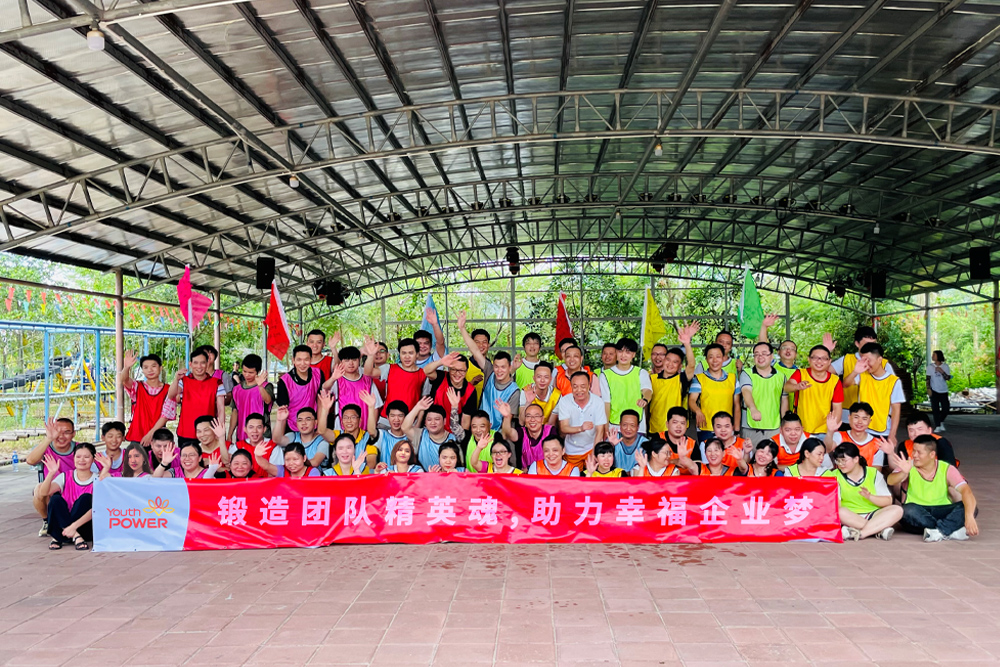
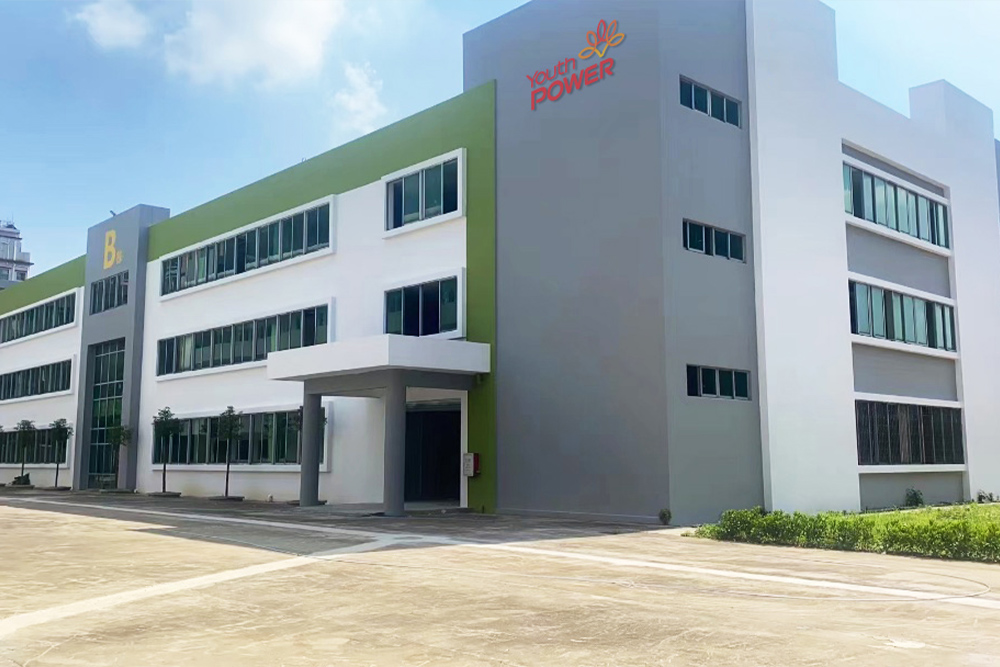
We have established good business relationships with our customers from all over the world. And we have a good cooperation with all our customers as well for many years running. Supported by our local vendors of raw materials, we can certainly offer you the best prices.
We are so proud that YouthPOWER has offered the reliable solar storage solution for over 1,000,000 families now in the world.
A history of battery technology innovation, scaling capabilities, and commitment to global carbon neutrality.
Years of Battery R&D Experience
Families Powered Globally
Cell Cycle Life (@80% DoD)
Grade-A Cells Ensured
Why China remains the global epicentre of advanced energy storage systems (ESS) production, innovation, and value delivery.
Procuring energy storage products directly from a Chinese solar battery factory offers distinct strategic benefits that extend far beyond low initial capital expenditure (CAPEX). China's dominant position in the battery value chain is sustained by systemic competitive advantages:
China processes over 70% of the world's lithium, cobalt, and manganese. Our local raw material integration shields buyers from dramatic international resource supply disruptions.
Advanced automation in high-capacity factories guarantees uniform cell assembly, preventing cell internal resistance mismatches that undermine multi-cell pack lifetimes.
Chinese research institutes and production hubs sit at the vanguard of commercializing next-gen safety solutions like semi-solid state cells and high-temperature tolerance designs.
Understanding the shifts in safety standards, intelligent management, and product topography shaping purchasing decisions.
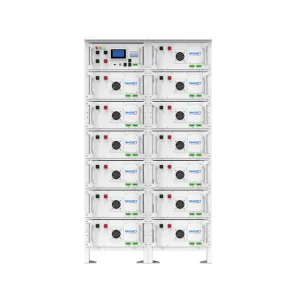
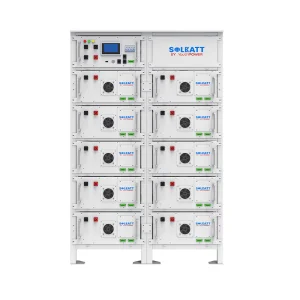
Traditional low-voltage 48V systems are rapidly being complemented by high-voltage architectures (up to 700V+). High-voltage configurations lower current levels within battery cabling, translating to reduced thermal dissipation, smaller cable dimensions, and boosted round-trip efficiency (RTE) in utility and larger commercial scale deployments.
Advanced factories are upgrading passive balancing to cloud-integrated smart active balancing systems. Operating with predictive analysis, these systems evaluate cell aging behaviors, identify thermal variations before catastrophic runaways occur, and communicate telemetry over CAN bus, Modbus, or RS485 protocols to match modern hybrid inverters dynamically.
Global project development requires batteries to run flawlessly in sub-zero and tropical conditions. Modern factory packaging features IP65 waterproof housing, custom internal liquid cooling systems, or integrated high-density aerosol fire suppressants, guaranteeing system longevity under extreme climate stress.
Comprehensive system solutions designed for commercial operations, utility microgrids, and residential energy sovereignty.
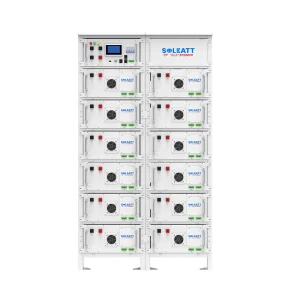
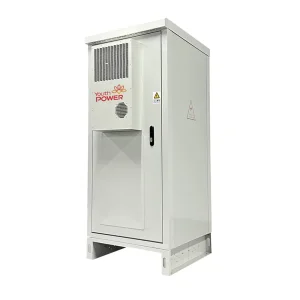
High-voltage battery setups designed to discharge during peak tariff periods, decreasing maximum demand charges from utilities and offering reliable fail-safe backup for industrial manufacturing lines.
Decentralized energy configurations for remote geographic locations, telecom base stations, and agricultural pumping. Designed for deep daily cycling and operation under harsh, remote environments.
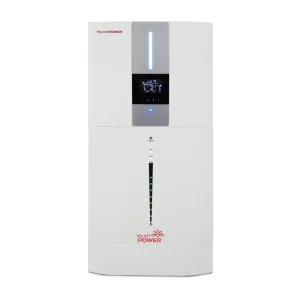
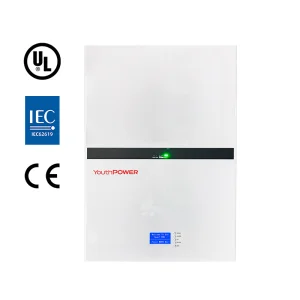
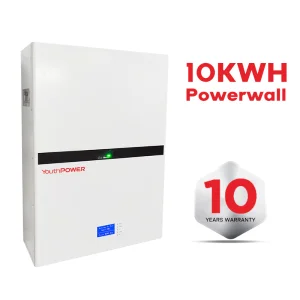
Easily stackable wall-mounted (Powerwall style) and cabinet storage systems. Designed to communicate with residential hybrid inverters to maximize solar self-consumption and ensure home backup.
How localized regulatory frameworks and geographic grids dictate specialized battery system selection.
Under Net Energy Metering (NEM 3.0) mandates, exporting solar to the grid is devalued. High-capacity battery storage systems store day solar energy for self-consumption during premium evening periods, maximizing local ROI.
Using dynamic pricing tariffs (e.g., in Germany or the UK), smart batteries charge during cheap off-peak hours and feed back or power the home during high-rate peak periods, managed automatically by smart BMS logic.
Residential and C&I batteries are configured to integrate with Virtual Power Plants (VPP). Homeowners lease their collective battery capacities to support local grids while receiving credits from local utilities.
In regions facing structural load shedding or unstable grids, batteries operate as an uninterrupted online double-conversion UPS, protecting sensitive appliances and ensuring continuity of operations.
Critical verification checkpoints to evaluate before signing contracts with any solar battery factory.
Purchasing high-capacity lithium storage carries capital risks. Large wholesale buyers must execute structured factory evaluations to ensure both technical safety and commercial viability:
Ensure the factory employs 100% brand-new, Grade-A cells from top tier brands. Request complete OCV (Open Circuit Voltage) and IR (Internal Resistance) grouping reports for every single batch shipped.
Confirm the integrated BMS firmware natively supports communication protocols (CAN/RS485) of your preferred local hybrid inverters (e.g., SMA, Victron Energy, Growatt, Deye, Solis, GoodWe).
Request testing reports, including high-temperature aging chambers and short circuit protection validation reports. Auditing these factors guarantees maximum protection against thermal runaways.
Addressing the technical, administrative, and logistical questions frequently raised by global energy storage distributors.
Explore our selection of commercial energy storage systems and high-voltage stackable battery cabinets.
 YouthPOWER