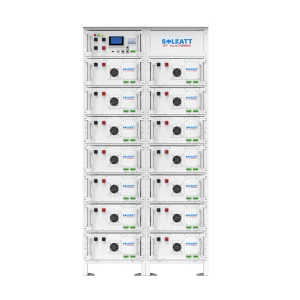
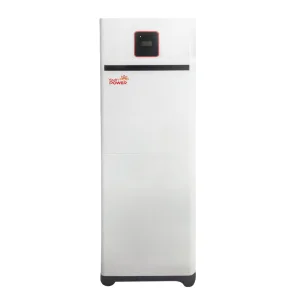
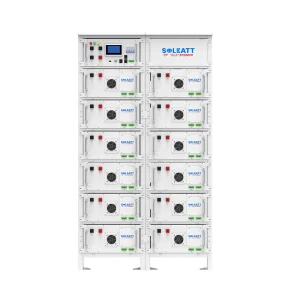
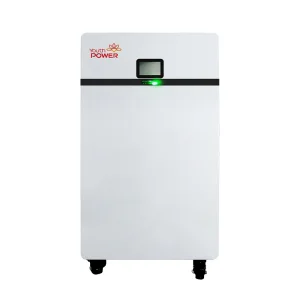
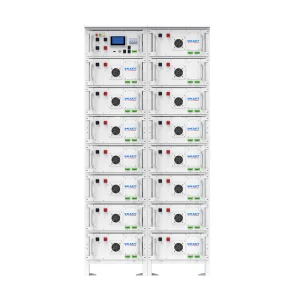
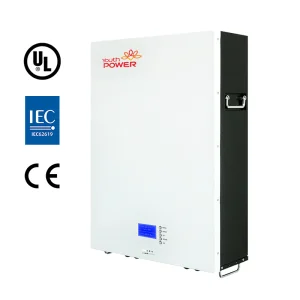
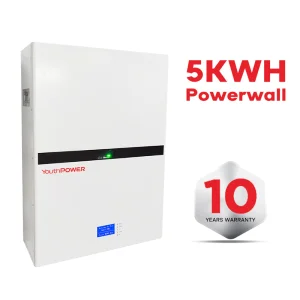
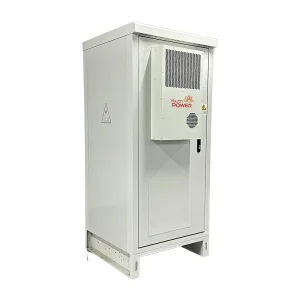
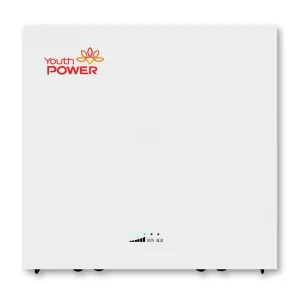
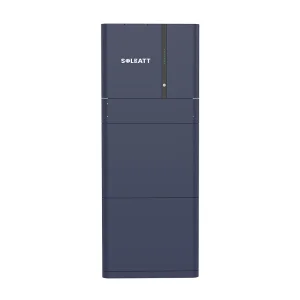
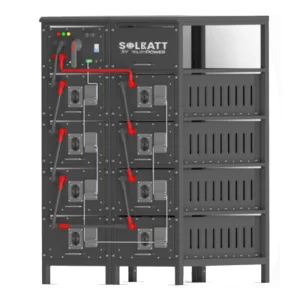
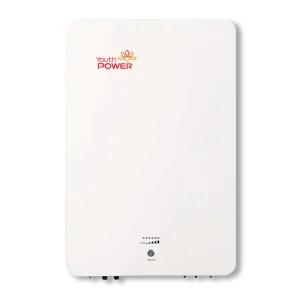
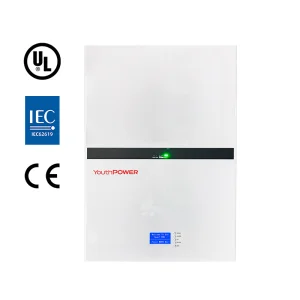
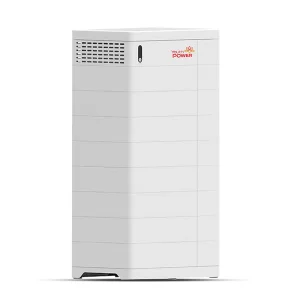
High-capacity LFP solutions engineered for commercial grids and modern hybrid solar architectures.
Decentralized Power Infrastructure for Global Grids and Industrial Microgrids
Optimize commercial grid loads by discharging battery storage systems during high-tariff operational periods, significantly lowering monthly demand fees.
Aggregate distributed energy assets into high-performance virtual networks, offering stabilizing ancillary services to national utility grids while generating yields.
Facilitate instantaneous, seamless automatic transfer switch (ATS) functionality for microgrid environments requiring uninterrupted uptime during blackouts.
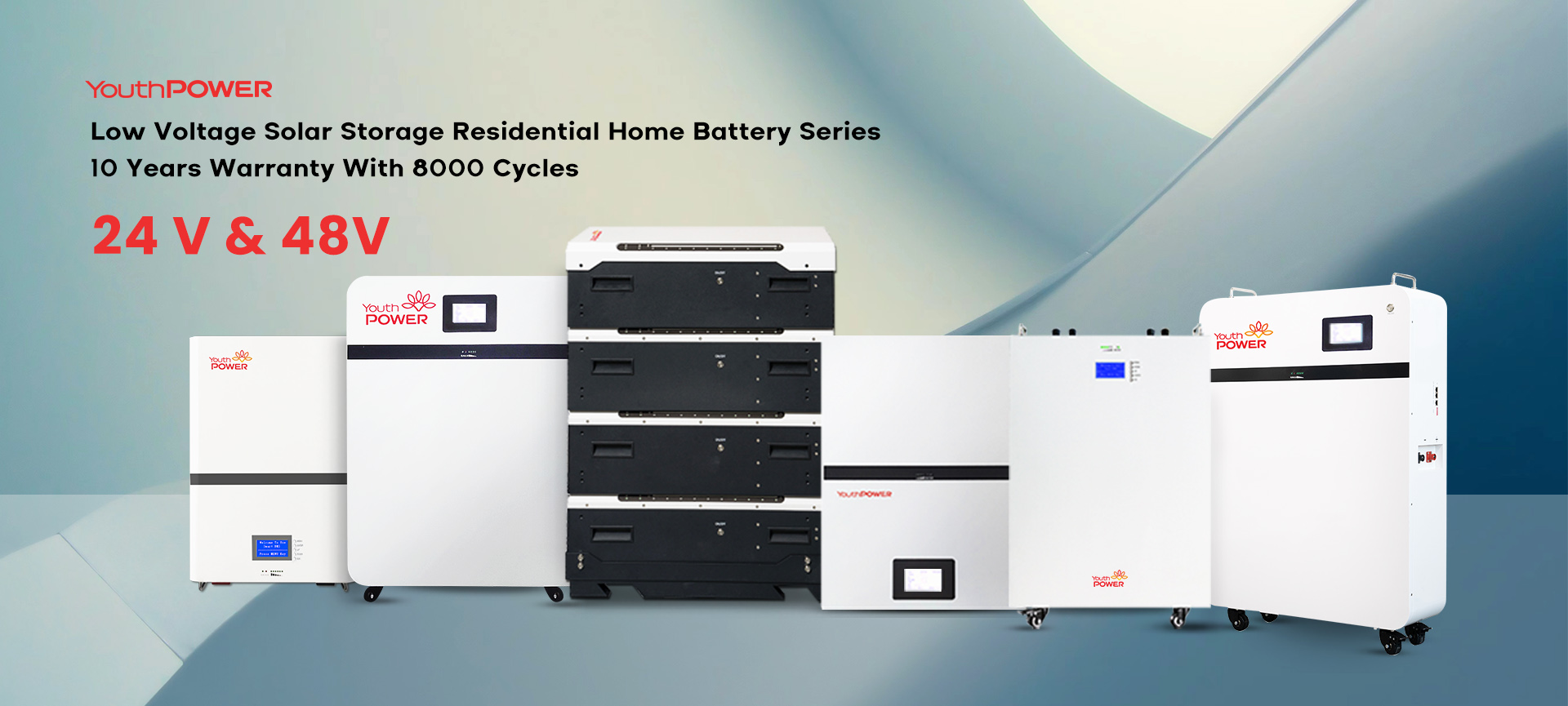
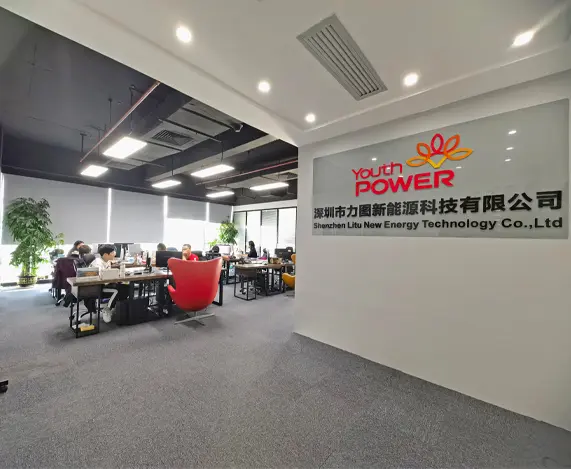
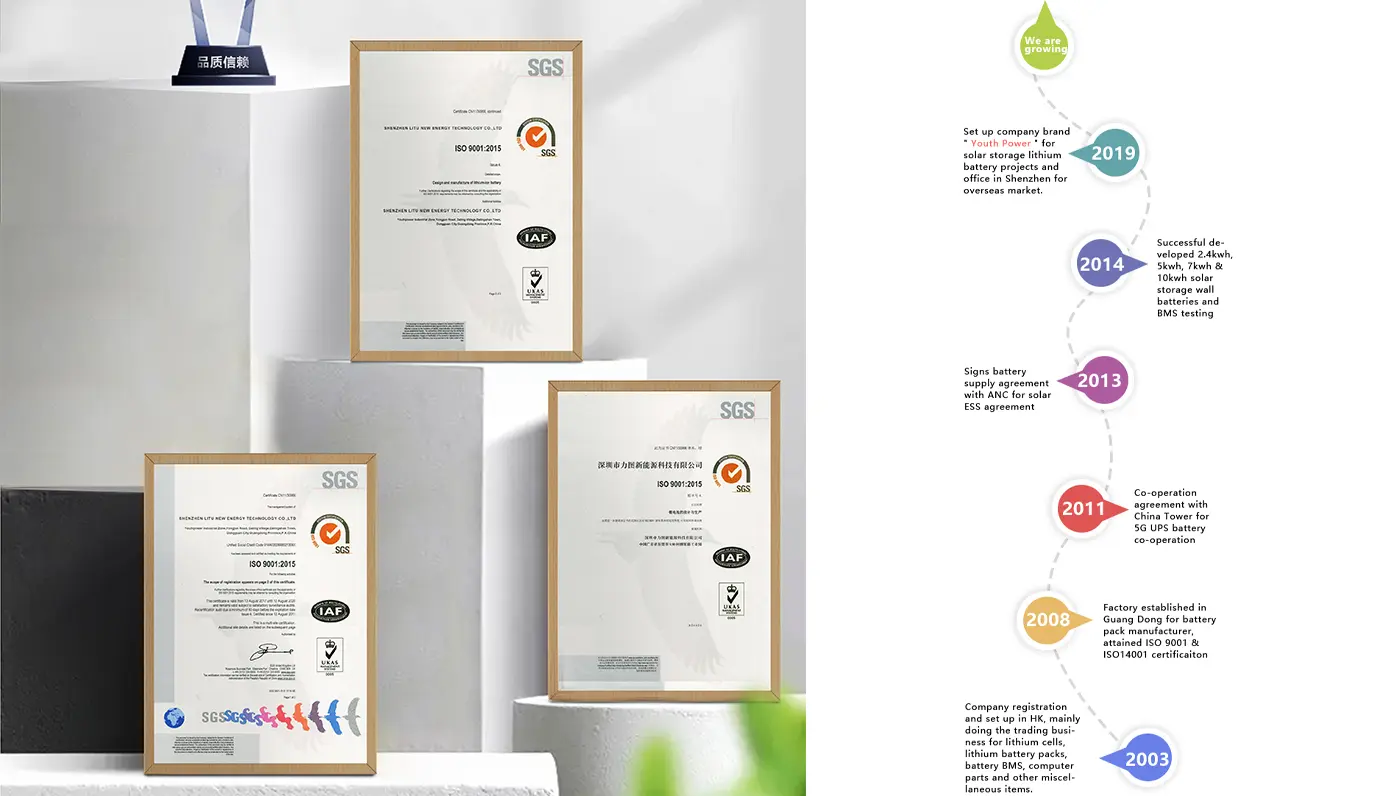
Founded in 2003, YouthPOWER has now become one of the leading suppliers of solar storage lithium batteries in the world. With a broad range of energy storage solutions, it covers a series of 24V, 48V and higher voltage lithium batteries solutions.
YouthPOWER has engaged in the battery technology and production for almost 20 years, with abundant manufacturing experience and strong new product R & D capability. Through many years of hard work and market promotion, we have created our own brand "YouthPOWER" in 2019.
With nearly 20 years’ experience in the battery industry, we have the capability to provide you with both the products you need and the most suitable products you want. We are always ready to supply the first-class products and meet the various needs of the customers.

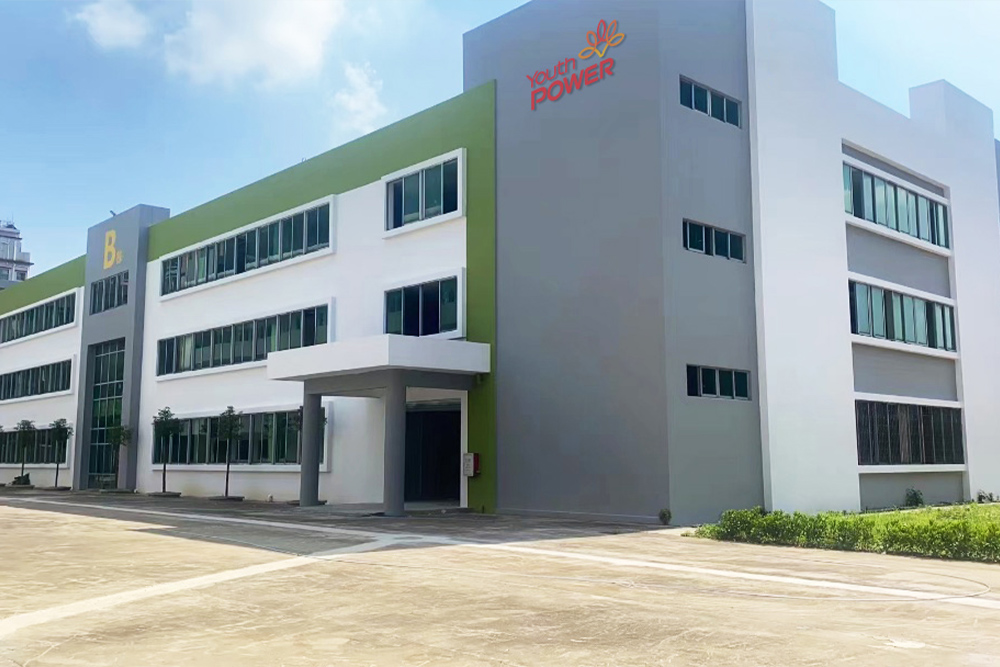
We have established good business relationships with our customers from all over the world. And we have a good cooperation with all our customers as well for many years running. Supported by our local vendors of raw materials, we can certainly offer you the best prices.
We are so proud that YouthPOWER has offered the reliable solar storage solution for over 1,000,000 families now in the world.
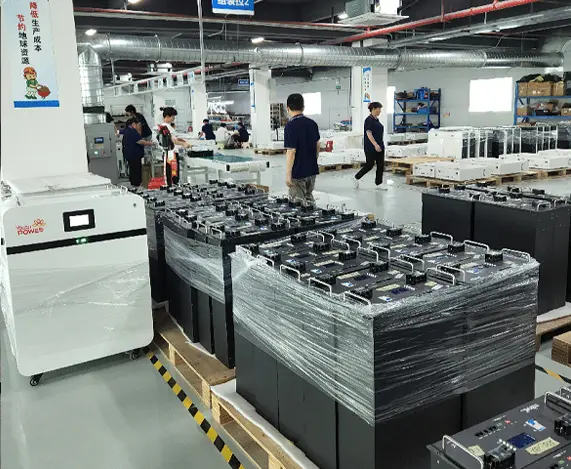
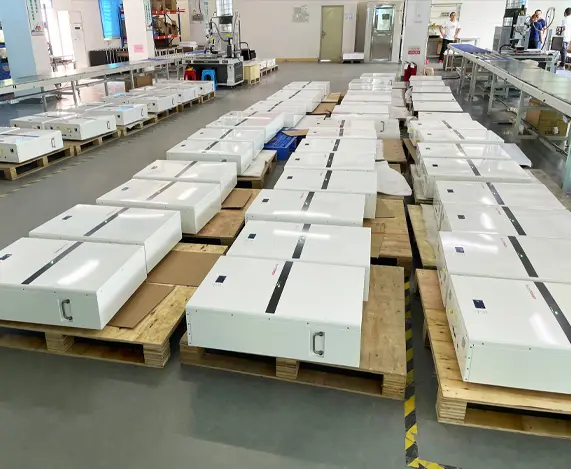
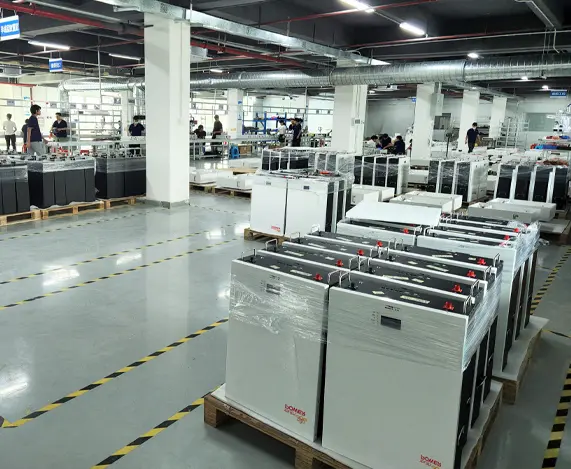
Decades of breakthroughs, developing high-voltage storage solutions that lead the global standard.
As utility fees climb and environmental regulations demand higher emission compliance rates, commercial and industrial (C&I) properties are transitioning from auxiliary generators to multi-megawatt-hour Battery Energy Storage Systems (BESS). However, selecting the appropriate voltage profile and battery design requires an understanding of thermodynamics, power electronics, and thermal runaway protocols.
The fundamental differentiator when scaling commercial energy storage is choice of system voltage. Standard low-voltage (LV) setups run on 48V or 51.2V configurations, which require cells to be wired in heavy parallel networks. This system functions well for residential spaces, but commercial architectures with loads exceeding 100 kW experience dramatic efficiency challenges under LV layouts due to heat loss.
According to Joule's First Law ($P = I^2R$), the power loss in a conductor is proportional to the square of the current ($I$). By raising the operating system voltage to high-voltage (HV) profiles—ranging from 400V to over 768V—the current needed to deliver identical power drops proportionally. Consequently, resistive cable losses are reduced to negligible amounts, while the conductor sizing requirements scale down, reducing material copper costs.
In modern lithium-iron-phosphate (LiFePO4) storage design, cells are undergoing a consolidation of physical footprint. The industry standard has shifted from the classic 280Ah prismatic cell structure to high-density 314Ah cells. This transition offers several key benefits:
Implementing high-capacity BESS requires compliance with rigorous safety codes. Industrial installations must ensure cells undergo extensive UL 9540A testing. This protocol validates that if a cell enters thermal runaway due to mechanical damage or system failure, the fire remains isolated and cannot propagate to adjacent units.
Beyond cell certifications, complete battery systems must comply with UL 1973 standards (covering batteries in stationary applications) and coordinate closely with local NFPA 855 installations guidelines, which specify fire suppression, gas ventilation, and clearance boundary limits.
Tailored Integration Across Regional Environmental and Regulatory Landscapes
Built to meet strict IEEE 1547 and UL 1741 SA/SB inverter integration requirements, offering local commercial properties reliable peak-shaving strategies under PG&E, SCE, and SDG&E rate tariff schedules.
Equipped with dual active safety protocols matching CE and IEC 62619 compliance, designed to work seamlessly with multi-megawatt solar systems across key European industrial networks.
IP65 and IP67 dustproof and waterproof enclosures engineered to withstand severe Outback conditions. Active BMS liquid-cooling systems ensure stable performance in temperatures up to 55°C.
Pioneering the Next Generation of Electrochemical Storage Engineering (2025–2030)
As global storage requirements expand, the development team at YouthPOWER continues to focus on pioneering technologies that extend lifespan and reduce Levelized Cost of Storage (LCOS). Key initiatives on our engineering roadmap include:
Technical Clarifications for Engineers, EPC Contractors, and Commercial Decision Makers
Modular, easily expandable energy storage systems designed for fast deployment.
 YouthPOWER