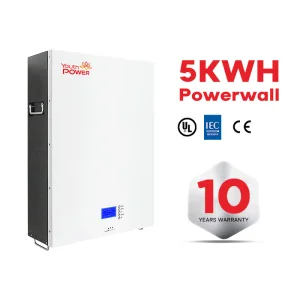
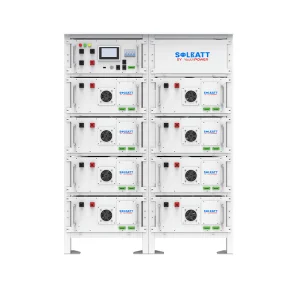
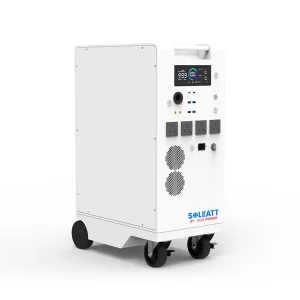
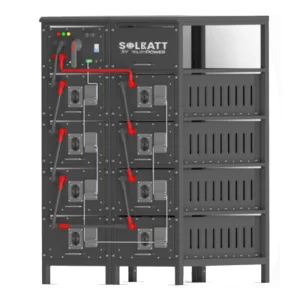
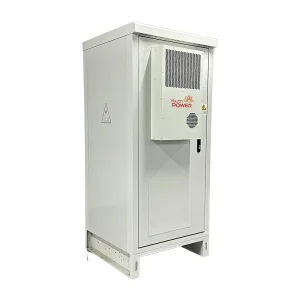
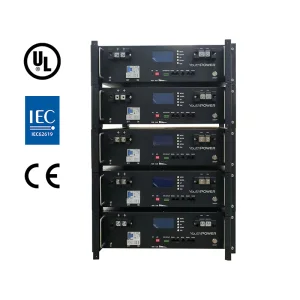
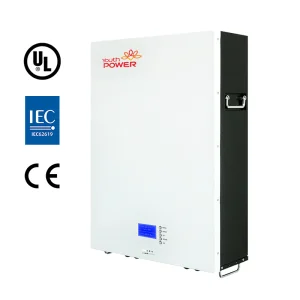
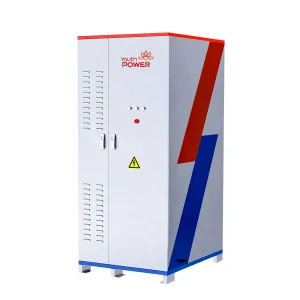
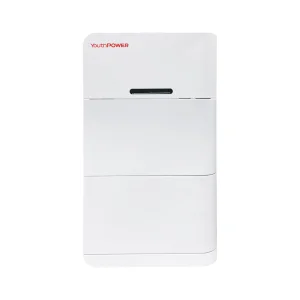
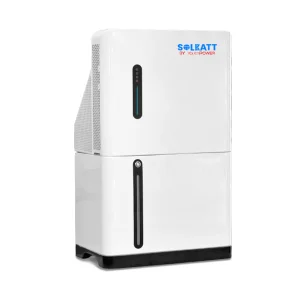
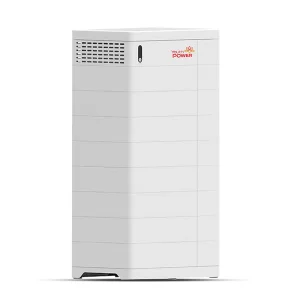
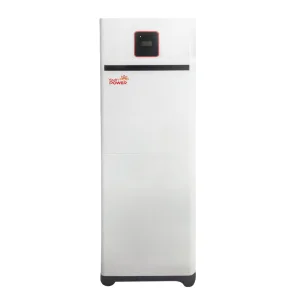
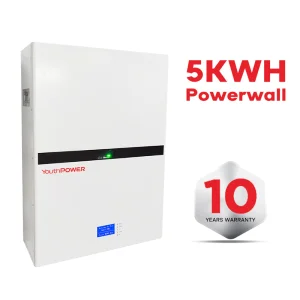
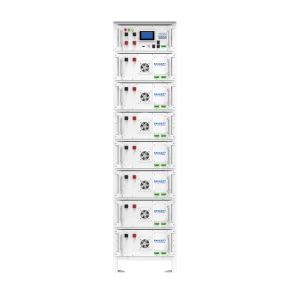
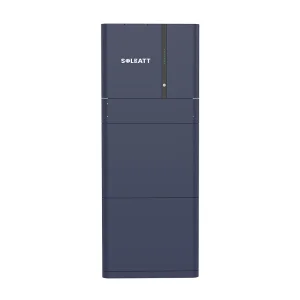
Select premium, high-performance LiFePO4 battery storage configurations built to address modern smart-grid integration and self-consumption standards.
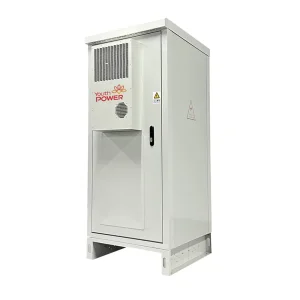
As governments worldwide accelerate Net-Zero mandates, large-scale commercial buyers, utility EPC contractors, and distribution networks face massive architectural shifts in power security. Decarbonizing production facilities, establishing off-grid microgrid resilience, and eliminating peak-demand utility surcharges are no longer optional. To navigate this landscape, procurement professionals must evaluate top-tier solar storage companies through a multi-dimensional lens combining hardware longevity, active safety management, and regulatory compliance.
Global grid operators demand high-voltage stability, rapid frequency regulation response times, and sub-millisecond UPS failover. Systems must feature modular designs that allow high capacity scalability while keeping the Levelized Cost of Storage (LCOS) minimized.
For factories and industrial complexes, solar storage mitigates peak demand charges through peak shaving and load shifting. Advanced thermal controls and robust Battery Management Systems (BMS) guarantee uninterruptible operations with high return-on-investment profiles.
Wholesale distributors require high compatibility with major international hybrid inverters, comprehensive global compliance documentation (UL, CE, UN38.3), and localized warranty support to serve residential and light commercial projects seamlessly.
Modern solar storage companies are transitioning from static hardware manufacturers into holistic system solution architects. Seamless integration across the physical layer (cells, racks, cabinetry), thermal management layer (active cooling), and energy intelligence software layer (EMS/BMS) is required to unlock maximum financial and operational utility.
Intelligently monitors live grid usage to discharge batteries during high-tariff operational periods, drastically reducing demand charges for heavy machinery environments.
Secures continuous operation for isolated regions, mining complexes, and telecommunications towers. Provides high-voltage system stability combined with smart-generator hybridization.
Optimizes local photovoltaic output utilization. Directs dynamic power generation surpluses straight into batteries, preventing low-value power feed-ins to standard utility infrastructure.
Founded in 2003, YouthPOWER has now become one of the leading suppliers of solar storage lithium batteries in the world. With a broad range of energy storage solutions, it covers a series of 24V, 48V and higher voltage lithium batteries solutions.
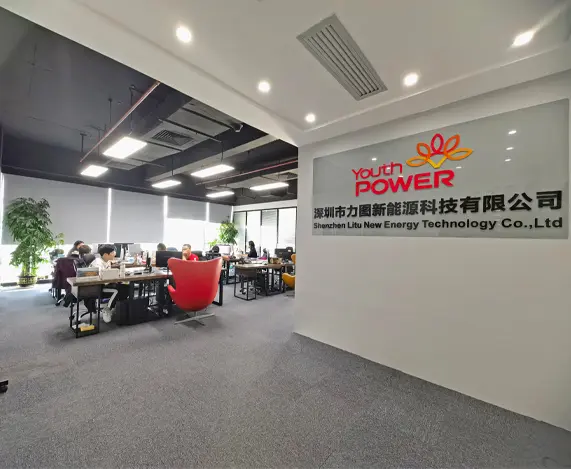
YouthPOWER has engaged in the battery technology and production for almost 20 years, with abundant manufacturing experience and strong new product R & D capability. Through many years of hard work and market promotion, we have created our own brand "YouthPOWER" in 2019.

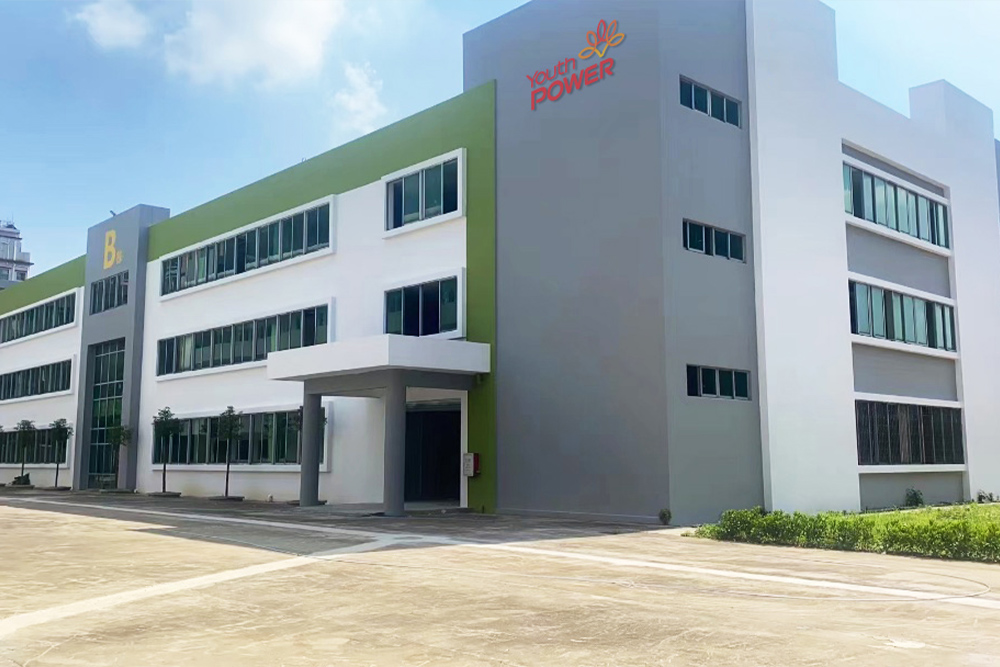
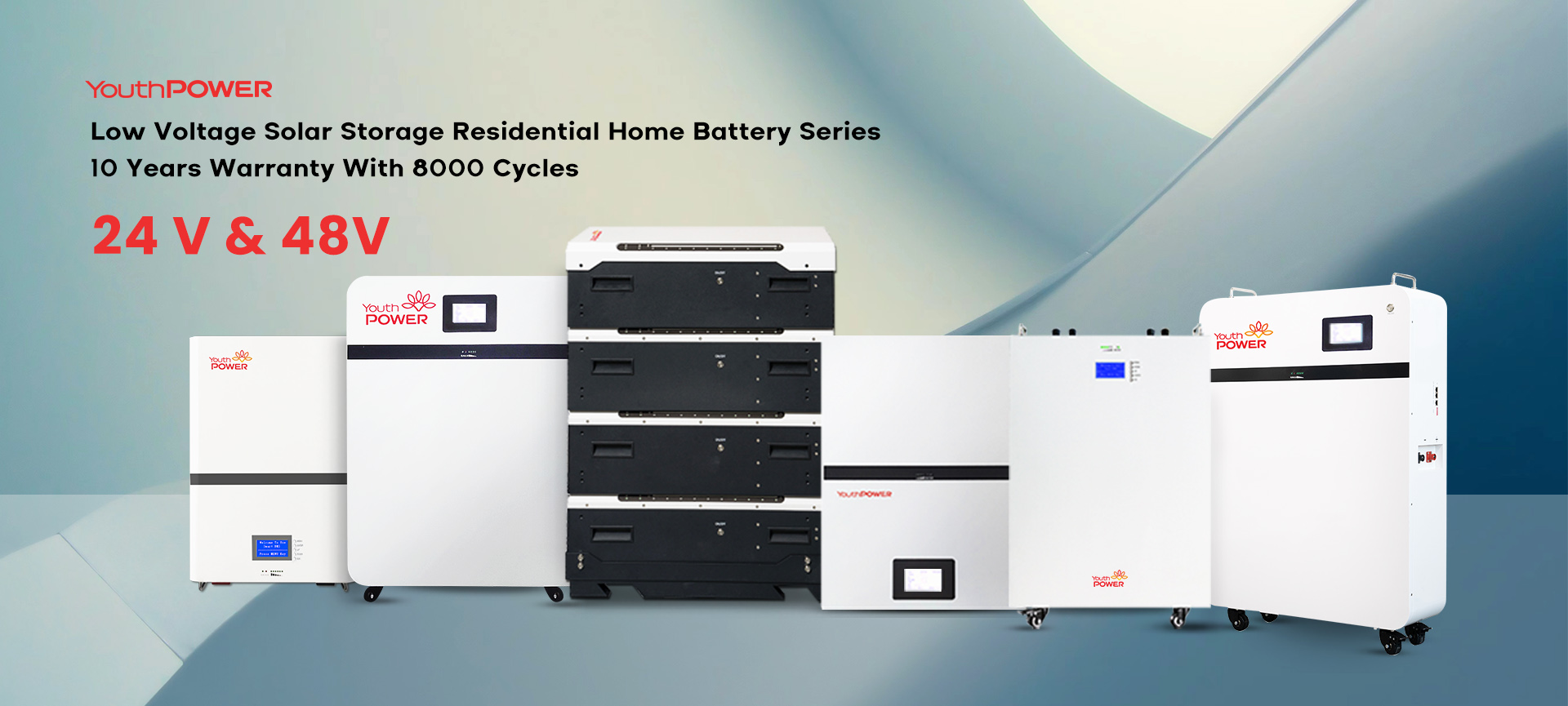
With nearly 20 years’ experience in the battery industry, we have the capability to provide you with both the products you need and the most suitable products you want. We are always ready to supply the first-class products and meet the various needs of the customers.
Our engineering architecture accommodates complex structural, thermal, and electronic variables to build solutions optimized for localized regional utility grid profiles.
We have established good business relationships with our customers from all over the world. And we have a good cooperation with all our customers as well for many years running. Supported by our local vendors of raw materials, we can certainly offer you the best prices.
We are so proud that YouthPOWER has offered the reliable solar storage solution for over 1,000,000 families now in the world.
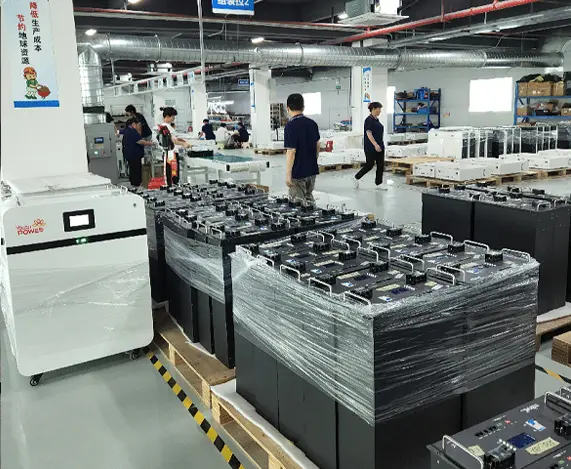
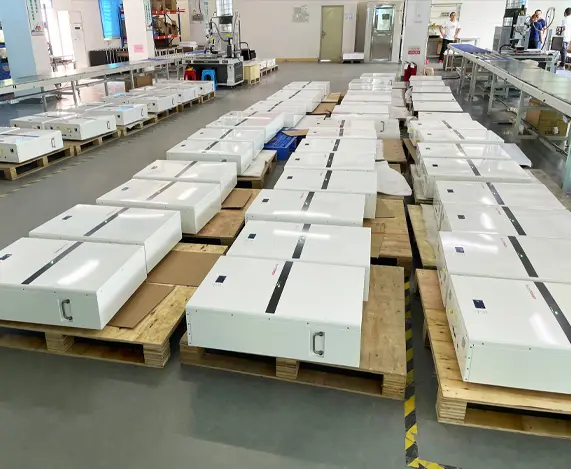
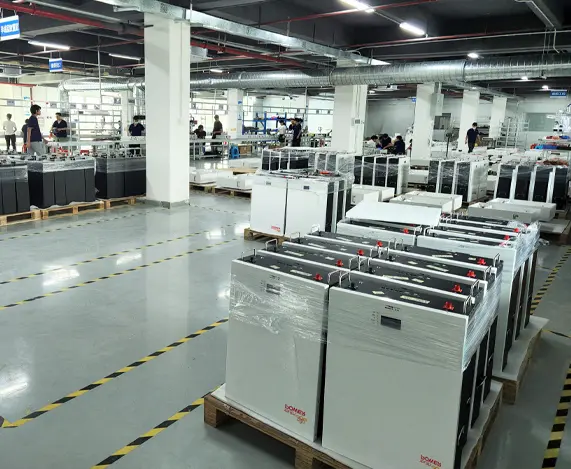
From initial pioneering research in early lithium chemistries during 2003 to launching multi-megawatt industrial containers in the modern global era, our development timeline maps our engineering milestones. Our progress showcases our focus on battery safety, high-voltage efficiency, and manufacturing scalability.
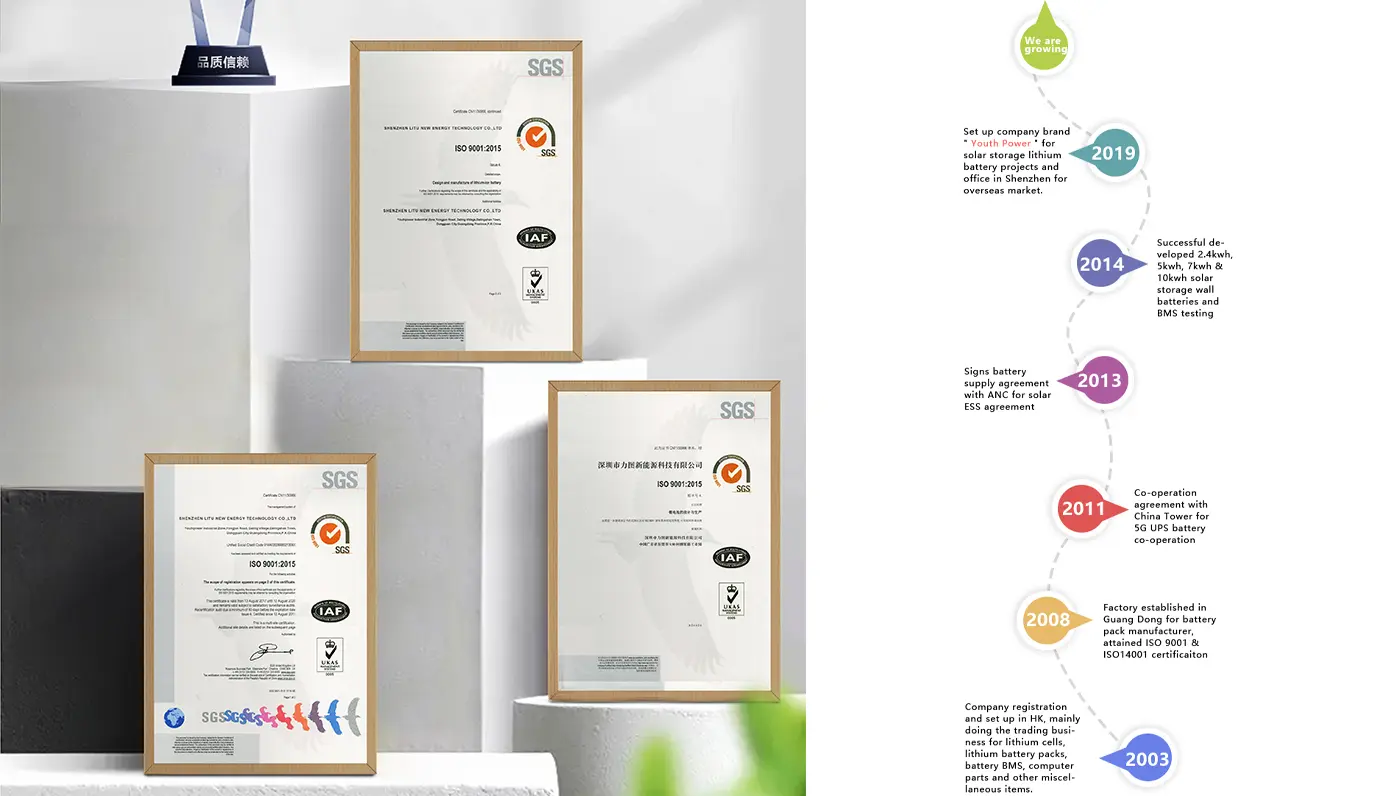
The global energy storage matrix is moving toward high-density configurations, predictive cloud diagnostics, and localized smart battery controls. To secure robust returns on energy capital investments over 10-to-15-year operational lifespans, we design our platforms with tomorrow's grid systems in mind.
Transitioning from traditional air ventilation to liquid-glycol thermal distribution channels. Liquid cooling minimizes cell temperature differentials, extending operational cell lifespans by up to 25% while reducing local thermal runaway risks.
Future iterations of our battery management systems integrate Virtual Power Plant (VPP) communication protocols. This allows municipal utility operators to orchestrate distributed residential and commercial batteries as unified virtual power sources.
By moving from traditional 48V residential architectures to centralized high-voltage string configurations (ranging from 409V up to 800V+), round-trip energy losses are minimized, and integration costs with high-power industrial inverters are reduced.
Deploying storage hardware globally requires strict alignment with localized safety and electrical interconnection rules. A battery system must meet local grid regulations to guarantee both safety and smooth project permitting approvals.
All cells are constructed utilizing premium Lithium Iron Phosphate (LiFePO4) chemistry. This chemistry provides inherently higher thermal stability than NMC-based solutions, preventing catastrophic oxygen release under high operating temperatures.
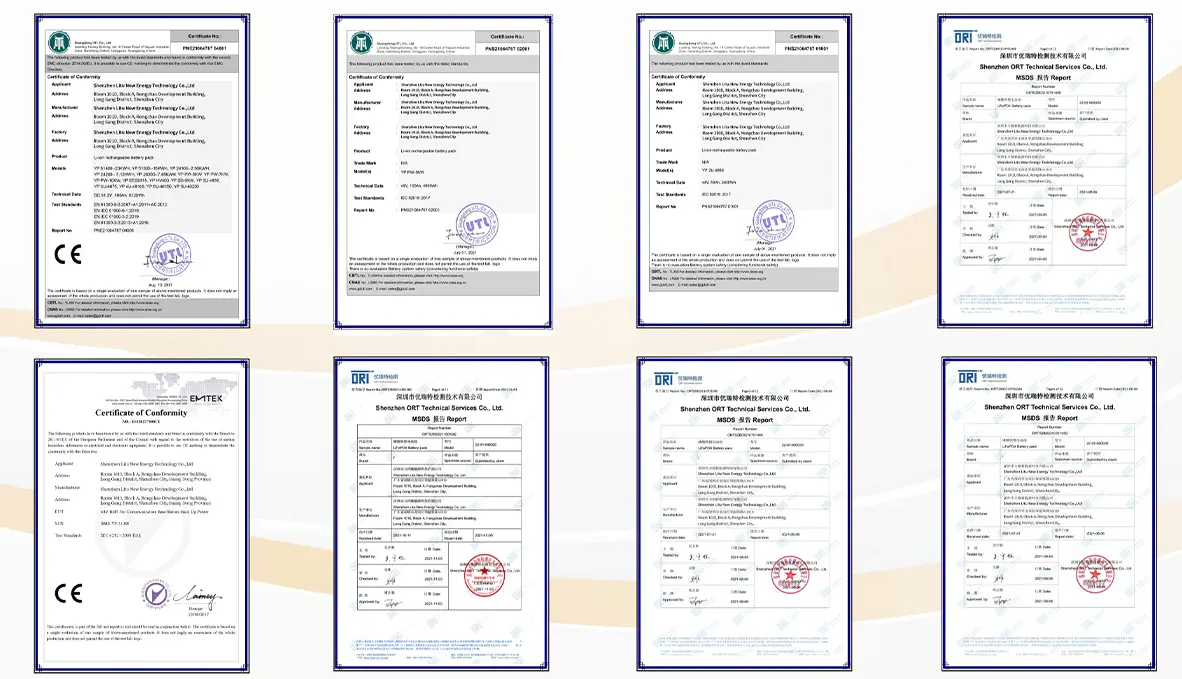
Our solutions conform to international regulatory testing frameworks, including UL1973, UL9540A, CE, IEC 62619, and UN38.3 transit-safety protocols. This ensures smooth transport and straightforward commercial site zoning approvals.
We work directly with regional engineering consultants to customize grid configuration outputs, dynamic reactive power responses, and high-latitude cold-climate insulation packages.
Practical answers to technical and logistic questions commonly raised by system engineers and procurement managers.
Explore our line of modular battery systems, designed to scale easily for residential systems, balcony solar hookups, and large-scale industrial containers.
 YouthPOWER