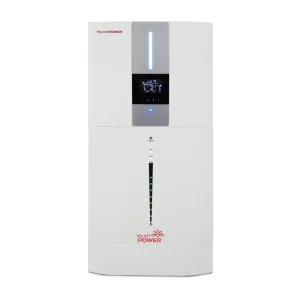
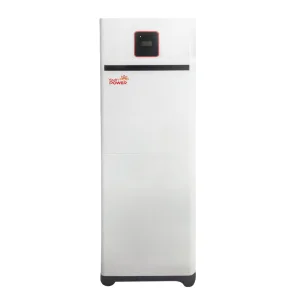
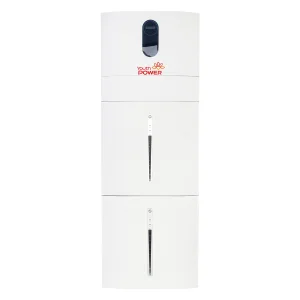
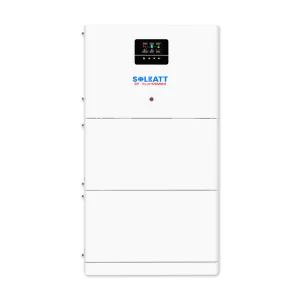
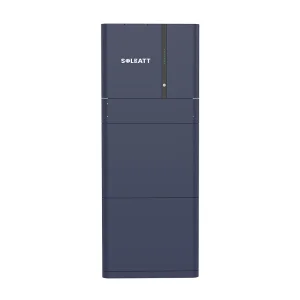
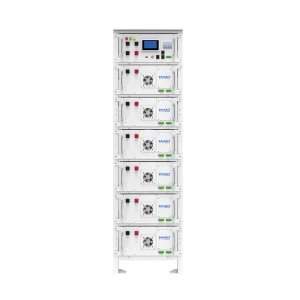
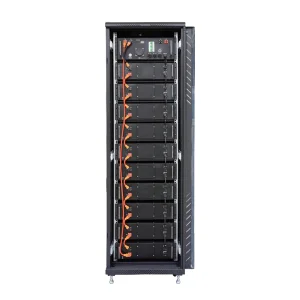
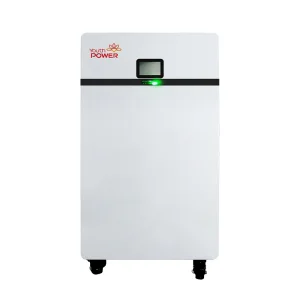
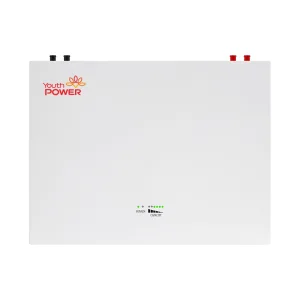
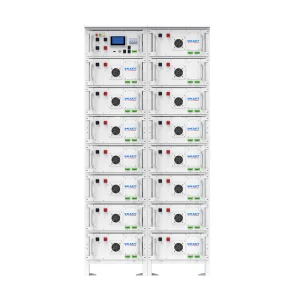
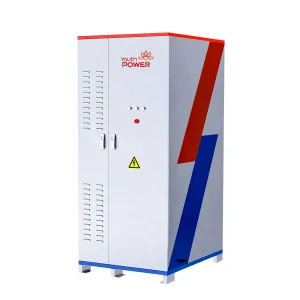
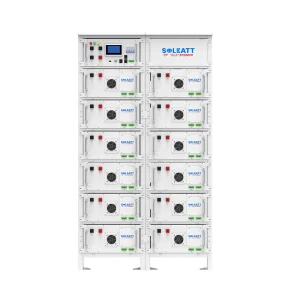
Optimized energy storage solutions designed to withstand CAISO grid fluctuations, mitigate PG&E/SCE peak rates, and secure residential power autonomy.
Los Angeles is at the epicentre of the energy transition. Driven by California's aggressive SB 100 decarbonization mandate, the regional grid managed by Southern California Edison (SCE) and the Los Angeles Department of Water and Power (LADWP) faces unprecedented capacity pressures. Wildfires, Public Safety Power Shutoffs (PSPS), and the famous "duck curve" have made decentralized energy storage systems (ESS) essential for commercial, industrial, and residential sectors.
With the implementation of California's NEM 3.0 (Net Billing Tariff), the economics of solar without storage have shifted dramatically. Midday grid export rates have dropped by up to 75%, making the combination of a high-efficiency inverter and LiFePO4 battery storage array the only path to achieving a strong return on investment. Modern inverter battery systems store excess solar energy during peak generation hours and discharge it to offset high Time-of-Use (TOU) rates in the evening, ensuring maximum financial efficiency.
YouthPOWER's next-generation inverter battery configurations are engineered specifically to navigate these complex regulatory environments. Featuring intelligent dynamic load management, certified grid integration capabilities, and superior thermal stability, our hardware operates reliably in extreme temperatures, from coastal regions to inland desert valleys.
Navigating the permitting process in the City of Los Angeles requires strict compliance with UL 9540 (system-level safety certification) and UL 9540A (thermal runaway fire propagation testing). YouthPOWER systems utilize top-tier, chemically stable Lithium Iron Phosphate (LiFePO4) cell chemistry, enclosed in robust, NEMA 3R-rated structural cabinets. This meets local fire codes (NFPA 855) and simplifies engineering approval for commercial projects and multi-family residential housing developments.
Analyzing global commercial trends, vertical integration benefits, and the efficiency of advanced manufacturing in battery technologies.
By securing direct, long-term partnerships with raw material suppliers and lithium mine operators, we mitigate global spot-market volatility. This ensures stable pricing and consistent supply for high-capacity industrial projects in the United States and Europe.
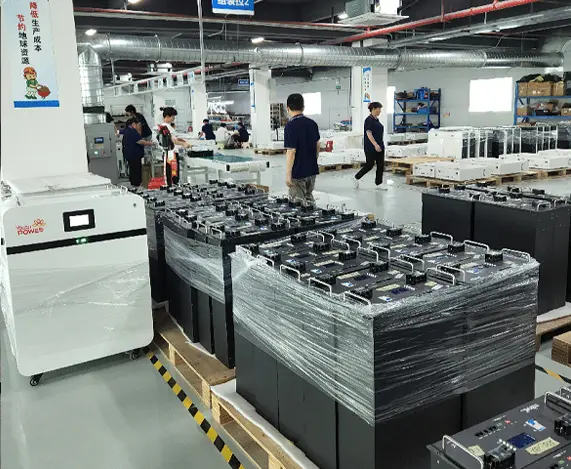
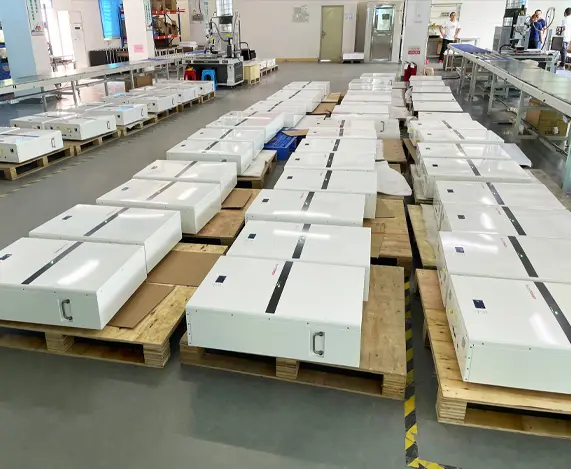
Our automated manufacturing facilities deploy AI-driven cell-sorting algorithms and high-precision laser-welding lines. This ensures negligible cell-to-cell resistance variation, optimal heat dissipation, and long lifespan of every battery pack.
Our products undergo multiple stages of testing: rigorous cell life-cycle aging, high-temperature environmental stress testing, and functional checks of the Battery Management System (BMS). This ensures compliance with global standards, including CE, UN38.3, IEC62619, and UL specifications.
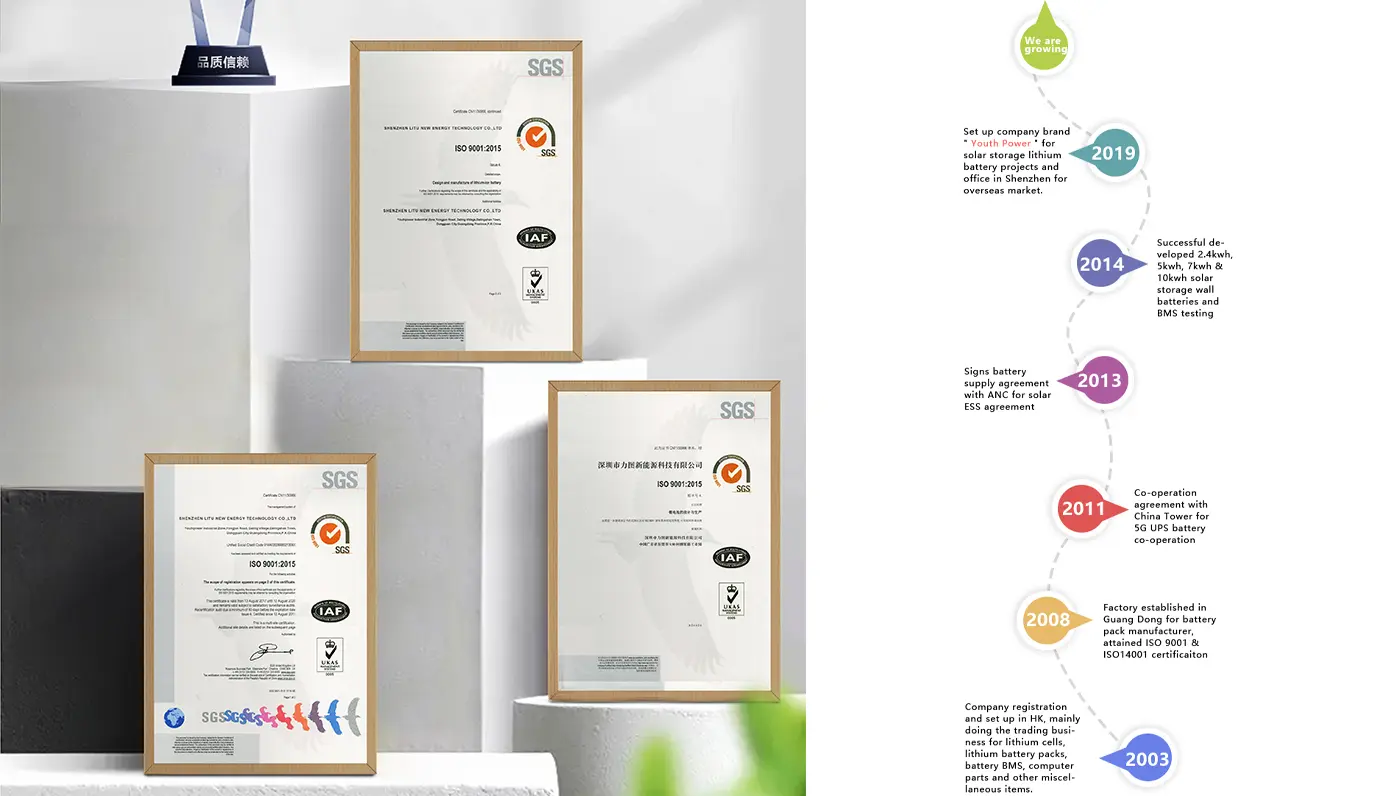
Founded in 2003, YouthPOWER has now become one of the leading suppliers of solar storage lithium batteries in the world. With a broad range of energy storage solutions, it covers a series of 24V, 48V and higher voltage lithium batteries solutions.
YouthPOWER has engaged in the battery technology and production for almost 20 years, with abundant manufacturing experience and strong new product R & D capability. Through many years of hard work and market promotion, we have created our own brand "YouthPOWER" in 2019.
With nearly 20 years’ experience in the battery industry, we have the capability to provide you with both the products you need and the most suitable products you want. We are always ready to supply the first-class products and meet the various needs of the customers.
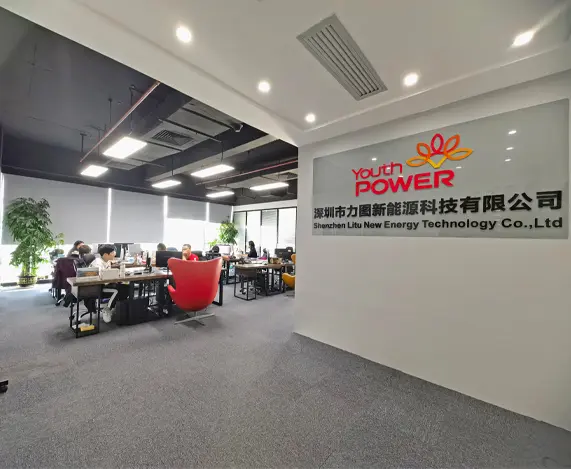
We have established good business relationships with our customers from all over the world. And we have a good cooperation with all our customers as well for many years running. Supported by our local vendors of raw materials, we can certainly offer you the best prices. We are so proud that YouthPOWER has offered the reliable solar storage solution for over 1,000,000 families now in the world.
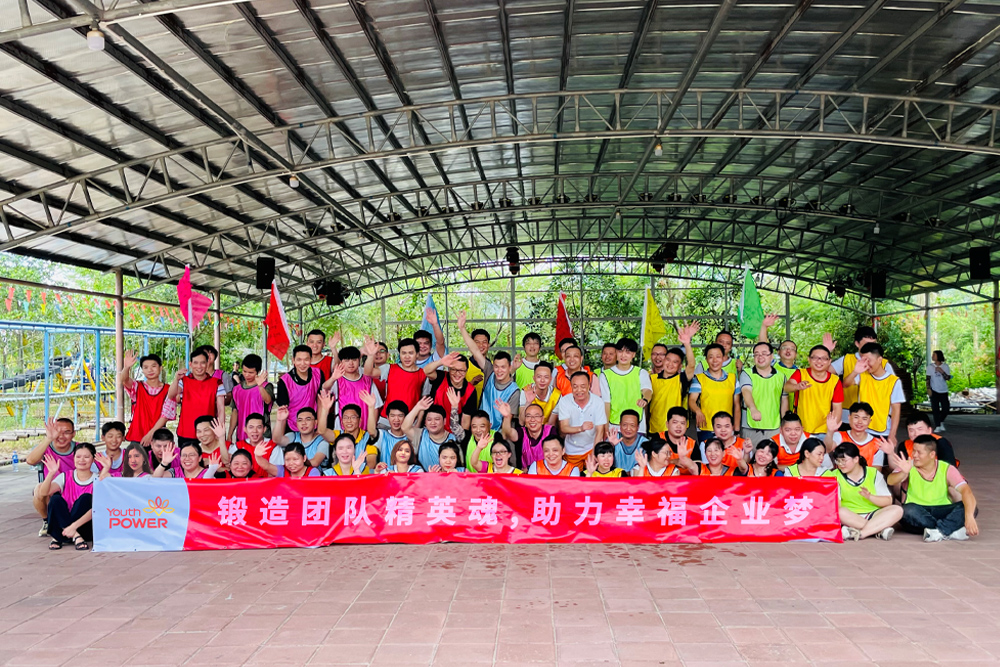
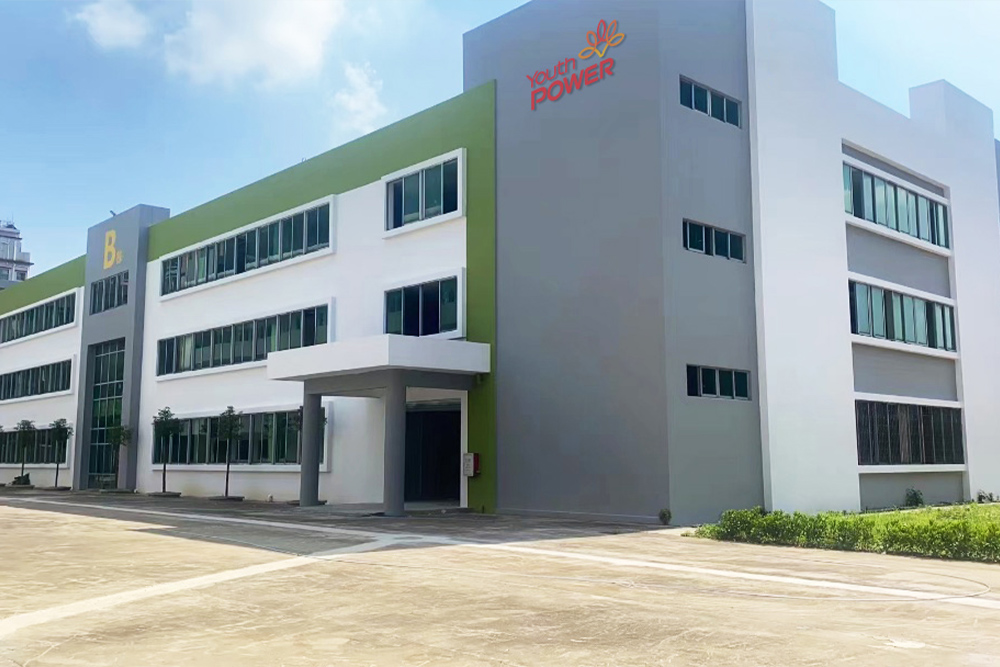
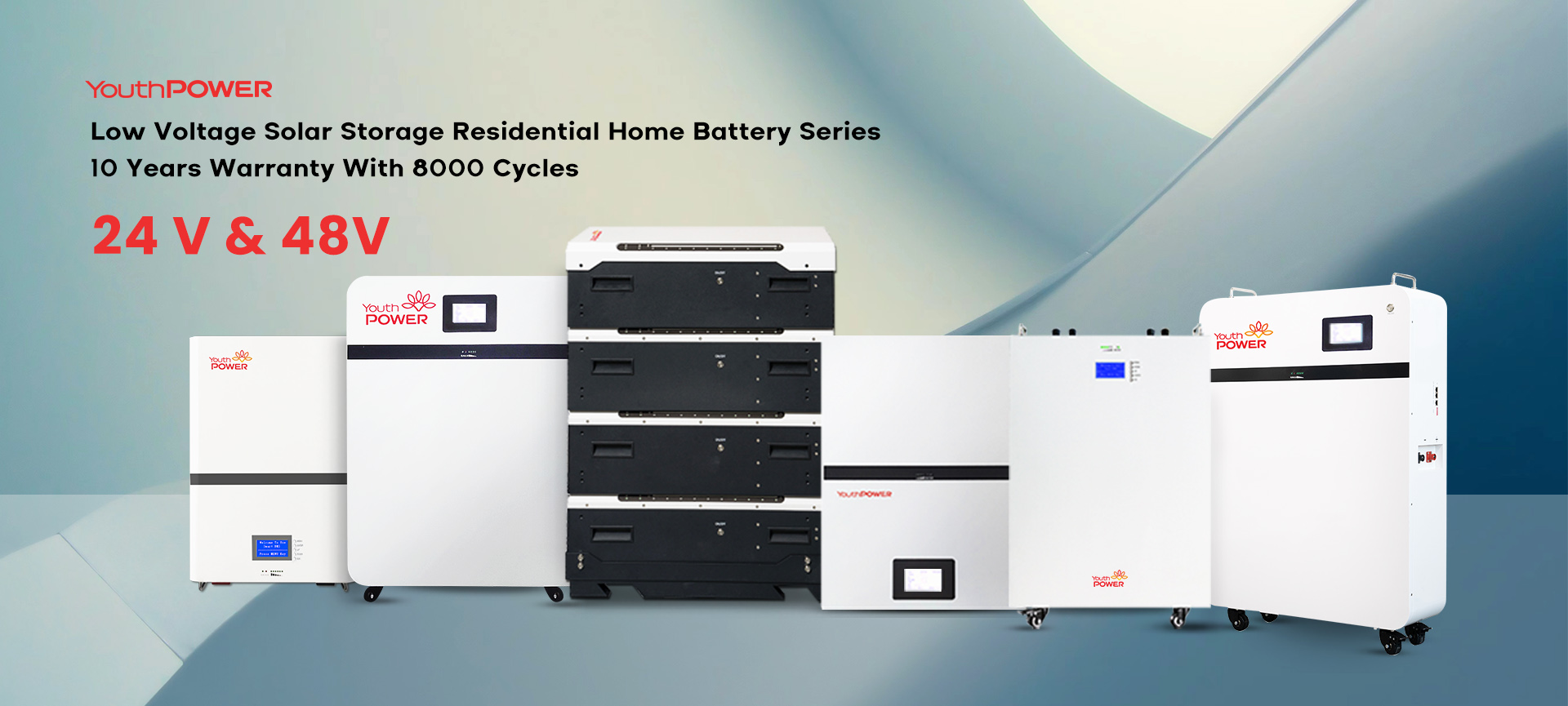
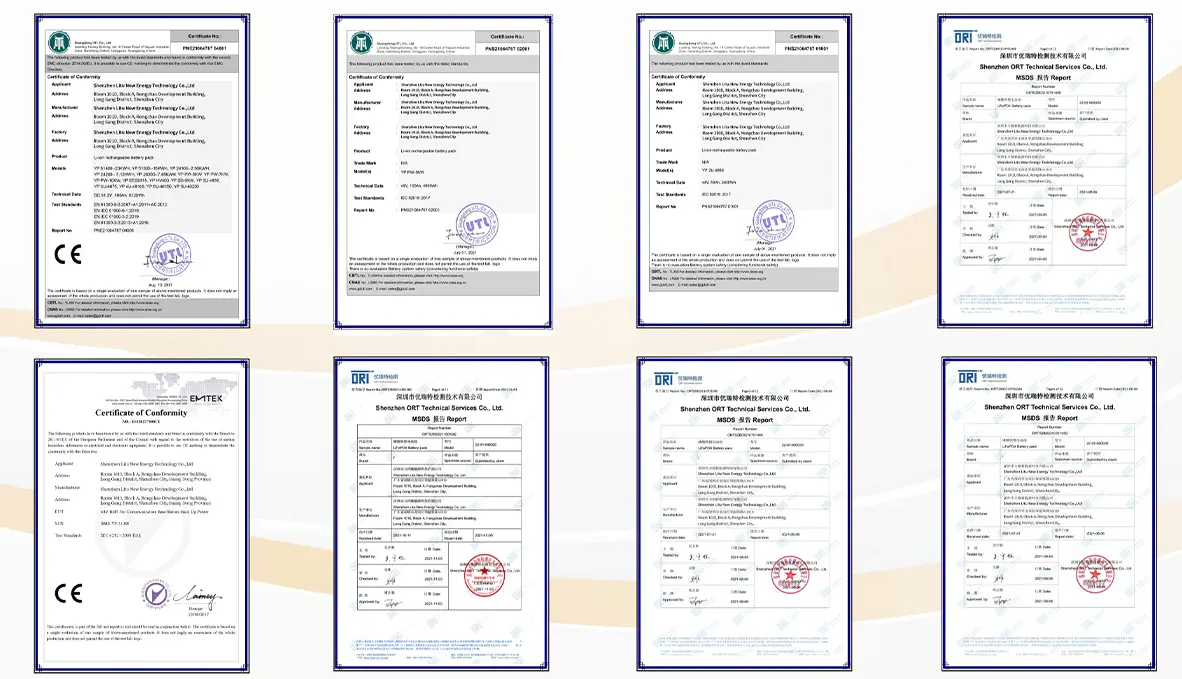
A history of innovation and growth, establishing a reliable supply chain and manufacturing process over the last two decades.
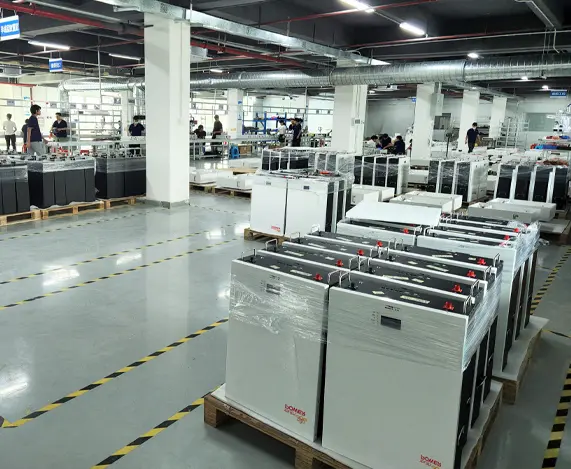
Real-world integration scenarios demonstrating how our customized energy storage systems function under local operating conditions.
A precision machining facility in Torrance deployed a 215kWh outdoor high-voltage energy storage system to manage demand charge spikes. The integrated smart BMS monitors facility load in real time, automatically discharging stored power when demand exceeds 150kW. This resulted in a 34% reduction in SCE monthly demand charges.
An commercial property owner integrated a 172KWH high-voltage battery storage system alongside three Level 3 DC Fast Chargers. The system acts as a power buffer, drawing from the grid during low-tariff hours and assisting charger power delivery during peak daytime sessions, preventing expensive utility surcharge rates.
Addressing the technical, regulatory, and engineering questions asked by developers, EPC contractors, and local distributors.
Under NEM 3.0, solar systems without batteries are less financially viable due to reduced grid export rates. Sizing a system now requires calculating the property's evening energy consumption profile rather than just daily total consumption. Battery systems should be sized to store the excess solar energy generated during the day to offset the grid demand during high-tariff evening hours (typically 4 PM to 9 PM).
LiFePO4 (Lithium Iron Phosphate) offers superior thermal stability and does not experience thermal runaway propagation under normal operating conditions. It has a high thermal runaway threshold (around 270°C compared to NMC's 210°C) and does not release oxygen when venting. This makes it easier to comply with local fire regulations, including the strict NFPA 855 codes applied in Southern California.
Yes, our low-voltage (48V) and high-voltage (HV) battery series are engineered with open CAN/RS485 communication protocols. They are fully compatible with mainstream inverter brands in the US market, including Sol-Ark, SMA, Growatt, Schneider Electric, and Victron Energy, allowing for plug-and-play integration.
To connect to the grid under SCE or LADWP jurisdictions, battery systems must carry UL 1973 (for cell and pack safety) and UL 9540 (system-level safety). Additionally, the inverter must be certified under UL 1741 SA/SB, conforming to CA Rule 21 requirements for smart grid functions.
Scalable, heavy-duty industrial batteries engineered to handle peak demands, backup critical loads, and optimize microgrid performance.
Connect with our senior engineering team to design, configure, and source certified inverter battery systems tailored to your specific application and regulatory requirements.
Send Inquiry Now YouthPOWER