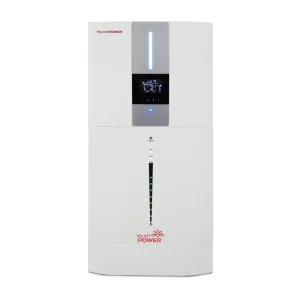
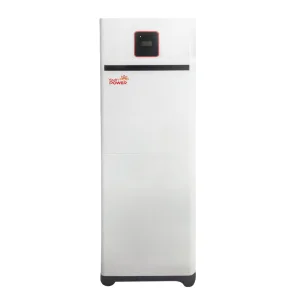
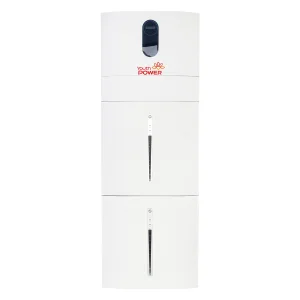
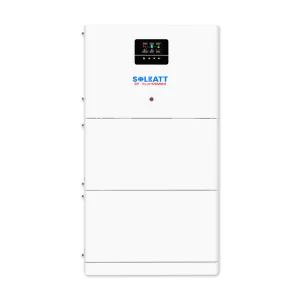
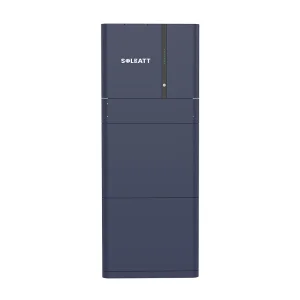
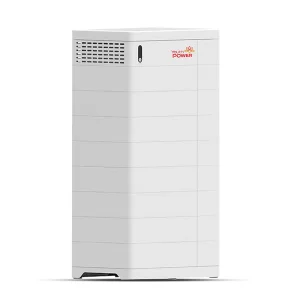
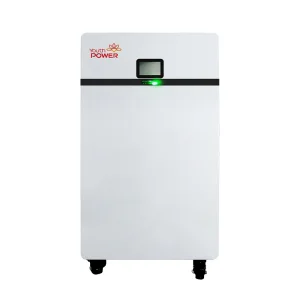
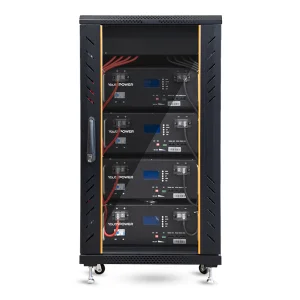
High-efficiency, integrated, and modular inverter battery configurations tailored for London's residential grid profiles and commercial demand response systems.
The Greater London area is undergoing a rapid transition towards full electrification, driven by the UK's legally binding commitment to reach net-zero by 2050 and the Mayor of London's ambitious target of achieving net-zero carbon by 2030. In this environment, the local electricity distribution network, managed primarily by UK Power Networks (UKPN), is encountering unprecedented grid constraints. The massive influx of Electric Vehicles (EVs), heat pumps, and intensive commercial developments such as data centers are pushing existing substation capacities to their absolute limits.
Consequently, local businesses and multi-family residential complexes are increasingly deploying Battery Energy Storage Systems (BESS) combined with intelligent hybrid inverters. By capturing power during low-cost periods and discharging during peak operational windows, battery units act as critical decentralized infrastructure assets. They allow businesses to mitigate steep capacity charges (such as the Distribution Connection and Use of System Agreement, or DCUSA tariffs) and participate in profitable grid services like Dynamic Containment (DC) and the Demand Flexibility Service (DFS).
Inverter-battery systems, specifically those utilizing robust Lithium Iron Phosphate (LiFePO4) chemistries, have transitioned from optional environmental investments to mandatory risk-mitigation infrastructure for London's commercial and industrial sectors.

Understanding CAPEX, Levelized Cost of Storage (LCOS), and local installation components in the UK.
The upfront system hardware cost represents approximately 55% to 65% of the total installation expense in London. Residential 5kW to 10kW systems generally command £350 to £600 per kWh of usable capacity (uninstalled), whereas commercial scale systems drop to £250-£400 per kWh depending on system scale, C-rate, and high-voltage configuration.
London labor and local MCS-certified electrical engineering represent a premium compared to other UK regions. Complex grid connection applications (G99 approvals), fire-retardant enclosures, high-current switchgear, and smart communications hardware (GPRS/Ethernet links) add £1,500 to £5,000 for standard small-scale installations.
With London’s dynamic tariffs (e.g., Octopus Flux, Agile Octopus), the Levelized Cost of Storage (LCOS) is minimized. By scheduling battery charging at super-off-peak rates (often under 10p/kWh) and discharging during peak evening hours (saving over 30p-40p/kWh), commercial systems typically achieve full CAPEX amortization within 5.5 to 7 years.
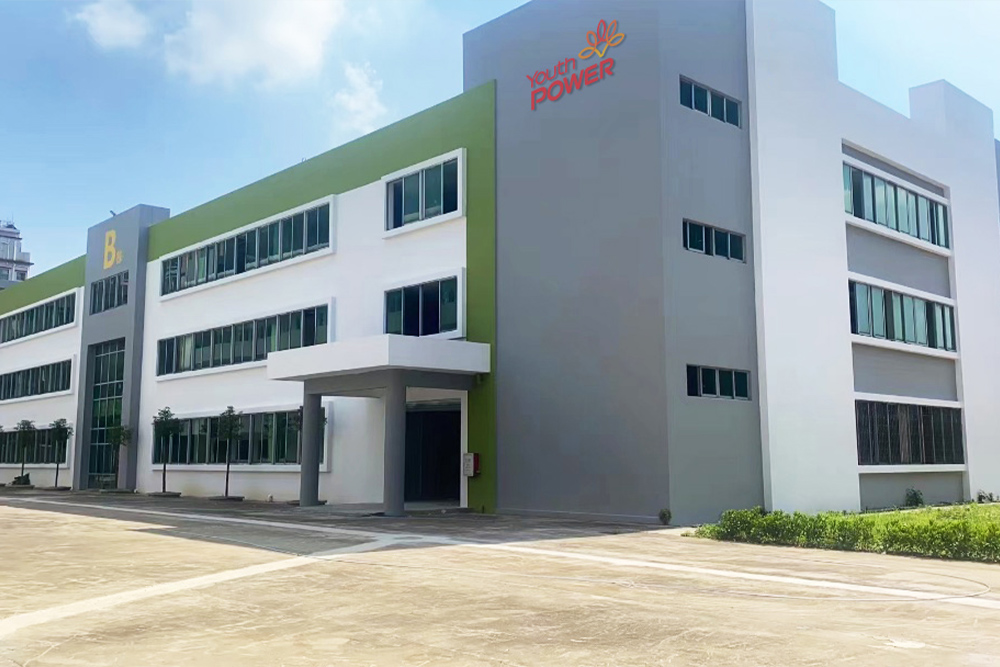
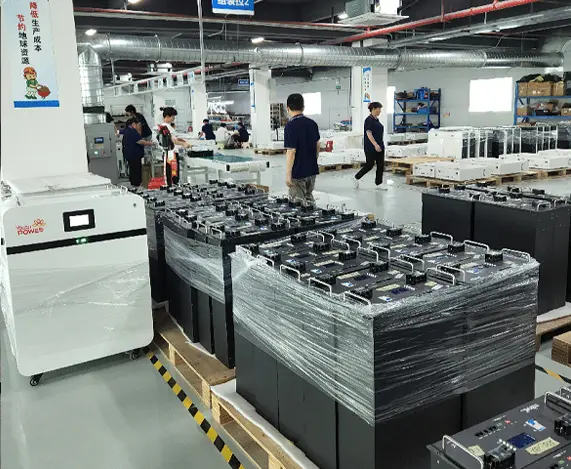
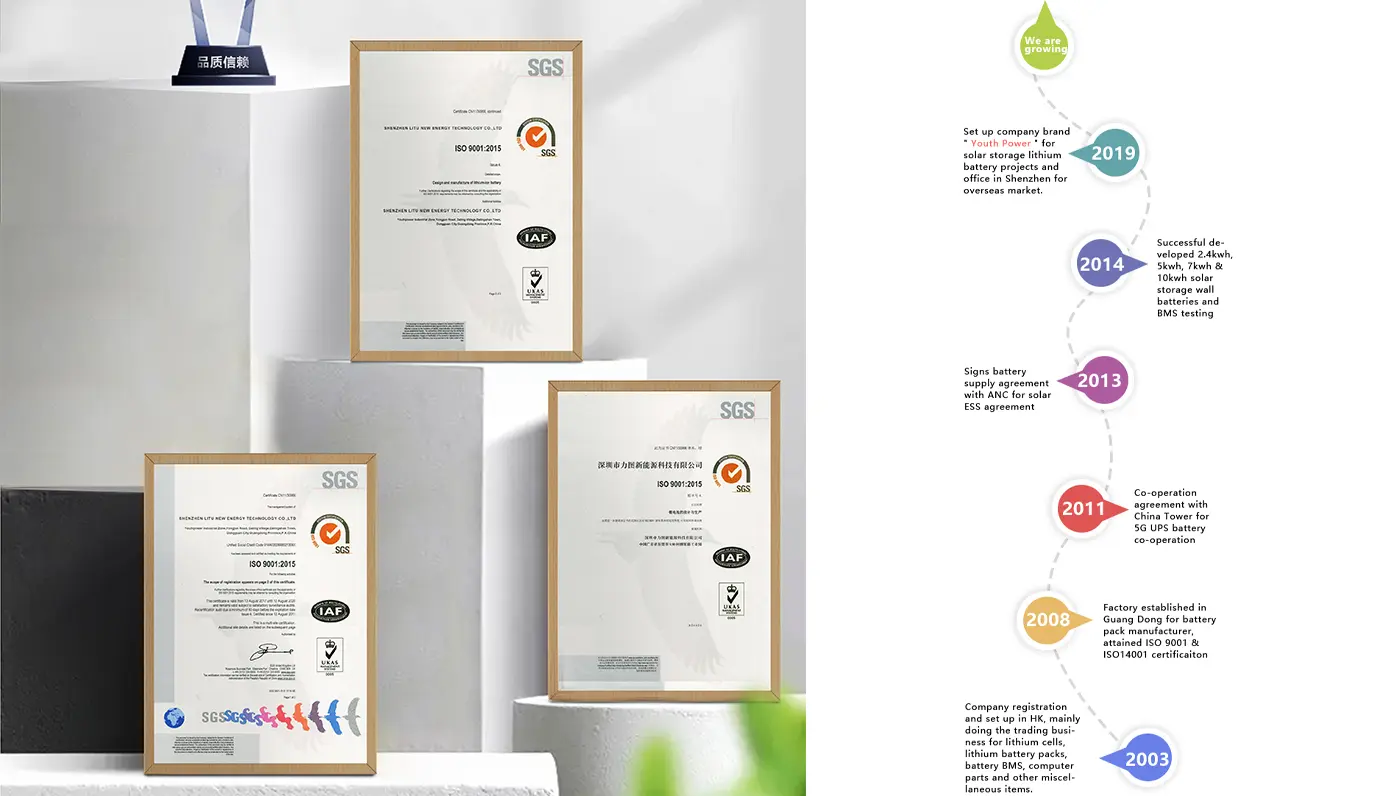
Founded in 2003, YouthPOWER has now become one of the leading suppliers of solar storage lithium batteries in the world. With a broad range of energy storage solutions, it covers a series of 24V, 48V and higher voltage lithium batteries solutions.
YouthPOWER has engaged in the battery technology and production for almost 20 years, with abundant manufacturing experience and strong new product R&D capability. Through many years of hard work and market promotion, we have created our own brand "YouthPOWER" in 2019.
By vertically integrating battery cell chemical composition design, pack design, state-of-charge (SoC) estimation algorithms, and advanced thermal management, YouthPOWER delivers commercial-grade and residential energy storage solutions that comply with the strictest Western European grid regulations, including UKCA, G98, G99, and CE standards.
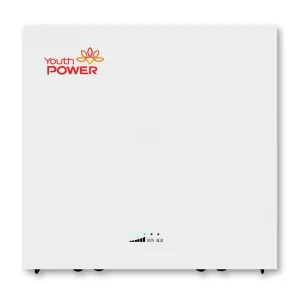
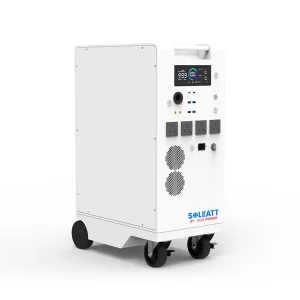
Specially engineered for London apartments, high-density residential zones, and properties with limited space constraints.
With nearly 20 years’ experience in the battery industry, we have the capability to provide you with both the products you need and the most suitable products you want. We are always ready to supply the first-class products and meet the various needs of the customers.
We have established good business relationships with our customers from all over the world. And we have a good cooperation with all our customers as well for many years running. Supported by our local vendors of raw materials, we can certainly offer you the best prices.
We are so proud that YouthPOWER has offered the reliable solar storage solution for over 1,000,000 families now in the world. Our engineering focus lies in the execution of advanced thermal management, state-of-charge calculation precision, and robust cell matching processes to guarantee safe operations and cycle-lifes exceeding 6,000 cycles at 80% Depth of Discharge (DoD).
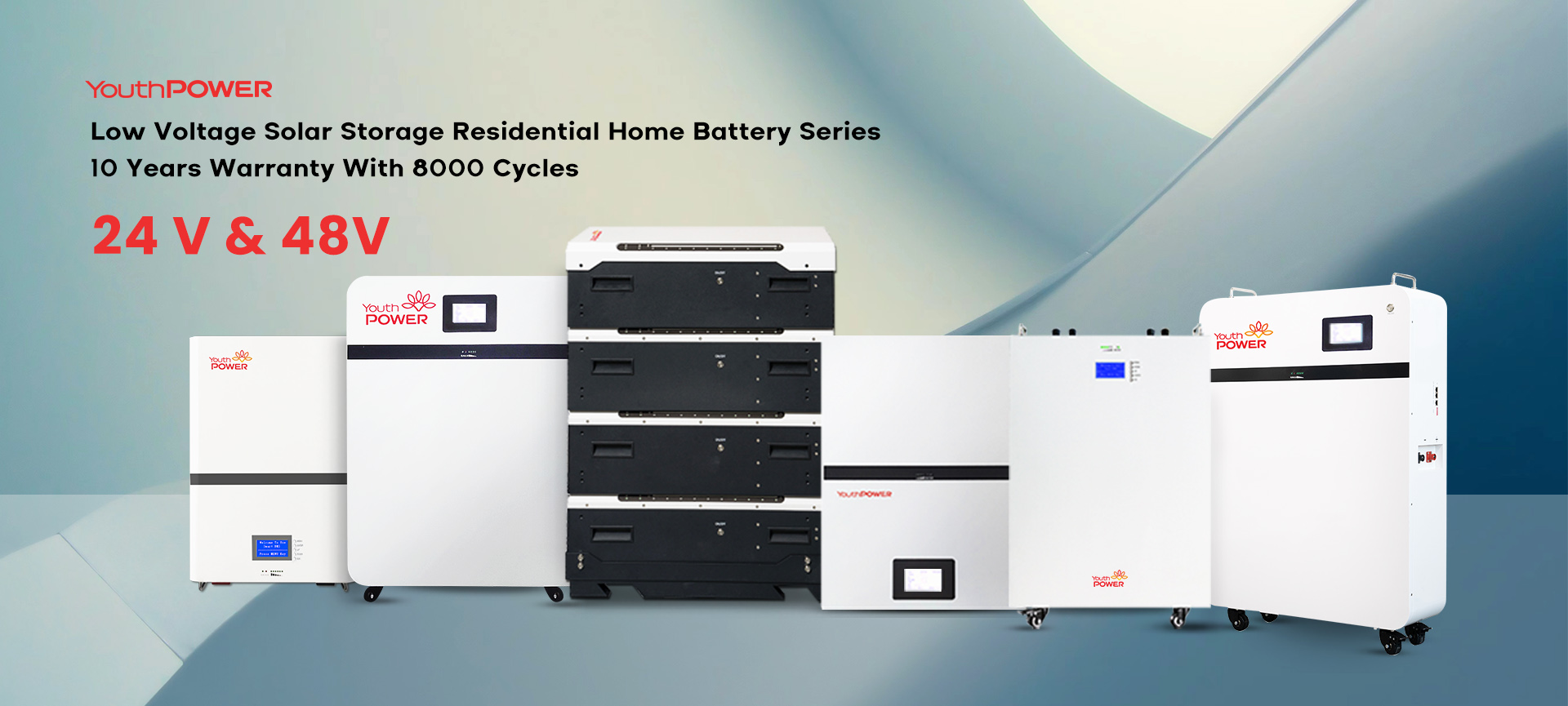
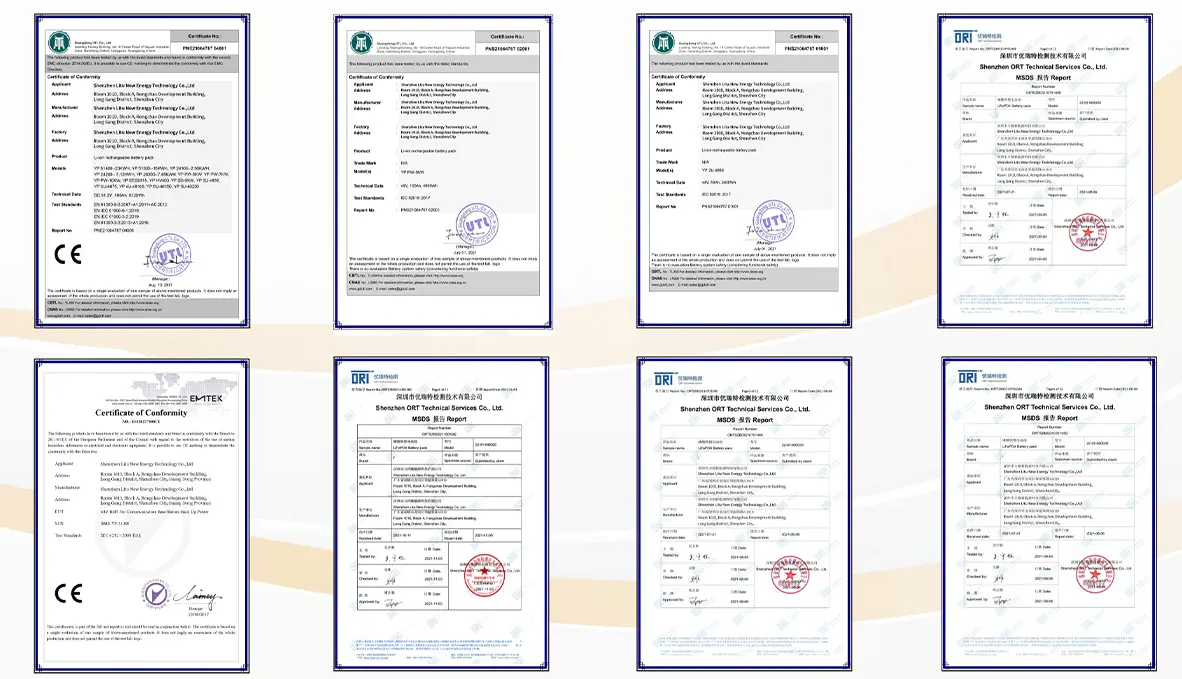
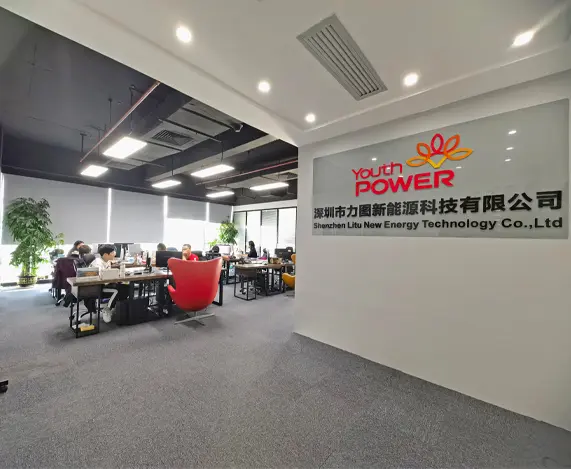
Why direct manufacturing coordination enables superior quality control and price-efficiency in the London market.
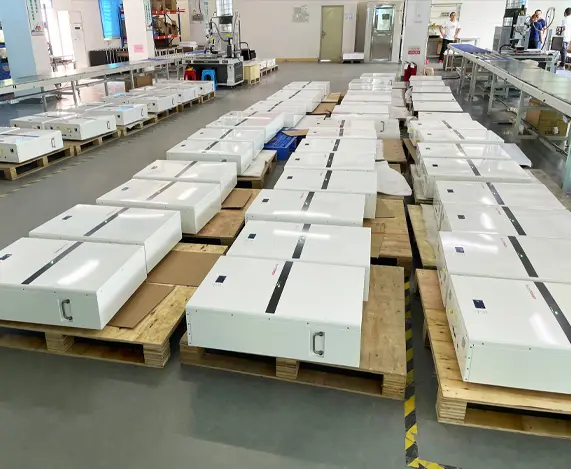
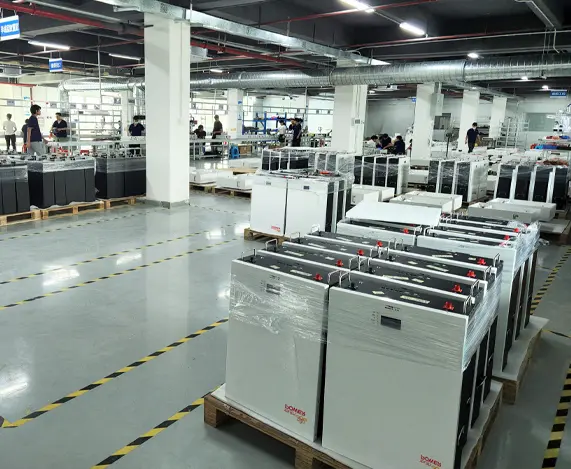
The global supply chain for Lithium-ion batteries is heavily centered around southern China's advanced industrial hubs, particularly Shenzhen and Huizhou. YouthPOWER leverages direct manufacturing capabilities in these hubs to source high-grade raw Lithium Iron Phosphate (LiFePO4) materials and process them under strict ISO9001 quality management guidelines. By bypassing third-party system aggregators, we maintain direct control over cell matching, internal BMS (Battery Management System) programming, and structural design parameters.
For the London market, this vertical integration translates directly into pricing resilience and security of supply. Shipping transit corridors from our automated assembly factories to UK logistics hubs (such as London Gateway and Felixstowe) are streamlined to handle heavy hazardous materials (UN Class 9 cargo). We work alongside experienced UK distributors to maintain domestic safety stocks, facilitating project deployments and satisfying critical project timelines without the typical lead-time delays associated with direct importing.
Deploying high-power electrical equipment onto the UK national grid requires strict compliance validation. Residential energy systems up to 3.68 kW per phase must satisfy the ENA’s G98 commissioning standard, while larger commercial systems require detailed G99 grid approval applications.
YouthPOWER's integrated smart systems feature pre-configured parameters that easily adjust to local DNO (Distribution Network Operator) protection requirements. Built-in hybrid inverters feature instantaneous grid-decoupling capabilities to satisfy G99 safety metrics, ensuring local facilities remain fully protected against grid failures while preventing unauthorized feed-in anomalies.
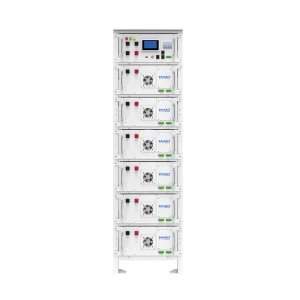
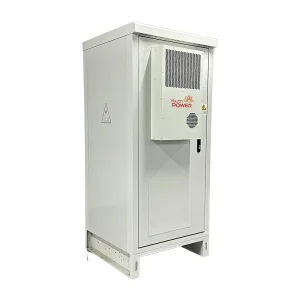
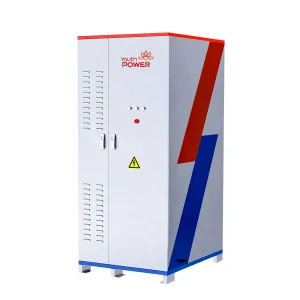
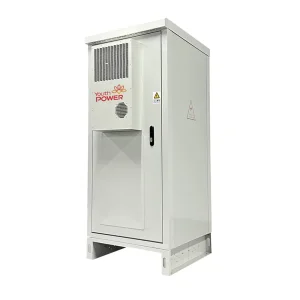
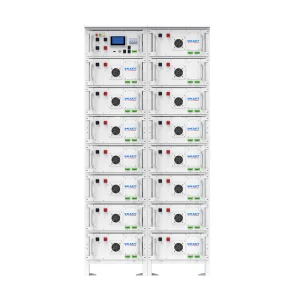
High-voltage stackable, rack-mountable, and heavy-duty outdoor containers designed for scalable grid support and back-up power supply.
Essential answers to technical, regulatory, and financial questions regarding energy storage installation in Greater London.
Contact our structural engineers and supply chain specialists today. We provide full project customization, local compliance coordination, and direct manufacturer pricing guarantees.
Send Inquiry Now YouthPOWER