Leading the Industrial & Commercial Energy Transition with Tier-1 Engineered Storage Solutions
Engineered to comply with Australian standards, offering seamless integration and optimal thermal performance under Victoria's challenging climatic shifts.
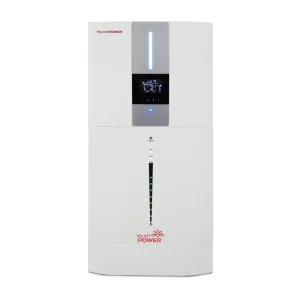
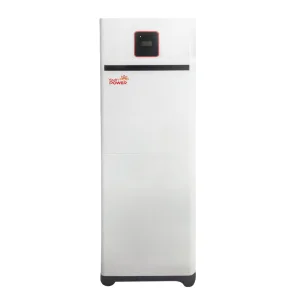
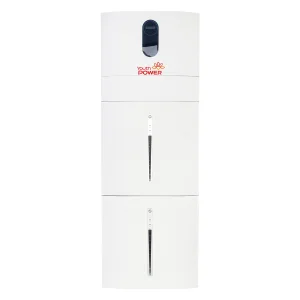
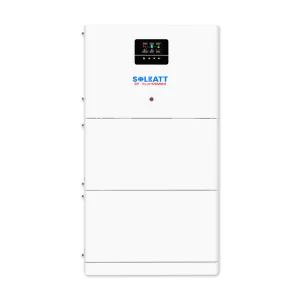
The state of Victoria, led by metropolitan Melbourne, is undergoing one of the most rapid energy grid transitions in the southern hemisphere. As traditional coal-fired power stations near their operational closure dates, the demand for resilient localized storage has moved from a progressive ideal to a regulatory and commercial necessity. Businesses and industrial hubs across Victoria are increasingly adopting advanced inverter battery systems to mitigate soaring grid tariffs, secure power continuity during peak distribution failures, and monetize behind-the-meter capacity.
This massive deployment is heavily accelerated by State initiatives such as the Victorian Solar Homes Program and complex network structures governed by Distribution Network Service Providers (DNSPs) like CitiPower, Powercor, and United Energy. Under local DNSP regulations, implementing grid-interactive battery storage requires intelligent control strategies, particularly to manage dynamic export limits and frequency support challenges. High-quality lithium iron phosphate (LiFePO4) systems paired with hybrid smart inverters have emerged as the dominant architecture due to their unmatched safety, high thermal tolerance, and compatibility with virtual power plant (VPP) communications.
Developing battery systems for Australia’s temperate zones requires special engineering attention. Melbourne’s climate fluctuates rapidly between cold winters and intense summer heatwaves where ambient temperatures can reach 40°C. Inverter batteries must be engineered with advanced liquid cooling or robust passive thermal convection configurations to avoid localized hot spots that trigger degradation.
Designed to meet the rigorous energy profiles of commercial facilities, medium manufacturing plants, and heavy microgrid deployments in Australia.
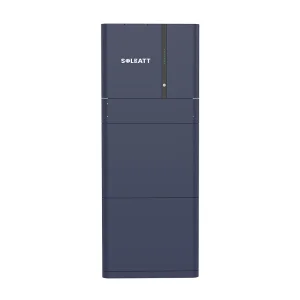
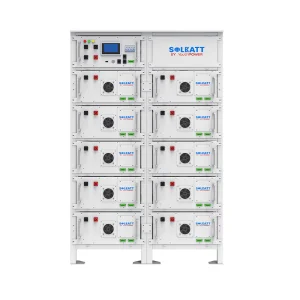
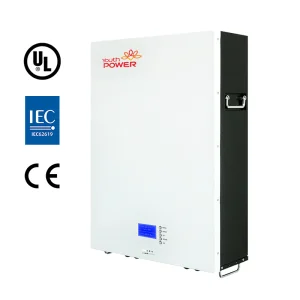
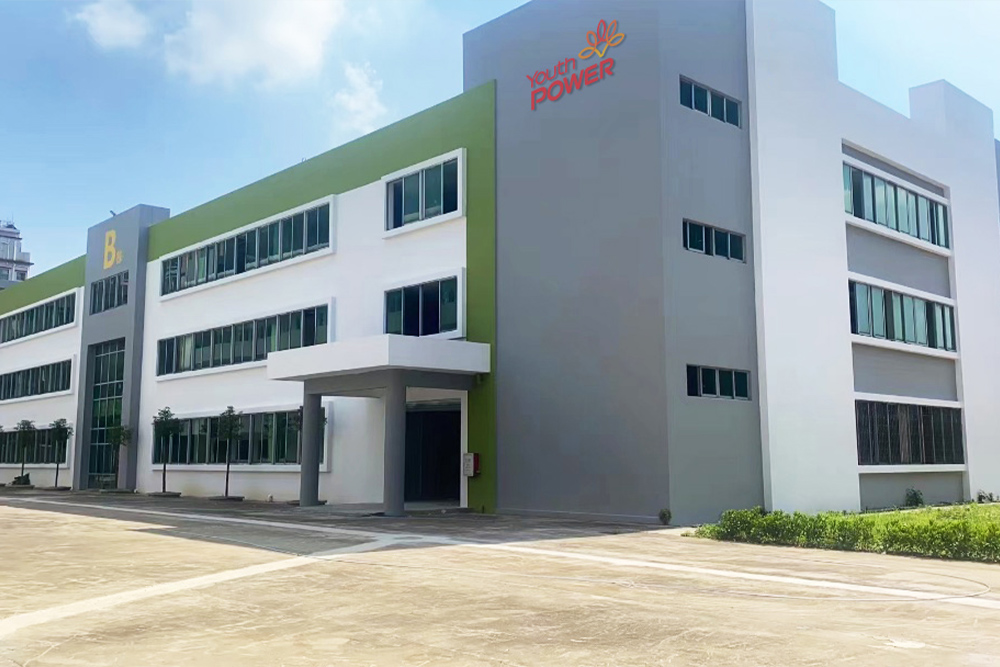
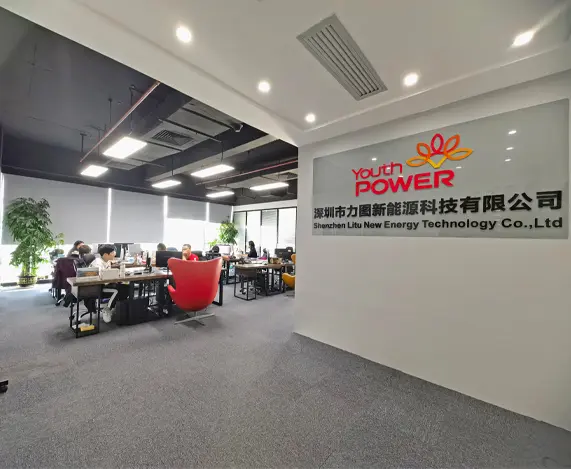
Founded in 2003, YouthPOWER has established itself as one of the leading global suppliers of premium solar storage lithium batteries. With dynamic R&D and close supply chain alignment, the company covers a broad array of low and high-voltage lithium battery solutions designed to operate under strict grid requirements.
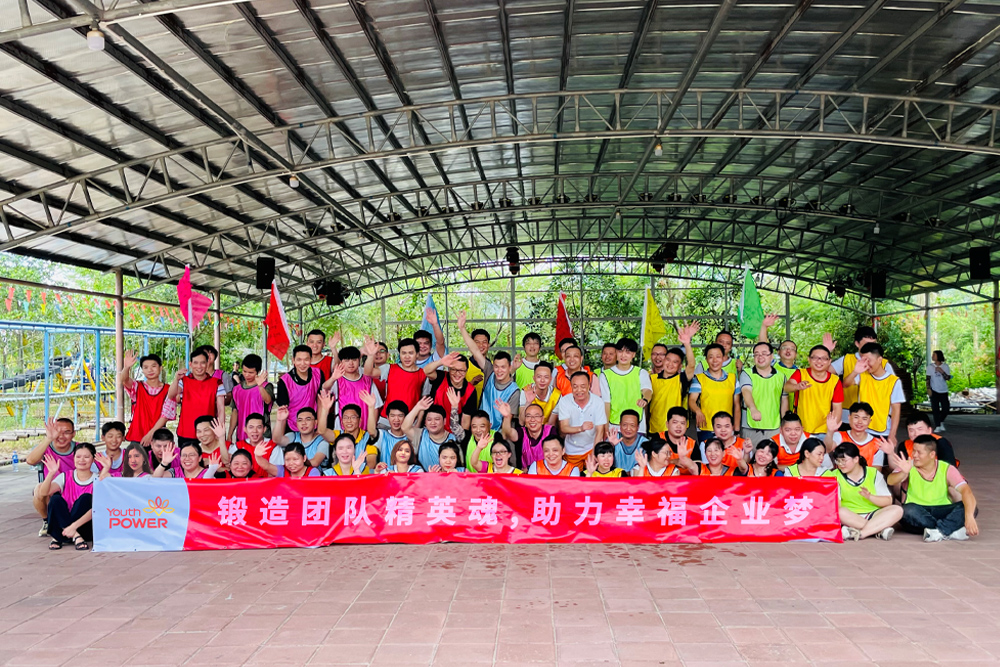
Over nearly two decades, the manufacturing operation has scaled to support projects across the globe, launching the proprietary brand "YouthPOWER" in 2019 to reflect its dedication to clean energy access and technical leadership.
Today, YouthPOWER proudly supports over 1,000,000 families globally with highly reliable, CEC-compliant, and durable storage systems built to safeguard properties from power fluctuations and rising costs.
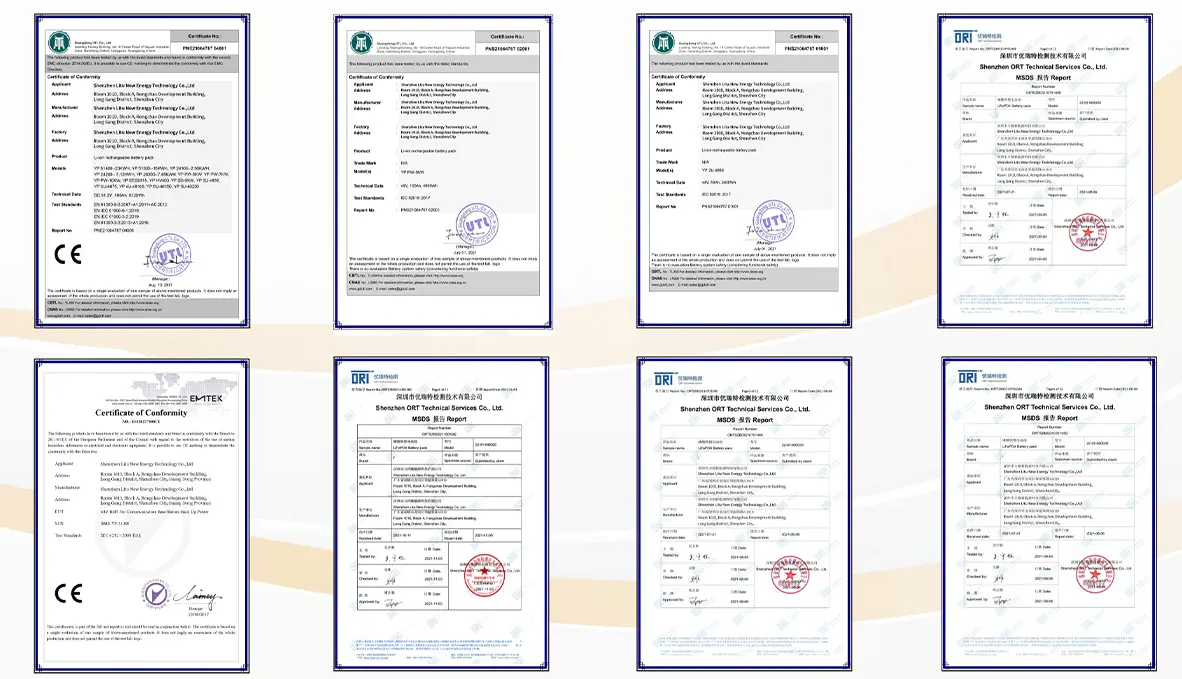
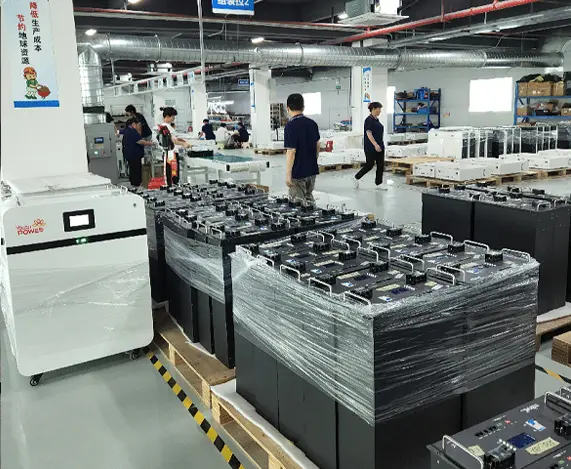
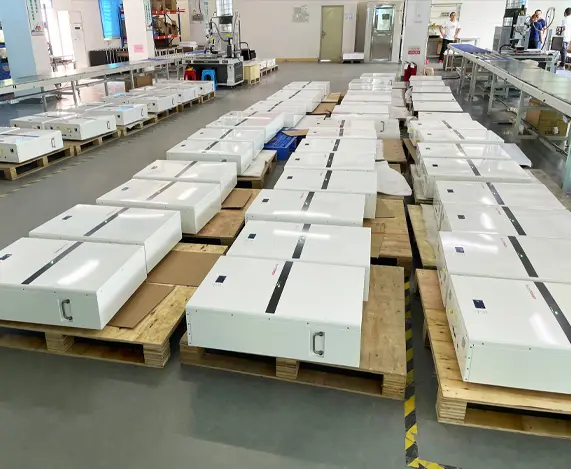
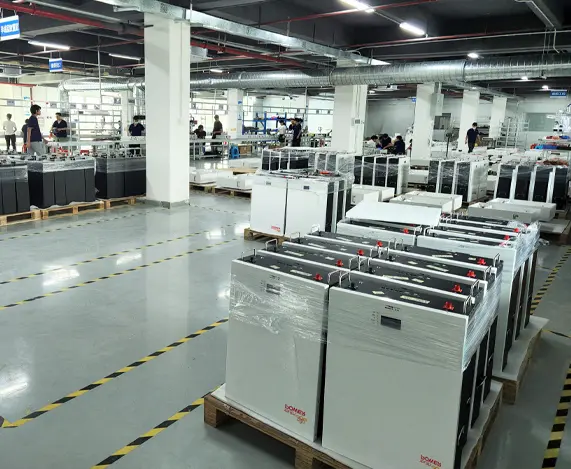
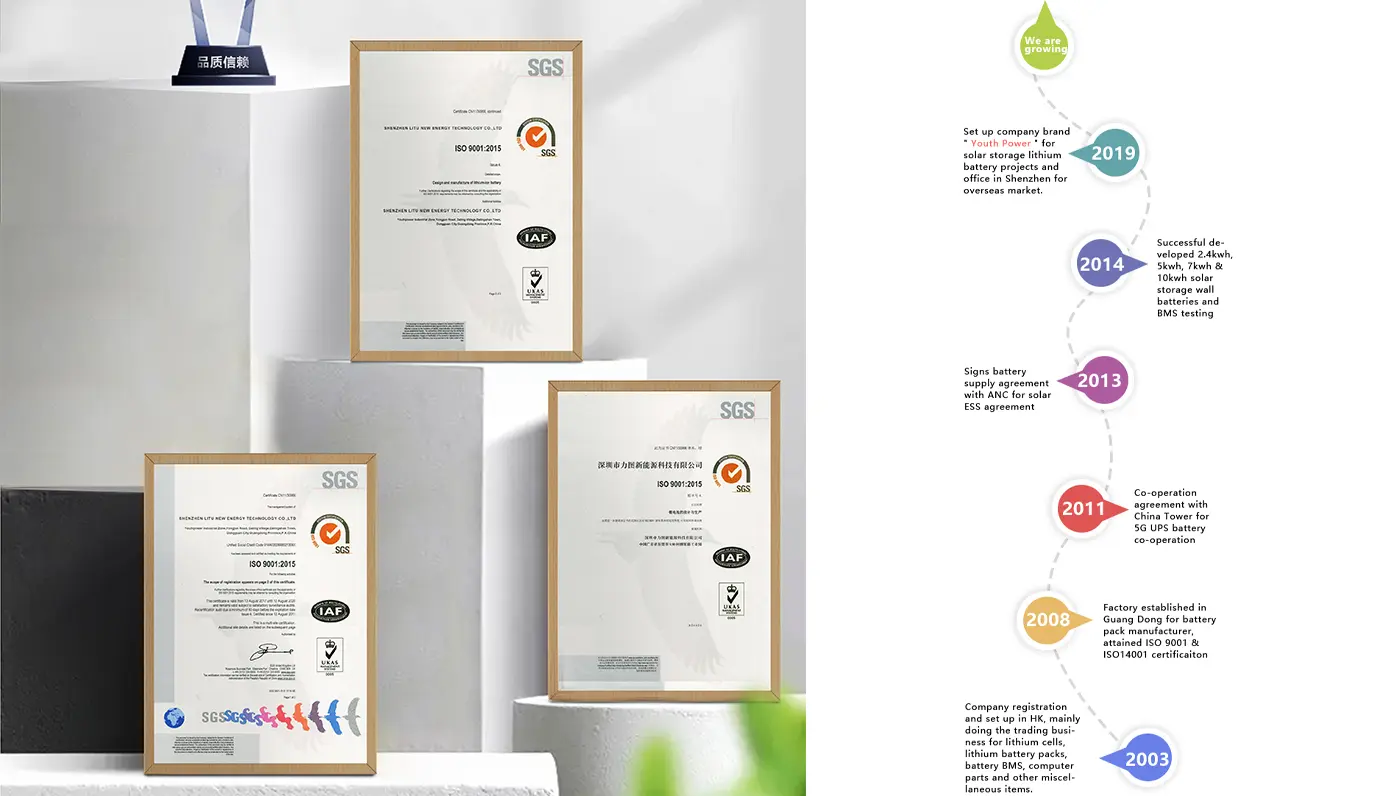
Global procurement teams, engineering consulting firms, and commercial developers in Melbourne require deep compliance assurances when importing large-scale battery storage solutions. Australia maintains some of the most stringent electrical equipment safety guidelines globally. When auditing factory production lines, the following standards are mandatory to review:
AS/NZS 5139 Integration: This standard details specific mechanical and layout requirements for battery installations to prevent fires and electric shock hazards. Factories must demonstrate that their pre-packaged battery cabinets isolate DC connection points and feature robust thermal run-away prevention barriers.
CEC (Clean Energy Council) Approval: To qualify for Victorian solar and battery rebates, systems must be listed on the Clean Energy Council Approved Products register. This requires extensive testing documentation, including IEC 62619 (safety of lithium cells in industrial applications) and AS/NZS 4777.2 (inverter requirements).
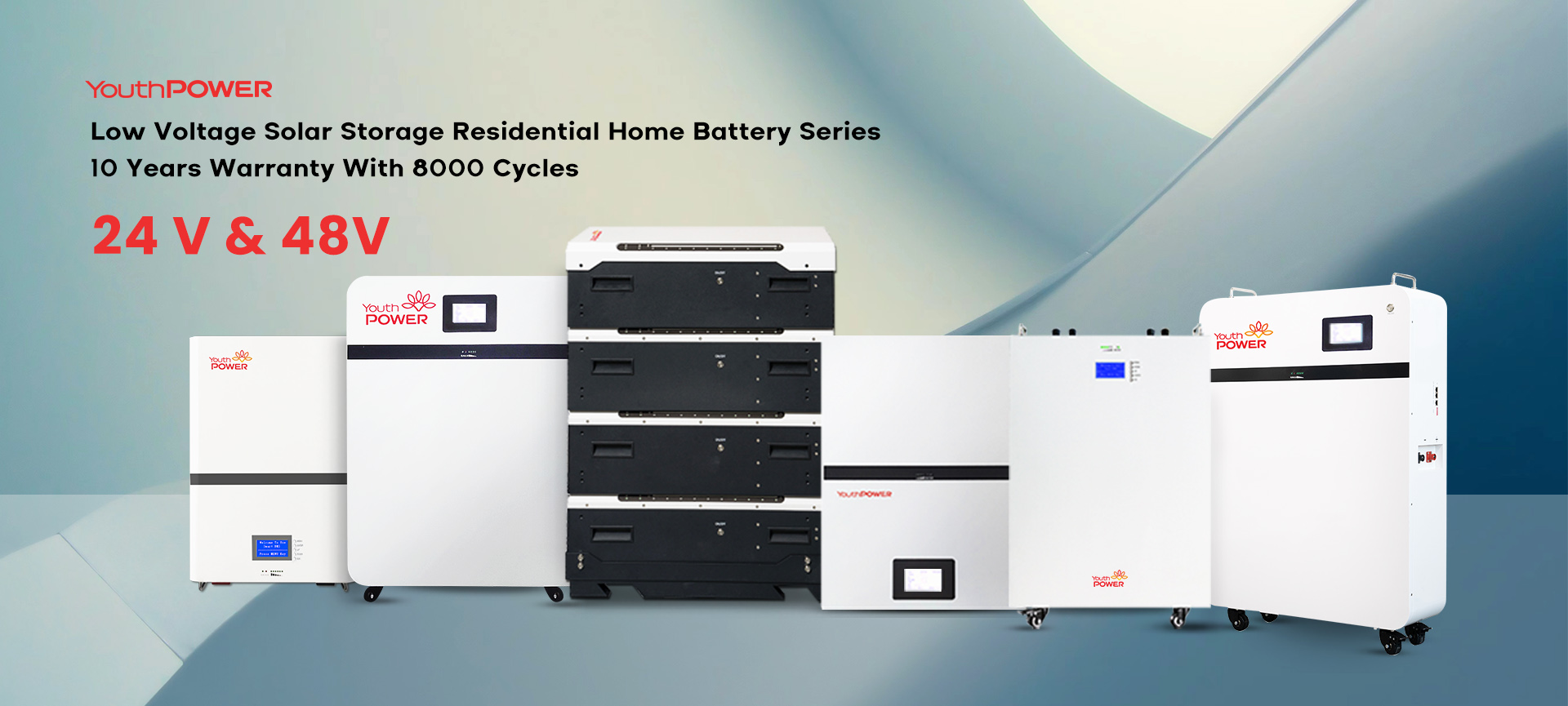
From micro-generation units to massive scalable outdoor setups, explore our fully compliant battery hardware catalog.
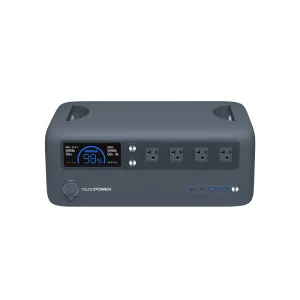
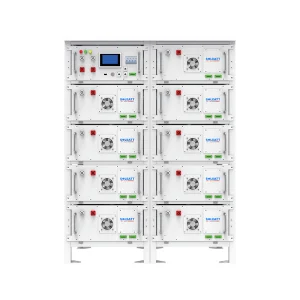
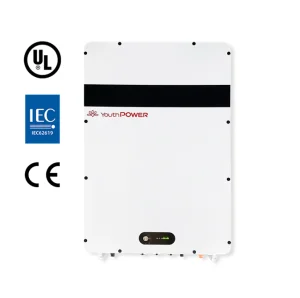
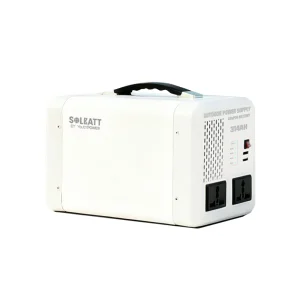
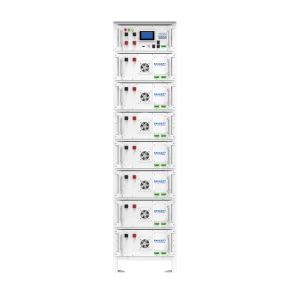
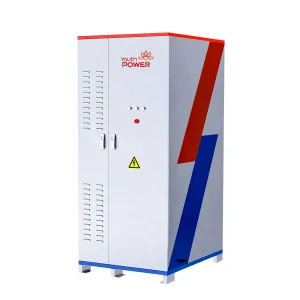
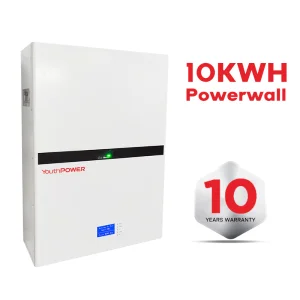
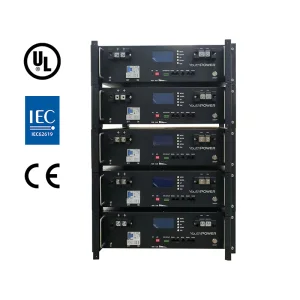
Crucial legal, financial, and mechanical considerations for importing and installing battery inverter systems in Melbourne.
 YouthPOWER