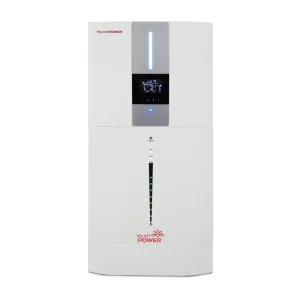
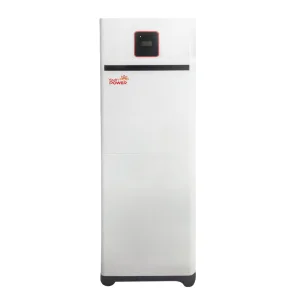
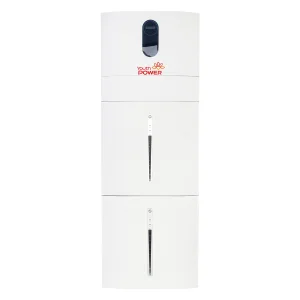
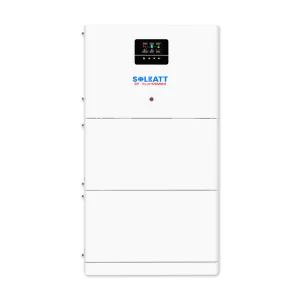
On the global stage, Lithium Iron Phosphate (LiFePO4) is dominant for C&I applications due to its chemical safety profile, thermal runaway resistance, and long-term economic advantages. YouthPOWER collaborates with leading battery cell suppliers globally, integrating high-grade prismatic LiFePO4 cells with smart localized BMS. This architecture supports dynamic integration with grid networks in Thailand where local frequency responses and voltage fluctuations present a challenge.
By shifting from manual grid operation to intelligent self-consumption modes, local factories can implement peak-shaving techniques, running off battery reserves during peak pricing blocks. This avoids high peak-demand surcharges levied by local utilities and ensures continuous power availability for automated production and sensitive cold storage operations.
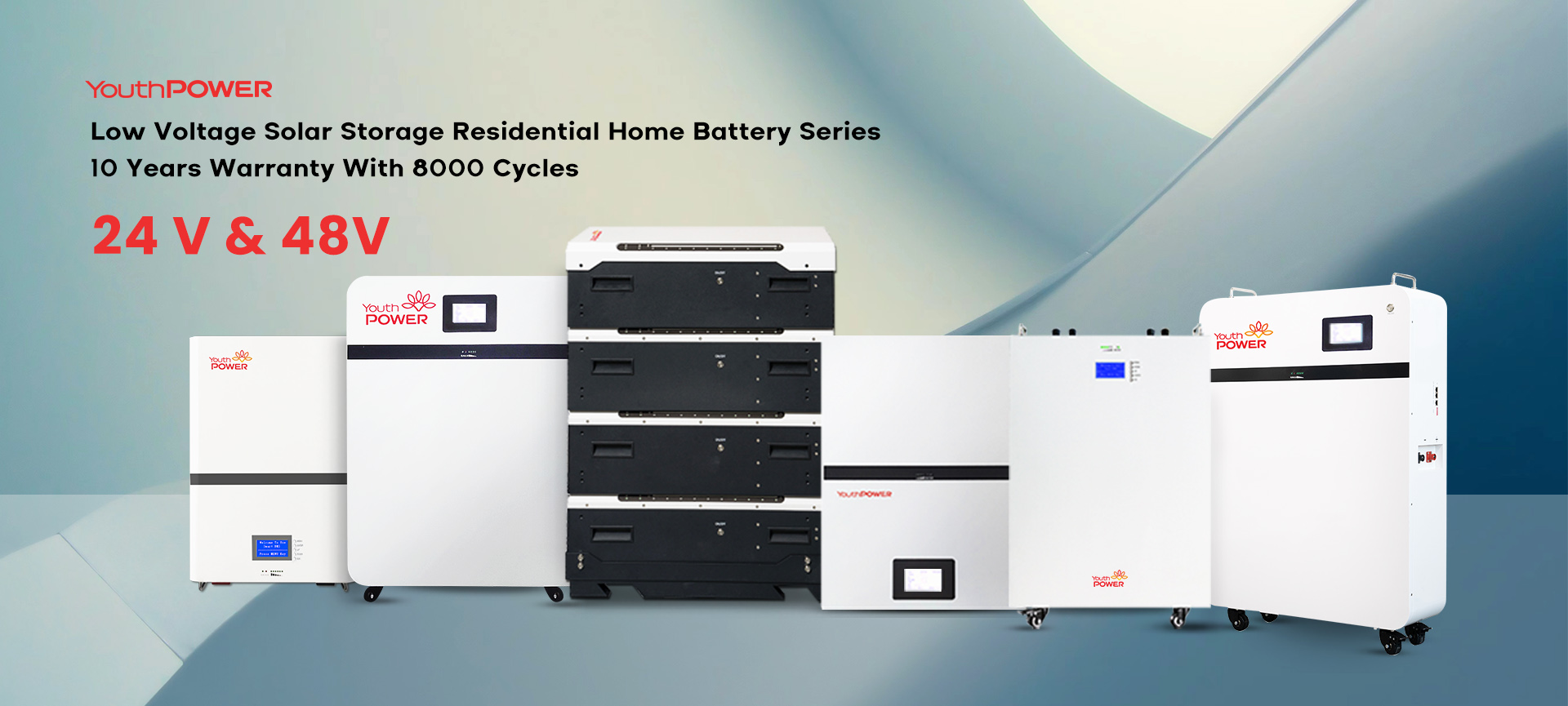
In industrial zones such as Chonburi and Rayong, factories experience massive demand charges. A combination of high-voltage LiFePO4 racks and commercial hybrid inverters discharges automatically during peak hours (9:00 AM - 10:00 PM on weekdays) and recharges during lower-tariff off-peak periods, lowering utility costs.
Islands like Samui and Phangan often experience power interruptions and depend on high-cost diesel generation. Integrating solar power with high-voltage rack systems lowers diesel dependency, ensuring stable, silent green backup power and protecting sensitive resort electronic equipment.
Telecom installations in Thailand's northern mountainous provinces require high reliability. Standalone 51.2V rack mount assemblies paired with reliable inverter modules provide continuous uptime, functioning efficiently in unconditioned, high-humidity outdoor telecom enclosures.
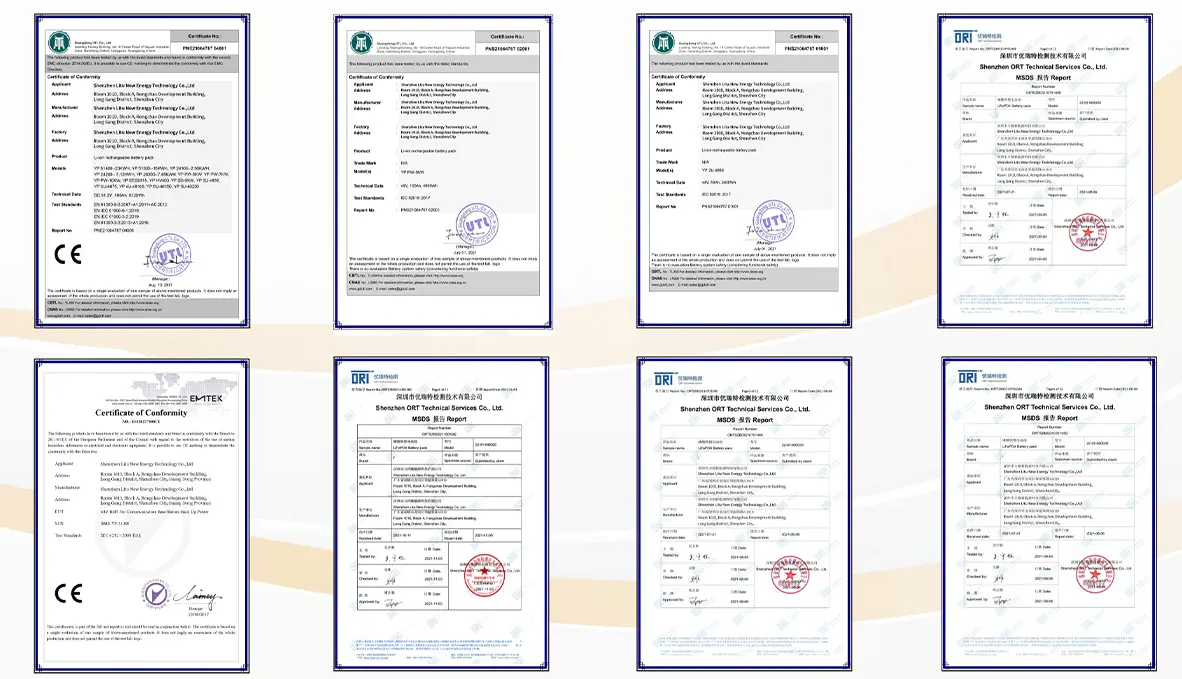
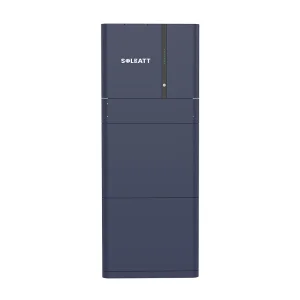
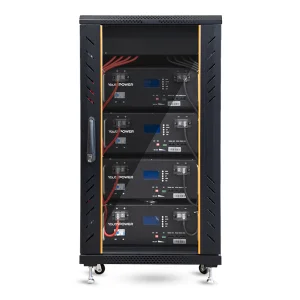
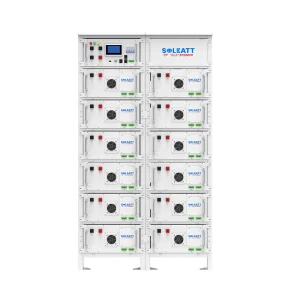
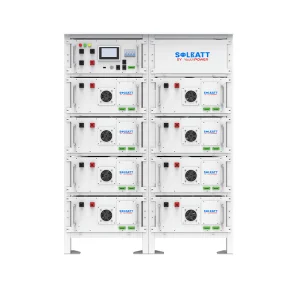
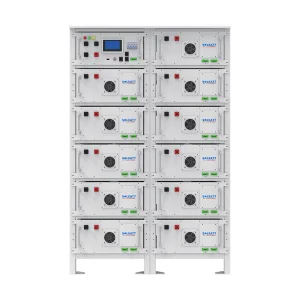
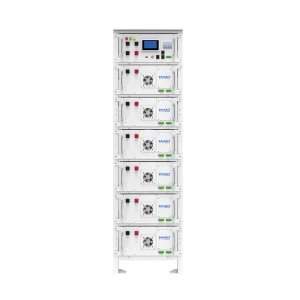
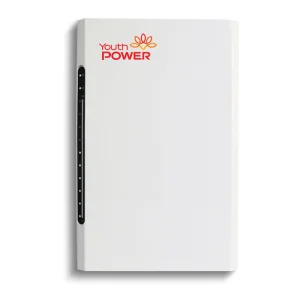
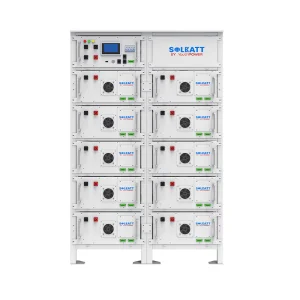
Our rack systems are engineered with physical airflow channels that isolate high-current busbars from individual cells. This design, combined with intelligent exhaust fans, keeps core temperatures below 32°C even during continuous C-rate charging cycles.
By configuring battery cells in series to achieve system voltages of 400V to 600V, the operating current is reduced. Lower currents minimize heat generation throughout the internal cabling, matching the performance profiles required by C&I facilities.
Each battery unit features a digital BMS that communicates with the inverter via CAN or RS485 interfaces. This enables real-time balancing of cell voltages and temperatures, protecting against over-current, over-charge, and short circuits.
Connect with our technical support team to receive system sizing recommendations, detailed electrical wiring schematics, and factory pricing for your upcoming commercial or residential projects.
 YouthPOWER