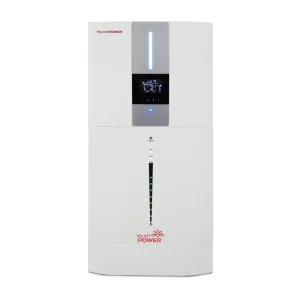
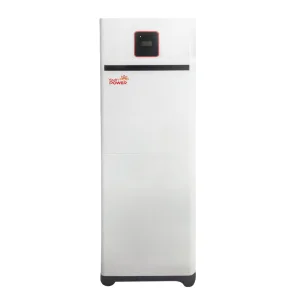
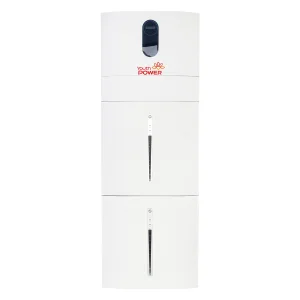
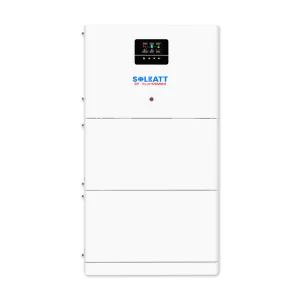
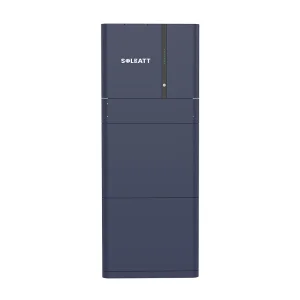
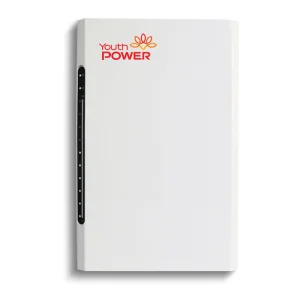
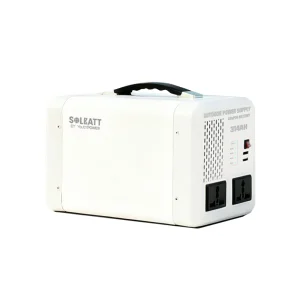
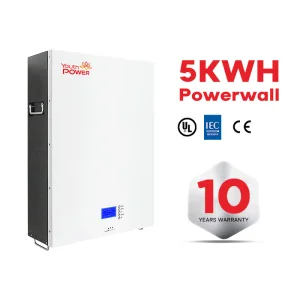
Premium low-voltage and split-phase high-voltage energy storage systems designed to operate seamlessly with standard Canadian utility setups.
Toronto's rapidly expanding commercial and residential sectors operate within a uniquely dynamic electrical ecosystem managed by the Independent Electricity System Operator (IESO). High-power users and building management teams in the Greater Toronto Area (GTA) face substantial utility pressures, notably driven by Global Adjustment (GA) fees and volatile Time-of-Use (TOU) rates. An efficient behind-the-meter Battery Energy Storage System (BESS) provides critical stability, acting as an economic shield.
By deploying high-density, reliable inverter-battery technologies, Toronto businesses can execute Peak Shaving and load shifting. Peak shaving reduces electricity consumption during Ontario’s 5 Coincident Peaks (5CP), driving significant savings in GA costs. Additionally, local infrastructure vulnerabilities—such as those exposed by severe winter ice storms and heavy summer grid loads—render localized backup systems essential for maintaining continuity in data hubs, cold chains, and residential complexes.
Our tailored lithium iron phosphate (LiFePO4) systems are engineered to withstand wide ambient temperature fluctuations. Integrating advanced thermal management systems guarantees battery performance down to -30°C, ensuring reliable operations when the Canadian winter demands it most.
A closer look at the advanced electrochemistry, hardware design, and safety systems powering our next-generation battery architectures.
Utilizing high-grade lithium iron phosphate (LiFePO4) instead of NMC chemistry. LiFePO4 offers exceptional chemical stability, eliminating risk of thermal runaway, and maintains an extended lifespan of 6,000 cycles at 80% DOD.
By transitioning from traditional 48V systems to high-voltage configurations (up to 400V–600V), we minimize cable diameter and system resistance. This reduces line transmission losses by up to 15%, maximizing overall system efficiency.
Our Proprietary Battery Management System (BMS) offers real-time monitoring of cell voltage, temperature, and SOC. Integrated CAN/RS485 interfaces support communication with leading global inverter brands.
In sub-zero Canadian environments, standard lithium batteries face lithium plating risks during charging cycles. Our design counters this with built-in thermal resistance heating pads controlled by the BMS. When core cell temperature drops below 0°C, incoming energy preheats the cells to 5°C before charging begins. This process ensures the battery's longevity and structural integrity.
Furthermore, our microgrid solutions integrate with variable sources like solar photovoltaics, local gas generators, and utility grids. Through intelligent EMS programming, users can set customizable parameters, shifting seamlessly to backup power within 10 milliseconds in the event of an outage.
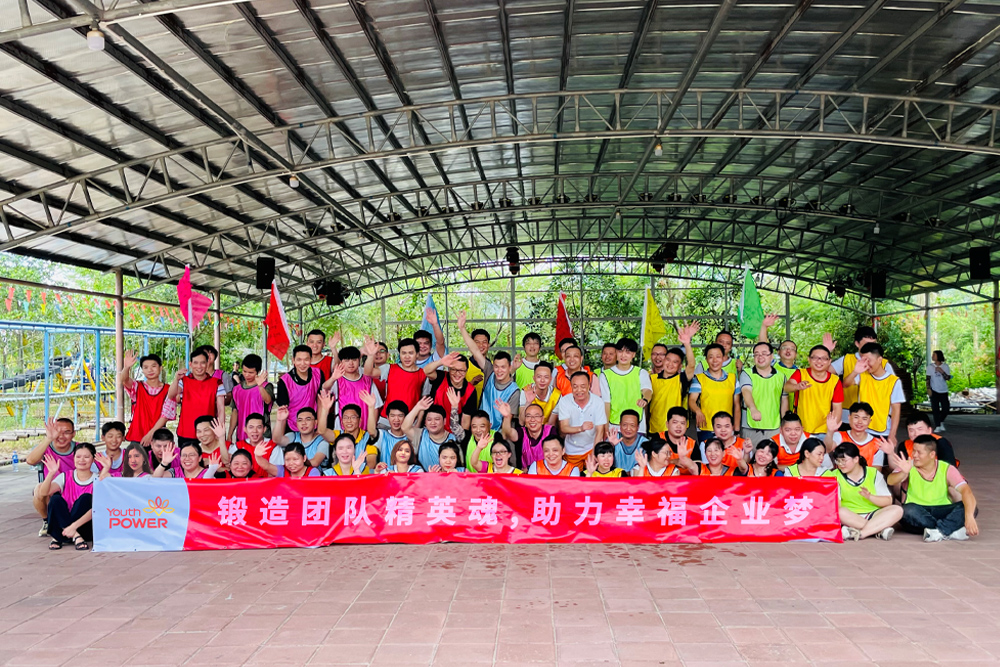
Founded in 2003, YouthPOWER has established itself as a leading global manufacturer of lithium battery energy storage solutions.
YouthPOWER has been at the forefront of battery technology and advanced cell pack manufacturing for nearly 20 years. Supported by rich manufacturing experience and robust R&D capabilities, we developed and launched our proprietary brand "YouthPOWER" in 2019.
Our commitment to performance, longevity, and safety has made us a trusted partner globally. Today, we are proud to provide reliable, high-efficiency solar storage systems to over 1,000,000 families and businesses worldwide.
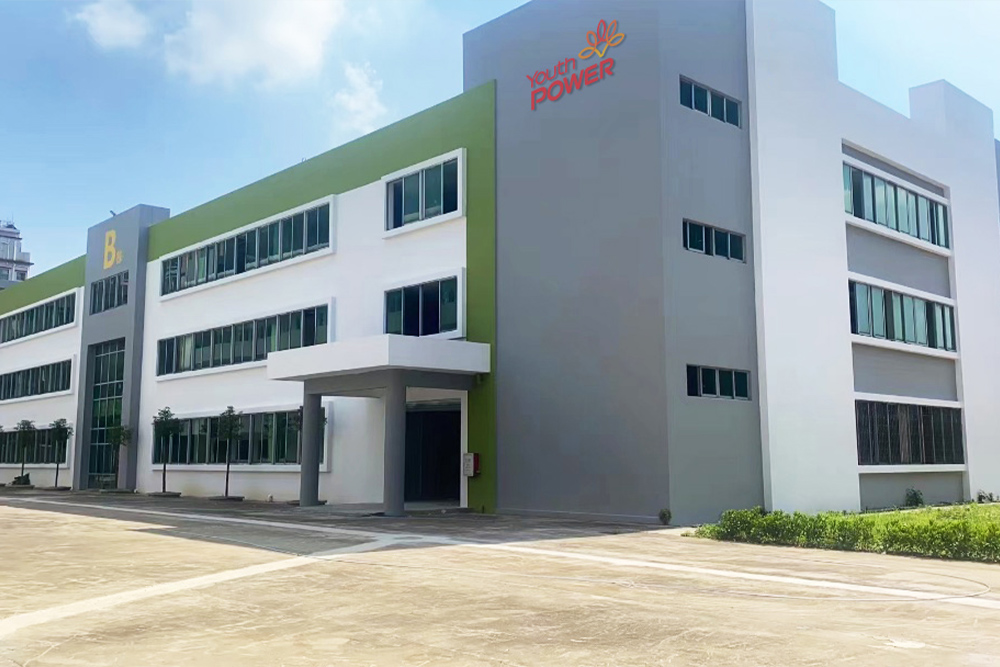
With vertically integrated manufacturing, we maintain control over the entire supply chain. From chemical cell sourcing to final packaging assembly, we deliver optimized costs and Tier-1 quality standards directly to the Toronto market.
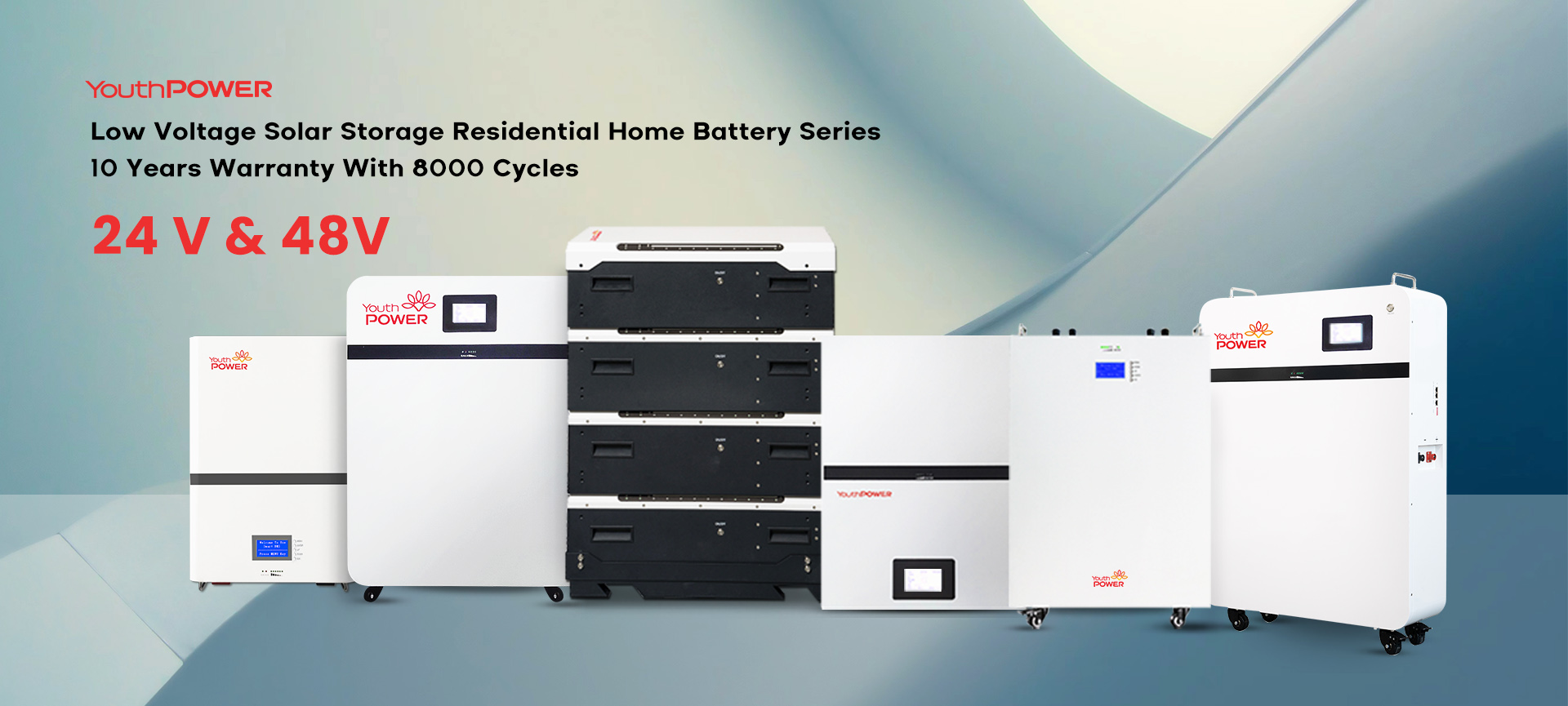
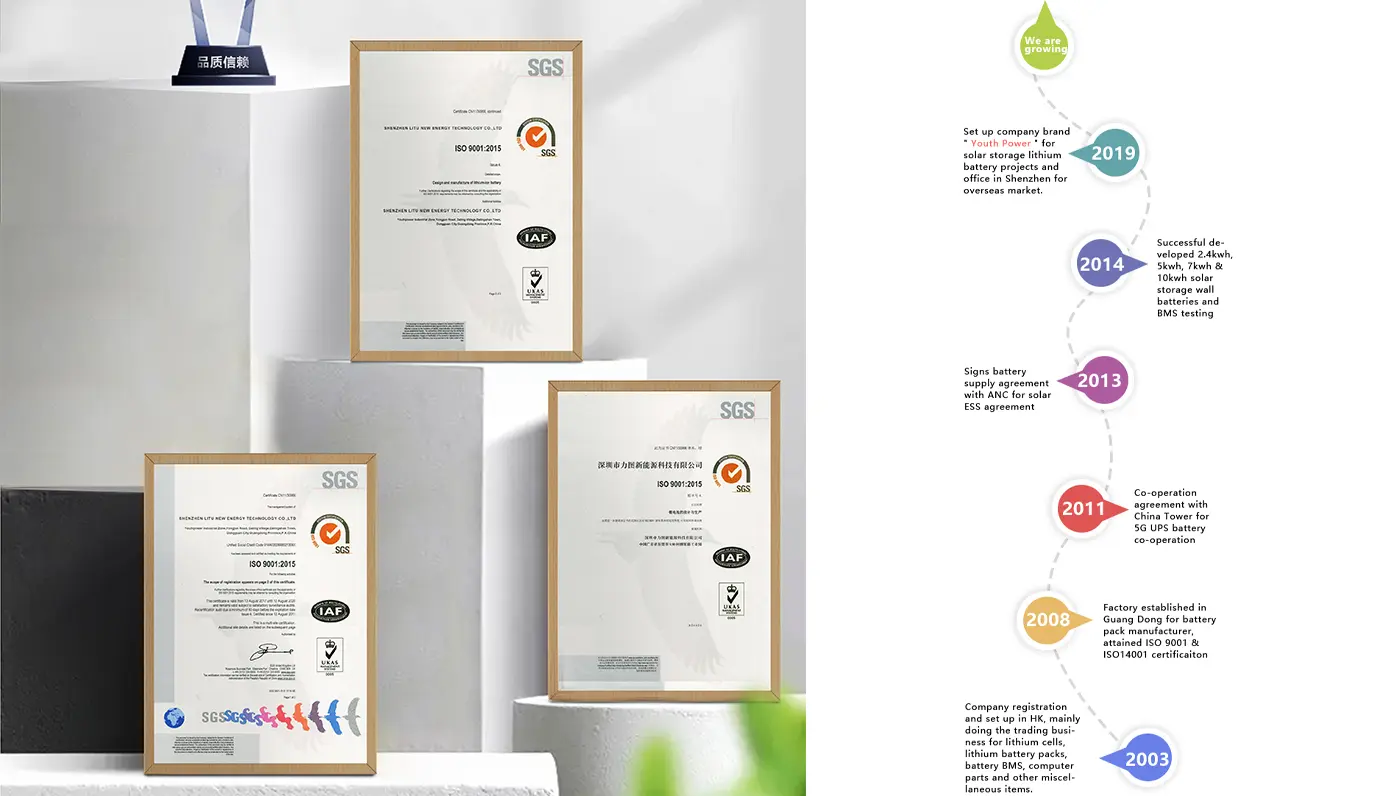
Our long-term partnerships with local raw material vendors allow us to secure competitive pricing, which we pass directly to project developers and distributors. Whether deploying a single-family system in Toronto or setting up utility-scale high-voltage configurations, YouthPOWER delivers robust, code-compliant equipment designed for high performance.
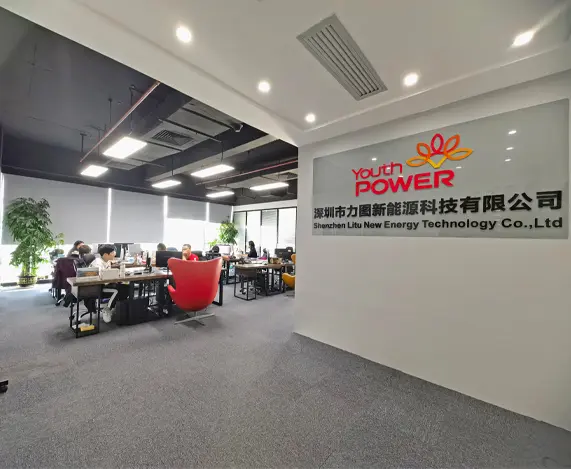
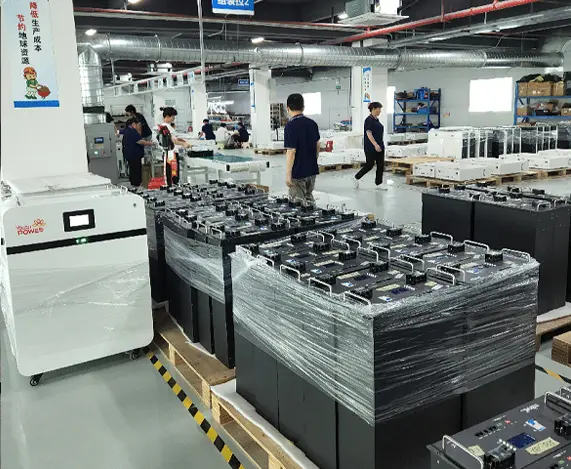
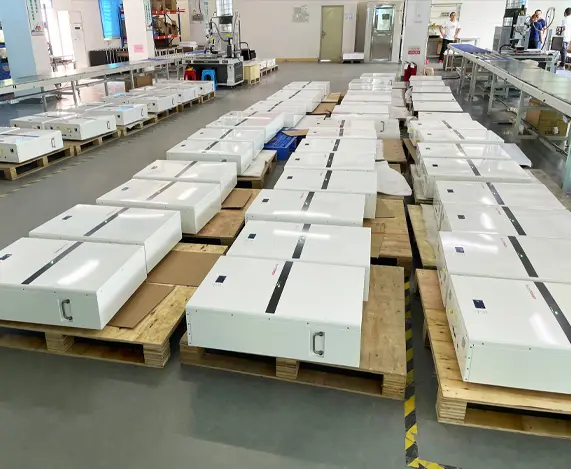
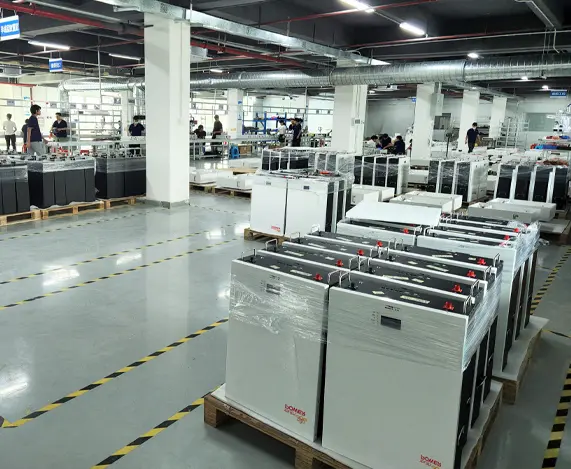
How our advanced production lines and process controls translate directly to quality and savings for Canadian importers.
Our production facilities utilize advanced manufacturing technology, incorporating automated sorting, optical inspections, and cell-matching algorithms. We group cells based on precise metrics—ensuring voltage deviation is kept within <5mV and internal resistance variation within <0.5mΩ. This precise alignment maximizes thermal stability and operational performance across the pack.
Operating out of China's premier battery production hubs allows us to maintain direct access to critical raw materials, including high-purity lithium carbonate, cathode precursors, and advanced copper-foil current collectors. This localized supply chain insulates our production lines from global shipping spikes and raw-material bottlenecks, ensuring reliable supply lines for our partners.
Every product undergoes extensive testing before shipment. We perform comprehensive thermal cycling tests, insulation resistance checks, high-pot testing, and full charge-discharge cycles to ensure compliance with strict international safety standards.
Meeting Canada's electrical standards to ensure smooth project approvals and grid interconnection.
In Canada, energy storage safety is governed by the Canadian Electrical Code (CEC) Part I, along with local provincial regulations like the Ontario Electrical Safety Code (OESC). Commercial and industrial energy storage installations must use systems verified under standard safety benchmarks.
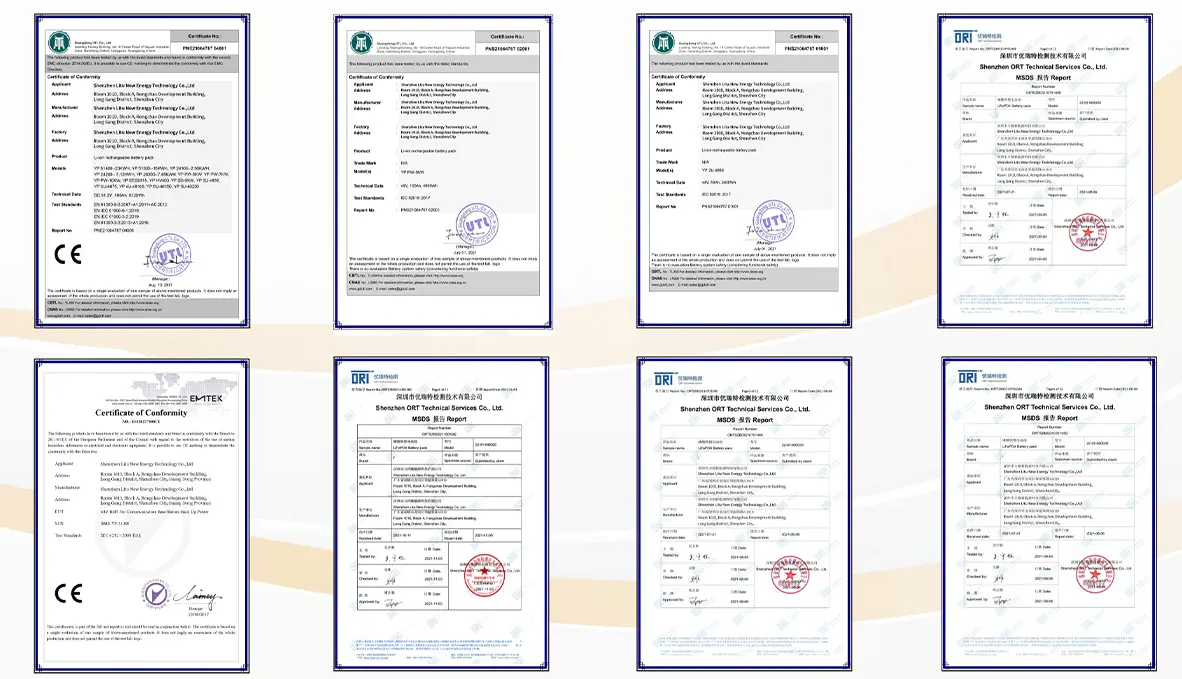
YouthPOWER configurations are engineered to meet safety standards like UL 1973 (for batteries used in stationary applications) and UL 9540 (for complete energy storage systems and equipment). These certifications simplify approval processes with the Electrical Safety Authority (ESA) in Ontario, preventing costly delays during interconnection assessments.
Additionally, our high-voltage battery cabinets comply with UL 9540A testing standards, which evaluate thermal runaway fire propagation. This compliance gives commercial building managers and local fire departments peace of mind, ensuring safety for dense urban installations throughout the Greater Toronto Area.
We work closely with local engineering partners, system integrators, and distributors in Ontario to provide field support, helping guide customers from early site assessment through final commissioning.
Explore our complete line of lithium energy storage options, ranging from portable power stations to high-voltage industrial battery racks.
Helping commercial enterprises meet sustainability targets, manage operational costs, and secure reliable backup power.
Commercial energy consumers in Ontario are subject to the Global Adjustment (GA) charge, which can account for up to 70% of a large industrial facility's electricity bill. Deploying high-voltage, large-capacity battery energy storage systems (BESS) allows companies to transition to off-grid mode during peak system demand hours. This practice—known as peak shifting—can significantly reduce historical peak demand allocations.
Our engineering team develops high-voltage containerized designs (ranging from 100kWh to multi-megawatt systems) built for direct integration with commercial distribution systems. With standard Modbus TCP and DNP3 communication protocols, our energy storage solutions integrate smoothly into existing SCADA setups and building automation networks.
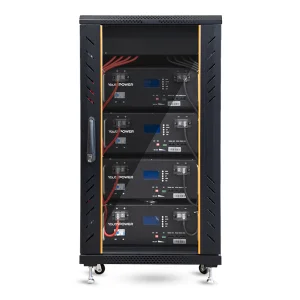
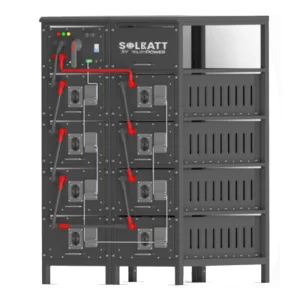
Additionally, our high-voltage battery cabinets (such as the 157KWH 563V system) are engineered to support applications like EV fleet fast-charging stations and critical emergency backups, providing stable, continuous power delivery.
Common questions regarding regulatory standards, technical integration, and system performance in cold climates.
Connect with our technical sales team for comprehensive custom designs, OEM options, and competitive pricing for the Toronto market.
Send Inquiry Now YouthPOWER