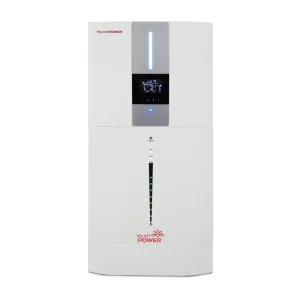
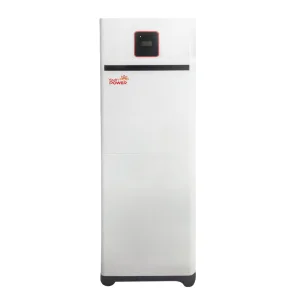
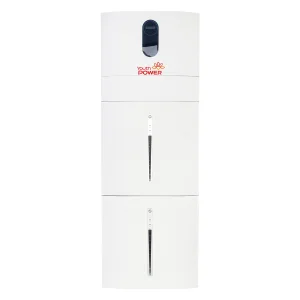
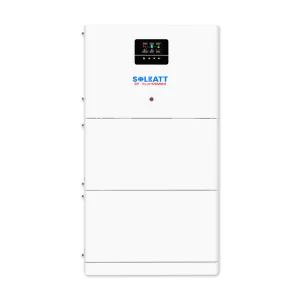
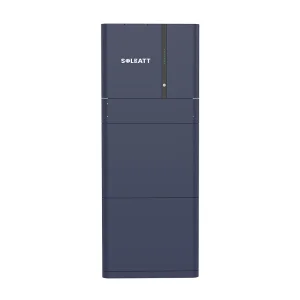
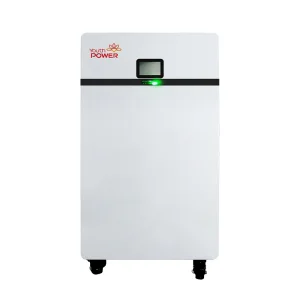
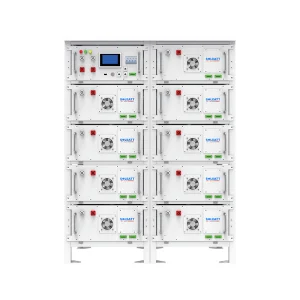
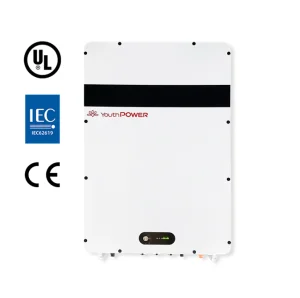
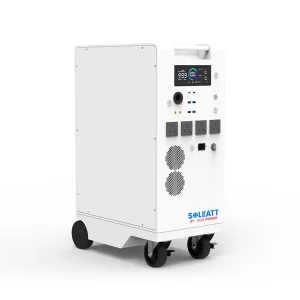
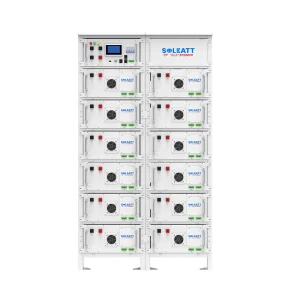
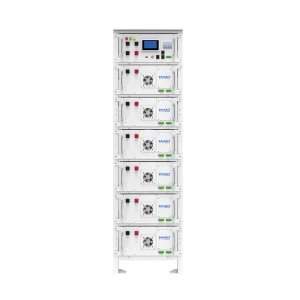
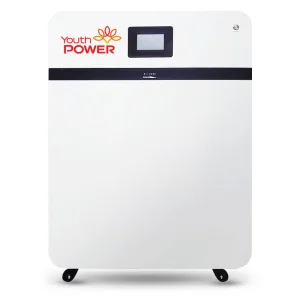
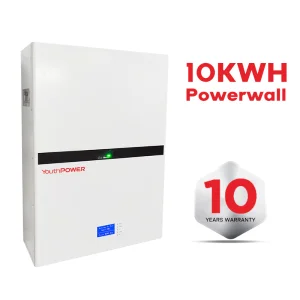
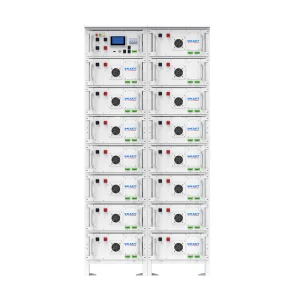
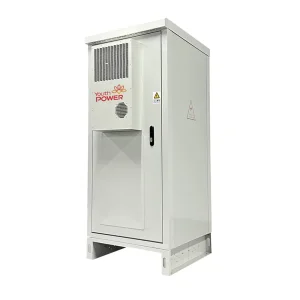
High-performance ESS systems configured for urban, industrial, and micro-grid installations across Southern Vietnam.
As the primary economic locomotive of Vietnam, Ho Chi Minh City (HCMC) and its adjacent manufacturing clusters—including Binh Duong, Dong Nai, and Long An—represent over 30% of the nation's industrial output. However, this intensive industrialization has placed massive pressure on the Southern Vietnam Power Grid (managed by EVN SPC). During peak dry seasons, industrial parks face grid volatility, harmonics instability, and periodic load-shedding threats. For electronics manufacturers in the Saigon Hi-Tech Park (SHTP) and textile processors in Tan Binh, even a micro-second voltage drop results in substantial financial losses.
In response to these localized risks, regional and multinational corporations are pivoting toward decentralized solar-plus-storage architectures. Commercial and Industrial (C&I) enterprises are looking beyond simple diesel backup generators—which suffer from high operating costs and environmental regulation barriers—to integrated Lithium Iron Phosphate (LiFePO4) inverter battery systems. This strategic evolution protects operational uptime while reducing peak demand charges (TOU tariffs), aligning directly with global Net-Zero initiatives.
Southern Vietnam boasts excellent solar potential with an average daily horizontal solar irradiation of 4.8 to 5.2 kWh/m². When paired with high-voltage Lithium energy storage systems (BESS), businesses in HCMC can achieve over 90% energy self-sufficiency, ensuring complete protection from grid voltage fluctuations.
Global procurement teams are shifting toward a "China + 1" strategy, highlighting Ho Chi Minh City as a crucial logistical and assembly hub for Southeast Asia. Local assembly facilities in HCMC offer advantageous tariff routes to the US, EU, and CPTPP member countries. However, the upstream supply chain for core battery components—especially high-capacity, chemically stable LFP cells—remains anchored in specialized Chinese gigafactories.
Recognizing this market dynamic, smart developers and Engineering, Procurement, and Construction (EPC) firms build supply chains that combine advanced Chinese R&D and cell production with regional system integration and local maintenance partners. This hybrid model ensures both high product reliability and responsive local support.
Founded in 2003, YouthPOWER has established itself as a premier global developer and manufacturer of solar storage lithium batteries. Spanning two decades of continuous battery chemistry research, our technology portfolio covers a complete spectrum of 24V, 48V, and high-voltage commercial ESS solutions. Backed by a strong R&D team and strict quality control processes, we launched our flagship brand "YouthPOWER" in 2019 to deliver tier-1 energy storage systems directly to worldwide markets.
Our company leverages automated manufacturing and robust supply chain integration to supply high-reliability products that meet diverse client requirements. With raw materials sourced directly from long-term, certified local and global partners, we deliver competitive pricing without compromising safety or performance.
We are proud that YouthPOWER has deployed reliable, clean energy storage systems to over 1,000,000 families and businesses globally, helping transition microgrids toward a cleaner, more sustainable future.
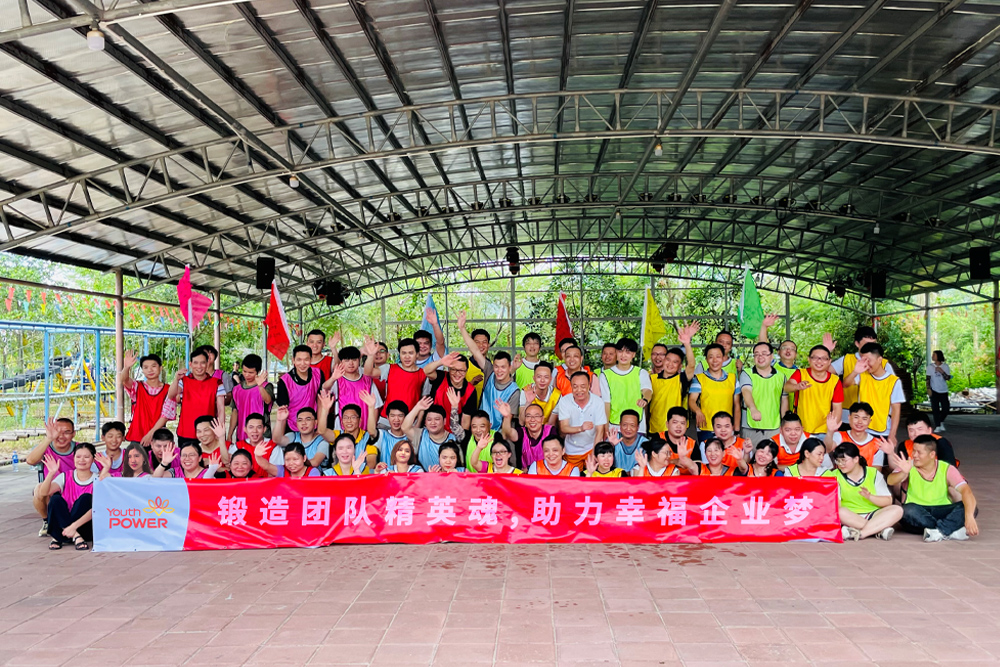
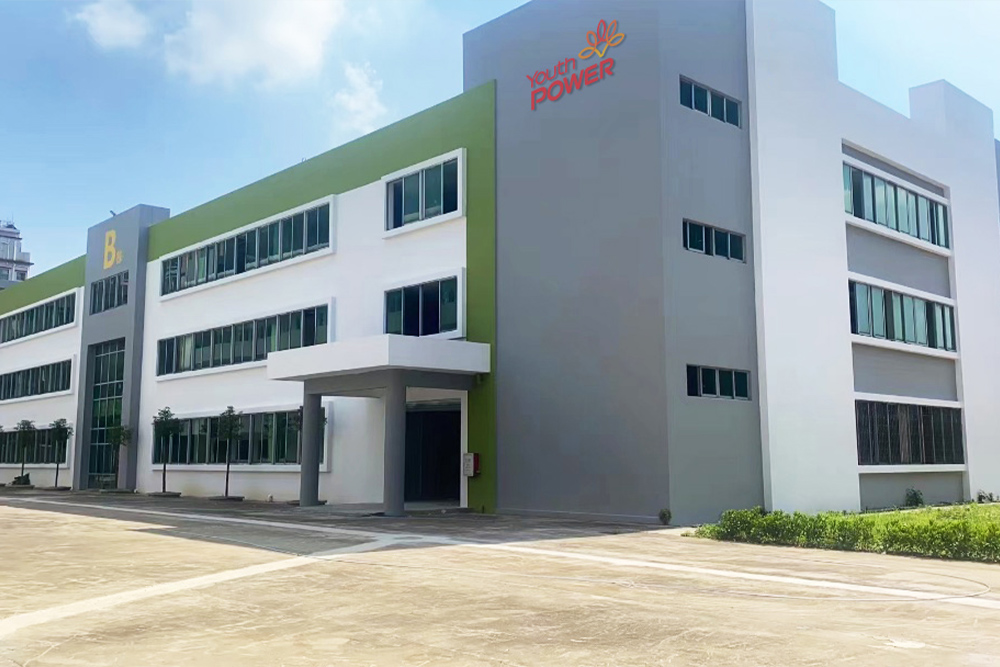
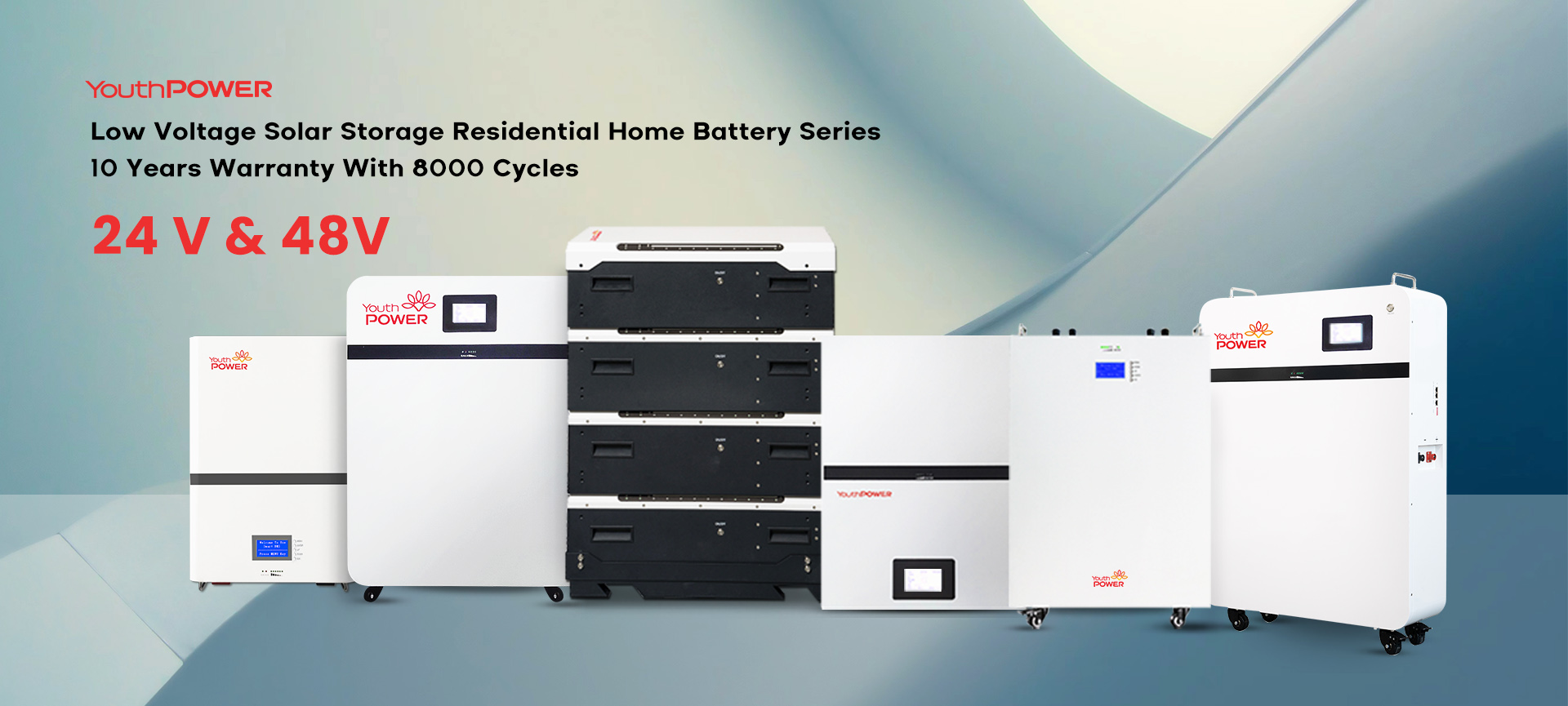
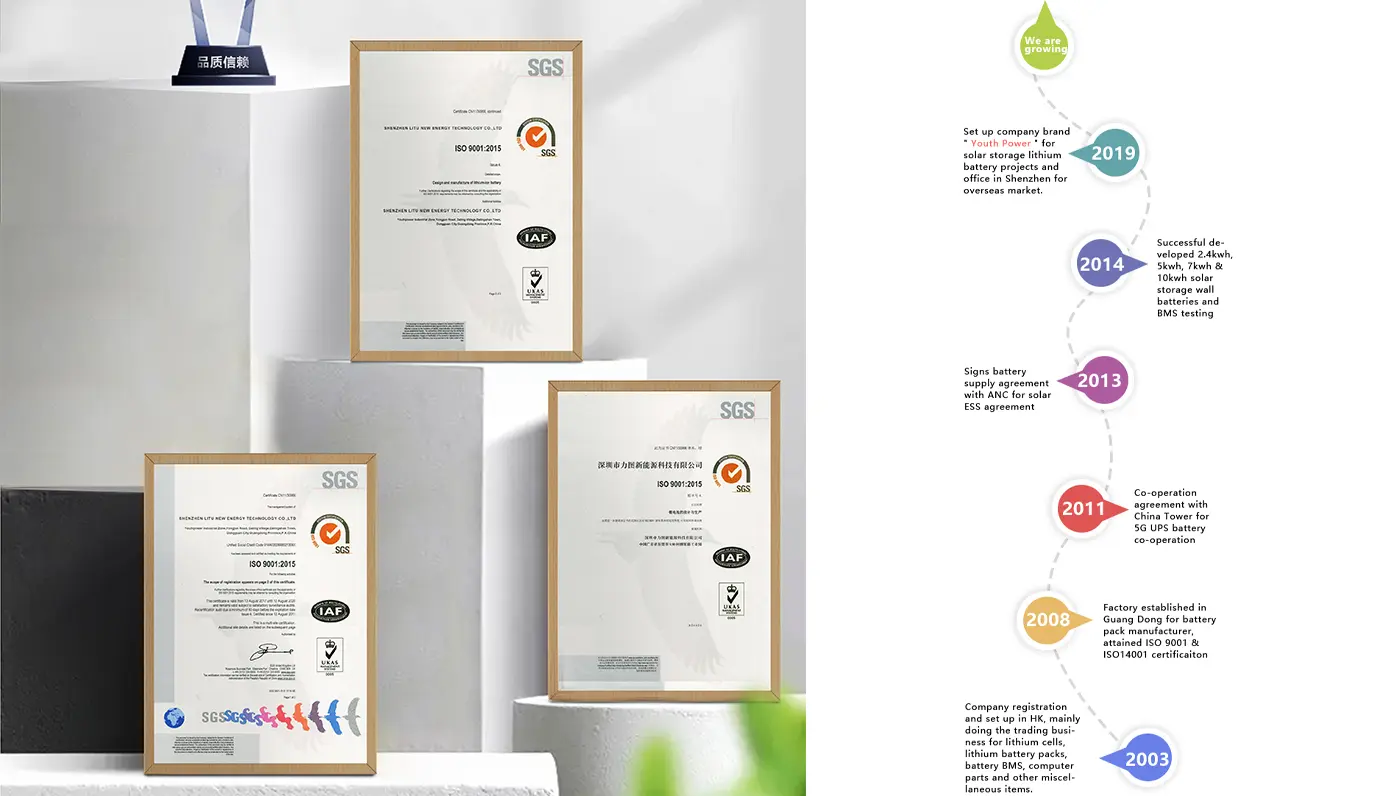
From custom industrial battery pack assembly to automated production of multi-megawatt containerized BESS, our engineering journey highlights a commitment to safety, technological progress, and strong partner relationships.
Initiated battery technology research and entered the industrial cell packaging market, building clean manufacturing foundations.
Transitioned from lead-acid alternatives to advanced Lithium Iron Phosphate (LiFePO4) chemical systems, establishing in-house BMS development divisions.
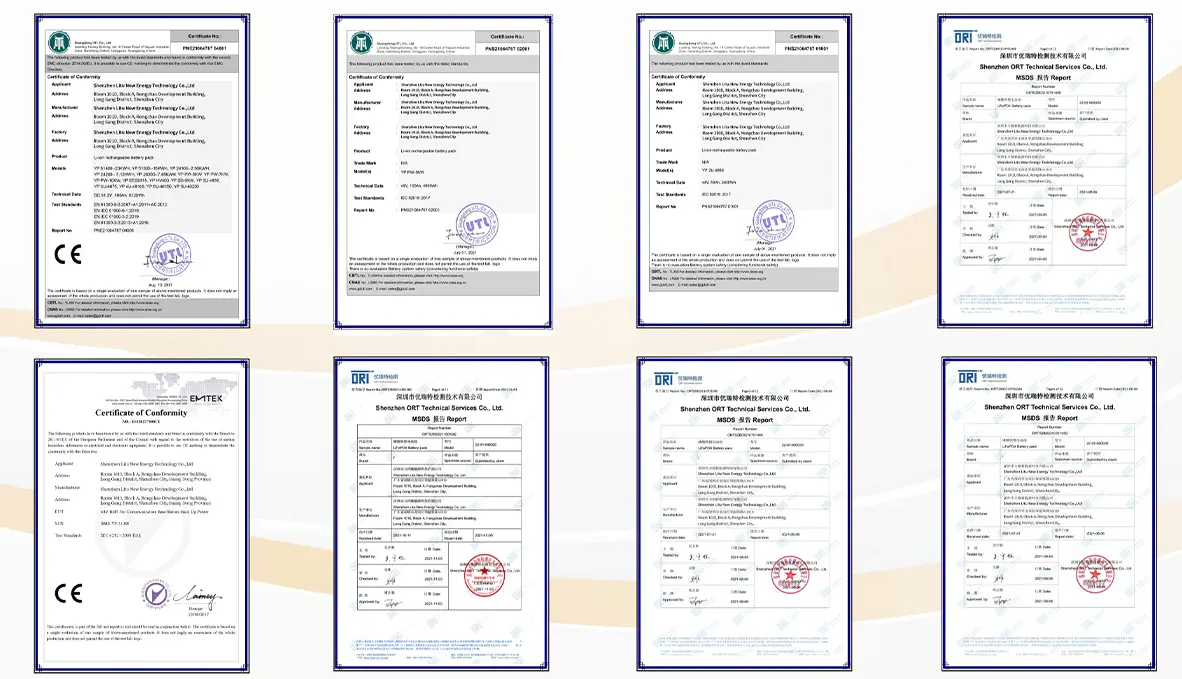
Launched the global brand "YouthPOWER", consolidating product lines under international standard certifications including CE, UL, and UN38.3.
Supporting over 1,000,000 households and commercial operators globally, partnering with regional distributors and installation networks across Southeast Asia, the Americas, and Europe.
Selecting the right energy storage partner requires assessing both cell chemistry and supply chain strength. The global battery market relies heavily on scale and technical refinement. Through China's Industry 4.0 automated manufacturing, YouthPOWER delivers high-consistency cell matching, laser-welded connections, and advanced end-of-line (EOL) testing protocols that ensure long-term product reliability.
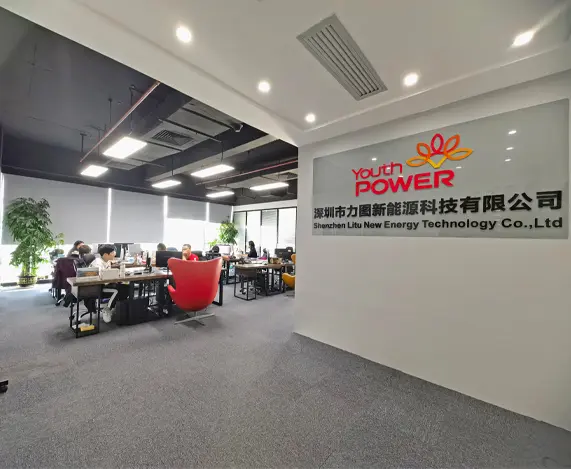
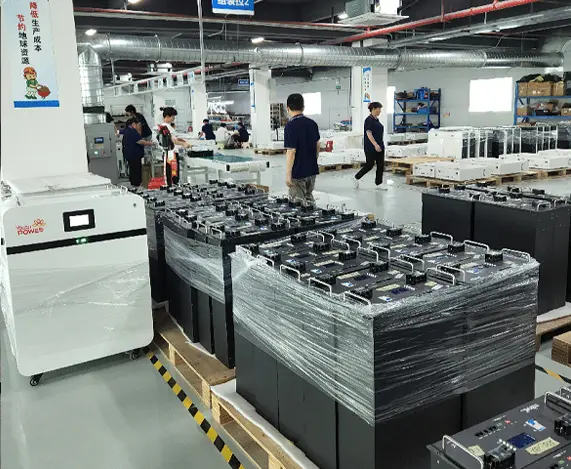
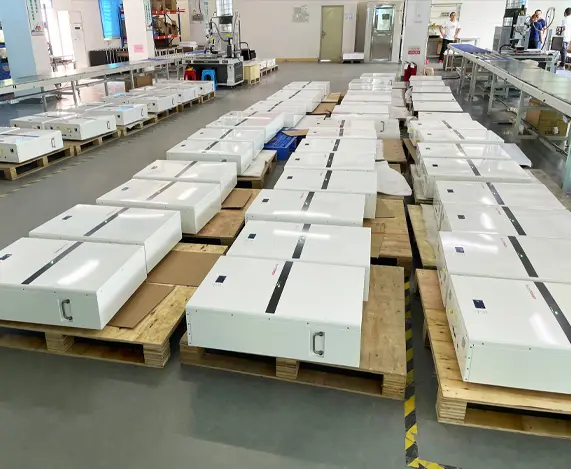
Combining automated production with flexible regional logistics, YouthPOWER offers a resilient supply model. Customers in Vietnam and other international markets benefit from lower import tariffs and rapid local delivery while maintaining access to advanced, large-scale battery production technologies.
From wall-mounted home backup systems to high-voltage commercial containerized batteries.
Tropical climates present unique challenges for lithium battery storage. Southern Vietnam's average humidity fluctuates between 75% and 85%, and ambient indoor warehouse temperatures often exceed 35°C. System specifiers must evaluate three primary parameters:
In high-humidity coastal regions like HCMC, condensation can damage electronic components. Wall-mounted and cabinet systems must feature corrosion-resistant structures and meet IP65 ratings for outdoor setups or at least IP20/IP54 with conformal-coated electronics for indoor locations. This prevents moisture ingress and maintains performance over long operational lifespans.
A high-quality inverter battery must communicate seamlessly with standard local and global hybrid inverters (such as Deye, Growatt, SMA, and Luxpower). The BMS should support CAN and RS485 communication protocols, allowing real-time monitoring of State of Charge (SOC), State of Health (SOH), individual cell temperatures, and balancing metrics. This level of system integration is critical for maintaining stable operation during peak demand periods.
Unlike standard Lithium Cobalt Oxide (LCO) or Nickel Manganese Cobalt (NMC) formulations, Lithium Iron Phosphate (LiFePO4) offers superior thermal stability and a longer cycle life (often exceeding 6,000 cycles at 80% Depth of Discharge). This makes LFP the ideal chemistry for high-cycle applications, offering a safer operating profile and a lower overall Total Cost of Ownership (TCO) for commercial installations.
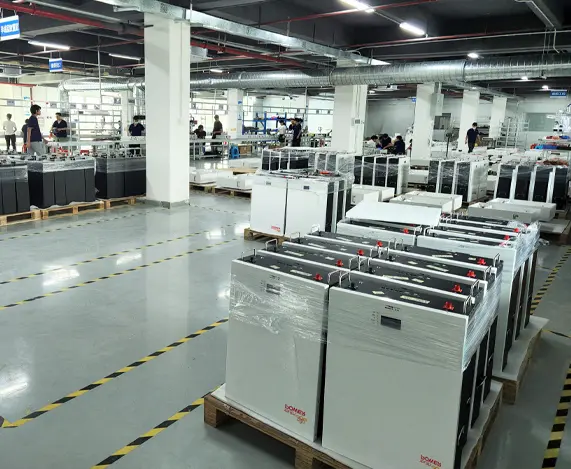
Technical insights to guide your sourcing, logistics, and integration decisions.
LiFePO4 (Lithium Iron Phosphate) offers superior thermal stability and safety compared to chemistries like NMC. This is particularly important in tropical climates like Ho Chi Minh City, where temperatures can be high. LFP cells also support over 6,000 charge cycles, providing a longer operational life and lower cost-per-cycle for solar setups.
We use automated testing processes to sort cells by voltage, internal resistance, and capacity before assembly. This ensures uniform charge and discharge rates across all modules, preventing early capacity loss and maximizing the performance of the entire pack.
For international markets, battery systems must comply with safety standards including IEC 62619, CE, and UN38.3 for transport. High-voltage commercial setups often require UL 1973 certifications. YouthPOWER maintains comprehensive compliance files to help streamline the import and customs clearance processes.
Yes. Our integrated BMS is pre-configured to communicate via CAN and RS485 protocols with popular hybrid inverters such as Deye, Growatt, Victron, GoodWe, and SMA, ensuring easy integration into new or existing solar installations.
 YouthPOWER