Industrial-Grade Reliability, Global Standards Compliance, and Next-Generation Smart Grid Integration Solutions
Explore our elite range of high-voltage and low-voltage lithium battery systems engineered for commercial, industrial, and high-performance residential deployment.
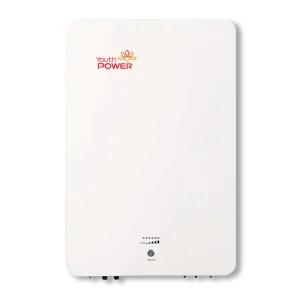
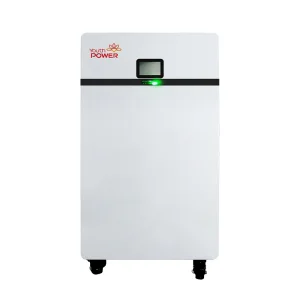
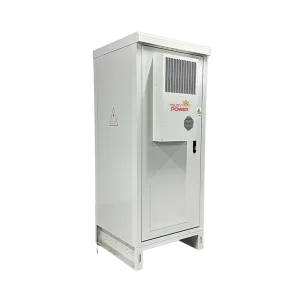
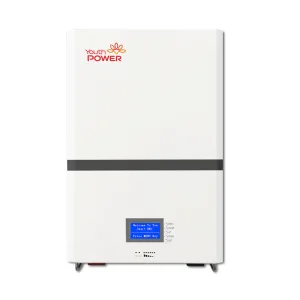
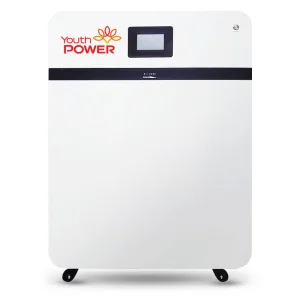
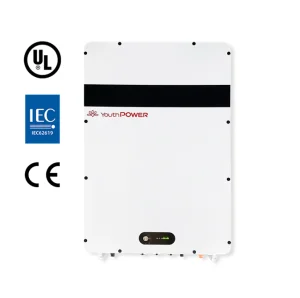
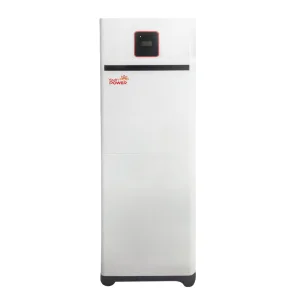
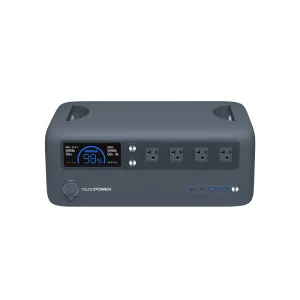
Rapid urbanization, fluctuating energy prices, and rigorous decarbonization policies are pushing grid architectures to their limits. Modern businesses require highly reliable, self-sufficient backup options that seamlessly stabilize volatile load cycles.
A 20 kWh battery bank acts as the structural nexus between high-capacity residential setups and scalable decentralized commercial grids. It optimizes return on investment (ROI) by offering high-capacity discharge rates without demanding extensive spatial footprints.
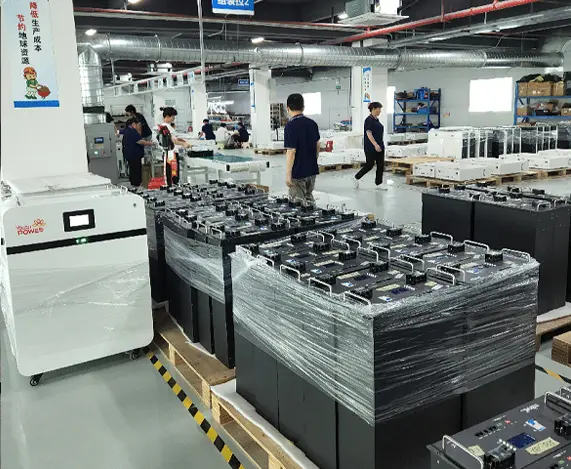
By leveraging Lithium Iron Phosphate (LiFePO4) cell chemistry, our manufacturing facilities achieve industry-leading safety standards. With thermal runaway thresholds significantly higher than NMC formulations, LFP represents the pinnacle of operational security.
When engineering high-density storage configurations, the interplay between nominal voltage, cell balancing, and dynamic battery management system (BMS) logic dictates the final efficiency of the system. Industrial applications typically split into two major configuration topologies:
| Parameter Details | LV System (51.2V 400Ah) | HV System (400V 50Ah Stacked) | Key Engineering Advantages |
|---|---|---|---|
| Nominal Capacity | 20.48 kWh | 20.00 kWh | Optimal energy buffer for Peak Shaving |
| Round-Trip Efficiency | ≥ 95.5% | ≥ 97.2% | HV systems reduce conversion thermal losses |
| Cycle Lifetime (80% DoD) | > 6,000 Cycles | > 6,000 Cycles | Premium Grade-A LiFePO4 cells utilized |
| Communication Interfaces | CAN, RS485, Modbus | CAN, RS485, TCP/IP | Seamless integration with VPP platforms |
| Thermal Management | Passive / Optional Active Air | Intelligent Active Thermal Management | Ensures cell-to-cell delta T < 2°C |
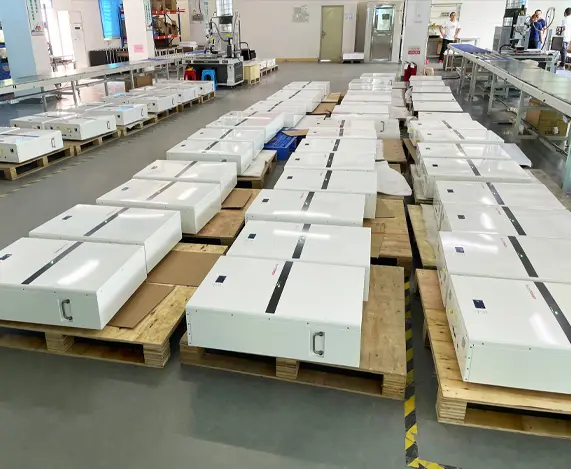
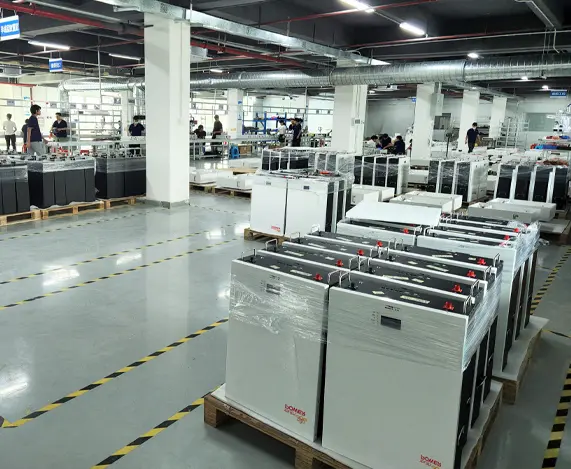
Our integration line leverages smart microprocessors capable of real-time cell-balancing algorithms. This dynamic equalization prevents cell degradation caused by localized state-of-charge (SoC) drift, boosting overall operational lifespan by up to 22% compared to standard off-the-shelf battery assemblies.
Driving sustainable energy global transition with almost two decades of advanced battery cell engineering and system integration.
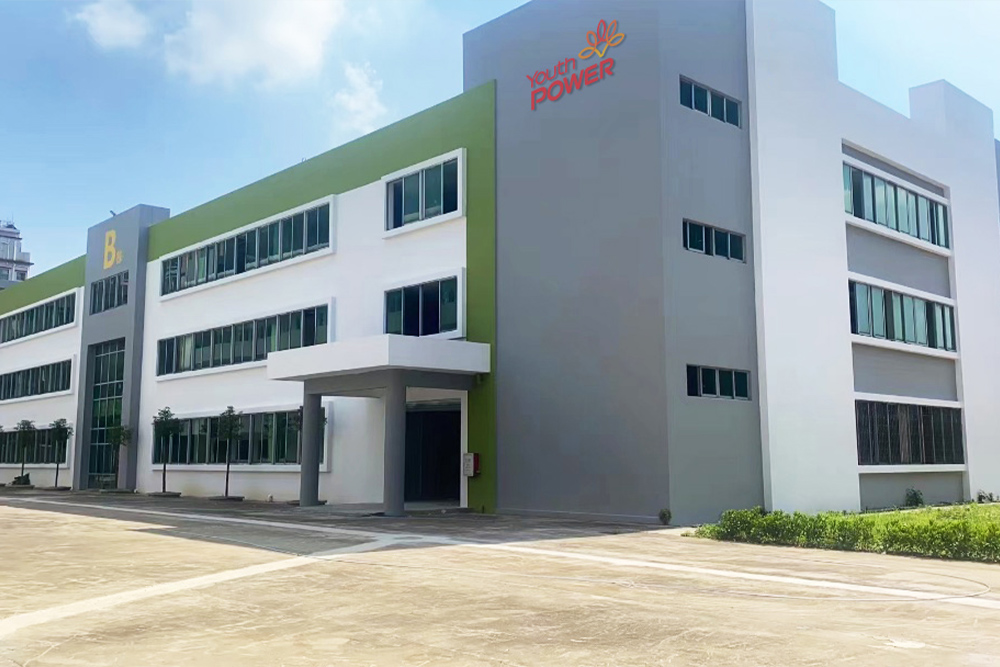
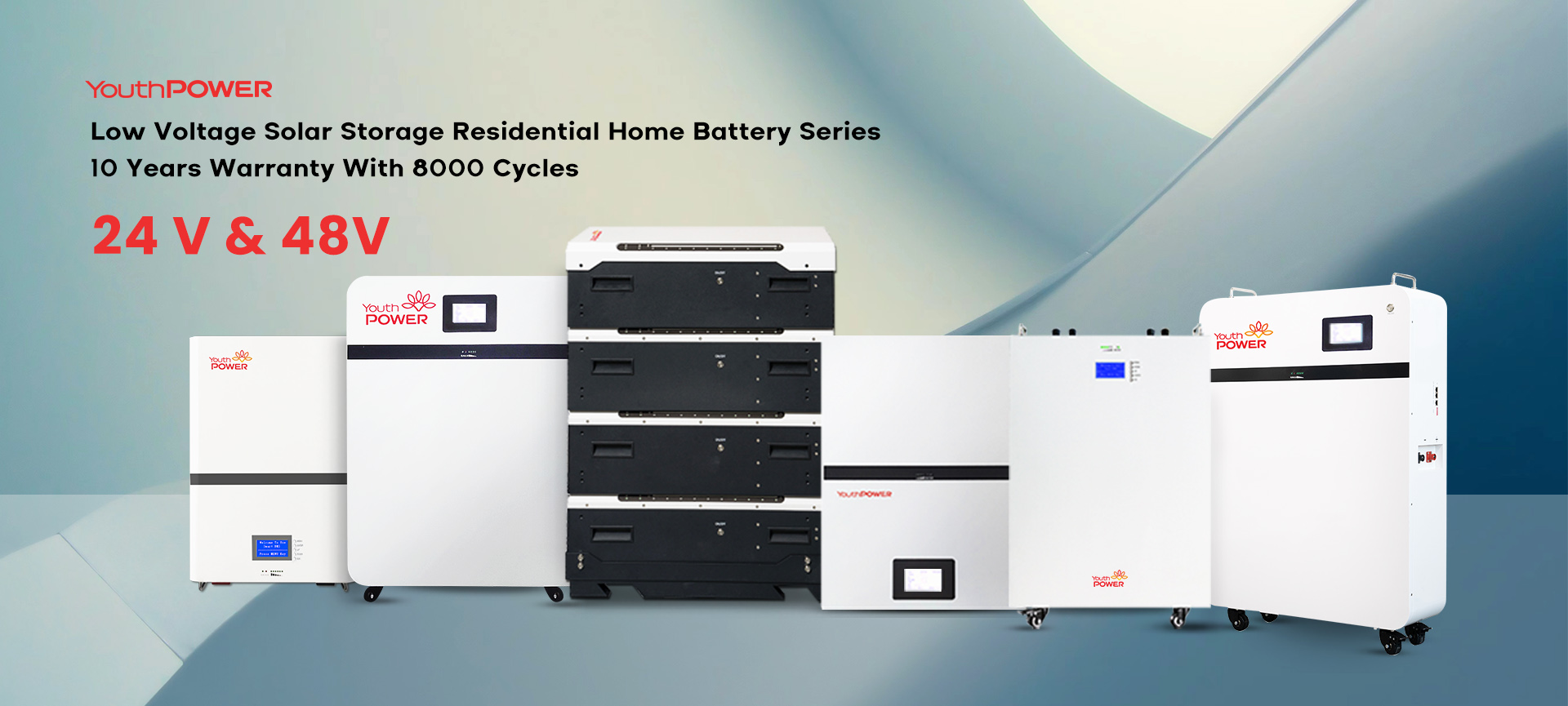
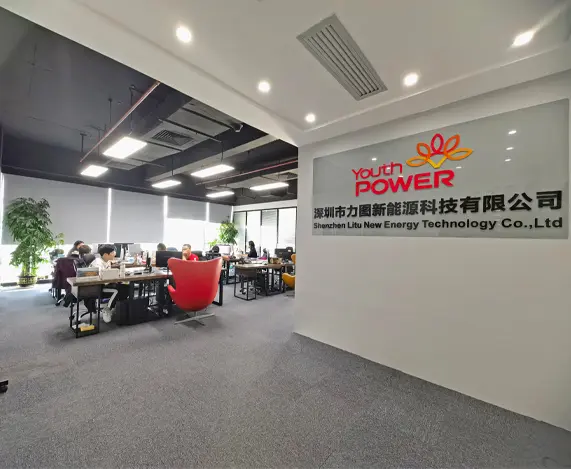
Founded in 2003, YouthPOWER has now become one of the leading suppliers of solar storage lithium batteries in the world. With a broad range of energy storage solutions, it covers a series of 24V, 48V and higher voltage lithium batteries solutions.
YouthPOWER has engaged in the battery technology and production for almost 20 years, with abundant manufacturing experience and strong new product R & D capability. Through many years of hard work and market promotion, we have created our own brand "YouthPOWER" in 2019.
With nearly 20 years’ experience in the battery industry, we have the capability to provide you with both the products you need and the most suitable products you want. We are always ready to supply the first-class products and meet the various needs of the customers.
We have established good business relationships with our customers from all over the world. And we have a good cooperation with all our customers as well for many years running. Supported by our local vendors of raw materials, we can certainly offer you the best prices.
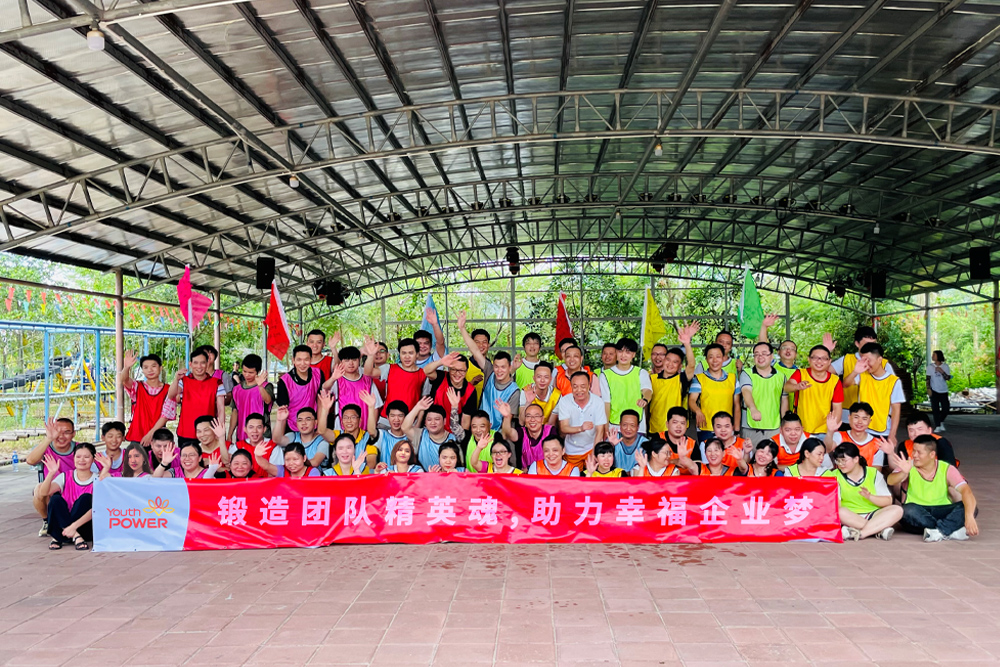
We are so proud that YouthPOWER has offered the reliable solar storage solution for over 1,000,000 families now in the world.
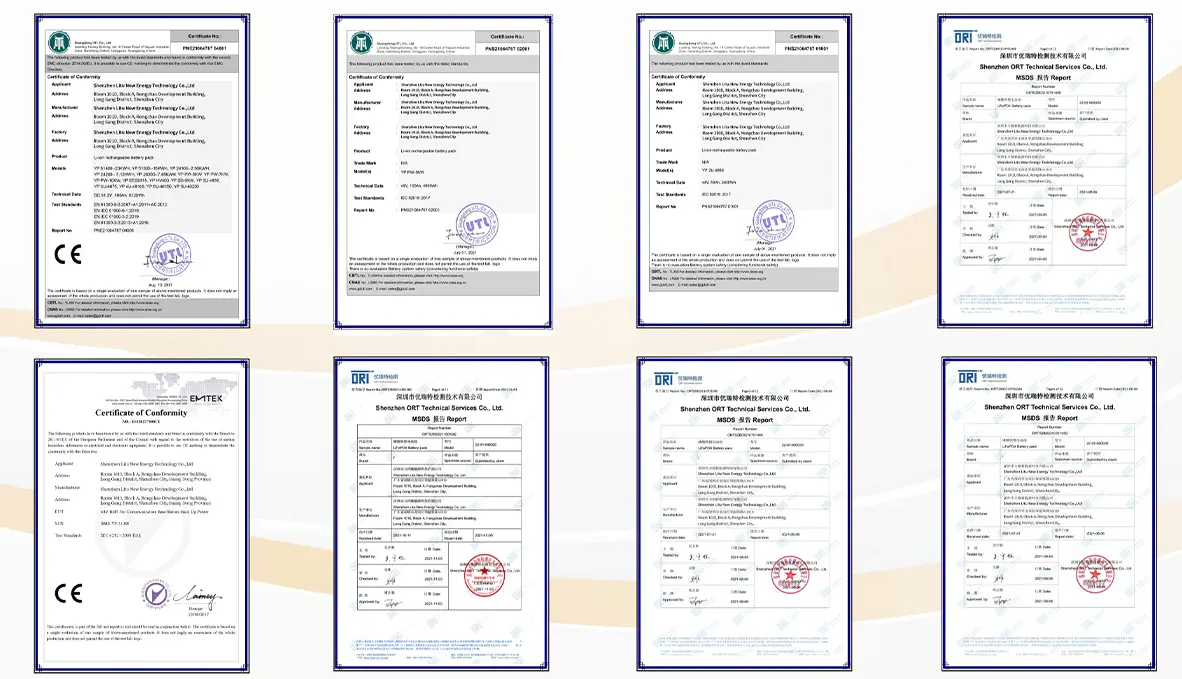
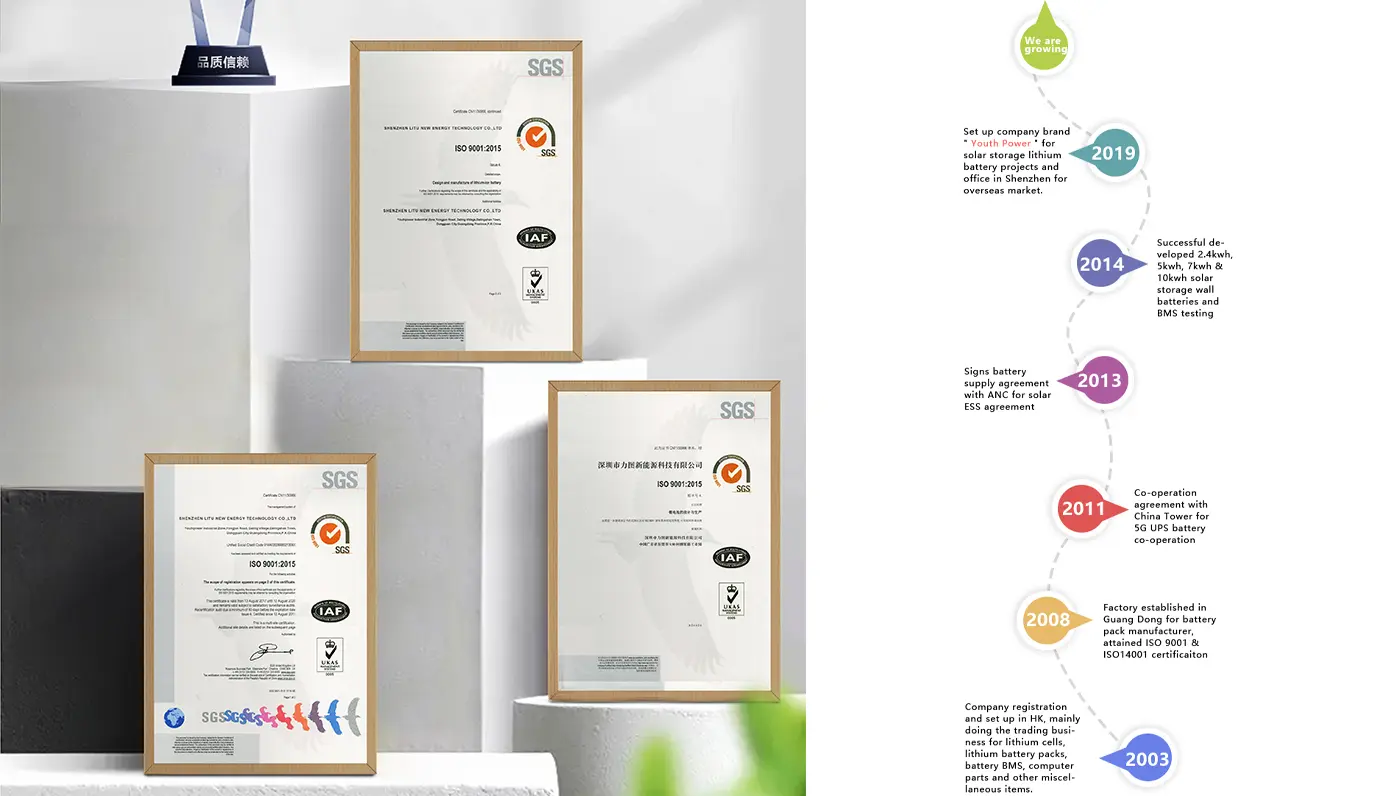
Energy system installation is highly dependent on geographical regulations and localized grid operational models. A robust, smart 20 kWh battery storage bank must meet strict localized standards to qualify for utility feed-in tariffs, net metering programs, and critical safety certifications.
For installations in the US and Canada, our lithium-iron phosphate battery storage cabinets comply with UL 1973 (for cell units) and UL 9540 (integrated system safety). This simplifies permitting processes through local AHJs (Authorities Having Jurisdiction) and ensures structural fire propagation protection.
In Europe, compliance with IEC 62619 represents the ultimate safety verification for industrial energy storage units. Our system features dual hardware-based protection lines that disconnect high-voltage nodes immediately in the event of voltage, temperature, or current anomalies.
Designed to withstand extreme environmental heat, our cooling mechanisms are optimized for APAC and Australia. YouthPOWER storage products are compliant with the Clean Energy Council (CEC) lists, matching regional standards for microgrid safety and distribution connection rules.
Our commitment to continuous technological development drives our engineering teams. We are actively executing on a clear product development roadmap designed to maintain our status as an industry leader:
Integrating semi-solid state materials to raise energy densities beyond 220 Wh/kg, which will reduce the volumetric footprint of our 20 kWh systems by 30% while retaining high safety levels.
Introducing machine-learning algorithms into the BMS firmware to predict battery life decay, optimize cell balancing remotely, and forecast microgrid performance based on historical usage patterns.
Upgrading communications systems to support high-speed aggregate grid frequency response services, allowing users to monetize stored energy by supplying power back to regional grids.
Detailed, engineering-backed answers to critical questions from project developers, system integrators, and distributors.
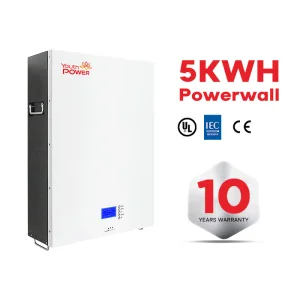
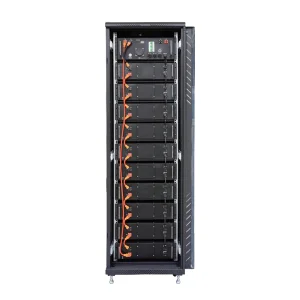
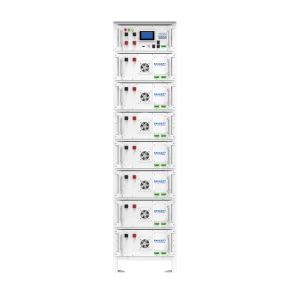
Select high-capacity commercial, industrial, and residential options engineered for absolute reliability.
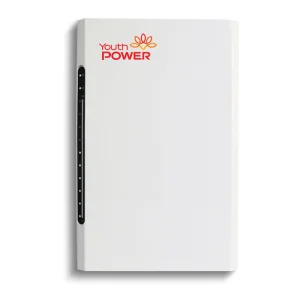
 YouthPOWER