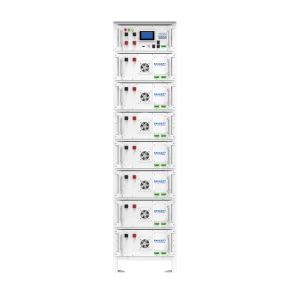
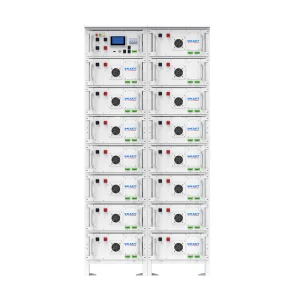
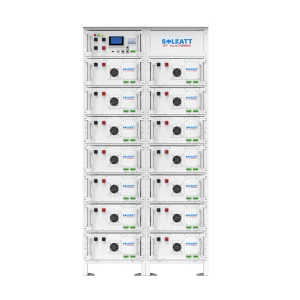
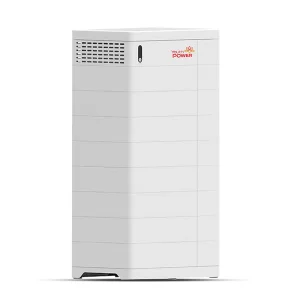
Engineered for industrial resilience, commercial stability, and high-performance energy transition.
To accurately calculate the energy capacity, we utilize the fundamental electrical equation: Watt-hours (Wh) = Ampere-hours (Ah) × Voltage (V). Watts (W) represent the rate of power delivery, whereas Watt-hours (Wh) represent the total capacity of stored energy. A 200Ah battery system can deliver significantly different wattages based on the configuration of its nominal voltage:
| System Configuration | Nominal Capacity (Ah) | Nominal Voltage (V) | Total Stored Energy (Wh / kWh) | Typical Max Continuous Discharge (Watts) @ 1C |
|---|---|---|---|---|
| 12V 200Ah LiFePO4 Pack | 200 Ah | 12.8 V | 2,560 Wh (2.56 kWh) | ~2,560 W |
| 24V 200Ah LiFePO4 Pack | 200 Ah | 25.6 V | 5,120 Wh (5.12 kWh) | ~5,120 W |
| 48V 200Ah LiFePO4 Pack | 200 Ah | 51.2 V | 10,240 Wh (10.24 kWh) | ~10,240 W |
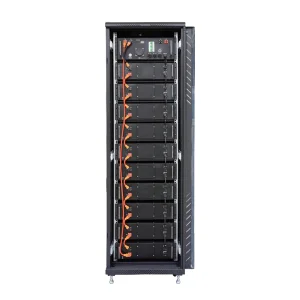
| High-Voltage Rack ESS (358.4V 200Ah) | 200 Ah | 358.4 V | 71,680 Wh (71.68 kWh) | ~71,680 W |
As the world transitions to decentralized, clean energy grids, the 200Ah lithium iron phosphate (LiFePO4) category has emerged as the definitive global standard for light commercial and high-capacity residential applications.
Commercial facilities leverage 48V 200Ah configurations to offset peak demand charges, storing electricity during cheap off-peak hours and discharging up to 10 kW of power per pack during peak tariff windows.
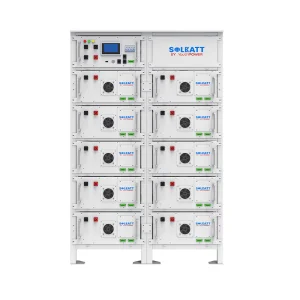
Newer system architectures stack multiple 200Ah modules in series rather than parallel, creating high-voltage strings (300V to 600V) to dramatically reduce transmission line losses and simplify thermal management.
Modern factories now equip 200Ah energy units with smart BMS systems utilizing IoT-based state-of-charge (SoC) and state-of-health (SoH) cloud forecasting to extend cell service life by up to 25%.
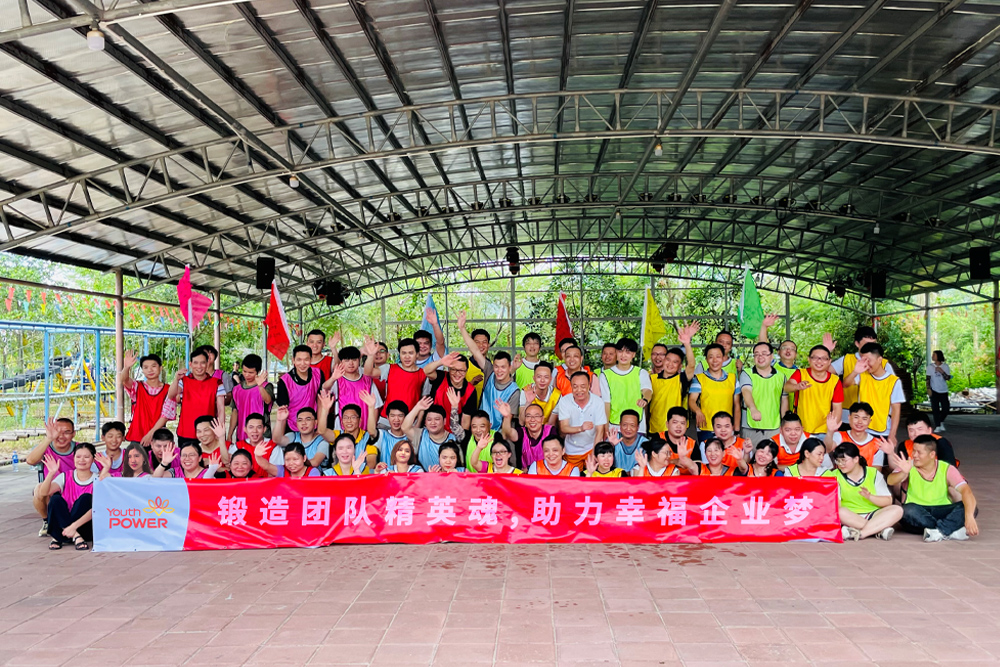
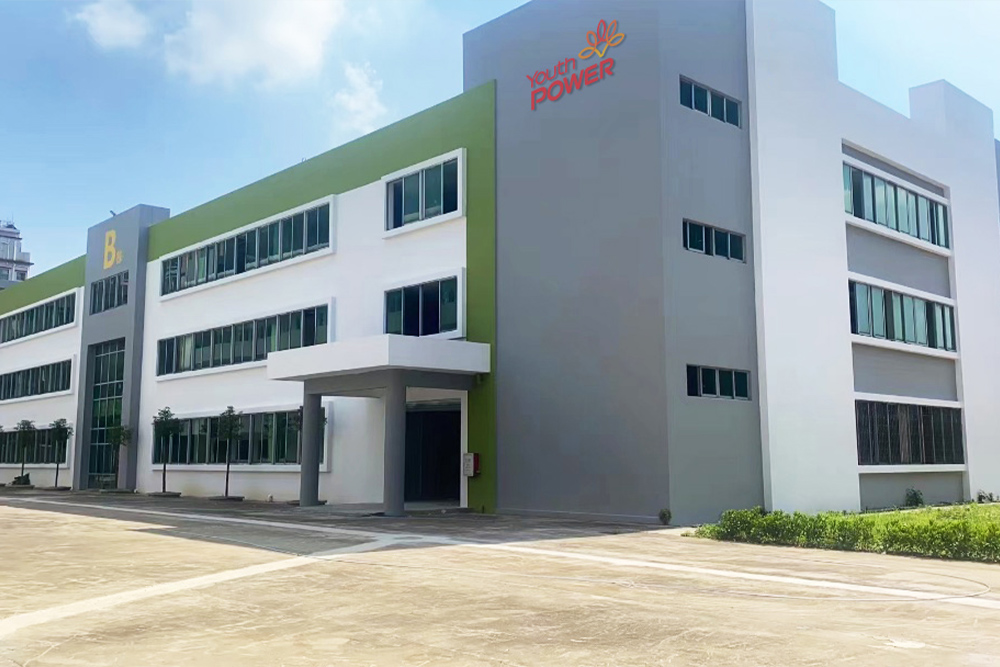
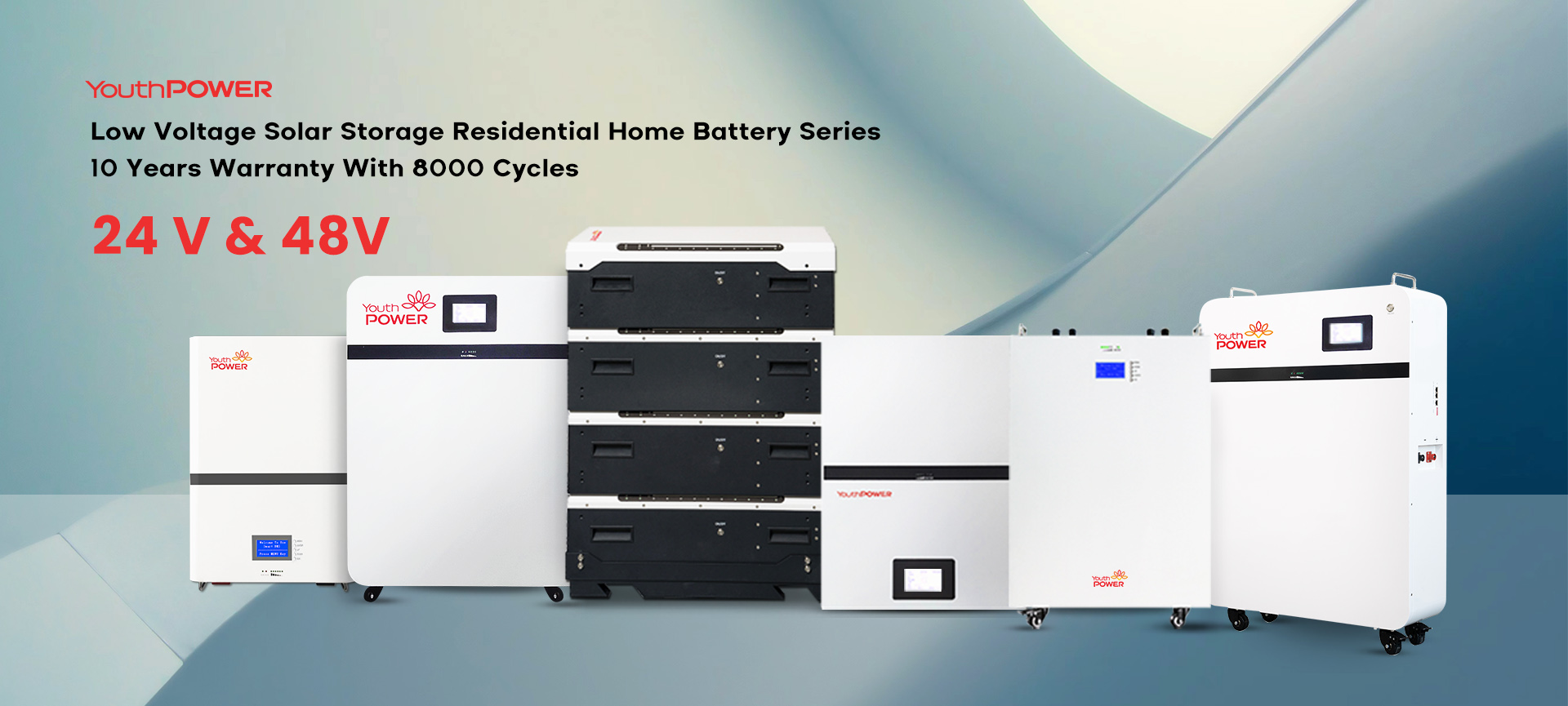
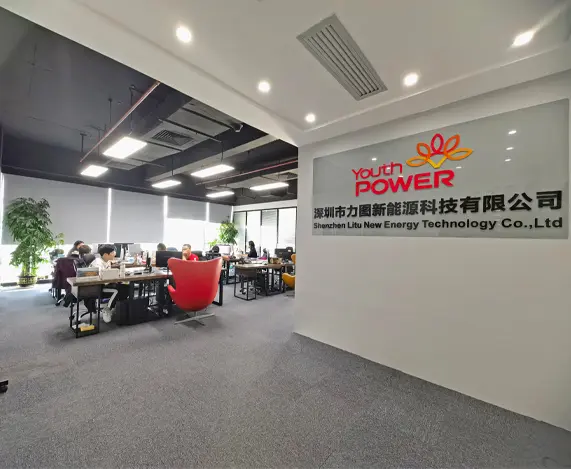
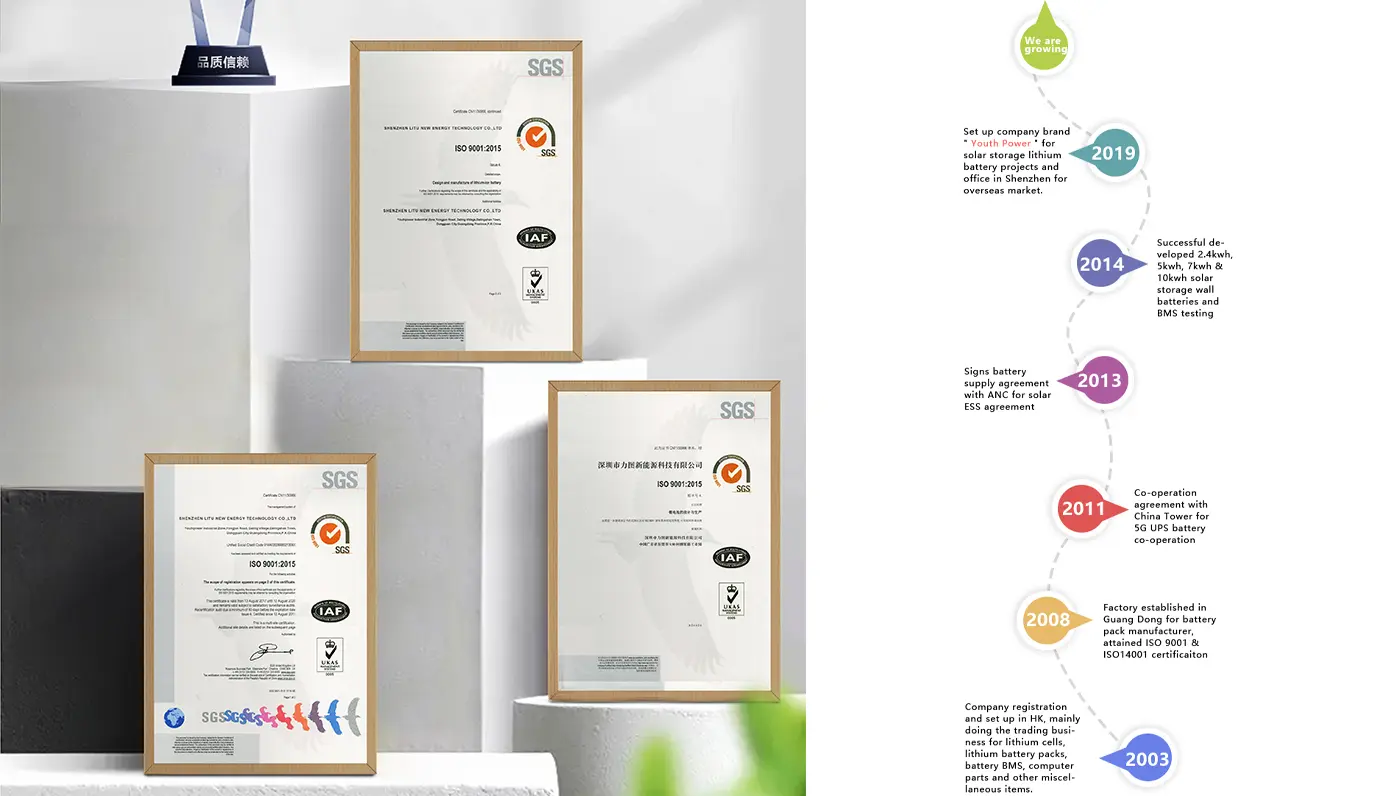
Founded in 2003, YouthPOWER has now become one of the leading suppliers of solar storage lithium batteries in the world. With a broad range of energy storage solutions, it covers a series of 24V, 48V and higher voltage lithium batteries solutions.
YouthPOWER has engaged in the battery technology and production for almost 20 years, with abundant manufacturing experience and strong new product R&D capability. Through many years of hard work and market promotion, we have created our own brand "YouthPOWER" in 2019.
With nearly 20 years’ experience in the battery industry, we have the capability to provide you with both the products you need and the most suitable products you want. We are always ready to supply the first-class products and meet the various needs of the customers.
Procurers insist on Tier-1 manufacturer cells (Grade A only) ensuring consistent internal resistance, uniform capacity matching, and long cycle lives (typically >6000 cycles at 80% DoD).
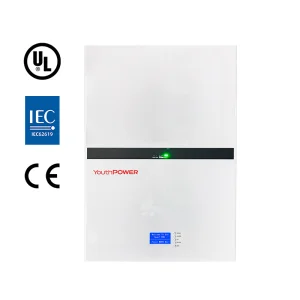
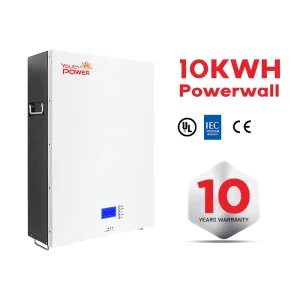
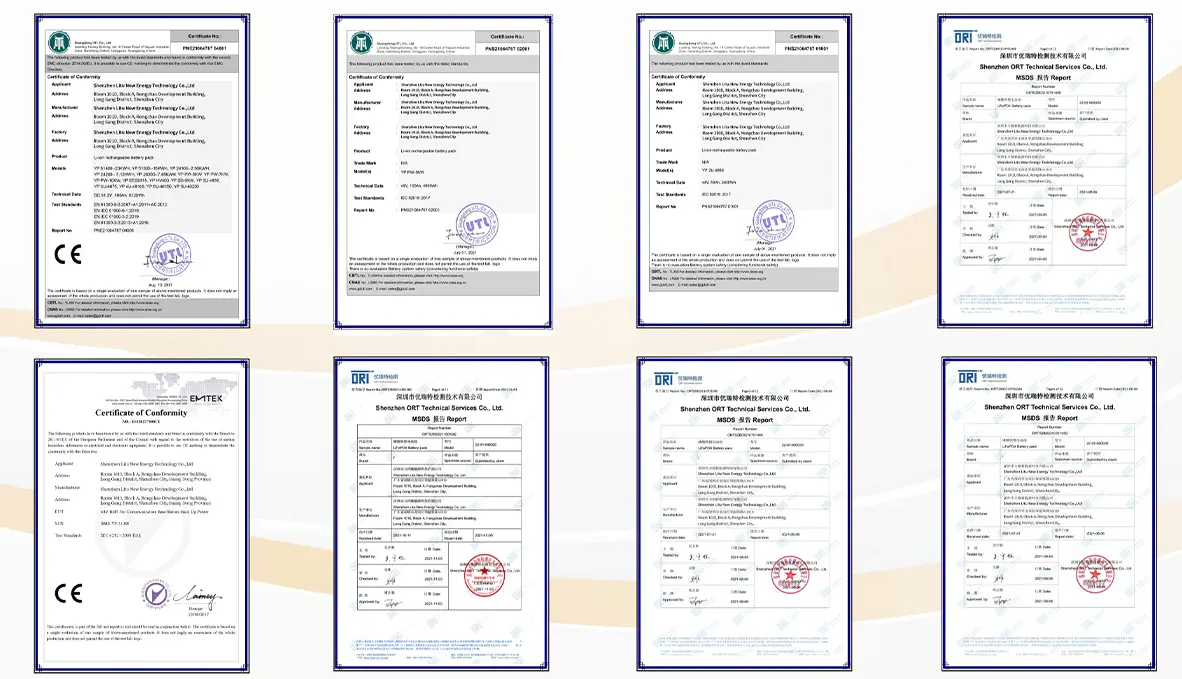
Compliance with UN38.3 (transport safety), UL1973 (stationary batteries), CE, and IEC62619 is mandatory to secure shipping lanes, clear customs, and fulfill building insurance requirements.
The ability to easily configure 200Ah modules in parallel and series architectures allows commercial installers to scale installations from 10 kWh up to over 100 kWh with minimal tooling.
Vertical Supply Chain Integration: By sourcing raw lithium materials, cell production, casing, and BMS design within a localized radius, Chinese factories significantly reduce lead times and logistics costs. This highly integrated network is why we can offer premium energy systems at extremely competitive price points.
Smart Automated Testing: Cell sorting and matching are executed by laser-guided robotic arms. Cells are graded by internal resistance, capacity, and voltage stability down to a fraction of a percent tolerance, minimizing pack imbalance and boosting overall efficiency.
Unwavering Global Reach: Backed by a strong domestic and international vendor ecosystem, YouthPOWER has delivered reliable solar storage solutions to over 1,000,000 families worldwide, building deep collaborative relationships with installers and distributors across Europe, the Americas, and Africa.
In regions like Germany and Austria, balcony solar (Balkonkraftwerk) systems are paired with 24V or 48V 200Ah batteries. Homeowners store excess daytime solar production, feeding up to 800W of electricity back into home circuits during the evening to lower monthly bills.
For remote cabins and telecommunication towers in the United States and Canada, multi-pack 48V 200Ah battery banks provide 20 kWh to 40 kWh of high-density energy, delivering critical backup power during severe winter storms and prolonged outages.
In regions with unstable power grids, decentralized microgrids rely on modular 200Ah setups. These units store solar energy during the day, maintaining vital power for rural clinics, schools, and small community hubs throughout the night.
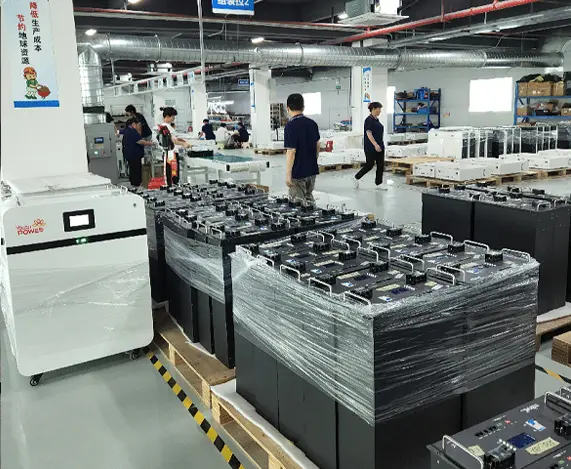
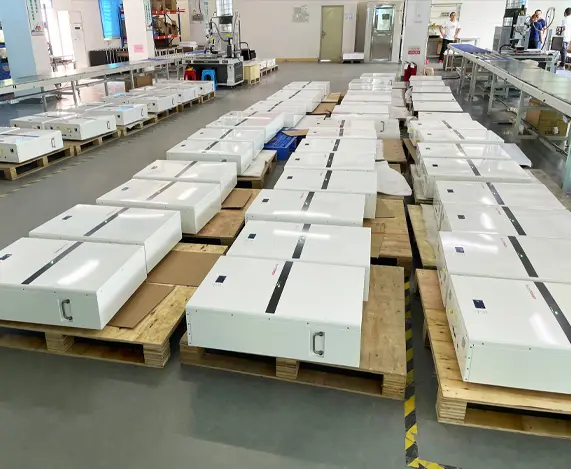
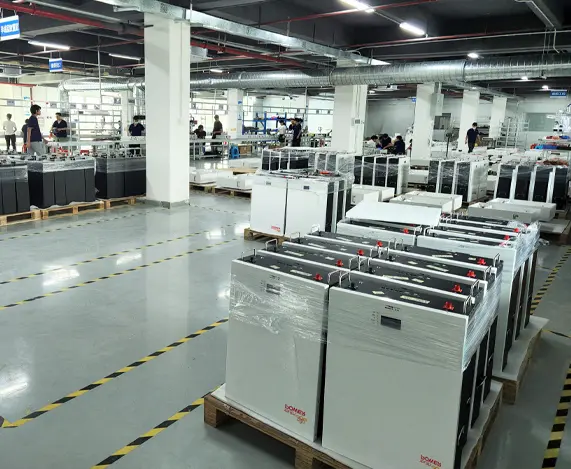
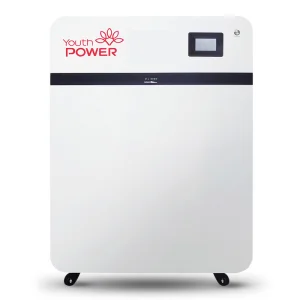
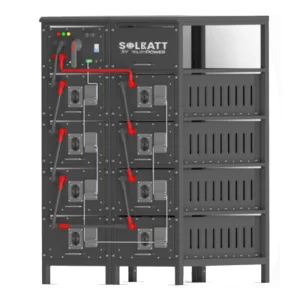
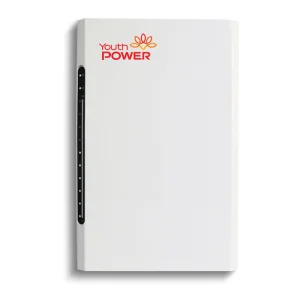
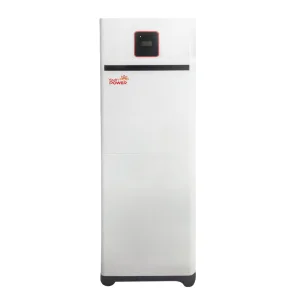
Explore our premium high-capacity products designed for heavy commercial and industrial microgrids.
 YouthPOWER