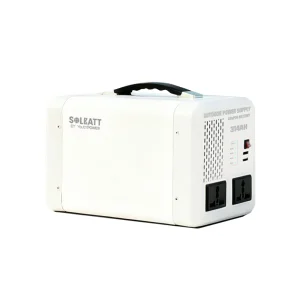
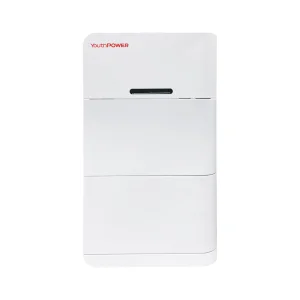
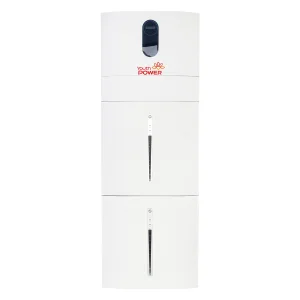
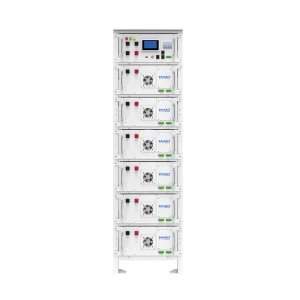
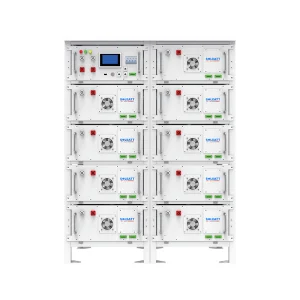
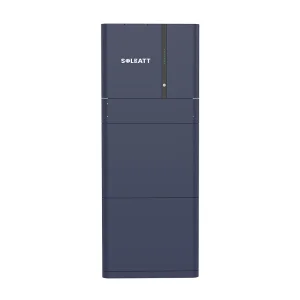
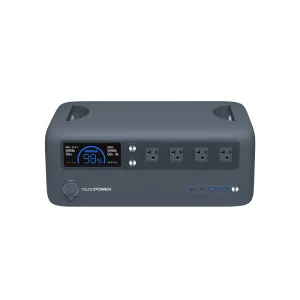
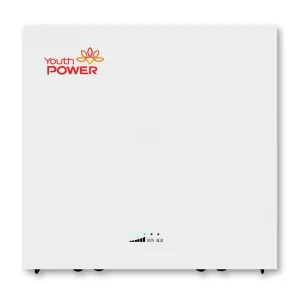
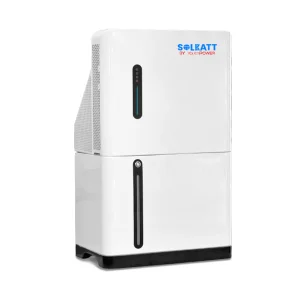
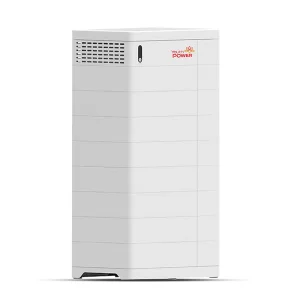
Explore our flagship industrial, residential, and commercial lithium storage options engineered under rigorous international standards.
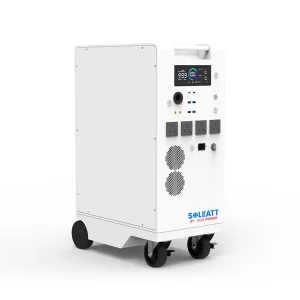
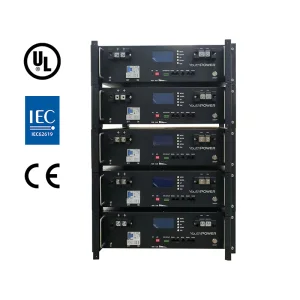
The transition toward renewable energy storage and reliable backup power systems has propelled the 24V 200Ah battery configuration to the forefront of mid-range power demand applications. Yielding an impressive total energy capacity of 5.12 kWh (for LiFePO4 chemistry at 25.6V nominal value), this specific specification serves as the vital sweet spot between lower-capacity residential solutions and multi-megawatt commercial units.
Across the globe, industrial sectors are updating their legacy lead-acid infrastructures. The 24V 200Ah battery cell assembly offers a drop-in replacement that drastically reduces spatial requirements while providing a threefold increase in cycle life. Today, these systems support complex decentralized grids, telecommunication hubs, marine electrical networks, off-grid cabins, and specialized material handling systems like Automatic Guided Vehicles (AGVs).
From a global market perspective, industrial purchasing departments prioritize cells that integrate advanced battery management systems (BMS), high thermal stability, and standard size parameters. Leading developers are pushing the boundaries of volumetric energy density, enabling buyers to secure long-term capital stability in dynamic economic climates.

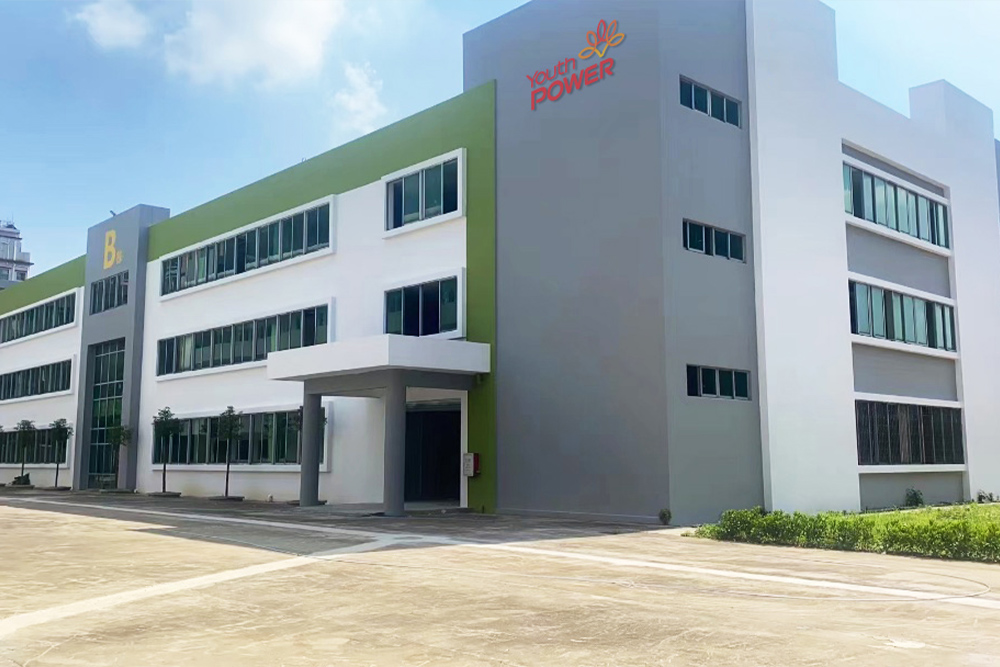
China is the global center of the lithium battery supply chain, accounting for over 70% of global cell fabrication capacity. Choosing a Chinese factory like YouthPOWER for 24V 200Ah storage units provides distinct competitive advantages for global B2B procurement:
Consequently, international brands, distributors, and EPC companies consistently partner with specialized Chinese manufacturing hubs to satisfy high quality criteria while maintaining healthy project margins.
Understanding technical metrics helps procurement teams select systems built for long-term operational resilience.
Premium manufacturers use brand-new Grade-A prismatic LiFePO4 cells to ensure maximum thermal stability, uniform charge discharge profiles, and lifespan extension up to 6000 cycles at 80% DOD.
Protects the system against overcurrent, overcharge, over-discharge, short-circuit, and thermal runaway. CAN/RS485 communication protocols support seamless inverter integration.
Housed in robust IP65-rated enclosures or server-rack units designed to resist vibration, prevent humidity ingress, and optimize passive air dissipation under high current load.
| Battery Parameter | Typical Premium Specifications | Low-cost Alternative Standard | Strategic Value for Projects |
|---|---|---|---|
| Nominal Voltage / Capacity | 25.6V / 200Ah (5.12 kWh) | 24.0V / 200Ah (4.8 kWh) | Delivers higher usable energy reserves with lower nominal losses. |
| Cycle Life (80% DOD) | ≥ 6,000 cycles @ 25°C | 1,500 - 3,000 cycles | Substantially lowers the levelized cost of storage (LCOS). |
| Standard Charge/Discharge | 100A (0.5C Continuous Rate) | 50A (0.25C Rate) | Allows rapid charge absorption and supports heavy current startup. |
| Communication Protocols | RS485, CAN, RS232, Modbus | None (Analog Standalone) | Enables complete monitoring integration with hybrid solar inverters. |
| BMS Protection Mechanics | Active balance, cell temperature monitoring | Passive threshold fuse only | Extends battery pack life and protects nearby equipment. |
Every deployment environment demands specific design decisions. Here is how premium 24V 200Ah batteries perform in real-world environments.
Off-grid systems in regions with extreme temperatures, high humidity, or isolated logistics require reliable energy storage. In these applications, 24V 200Ah batteries provide stable power during nights and stormy days. Active balance systems help preserve capacity even when charging cycles are irregular due to cloud cover.
Marine environments require salt-spray resistance and structural stability to handle movement and impact. Compact lithium units replace heavy AGM options, offering twice the energy capacity at half the weight. This weight reduction directly translates to improved fuel efficiency and space savings in mobile setups.
Telecom towers, particularly in remote areas, rely on batteries for uninterrupted uptime. The high energy density and rack-mountable design of standard 24V 200Ah modules ensure simple installation inside standard communication cabinets. Integrating CAN/RS485 communication protocols allows operators to monitor cell health remotely, minimizing the need for on-site maintenance.
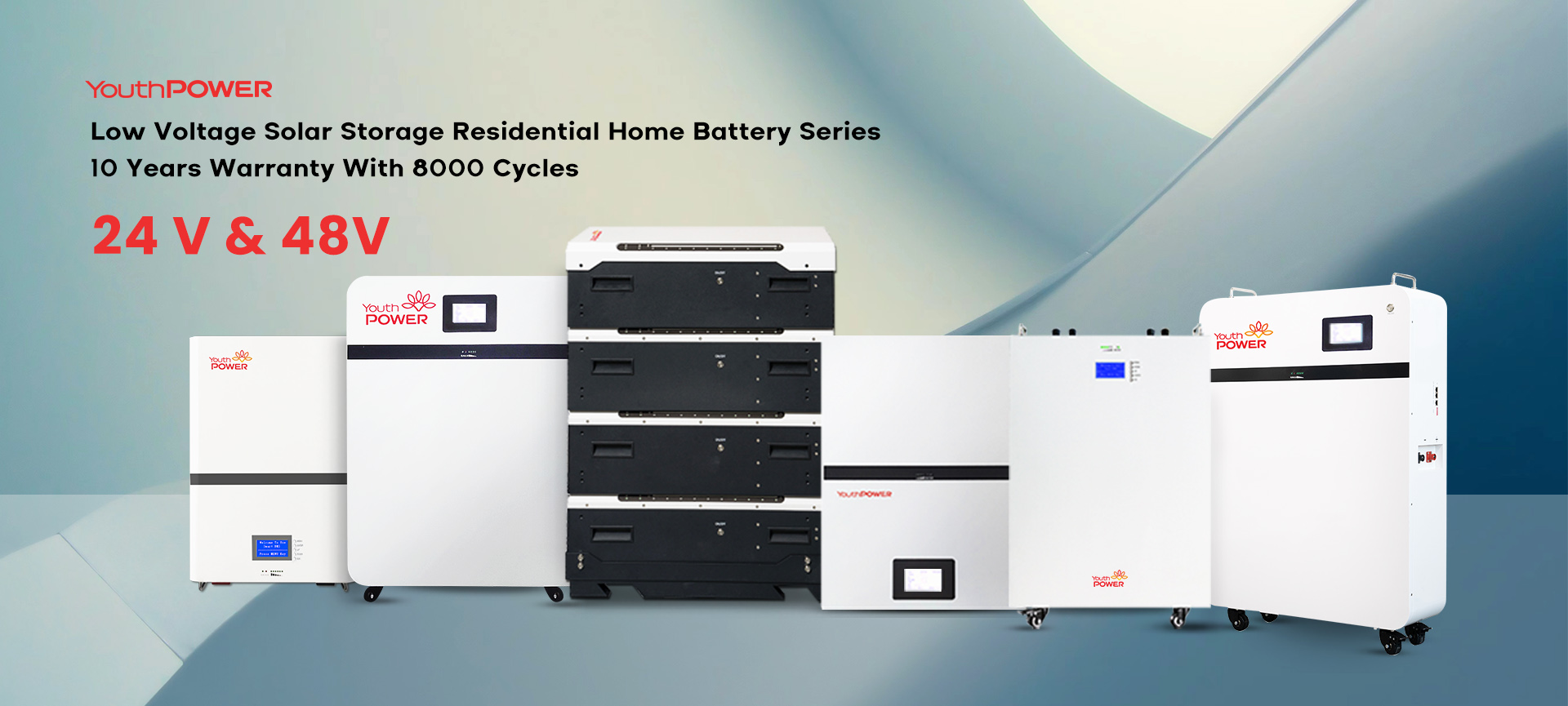
Founded in 2003, YouthPOWER has now become one of the leading suppliers of solar storage lithium batteries in the world. With a broad range of energy storage solutions, it covers a series of 24V, 48V and higher voltage lithium batteries solutions.
YouthPOWER has engaged in the battery technology and production for almost 20 years, with abundant manufacturing experience and strong new product R&D capability. Through many years of hard work and market promotion, we have created our own brand "YouthPOWER" in 2019.
With nearly 20 years’ experience in the battery industry, we have the capability to provide you with both the products you need and the most suitable products you want. We are always ready to supply the first-class products and meet the various needs of the customers.
We have established good business relationships with our customers from all over the world. And we have a good cooperation with all our customers as well for many years running. Supported by our local vendors of raw materials, we can certainly offer you the best prices.
We are so proud that YouthPOWER has offered the reliable solar storage solution for over 1,000,000 families now in the world.
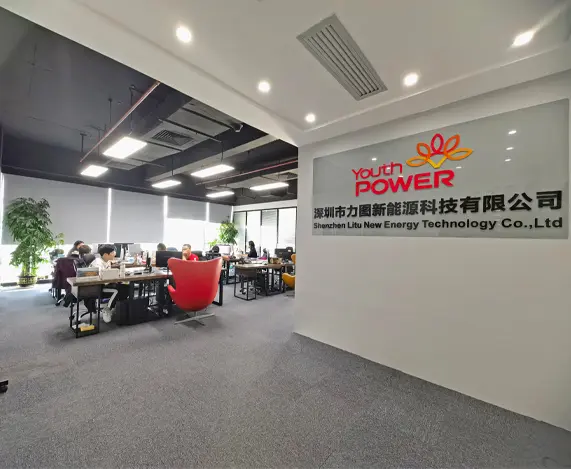
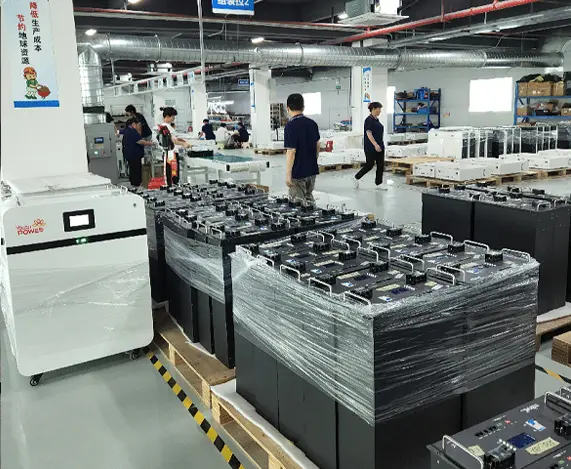
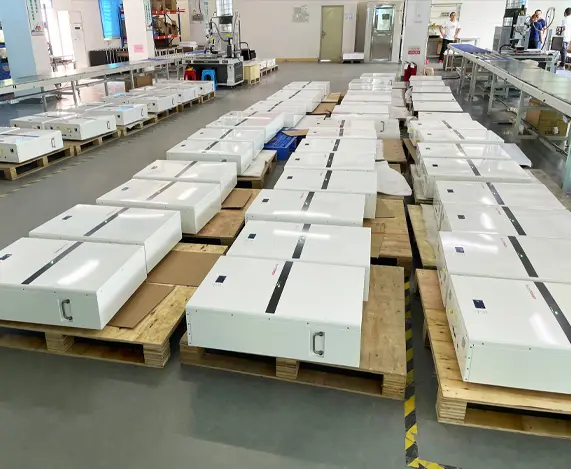
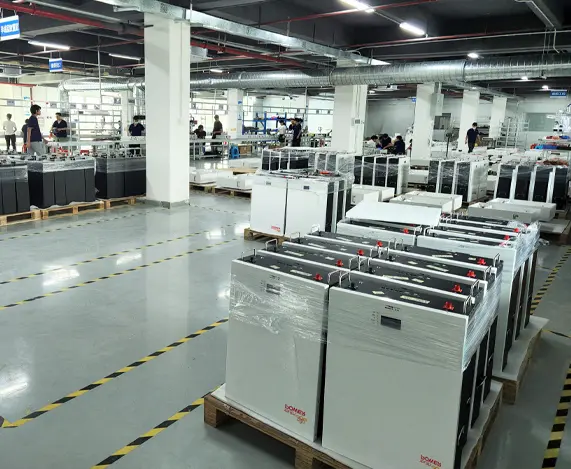
Charting decades of continuous technical innovation, scaling milestones, and customer success across global markets.
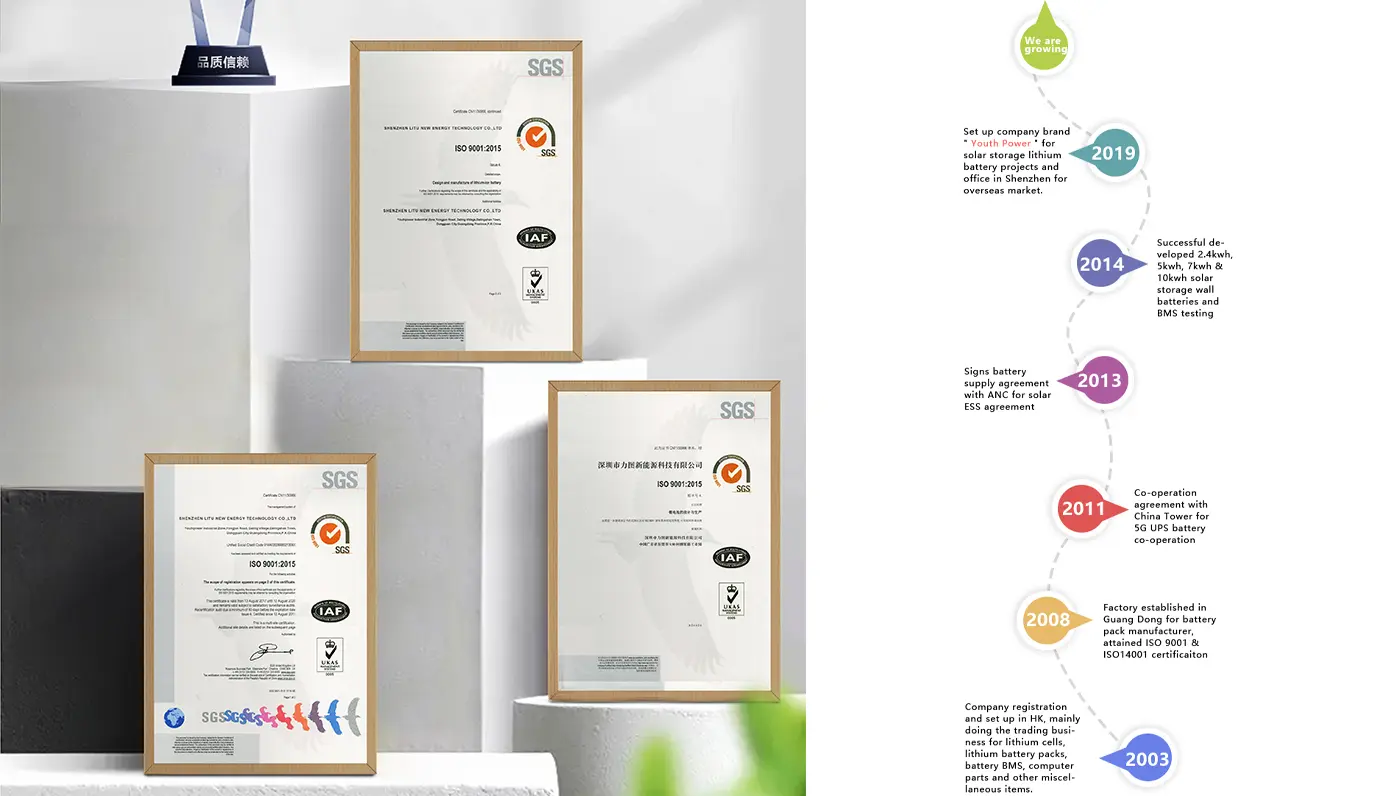
Protect your capital expenditure by thoroughly auditing manufacturer credentials and physical product configurations.
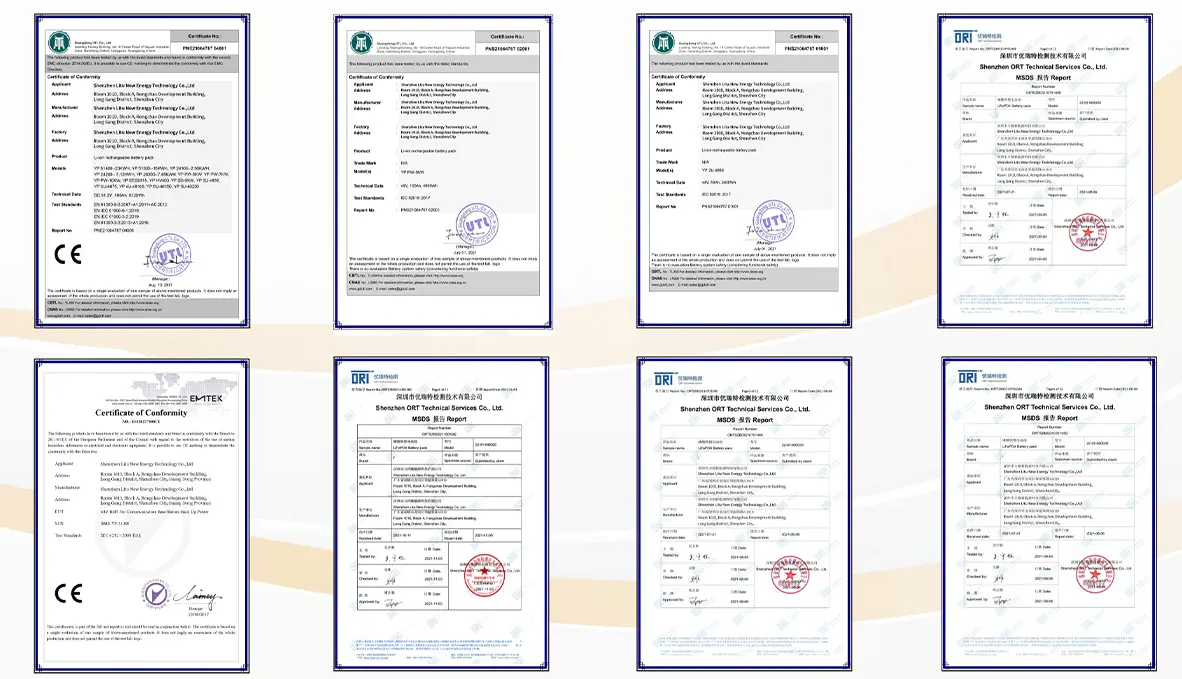
Verify that the factory provides official compliance records for UL 1973, CE, MSDS, UN38.3, and IEC 62619. This documentation is required to pass international customs checkpoints and satisfy local insurance regulations.
Verify that the manufacturer performs complete testing cycles, including internal resistance matching, capacity sorting, and dynamic high-temperature aging chambers before final packaging.
Lithium-ion cells require Class 9 hazardous goods ocean transit. Top factories provide compliant packaging, custom container pallets, and clear dangerous goods documentation.
Clear answers to technical, commercial, and logistical questions regarding 24V 200Ah battery integration.
A 24V 200Ah LiFePO4 battery holds approximately 5,120 Wh (5.12 kWh) of energy. To charge this unit from 0% to 100% within 5-6 hours of peak sunlight, you will need approximately 1,000W to 1,200W of solar PV panels, accounting for standard conversion losses in the MPPT solar charge controller.
Yes. Standard designs allow connection in parallel (to increase capacity) or in series (to increase voltage up to 48V or higher setups). Always confirm that the specific BMS model supports your target system configuration, and ensure all interconnected batteries are matching in model, voltage, and usage history.
A quality LiFePO4 battery typically lasts 4,000 to 6,000 cycles at 80% Depth of Discharge (DOD) before its capacity drops to 80% of its original rating. In comparison, traditional lead-acid or AGM options usually yield only 300 to 800 cycles at 50% DOD. This makes lithium a more cost-effective choice over the lifespan of the system.
Yes. Lithium batteries require a charge controller with a specific LiFePO4 charging profile. This profile features a constant-current/constant-voltage (CC/CV) charge curve and omits the high-voltage desulfation equalization step used for lead-acid batteries, protecting the BMS and internal cells.
The Battery Management System monitors cell voltage, current, and temperature. It will automatically disconnect the circuit in case of over-voltage, under-voltage, over-current, short-circuit, or high/low temperature extremes, protecting the battery chemistry from permanent damage.
LiFePO4 batteries perform best between 0°C and 45°C for charging, and -20°C to 60°C for discharging. Charging below 0°C without a built-in heating element can cause lithium plating on the anode, which reduces cell lifespan. High-quality designs include low-temperature charge protection to prevent this issue.
Top-tier factories perform cell testing, cell sorting, capacity grading, internal resistance testing, structural torque checks, and multi-day high-temperature burn-in tests to identify infant mortality cases before shipping.
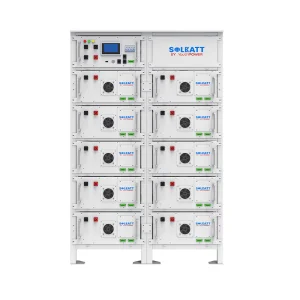
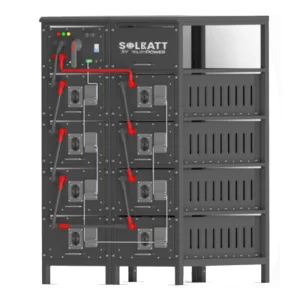
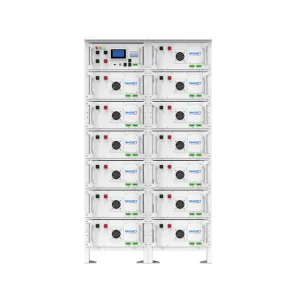
Review our range of high-voltage, stackable, balcony-specific, and commercial-scale solar systems.
 YouthPOWER