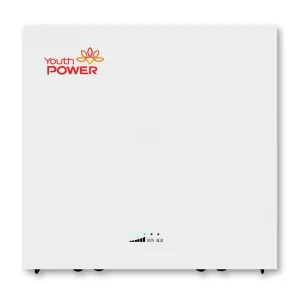
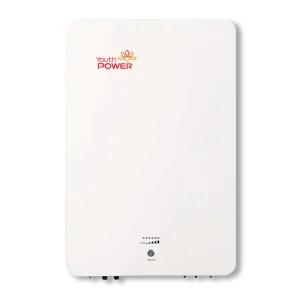
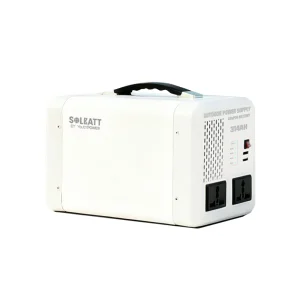
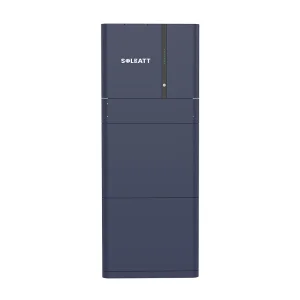
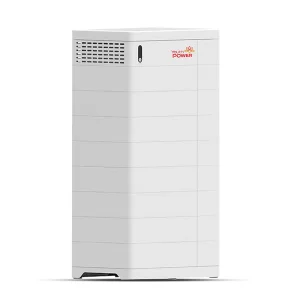
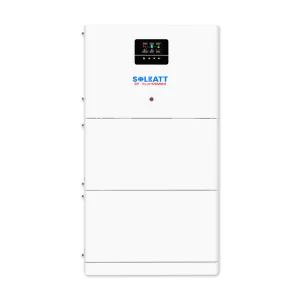
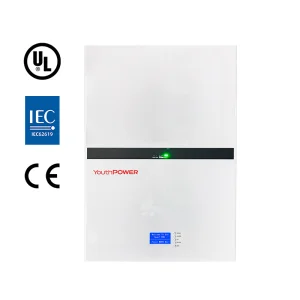
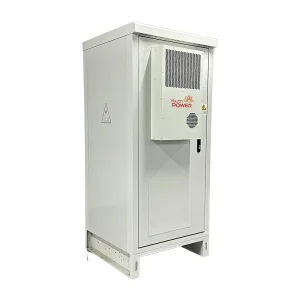
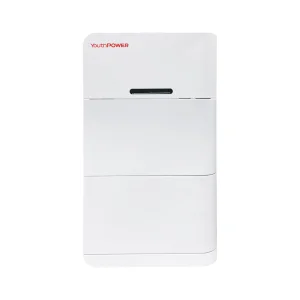
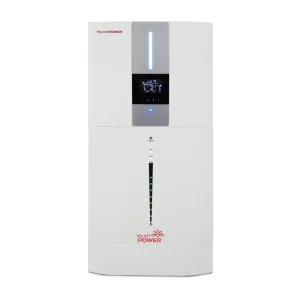
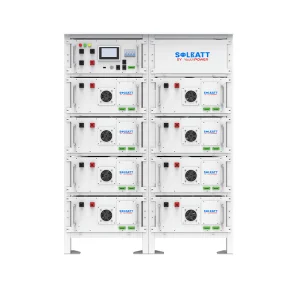
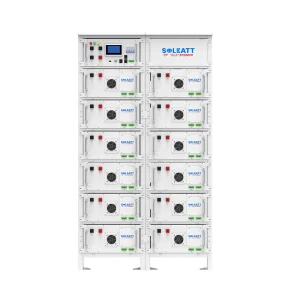
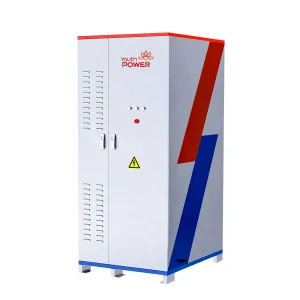
Engineered with premium LiFePO4 cells, active safety BMS systems, and optimized cycle durability. Designed for seamless residential, commercial, and industrial integration.
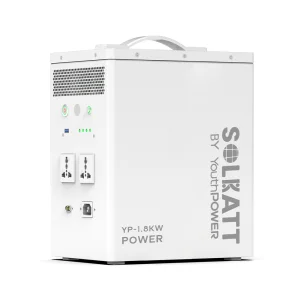
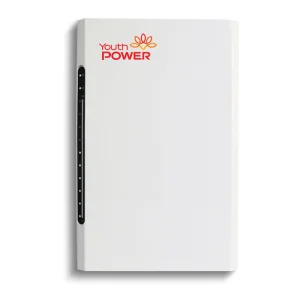
In modern power systems, the search for the best deep cycle battery factory and supplier is no longer just about tracking raw manufacturing outputs. Instead, it relies on assessing the manufacturer's technological depth, cell-level testing consistency, and system-level thermal design. Traditional lead-acid batteries, once the standard for marine, RV, and off-grid solar setups, are increasingly being replaced by lithium iron phosphate (LiFePO4) systems. As a leading global supplier, YouthPOWER has been driving this change by developing high-capacity, long-cycle lithium storage options that provide reliable energy security for commercial, industrial, and residential users worldwide.
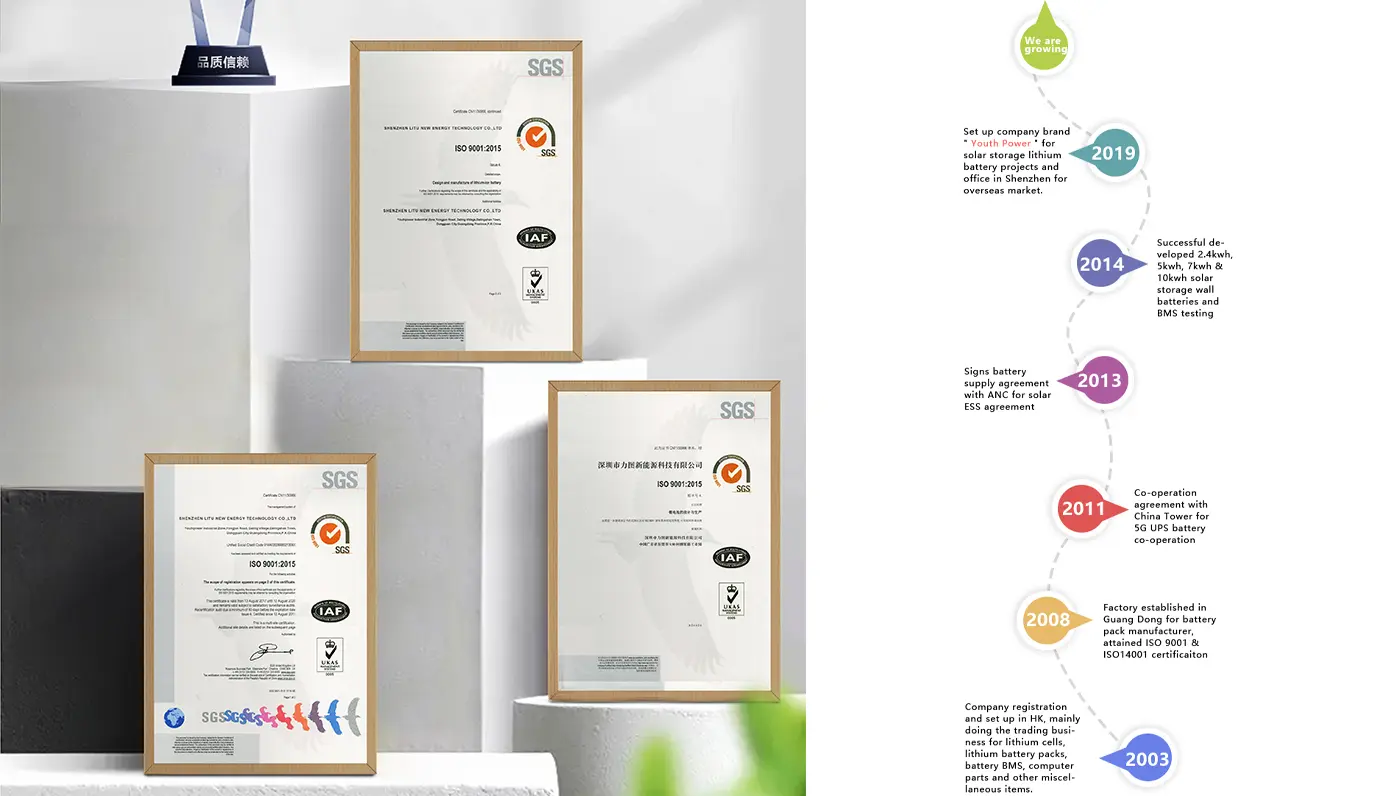
Founded in 2003, YouthPOWER has now become one of the leading suppliers of solar storage lithium batteries in the world. With a broad range of energy storage solutions, it covers a series of 24V, 48V and higher voltage lithium batteries solutions.
YouthPOWER has engaged in the battery technology and production for almost 20 years, with abundant manufacturing experience and strong new product R & D capability. Through many years of hard work and market promotion, we have created our own brand "YouthPOWER" in 2019.
With nearly 20 years’ experience in the battery industry, we have the capability to provide you with both the products you need and the most suitable products you want. We are always ready to supply the first-class products and meet the various needs of the customers.
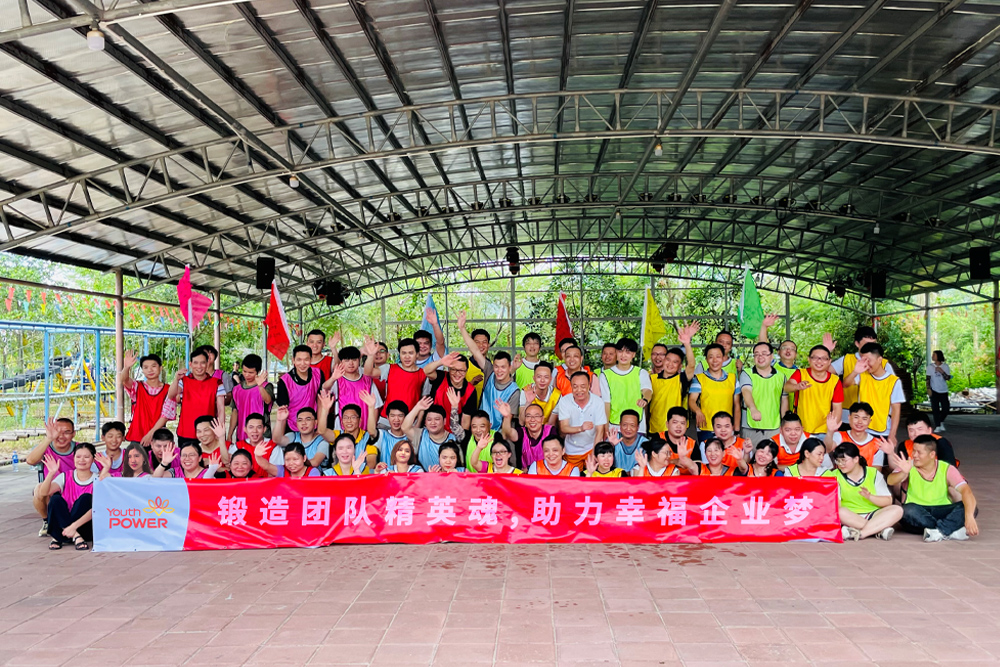
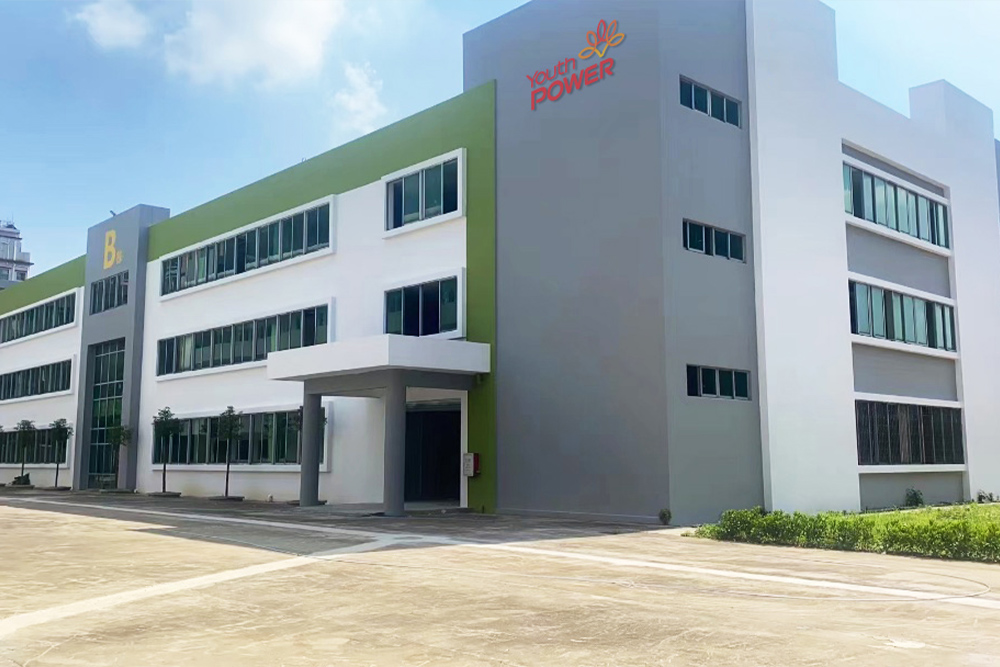
We have established good business relationships with our customers from all over the world. And we have a good cooperation with all our customers as well for many years running. Supported by our local vendors of raw materials, we can certainly offer you the best prices.
We are so proud that YouthPOWER has offered the reliable solar storage solution for over 1,000,000 families now in the world.
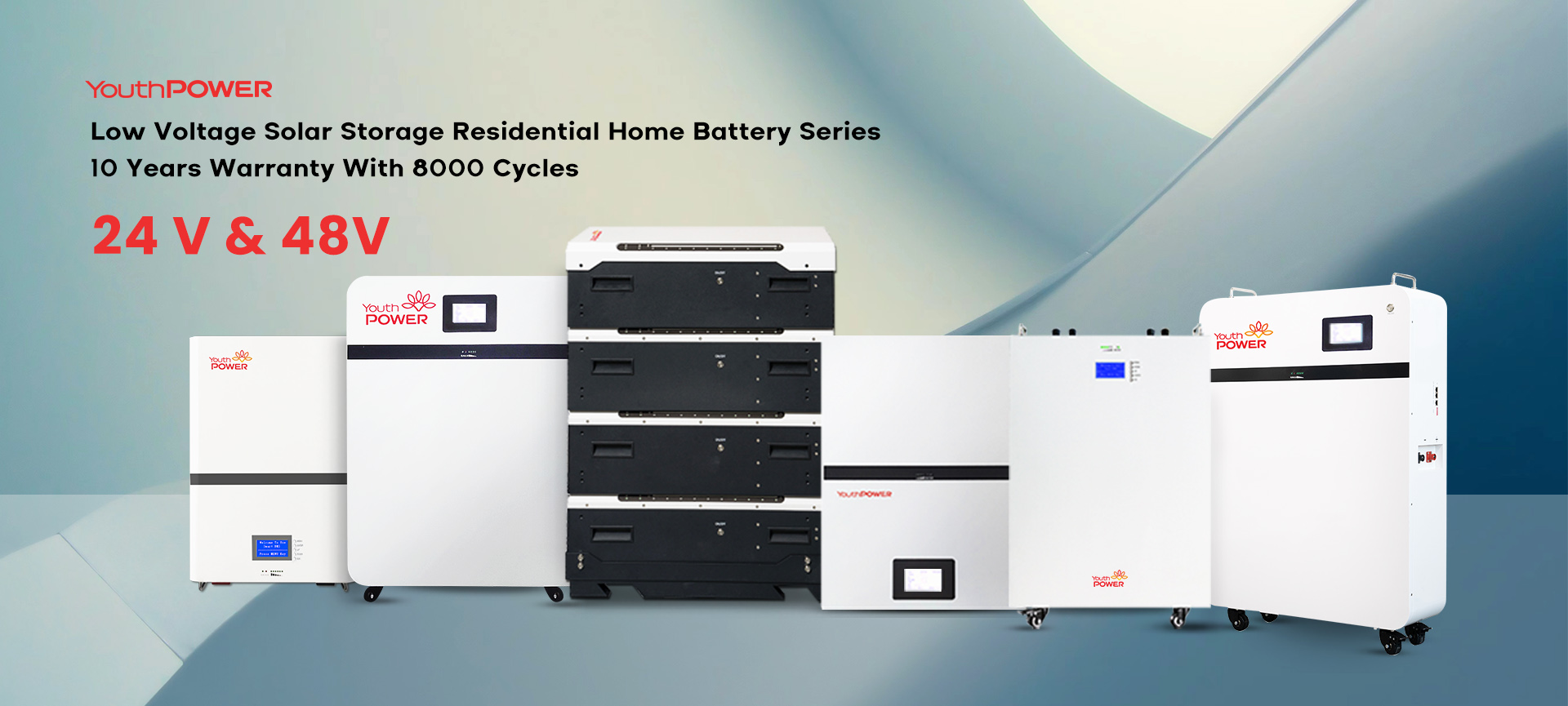
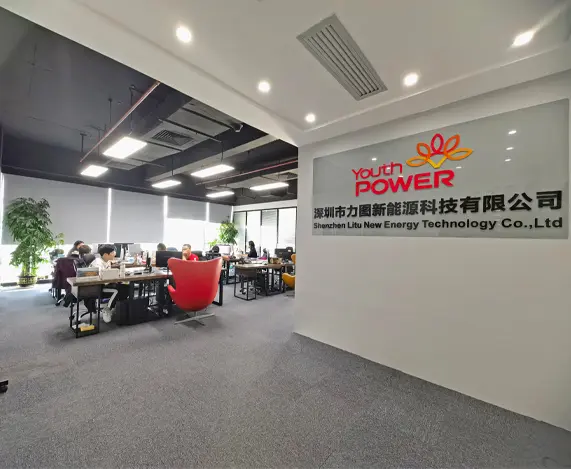
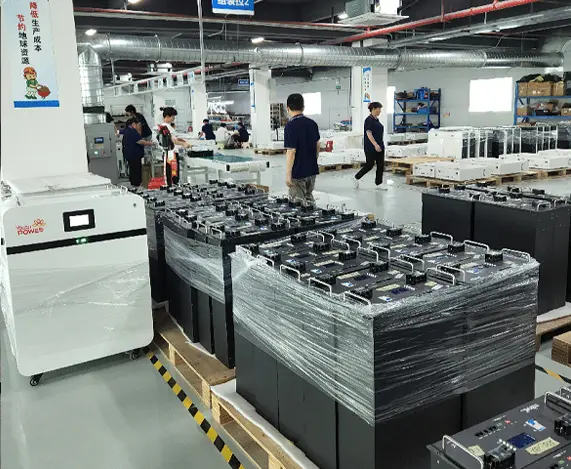
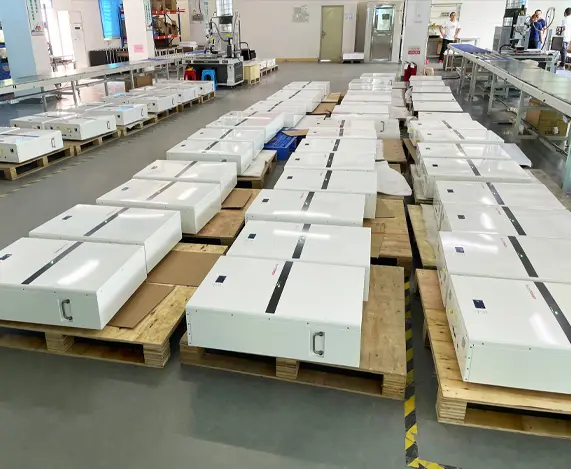
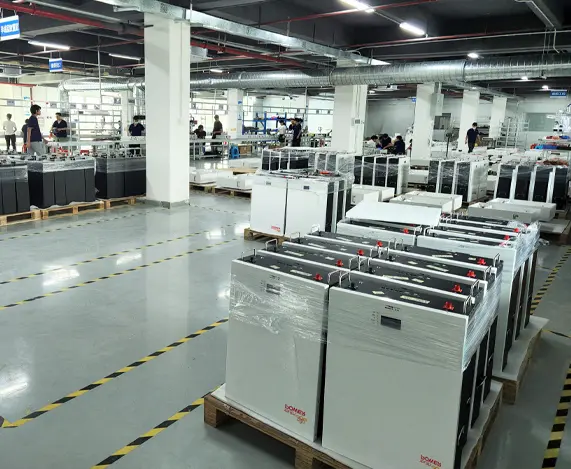
YouthPOWER's roadmap reflects our commitment to innovation and manufacturing quality. From our early days as a component manufacturer to our current status as a global supplier of complete, high-voltage energy storage systems (ESS), we have consistently invested in research and development to improve product reliability and performance.
The global shift toward renewable energy has significantly increased the demand for industrial and commercial energy storage systems. Utility companies, factories, and remote mining sites are moving away from fossil-fuel generators and toward integrated solar-plus-storage microgrids. At the center of this change is the deep cycle lithium battery.
Unlike standard starter batteries, deep cycle batteries are built to handle repetitive, deep discharges down to 80-90% Depth of Discharge (DoD) without damaging the internal structure of the cells. While lead-acid options degrade quickly under these conditions, LiFePO4 cells maintain stable voltage curves and offer up to 6,000 charge cycles, making them a much more cost-effective option over the long term.
Additionally, modern environmental and safety regulations make heavy-metal batteries less appealing. Lithium iron phosphate is non-toxic, doesn't require acid maintenance, and presents a much lower risk of thermal runaway, making it the preferred choice for commercial installations, hospitals, and residential spaces alike.
YouthPOWER’s engineering team works to keep our deep cycle technology at the forefront of the industry. Our product design process integrates chemical research, structural design, and smart software development to deliver reliable, long-lasting performance.
We are shifting from low-voltage (48V) systems to high-voltage (400V+) stackable architectures. This design helps minimize line losses, improves inverter conversion efficiency, and simplifies installation for large-scale residential and commercial systems.
Our upcoming systems will feature IoT-connected Battery Management Systems (BMS). Using cloud analytics and machine learning, the system can monitor cell temperature and impedance, predict potential degradation, and adjust usage patterns to extend battery life.
To prepare for future energy needs, our team is researching alternative cell chemistries. Sodium-ion solutions will provide cost-effective storage for cold climates, while solid-state batteries will offer even higher energy density and improved safety profiles.
China is a key hub for battery manufacturing, hosting a complete and highly integrated supply chain. This concentration of raw material processing, component manufacturing, and automated assembly gives YouthPOWER significant advantages in quality control and pricing.
By sourcing raw materials directly and working with local cell suppliers, we avoid many of the international logistics bottlenecks that impact other manufacturers. Our automated assembly facilities utilize robotic welding, automated sorting, and multi-stage testing to ensure consistent quality across every production batch.
This localized supply chain structure allows us to scale production up or down quickly in response to market demands, while keeping production costs competitive. We pass these savings and efficiency benefits directly to our global distribution partners.
Energy demands vary widely by region, environment, and local grid conditions. YouthPOWER designs deep cycle batteries to perform reliably across a broad range of demanding applications.
From high-temperature desert regions to freezing mountain areas, our batteries feature integrated thermal management and robust cell packaging. These systems ensure reliable backup power for off-grid homes, remote telecommunication towers, and field operations.
For industrial sites facing high peak electricity rates, our large-capacity storage units (100kWh to 215kWh) help shave peak loads. By discharging during peak demand hours, businesses can significantly reduce their monthly demand charges.
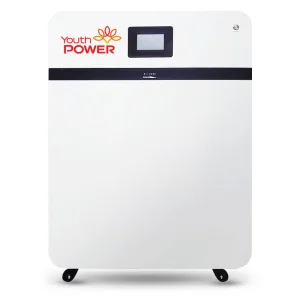
In regions with aging grid infrastructure or frequent severe weather, our wall-mounted and stackable home batteries provide clean, fast-switching backup power, keeping essential appliances running during outages.
Exporting lithium battery systems globally requires strict compliance with international safety and transportation standards. YouthPOWER's products undergo rigorous testing to ensure they meet or exceed safety regulations in our destination markets.
Certified safe for stationary energy storage installations in North America and Europe.
Fully certified for safe packaging, handling, and ocean shipping under hazard regulations.
Independently tested for thermal, electrical, and mechanical safety at the cell and pack levels.
Supported by a network of distributors and service partners to assist with integration and warranty support.
Find technical insights, maintenance tips, and product integration details from our engineering team.
Optimized solutions for commercial energy management, industrial microgrids, and high-capacity backup systems.
 YouthPOWER