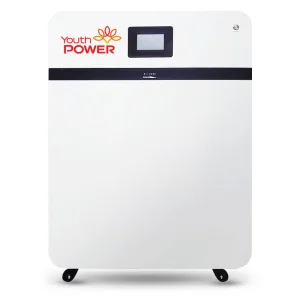
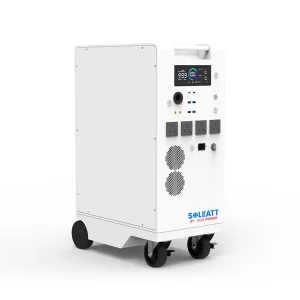
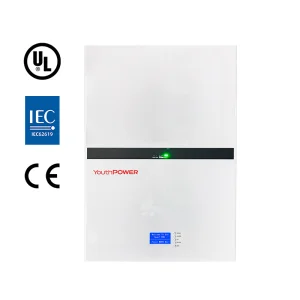
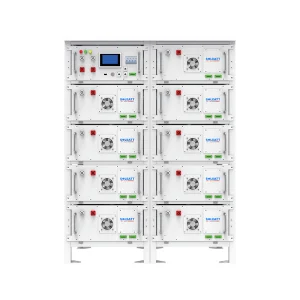
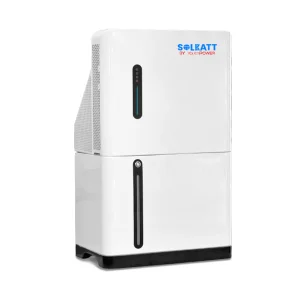
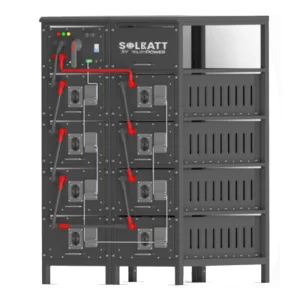
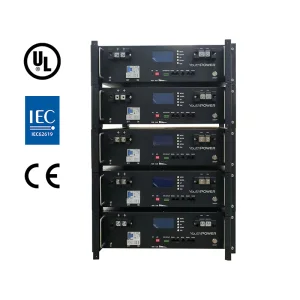
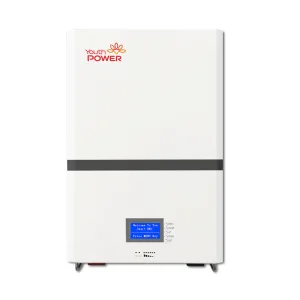
High-efficiency lithium iron phosphate (LiFePO4) solar storage cells engineered for extreme cycling, durability, and commercial-grade applications.
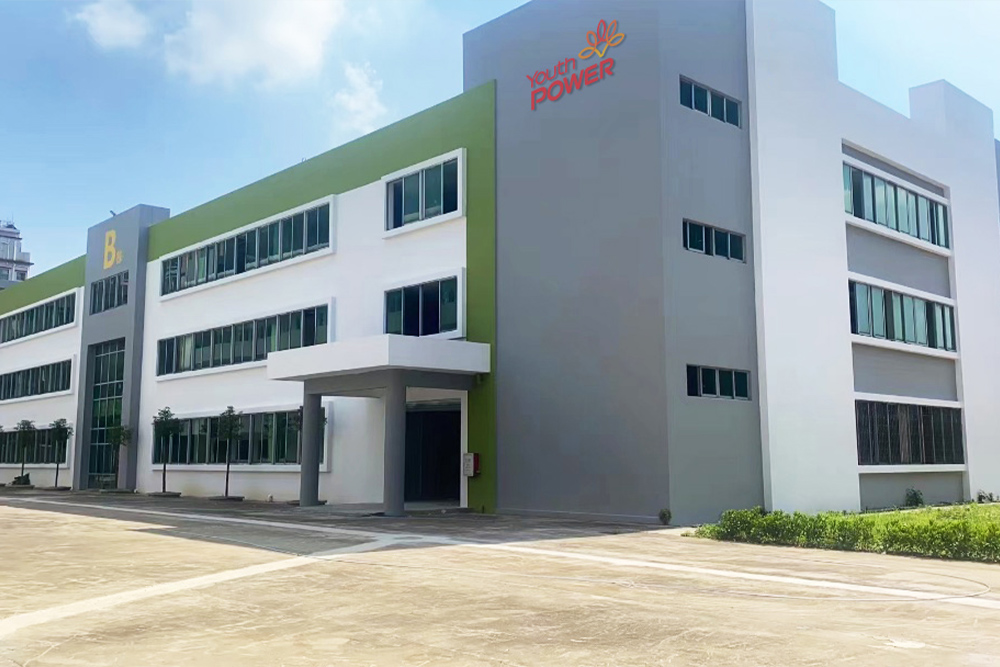
Founded in 2003, YouthPOWER has now become one of the leading suppliers of solar storage lithium batteries in the world. With a broad range of energy storage solutions, it covers a series of 24V, 48V and higher voltage lithium batteries solutions.
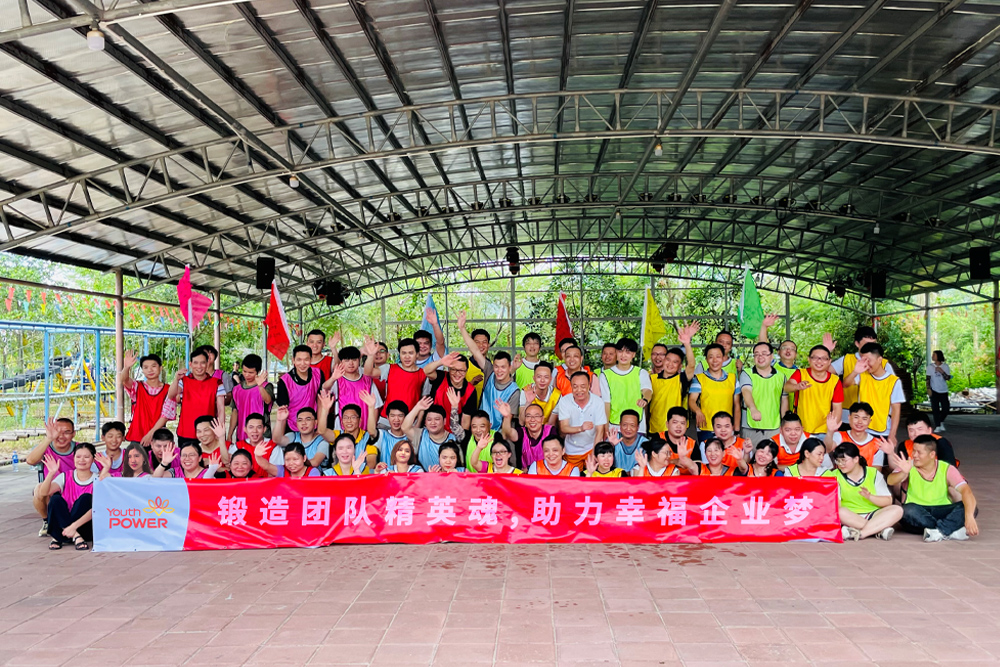
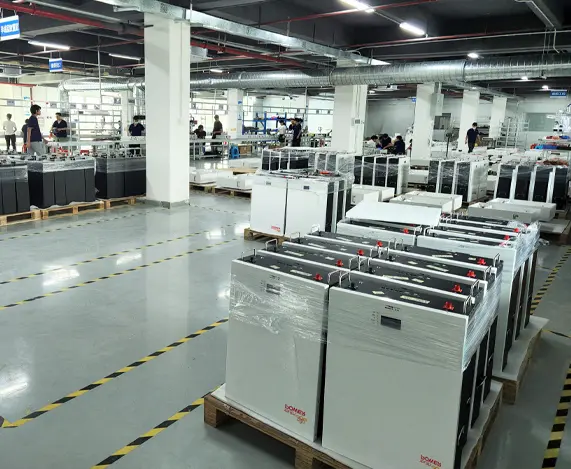
YouthPOWER has engaged in the battery technology and production for almost 20 years, with abundant manufacturing experience and strong new product R & D capability. Through many years of hard work and market promotion, we have created our own brand "YouthPOWER" in 2019.
By vertically integrating cell manufacturing, intelligent BMS program engineering, and custom enclosure mechanics, YouthPOWER delivers unmatched lifecycle cost efficiency (LCOS). Our solutions protect critical operations from power quality deviations while maintaining peak reliability.
How regulatory landscapes, raw material dynamics, and grid volatility are shifting demand towards specialist battery integrators.
Unpredictable utility grids and escalating dynamic time-of-use pricing models drive commercial and industrial enterprises to utilize peak shaving and load-shifting setups. High-capacity battery storage systems decouple dynamic energy generation from instant grid demands.
Lithium Iron Phosphate (LiFePO4) has emerged as the global benchmark for stationary systems. Superior thermal runaway thresholds, long cycle profiles (>6000 cycles at 80% DoD), and cobalt-free supply chains make LFP the safest, lowest-cost choice over the system lifetime.
Modern commercial infrastructure demands smart decentralized microgrids. Scalable storage modules allow modular expansion as utility loads increase. Dynamic control systems optimize state-of-health (SoH) diagnostics remotely via cloud integration.
Decisions are no longer based purely on CAPEX. Modern procurement managers calculate Levelized Cost of Storage (LCOS) and safety profiles.
Procuring raw energy storage solutions requires mapping application demands to electrochemical capabilities. System engineers prioritize high round-trip efficiency (RTE), thermal dissipation designs, and multi-protocol BMS communication (such as CAN, RS485, and Modbus). The table below represents the price/performance index for modern C&I energy storage installations globally:
| System Type | Nominal Energy Capacity | Optimal Voltage Range | Target B2B Application | Est. B2B Cost Structure ($/kWh) |
|---|---|---|---|---|
| Balcony / Residential ESS | 2.5kWh - 10kWh | 25.6V - 51.2V | Off-grid backup, residential load management | $220 - $350 |
| High Voltage Cabinet Systems | 20kWh - 100kWh | 200V - 400V | Light industrial, virtual power plants (VPP) | $180 - $270 |
| Commercial Modular Units | 110kWh - 300+ kWh | 400V - 600V+ | Factory peak-shaving, peak-load offset | $140 - $220 |
*Note: Average pricing depends on order volume, battery management architecture, specific certification compliance, and global logistical shipping tariffs.
High-capacity energy distribution demands engineered topologies to maintain power quality across multiple operational sectors.
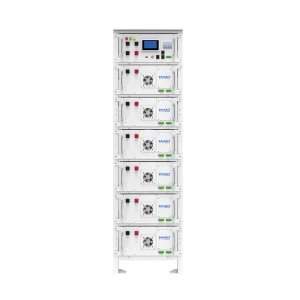
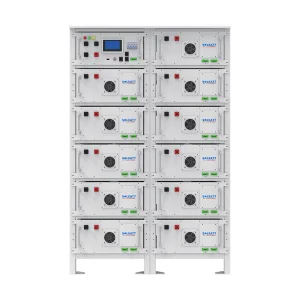
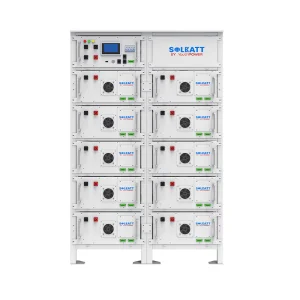
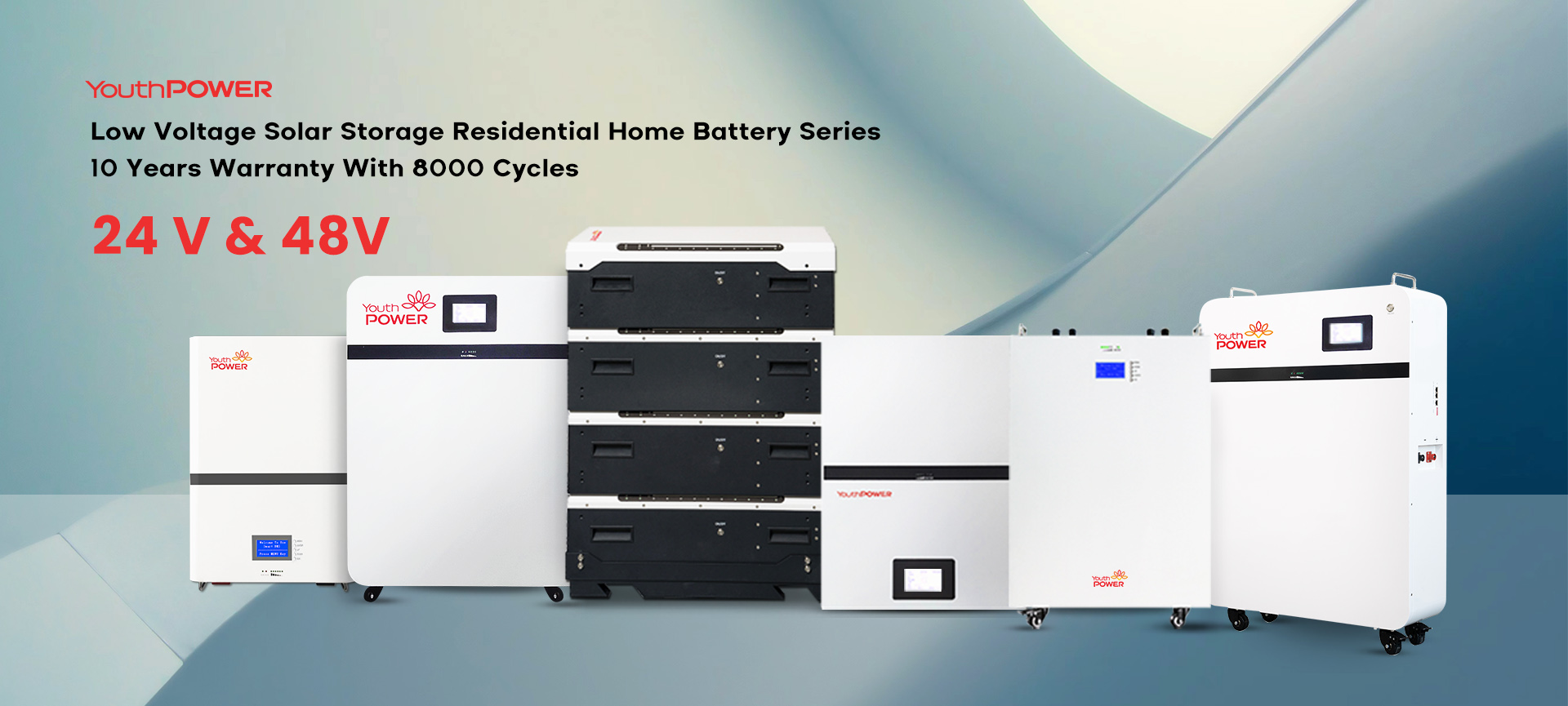
For operations facing high demand charges, our high-voltage cabinets (e.g., 143KWH 512V 280Ah and 157KWH 563V systems) buffer utility power. When factory equipment cycles on, the battery supplies high-current discharge, lowering utility demand charges.
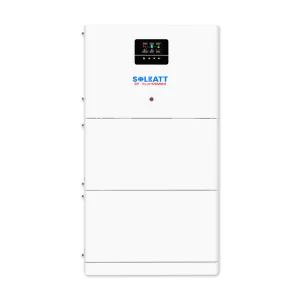
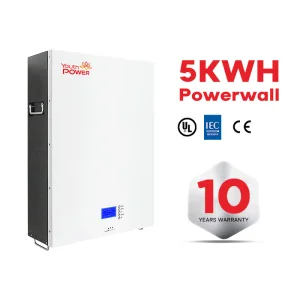
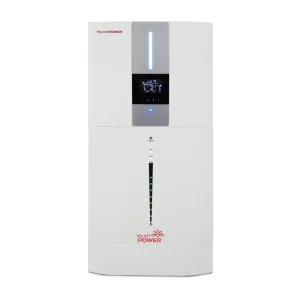
Designed for residential scale applications, our 51.2V rack-mount and Powerwall models integrate with solar inverters to capture daytime solar energy, reducing dependence on utility networks during high-tariff evening hours.
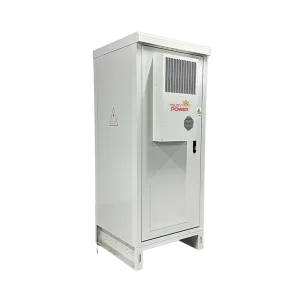
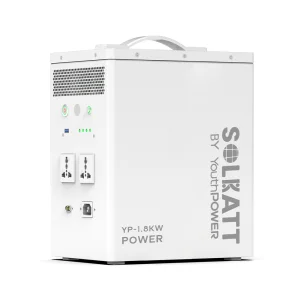
Critical telecommunications infrastructure and portable worksites rely on portable power units. Our 5KWh UPS systems and 500W power stations deliver clean sine wave power, protecting sensitive microelectronics.
With nearly 20 years’ experience in the battery industry, we have the capability to provide you with both the products you need and the most suitable products you want. We are always ready to supply the first-class products and meet the various needs of the customers.
We have established good business relationships with our customers from all over the world. And we have a good cooperation with all our customers as well for many years running. Supported by our local vendors of raw materials, we can certainly offer you the best prices.
We are so proud that YouthPOWER has offered the reliable solar storage solution for over 1,000,000 families now in the world. Our engineering focus spans residential, grid auxiliary systems, and custom telecommunication backup cabinets.
Our progression from a component manufacturer in 2003 to an international battery storage solution brand is driven by continuous R&D. Over twenty years of validation in high-demand environments ensures that our systems perform reliably in a range of operational conditions.
Our long-term supplier relationships allow us to manage price and supply chain volatility, providing stable pricing structures and high reliability for our customers globally.
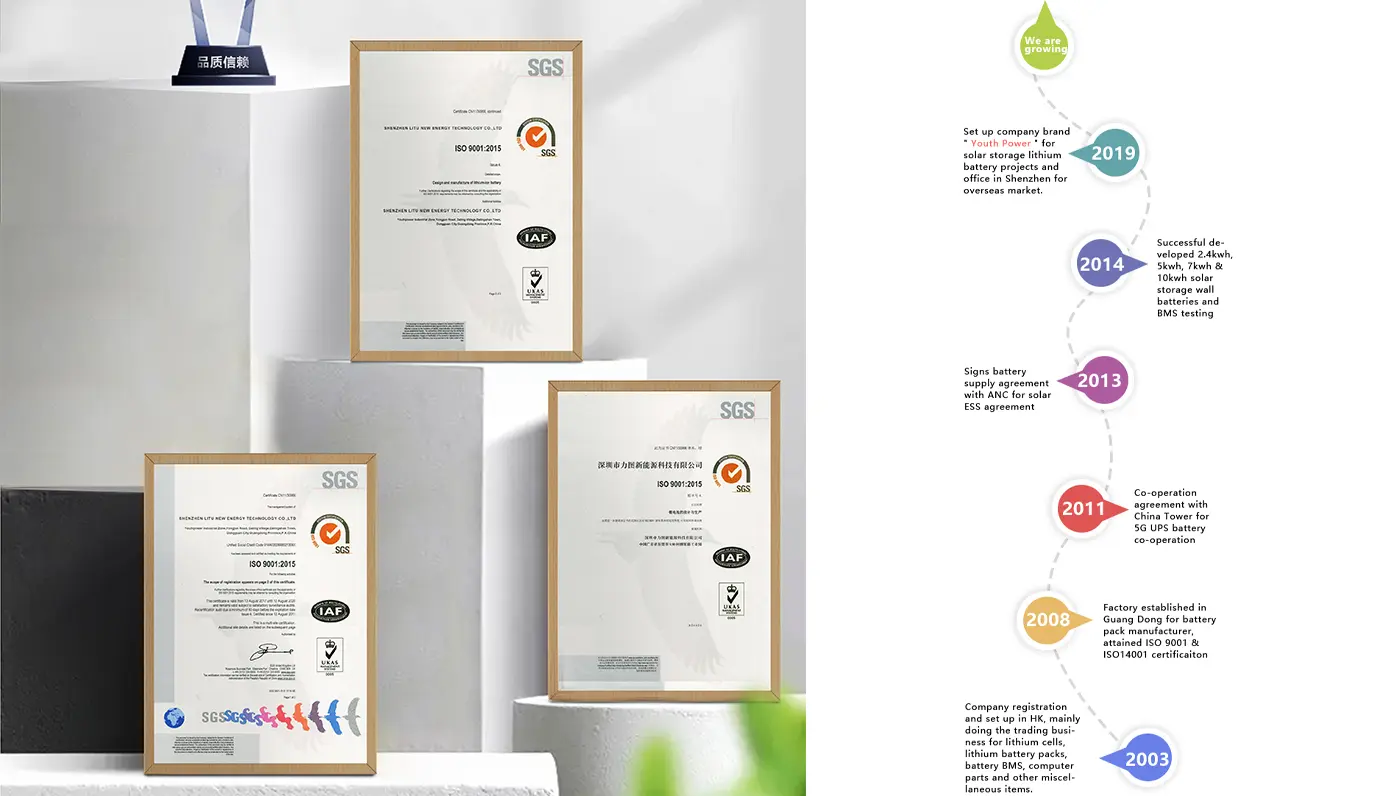
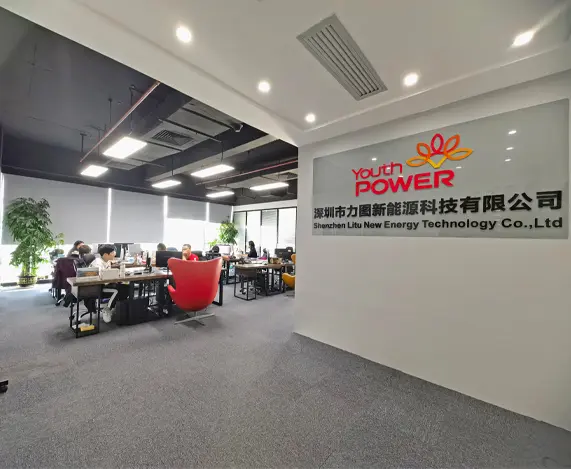
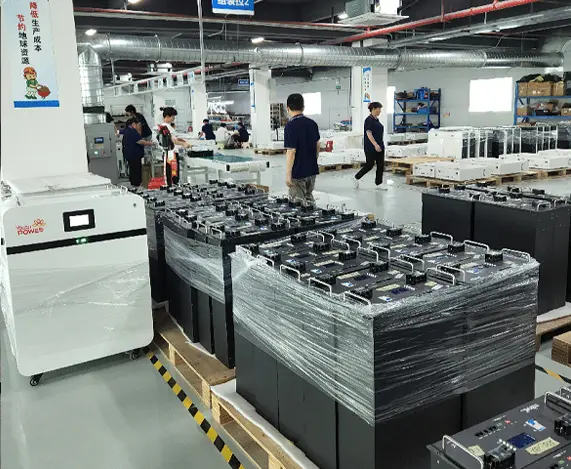
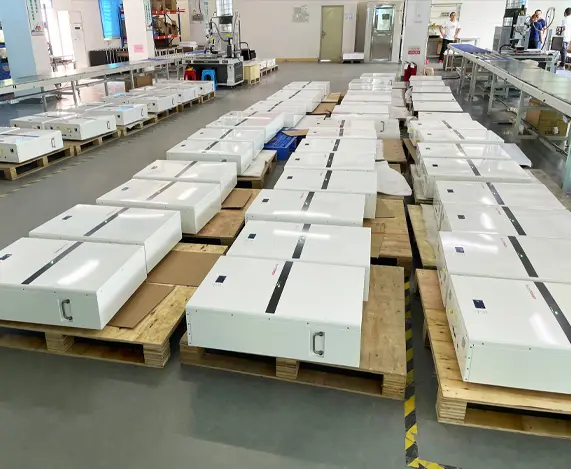
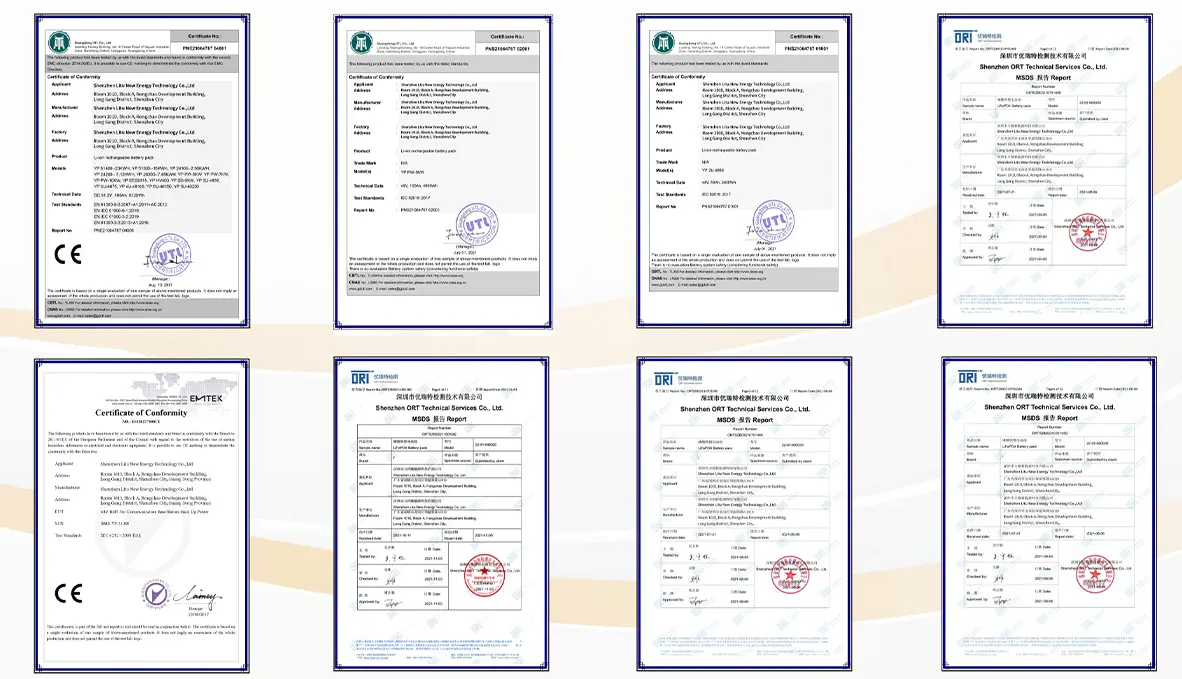
Safety and international certification are critical when implementing high-voltage lithium battery systems.
Our solutions conform to international regulatory and shipping guidelines. Our systems maintain certifications including UL1973, CE, IEC 62619, and UN38.3, ensuring reliability during transit and long-term operation under load.
Our distribution networks coordinate delivery, site planning, and regional support. This localization simplifies integration, matches regional grid standards, and minimizes installation timelines.
Our systems feature multi-level BMS protocols. Real-time monitoring of cell voltages, temperatures, and state of charge (SoC) protects against over-discharge, over-charge, and short circuits, helping to prevent thermal runaway.
Developing technologies to meet future energy demands.
The energy storage sector continues to develop. Our R&D efforts are focused on the following areas to improve system performance and energy density:
Answering common questions for B2B engineering and procurement teams.
From modular balcony units to high-capacity battery enclosures, we offer customizable solutions for residential and utility installations.
 YouthPOWER