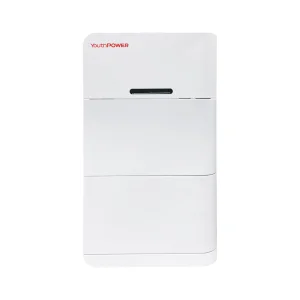
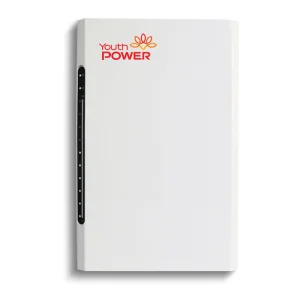
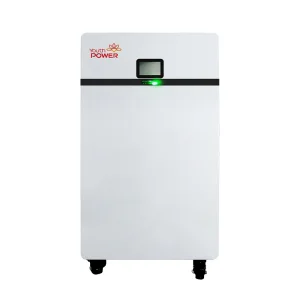
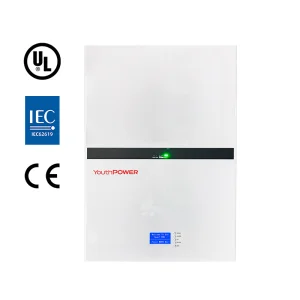
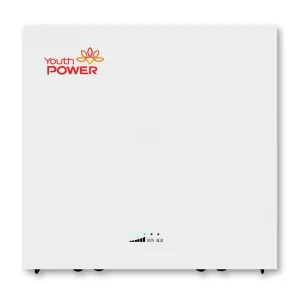
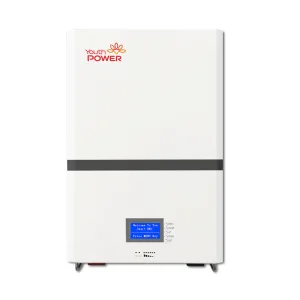
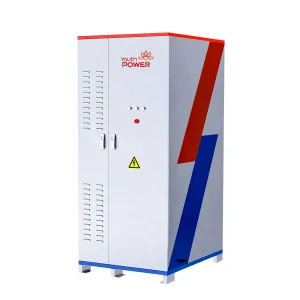
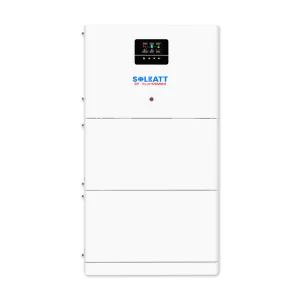
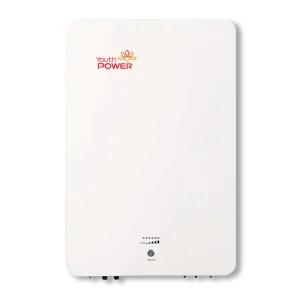
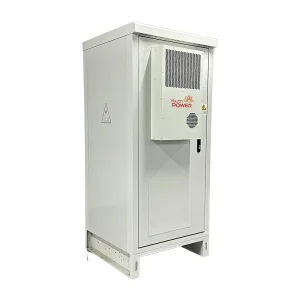
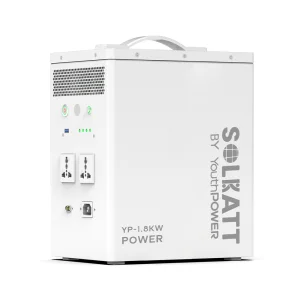
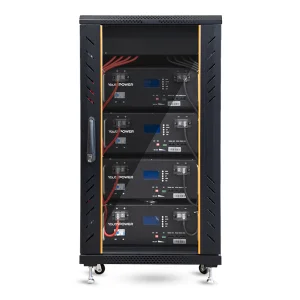
Explore our cutting-edge, high-efficiency lithium battery architectures designed for resilient power grid integration, home automation, and dynamic off-grid setups.
The global transition toward clean, decentralized energy has placed Lithium Iron Phosphate (LiFePO4) chemistry at the absolute center of energy storage systems (ESS). Driven by rising industrial energy prices, grid vulnerabilities, and stringent carbon reduction regulations, commercial and industrial enterprises are forced to optimize their power structures.
Compared to traditional Lead-Acid or Ternary Lithium (NMC) options, LiFePO4 chemistry presents superior safety metrics, an exceptionally long lifespan, and absolute thermal stability. With a thermal runaway threshold exceeding 270°C, these systems minimize safety risks in high-temperature environments. Our tailored industrial setups deliver robust, peak-shaving performance and dependable emergency backup capacity, ensuring uninterrupted workflow and major cost reduction.
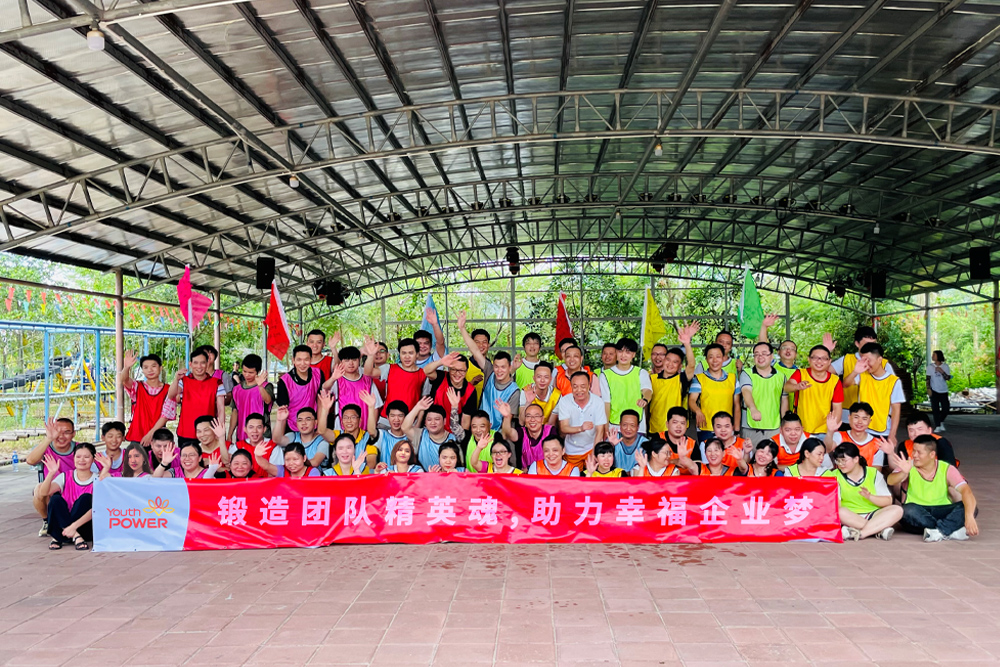
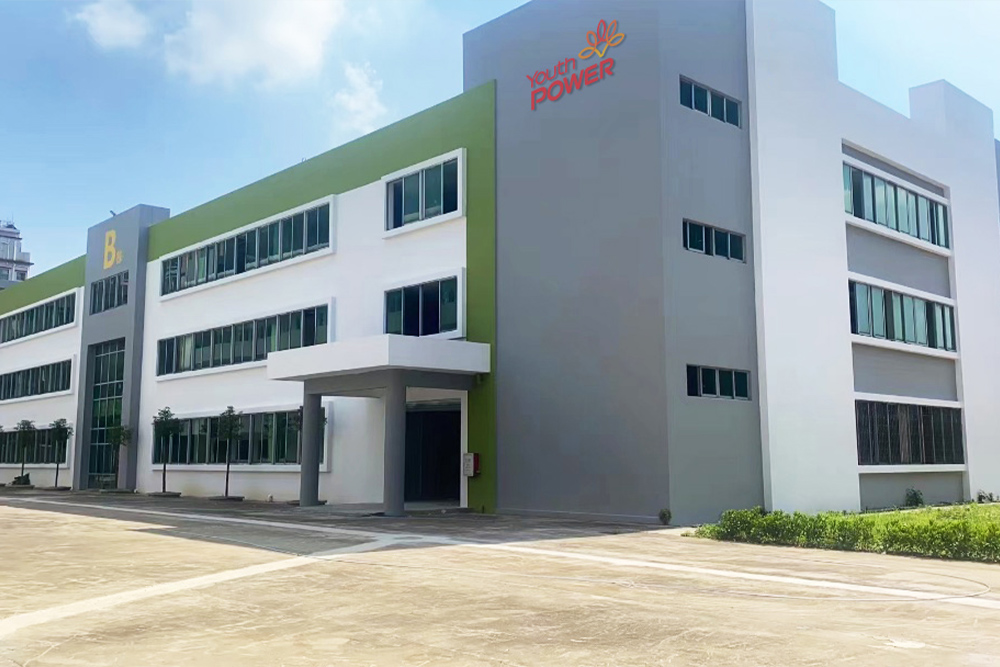
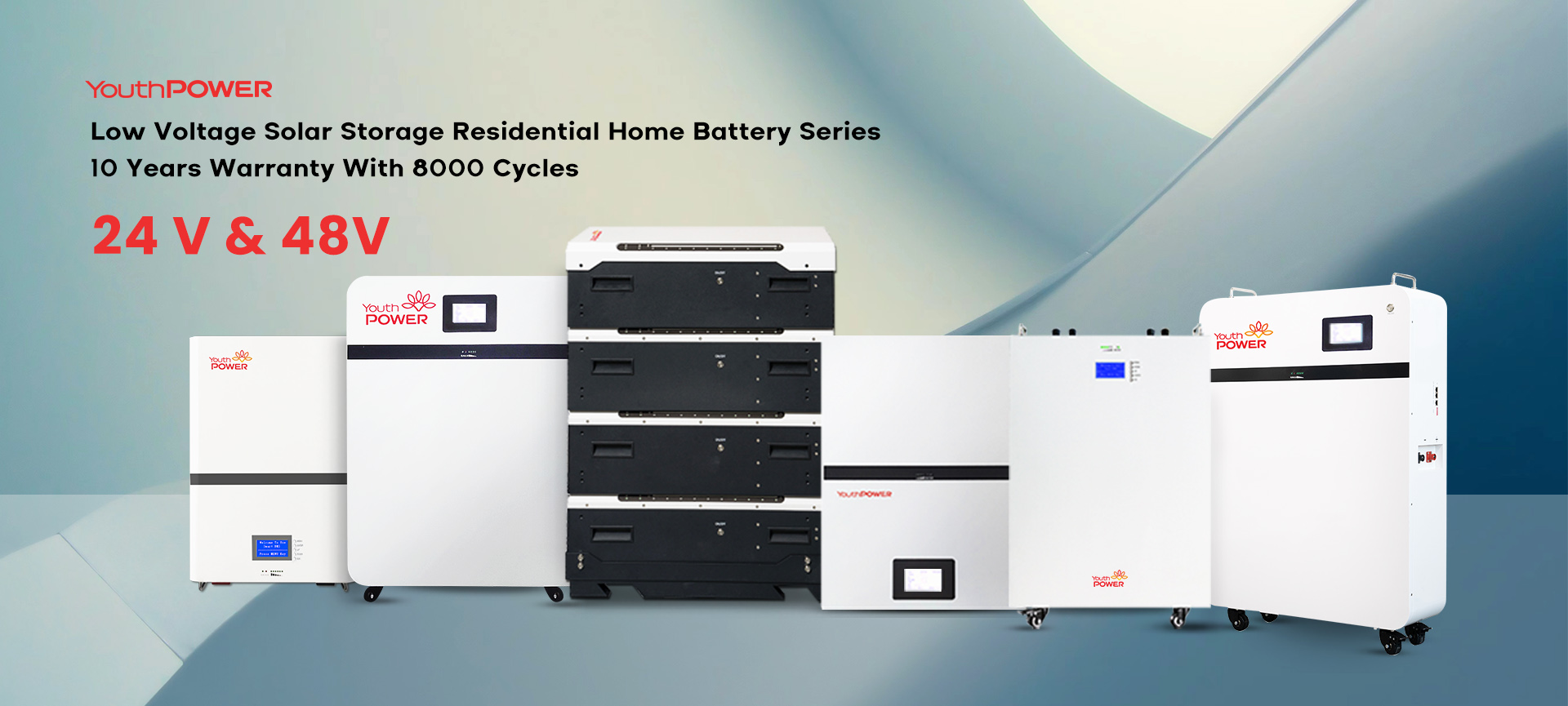
Founded in 2003, YouthPOWER has established itself as one of the leading suppliers of solar storage lithium batteries in the world. Backed by abundant manufacturing experience and a deeply capable new product R&D team, we cover a broad spectrum of energy storage applications including 24V, 48V, and higher voltage lithium battery solutions.
Through decades of rigorous engineering and market feedback, we launched our own registered brand "YouthPOWER" in 2019. By forming deep supply-chain relationships with raw material suppliers, we guarantee consistent component quality and pass the cost advantages directly to our global clients.
Our battery packs are engineered with high-efficiency hardware and smart software, ensuring continuous performance and protection across variable operating limits.
Integrated state-of-the-art Battery Management Systems dynamically monitor cell voltages, current levels, and internal temperatures, preventing over-charge, over-discharge, and thermal stress.
Utilizing high-density, automotive-grade LiFePO4 cells to ensure maximum volumetric efficiency, lower internal resistance, and standard design matching over 6,000 charge cycles.
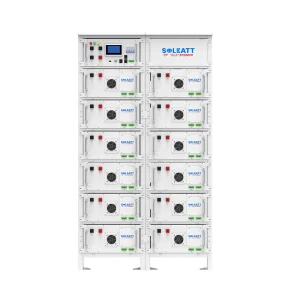
Engineered for high-voltage setups (up to 400V and above), our modular stackable boxes support flexible series-parallel expansion to match both domestic and heavy commercial loads.
With nearly 20 years’ experience in the battery industry, we have the capability to provide you with both the products you need and the most suitable products you want. We are always ready to supply the first-class products and meet the various needs of the customers.
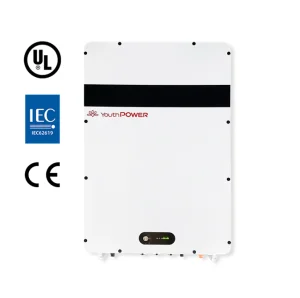
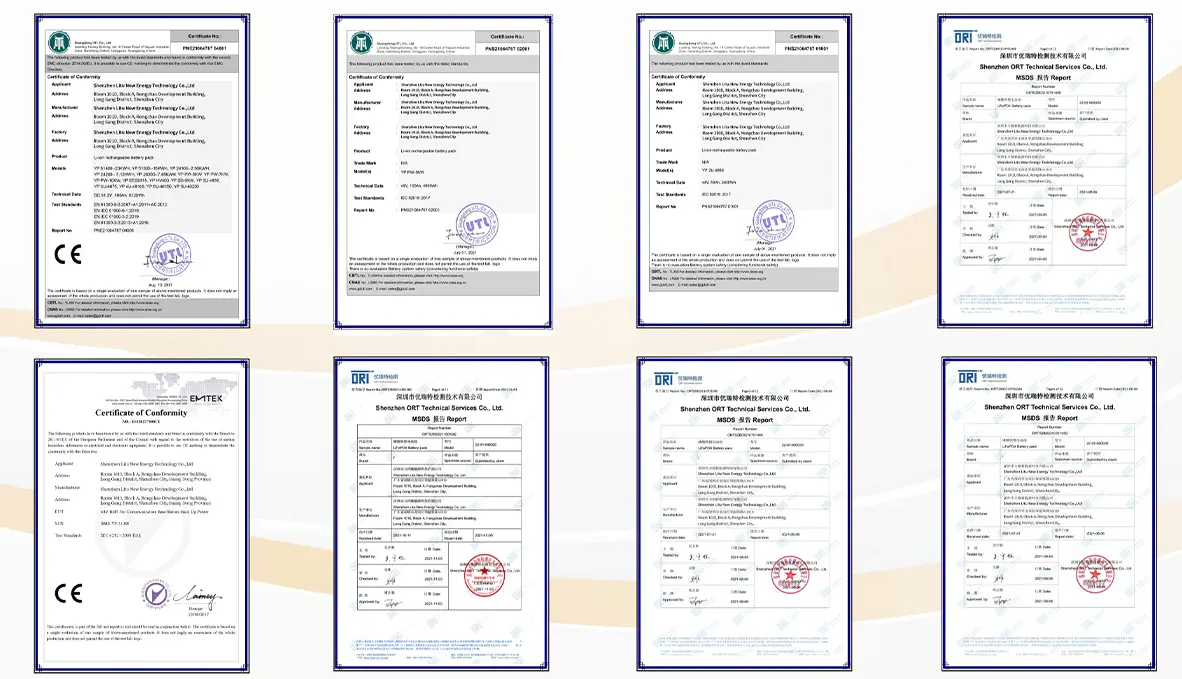
Every single lithium iron phosphate pack undergoes rigorous high-current load testing, vibration simulation, drop diagnostics, and environment chamber aging. We ensure complete compliance with international grid-connection standards and transport certifications, including UN38.3, CE, IEC 62619, and UL standards.
We have established good business relationships with our customers from all over the world. And we have a good cooperation with all our customers as well for many years running. Supported by our local vendors of raw materials, we can certainly offer you the best prices.
Our regional distribution channels and local warehousing partnerships facilitate smooth, timely logistics. Because we handle raw material procurement directly with top-tier suppliers, we insulate our customers from sudden lithium market spikes, keeping our wholesale unit pricing highly predictable.
We are so proud that YouthPOWER has offered the reliable solar storage solution for over 1,000,000 families now in the world.
A history marked by technical breakthroughs, manufacturing expansions, and a long-term commitment to sustainable energy storage.
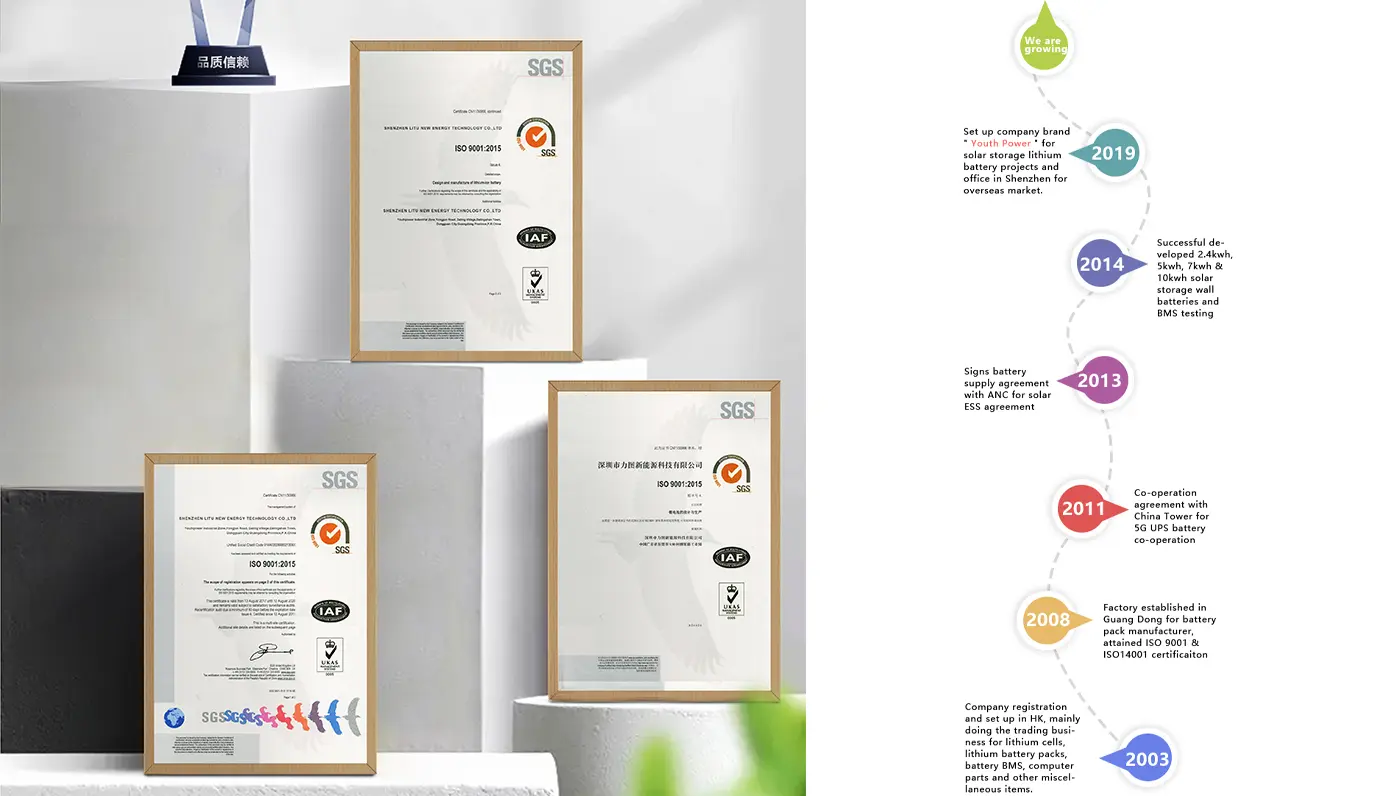
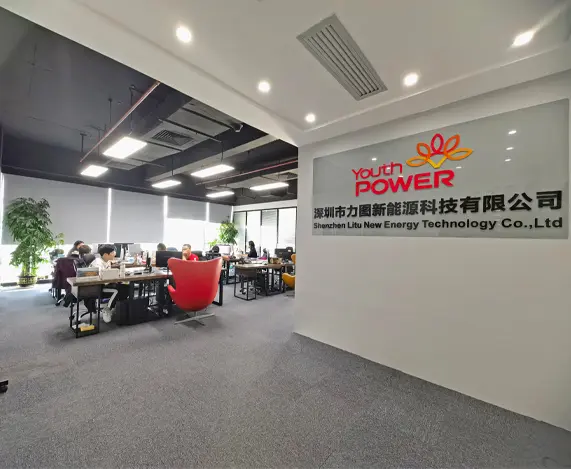
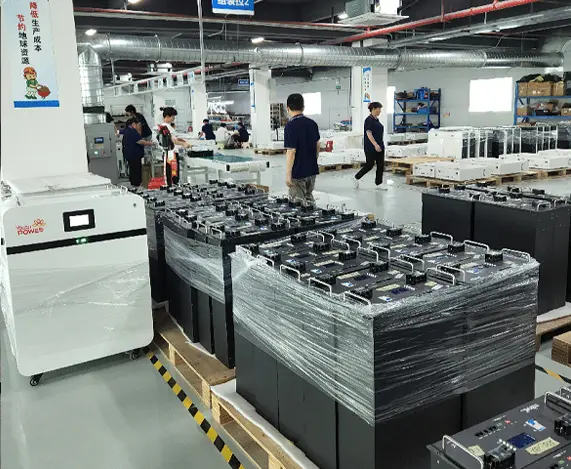
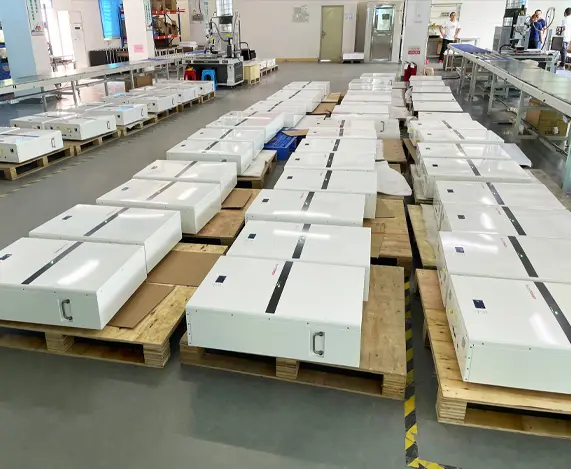
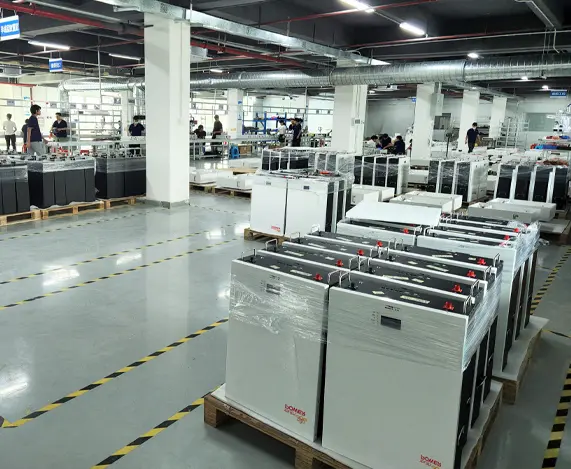
Discover how YouthPOWER is continuously evolving to meet the demands of tomorrow’s global grid integration.
Developing cloud-integrated BMS platforms utilizing machine learning algorithms to forecast cell degeneration, optimize thermal performance, and maximize battery lifecycle values.
Innovating raw material packaging configurations to increase volumetric energy density by 15% without altering physical enclosure dimensions, maximizing cabinet efficiency.
Aligning future off-grid and on-grid inverter-battery platforms to support bi-directional power exchange, allowing EV integration directly into the home grid system.
Read detailed, technical explanations designed to help engineers and procurement directors make informed solar energy storage decisions.
Explore our high-voltage cabinets, outdoor container systems, and mobile power stations built for commercial and off-grid reliability.
 YouthPOWER