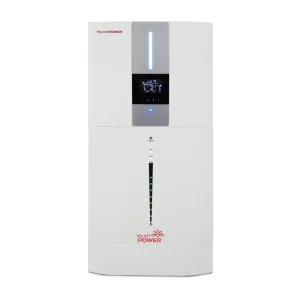
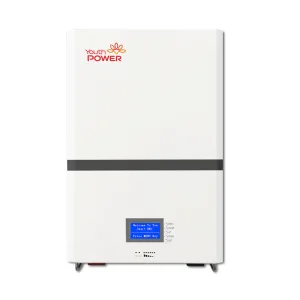
Direct-from-factory modular lithium storage assets optimized for heavy cyclic loads, commercial safety, and localized compliance standards.
In the transition toward highly distributed clean energy configurations, the selection of electrochemical storage architectures dictates the bankability, lifecycle efficiency, and long-term operating parameters of industrial, commercial, and residential projects. As critical infrastructural elements, Lithium Iron Phosphate (LiFePO4) deep cycle batteries have established themselves as the industry benchmark, replacing legacy lead-acid configurations across international energy grids. This document serves as an exhaustive procurement overview and technological analysis of standard industrial lithium storage systems, providing strategic guidance for EPC developers, distributors, and global purchasers.
Founded in 2003, YouthPOWER has now become one of the leading suppliers of solar storage lithium batteries in the world. With a broad range of energy storage solutions, it covers a series of 24V, 48V and higher voltage lithium batteries solutions.
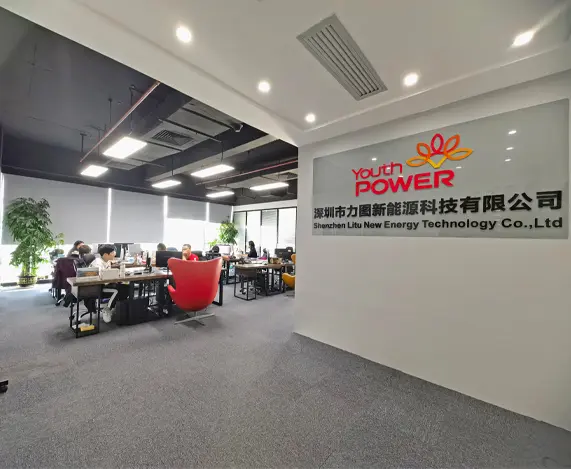
YouthPOWER has engaged in the battery technology and production for almost 20 years, with abundant manufacturing experience and strong new product R & D capability. Through many years of hard work and market promotion, we have created our own brand "YouthPOWER" in 2019.
With nearly 20 years’ experience in the battery industry, we have the capability to provide you with both the products you need and the most suitable products you want. We are always ready to supply the first-class products and meet the various needs of the customers.
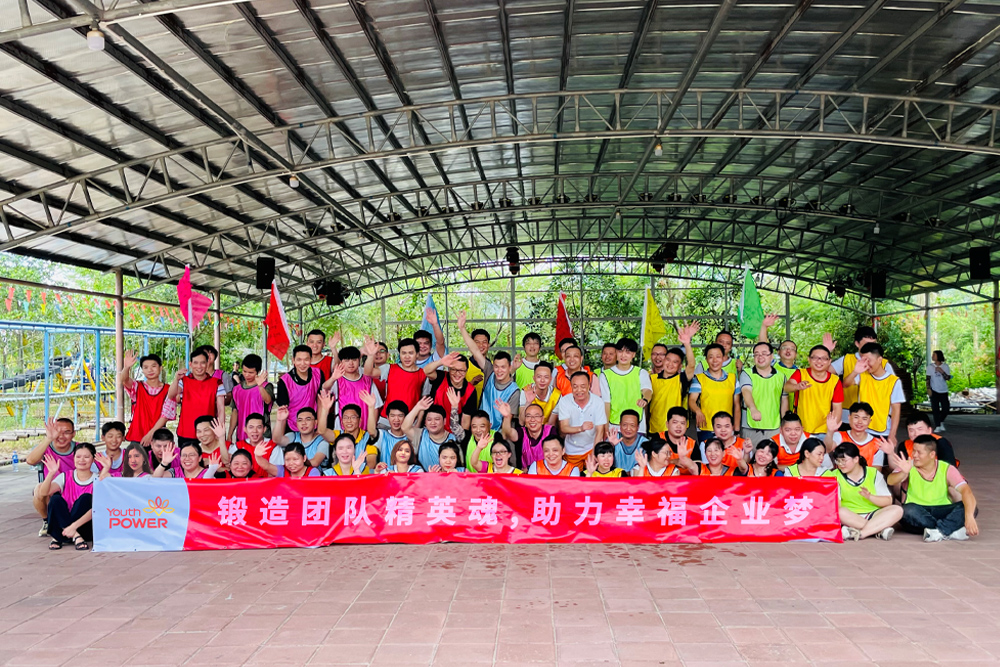
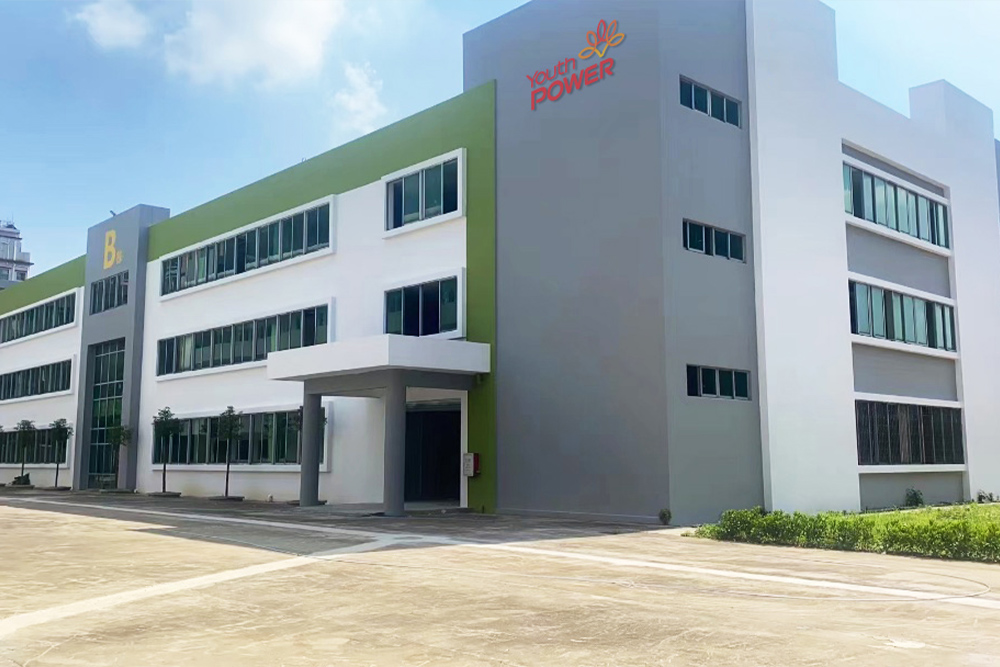
We have established good business relationships with our customers from all over the world. And we have a good cooperation with all our customers as well for many years running. Supported by our local vendors of raw materials, we can certainly offer you the best prices.
We are so proud that YouthPOWER has offered the reliable solar storage solution for over 1,000,000 families now in the world.
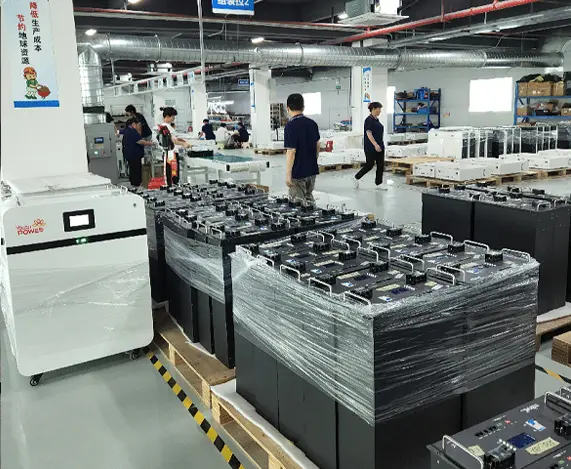
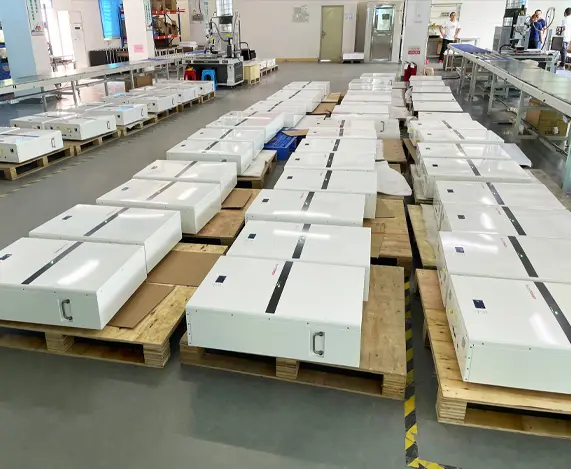
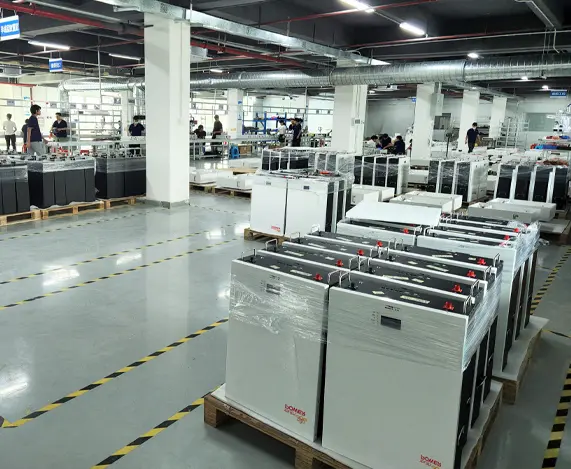
Our infrastructure includes advanced automated grading lines, state-of-the-art packaging capabilities, and validation parameters that meet or exceed European and North American grid requirements. By engineering the structural housing alongside internal BMS systems, we guarantee high thermal dissipation metrics and robust resistance against vibration, mechanical impact, and environmental stress.
Over the past two decades, our development trajectory has mirrored the evolution of the electrochemical battery industry. From initial precision packaging to state-of-the-art modular smart energy systems, our continuous technological improvements have allowed us to remain at the forefront of the commercial and residential energy storage systems (ESS) marketplace.
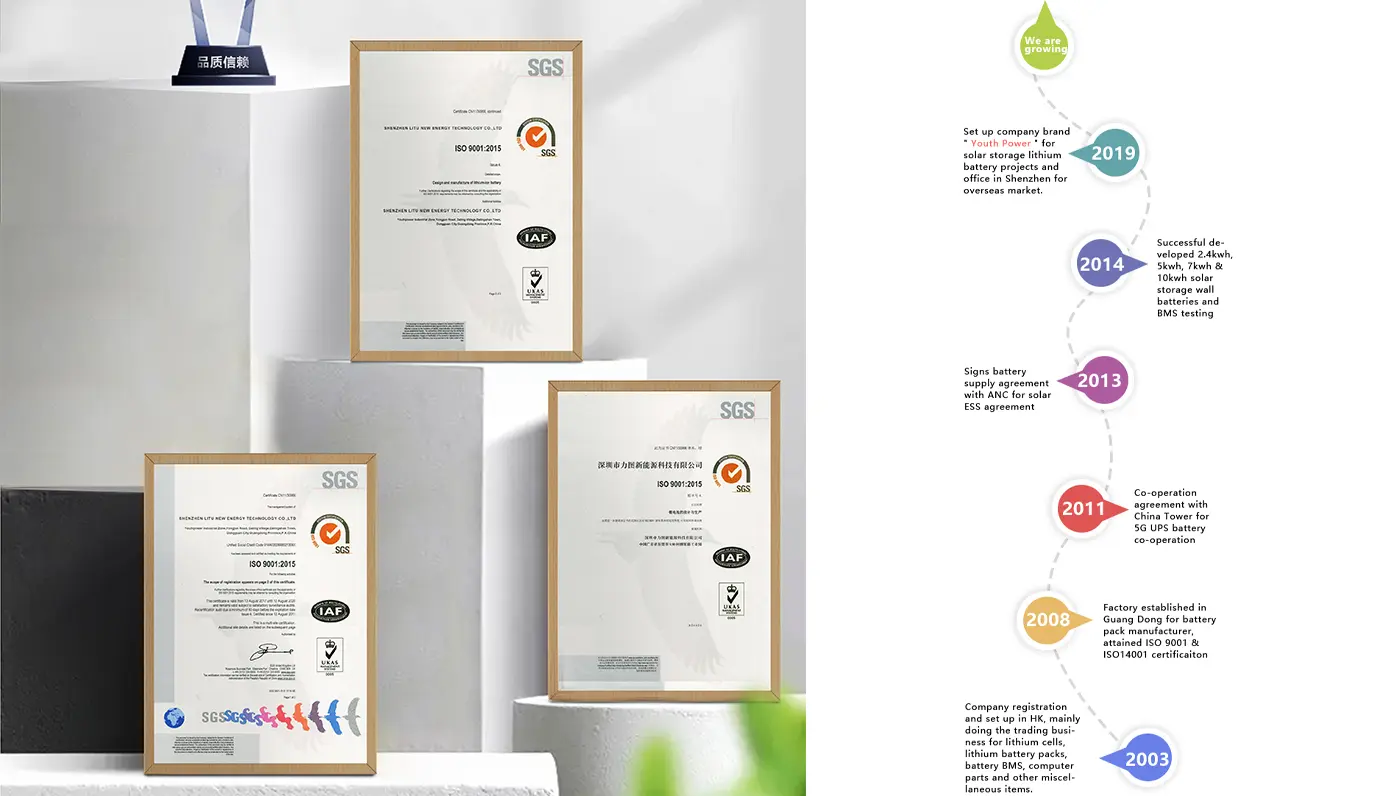
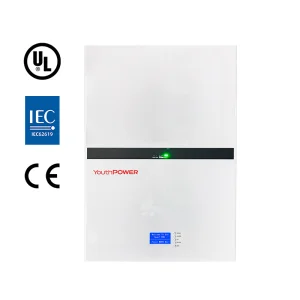
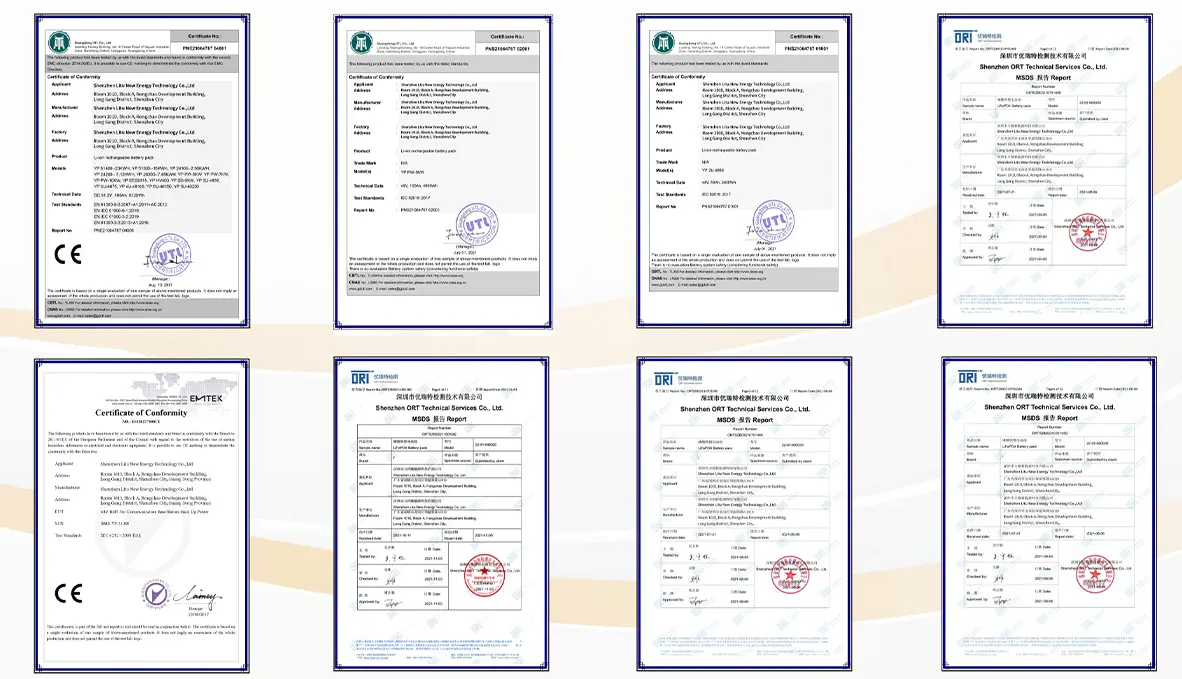
Our commitment to quality control is verified by standard certificates and safety reports, showing strict conformity to the rules and laws of global distribution markets.
The global battery energy storage industry is moving beyond standard modular assembly toward deep optimization of system design. Our current engineering efforts are focused on improving the performance, safety, and integration of lithium deep cycle batteries. The following technical roadmap outlines our developments for the coming years.
While alternative chemistries like NMC (Nickel Manganese Cobalt) offer slightly higher gravimetric energy densities, LiFePO4 remains the preferred choice for stationary storage and deep-cycle applications. The thermal runaway threshold of LiFePO4 is approximately 270°C, compared to NMC's 210°C, offering a safer profile for residential and commercial building integration. In addition, LFP cells deliver more than 6,000 cycles at 80% Depth of Discharge (DoD), yielding a significantly lower Levelized Cost of Storage (LCOS) over the lifecycle of the system.
To meet the growing demand for energy density without compromising safety, our R&D pipeline includes next-generation semi-solid-state designs. By replacing the liquid electrolyte with a gel polymer or semi-solid ceramic matrix, we reduce the risk of internal short circuits and dendrite growth. This change is projected to increase gravimetric energy density to over 220 Wh/kg at the pack level, while providing reliable performance in a wider temperature range (-30°C to 60°C).
Modern battery management systems (BMS) are shifting from passive monitoring to predictive optimization. Our proprietary smart BMS algorithms use cloud-integrated AI to predict cell health degradation trends, measure internal resistance shifts, and perform active balancing at the individual cell level. By transferring energy from high-state-of-charge cells to lower ones, rather than dissipating it as heat, we increase usable energy capacity by up to 4% and prolong pack lifecycle by 15-20%.
| Technology Phase | Cell Chemistry | Energy Density (Pack) | Cycle Life (80% DoD) | Primary Applications |
|---|---|---|---|---|
| Current Gen | LiFePO4 (Prismatic LFP) | 140 - 160 Wh/kg | 6,000+ Cycles | Residential Powerwall, C&I ESS, Mini-Grids |
| Mid-Term (2025-2026) | Semi-Solid State LFP | 180 - 220 Wh/kg | 8,000+ Cycles | High-Density Residential, Extreme Climate ESS |
| Long-Term (2027+) | All-Solid-State / Sodium-Ion | 160 - 250 Wh/kg | 10,000+ Cycles | Utility-Scale Grids, Scalable Telecom Batteries |
The economic efficiency of energy storage assets is heavily influenced by the optimization of the underlying manufacturing supply chain. Our manufacturing facilities utilize Industry 4.0 automation, ensuring high precision, quality consistency, and cost advantages that are passed directly to our customers.
Our assembly facilities are located close to the major lithium processing and precursor manufacturing hubs in Southern China. This geographic advantage minimizes transportation overheads, insulates our operations from international shipping disruptions, and allows for real-time quality audits of raw materials. We secure direct factory contracts for high-purity lithium carbonate, iron phosphate precursors, and graphite anodes, ensuring stable delivery terms and pricing even during volatile market phases.
Consistency is key to a long battery pack life. In our automated production lines, every individual cell goes through a multi-stage validation process before final assembly:
This systematic screening helps ensure that our battery packs function reliably throughout their lifespan, reducing maintenance costs and downtime for operators.
Modern energy challenges require customized storage solutions. Our products are engineered to integrate seamlessly into diverse applications, providing reliable power delivery for residential, commercial, and industrial markets.
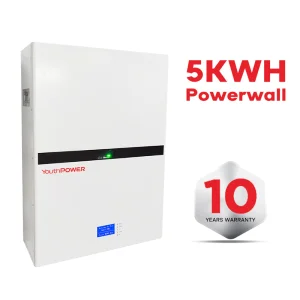
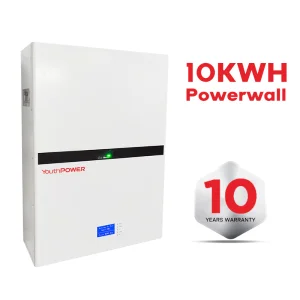
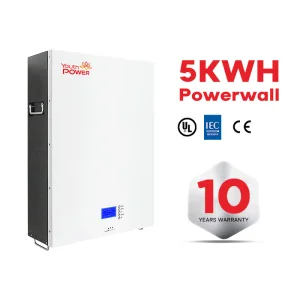
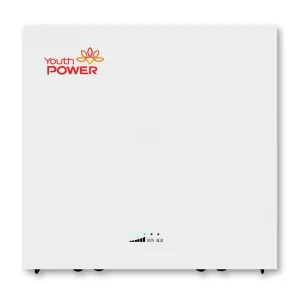
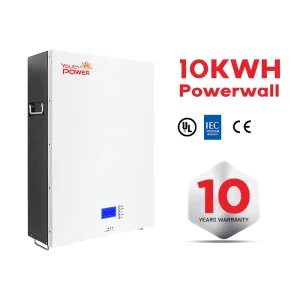
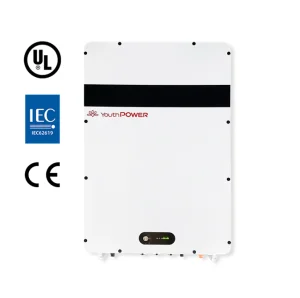
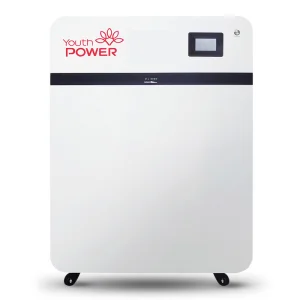
Wall-mounted and modular configurations, such as our Powerwall and Solar Storage Box designs, integrate directly with hybrid inverters. They support high-power discharge for household appliances, backup functionality during power outages, and optimize self-consumption from rooftop solar systems.
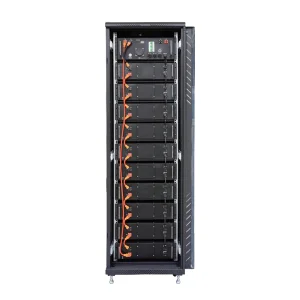
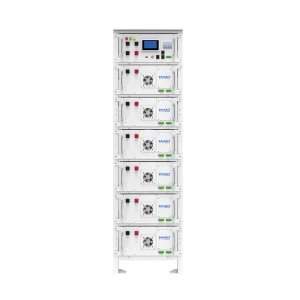
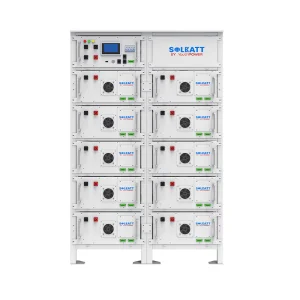
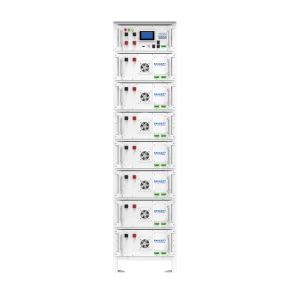
High-voltage battery cabinets (up to 512V and higher capacities like 100kWh to 143kWh) help commercial operators manage peak demand charges, support critical machinery, and provide backup power for data centers, clinics, and offices.
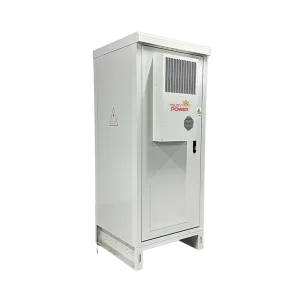
Off-grid installations and telecom towers require durable energy solutions. Our rugged battery modules perform reliably in harsh outdoor environments and under cycling demands, reducing the need for diesel fuel and maintenance visits.
A key factor in battery lifetime is thermal stability. Our battery cabinet designs utilize both passive convection cooling and active thermal management (liquid or forced-air cooling depending on the system size). Keeping the internal cell temperature within the optimal range of 20°C to 30°C helps prevent uneven cell aging, preserves capacity, and reduces the risk of thermal runaway.
Shipping large-format lithium batteries requires adherence to strict global safety rules. We ensure that our designs conform to international regulatory and logistics standards, enabling seamless deployment worldwide.
Our deep cycle battery systems are fully certified to meet the safety and performance requirements of key markets, including:
To support global partners, we are expanding our networks of regional distribution hubs and technical service centers. This infrastructure helps reduce shipping lead times and provides engineers with local support for system integration, programming, and troubleshooting.
When selecting a lithium battery manufacturer, evaluating the total cost of ownership (TCO) is crucial. B2B procurement managers can use the decision framework below to evaluate prospective battery suppliers:
By prioritizing raw material quality, advanced manufacturing standards, and robust design engineering, we provide high-performance energy storage solutions at competitive price points.
An A-grade cell is certified by the original cell manufacturer to meet exact specifications for nominal capacity, internal resistance, and voltage stability. These cells show no cosmetic defects and are not repurposed from electric vehicles or secondary markets, ensuring safe operation and long cycle life.
While LiFePO4 chemistry performs well in hot conditions, operating consistently above 40°C accelerates the degradation of the solid electrolyte interphase (SEI) layer, reducing cycle life. Conversely, charging below 0°C without a built-in heating element can cause lithium plating, which may permanently damage the cell. Our smart BMS systems help manage these risks by regulating internal temperatures.
Passive balancing dissipates excess charge from higher-voltage cells as heat through resistors, which is simple but inefficient. Active balancing transfers energy from stronger cells to weaker ones, minimizing heat generation, maximizing usable capacity, and extending the lifespan of the battery pack.
Prices fluctuate based on the cost of key raw materials (lithium carbonate, cobalt, nickel, and iron phosphate precursors), transport logistics, and the specific manufacturing requirements (such as automated laser welding and specialized testing). We leverage our close proximity to raw material supplies to help maintain stable, competitive pricing.
Our BMS uses standardized CANbus, RS485, and Modbus communication protocols. This allows our battery systems to share real-time data on state of charge (SoC), voltage, and temperature with major inverter brands, helping to protect the battery and optimize charging cycles.
Importing large lithium batteries requires compliance with UN38.3 for transport safety, CE and IEC 62619 for European installations, and UL 1973/UL 9540A for North American grid and building safety codes. Our products carry these certifications to ensure smooth customs clearance and compliance.
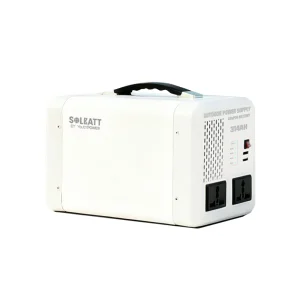
Select from our highly versatile range of portable, wall-mounted, and heavy industrial container systems to fit your energy requirements.
 YouthPOWER