Explore our top-performing Tier-1 lithium storage systems engineered for long cycle life, high safety margins, and seamless inverter compatibility.
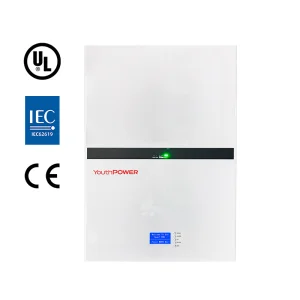
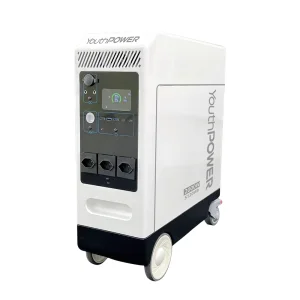
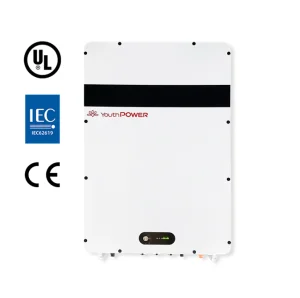
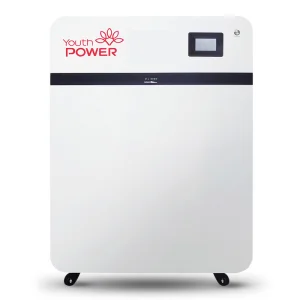
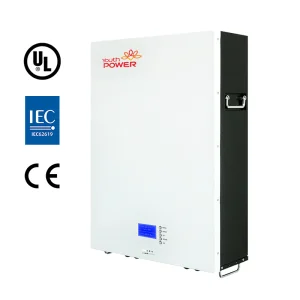
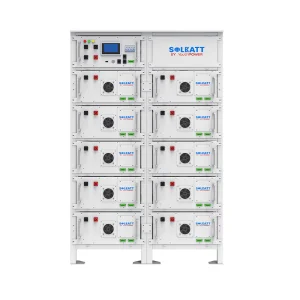
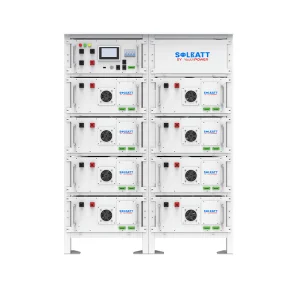
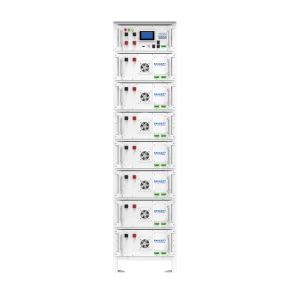
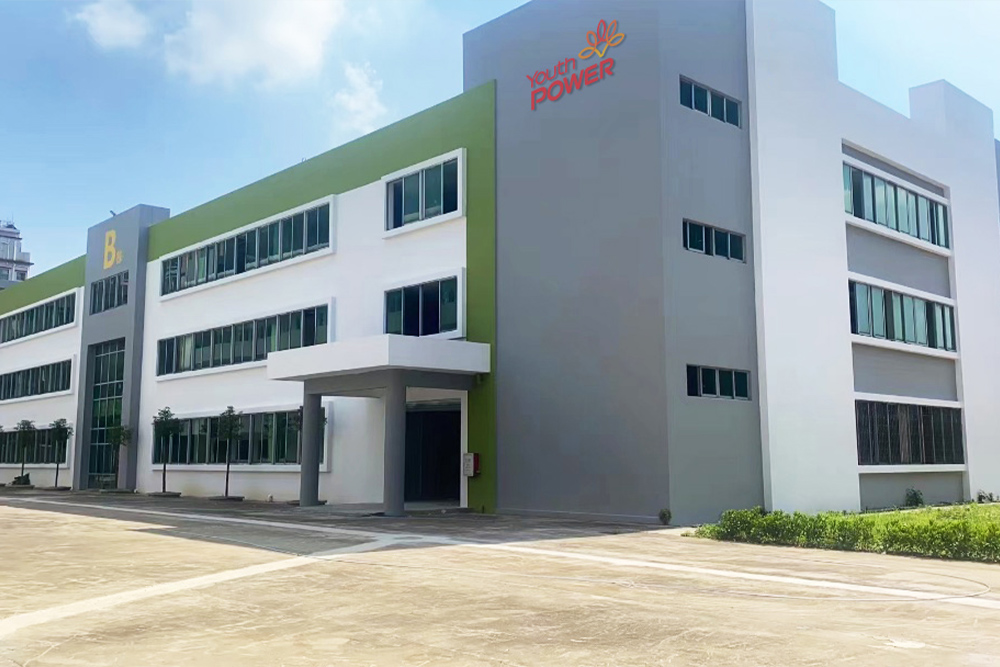
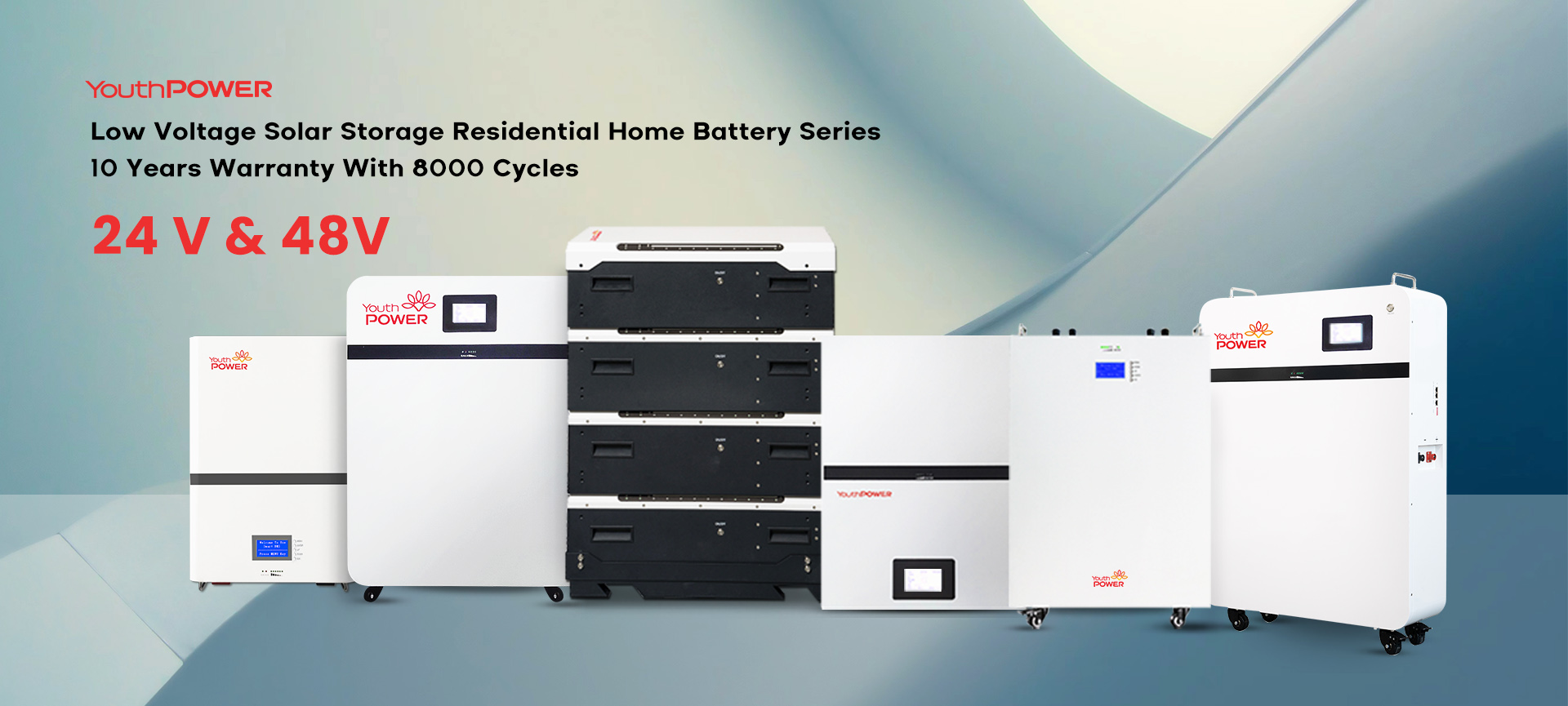
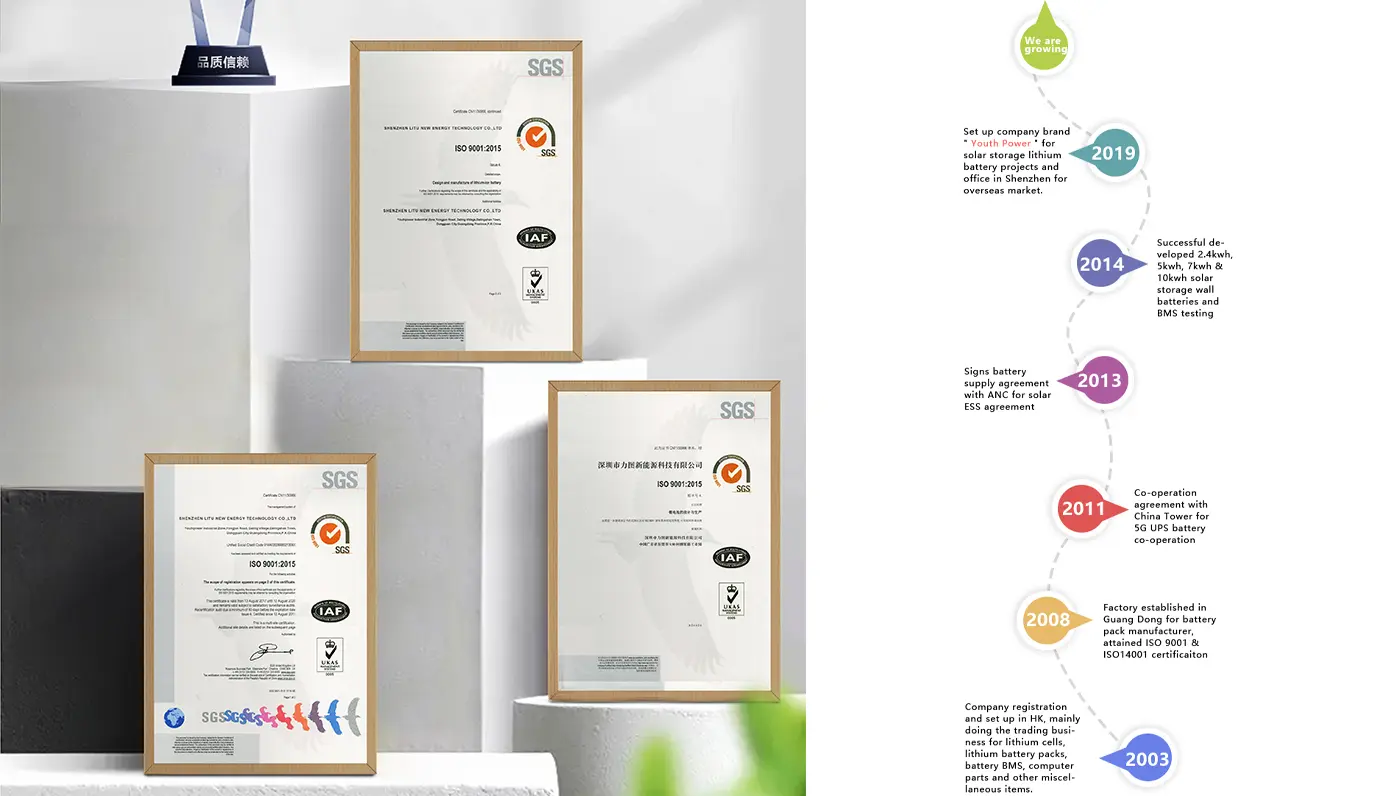
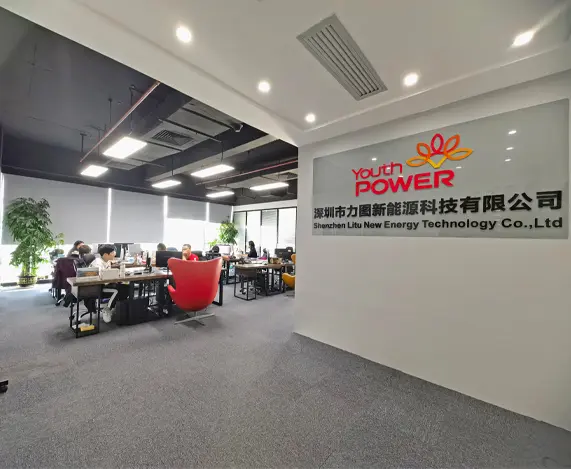
Founded in 2003, YouthPOWER has now become one of the leading suppliers of solar storage lithium batteries in the world. With a broad range of energy storage solutions, it covers a series of 24V, 48V and higher voltage lithium batteries solutions.
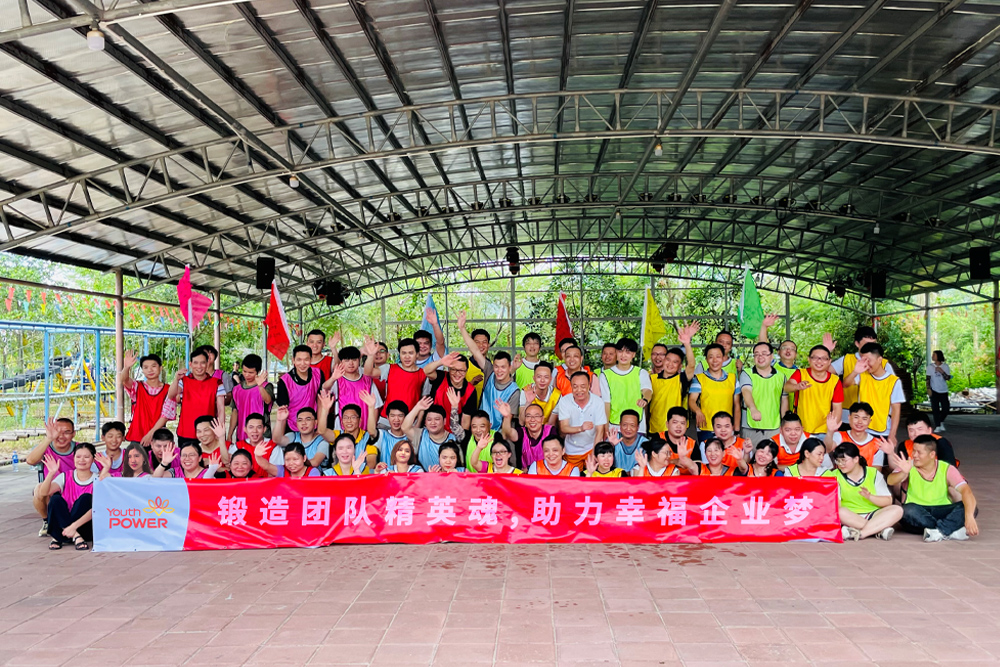
YouthPOWER has engaged in the battery technology and production for almost 20 years, with abundant manufacturing experience and strong new product R & D capability. Through many years of hard work and market promotion, we have created our own brand "YouthPOWER" in 2019.
We have established good business relationships with our customers from all over the world. And we have a good cooperation with all our customers as well for many years running. Supported by our local vendors of raw materials, we can certainly offer you the best prices.
We are so proud that YouthPOWER has offered the reliable solar storage solution for over 1,000,000 families now in the world.
Decades of scientific innovation, evolving from cell-level engineering to global gigawatt-hour utility storage deployments.
Evaluating the technical frameworks, supply chain logic, and procurement parameters for global utility and C&I projects.
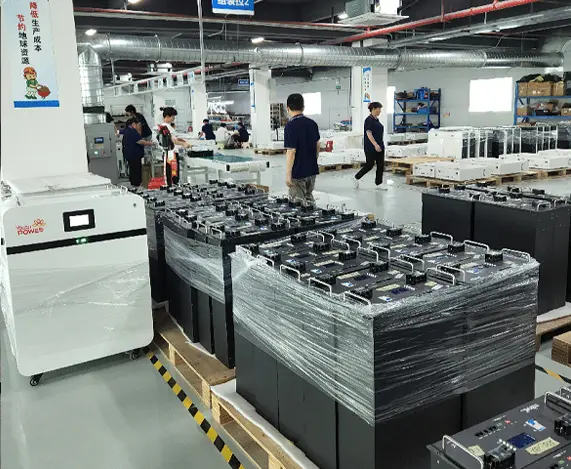
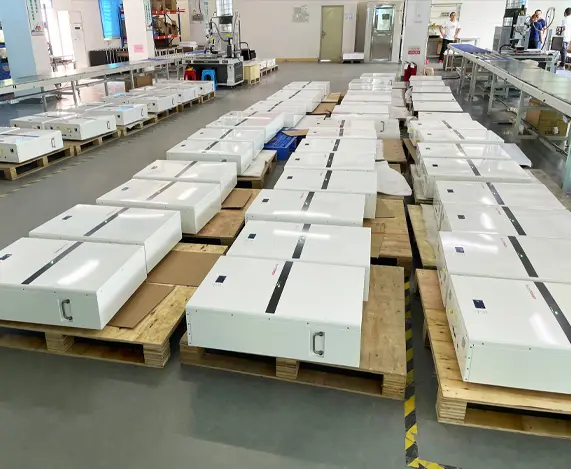
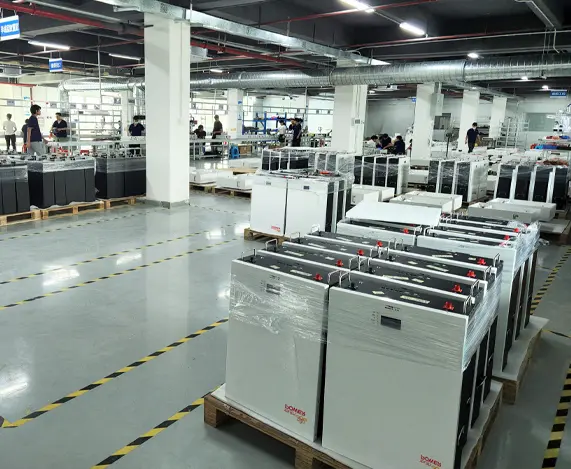
Leveraging the world’s most integrated battery manufacturing ecosystem. From raw lithium processing to cell manufacturing and active smart BMS creation, Chinese factories minimize shipping overheads and raw material latency, offering a cost-to-performance ratio that is virtually unmatched globally.
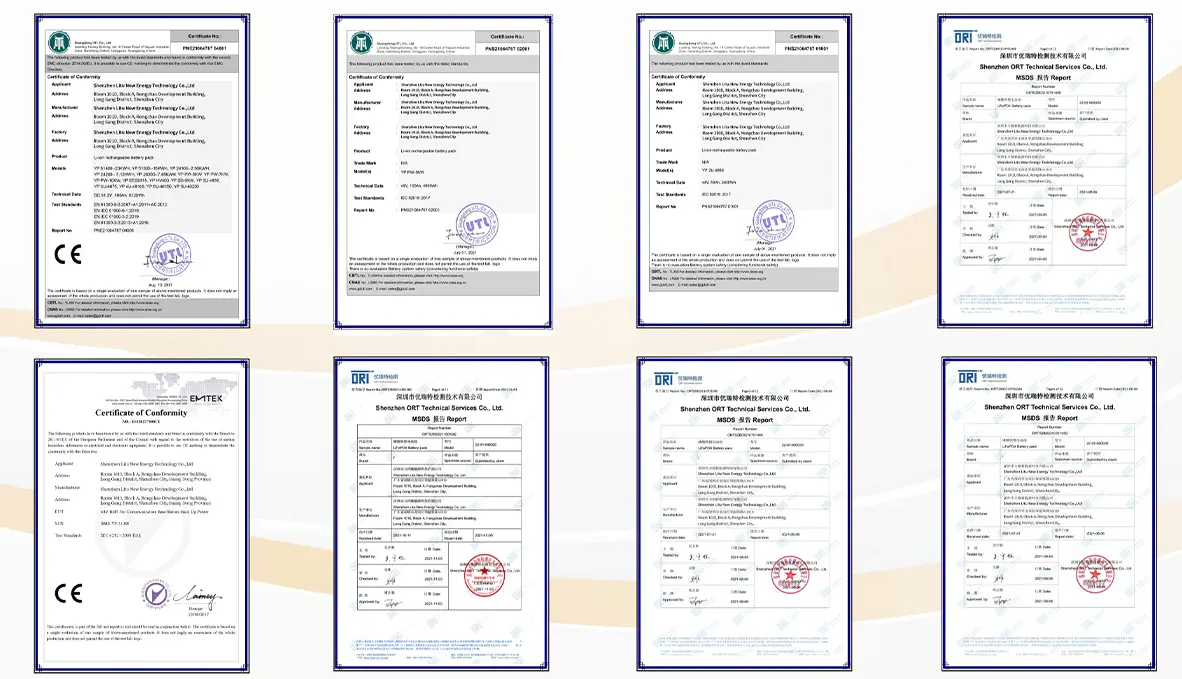
High-voltage battery storage systems demand absolute compliance. We meet international grid-interconnection standards including UN38.3, IEC62619, CE, and UL1973. This rigorous alignment ensures safety, legal deployment, and effortless permitting across European and North American grids.
Handling Class 9 Dangerous Goods requires comprehensive global logistics expertise. We guarantee seamless shipping, duty management, and marine transport safety documentation. Our localized support ensures that on-site delivery and initial power testing go smoothly, minimizing installation delays.
Experienced energy procurement managers look beyond the initial purchase price of lithium-ion batteries. The real yardstick is LCOS (Levelized Cost of Storage). Factors that influence this metric include cycle lifetime, depth of discharge (DoD), cell degradation curves, and conversion efficiency. Operating at high voltages, like our 358.4V or 512V systems, significantly reduces transmission and conversion losses, which drastically lowers your overall LCOS over the system's lifetime.
Lithium Iron Phosphate (LiFePO4 / LFP) has emerged as the definitive standard for stationary grid storage systems. Unlike traditional lead-acid or NMC options, LiFePO4 offers exceptional thermal stability and a cycle life exceeding 6,000 cycles at 80% Depth of Discharge (DoD). Crucially, the chemistry eliminates the risk of catastrophic fires (thermal runaway), providing a safe, long-term solution for indoor and commercial installations.
Optimized configurations engineered for diverse operating environments and grid topologies.
High-voltage battery setups (such as the 143KWH or 114KWH systems) allow factories to charge batteries during off-peak times and discharge during high-tariff periods. This mitigates peak demand charges and provides a highly predictable energy cost matrix.
For mining camps, telecom towers, and agricultural operations, integrating waterproof battery storage boxes with solar arrays ensures constant, reliable power. This greatly reduces reliance on expensive and logistically challenging diesel generator fuel runs.
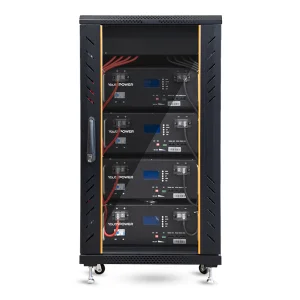
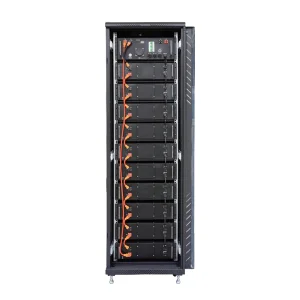
Our modular high-voltage rack systems fit standard server cabinets. They offer critical energy density and near-zero transition times to protect telecom assets from voltage drops and rolling blackouts.
Where the industry is heading: from material advancements to smarter cloud-connected systems.
Modern battery storage systems are moving beyond basic cell protection. Advanced AI-driven Cloud-BMS platforms predict cell degradation, dynamically balance charges across multiple arrays, and identify potential thermal faults days before they happen. This predictive maintenance significantly improves safety and operational reliability.
Moving from traditional 48V DC setups to high-voltage lines (up to 800V or higher) is a major trend in C&I applications. High-voltage setups require thinner cabling, suffer fewer conversion losses, and work seamlessly with modern utility-scale inverters, making installations far more efficient.
As standard systems age, recycling LFP batteries becomes vital. Leading factories are shifting toward green manufacturing processes and ensuring materials like iron, phosphate, and lithium can be recovered efficiently. This reduces the carbon footprint of future manufacturing cycles and supports sustainability goals.
For high-capacity installations, liquid cooling is replacing air cooling as the standard. Liquid systems maintain uniform cell temperatures, preventing hot spots and prolonging battery cycle life by up to 25%, particularly in demanding high-ambient-temperature regions.
Critical engineering and procurement questions answered by our technical department.
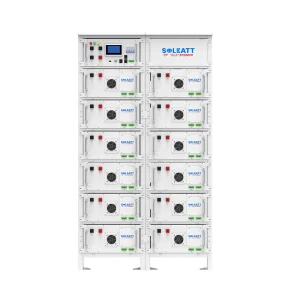
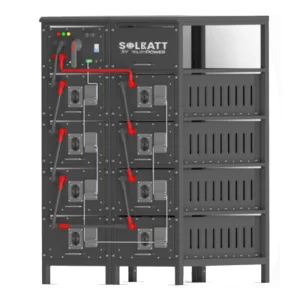
High capacity commercial racks and integrated cabinets for large-scale energy deployments.
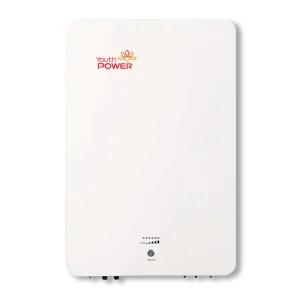
 YouthPOWER