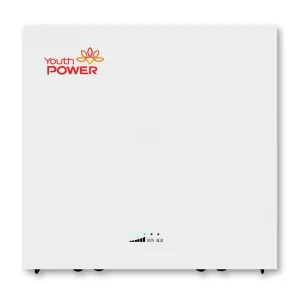
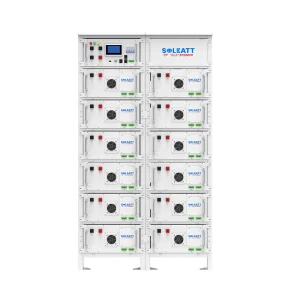
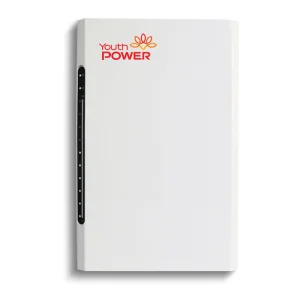
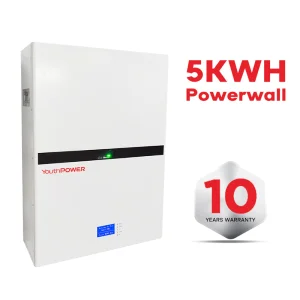
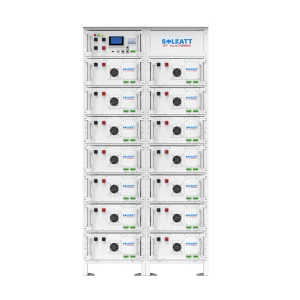
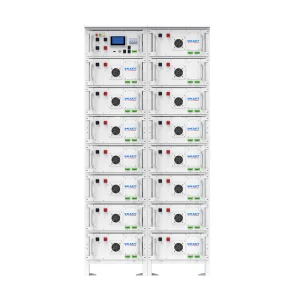
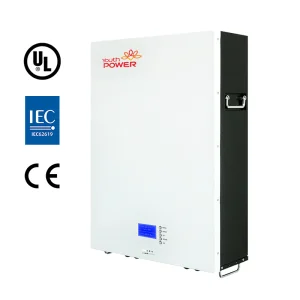
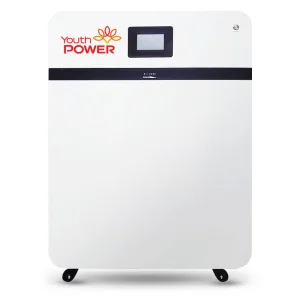
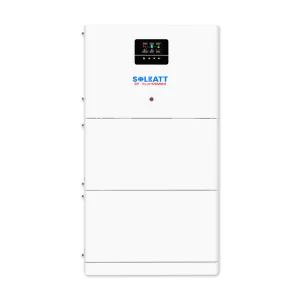
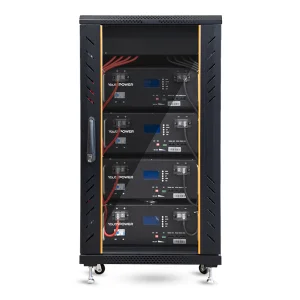
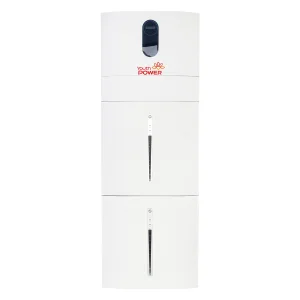
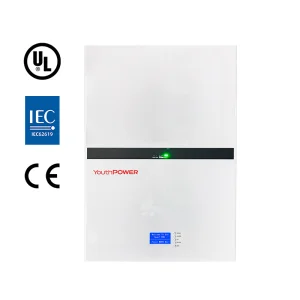
Explore our premium energy storage portfolio optimized for high depth of discharge, smart safety triggers, and stable low state-of-charge efficiency.
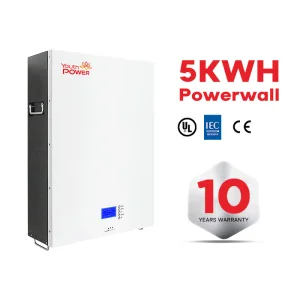
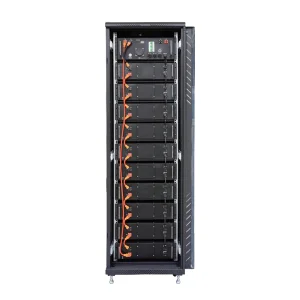
How state-of-charge protection and smart BMS threshold programming optimize battery lifecycle and dynamic backup reserves.
Within Lithium Iron Phosphate (LiFePO4) solar storage applications, the term "Low Battery Mode" refers to a system-wide hardware and software control sequence triggered when the State of Charge (SoC) drops below preconfigured thresholds (typically 10% to 20%). In standard lithium systems, dropping below critical voltage levels without protective mechanisms risks permanent capacity fade or cell degradation due to copper shunts and structural changes in the cathode.
By leveraging an advanced Battery Management System (BMS), high-performance low battery protocols dictate:
These actions ensure that high-voltage commercial racks and residential powerwalls retain their capacity over thousands of duty cycles, representing the gold standard in modern energy engineering.

Why Tier-1 Chinese manufacturing centers lead the global market in quality control, supply chain integration, and unit economics.
Chinese battery factories are positioned at the heart of the global lithium raw material processing sector. By refining lithium carbonate, manufacturing cathodes, and wrapping prismatic cells within localized industrial zones, transit overheads are drastically reduced, passing cost efficiencies directly to end consumers.
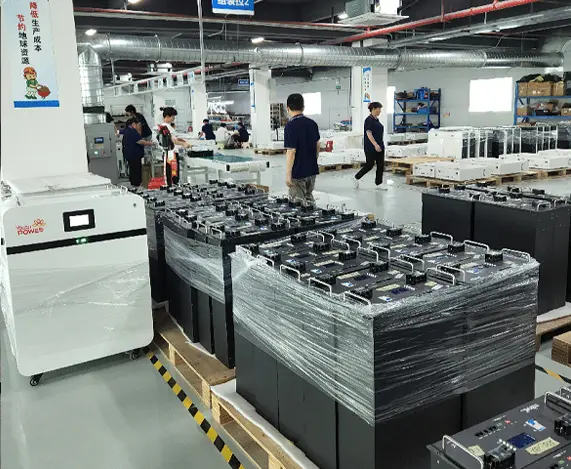
With massive capital injection and robotics infrastructure, top-tier factories utilize automated cell sorting, laser welding, and automated age-cycling rooms. This scale reduces unit variances, guaranteeing cell balance and uniform decay across large commercial systems.
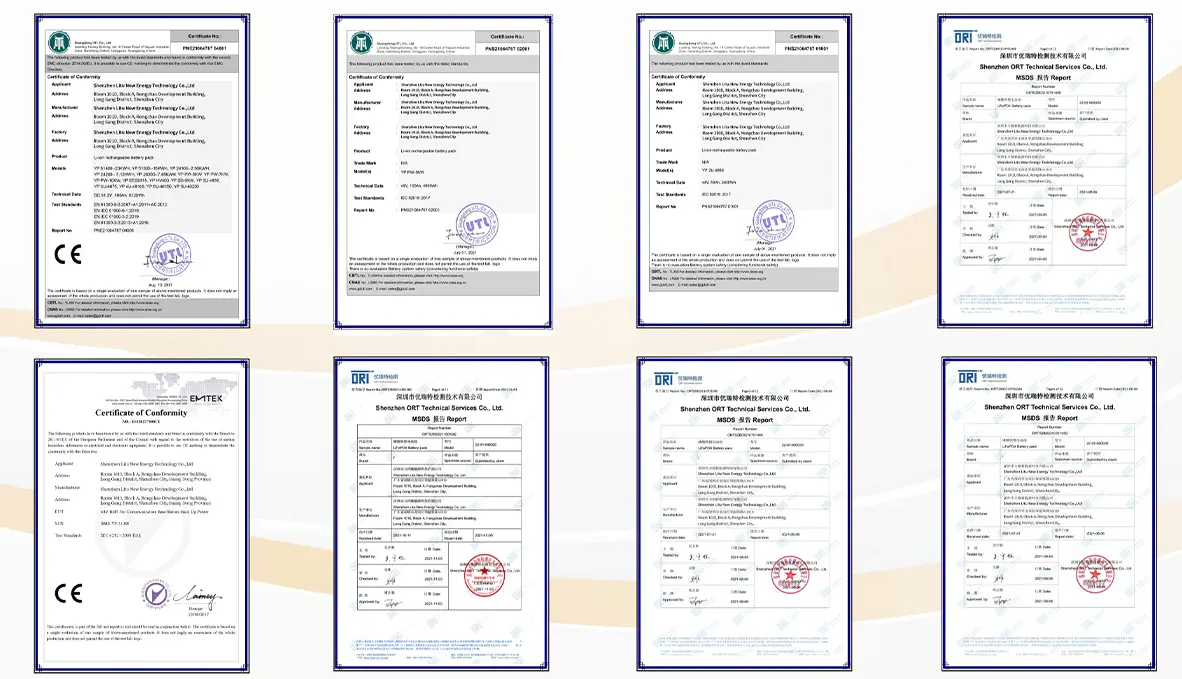
Export-oriented Chinese manufacturers certify products according to UN38.3, UL1973, CE, IEC 62619, and MSDS standards. This complete regulatory alignment makes global customs clearances and residential grid integrations fluid and hassle-free.
Stay ahead with insight into how the market is transitioning towards smart microgrids, high-voltage battery racks, and virtual power plant integration.
Modern commercial energy consumers are transitioning away from low-voltage parallel setups to serial high-voltage configurations. High-voltage systems (e.g., 400V to 800V+) reduce current transmission losses, enable thinner cables, and enhance total round-trip energy conversion efficiency. Our latest line of battery products reflects this evolution, reducing thermal losses by up to 15%.
Key technologies driving the future of grid management include:
From commercial shaving profiles to off-grid industrial systems, learn where specialized low battery controls perform best.
Operating in rugged, unmonitored environments, off-grid telecom installations require robust deep-cycling lithium packs. When weather limits solar irradiance, the system triggers the "Low Battery Mode" to maintain core radio signals, shutting off ambient heating and cooling loops to conserve critical operational run-time.
For industrial plants, peak power rates can drain profitability. High-voltage commercial racks store off-peak electricity and discharge it during peak periods. The smart BMS tracks battery health metrics, preventing full discharge below safe operating limits to preserve factory asset life.
Integrating household powerwalls with PV modules gives families peace of mind. During standard grids, the systems maintain a 20% backup buffer. In backup emergencies, the system unlocks access to the low battery reserve, ensuring lighting and essential medical appliances continue to function safely.
Learn about our transition from custom battery pack fabrication to a global tier-1 brand supplying clean energy solution infrastructure.
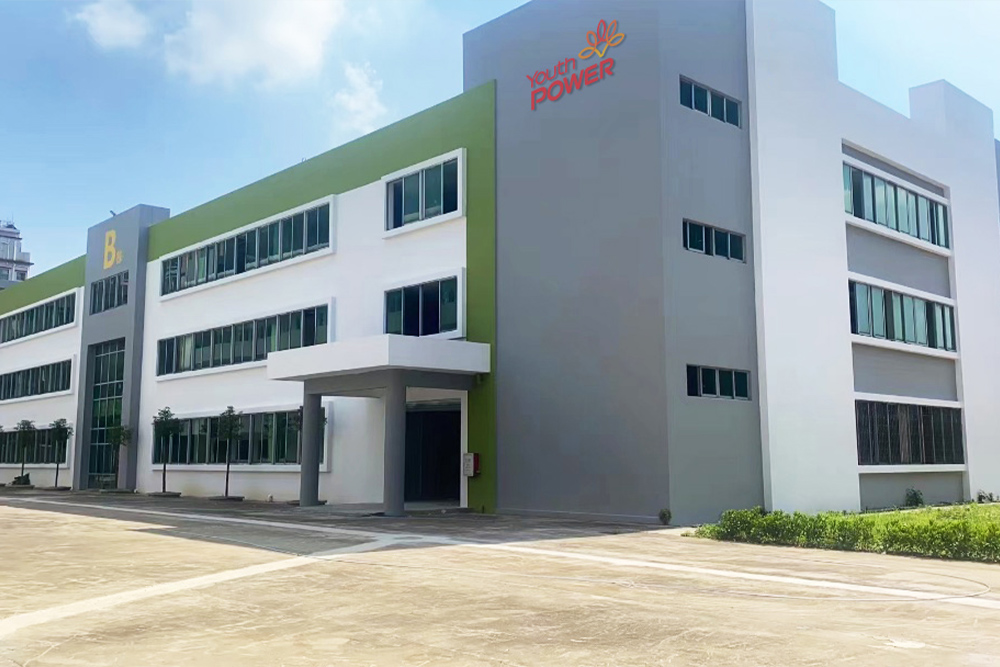
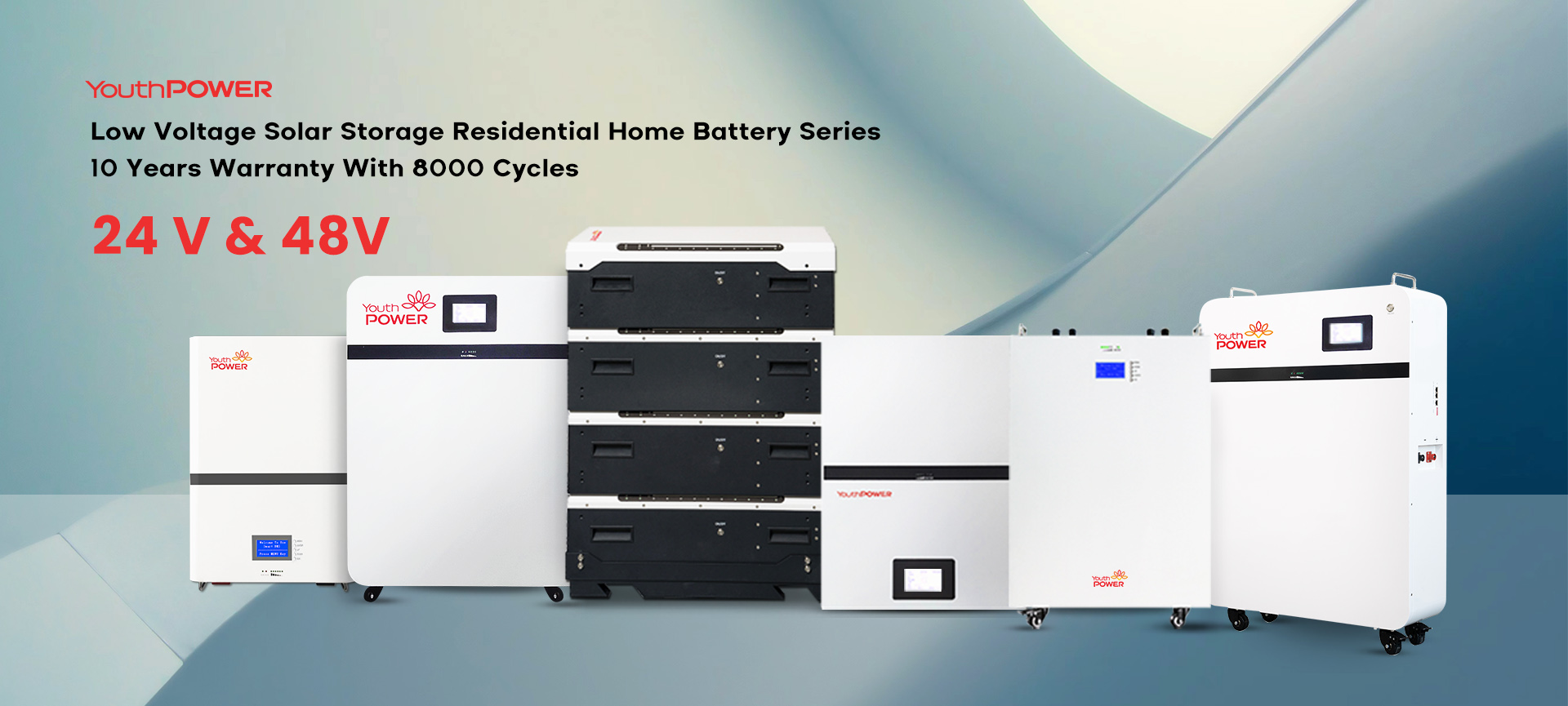
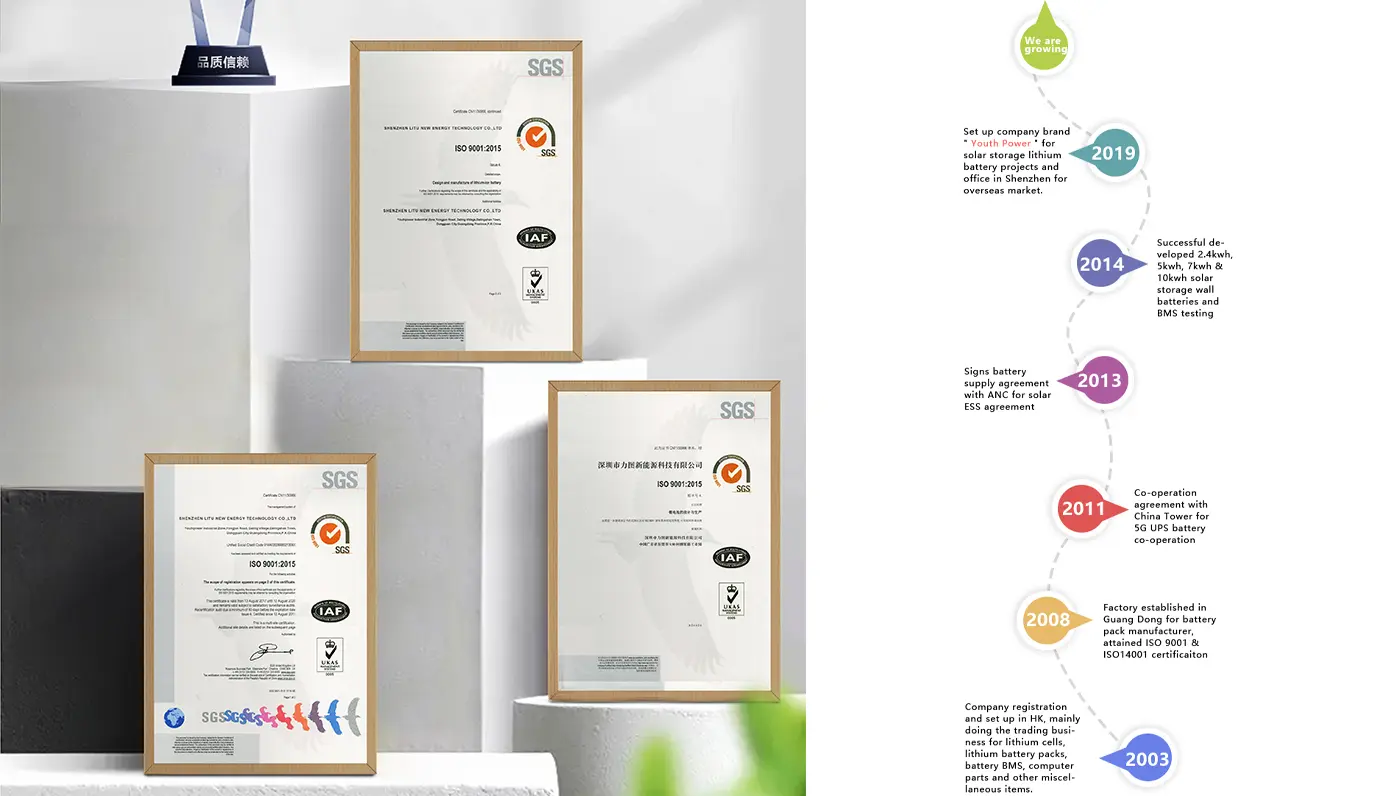
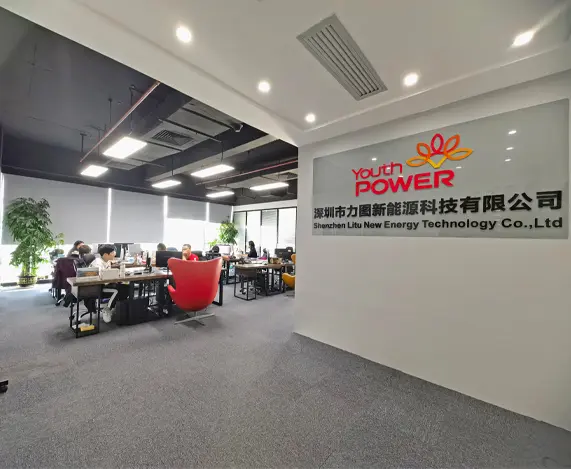
Founded in 2003, YouthPOWER has now become one of the leading suppliers of solar storage lithium batteries in the world. With a broad range of energy storage solutions, it covers a series of 24V, 48V and higher voltage lithium batteries solutions.
YouthPOWER has engaged in the battery technology and production for almost 20 years, with abundant manufacturing experience and strong new product R & D capability. Through many years of hard work and market promotion, we have created our own brand "YouthPOWER" in 2019.
With nearly 20 years’ experience in the battery industry, we have the capability to provide you with both the products you need and the most suitable products you want. We are always ready to supply the first-class products and meet the various needs of the customers.
We have established good business relationships with our customers from all over the world. And we have a good cooperation with all our customers as well for many years running. Supported by our local vendors of raw materials, we can certainly offer you the best prices.
We are so proud that YouthPOWER has offered the reliable solar storage solution for over 1,000,000 families now in the world.
A retrospective look at how our dedication to clean energy engineering drove our international expansion and technological achievements.
From our initial foundation in cell R&D through the challenges of early solar integration to establishing global export frameworks, YouthPOWER has remained steadfast in building scalable, reliable energy storage hardware. Below represents the timeline of our technological and logistical growth.
Founded with a focus on lithium battery engineering, custom pack fabrication, and cell chemistry R&D.
Expanded production capacity, transitioning into high-safety Lithium Iron Phosphate (LiFePO4) storage technology.
Officially registered the "YouthPOWER" brand, focusing on high-performance all-in-one solar ESS systems.
Successfully deployed energy storage hardware to over 1,000,000 families worldwide with active field support.
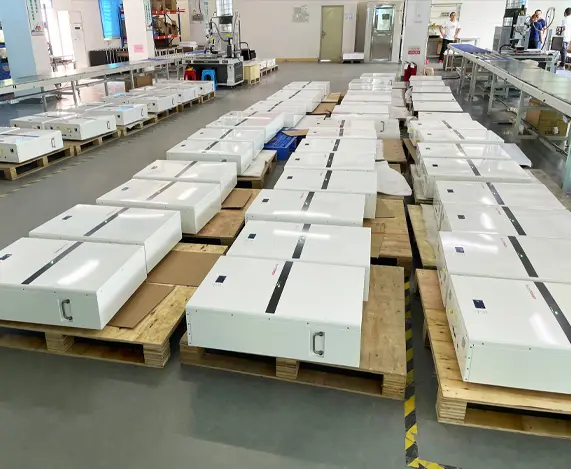
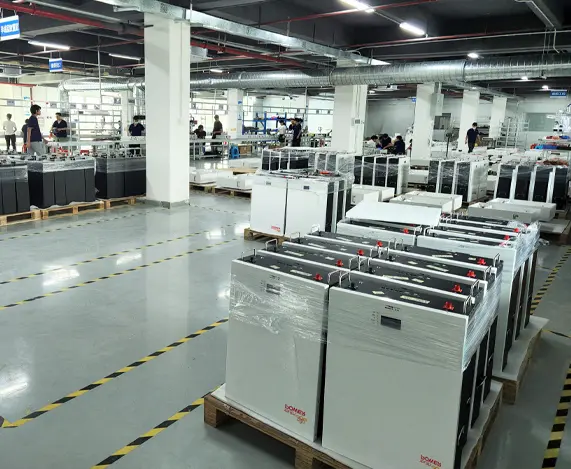
A metric-based checklist designed to help procurement managers evaluate battery system quality during supplier negotiations.
Ensure suppliers certify cell life to >=6000 cycles at 80% Depth of Discharge (DoD) under nominal testing rates (0.5C charge/discharge at 25°C). Ensure data sheets document state of health degradation slopes.
Reject passive balancing models if you require fast recharging windows. Active balance systems transfer charge between high and low voltage cells, preserving capacity and reducing thermal degradation.
The system BMS must support CAN, RS485, and Modbus communication standards. This ensures compatibility with market-leading hybrid inverters, allowing remote diagnostics and configuration changes.
Discover our complete line of modular systems, high-voltage rack setups, and robust home powerwalls designed for high performance.
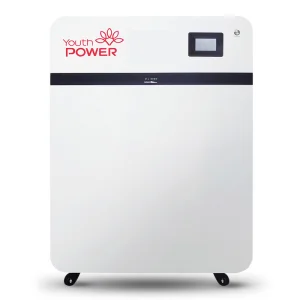
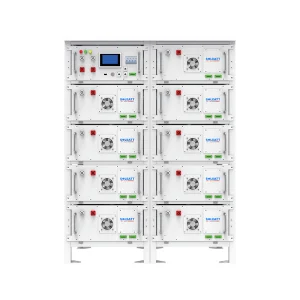
Expert answers addressing the technical aspects of low battery modes, supply metrics, and battery system specifications.
 YouthPOWER