Explore our top tier, industry-tested Lithium Iron Phosphate (LiFePO4) solar storage and inverter solutions optimized for high safety and long lifecycles.
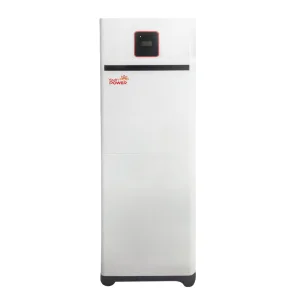
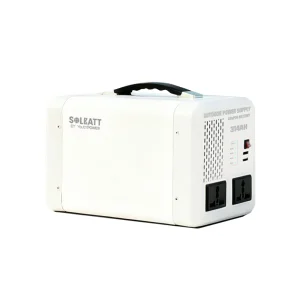
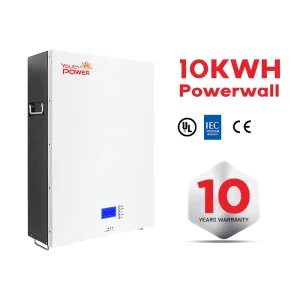
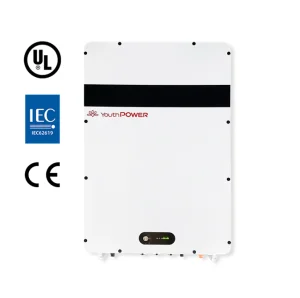
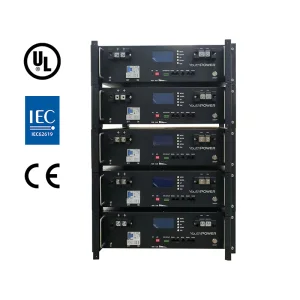
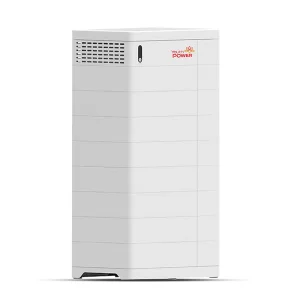
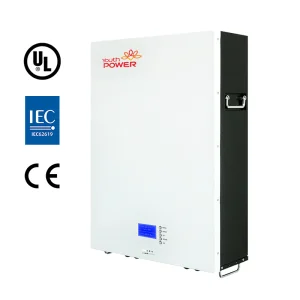
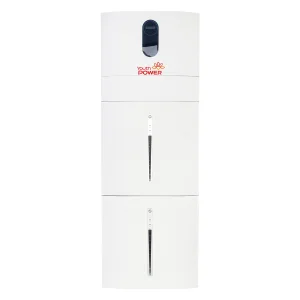
In the global transition towards sustainable energy, decentralized battery storage systems (BESS)—commonly referred to as "Powerwalls"—have shifted from premium residential accessories to fundamental micro-infrastructure. Commercial and industrial buyers, project developers, and residential installers face a highly volatile market populated by thousands of brands, fluctuating raw material indexes (such as Lithium Carbonate costs), and differing chemical standards.
Understanding the underlying variables of energy density, cell chemistry stability, inverter compatibility protocols, and the Levelized Cost of Storage (LCOS) is vital for maximizing system lifespans and securing strong financial returns on investment.
This document presents a comprehensive technical breakdown of powerwall architecture, supply chain economics, compliance regulations, and localized integration frameworks. By evaluating these elements, international developers and energy engineers can structure bankable, long-term battery storage portfolios.
Unlike NMC chemistries, Lithium Iron Phosphate (LiFePO4) offers high thermal runaway thresholds (>600°C), eliminating oxygen release during failure for safe residential use.
Engineered for over 6,000 cycles at 80% Depth of Discharge (DoD), yielding more than 15 years of daily cycling capability under standard operation.
Equipped with dual active cell balancing and CAN/RS485 communications compatible with major global inverter brands like SMA, Victron, and Solark.
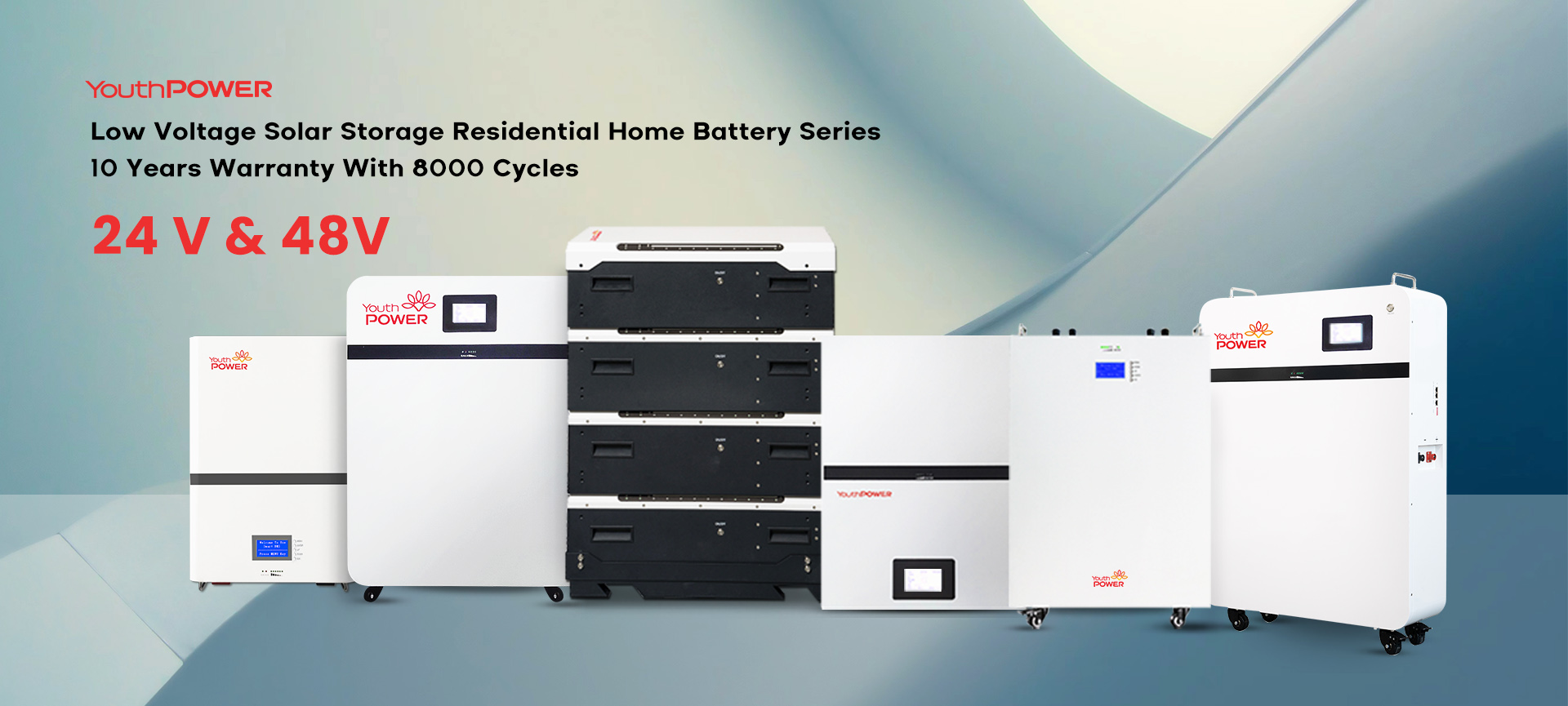
Founded in 2003, YouthPOWER has now become one of the leading suppliers of solar storage lithium batteries in the world. With a broad range of energy storage solutions, it covers a series of 24V, 48V and higher voltage lithium batteries solutions.
YouthPOWER has engaged in the battery technology and production for almost 20 years, with abundant manufacturing experience and strong new product R & D capability. Through many years of hard work and market promotion, we have created our own brand "YouthPOWER" in 2019.
With nearly 20 years’ experience in the battery industry, we have the capability to provide you with both the products you need and the most suitable products you want. We are always ready to supply the first-class products and meet the various needs of the customers.
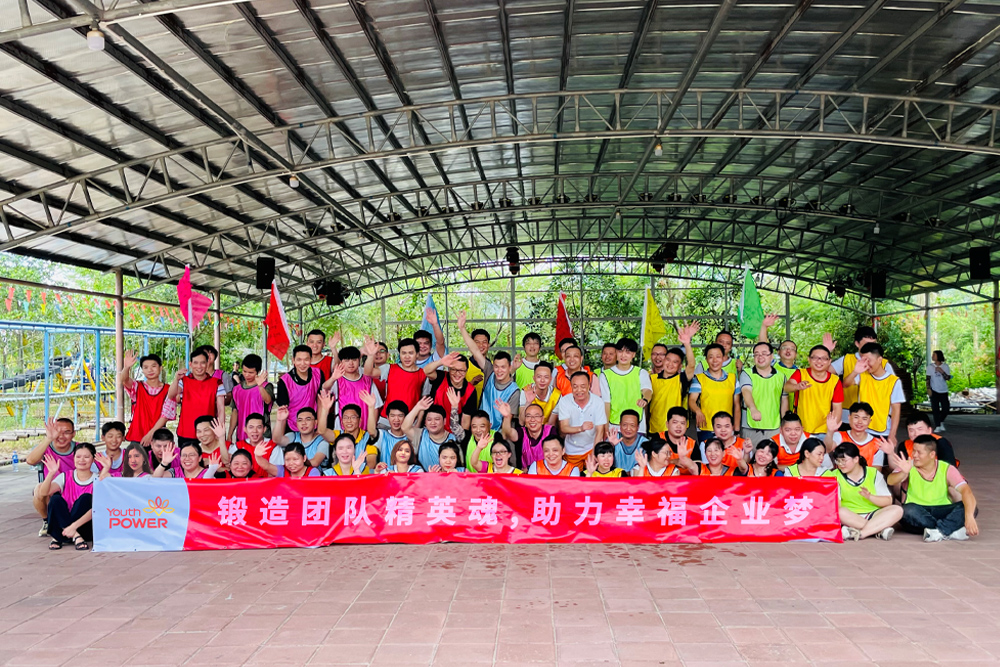
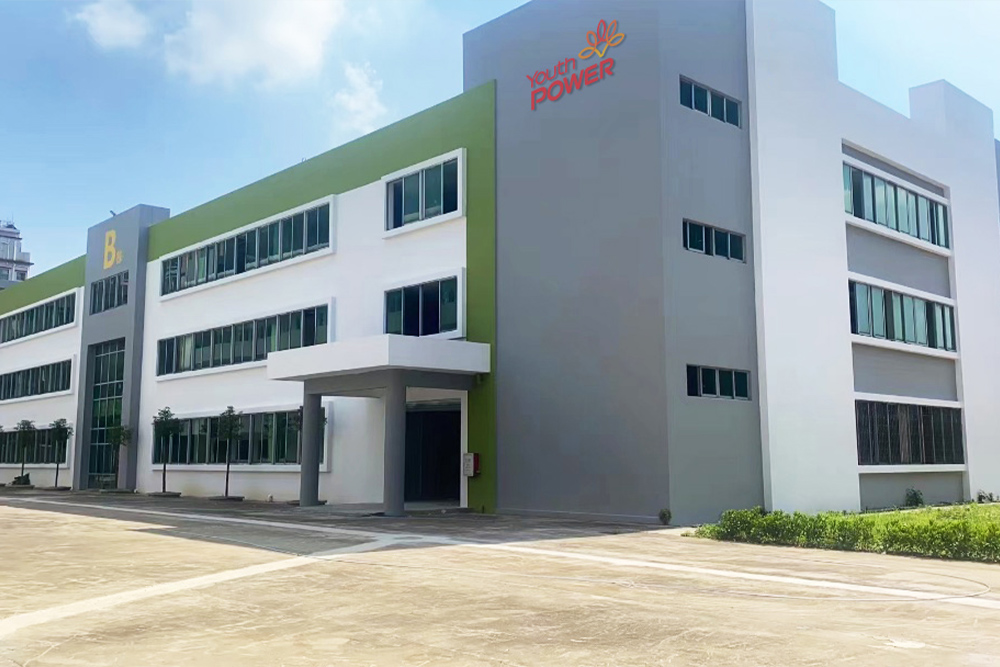
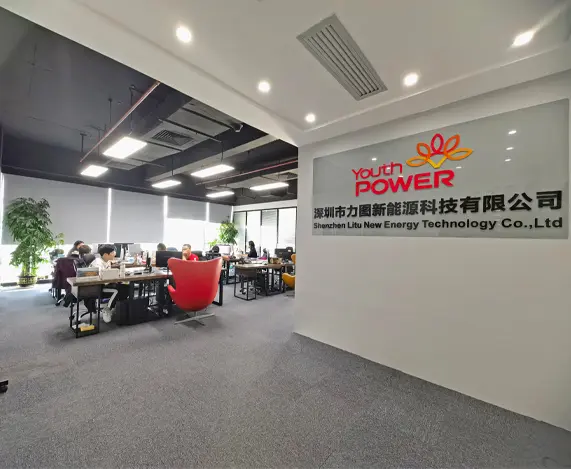
We have established good business relationships with our customers from all over the world. And we have a good cooperation with all our customers as well for many years running. Supported by our local vendors of raw materials, we can certainly offer you the best prices.
We are so proud that YouthPOWER has offered the reliable solar storage solution for over 1,000,000 families now in the world.
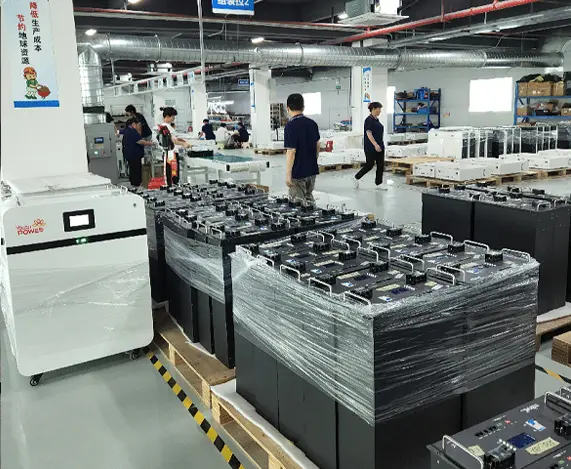
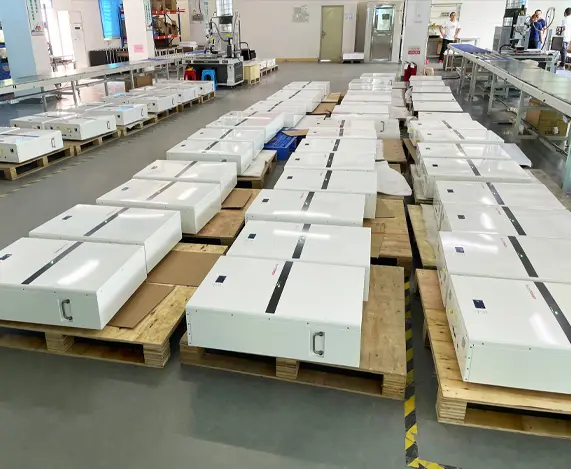
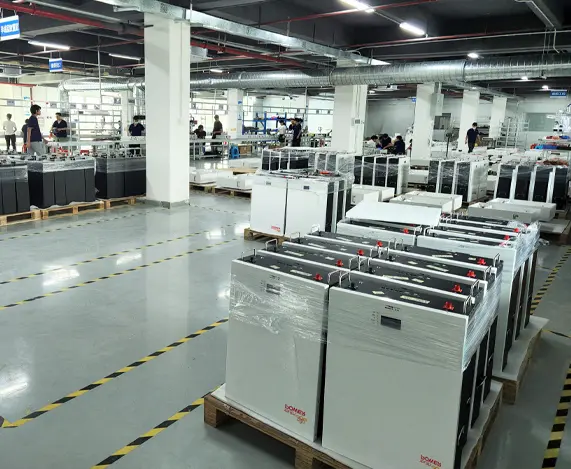
To support global carbon neutrality goals, YouthPOWER maintains an active research and development program focused on electrochemical efficiency, thermal management, and long-term storage safety. The technology roadmap for our powerwall batteries targets improvements across three key areas:
Standard energy storage systems rely heavily on modular assembly designs, where cells are grouped into modules, which are then packed into cabinets. YouthPOWER is transitioning toward Cell-to-Pack (CTP) and Cell-to-Chassis (CTC) designs. Eliminating the intermediate module housing reduces overall weight, increases volumetric energy density by 18-22%, and limits the number of mechanical connections, reducing point-of-failure vulnerabilities.
Concurrently, our research labs are exploring semi-solid-state lithium cell chemistry. Solid-state electrolytes eliminate liquid organic solvents, resolving thermal runaway risks while pushing cell-level energy densities beyond 280 Wh/kg.
Future powerwall installations will operate as node endpoints within distributed Virtual Power Plants (VPPs). Our next-generation Battery Management Systems (BMS) integrate IoT cloud gateways that stream telemetry data (such as cell temperature, impedance shifts, and state of health) to AI-based analytics platforms. Using machine learning models, the BMS can predict potential thermal events before they happen and recommend preventative maintenance schedules.
| Technological Metric | Current LiFePO4 Standard | Generation 2.0 (CTC-LFP) | Solid-State Roadmap (2026-2028) |
|---|---|---|---|
| Cell Density (Wh/kg) | 160 - 180 Wh/kg | 200 - 220 Wh/kg | 280 - 320 Wh/kg |
| Cycle Life (80% DoD) | 6,000 cycles | 8,000 cycles | 10,000+ cycles |
| Operating Temp Range | -10°C to 50°C | -25°C to 55°C | -40°C to 70°C |
| Balancing Protocol | Passive (50mA) | Active Smart Balancing (1.5A) | Active Dynamic Dynamic Array |
Our long-term history of growth, technological shifts, and structural improvements that established us as a leading BESS provider.
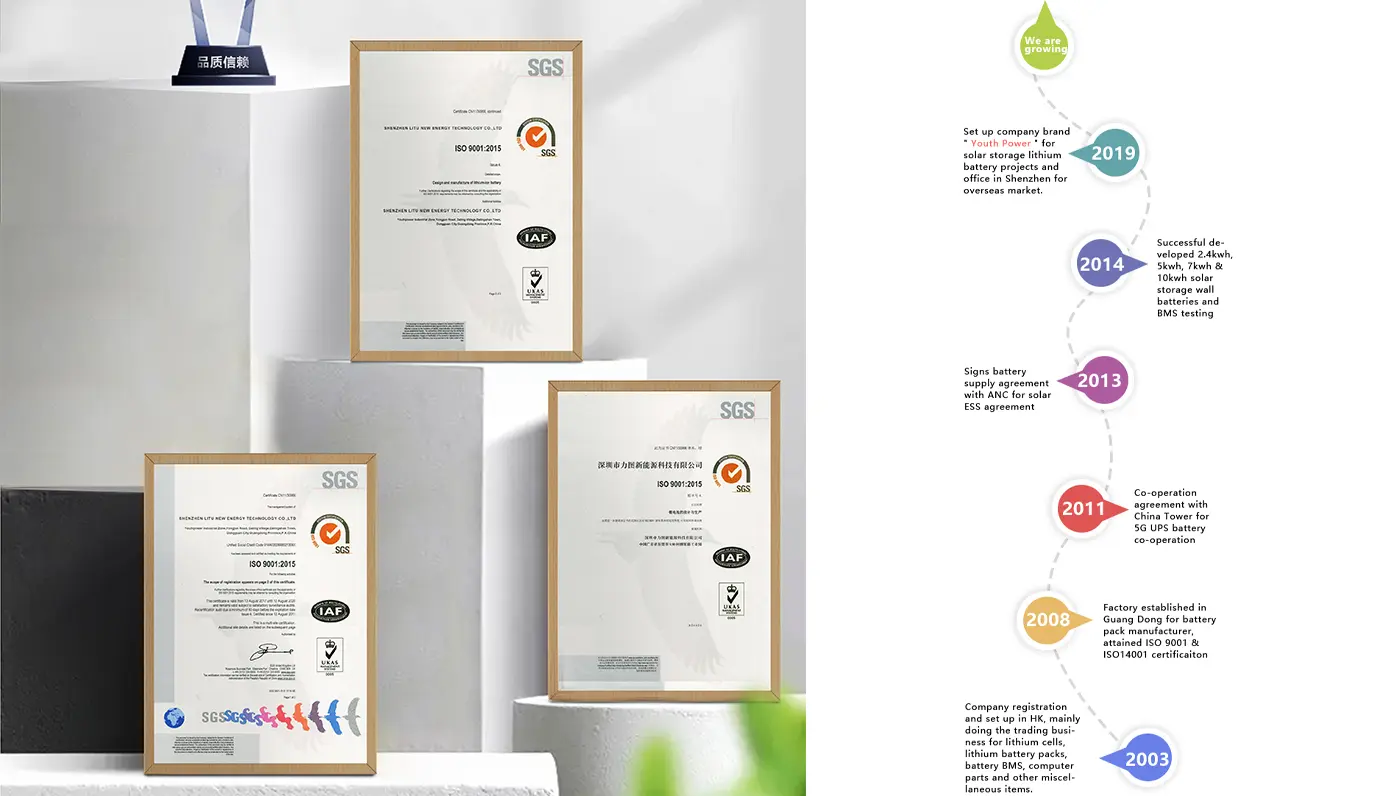
YouthPOWER manufactures utility-grade, C&I, and residential battery storage configurations that integrate with diverse energy environments globally. We support three primary application areas:
For commercial and industrial operators, peak utility demand charges can make up over 50% of monthly electricity bills. YouthPOWER's scalable battery systems (from our 10kWh low-voltage rack batteries up to our high-voltage 128kWh cabinet systems) help manage these loads effectively. Real-time control software monitors facilities and discharges stored battery power when consumption exceeds set thresholds, lowering demand charges and stabilizing grid connection points.
In regions with weak grid connections, such as agricultural operations, remote mining facilities, and island communities, our high-voltage stackable battery units offer strong microgrid stability. Capable of pairing with wind, solar, and diesel generators, these batteries provide frequency regulation, voltage support, and black-start functionality. They help minimize fuel consumption in diesel gensets and lower emissions.
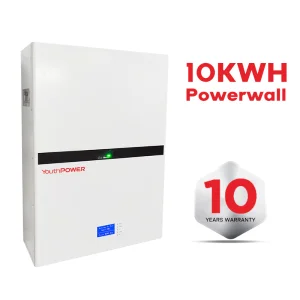
Equipped with high-speed CAN communication, YouthPOWER powerwall batteries are suitable for VPP aggregation. Grid operators can coordinate thousands of decentralized 10kWh home systems to deliver cumulative grid balancing support, enabling homeowners to earn revenue from secondary frequency control markets.
The reliability of an energy storage battery depends directly on its manufacturing quality. Located in China's advanced battery production hubs, YouthPOWER’s Factory 4.0 facilities utilize automated assembly processes to ensure consistency and reliability across our product range.
Battery pack failures are often caused by voltage imbalances and internal resistance differences among individual cells. YouthPOWER addresses this by sorting incoming cells into strict groupings based on resistance (within <0.5mΩ) and voltage variation (under <2mV). This process helps prevent uneven cell aging and extends the operating lifespan of the battery packs.
Mechanical vibration can loosen typical screw connections over time. YouthPOWER uses automated laser welding robots to secure connection tabs, creating durable, low-resistance connections. Automated optical inspection (AOI) systems then verify the weld quality, checking dimensions and identifying surface anomalies to ensure production consistency.
With nearly 20 years of experience, we maintain close relationships with raw material suppliers. This vertical integration helps ensure reliable sourcing of key components like LFP cells, smart BMS boards, and enclosures, helping to insulate buyers from sudden market price fluctuations.
Deploying energy storage systems globally requires compliance with regional safety, environmental, and connection standards. YouthPOWER builds its products to meet these international criteria, helping simplify project approvals and deployment.
Our batteries carry key certifications, including:
To ease site installation, YouthPOWER batteries support pre-configured communication protocols for major global inverter brands. Our units integrate directly via CAN or RS485 with equipment from brands like Victron Energy, Solark, Deye, Growatt, GoodWe, and SMA, allowing for plug-and-play installation.
Key technical and procurement questions answered by our engineering and product development teams.
Pricing is driven by cell chemistry, raw material indexes (lithium carbonate), BMS components, and manufacturing overhead. YouthPOWER maintains competitive pricing through automated Factory 4.0 processes, long-term raw material contracts, and vertical integration, bypassing intermediary distribution markups.
We use high-speed CAN and RS485 communication. Our internal BMS is pre-configured with protocols for major brands like Victron, Solark, Deye, and Growatt, allowing for simple integration and accurate monitoring of battery parameters.
Our premium LiFePO4 cells are rated for ≥6,000 cycles at 80% Depth of Discharge (DoD) under standard 0.5C charging/discharging conditions at 25°C, yielding over 15 years of operational life in daily use applications.
We utilize LFP chemistry, which does not release oxygen during high-temperature events. Our systems feature physical venting, built-in fuses, and a BMS that monitors temperature, current, and voltage to isolate the battery in case of anomalies.
Yes. Our low-voltage 48V/51.2V models can be connected in parallel (up to 15 or 32 units, depending on the model) to scale capacity, while our high-voltage series can be stacked in series/parallel to meet industrial requirements.
Yes, we offer comprehensive OEM and ODM support. We can customize enclosure designs, sheet metal colors, private labeling, communications protocols, and configure high-voltage cabinet capacities to fit specific commercial projects.
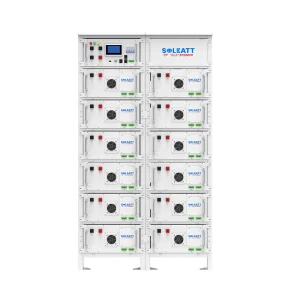
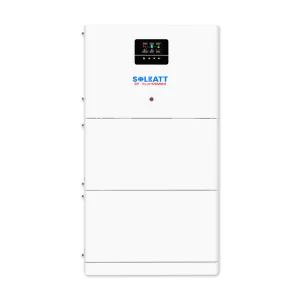
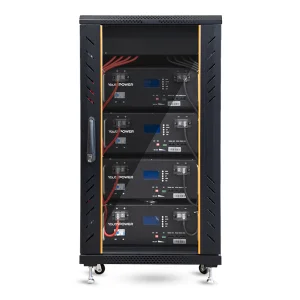
Our high-capacity cabinet and stackable energy systems designed for commercial operations, off-grid projects, and high-load installations.
 YouthPOWER