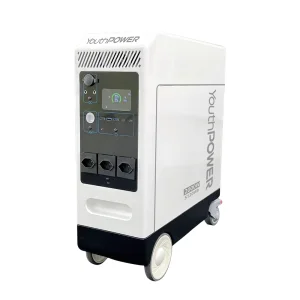
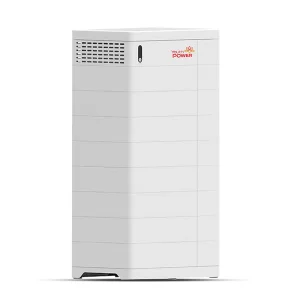
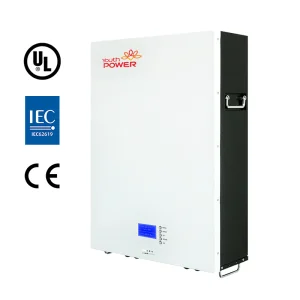
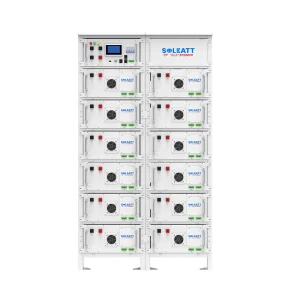
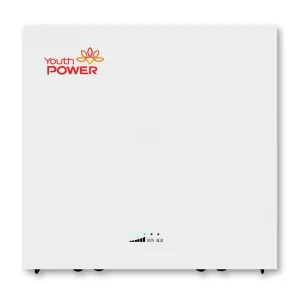
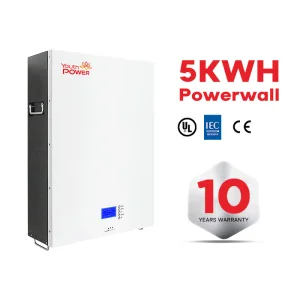
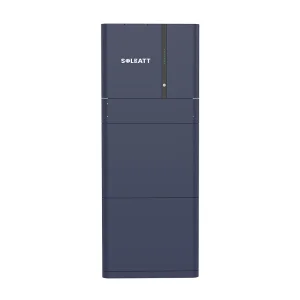
Explore our top line-up of engineered lithium iron phosphate solutions built for durability, efficiency, and microgrid scalability.
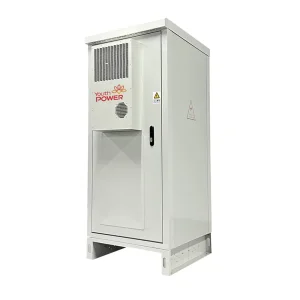
For nearly two decades, we have engineered safety, longevity, and intelligent management into residential energy storage architectures.
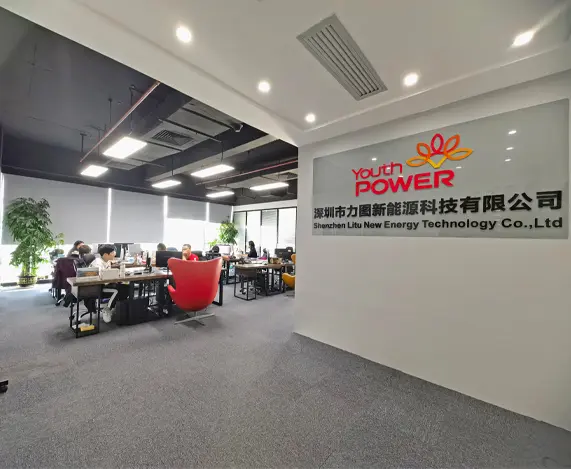
Founded in 2003, YouthPOWER has now become one of the leading suppliers of solar storage lithium batteries in the world. With a broad range of energy storage solutions, it covers a series of 24V, 48V and higher voltage lithium batteries solutions.
YouthPOWER has engaged in the battery technology and production for almost 20 years, with abundant manufacturing experience and strong new product R & D capability. Through many years of hard work and market promotion, we have created our own brand "YouthPOWER" in 2019.
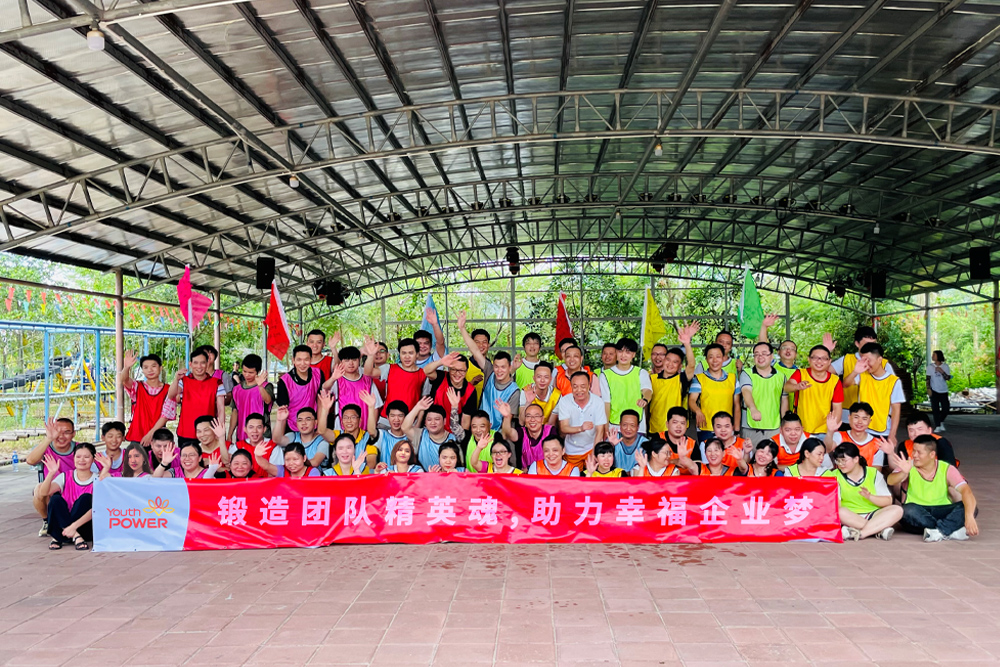
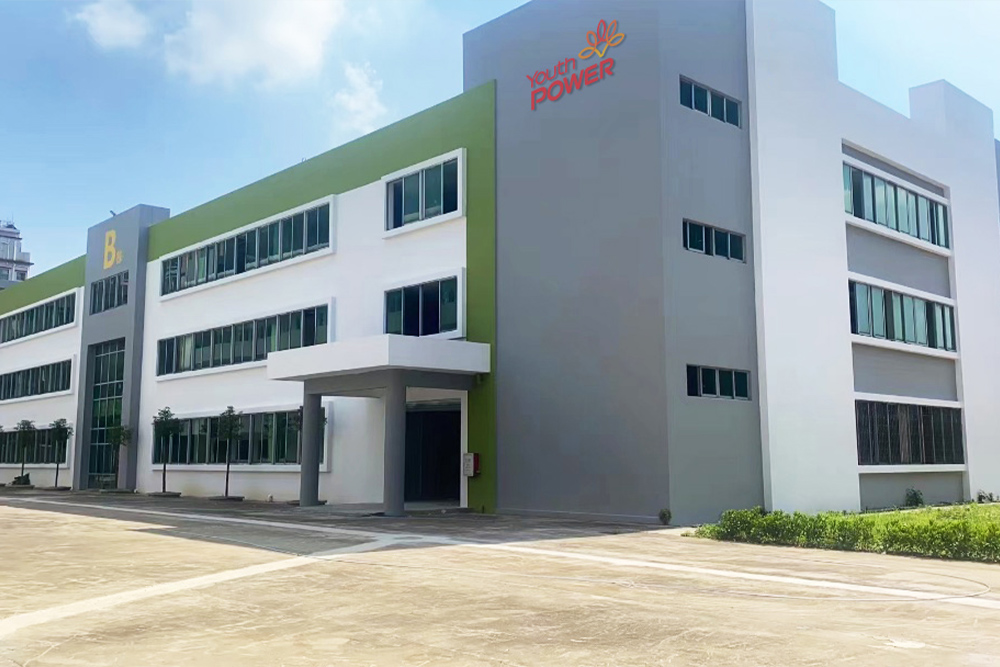
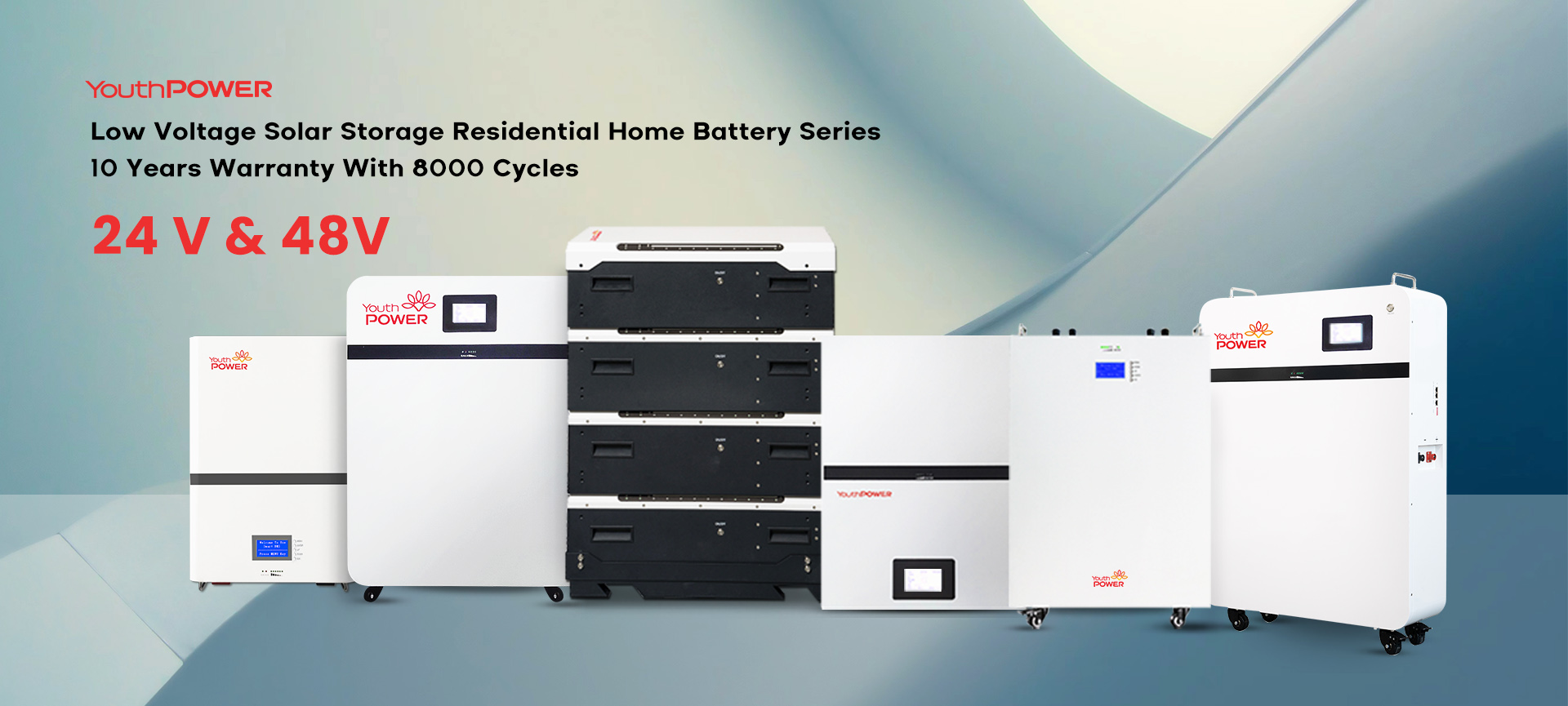
With nearly 20 years’ experience in the battery industry, we have the capability to provide you with both the products you need and the most suitable products you want. We are always ready to supply the first-class products and meet the various needs of the customers.
We have established good business relationships with our customers from all over the world. And we have a good cooperation with all our customers as well for many years running. Supported by our local vendors of raw materials, we can certainly offer you the best prices.
We are so proud that YouthPOWER has offered the reliable solar storage solution for over 1,000,000 families now in the world.
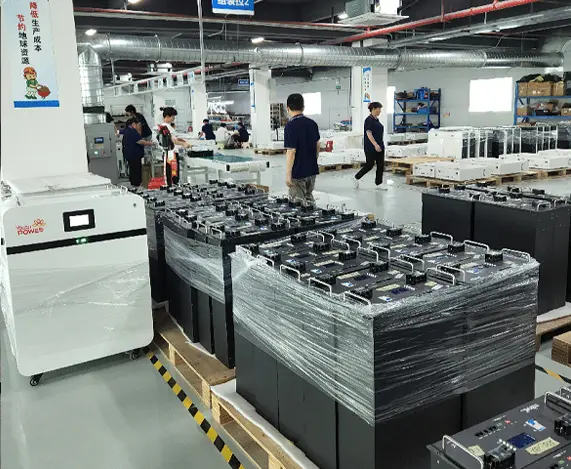
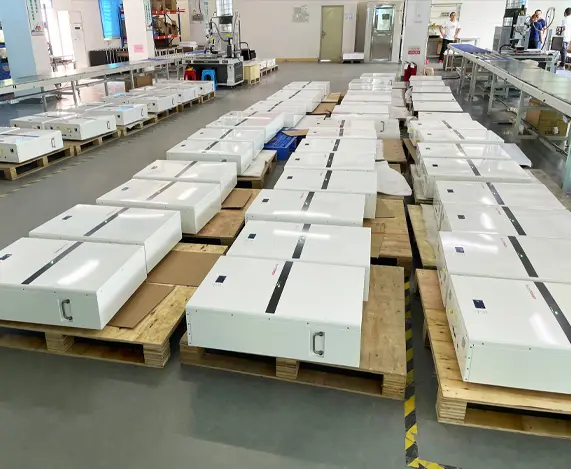
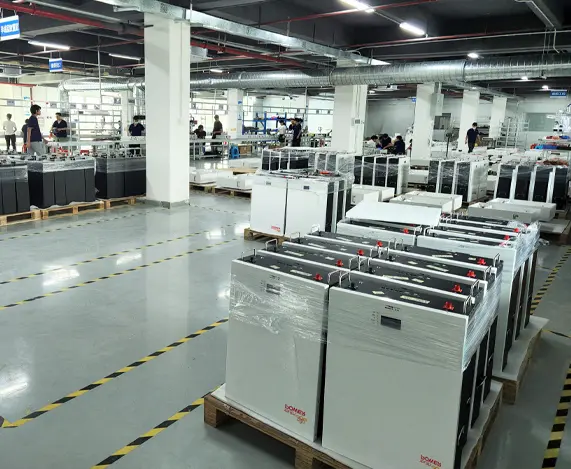
Our smart assembly lines combine automated robotic welding, cell capacity grading, and dynamic cycle testing to achieve absolute reliability.
How engineering departments and procurement directors evaluate the long-term Levelized Cost of Storage (LCOS) and safety matrices of modern lithium systems.
The core challenge for distribution companies is defining cycle life guarantees. Standard LiFePO4 cells claim 6,000 cycles, but the reality depends heavily on depth of discharge (DoD) configurations, heat dissipation profiles, and the internal compression design of battery stacks. Our systems prioritize continuous cell voltage equalization through premium micro-controlled BMS architectures to prevent premature capacity fade.
Safety represents a non-negotiable metric. Our engineering employs high-performance thermal insulation pads between prismatic cells, dynamic aerosol-based fire suppression, and real-time current limiting systems. These elements ensure compliance with stringent UL 9540A testing procedures, preventing thermal runaway migration across individual packs.
Integrators frequently report setup delays caused by communication mismatches. To resolve this, YouthPOWER products are equipped with pre-programmed RS485 and CAN-bus protocol sets. They are fully compatible with world-leading inverter manufacturers (including Victron, SMA, Growatt, Deye, Solark, and Goodwe) without requiring complex firmware modifications.
Historically, residential battery storage relied on 48V systems. However, the modern residential energy sector is shifting rapidly toward High-Voltage (HV) stackable battery arrays. By stacking modules in series to achieve system operating voltages between 300V and 650V, installers can significantly decrease DC-to-DC conversion losses, reduce copper cabling cross-sections, and improve round-trip efficiency (RTE) to over 95%.
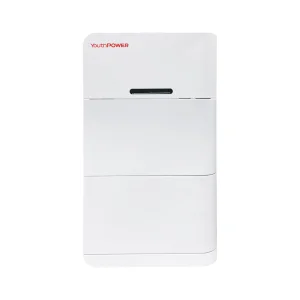
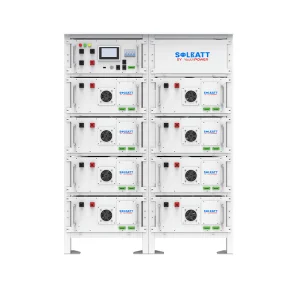
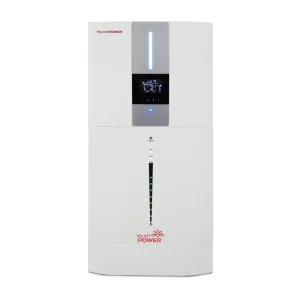
Our YP BOX HV and Stackable Inverter Power Box series represent the cutting-edge of this evolution. They feature modular, cable-free plug connections, allowing installation crews to stack and expand storage configurations from 10kW up to 25kW in minutes. This modularity reduces soft installation costs—one of the largest expenses in residential deployments.
1. Virtual Power Plants (VPP) Readiness: Our high-voltage solutions feature advanced telemetry capabilities, allowing utilities to aggregate residential battery capacities to provide fast frequency response (FFR) and grid stabilization services.
2. Intelligent Peak Shaving: Algorithmic load shifting manages dynamic time-of-use (TOU) tariffs. The system stores power during off-peak windows and discharges during high-rate periods to maximize financial returns.
3. Self-Consumption Optimization: Advanced algorithms prioritize local solar power utilization, reducing reliance on the public grid and guaranteeing clean, uninterrupted energy for critical loads during outages.
Our long-term commitment to innovation, rigorous testing, and expanding our production capabilities over the last two decades.
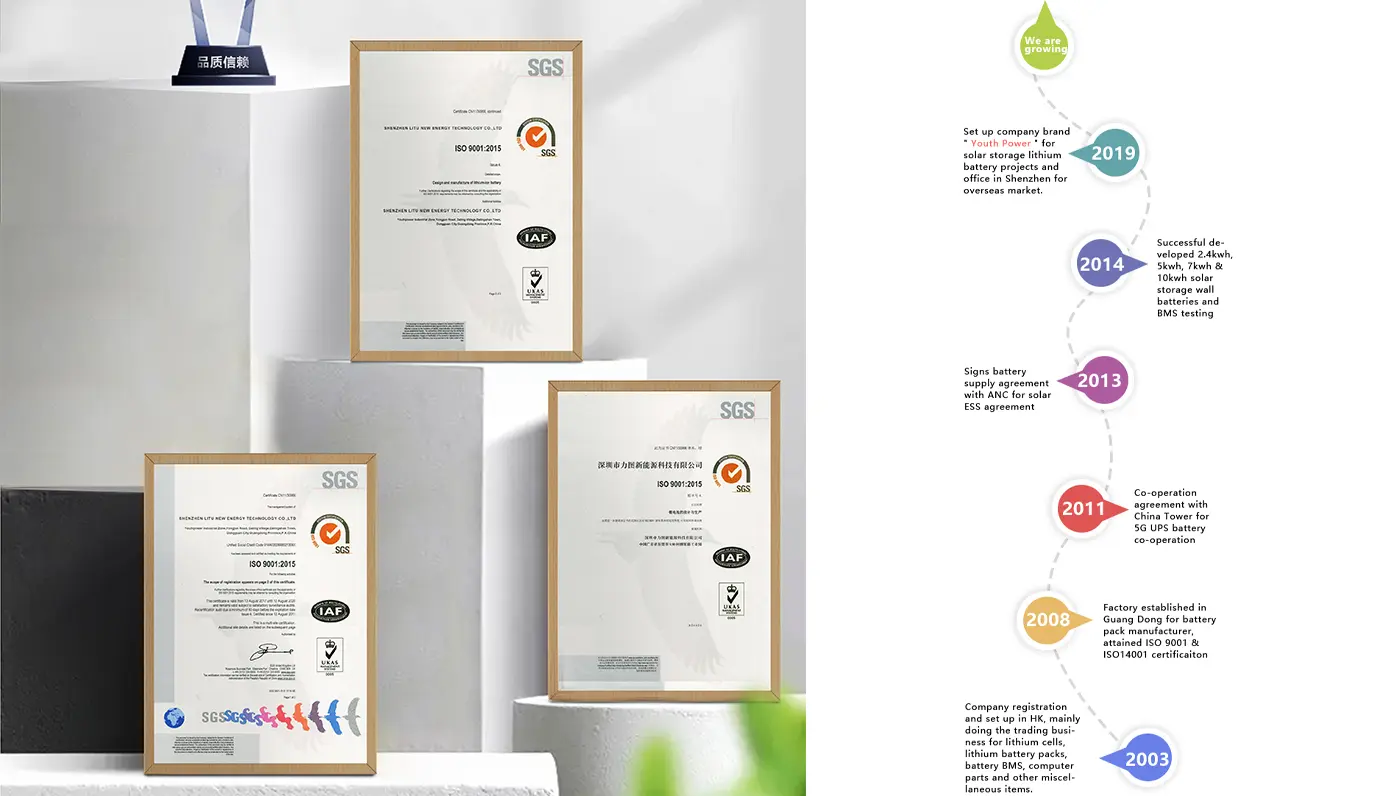
Establishing a reliable brand requires time and experience. Since entering the battery industry in 2003, our team has focused on optimizing lithium chemistries, developing smart BMS controllers, and improving battery cabinet enclosures.
Our manufacturing path highlights our dedication to quality. Every generation of our stackable battery systems, powerwalls, and industrial-grade ESS containers undergoes real-world validation under diverse environmental and load conditions before global distribution.
We simplify the path from manufacturing to grid connection by adhering to strict international regulatory frameworks and providing localized support.
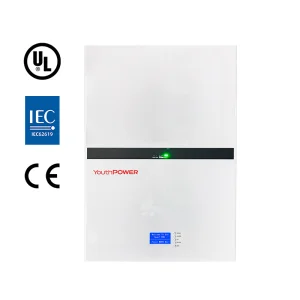
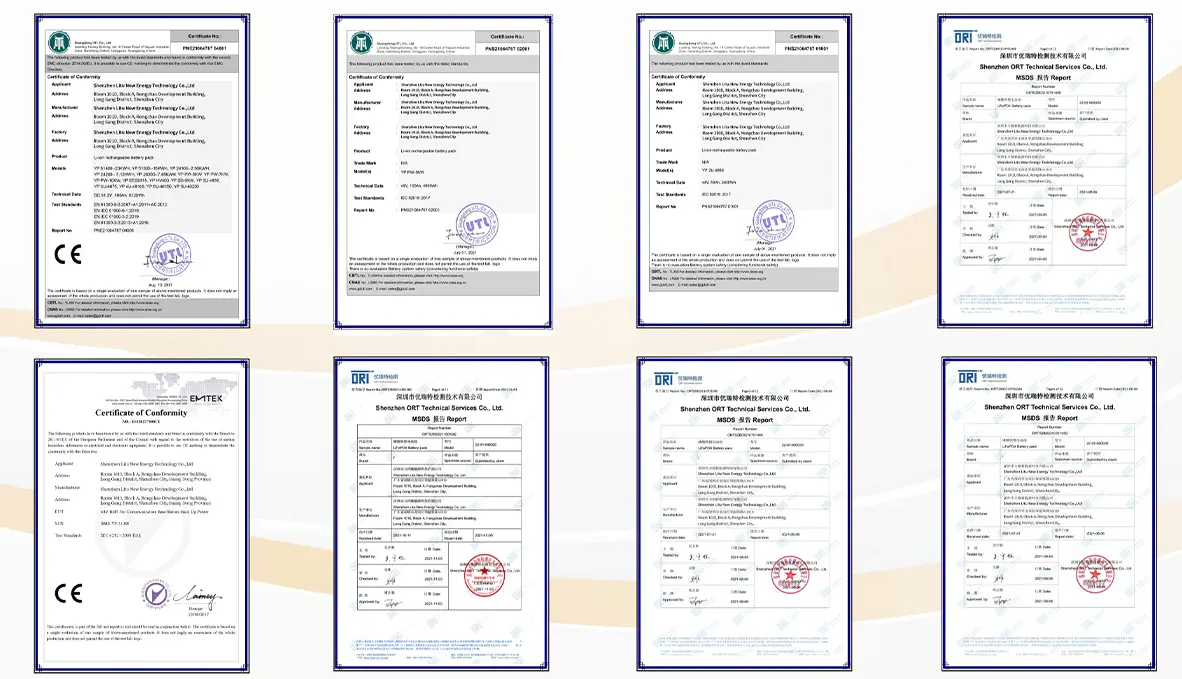
Exporting energy storage systems globally requires complete regulatory compliance. Our batteries are fully certified under international standards, including UN38.3, CE, IEC 62619, and UL 1973/UL 9540 protocols. This rigorous documentation ensures smooth customs clearance and quick approval for regional grid interconnects.
Through raw material partnerships, we guarantee stable prices and a reliable component supply. Our manufacturing facilities utilize advanced ERP inventory planning to mitigate market fluctuations, ensuring consistent product availability for solar installers and distributors.
We support project engineering departments with complete commissioning documentation, customized protocol configurations, and comprehensive troubleshooting resources. Our goal is to ensure quick, successful integration on every job site.
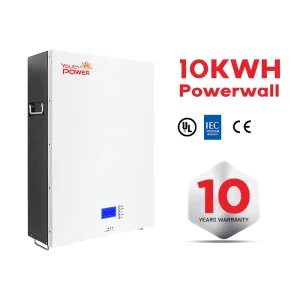
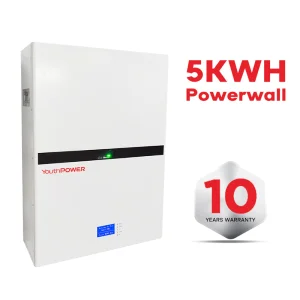
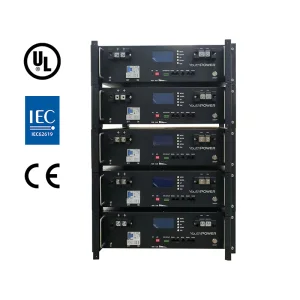
Explore our specialized wall-mounted, rack-mounted, and heavy-duty commercial storage systems designed for demanding energy profiles.
Key technical insights and manufacturing answers regarding solar battery storage integration, safety, and longevity.
Lithium Iron Phosphate (LiFePO4/LFP) features a highly stable chemical structure with a thermal runaway threshold above 270°C, compared to Cobalt-based NMC which can undergo exothermic breakdown at around 150°C. Additionally, LFP batteries do not release oxygen during high-temperature events, which substantially reduces the risk of combustion and thermal runaway propagation in residential settings.
In standard 48V low-voltage configurations, inverters must step up the battery voltage to match the high-voltage grid/load bus (typically 380V–400V AC), resulting in conversion losses. A High-Voltage stackable system operating between 350V and 600V DC minimizes the necessary conversion steps, reducing thermal waste and improving system round-trip efficiency (RTE) by 3% to 6%.
Yes. Our internal Battery Management System (BMS) includes built-in CAN-bus and RS485 communication interfaces configured with the protocols of leading global brands, such as Victron, SMA, Growatt, Deye, Solark, and Goodwe. This ensures plug-and-play capability and reliable system communication during installation.
Battery cycle life is determined by three main variables: operating temperature, Depth of Discharge (DoD), and charge/discharge C-rates. By maintaining cell temperatures below 35°C, managing depth of discharge to 80% or 90% via BMS controls, and limiting standard charge currents to 0.5C, our premium A+ LiFePO4 cells can easily exceed 6,000 cycles before capacity degrades to 80%.
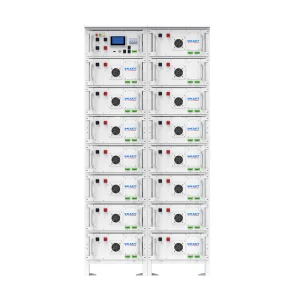
For projects requiring more capacity than a standard wall-mounted unit, we offer scalable high-voltage stackable cabinets (like our 10kW-25kW YP BOX units) and industrial-grade BESS options (ranging from 85kWh, 114kWh, 172kWh, up to 215kWh cabinet systems). These systems can be configured in parallel to scale from residential microgrids to larger commercial applications.
All YouthPOWER energy storage products comply with international transport and safety regulations, including UN38.3 (transportation safety), MSDS documentation, CE, IEC 62619, and UL 1973/UL 9540 standards. This comprehensive certification simplifies regional utility approvals, permitting, and shipping logistics.
 YouthPOWER