Explore our premium 48V, 51.2V and high-voltage lithium battery solutions optimized for 20 kW solar system configurations.
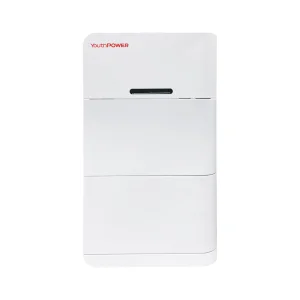
For years, residential energy solutions hovered around 5 kW to 10 kW. However, the rise of electric vehicles (EVs), heat pumps, dynamic pricing structures, and smart home automation has shifted the demand curves dramatically. In modern micro-grid scenarios, a 20 kW Solar System represents the optimal balance of capacity, flexibility, and investment returns.
Whether for large residential estates, multi-family housing complexes, or small-to-medium enterprises (SMEs), a 20 kW solar system paired with a high-capacity lithium-ion energy storage system (ESS) guarantees near-total grid independence. By sizing the system at 20 kW, clients can offset peak rate surges, run heavy machinery, and provide comprehensive backup power through outages.
The international transition toward carbon-neutral operations has forced grid operators to implement complex pricing schemes. Traditional net metering is rapidly giving way to Time-of-Use (ToU) tariffs and demand charges that disproportionately penalize high instantaneous load draws. Here is where the 20 kW system combined with robust battery storage showcases its core value.
YouthPOWER, utilizing its proprietary smart Battery Management Systems (BMS), optimizes these profiles dynamically. We allow global businesses and families to harvest clean energy during off-peak times, store it in high-density LiFePO4 cells, and exhaust it during the costliest peak hours.
A breakdown of the engineering metrics required to construct a reliable, high-yield commercial or large residential installation.
| System Architecture Component | Technical Parameters | Target Application Scope | YouthPOWER Recommended Battery Pairing |
|---|---|---|---|
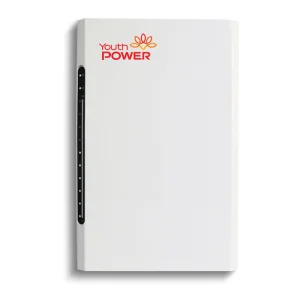
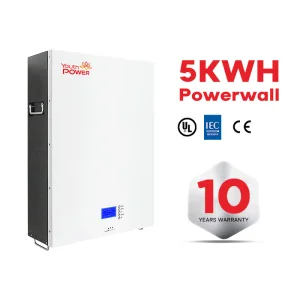
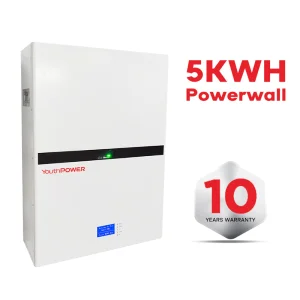
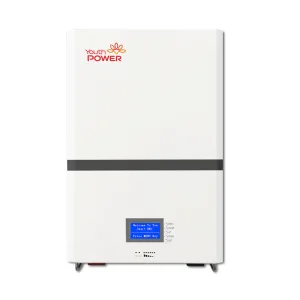
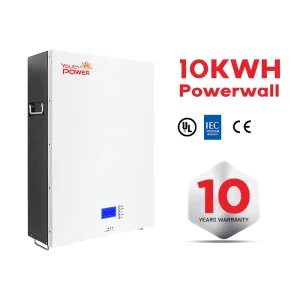
| Low Voltage System (48V / 51.2V) | Parallel battery configuration, high current output, safer handling characteristics. Ideal for scaling modules. | Residential retrofit, remote off-grid clinics, telecommunications towers. | 51.2V 100Ah (5kWh) Powerwall / Brick Solar Storage (up to 15 modules in parallel). |
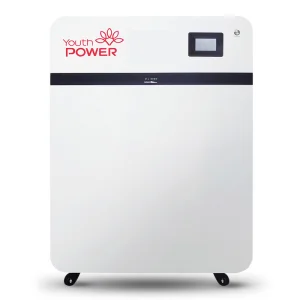
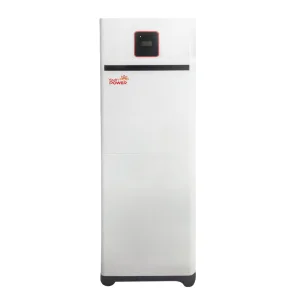
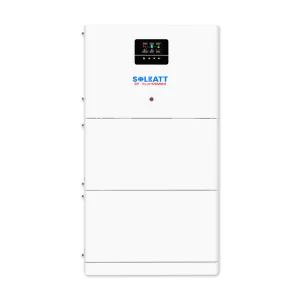
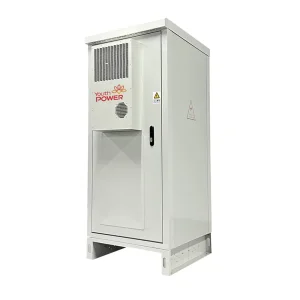
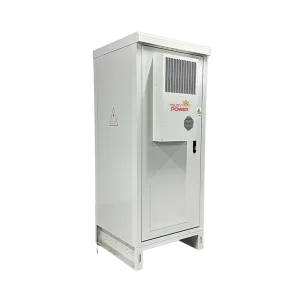
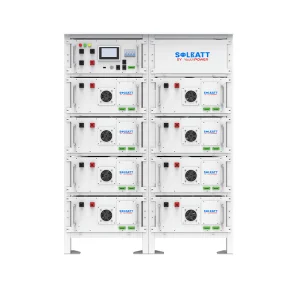
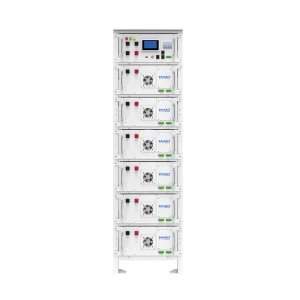
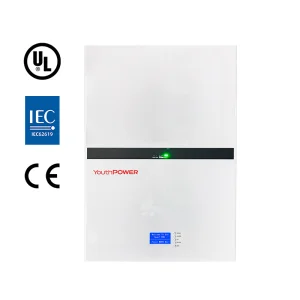
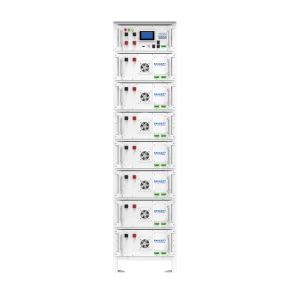
| High Voltage System (HV 100V - 600V+) | Series connection, higher round-trip efficiency (RTE), lower line losses, rapid discharge rates. | Small commercial facilities, EV fast-charging stations, automated agricultural storage. | YP BOX HV (10kW - 25kW) / 85KWH to 133KWH High-Voltage BESS Storage Cabinets. |
| Split-Phase Hybrid (U.S. Inverters) | Dual-phase output (120V / 240V), integrated MPPT charges, generator support ports. | North American residential & light commercial microgrids. | Split U.S. Inverter Hybrid 8KW with integrated LiFePO4 rack designs. |
What engineers, solar developers, and commercial procurement departments look for when selecting a 20 kW Solar System partner.
Developers demand highly bankable tier components with certifications such as UL1973, UL9540A, CE, IEC62619, and UN38.3. YouthPOWER's fully integrated production lines ensure consistent component tracking, satisfying rigorous insurance and compliance structures.
A true 20 kW installation must scale seamlessly. Our system architectures support hot-swapping and modular extensions. Start with a baseline 20 kWh storage capacity and expand up to 133 kWh or more as operations grow, without rewiring the entire system.
One of the most persistent failure points in 20 kW hybrid setups is communication mismatch between the BMS and the inverter. YouthPOWER's pre-programmed protocols natively support industry-leading inverters such as Deye, Growatt, Victron, SMA, and Solis.
Discover the history, experience, and manufacturing capability of a global lithium energy pioneer.
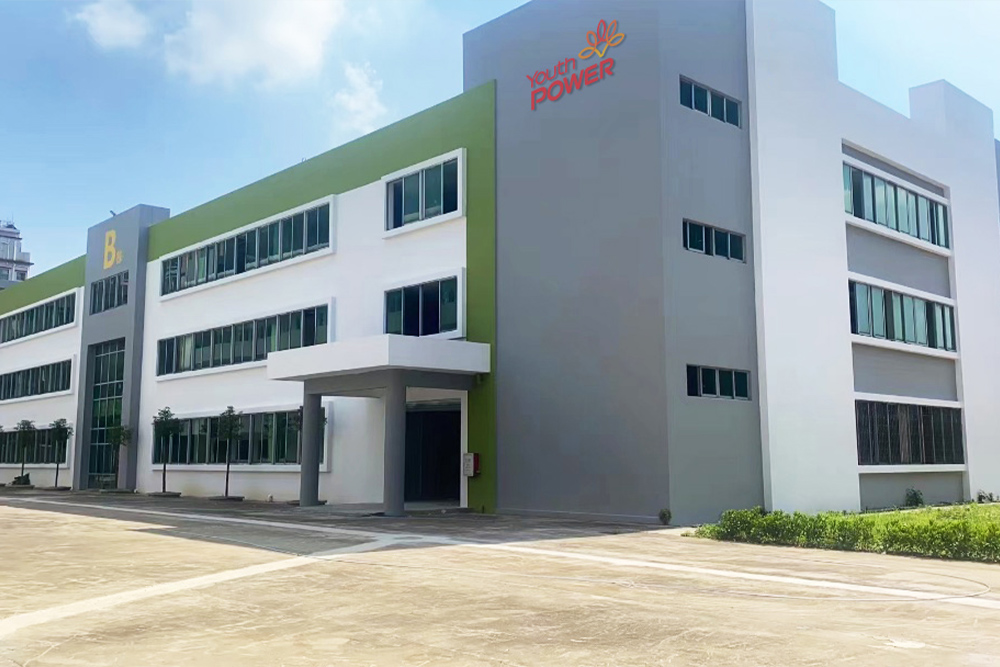
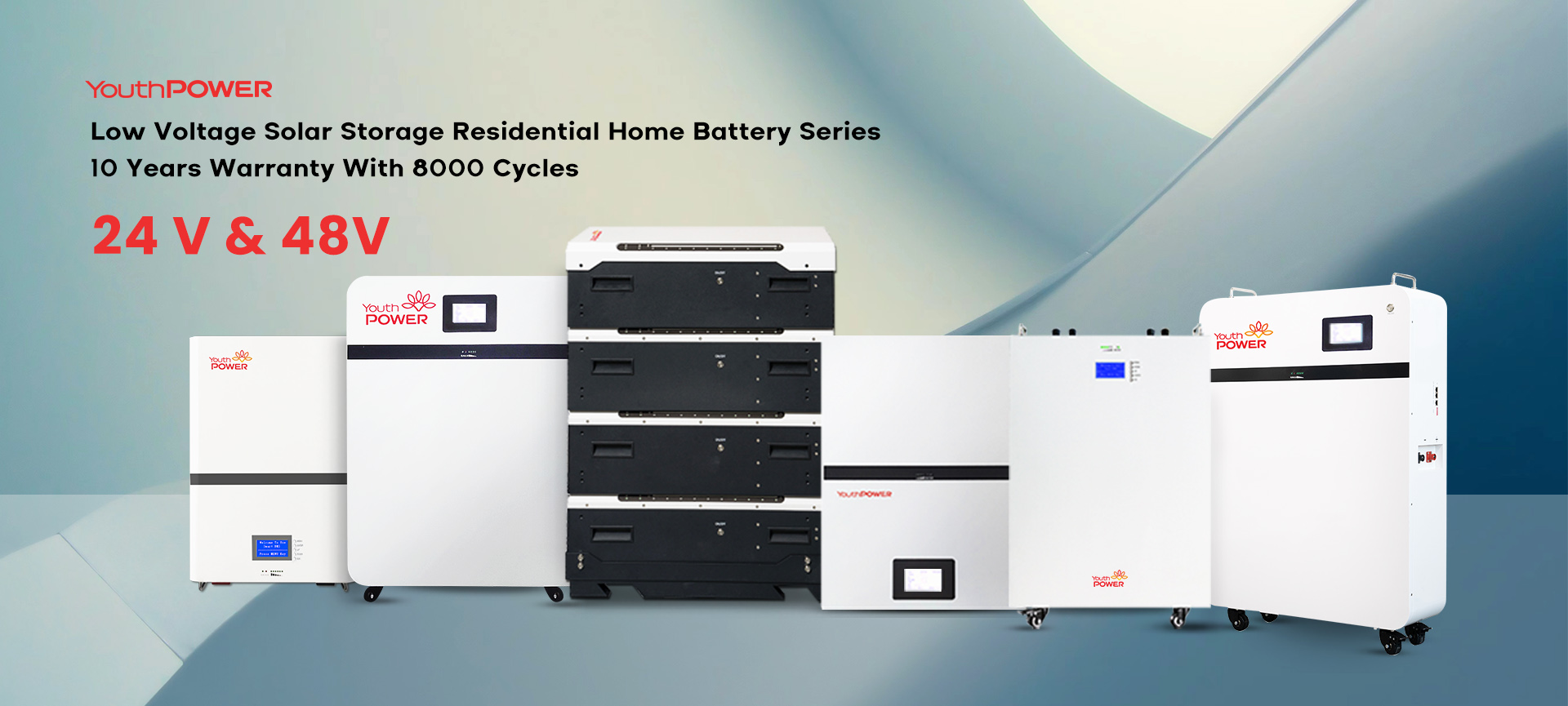
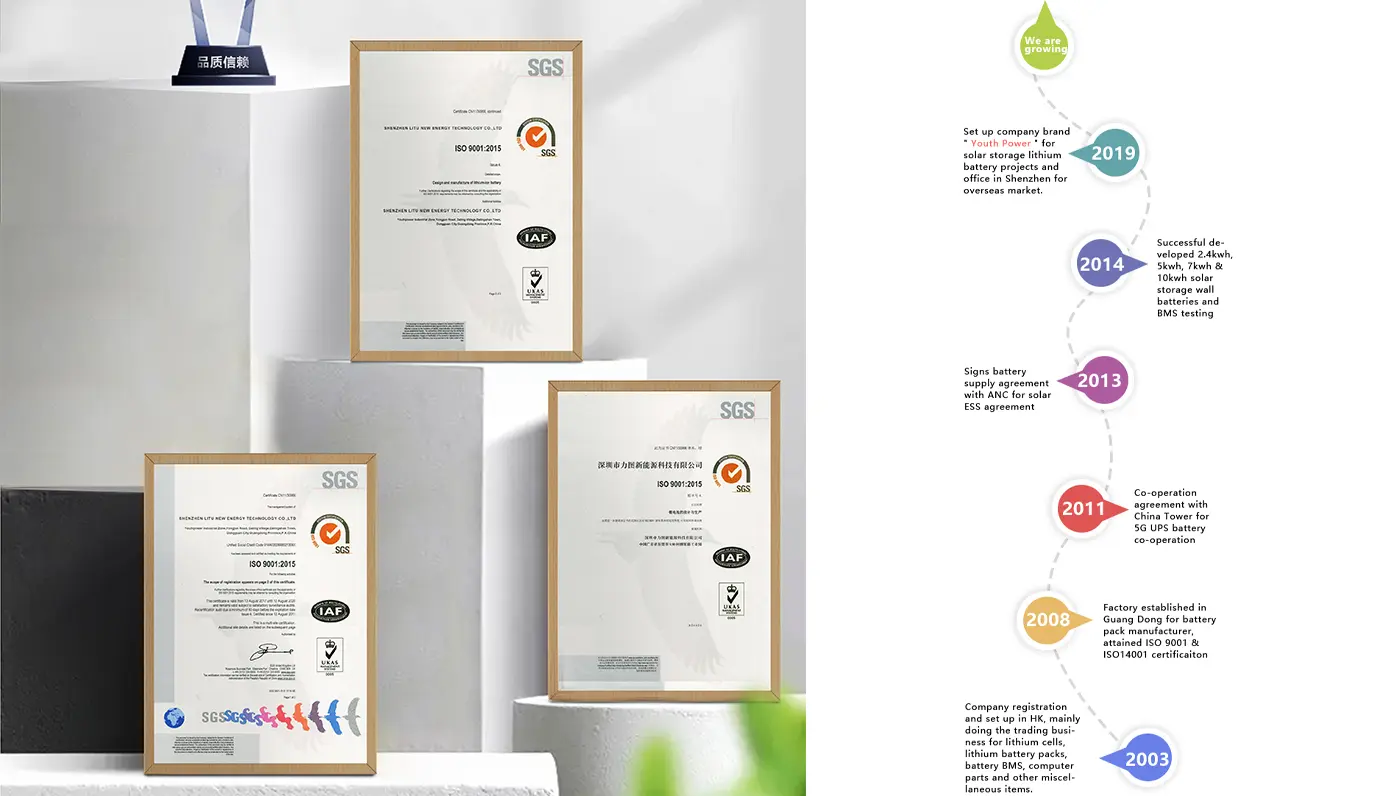
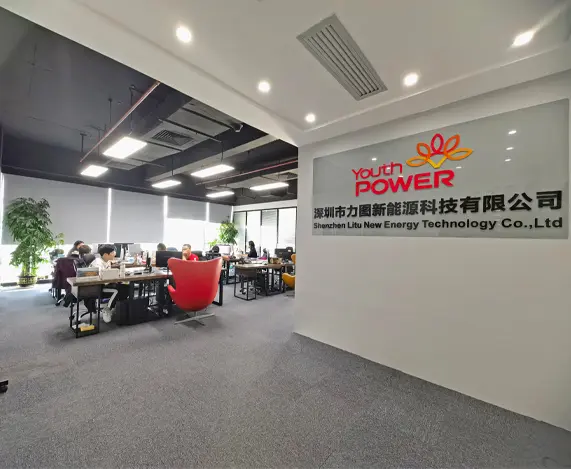
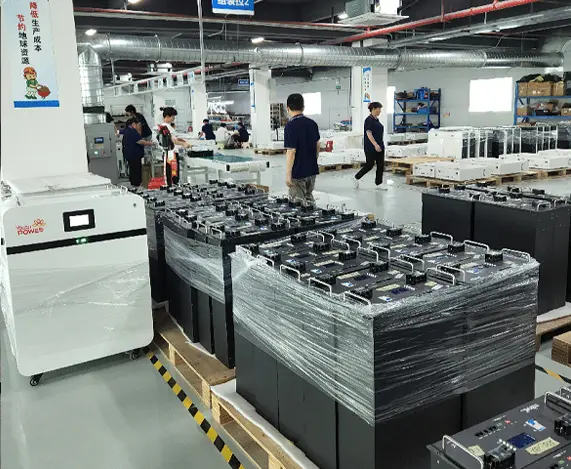
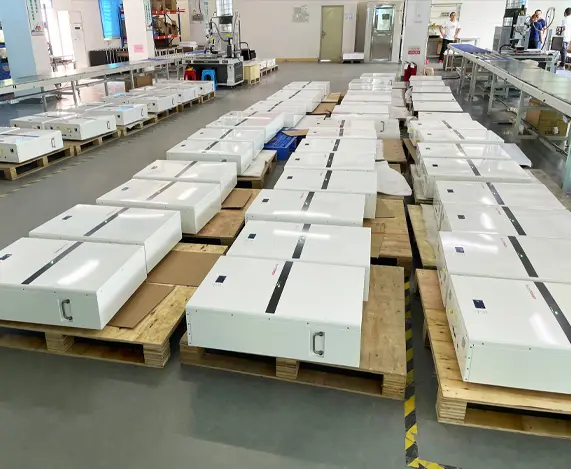
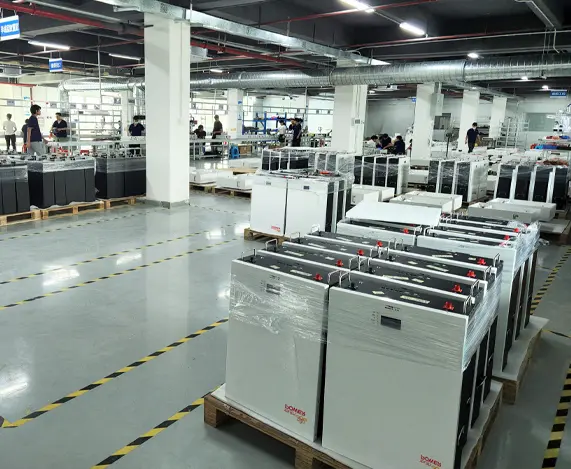
Founded in 2003, YouthPOWER has now become one of the leading suppliers of solar storage lithium batteries in the world. With a broad range of energy storage solutions, it covers a series of 24V, 48V and higher voltage lithium batteries solutions.
YouthPOWER has engaged in the battery technology and production for almost 20 years, with abundant manufacturing experience and strong new product R & D capability. Through many years of hard work and market promotion, we have created our own brand "YouthPOWER" in 2019.
With nearly 20 years’ experience in the battery industry, we have the capability to provide you with both the products you need and the most suitable products you want. We are always ready to supply the first-class products and meet the various needs of the customers.
We have established good business relationships with our customers from all over the world. And we have a good cooperation with all our customers as well for many years running. Supported by our local vendors of raw materials, we can certainly offer you the best prices.
We are so proud that YouthPOWER has offered the reliable solar storage solution for over 1,000,000 families now in the world.

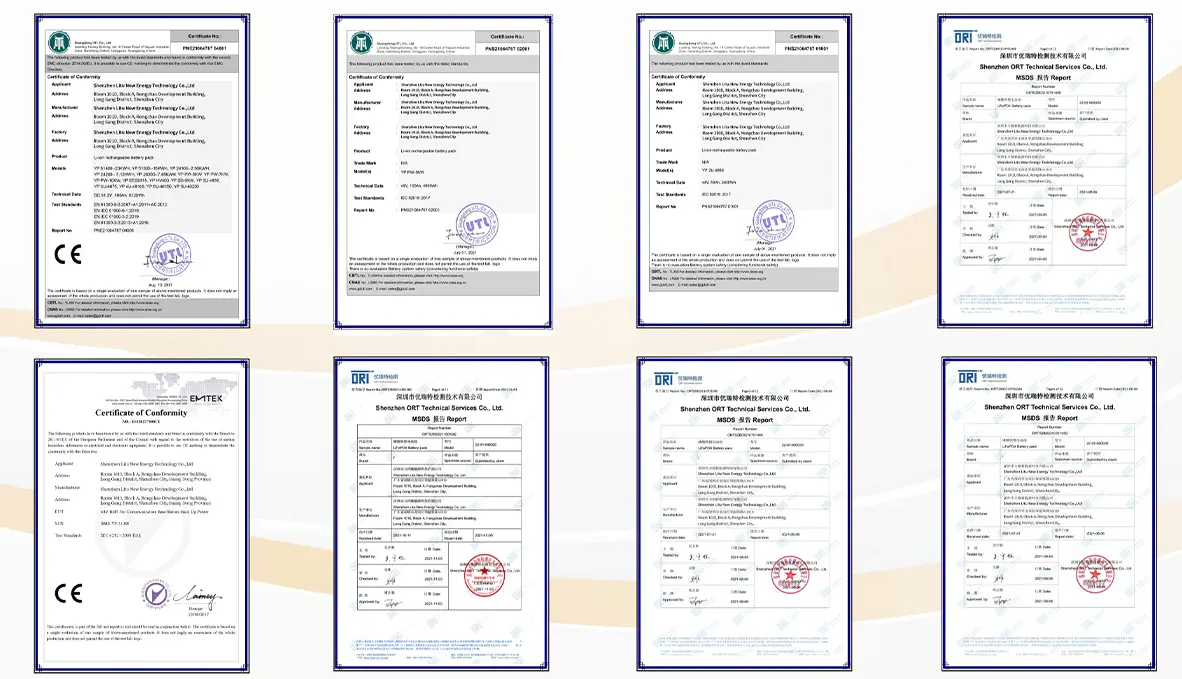
Ensuring system safety, localization support, and maximum return on investment across international grids.
Modern 20 kW solar configurations are no longer static, passive installations. With grid-forming software integration, YouthPOWER storage batteries allow local grids to reference phase stability, facilitating safe islanding during severe system outages.
By coupling these batteries with advanced software suites, owners can join local VPP networks, offering auxiliary frequency regulation services back to utility operators. This active participation dramatically decreases payback periods, turning an energy cost center into a direct revenue-generating system.
Deploying a 20 kW system requires adhering to strict local codes. Our technical engineers supply direct compliance support files for various regional networks:
A forward-looking perspective on technological enhancements and cost metrics for 20 kW setups.
BMS Integration with Edge AI: Future-proofing our storage lineup, YouthPOWER is integrating adaptive machine learning directly into our battery management circuits. These boards monitor cell-level impedance characteristics, predicting cell failures up to 100 cycles before they present signs of thermal drift.
High Voltage Architectures: High-voltage configurations will continue to capture market share over low-voltage components. Elevating DC operating voltages to 400V–800V minimizes currents, allowing engineers to install thinner copper cabling and reduce system footprint by up to 35%.
The Total Cost of Ownership (TCO) of a 20 kW Solar System hinges on battery configurations, panel choices, and geographical installation rates. On average, a standard grid-tied system without storage runs between $18,000 to $25,000 USD.
Adding a reliable hybrid inverter and 20 kWh to 40 kWh of high-quality lithium battery backup sets the project price range between $28,000 to $45,000 USD. Partnering directly with factories like YouthPOWER optimizes these upfront outlays, eliminating third-party markups and bringing structural B2B equipment pricing down significantly.
Clear, direct answers regarding engineering, sizing, output expectations, and return on investment.
Heavy-duty, high-capacity lithium storage cabinets designed to manage large commercial and industrial loads.
 YouthPOWER