Explore our elite tier of industrial energy storage solutions engineered for continuous duty, robust cycles, and high thermal safety margins.
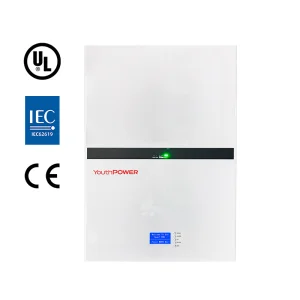
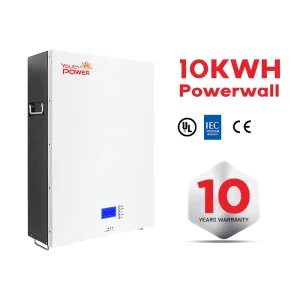
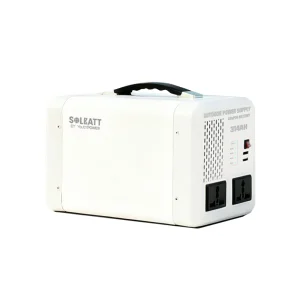
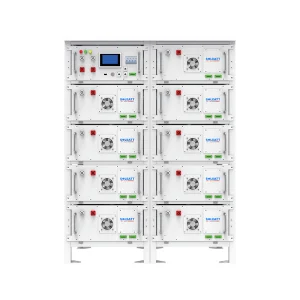
Modern commercial operations, server farms, medical infrastructure, and advanced smart factories can no longer afford even fractional seconds of power fluctuation. In regions facing unstable grid conditions, or for mission-critical facilities requiring uninterrupted 24-hour backup cycles, typical legacy Lead-Acid UPS systems fall short. The demand for 24-hour continuous discharge profiles has catalyzed a shift toward Lithium Iron Phosphate (LiFePO4) and advanced High-Voltage stackable topologies.
The Core Procurement Challenge: When buyers query "Best UPS Battery Backup 24 Hours Factories & Price", they seek more than a unit price. They need to understand the Total Cost of Ownership (TCO) calculated over 10-15 years, thermal runaway prevention, C-rate capabilities, integration limits with hybrid inverters, and the supply chain resilience of OEM/ODM factories capable of shipping standardized, certified components worldwide.
Unstable grids require systems that act as an interactive buffer. Rapid cycling capability is key, allowing the UPS to transition from grid-charging to load-discharging under 10ms.
Lithium-ion chemistries, specifically LiFePO4, offer a 6,000+ lifecycle safety buffer at 80% Depth of Discharge (DoD), yielding a superior lifespan profile compared to VRLA designs.
Selecting the correct electrochemical foundation governs thermal safety, cycle efficiency, and space constraints over the system's operational timeline.
| Chemistry Parameter | Lithium Iron Phosphate (LiFePO4) | Lithium Nickel Manganese Cobalt (NMC) | Lithium Titanate (LTO) | Lead-Acid (VRLA AGM) |
|---|---|---|---|---|
| Energy Density (Wh/kg) | 120 - 160 | 180 - 250 | 70 - 90 | 30 - 40 |
| Cycle Life (80% DoD) | 5,000 - 8,000 | 1,500 - 2,500 | 15,000 - 25,000 | 300 - 500 |
| Thermal Runaway Temp | 270°C | 210°C | >300°C | N/A (Thermal runaway risks venting) |
| C-Rate Capability (Peak) | 1C - 3C | 1C - 2C | 5C - 10C | 1C (Sustained losses via Peukert Effect) |
| System Round-trip Efficiency | >95% | >92% | >90% | 75% - 80% |
For a sustained 24-hour backup system, LiFePO4 remains the industry standard because of its optimal balance of high cycle life, chemical stability, and cost-effectiveness. In higher-power applications, stackable high-voltage (HV) systems configured in cabinets are preferred over parallel low-voltage (LV) setups. By increasing string voltage (up to 400V–800V), the current requirements decrease, allowing for thinner cable profiles, lower thermal dissipation ($I^2R$ losses), and higher inverter conversion efficiencies.
Customized system sizing is necessary for varying deployment environments. Below are the primary deployment frameworks for continuous 24-hour runtimes.
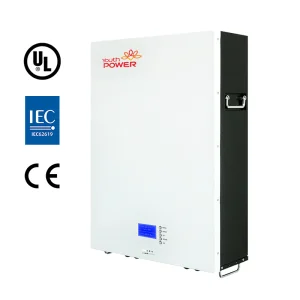
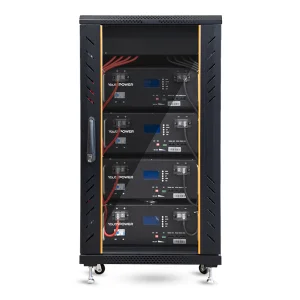
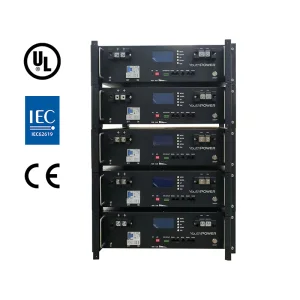
Utilizing high-voltage rack cabinets (such as the 19-inch rack modules) designed with parallel configurations. Integrated with intelligent BMS to monitor battery SOC, SOH, and cell temperatures dynamically, preventing micro-outages.
Uncompromising compliance demands. Requires zero-maintenance LiFePO4 cells to support life-support units and medical machinery. Integrates with automatic transfer switches (ATS) and local diesel generator sets for redundant power systems.
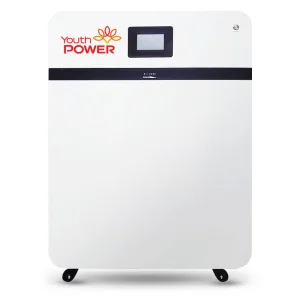
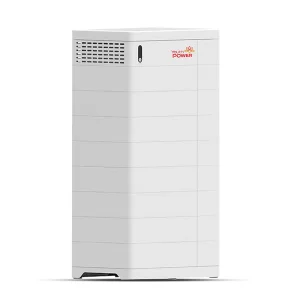
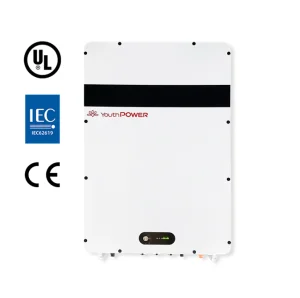
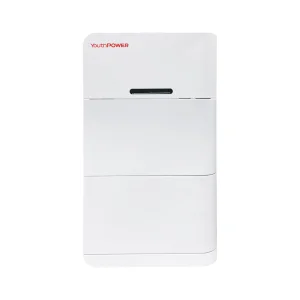
Heavy motor starts require high peak C-rate currents. Stackable HV systems (e.g., YouthPOWER HV Power Boxes) protect CNC machinery, cleanroom air filters, and robotic assembly stations from sudden grid dips.
Why sourcing from advanced Chinese facilities optimizes cost-to-performance ratios and secures component availability.
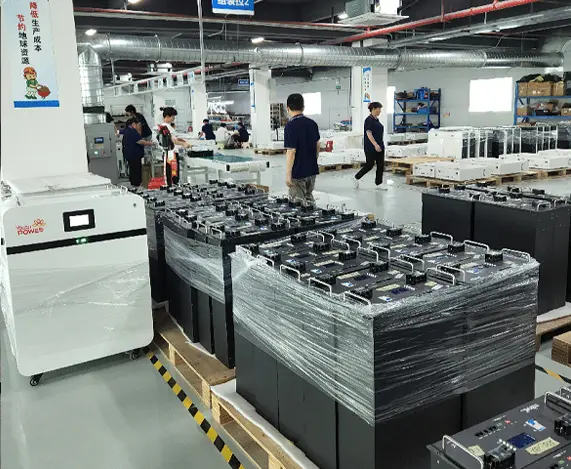
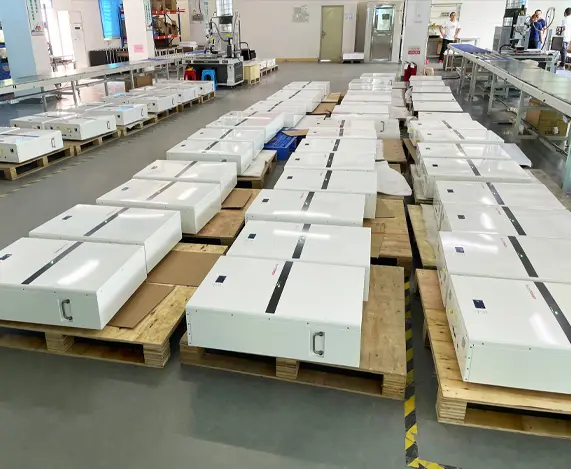
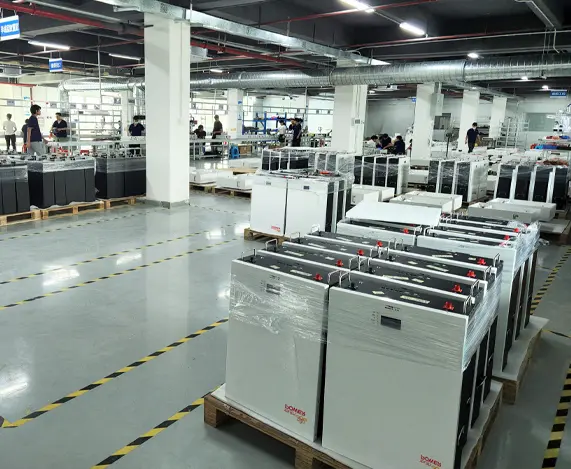
Sourcing large-capacity 24-hour UPS battery systems involves assessing factory production capabilities. China's manufacturing clusters leverage automation and supply integration to deliver cost advantages. High-volume automated production lines maintain consistent internal cell resistance, reducing the need for excessive cell balancing during operations.
YouthPOWER's Production Edge: By utilizing automated laser welding, automated optical inspection (AOI), and multi-stage formation aging cabinets, the manufacturing variance in cell voltage matches is kept under 2mV. This level of quality control helps prevent localized heating in large multi-kilowatt packs.
Tracing our origin, capability, and technological footprint across global energy storage domains.
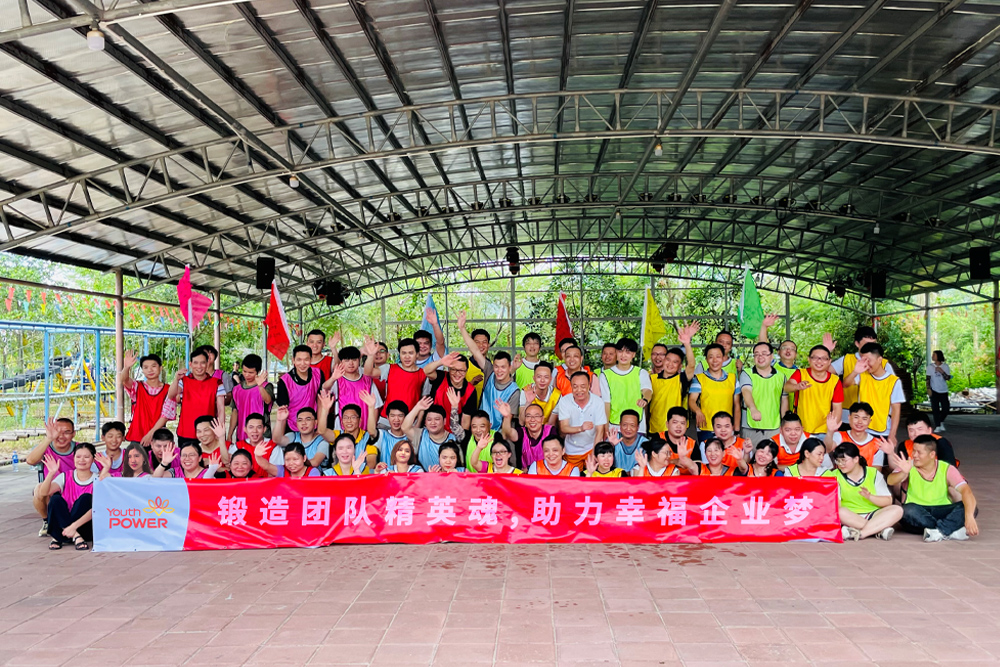
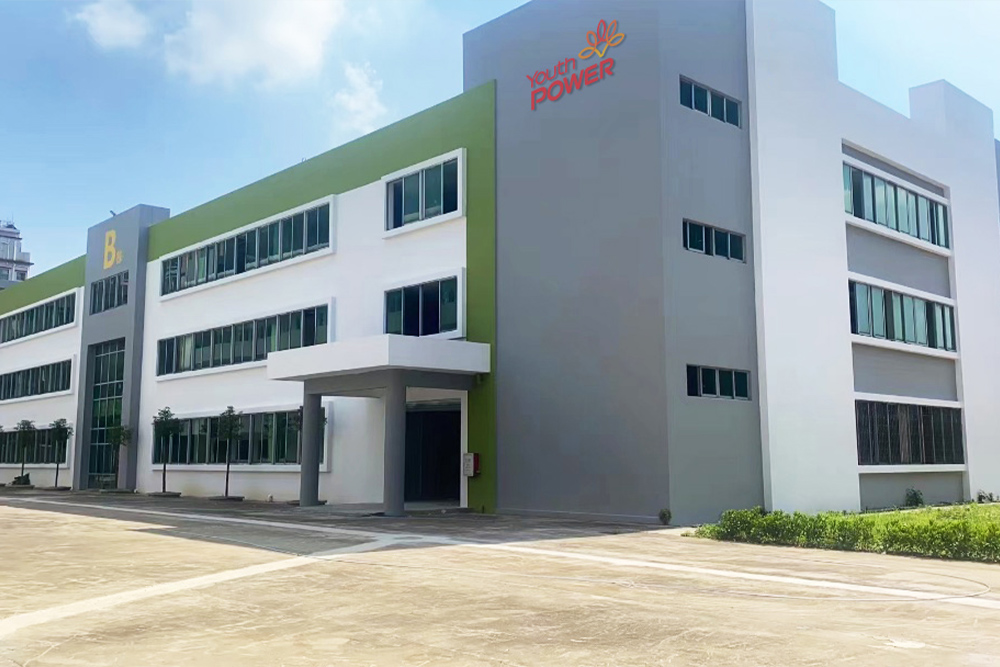
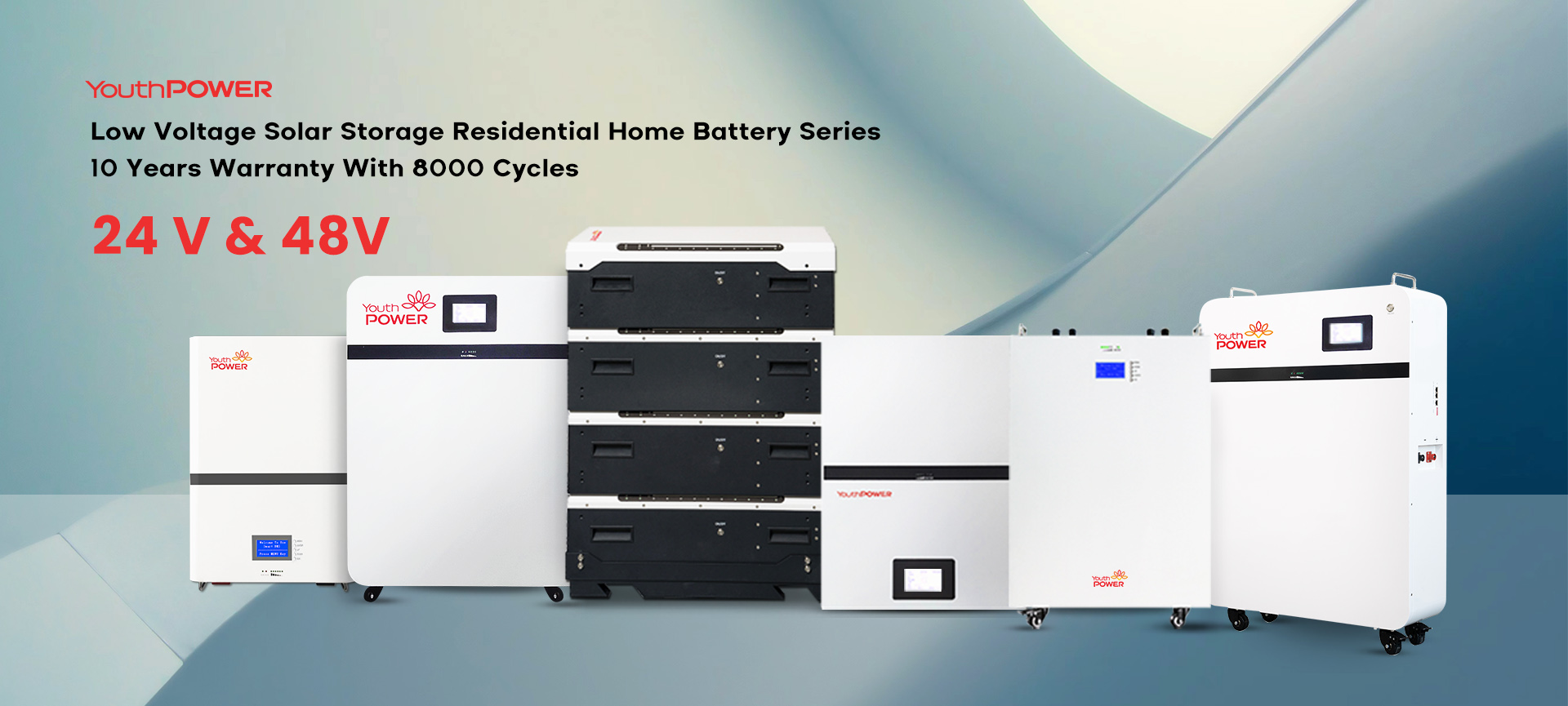
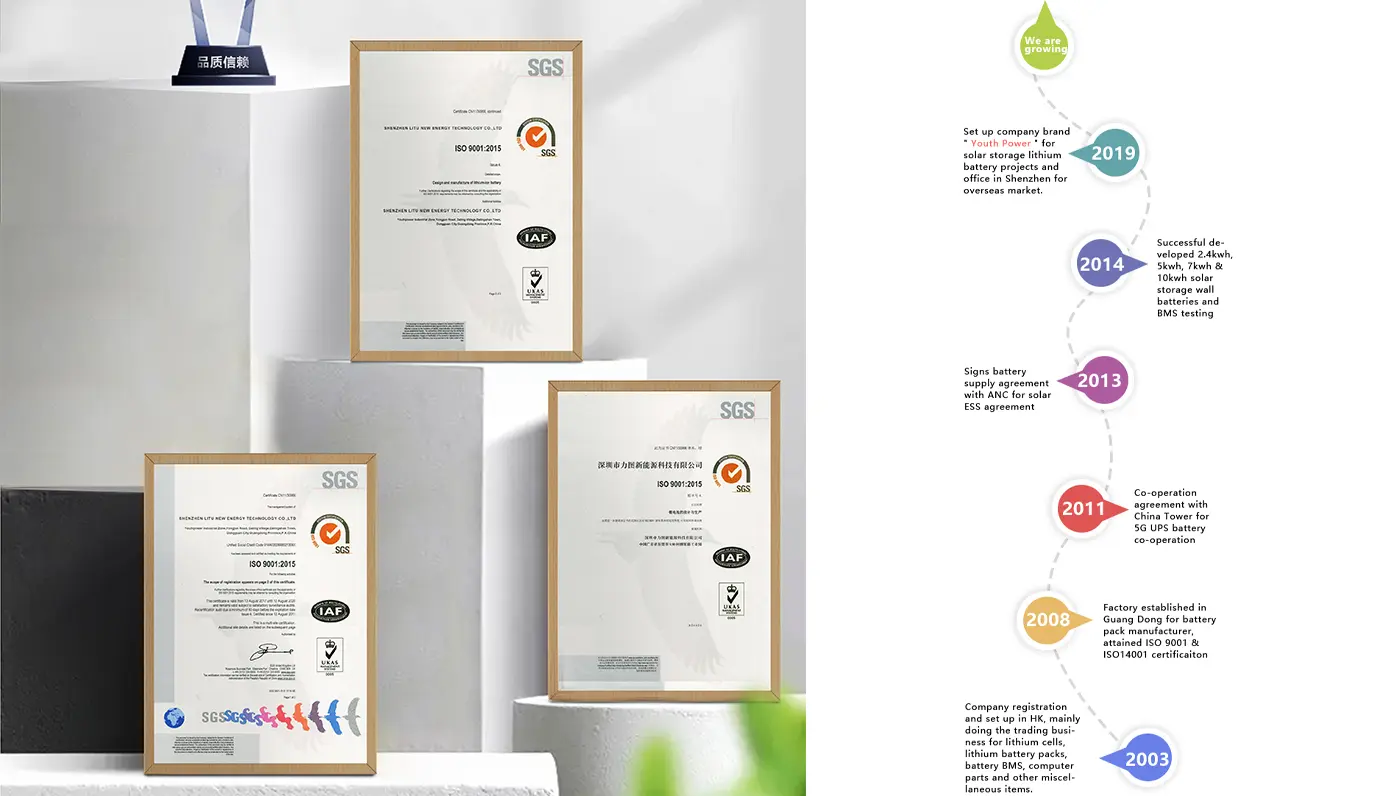
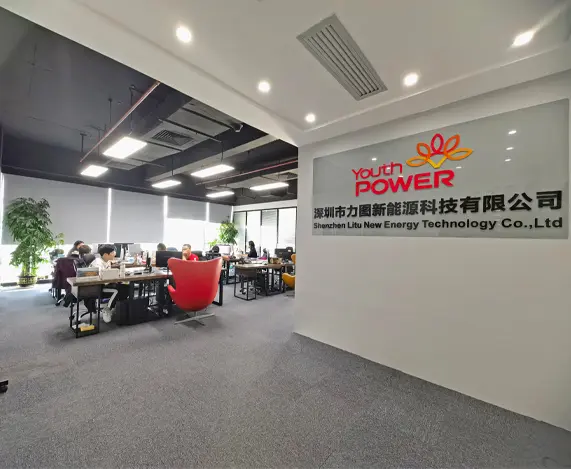
Founded in 2003, YouthPOWER has now become one of the leading suppliers of solar storage lithium batteries in the world. With a broad range of energy storage solutions, it covers a series of 24V, 48V and higher voltage lithium batteries solutions.
YouthPOWER has engaged in the battery technology and production for almost 20 years, with abundant manufacturing experience and strong new product R & D capability. Through many years of hard work and market promotion, we have created our own brand "YouthPOWER" in 2019.
With nearly 20 years’ experience in the battery industry, we have the capability to provide you with both the products you need and the most suitable products you want. We are always ready to supply the first-class products and meet the various needs of the customers.
We have established good business relationships with our customers from all over the world. And we have a good cooperation with all our customers as well for many years running. Supported by our local vendors of raw materials, we can certainly offer you the best prices.
We are so proud that YouthPOWER has offered the reliable solar storage solution for over 1,000,000 families now in the world.
Began as an industrial battery component manufacturer and precision cell engineering house.
Initiated research into LiFePO4 chemistry formulations for residential and grid storage applications.
Launched the 'YouthPOWER' brand worldwide, providing integrated, certified energy storage configurations.
The technological direction of continuous 24-hour backup power is moving toward solid-state chemistry and automated optimization.
Solid-state battery cells represent a notable shift in energy density, potentially reaching over 400 Wh/kg. Eliminating liquid organic solvents addresses thermal safety concerns and allows for a smaller footprint for long-duration backups in urban data centers.
Next-generation Battery Management Systems (BMS) utilize machine learning models to analyze subtle voltage fluctuations, cell expansion, and ambient humidity. These systems can flag potential issues before a cell failure occurs, improving overall reliability.
Industrial 24-hour UPS installations are increasingly double-purposed for peak-shaving applications. When peak electrical costs rise, the systems can feedback energy, generating returns while maintaining sufficient reserve reserves for emergency requirements.
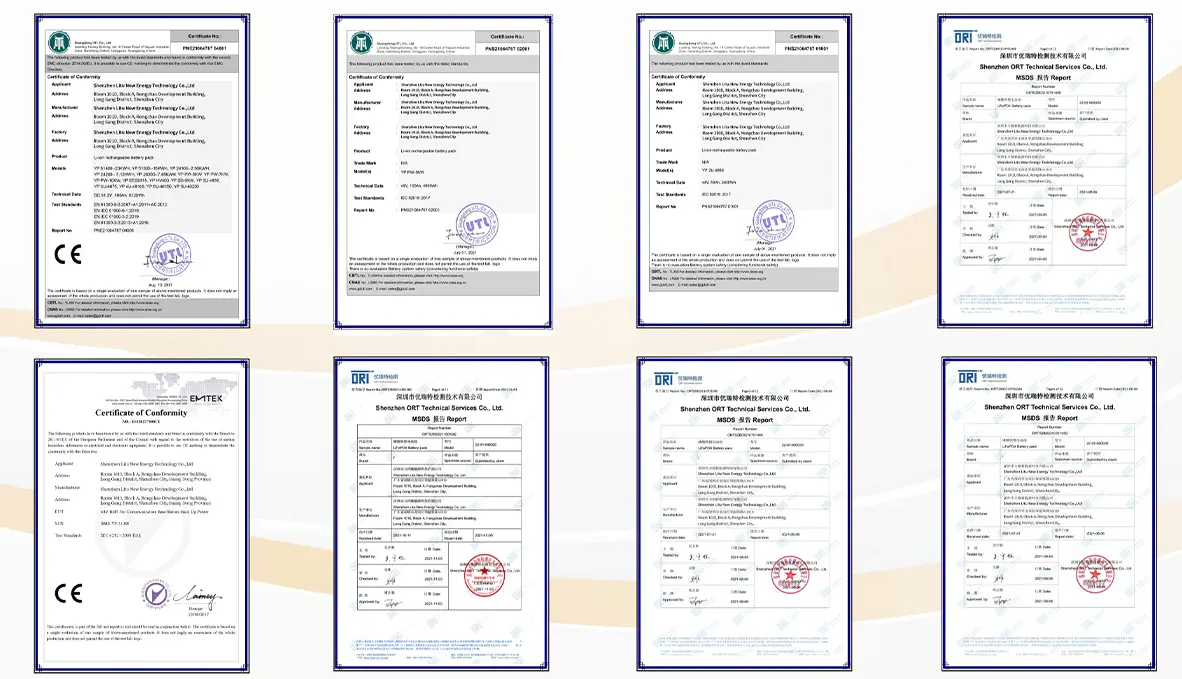
Sourcing systems globally requires compliance with safety protocols. A 24-hour UPS system must satisfy rigorous criteria before local inspectors approve deployment.
YouthPOWER coordinates with localized maintenance hubs across major trade corridors to assist with testing, warranty processing, firmware updates, and deployment support, helping minimize system downtime.
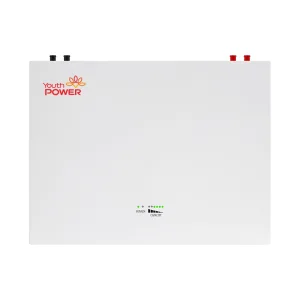
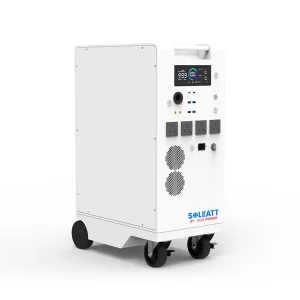
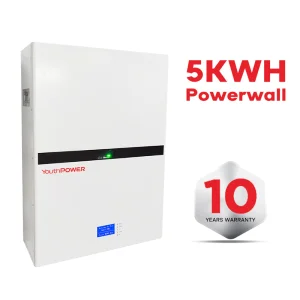
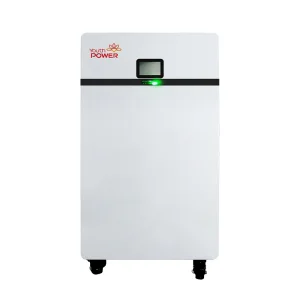
Select additional high-voltage cabinets, portable generators, or powerwall interfaces to round out your backup system.
Technical answers to key engineering and procurement questions regarding 24-hour backup UPS systems.
 YouthPOWER