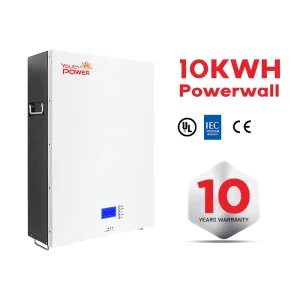
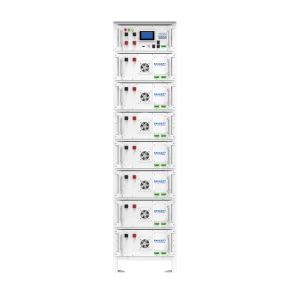
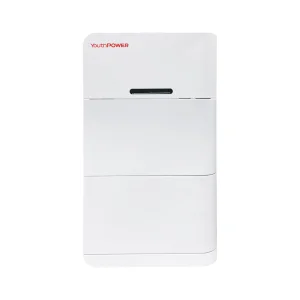
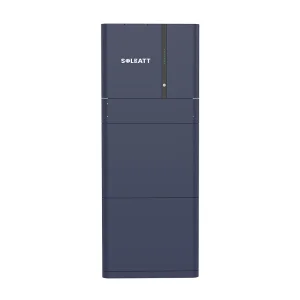
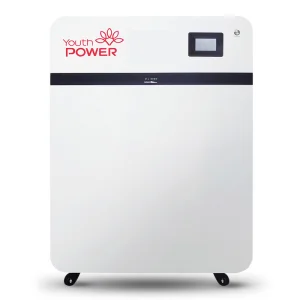
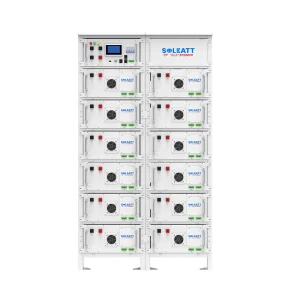
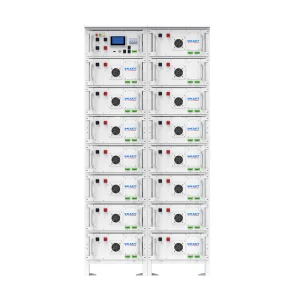
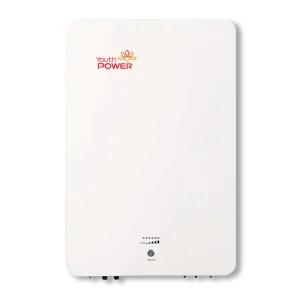
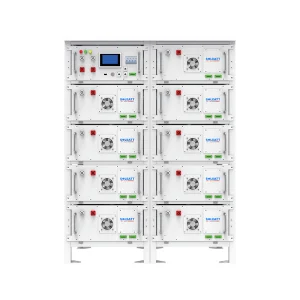
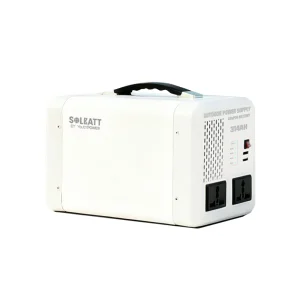
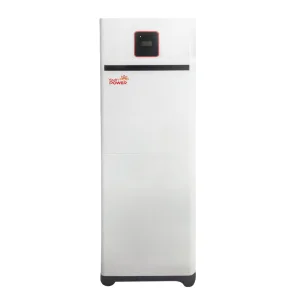
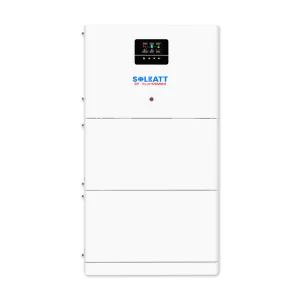
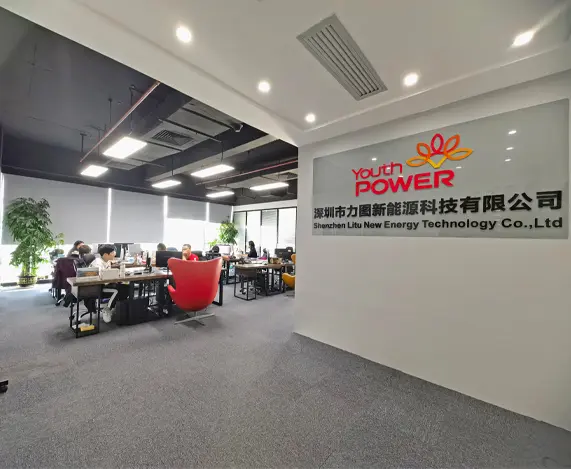
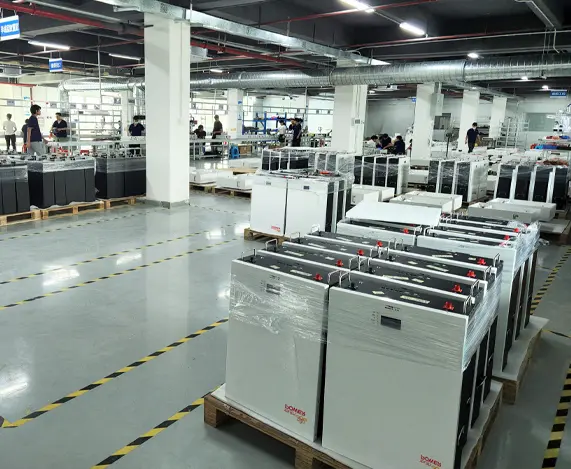
Founded in 2003, YouthPOWER has evolved into one of the world's leading suppliers of solar storage and industrial UPS lithium battery solutions. Spanning nearly two decades of engineering breakthrough and battery technology manufacturing, we cover comprehensive energy storage architectures including 24V, 48V, and advanced high-voltage lithium battery systems tailored for mission-critical power backup.
With a deep-rooted commitment to new product R&D and strict manufacturing guidelines, our team has accumulated profound domain expertise. Through years of relentless hard work, quality control refinement, and strategic market expansion, we officially established and trademarked our global brand "YouthPOWER" in 2019.
With nearly 20 years of experience in the battery industry, we possess the precise technical capabilities to supply the products you need and customize the bespoke solutions you want. We are always ready to deliver premium, reliable tier-1 quality power storage systems designed to meet diverse applications worldwide.
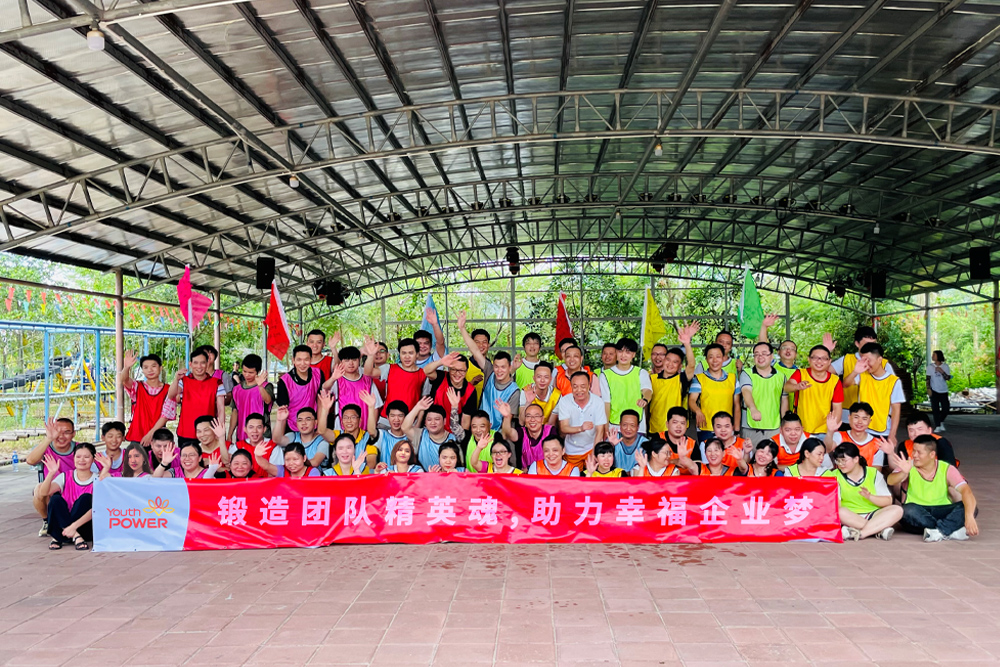
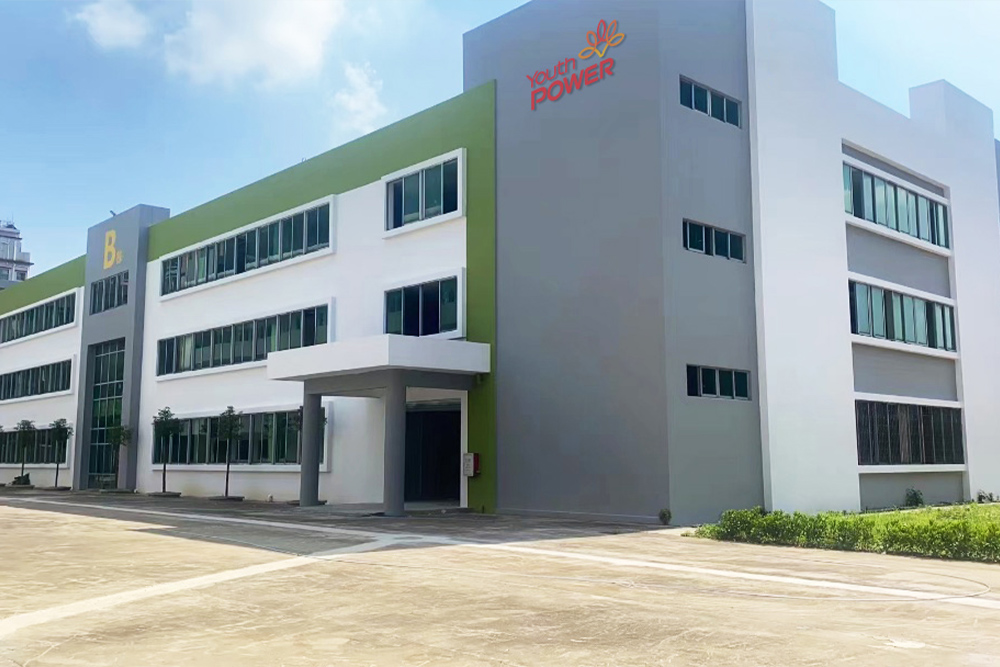
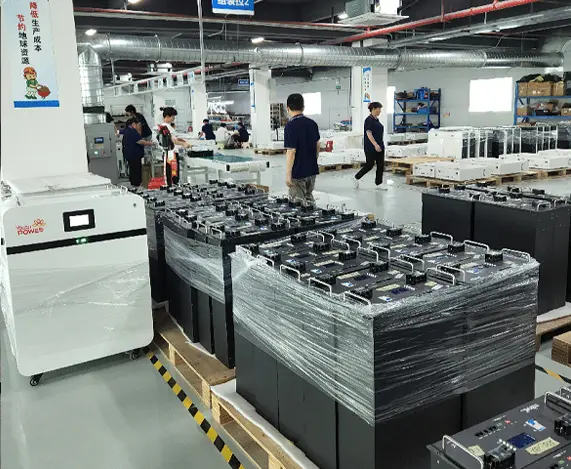
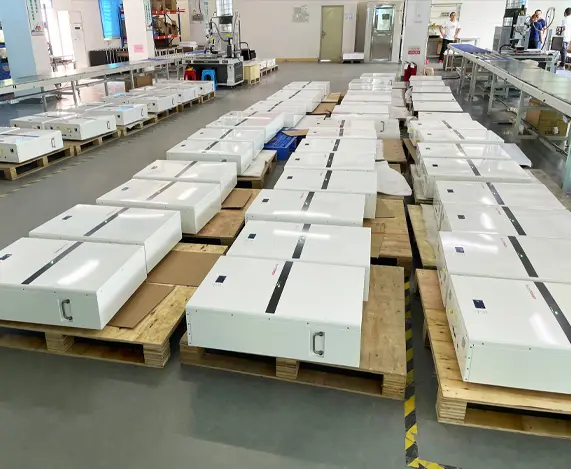
Why do global enterprises rely on Chinese factories for high-performance UPS lithium batteries? The answer lies in the unparalleled integration of raw materials, optimized processing capacity, and highly advanced component supply chains. At YouthPOWER, we partner with top-tier local raw material vendors to control input costs while strictly maintaining rigorous cell testing requirements.
By leveraging the cluster advantages of Chinese smart electronics and EV-grade lithium processing centers, we secure high-grade Lithium Iron Phosphate (LiFePO4) raw materials, cutting-edge Battery Management System (BMS) chips, and robust structural metals at optimized price points. This direct access allows us to deliver substantial cost savings to global system integrators and distributors, offering highly competitive direct factory prices.
Over the years, we have forged strategic partnerships with customers worldwide, ensuring long-term mutual growth. We are incredibly proud that YouthPOWER has delivered safe, durable, and highly efficient solar storage and UPS backup systems to over 1,000,000 families and corporate users globally.
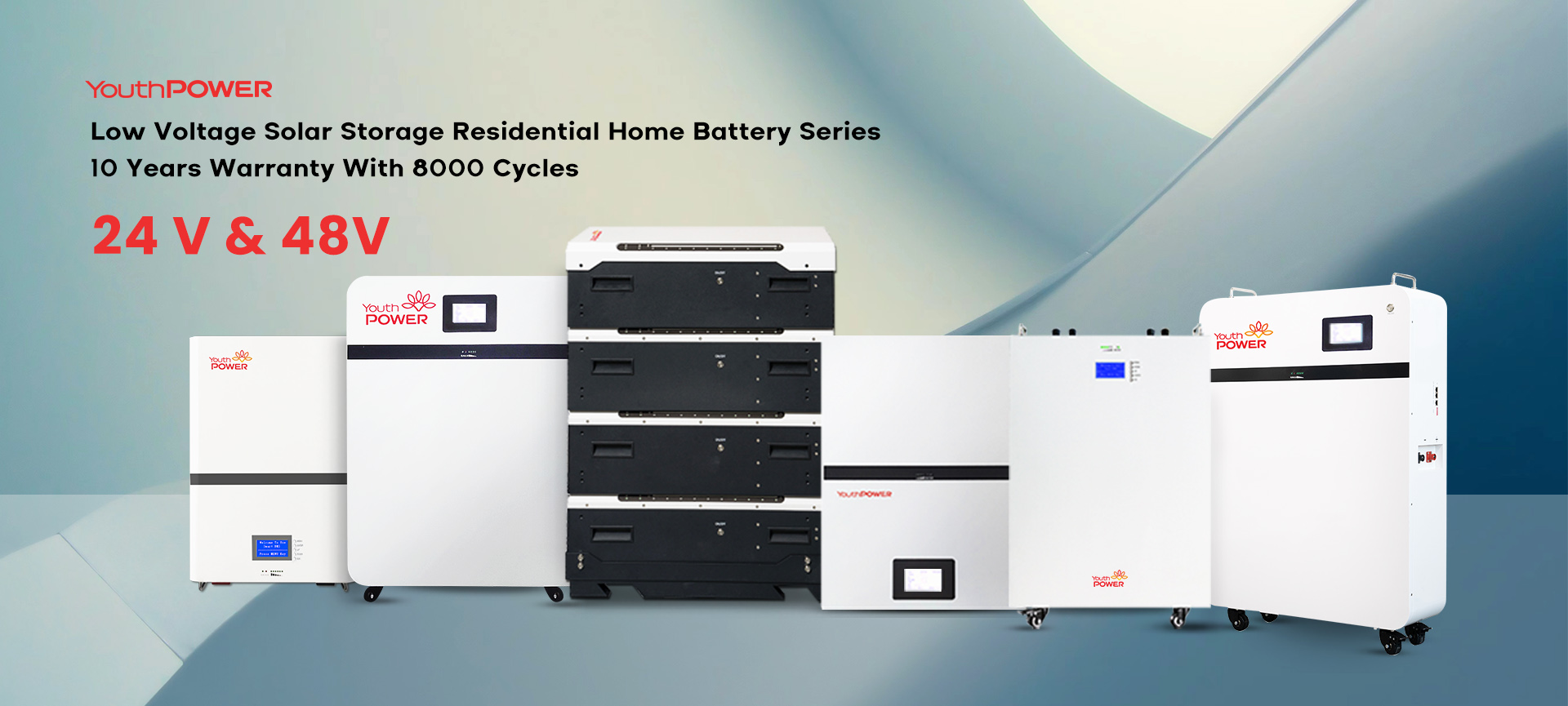
From a specialized battery engineering team in 2003 to an internationally recognized power storage brand, our timeline illustrates continuous R&D breakthroughs and client service excellence.
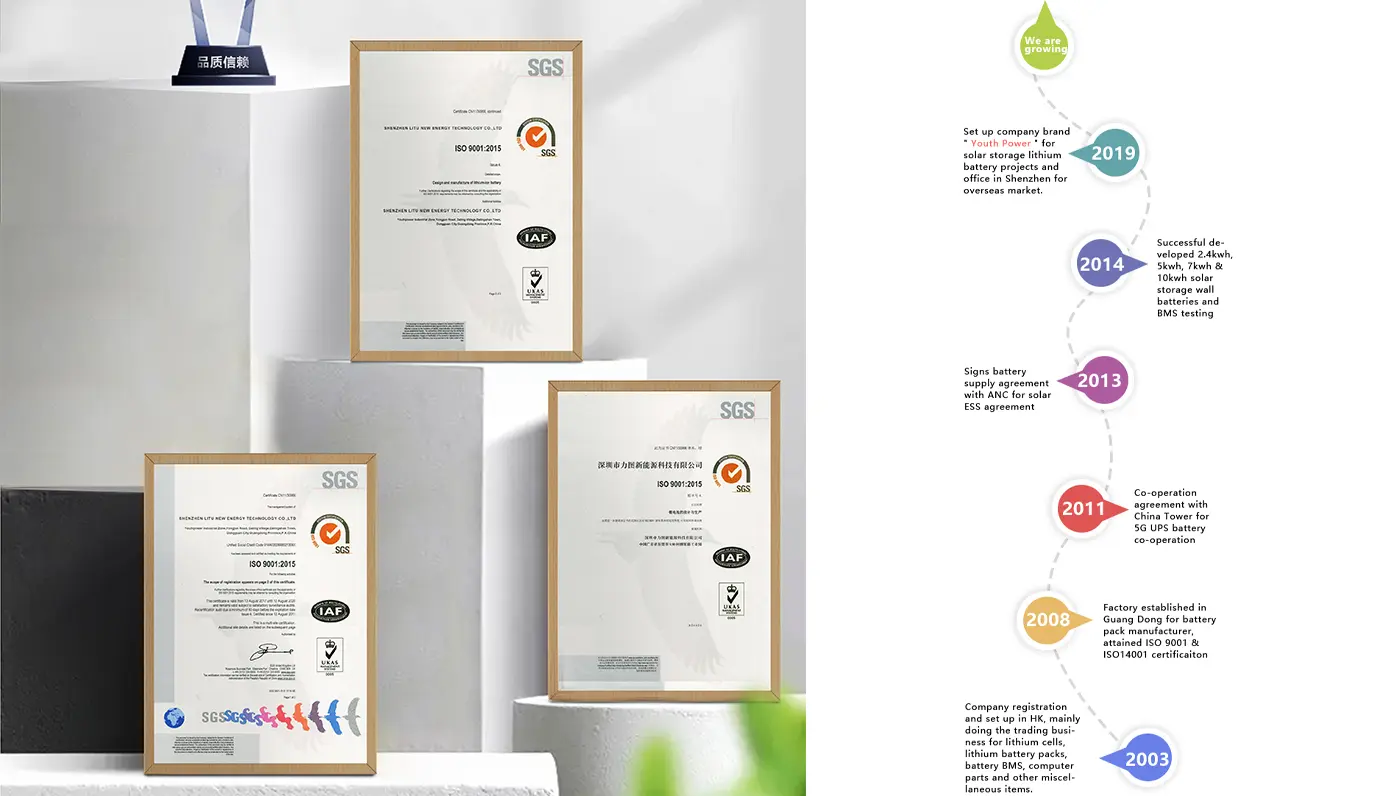
Uninterruptible Power Supplies (UPS) have traditionally relied on Valve-Regulated Lead-Acid (VRLA) batteries. However, the paradigm shift toward Lithium Iron Phosphate (LiFePO4) chemistry has redefined reliability, efficiency, and total cost of ownership (TCO) in industrial, telecom, and enterprise power infrastructure.
Our LiFePO4 chemistry presents an exceptionally high thermal runaway temperature (approx. 270°C) compared to standard lithium cobalt oxide or NMC alternatives (approx. 150°C). This chemical stability makes it the safest choice for indoor data centers and residential environments.
Every YouthPOWER pack integrates a high-performance proprietary Battery Management System (BMS) that monitors cell voltages, currents, and temperatures. Passive and active cell balancing algorithms prevent over-discharge, over-charge, and optimize the operational lifespan of the entire pack.
While lead-acid cells survive 300 to 500 cycles at 50% Depth of Discharge (DoD), YouthPOWER LiFePO4 solutions regularly achieve over 6,000 complete charge/discharge cycles at 80% DoD. This translates to an operational service life of 15+ years, vastly outlasting the equipment they protect.
Note on Smart Energy Sourcing: The integration of high-voltage battery banks (up to 400V - 768V) is key for commercial systems, reducing current draw and minimizing cabling and power-conversion losses across distribution paths.
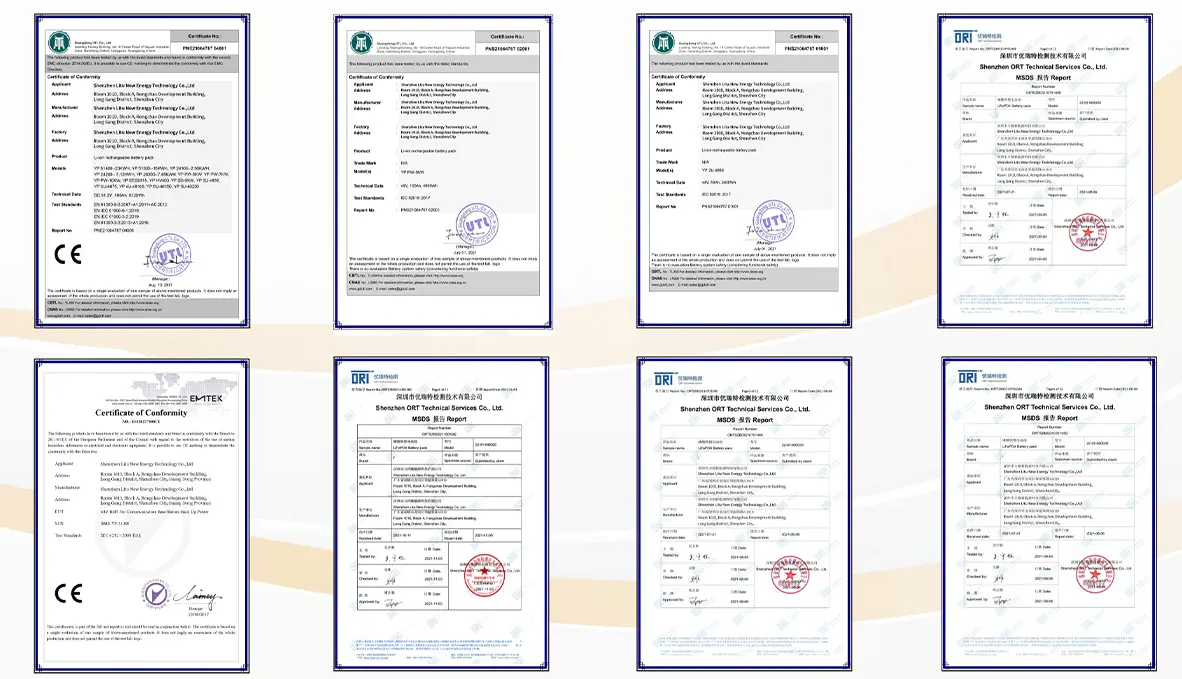
Global procurement teams prioritizing infrastructure safety look for high compliance metrics. Sourcing the "Best UPS Lithium Battery" requires careful evaluation of safety certifications (UL 1973, CE, IEC 62619, and UN38.3 for global transport compliance). Standardizing compliance ensures that batteries can be legally and safely deployed in telecommunication hubs, banking systems, and medical centers.
Moreover, local grid-forming requirements demand that lithium battery systems integrate seamlessly with multi-brand hybrid and off-grid inverters (such as SMA, Victron, Deye, Solis, and Growatt). Our research and manufacturing protocols prioritize multi-protocol CANbus, RS485, and Modbus communication channels to ensure quick plug-and-play installation for international installers.
Compact 48V 100Ah/200Ah modules fit standard 19-inch racks perfectly, delivering high-density power backups that keep web services online without taking up valuable floor space.
Isolated basestations utilize LiFePO4 cells to endure high environmental temperatures and frequent deep cycles, eliminating the need for regular replacement maintenance in remote locations.
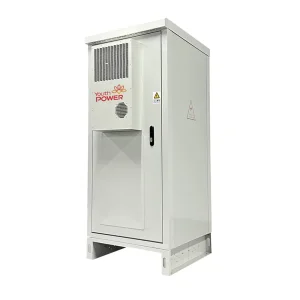
High-voltage battery banks (from 358V to 768V BESS cabinets) shift energy usage from high-tariff peak hours to low-tariff off-peak windows, providing both back-up security and financial savings.
Year Founded
Years Battery R&D Experience
Families Powered Globally
Tier-1 A+ LiFePO4 Quality Cells
 YouthPOWER