Select industrial-grade and commercial battery units designed for high-capacity applications.
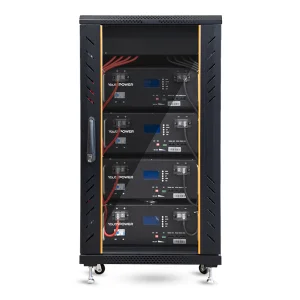
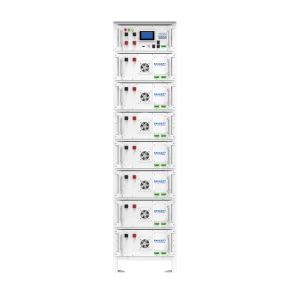
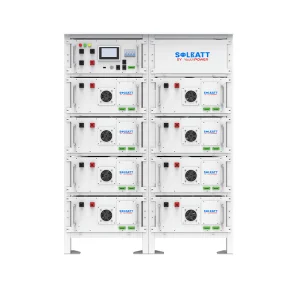
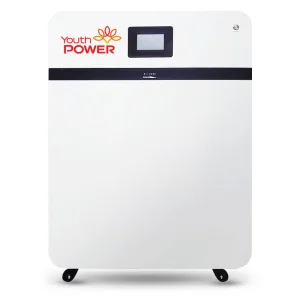
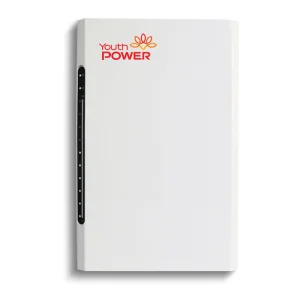
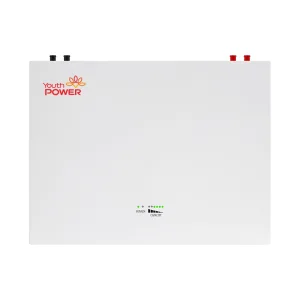
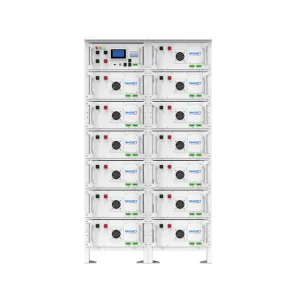
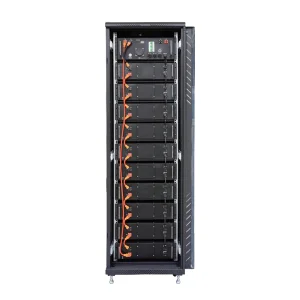
The global transition toward decentralized power grids and decarbonized grids has catalyzed a massive demand for medium-to-high capacity storage units. Among the wide range of battery storage configurations, the 15kW / 15kWh energy storage system (ESS) has emerged as the definitive benchmark for light commercial installations, small industrial workshops, agricultural operations, and high-load residential properties.
In key economic centers across Europe, North America, and the Asia-Pacific region, the demand is driven by the necessity for peak-shaving mechanisms and load shifting. According to international energy reports, the market scale for modular commercial lithium-ion storage systems is projected to achieve a Compound Annual Growth Rate (CAGR) of over 24.5% through 2030. High manufacturing standards, driven by leading factories, have lowered the Levelized Cost of Storage (LCOS), enabling businesses to achieve complete payback in fewer than 5.5 years under typical grid tariffs.
From an engineering perspective, modern 15kW lithium batteries are designed around Lithium Iron Phosphate (LiFePO4) chemistry. Unlike older Nickel Manganese Cobalt (NMC) chemistries, LFP offers superior thermal stability, a longer life cycle (retaining over 80% Capacity at 6,000 cycles under 0.5C charge/discharge), and reduces safety risks from thermal runaway.
The integration of intelligent Battery Management Systems (BMS) with high-voltage (HV) topologies is the standard design trend for high-end applications. High-voltage structures reduce transmission losses, lower current levels to prevent overheating, and support direct pairing with modern hybrid inverters.
Utilizes Grade-A prismatic cells configured with high energy density, low internal resistance, and rugged anti-vibration casing design.
Features CAN/RS485 communication protocols, over-current, over-voltage, temperature monitors, and cell balancing algorithms.
Equipped with active thermal dissipation, structural ventilation, and automatic heating modules for sub-zero operation.
To provide a clear direction for technology buyers, the following section outlines the key milestones in battery development over the next four years.
Deployment of predictive AI-based BMS algorithms for early thermal runaway detection and state-of-health tracking.
Adoption of semi-solid-state chemistry, increasing volumetric efficiency and energy density by 30%.
Migration from low-voltage (48V) to high-voltage (>300V) systems to minimize round-trip losses.
Implementation of end-of-life material recycling and digital carbon passports for environmental compliance.
The deployment profiles of 15kW battery systems vary based on regional infrastructure challenges, regulatory requirements, and local climatic conditions. Selecting the appropriate battery system requires evaluating local site characteristics:
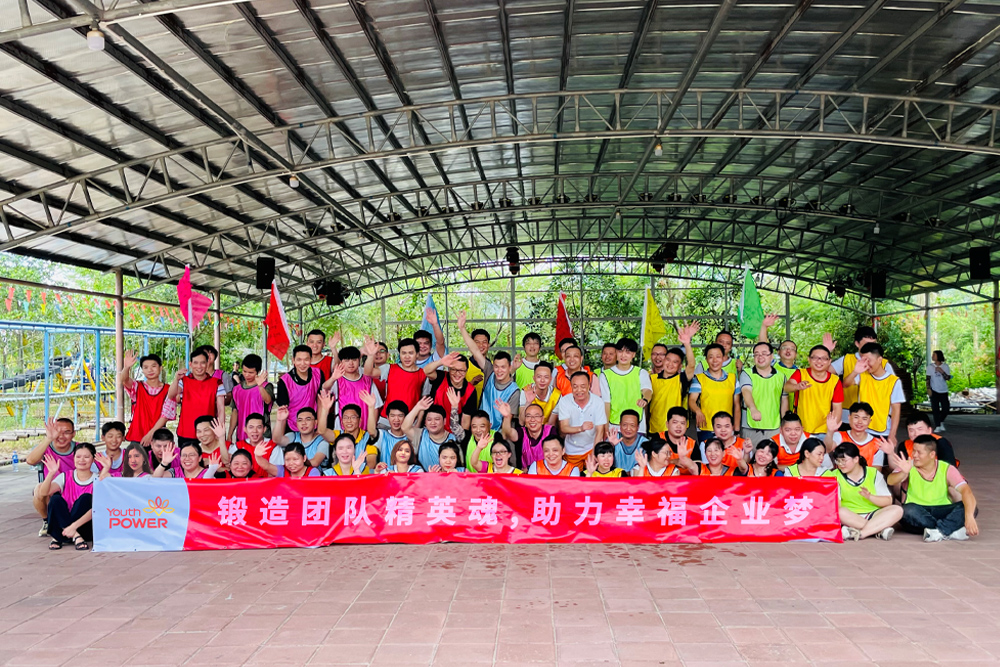
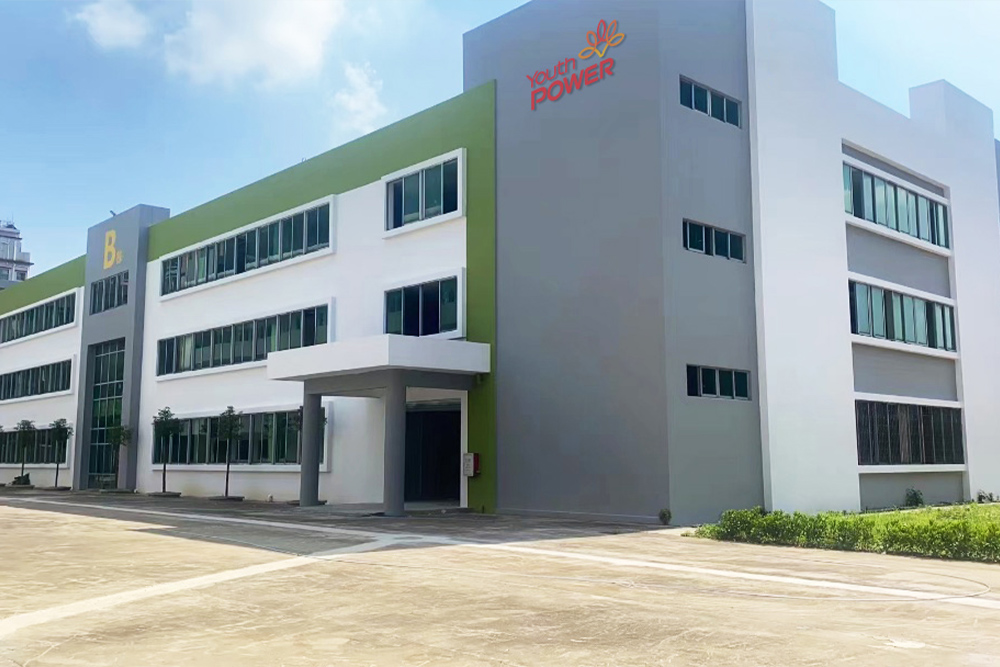
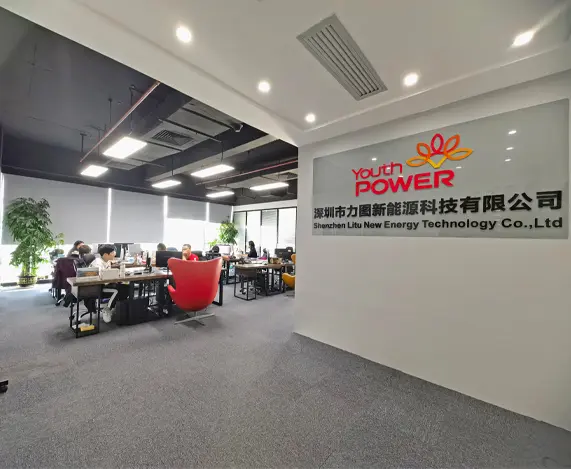
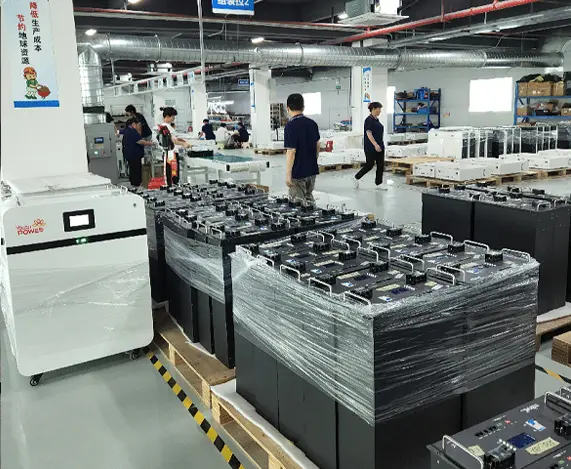
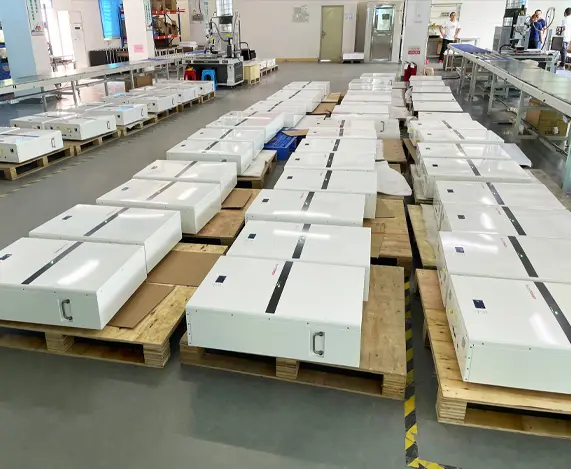
For nearly two decades, YouthPOWER has manufactured reliable, high-performance battery systems for global markets.
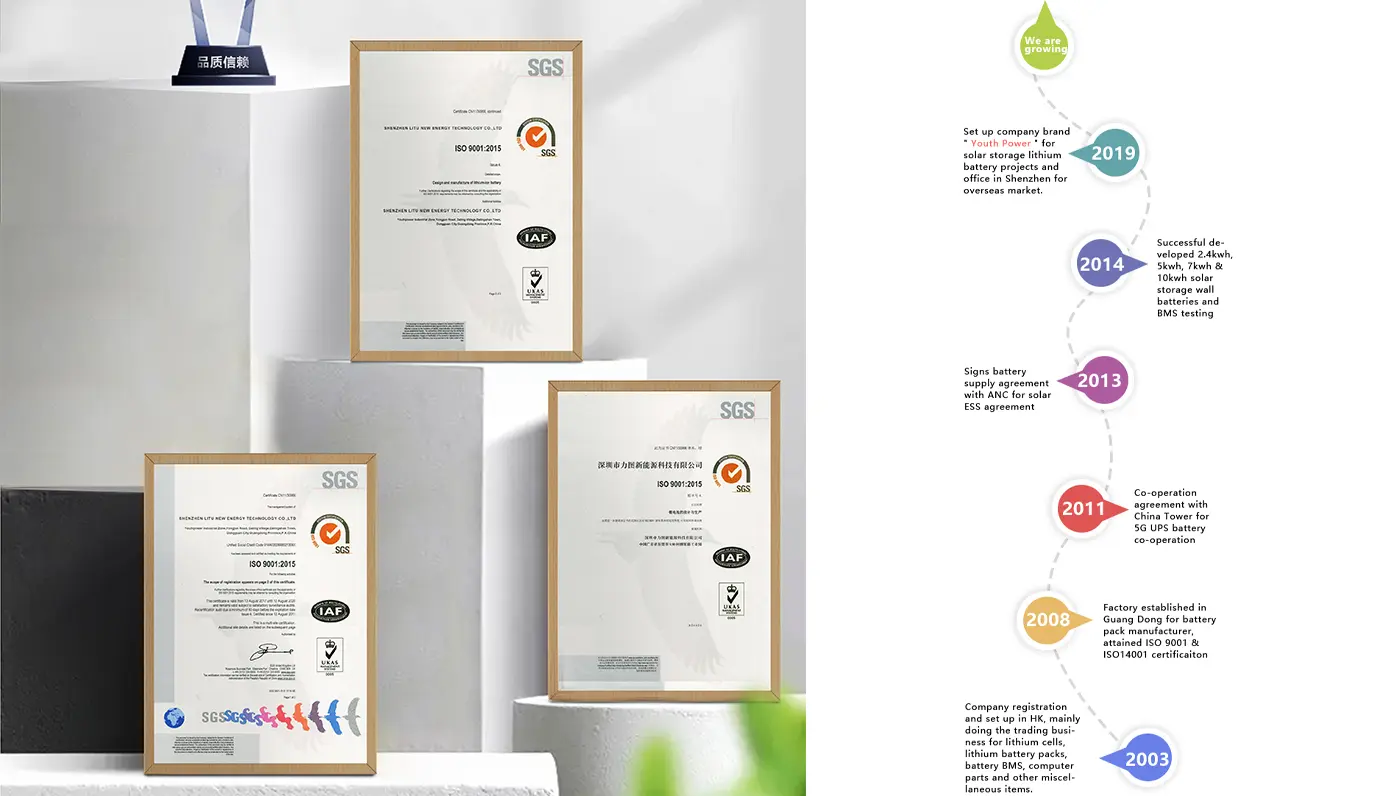
Founded in 2003, YouthPOWER has grown into one of the leading global suppliers of solar storage lithium batteries. Offering a wide range of energy storage solutions, the company manufactures 24V, 48V, and high-voltage lithium battery systems designed for demanding industrial environments.
With nearly 20 years of experience in battery technology and production, we leverage our deep manufacturing expertise and R&D capabilities to develop energy products. Following years of growth and market expansion, we established our brand "YouthPOWER" in 2019.
Leveraging supply chains supported by local raw material vendors, we offer competitive pricing without compromising quality control. YouthPOWER has delivered solar storage solutions to more than 1,000,000 families worldwide.
Our growth milestones trace our journey from a specialized component vendor to a global supplier of integrated energy storage systems.
We have built long-term relationships with global distributors, commercial EPC contractors, and system installers, ensuring our products comply with local grid standards.
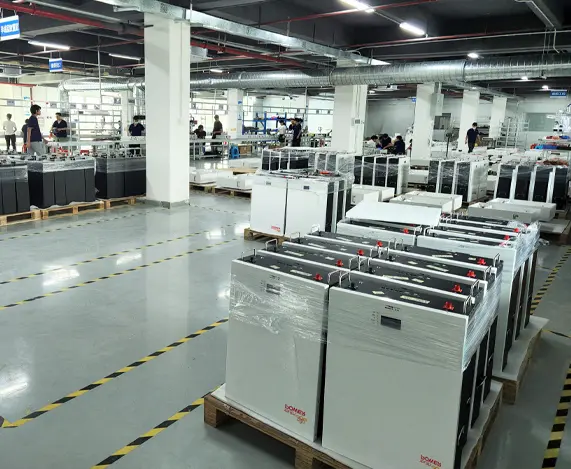
When sourcing a 15kW lithium battery system from a factory, understanding the cost components is critical for achieving procurement value. Wholesale pricing is primarily determined by:
We advise procurement managers to request a complete Bill of Materials (BOM) detailing cell source, BMS model, cycle warranty curves, and thermal tests. Sourcing direct from the manufacturer reduces middleman markups, lowering the total cost per kilowatt-hour (kWh).
Answers to key engineering and logistical inquiries from engineers, buyers, and project developers.
A 15kW (kilowatt) rating refers to the battery's maximum power output capability, which is governed by the BMS and cell configuration. A 15kWh (kilowatt-hour) rating measures the total usable energy storage capacity. A system could deliver 15kW of continuous power for one hour (using a 15kWh battery) or 7.5kW of power for two hours.
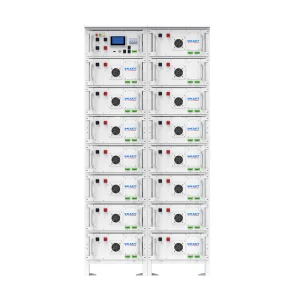
Yes, high-voltage battery cabinets (such as our 358.4V or 409V series) are designed to run in series to match three-phase hybrid inverters. This design operates without power conversions, reducing current levels and energy loss.
LFP batteries operate best between 15°C and 35°C. At temperatures below 0°C, charging speed should be limited to prevent lithium plating unless the cabinet has internal heater modules. High ambient temperatures above 45°C speed up capacity loss, making active thermal management critical in tropical regions.
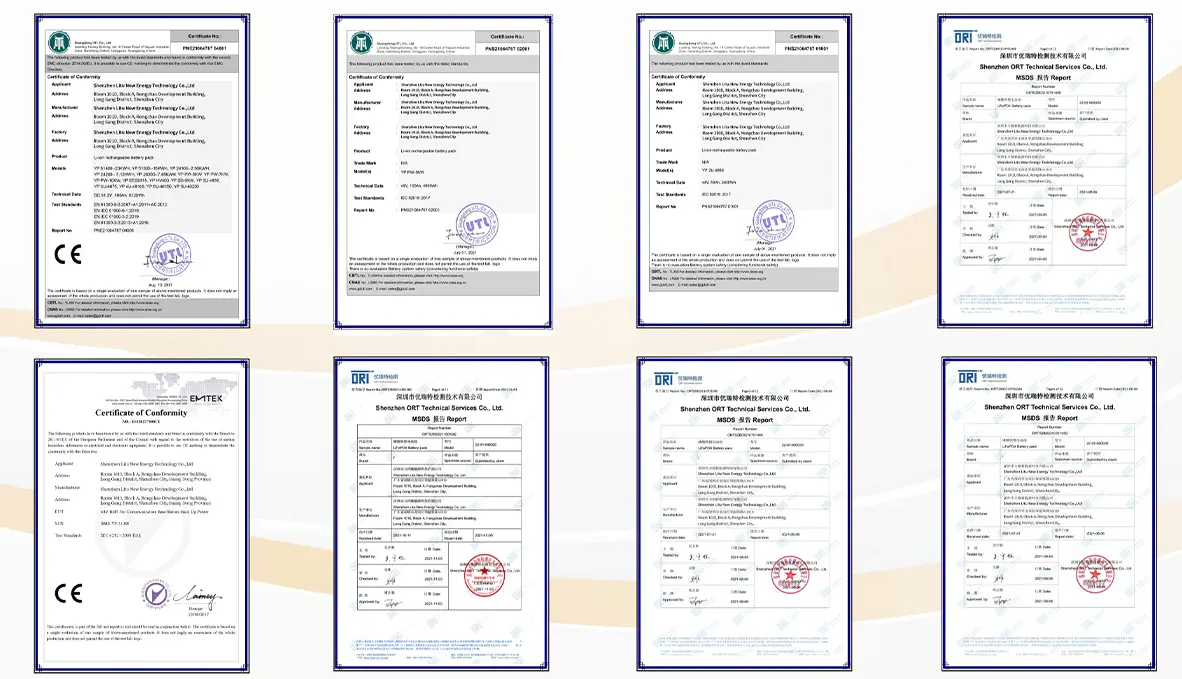
All lithium batteries are classified as Class 9 Dangerous Goods. They must have UN38.3 certification, which includes impact, thermal, and short-circuit testing, to qualify for air or ocean shipping. YouthPOWER provides full compliance documentation for global customs clearance.
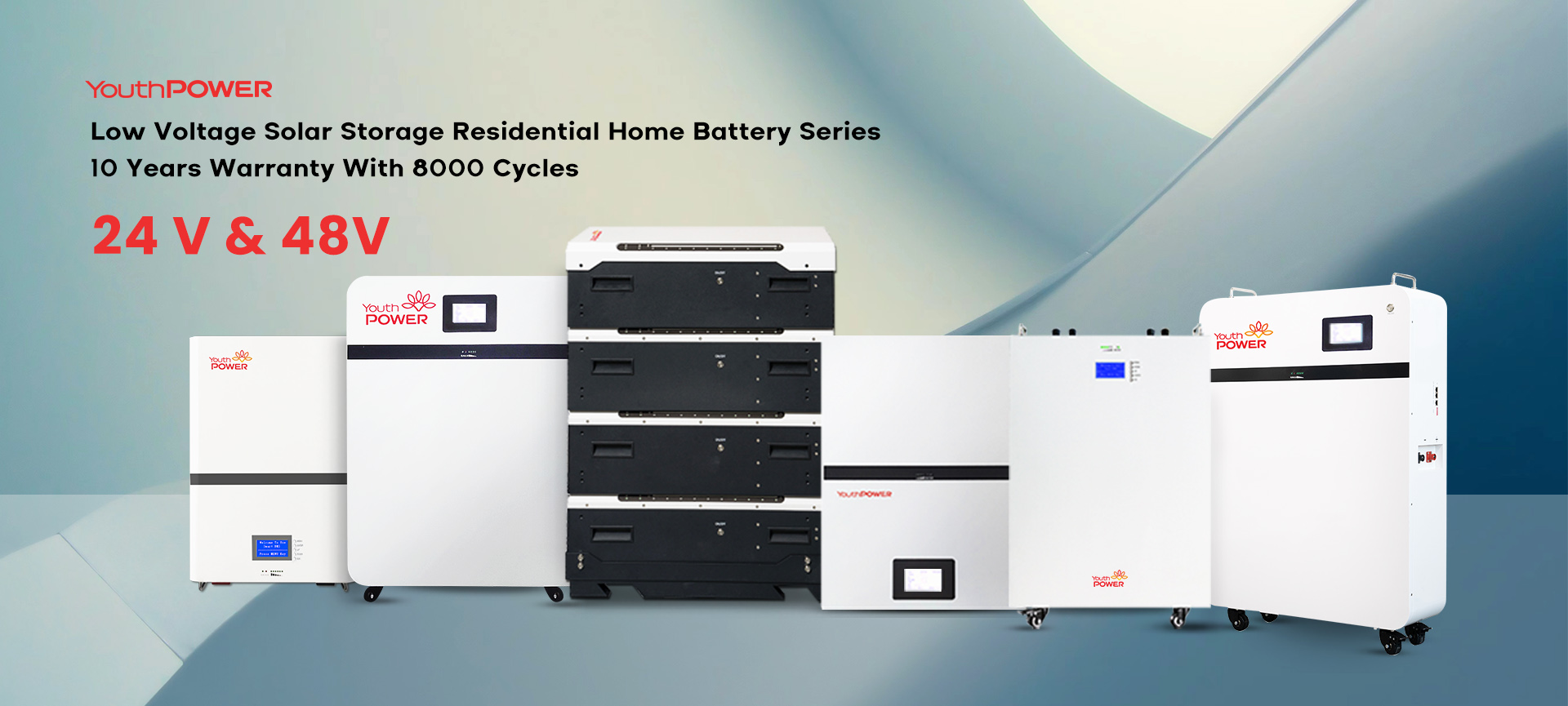
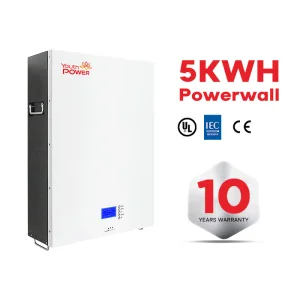
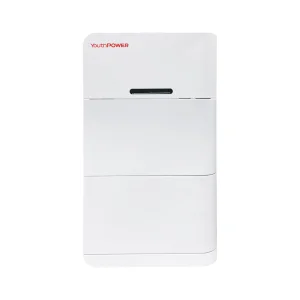
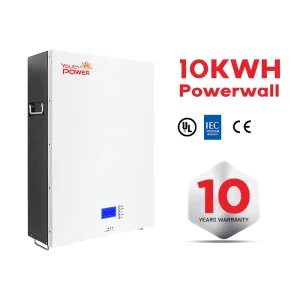
Select options for specialized residential, commercial, and modular projects.
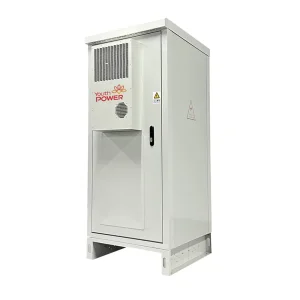
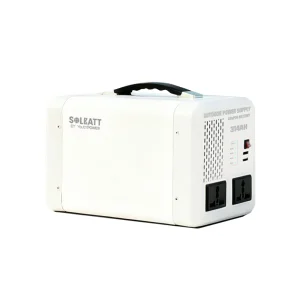
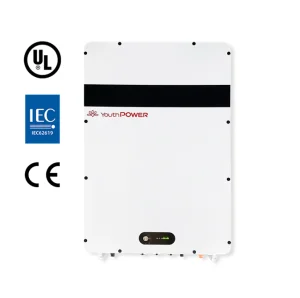
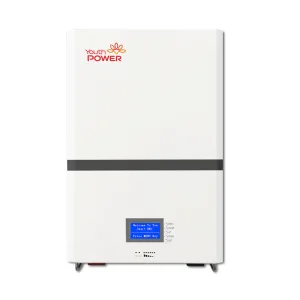
 YouthPOWER