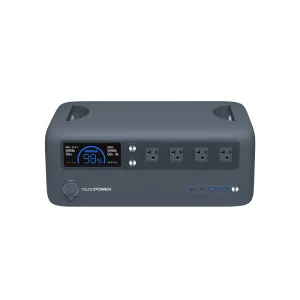
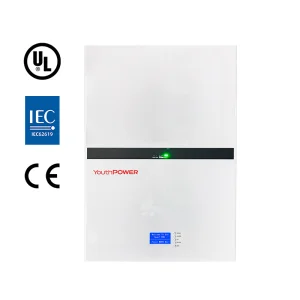
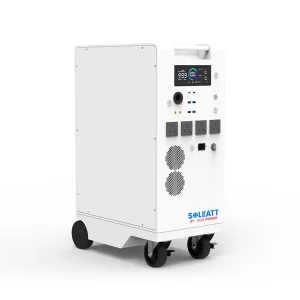
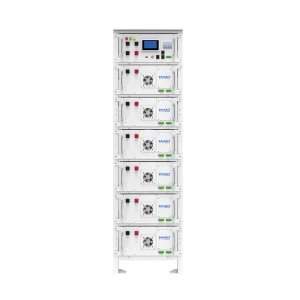
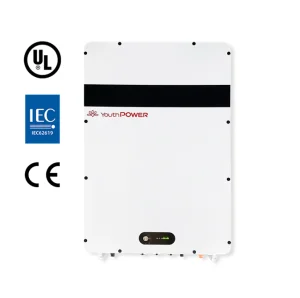
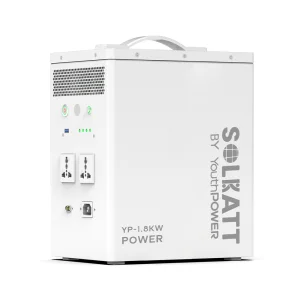
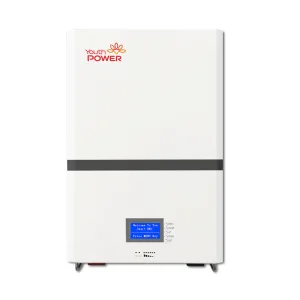
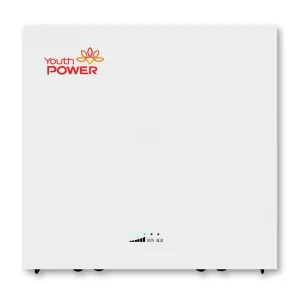
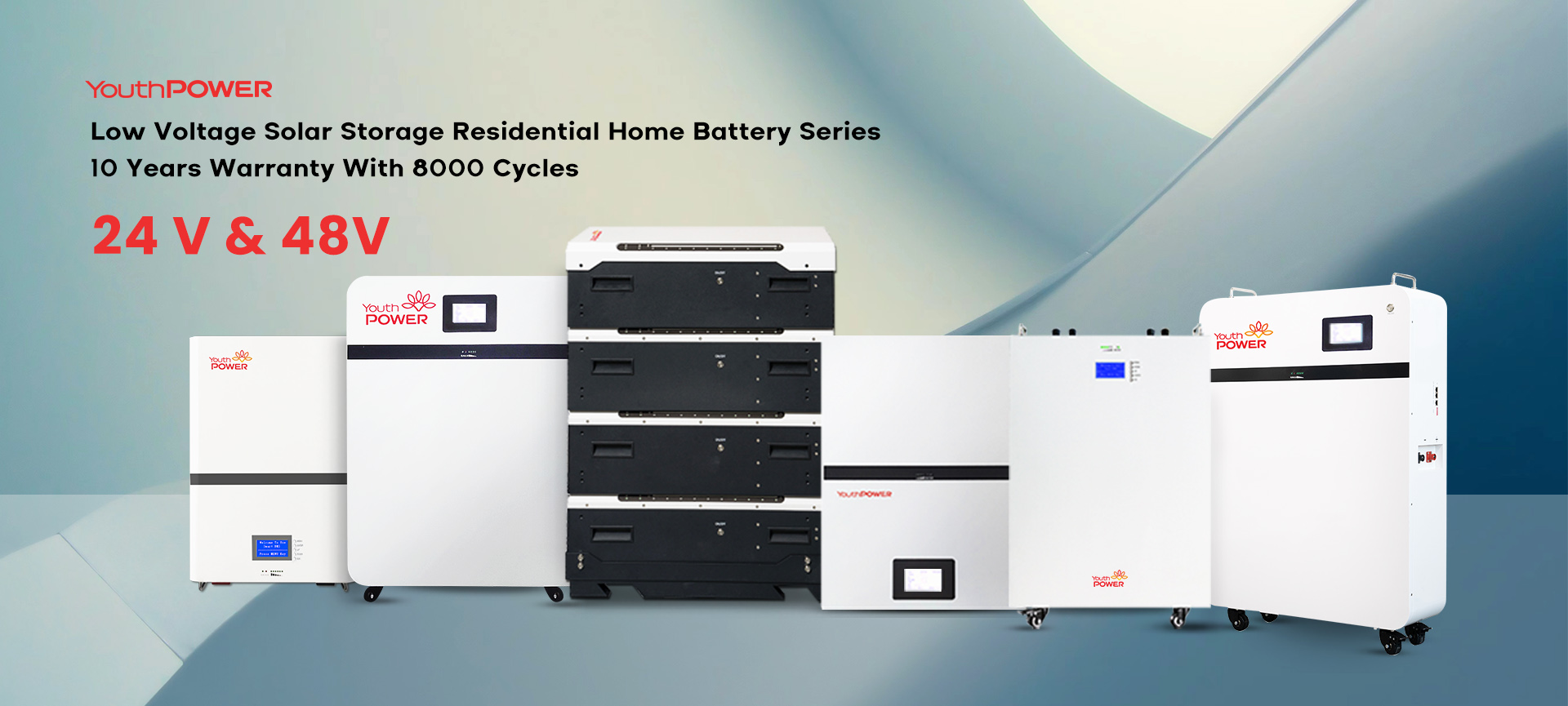
Explore our foundational range of 48V to high-voltage energy storage systems designed for residential, commercial, industrial, and balcony solar configurations.
A comprehensive analysis of technical configurations, factory pricing indices, market dynamics, and engineering applications.
The transition toward decentralized power grids and industrial electrification has established the 48V low-voltage (LV) threshold as the safest, most efficient architecture for small-to-medium scale energy storage. By maintaining systems within the safety limits of extra-low voltage (SELV) standards, installers and enterprise integrators avoid complex high-voltage installation certifications while securing robust throughput capacities. From telecom base stations in remote regions to off-grid solar reserves in metropolitan hubs, 48V lithium systems form the backbone of the clean energy infrastructure.
At the center of contemporary 48V batteries is Lithium Iron Phosphate (LiFePO4). Unlike older Lead-Acid (AGM/Gel) or high-density Nickel Manganese Cobalt (NMC) chemistries, LFP offers a superior cycle life (often exceeding 6,000 cycles at 80% Depth of Discharge), complete thermal runaway stability, and non-toxic materials. The cell architecture generally leverages 15S (48V nominal) or 16S (51.2V nominal) prismatic cells managed by a smart Battery Management System (BMS) with RS485/CAN communication protocols for real-time diagnostics.
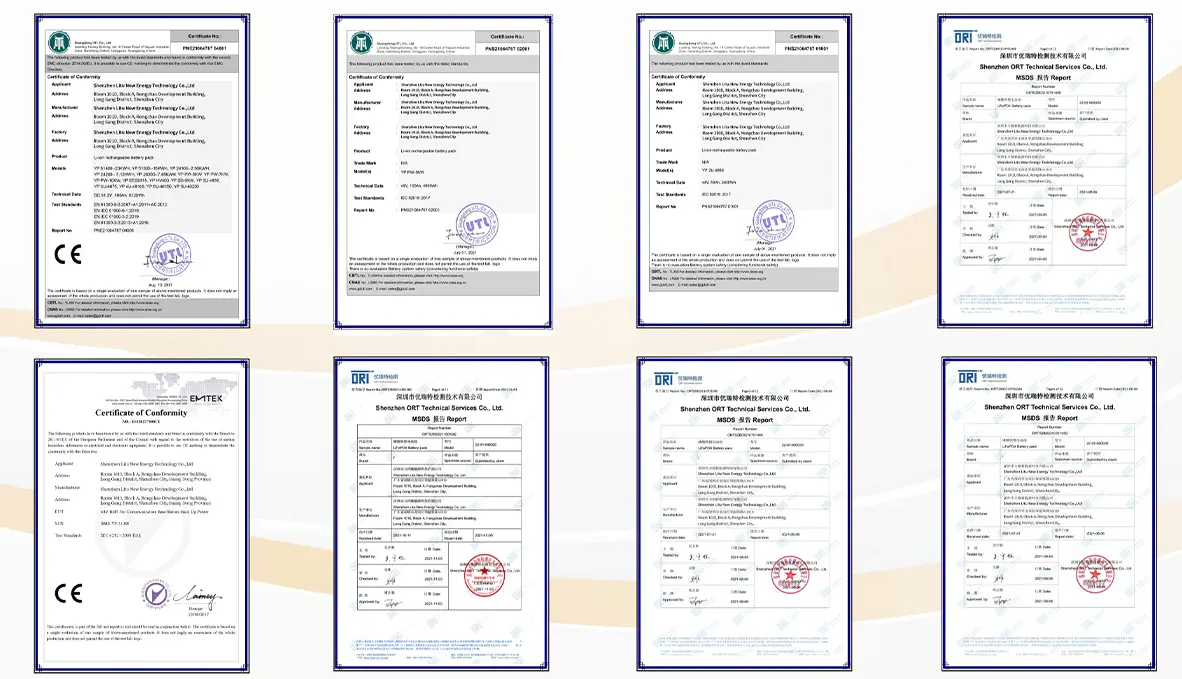
Understanding factory-level pricing structure requires looking at raw component dynamics. The main drivers of cost include: Grade-A vs. Grade-B Cell Selection, BMS capabilities (passive vs. active balancing), and structural protection rating (IP20 for indoor racks vs. IP65 for outdoor environments). By buying directly from certified factories like YouthPOWER, buyers bypass middleman markups and benefit from localized component sourcing, yielding a lower Levellised Cost of Storage (LCOS) over the system's operational lifetime.
A look at standard configurations for 48V systems compared with higher voltage industrial storage tiers.
| System Type | Nominal Voltage (V) | Recommended Capacity | Common Applications | Key Performance Benefit |
|---|---|---|---|---|
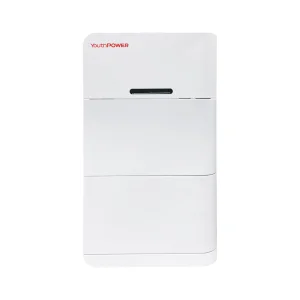
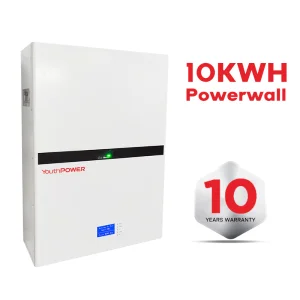
| Low-Voltage Residential | 48V - 51.2V | 100Ah - 200Ah (5 - 10 kWh) | Balcony Solar, Home Powerwall, Off-grid cabins | SELV safety rating, simple parallel scaling, low installation cost |
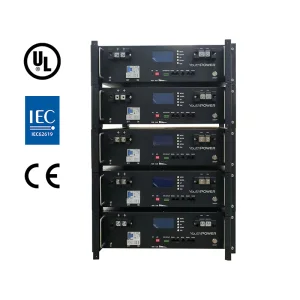
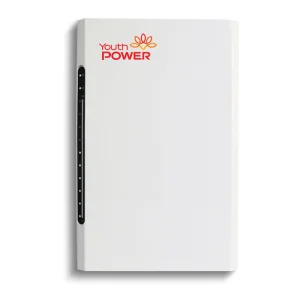
| Commercial Solar Rack | 48V - 51.2V | 200Ah - 600Ah (10 - 30 kWh) | Telecom towers, edge data centers, office backup | 19-inch rack mount compliance, hot-swappable configurations |
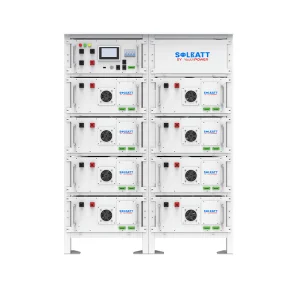
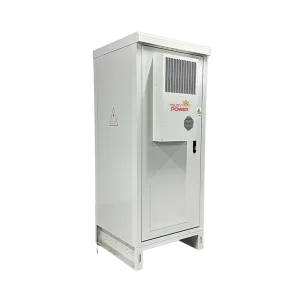
| Industrial High-Voltage Cabinet | 307V - 512V | 260Ah+ (80 - 133 kWh) | Micro-grid generation, large factories, peak shaving | High round-trip efficiency, reduced cable losses, high discharge rate |
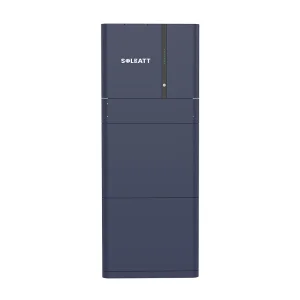
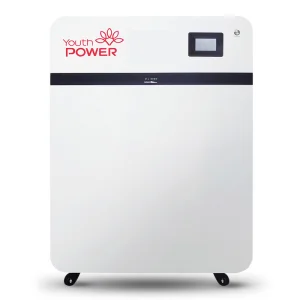
| All-in-One Hybrid Storage | 48V / High-Voltage | 5kWh - 25kWh integrated | Grid-tied peak shaving, backup UPS systems | Plug & play integration, pre-configured inverter matching |
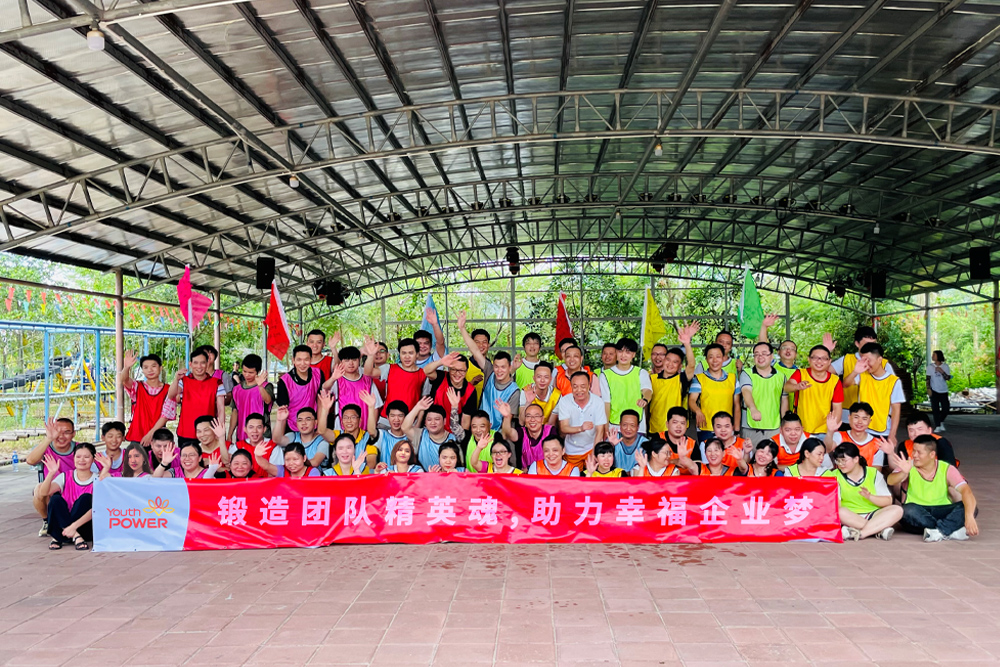
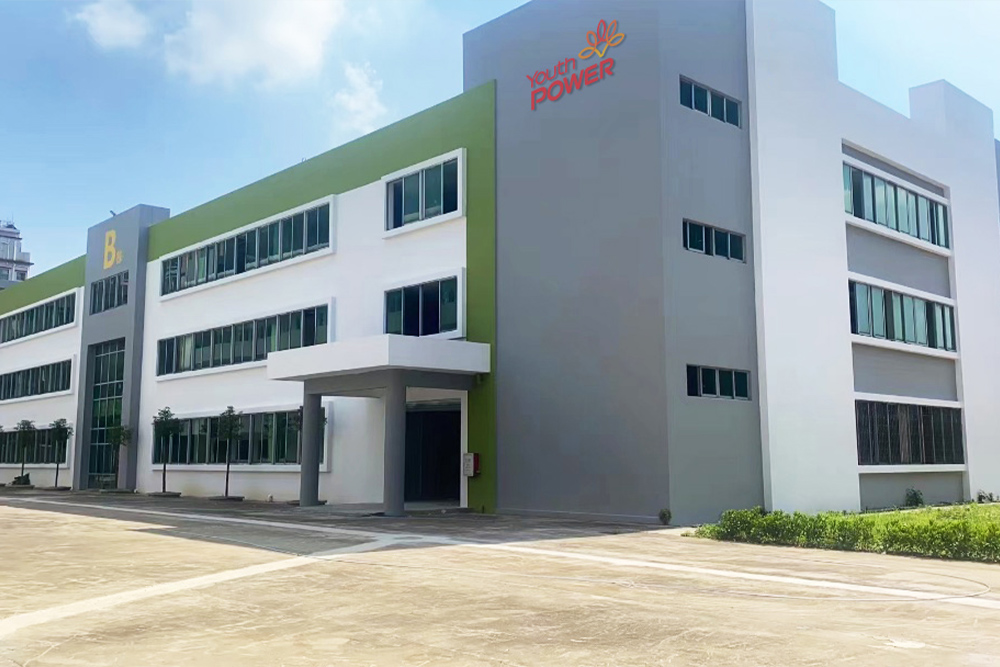
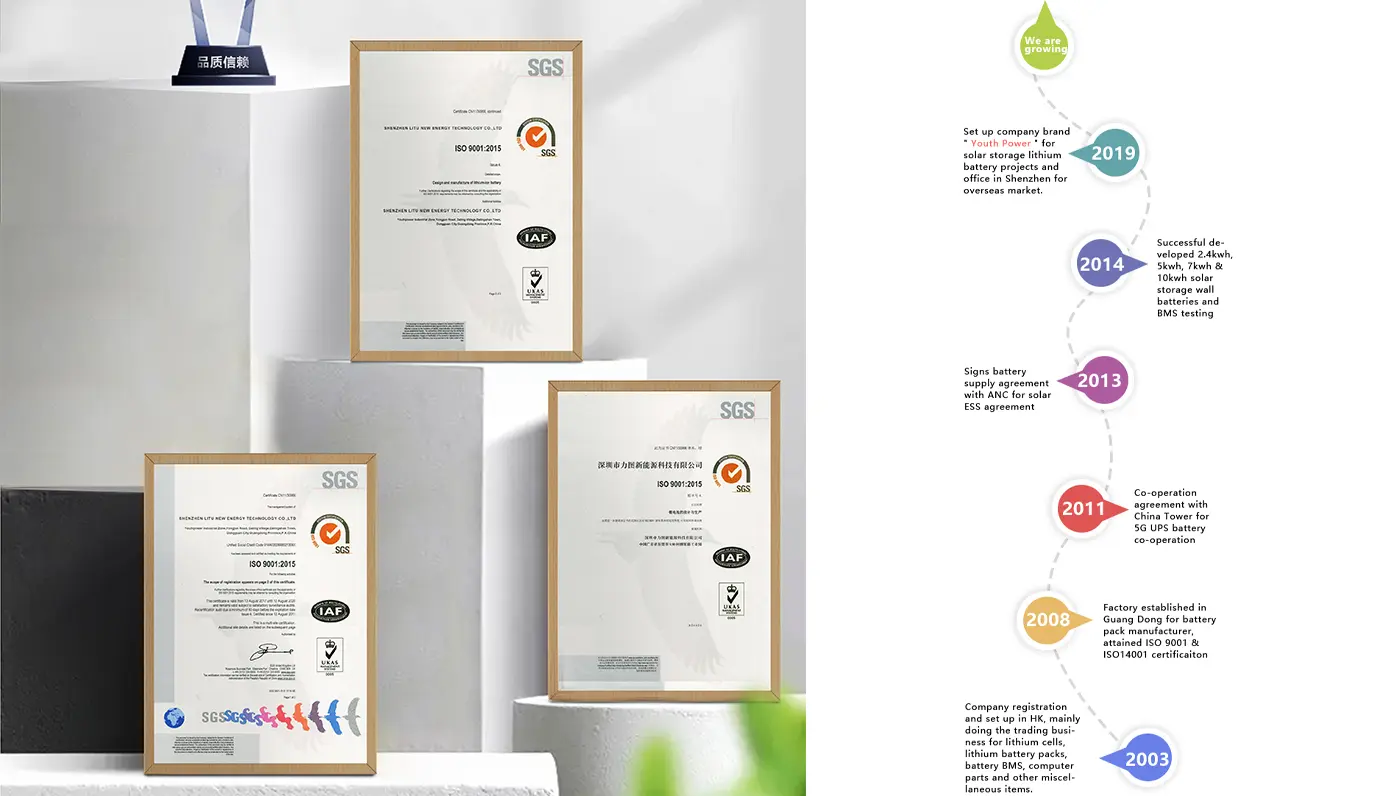
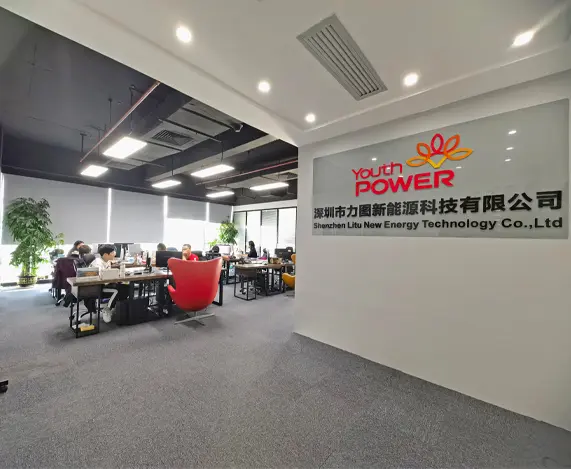
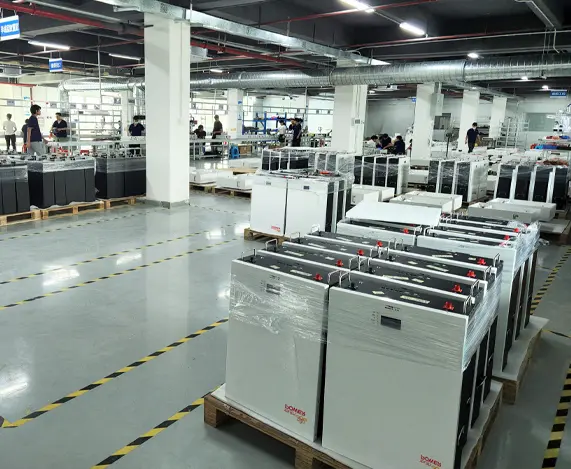
Founded in 2003, YouthPOWER has established itself as one of the leading global suppliers of solar storage lithium batteries. Offering robust energy storage systems, our portfolio covers a reliable series of 24V, 48V, and higher voltage lithium battery solutions engineered for longevity and resilience.
With nearly 20 years of focus on battery technology development and advanced production practices, our team brings rich manufacturing experience and deep R&D capability. Driven by a commitment to reliability and accessibility, we officially launched our independent brand "YouthPOWER" in 2019.
Through robust collaboration with local raw material suppliers, we optimize component pipelines to offer clients the most competitive pricing structures. Today, YouthPOWER is proud to have delivered reliable solar storage solutions to over 1,000,000 families worldwide.
How 48V battery systems address real-world grid demands and energy challenges across global micro-markets.
In high-tariff markets like Germany and Italy, balcony solar energy storage systems (ESS) combined with 48V 100Ah battery banks allow tenants and homeowners to store excess daily generation. These compact systems plug directly into the household grid, offsetting base load power consumption during peak evening rate periods and boosting household energy independence.
Frequent grid instability and extreme weather in North America drive demand for high-capacity wall-mounted batteries. Parallel configurations of 48V 200Ah modules (creating 20kWh to 40kWh banks) interface with hybrid inverters to keep essential HVAC, lighting, and refrigeration systems operational during extended grid failures.
Reliable communication infrastructure requires consistent power. In rural or unstable grid environments, 48V rack-mount lithium systems replace heavy, high-maintenance lead-acid setups in base transceiver stations (BTS). Their tolerance for high ambient temperatures and cycling longevity reduces operations and maintenance costs.
Analyzing key battery developments, safety designs, and software integrations over the next decade.
Modern BMS controllers are transitioning from simple voltage protection units to cloud-connected, smart IoT nodes. Using dynamic protocols, 48V batteries can respond to utility dispatch signals, supporting virtual power plant (VPP) networks and enabling automated peak shaving or feed-in tariff optimization.
While liquid-electrolyte LiFePO4 cells currently lead the safety and cost-performance index, research is moving toward semi-solid and solid-state alternatives. These developments promise higher volumetric energy density, enabling manufacturers to pack double the capacity in standard 19-inch 48V enclosures without increasing weight.
Thermal propagation prevention has become a cornerstone of regulatory compliance (such as UL9540A). Factories are incorporating aerogel barriers, phase-change materials, and localized pressure release valves between cells to isolate anomalies, ensuring complete stability even under extreme operating states.
A retrospective look at our engineering journey, manufacturing scaling, and structural upgrades since 2003.
Expert answers to the most common queries regarding 48V battery systems, direct factory sourcing, and cost optimization.
A 48V configuration reduces the system's operational current requirements to one-fourth of a 12V setup for the same power rating. Lower current translates directly to reduced resistive losses (heat) in cabling and allows for thinner, more cost-effective wiring. It also aligns with the safe Extra-Low Voltage limits, simplifying compliance and installation requirements.
Our Grade-A prismatic LFP cells are rated for ≥ 6,000 complete charge/discharge cycles at 80% Depth of Discharge (DOD) before the system capacity naturally tapers to 80% of its initial state. This equates to 15+ years of daily use in typical residential solar setups under normal operating conditions.
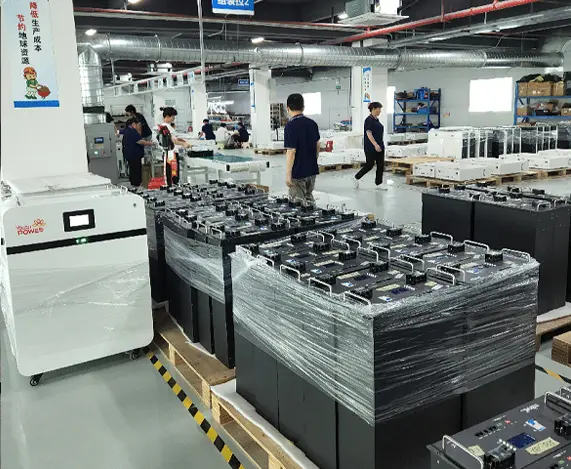
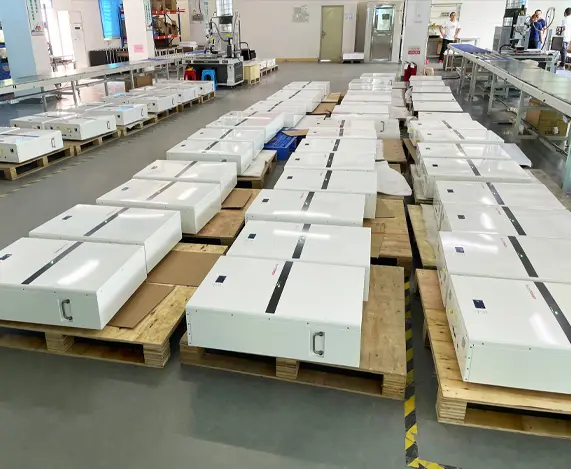
By operating integrated manufacturing facilities in China and establishing long-term agreements with component suppliers, we reduce material costs. Buying directly from us eliminates intermediary distributors, wholesale markups, and local retail fees, passing those savings directly to commercial integrators and end-users.
Yes. Our integrated BMS comes pre-flashed with multiple communications protocols, allowing direct plug-and-play compatibility with major inverter brands, including Victron, Growatt, Deye, Voltronic, GoodWe, and SMA. Custom profiles can also be configured during the production phase.
Discover our high-capacity modular storage units, server rack systems, and commercial battery cabinets.
 YouthPOWER