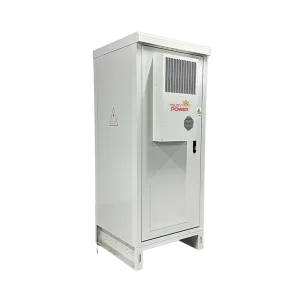
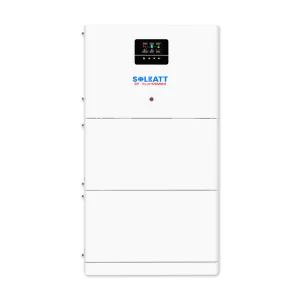
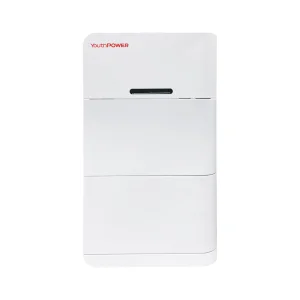
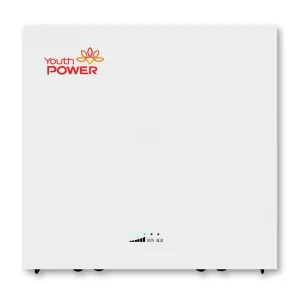
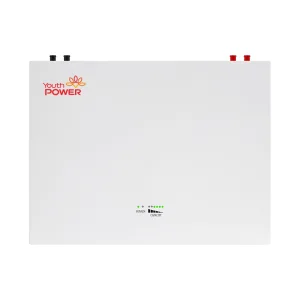
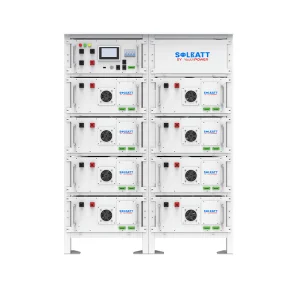
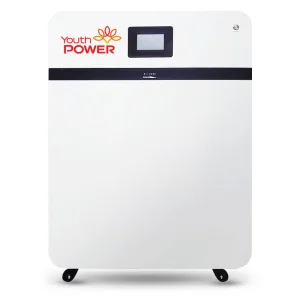
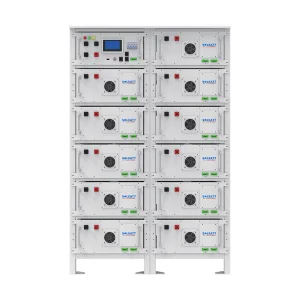
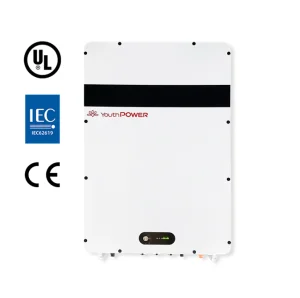
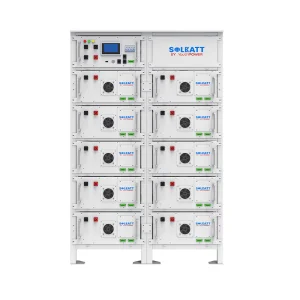
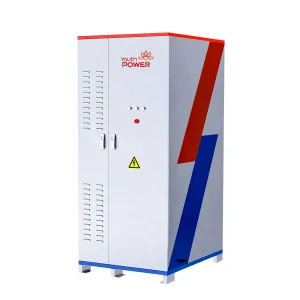
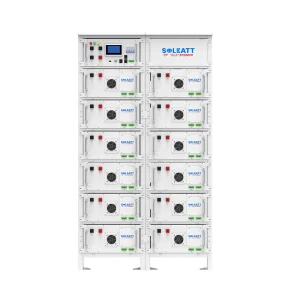
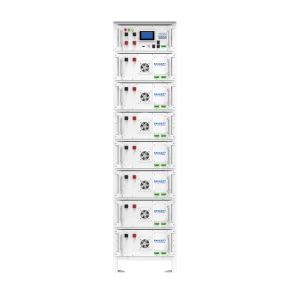
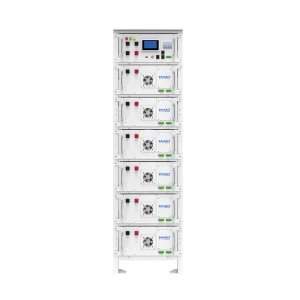
Explore our engineering-grade lithium iron phosphate (LiFePO4) energy systems designed for residential backup, off-grid systems, and commercial grid-tied optimization.
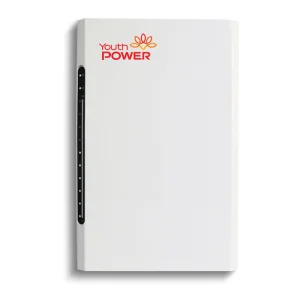
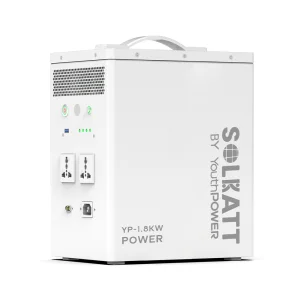
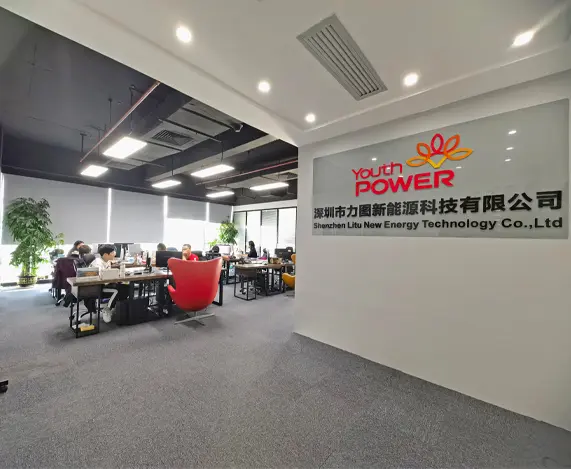
Founded in 2003, YouthPOWER has now become one of the leading suppliers of solar storage lithium batteries in the world. With a broad range of energy storage solutions, it covers a series of 24V, 48V and higher voltage lithium batteries solutions.
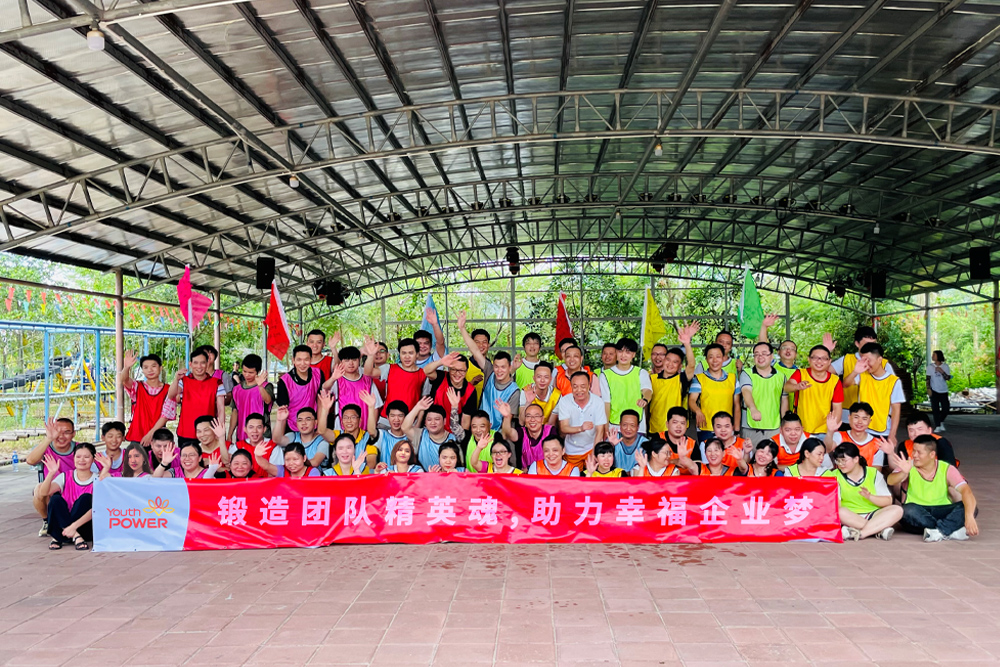
YouthPOWER has engaged in the battery technology and production for almost 20 years, with abundant manufacturing experience and strong new product R & D capability. Through many years of hard work and market promotion, we have created our own brand "YouthPOWER" in 2019.
With nearly 20 years’ experience in the battery industry, we have the capability to provide you with both the products you need and the most suitable products you want. We are always ready to supply the first-class products and meet the various needs of the customers.
We have established good business relationships with our customers from all over the world. And we have a good cooperation with all our customers as well for many years running. Supported by our local vendors of raw materials, we can certainly offer you the best prices.
We are so proud that YouthPOWER has offered the reliable solar storage solution for over 1,000,000 families now in the world.
Why 51.2V 100Ah Lithium Iron Phosphate (LiFePO4) systems represent the gold standard for global industrial and residential energy storage.
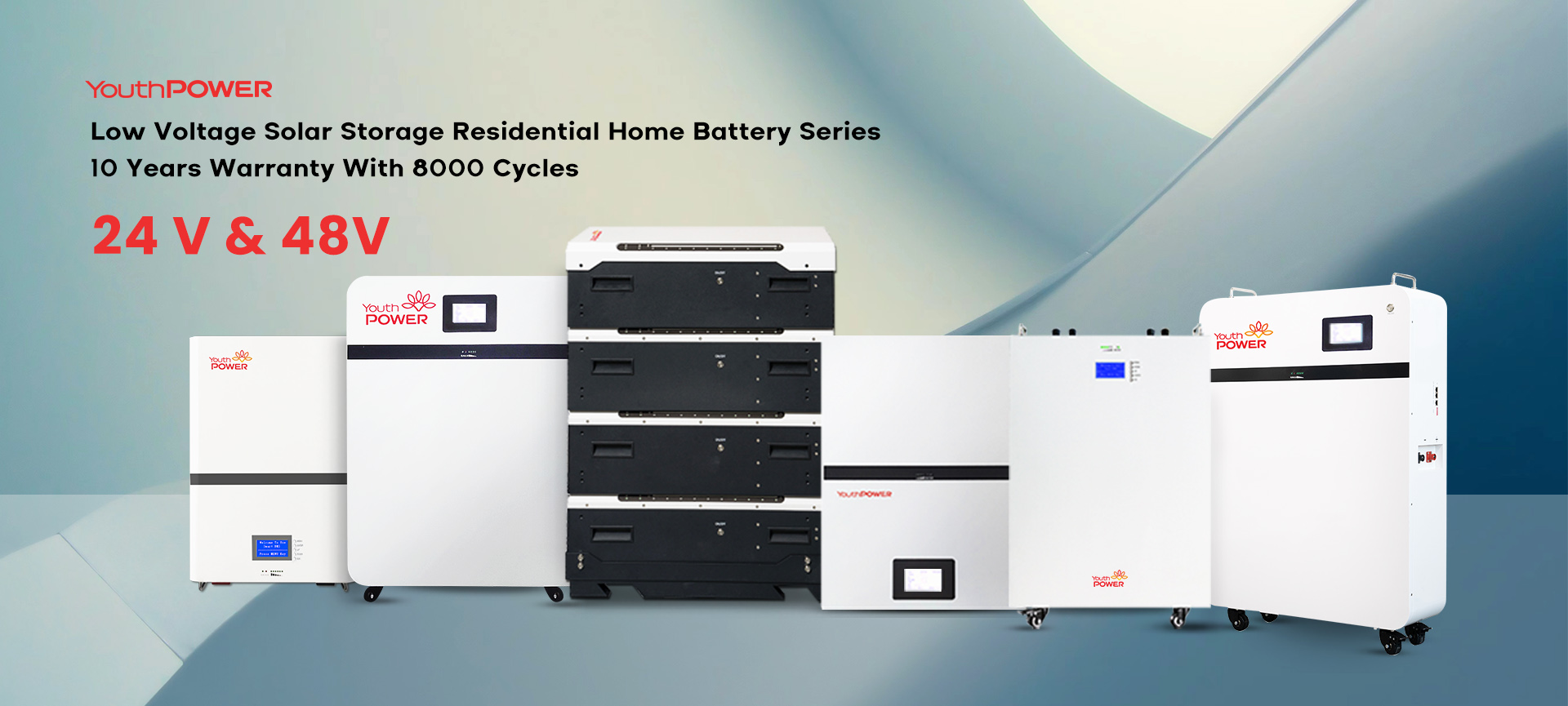
A standard 5kW lithium-ion battery system typically features a nominal voltage of 51.2V. Formed by connecting 16 cells in series (16S configuration), it maintains a safer voltage range than older high-voltage setups, minimizing inverter transformation steps and line conversion losses.
Premium manufacturers leverage modern square prismatic aluminum shell cells, achieving energy densities exceeding 160 Wh/kg. This saves wall space and cabinet real estate relative to outdated lead-acid setups.
A smart Battery Management System (BMS) controls balancing algorithms, protects cells from overcharge/overdischarge, and ensures optimal heat distribution. Advanced communications integrate seamlessly via CAN/RS485/Modbus channels with tier-1 global inverter brands.
Our direct access to raw materials and vertical integration guarantees a lower Levelized Cost of Storage (LCOS) over cycles.
Engineered for >6000 cycles at 80% Depth of Discharge (DOD), yielding a functional service life exceeding 10–15 years.
Inherently stable LiFePO4 cells minimize risk of thermal runaway. Features multi-level active thermal and electrical safeties.
Understanding cost parameters from cell production levels to terminal delivery to optimize your capital expenditure (CAPEX).
When sourcing 5kW lithium batteries, buyers encounter pricing variances ranging from $800 to $2,500 USD FOB China. The breakdown of this pricing is influenced by key manufacturing factors:
| Volume Bracket | Estimated Cost / kWh (FOB China) | Cell Grade Type | BMS Features & Customization | Warranty Coverage |
|---|---|---|---|---|
| Sample Orders (1-5 Units) | $280 - $350 / kWh | Grade A Prismatic Cells | Standard Smart BMS (Bluetooth) | 5 - 10 Years Limited |
| Batch Orders (20-100 Units) | $180 - $240 / kWh | Grade A Prismatic Cells | Custom Protocols, Closed-loop CAN Comm | 10 Years Full Warranty |
| Container Load (FCL 20GP/40HQ) | $140 - $170 / kWh | Matched Capacity & IR Cells | Customized BMS, OEM Labeling & Styling | 10 Years + Local Engineering Support |
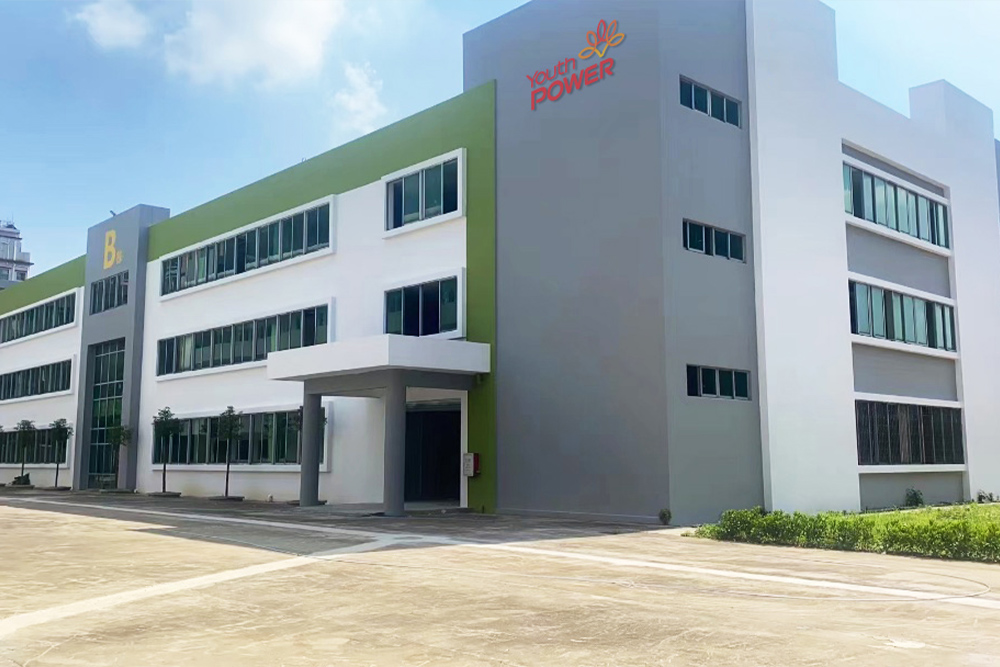
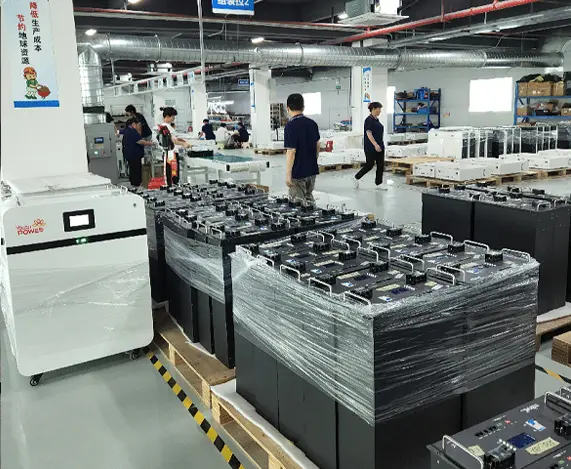
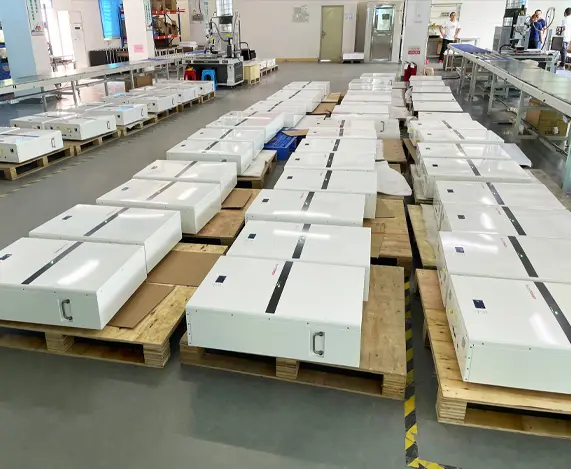
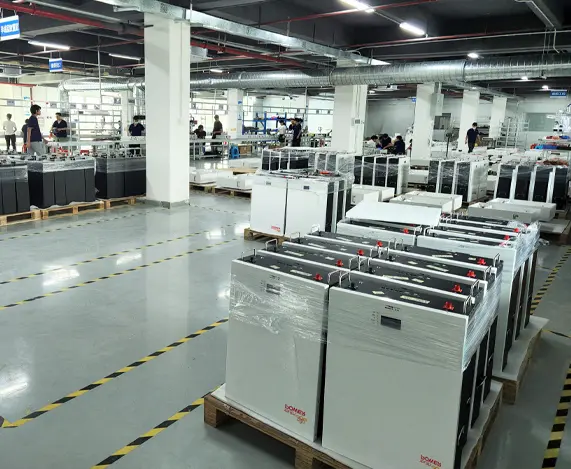
YouthPOWER utilizes advanced semi-automated production lines located in China's prime manufacturing corridors, integrating precision robotic laser welding, automatic cell sorting, and high-frequency aging testing chambers. Sourcing from our centralized ecosystem delivers several key benefits:
Stay ahead of market transitions by aligning your battery storage infrastructure with next-generation power electronics.
As microgrids evolve and high-power applications expand, energy storage technology continues to progress. YouthPOWER is leading the industry with strategic upgrades designed for current and future demands:
Advancing energy safety margins and operational parameters in extreme sub-zero zones with semi-solid-state electrolyte research.
Transitioning modular 48V batteries toward integrated series high-voltage architectures (up to 400V–800V) to slash grid interconnect power loss and save wiring expenses.
Integrating cloud analytics to monitor degradation trends, run preemptive thermal fault forecasts, and streamline operation and maintenance (O&M).
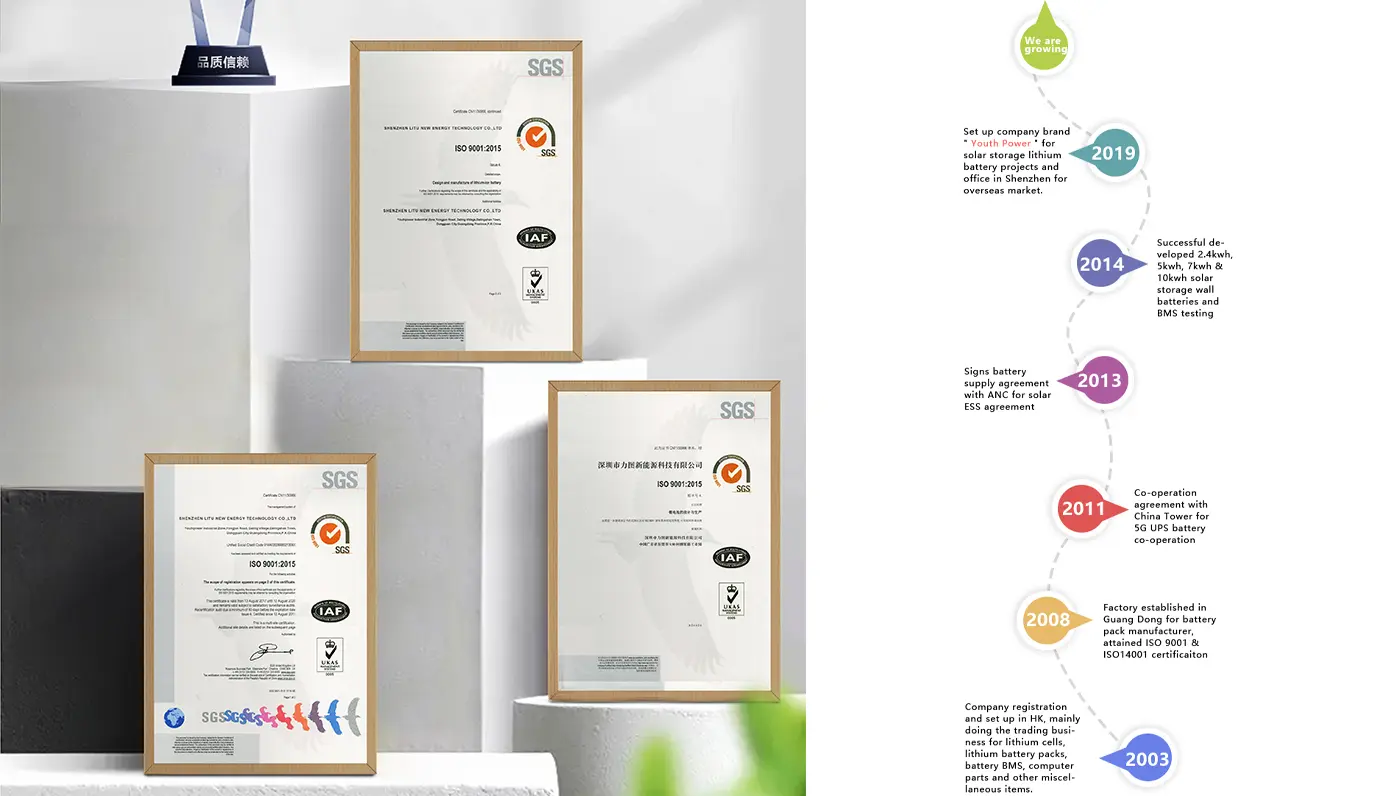
Historical Milestones: Driving innovation in residential, commercial, and utility energy storage deployments.
From decentralized home solar setups to multi-megawatt commercial and industrial grids, YouthPOWER designs robust storage networks.
Optimize operational expenditure (OPEX) by discharging stored energy during peak tariff hours, avoiding demand charges from local utilities.
Ensure reliable power for irrigation pumps and lighting loads in remote areas with robust, outdoor-rated cabinet systems.
Compact, standard 19-inch rack units replace high-maintenance lead-acid systems, guaranteeing zero-downtime telecom operations.
Minimizing technical risk and regulatory bottlenecks when importing energy storage products into target jurisdictions.
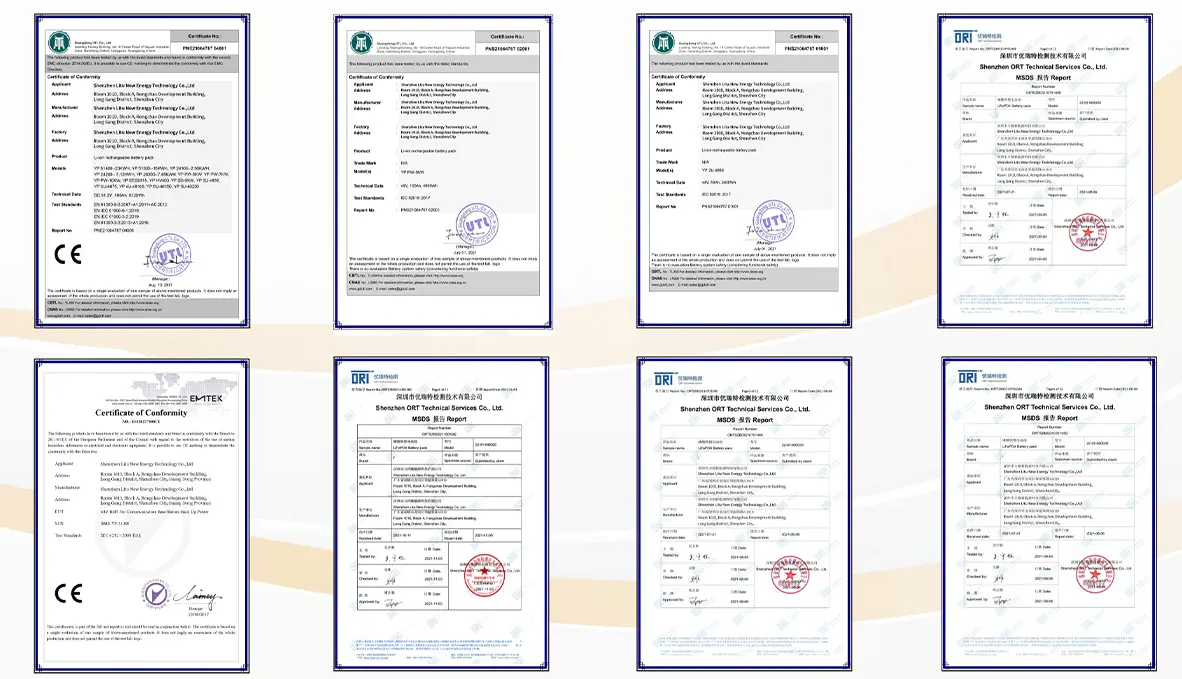
To pass customs and secure grid-connection approvals, our products comply with standards like UL 1973, CE, IEC 62619, and UN38.3. These certifications ensure reliable operation and compliance for global shipping.
We work with distribution partners to support regional delivery hubs, helping logistics managers cut down lead times and simplify warranty replacement processes.
Our engineering team assists with on-site integration by providing pre-loaded CAN/RS485 protocol scripts. This ensures plug-and-play setup with leading inverter brands like Victron, Deye, Growatt, SMA, and GoodWe.
Technical answers to common questions about sourcing, installing, and scaling 5kW Lithium Ion Batteries.
Heavy-duty, containerized, and high-capacity battery solutions designed for scalable power networks and commercial project applications.
 YouthPOWER