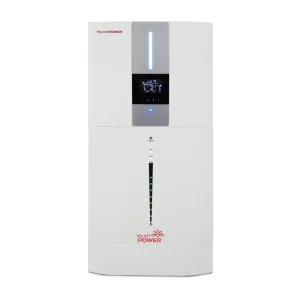
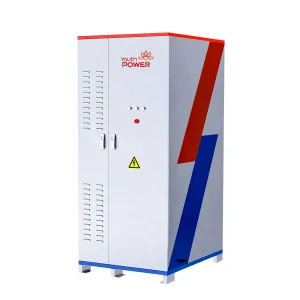
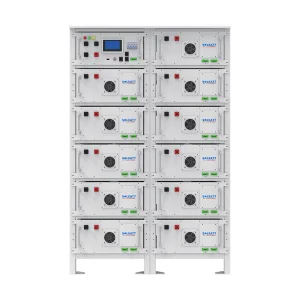
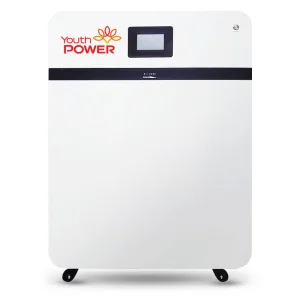
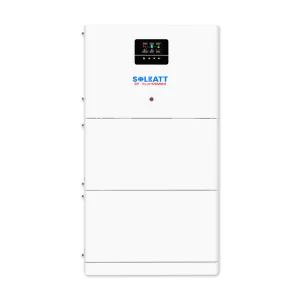
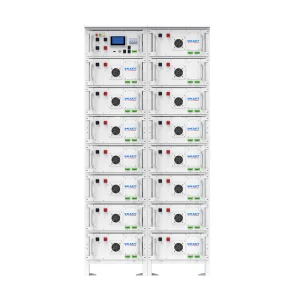
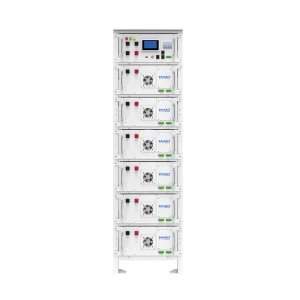
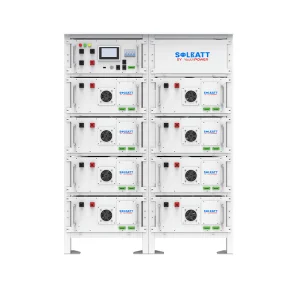
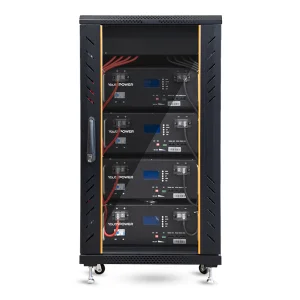
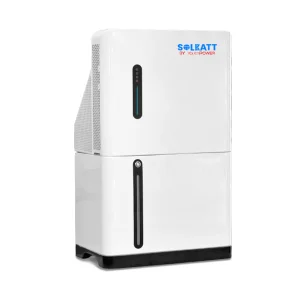
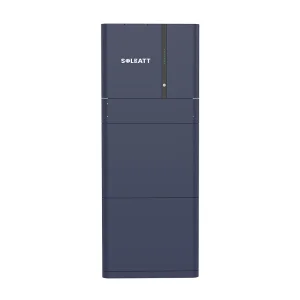
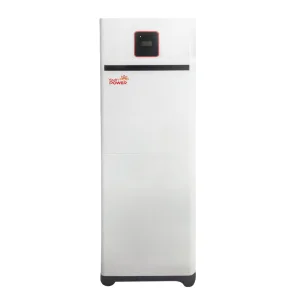
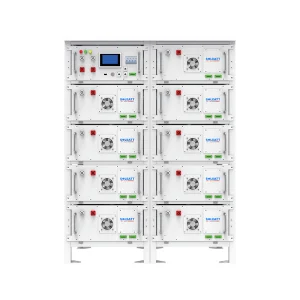
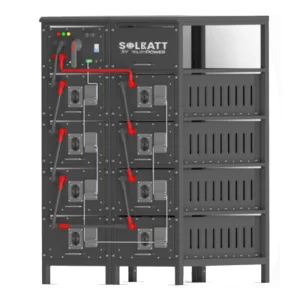
Engineered for seamless grid synchronization, retrofitting ease, and robust reliability.
Unlike DC-coupled options, AC coupled systems are integrated on the utility side of the inverter, allowing massive retrofit projects to connect smoothly with existing photovoltaic (PV) arrays, wind power nodes, or primary grid connections.
In the macro industrial landscape, energy procurement directors, Engineering, Procurement, and Construction (EPC) firms, and grid operators are shifting towards AC coupled battery storage systems. The primary driver is their extreme flexibility. Instead of replacing existing string or central solar inverters (which would trigger costly system shutdowns, redesigns, and regulatory recalculations), AC coupling permits developers to install a completely independent energy storage block directly onto the local AC grid busbar. This ensures seamless scalability, simplified failure isolation, and flexible multi-vendor sourcing configurations.
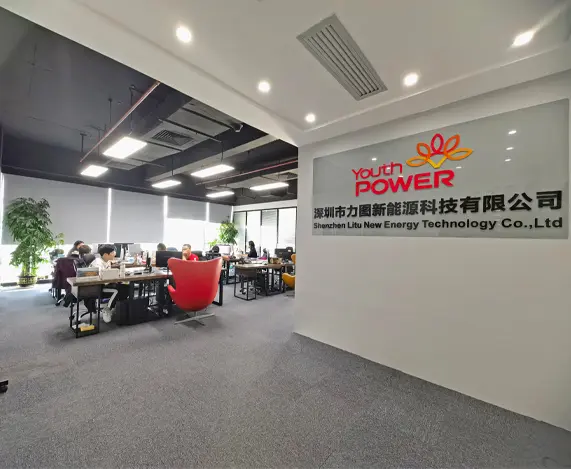
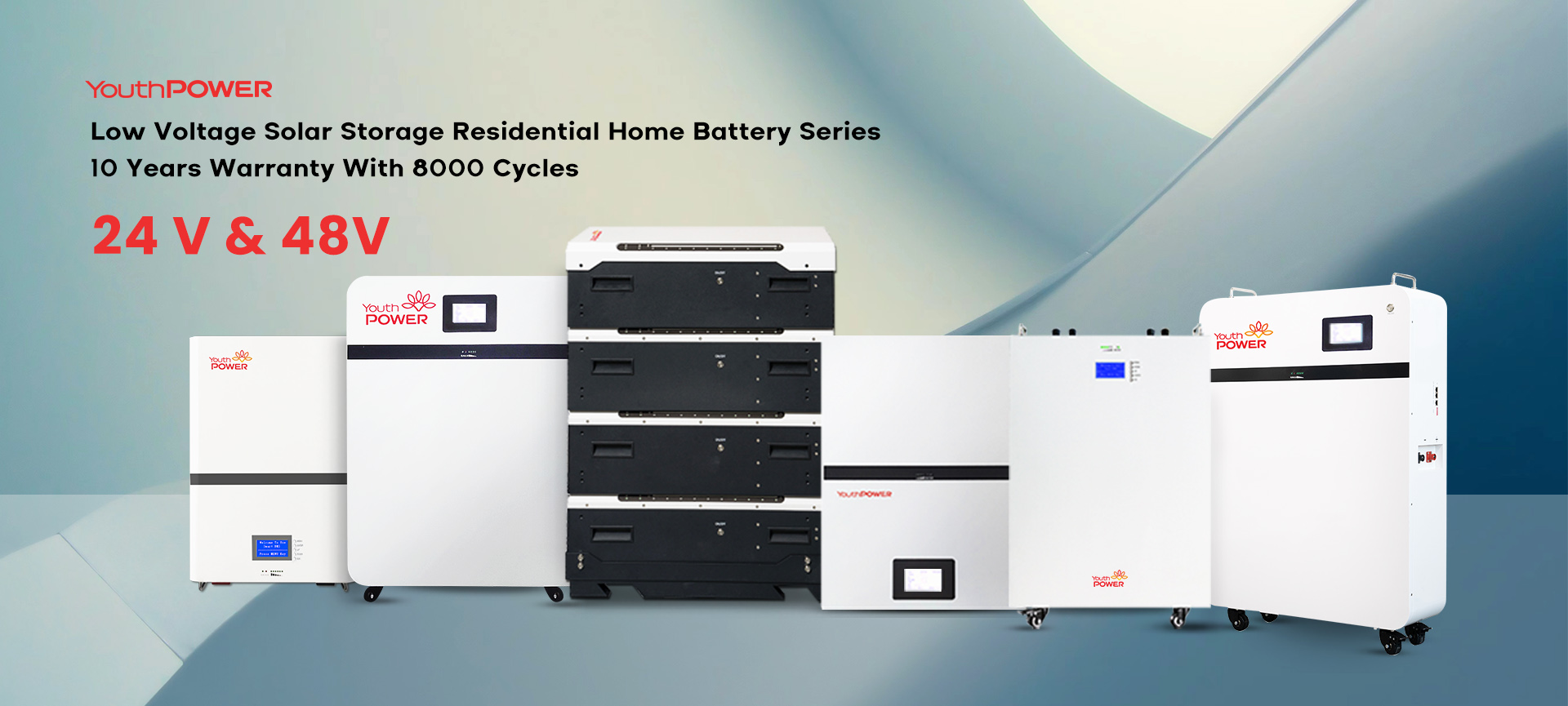
Founded in 2003, YouthPOWER has now become one of the leading suppliers of solar storage lithium batteries in the world. With a broad range of energy storage solutions, it covers a series of 24V, 48V and higher voltage lithium batteries solutions.
YouthPOWER has engaged in the battery technology and production for almost 20 years, with abundant manufacturing experience and strong new product R & D capability. Through many years of hard work and market promotion, we have created our own brand "YouthPOWER" in 2019.
With nearly 20 years’ experience in the battery industry, we have the capability to provide you with both the products you need and the most suitable products you want. We are always ready to supply the first-class products and meet the various needs of the customers.
We have established good business relationships with our customers from all over the world. And we have a good cooperation with all our customers as well for many years running. Supported by our local vendors of raw materials, we can certainly offer you the best prices.
We are so proud that YouthPOWER has offered the reliable solar storage solution for over 1,000,000 families now in the world.
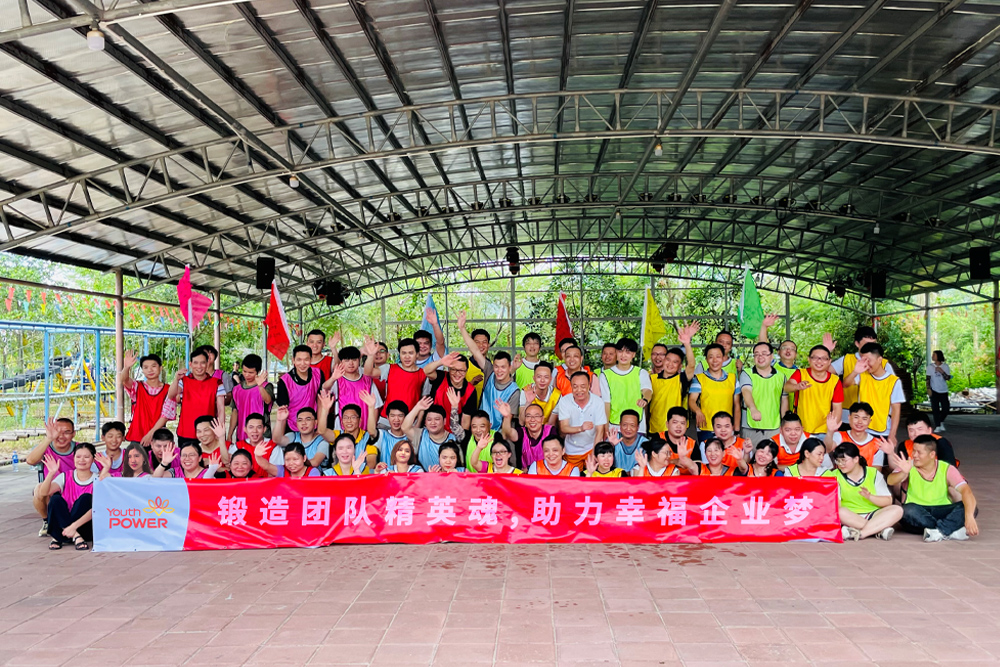
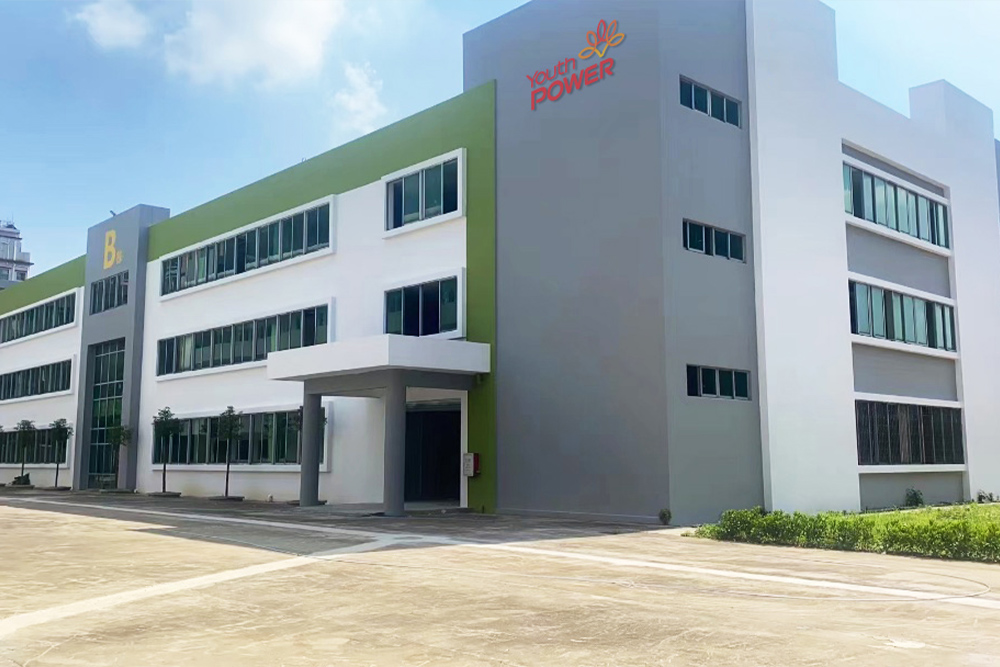
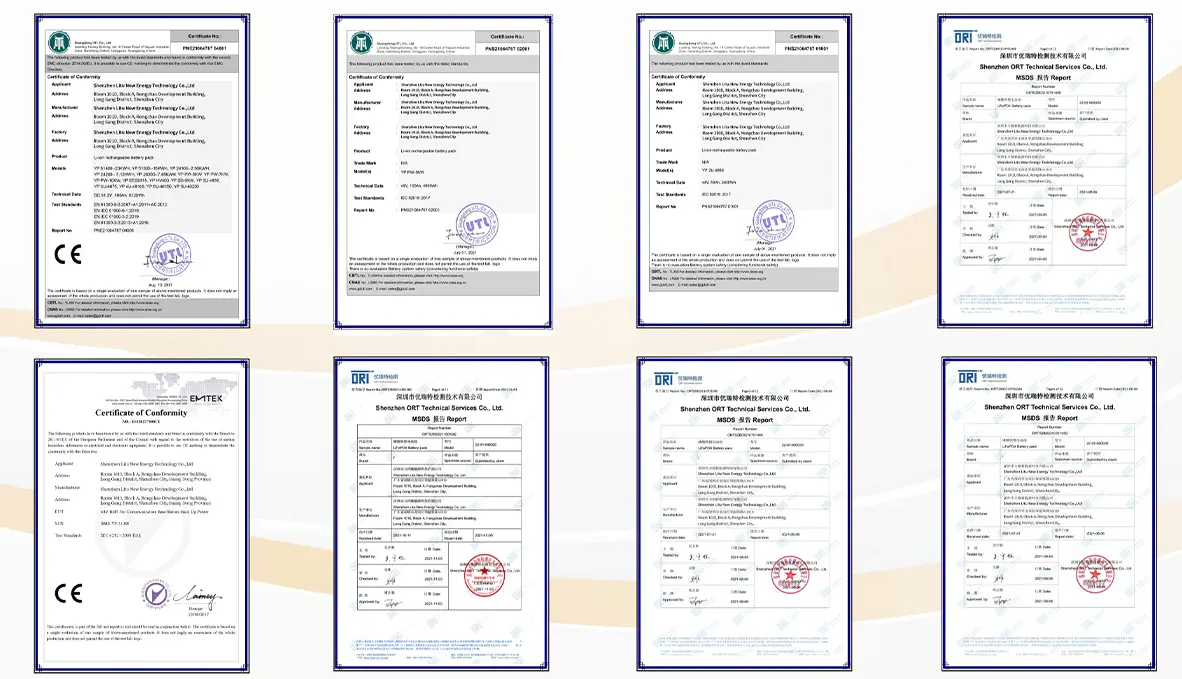
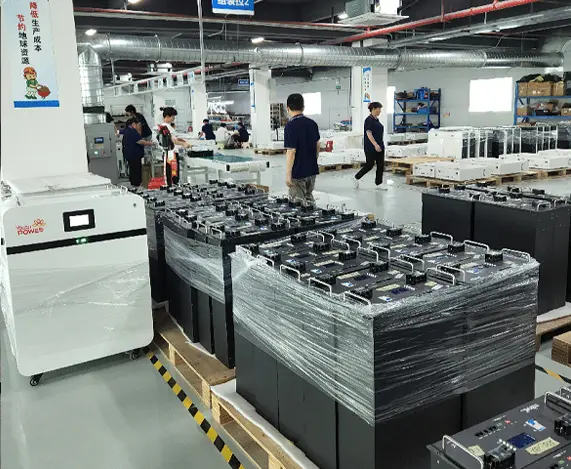
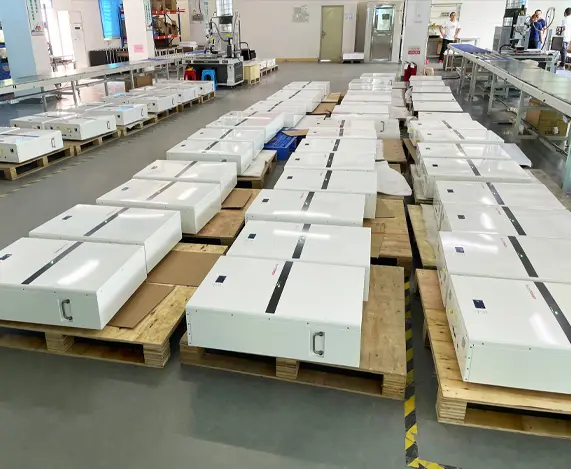
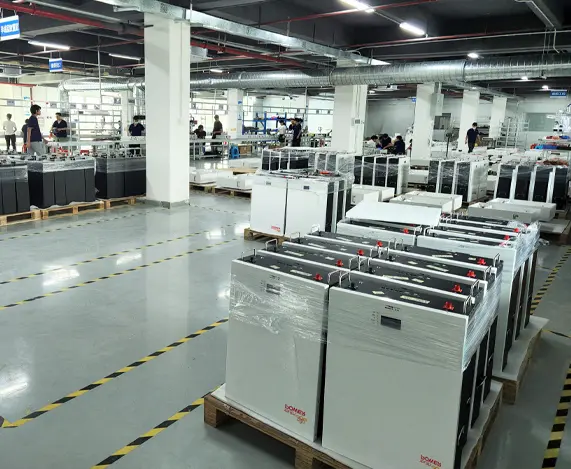
From cell assembly to global commercial & industrial megawatt-scale battery system fabrication.
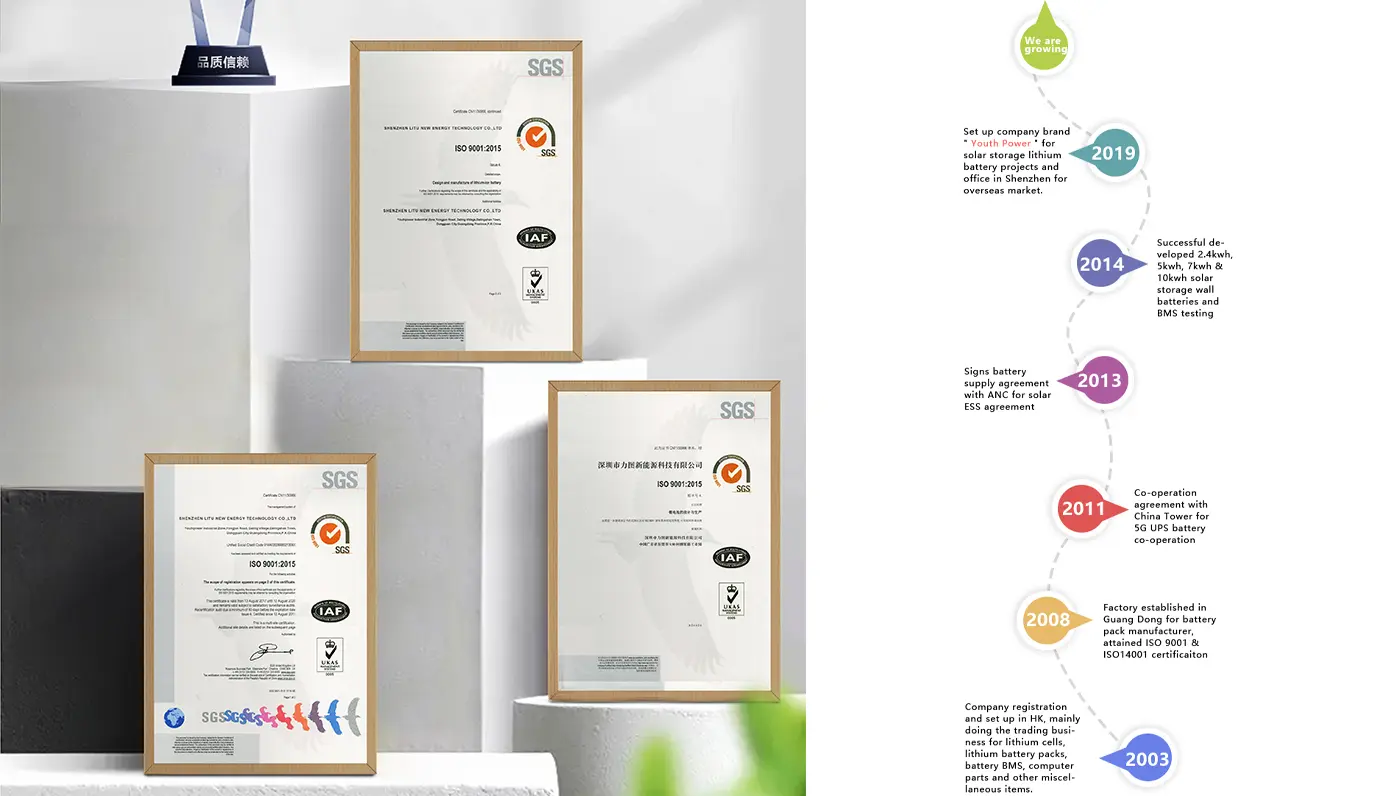
Critical validation metrics for engineering procurement managers, industrial installers, and utility project developers.
Minimize Levelized Cost of Storage (LCOS) via 6000+ deep cycles, highly optimized thermal regulation, and high round-trip efficiency (RTE) metrics exceeding 90% in AC-to-AC conversion.
Dynamic string balancing mitigates mismatched battery strings. Isolates faulty modules individually without taking down the entire commercial AC coupled storage bay.
Strict cell quality mapping. All high-capacity 280Ah LiFePO4 cells undergo extensive internal impedance matching, capacity grading, and X-ray structural verification prior to pack integration.
| Procurement Parameter | Standard Metric Required | YouthPOWER Factory Implementation | Impact on ROI |
|---|---|---|---|
| Chemistry Safety | LFP (Lithium Iron Phosphate) | Prismatic LiFePO4 cells, active safety vents | Zero risk of thermal runaway, high fire tolerance |
| Nominal Lifecycle | >5,000 cycles at 80% DoD | >6,000 cycles at 80% SOH, 0.5C/0.5C profiles | Extends facility operating life to 15+ years |
| BMS Integration | Modbus TCP / RTU, CAN-Bus capability | Advanced triple-tier battery management systems | Seamless EMS communication and utility telemetry |
| Thermal Control | Active cooling or liquid cooling design | Precision air-duct structures / optional liquid loop | Optimizes cell temperature delta under 3°C |
Adapting AC coupled storage platforms to address global power challenges and utility objectives.
In remote island grids, mining facilities, and manufacturing campuses, keeping power stable requires dynamic system response. AC coupled storage acts as a virtual synchronous machine, providing virtual inertia, stabilizing system frequency, and preventing local grid drops caused by rapid cloud movements over solar arrays.
Commercial utility tariffs charge customers based on their peak consumption spikes. By deploying an AC coupled containerized battery bank (like our 215kWh configurations), an energy management system (EMS) can automatically discharge stored energy during these peak periods, lowering demand charges and speeding up the return on investment (ROI).
Most factories already have active solar systems. Installing a DC coupled solution would mean replacing old inverters, causing downtime and invalidating warranty agreements. AC coupled storage routes directly to the main breaker panel, ensuring that existing operations run uninterrupted throughout the entire upgrade installation process.
Where advanced battery technology and system integration are heading over the next five years.
Every commercial energy storage system operates under strict regional grid rules, fire codes, and transport laws. At YouthPOWER, safety compliance is an integral part of our manufacturing process rather than an afterthought.
Our industrial production facilities adhere to the highest international quality frameworks, ensuring that our products meet demanding global standards. This commitment enables developers to clear building permits, qualify for financing, and secure utility approval smoothly.
UL 1973, UL 9540, and UL 9540A testing completed for easy permitting with local Authorities Having Jurisdiction (AHJ).
Compliance with IEC 62619, IEC 63056, UN38.3, CE, and utility-specific grid codes (including IEEE 1547 and VDE-AR-N 4105).
Answers to critical questions asked by system designers, electrical engineers, and commercial buyers.
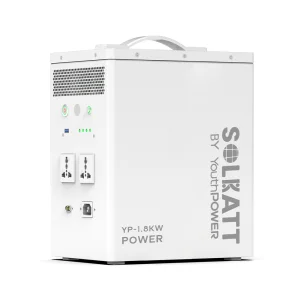
From modular balcony batteries to large multi-megawatt commercial containers.
 YouthPOWER