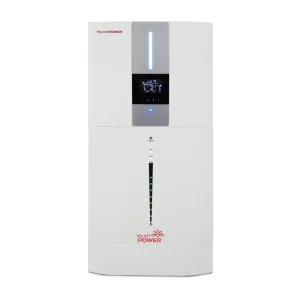
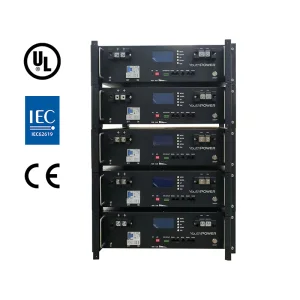
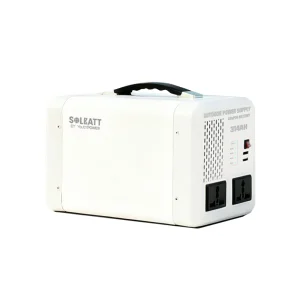
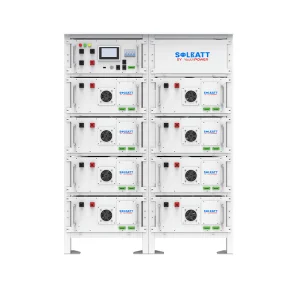
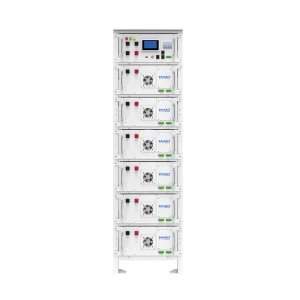
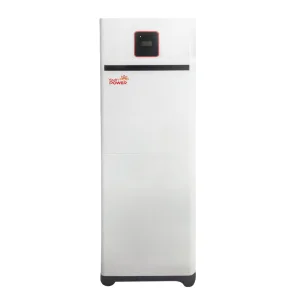
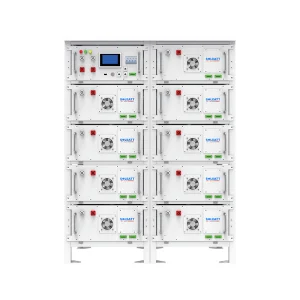
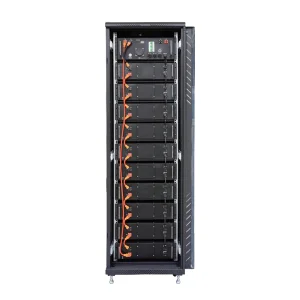
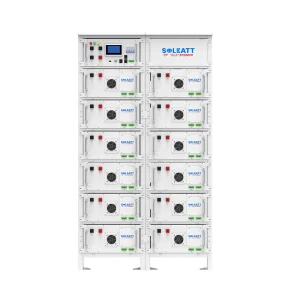
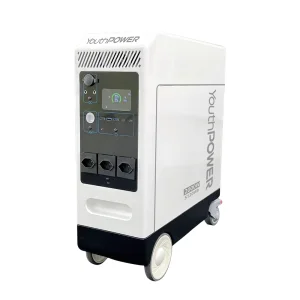
Direct industrial sourcing for modular, residential, and multi-megawatt configurations with integrated inverter systems.
Modern microgrid development and grid-edge integration demand highly integrated, modular solutions that simplify deployment and eliminate hardware incompatibilities.
An All-In-One Energy Storage System (ESS) consolidates the primary sub-systems of a modern renewable installation—namely the battery packs (typically Lithium Iron Phosphate / LiFePO4), the Battery Management System (BMS), the hybrid bi-directional inverter, the Energy Management System (EMS), and high-efficiency thermal management loops—into a single prefabricated enclosure. This unified system architecture dramatically reduces balance-of-system (BOS) costs, mitigates safety risks associated with site-level field wiring, and shortens project commissioning timelines.
By streamlining components, B2B procurers, grid developers, and industrial operators gain a singular accountability loop. Finding the right manufacturer, analyzing factory-direct pricing scales, and understanding the core tech differences between low-voltage and high-voltage architectures are critical steps in optimizing ROI.
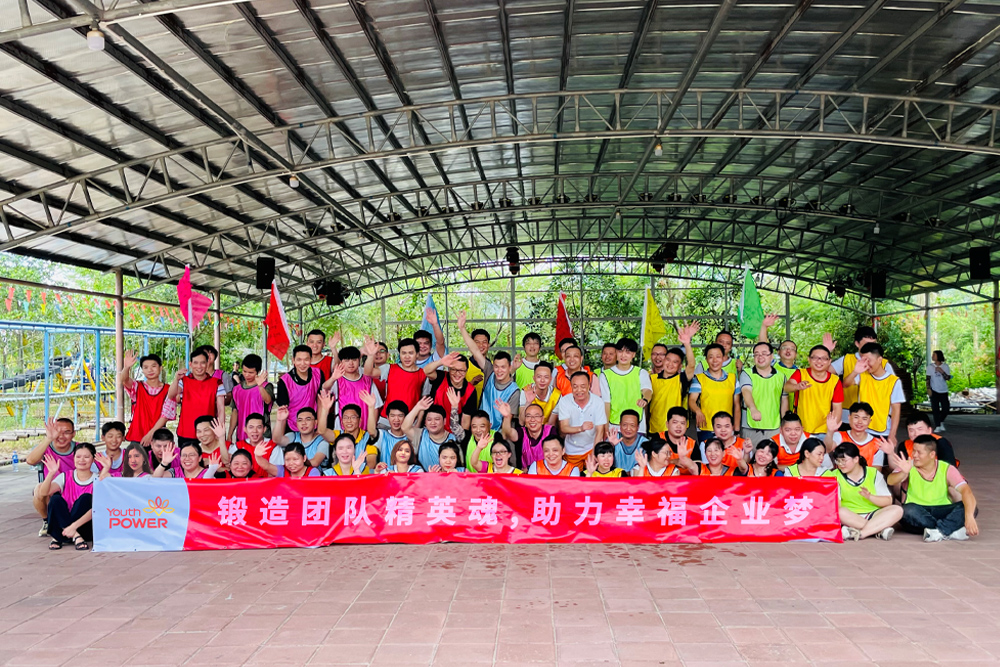
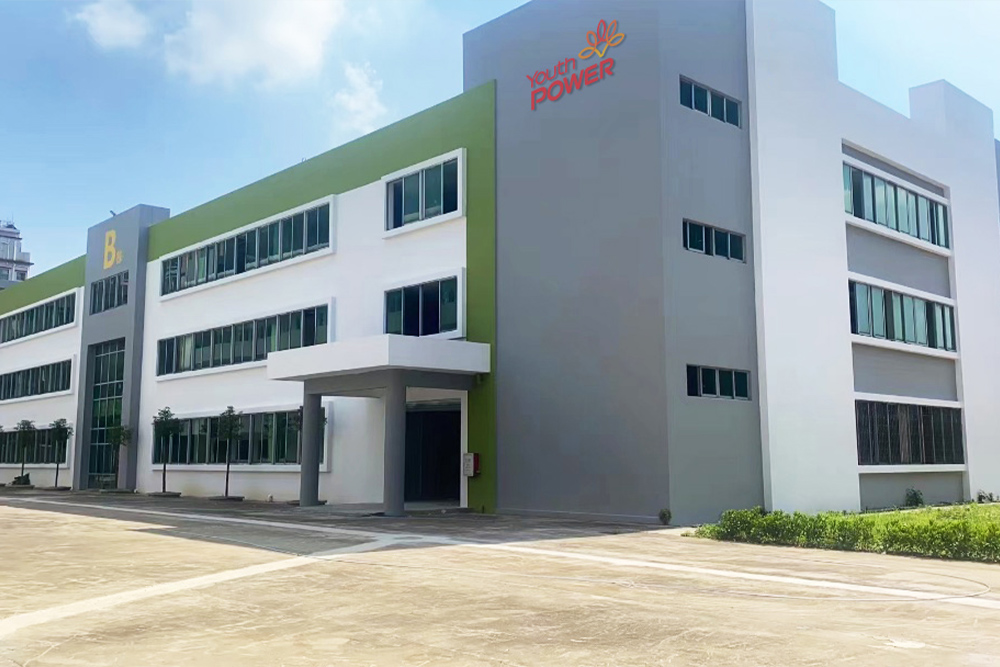
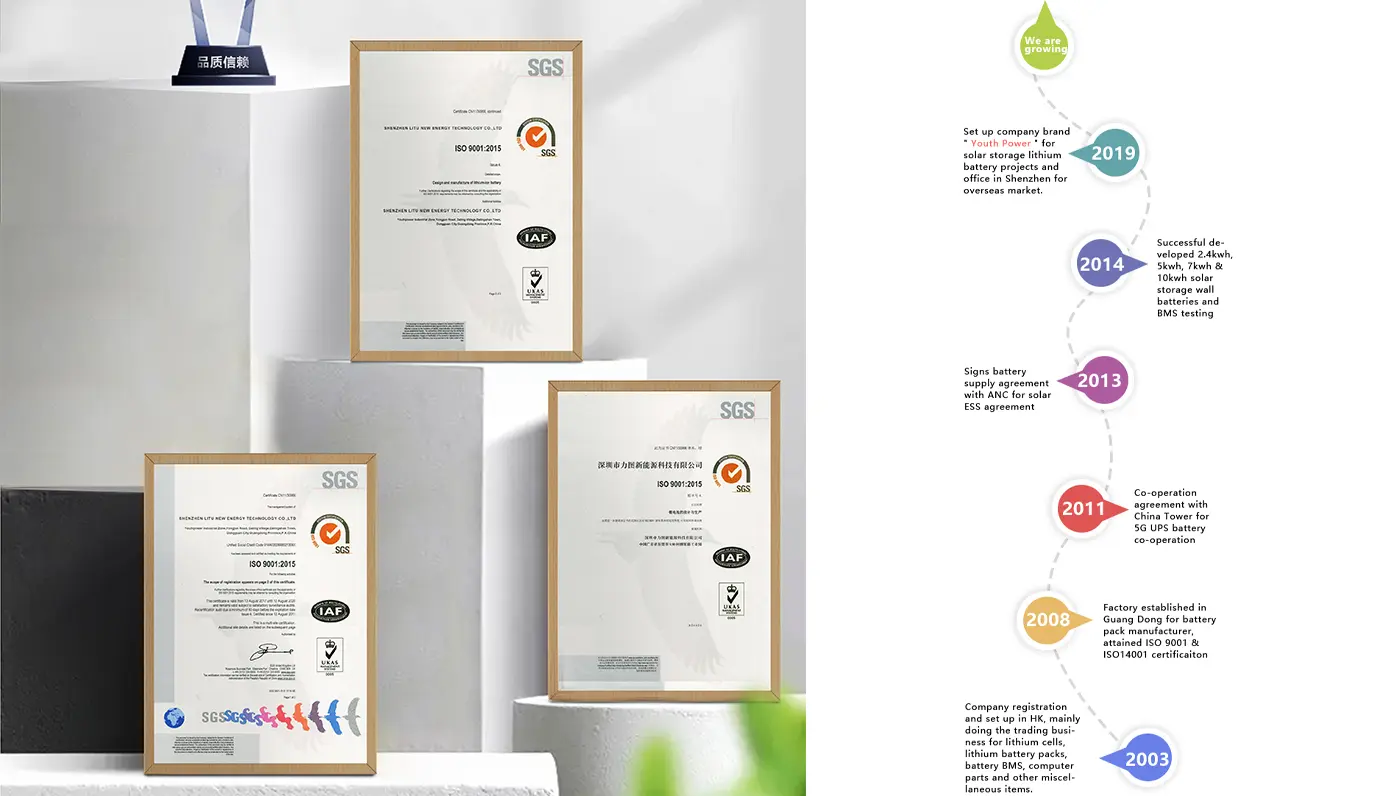
With almost two decades of experience in the energy storage industry, YouthPOWER delivers Tier-1 quality standards from raw material procurement to end-user operation.
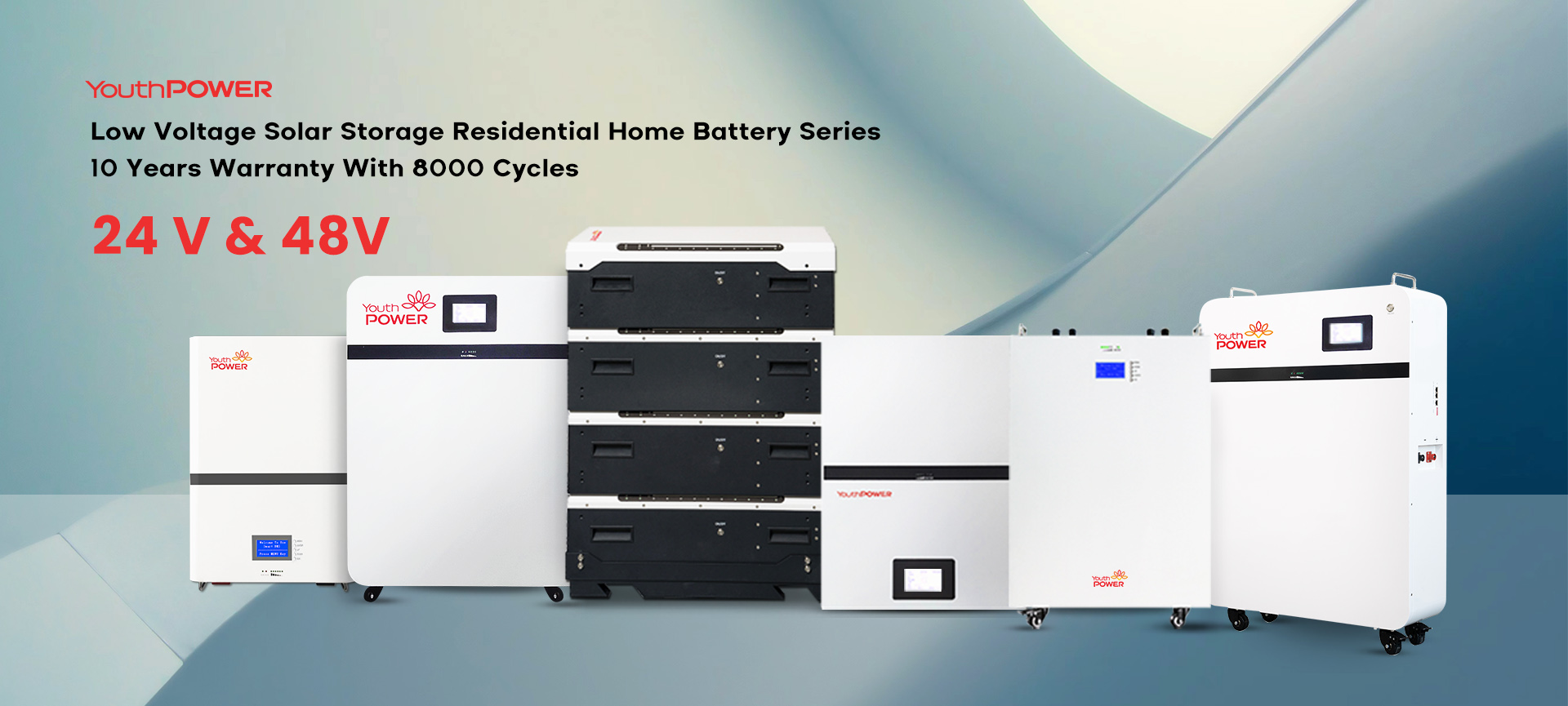
Founded in 2003, YouthPOWER has established itself as one of the preeminent global suppliers of advanced lithium storage solutions. The company's comprehensive product lineup spans low-voltage residential configurations (24V, 48V) to high-voltage commercial utility-scale blocks (exceeding 700V nominal), serving the diversified requirements of international grid architectures.
With an established production footprint and a dedicated R&D hub, the company registered the brand name "YouthPOWER" in 2019 to accelerate B2B and OEM distribution. Backed by highly optimized local supply chains, YouthPOWER guarantees competitive B2B prices for high-grade LiFePO4 solutions without compromising safety, thermal management, or cycle longevity.
Today, YouthPOWER is proud to have deployed reliable, clean energy systems to over 1,000,000 families worldwide, helping secure grid resilience, lower Levelized Cost of Storage (LCOS), and minimize carbon footprints across continents.
Key drivers shaping the global procurement landscape of all-in-one commercial and residential energy storage systems.
Developers are prioritizing systems with dynamic busbars that allow quick paralleling. Modularity reduces onsite installation downtime, letting engineers scale up capacity from 100KWh limits to multi-MW arrays with minimal reconfiguration.
Commercial electricity rates are increasingly linked to peak consumption limits. B2B systems prioritize high C-rate cells (0.5C or 1C) paired with sub-second active EMS triggers to shave critical spikes and lower operational utility bills.
Global standards, including UL9540A and NFPA 855, mandate structural propagation prevention. Integrated ESS options feature built-in localized aerosol or liquid-based fire suppression modules directly connected to internal cell-level BMS triggers.
Customized solutions designed to stabilize decentralized power, secure back-up continuity, and optimize green ROI.
Different application profiles demand specific design configurations. For remote microgrid sites, hybrid energy systems combine solar arrays with wind assets or diesel generators. Here, All-In-One solutions act as the primary voltage source, regulating frequency fluctuations and optimizing fuel efficiency.
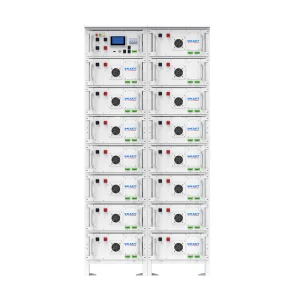
For Commercial and Industrial (C&I) sectors, peak load management and power quality correction (e.g., reactive power compensation) are vital. B2B operators utilize high-voltage integrated systems like our 215KWh 768V 280Ah ESS cabinets. The high operational voltage levels lower heating losses, increase overall round-trip efficiency (RTE) up to 92%, and prolong cellular health via uniform charge equalization.
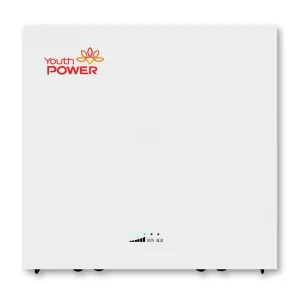
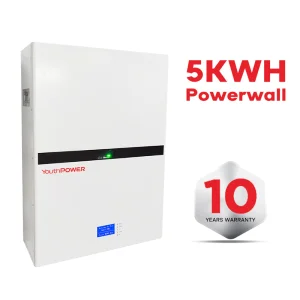
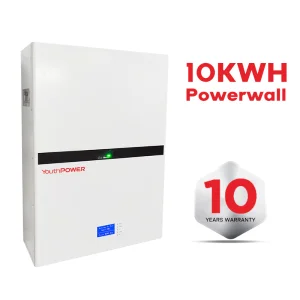
In residential areas, compact modular wall systems like the YouthPOWER Mini Wall Battery offer simple plug-and-play interfaces for immediate residential self-consumption, backup transition times under 10ms, and compatibility with leading global inverter brands.
Analyzing cell chemistry characteristics, high-voltage battery racks, BMS control loops, and direct inverter interfacing.
| System Model & Class | Nominal Capacity | Nominal Voltage | Cell Configuration | Recommended Applications |
|---|---|---|---|---|
| All In One ESS 5KW | 5 KWh / 10 KWh | 48V / 51.2V | LiFePO4 16S 100AH / 200AH | Residential Backup, Clean Power Self-Consumption |
| Commercial Battery Storage 85KWH | 85.9 KWh | 307.2V | LiFePO4 96S 280AH High Voltage | Small-Scale Industrial Peak Shaving, Agricultural Grids |
| Commercial Battery Storage 114KWH | 114.6 KWh | 409.6V | LiFePO4 128S 280AH High Voltage | EV Charging Stations, Manufacturing Demand Charge Reduction |
| Commercial Battery Storage 129KWH | 129.0 KWh | 460.8V | LiFePO4 144S 280AH High Voltage | Off-Grid Commercial Microgrids, Industrial Backup Power |
| Commercial Battery Storage 172KWH | 172.0 KWh | 614.4V | LiFePO4 192S 280AH High Voltage | Large Logistics Depots, Dynamic Load Optimization |
| Commercial Battery Storage 215KWH | 215.0 KWh | 768.0V | LiFePO4 240S 280AH High Voltage | Utility Support, Grid Ancillary Services, Mega Industrial Parks |
Low-voltage (48V nominal) battery systems are safe and simple, making them the standard choice for residential deployments. However, as the continuous load demand increases past 15kW, the cabling required for low-voltage setups must become exceptionally thick to handle high current draws, increasing wiring complexity and resistive power losses.
High-voltage (HV) systems (ranging from 300V to over 700V) configure cells in long series strings. This architectural shift keeps operational currents low while matching the high-voltage DC bus levels of three-phase hybrid inverters. Standard benefits of YouthPOWER high-voltage designs include:
Meeting rigorous regional standards to ensure seamless utility grid interconnection and structural safety approval.
Navigating varying regional grid compliance certificates is a vital aspect of energy procurement. Grid authorities in Europe require compliance with EN 50549-1 and VDE-AR-N 4105 standards for grid-tied operations. In North America, system approval requires compliance with UL 9540 (standard for energy storage systems) and UL 1973 (safety standard for stationary battery packs).
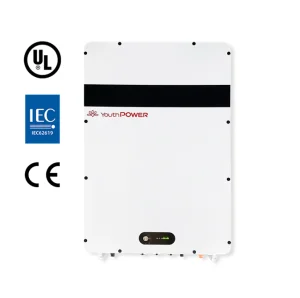
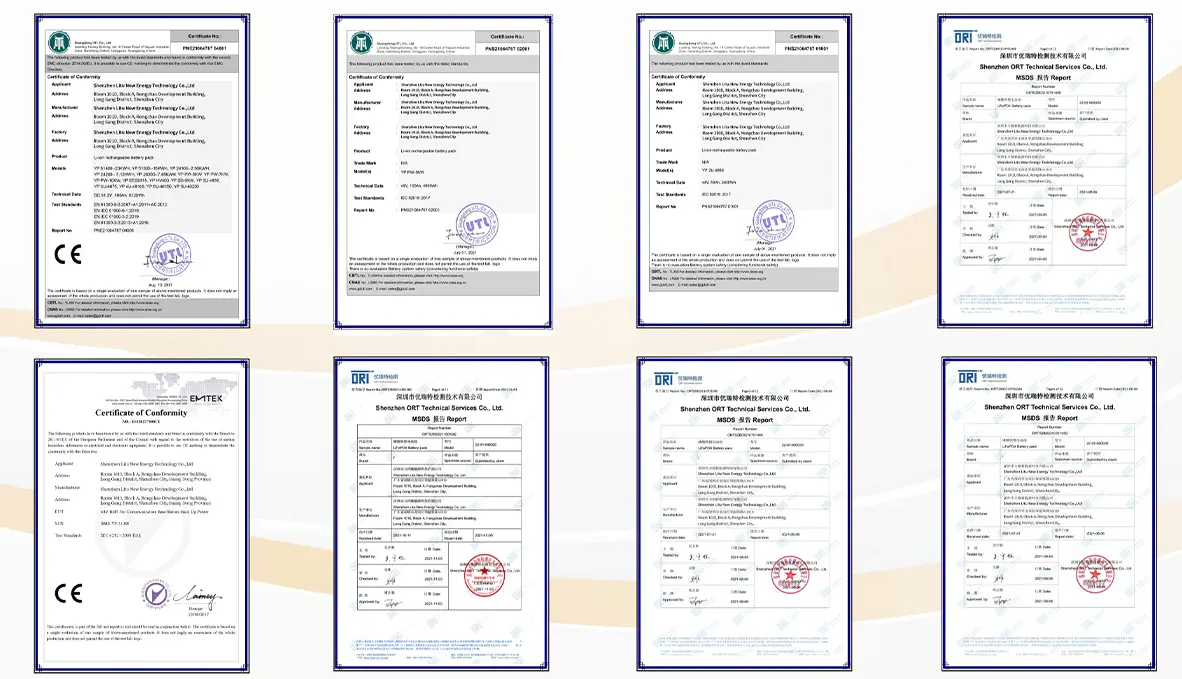
YouthPOWER mitigates compliance bottlenecks for global distributors. All battery assemblies undergo strict testing, receiving certifications including CE, UN38.3 (transport safety documentation), MSDS, and IEC 62619. Through strong partnerships with localized engineering suppliers and testing authorities, YouthPOWER ensures smooth custom clearance processes and rapid installation approval from local utilities.
A transparent assessment of B2B capital costs, battery cell pricing, integration overheads, and long-term operating costs.
The cost of energy storage systems is heavily tied to the cost of raw Lithium Iron Phosphate cells. YouthPOWER utilizes high-capacity 280Ah cells with over 6000 cycles, offering low degradation rates and optimized long-term cost per kilowatt-hour stored.
Fully integrated setups include hybrid split-phase or three-phase inverters, dual-active EMS networks, and protective switchgear. While this raises initial procurement costs compared to standalone battery packs, it significantly reduces on-site wiring labor costs.
Heavy batteries require UN38.3 certified shipping. Shipping costs, local import duties, and anti-dumping regulations can add 10% to 25% to overall costs. Direct container shipments from integrated manufacturer hubs minimize intermediate handling fees.
Standard Pricing Metric (FOB China): Low-voltage modular residential systems (5KWh - 15KWh) typically range from $150 - $260 per KWh. Large-scale high-voltage liquid-cooled B2B containers range from $110 - $190 per KWh depending on specific inverter brands, certification requirements, and volume agreements.
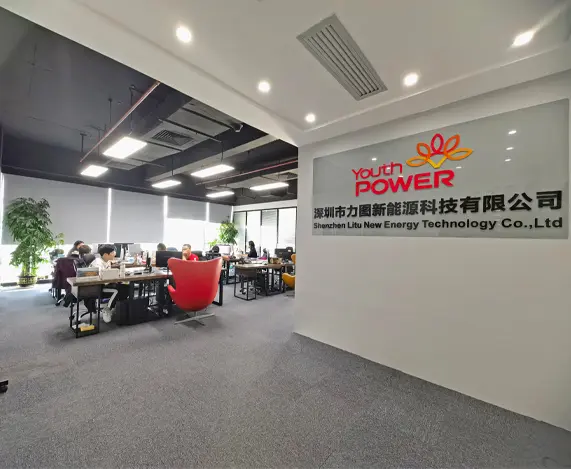
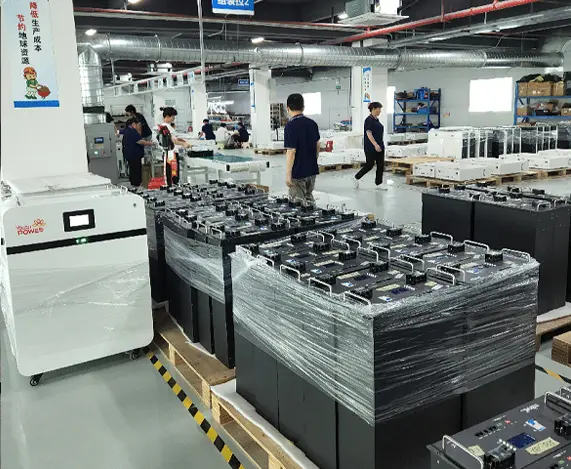
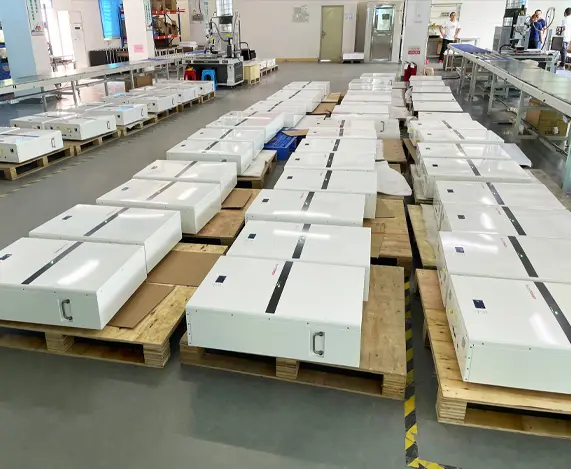
Take a look inside our clean-room assembly bays, testing chambers, and global shipment preparation areas.
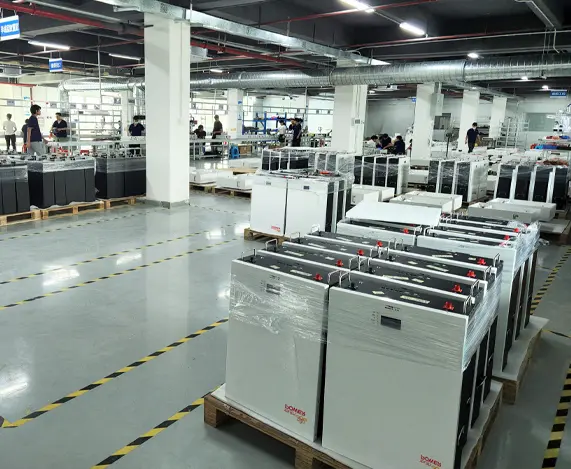
Get quick answers to common technical queries from design engineers and project developers.
Low-voltage (48V/51.2V) configurations are primarily utilized in residential settings due to safety, simple parallel options, and simplified local electrical permits. High-voltage (HV) systems (typically 300V to 800V DC) are designed for larger loads (commercial scale), minimizing resistive line heating losses, maximizing system round-trip efficiency, and matching the input profiles of three-phase hybrid inverters.
Lithium Iron Phosphate (LiFePO4) offers high thermal runaway thresholds (approx. 270°C), eliminates the risk of oxygen release under stress, provides over 6000 cycles at 80% Depth of Discharge (DOD), and does not require cobalt, making it a safe, stable, and sustainable option for stationary installations.
All cells undergo strict capacity, internal resistance, and voltage sorting during production. Each battery pack uses an intelligent BMS with active cell balancing to manage state-of-charge (SOC) levels, extending system life and preventing cell mismatch issues.
Yes. YouthPOWER batteries integrate with leading global inverter brands (including Deye, Growatt, Victron, GoodWe, and SMA). The BMS supports native CAN/RS485 communication protocols for simple plug-and-play setup.
Low temperatures limit lithium ion mobility, while high temperatures speed up degradation. YouthPOWER outdoor units feature double-wall insulation, optional thermal management systems, and automatic internal heaters, ensuring reliable performance in temperatures ranging from -20°C to +50°C.
Order scalable container units, high-voltage rack setups, and mobile stations for industrial backup, microgrids, and peak shaving.
 YouthPOWER