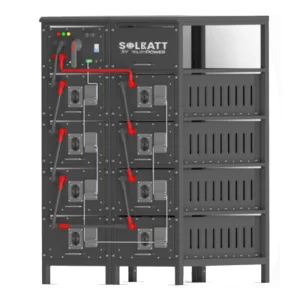
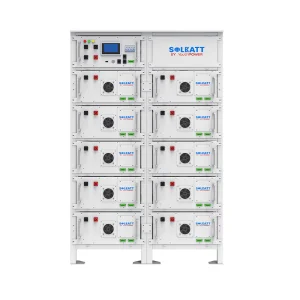
Integrating reliable battery connections with high-performance industrial inverters represents the foundation of modern distributed energy resources (DERs). As grids shift towards renewable dynamics, optimizing the interconnection layer is key to minimizing electrical loop losses, managing fault currents, and securing operational reliability.
Modern utility-scale and commercial inverter systems require low-impedance battery-to-inverter bus bars and high-voltage cabling topologies. An inadequate inverter battery connection is one of the most common points of failure in commercial systems. Poor connection design yields localized resistive heating, thermal acceleration risks, and voltage drops that compromise overall system efficiency. YouthPOWER addresses this technical bottleneck through engineered terminal connectors, customized busbars, and robust cabinet management designs built to withstand continuous cycles under heavy loads.
Worldwide, grid volatility and rising peak-demand charges are forcing industrial facilities, manufacturing complexes, and microgrids to invest heavily in battery energy storage systems (BESS). Across Europe, North America, and parts of the Asia-Pacific region, stringent regulatory demands for grid integration make optimized connections essential. These connections must meet exact electrical engineering and thermal safety requirements.
Cross-compatibility with globally recognized inverter manufacturers like SMA, Growatt, Sungrow, and Victron Energy simplifies implementation and field deployments.
Lowering installation costs by using pre-configured, modular connection architecture and plug-and-play high-voltage battery cabinets.
Deploying advanced BMS protection protocols that integrate with the central inverter to safely disconnect during emergency fault events.
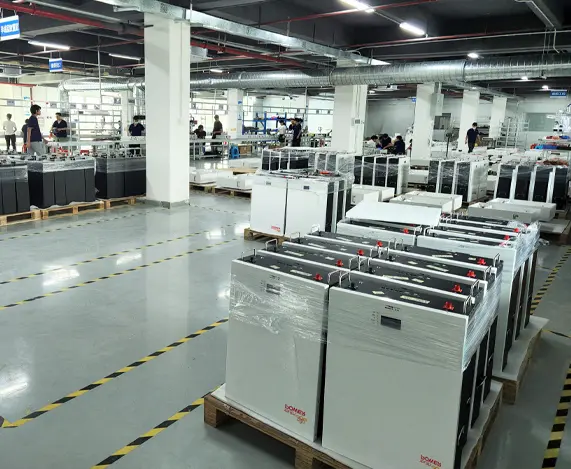
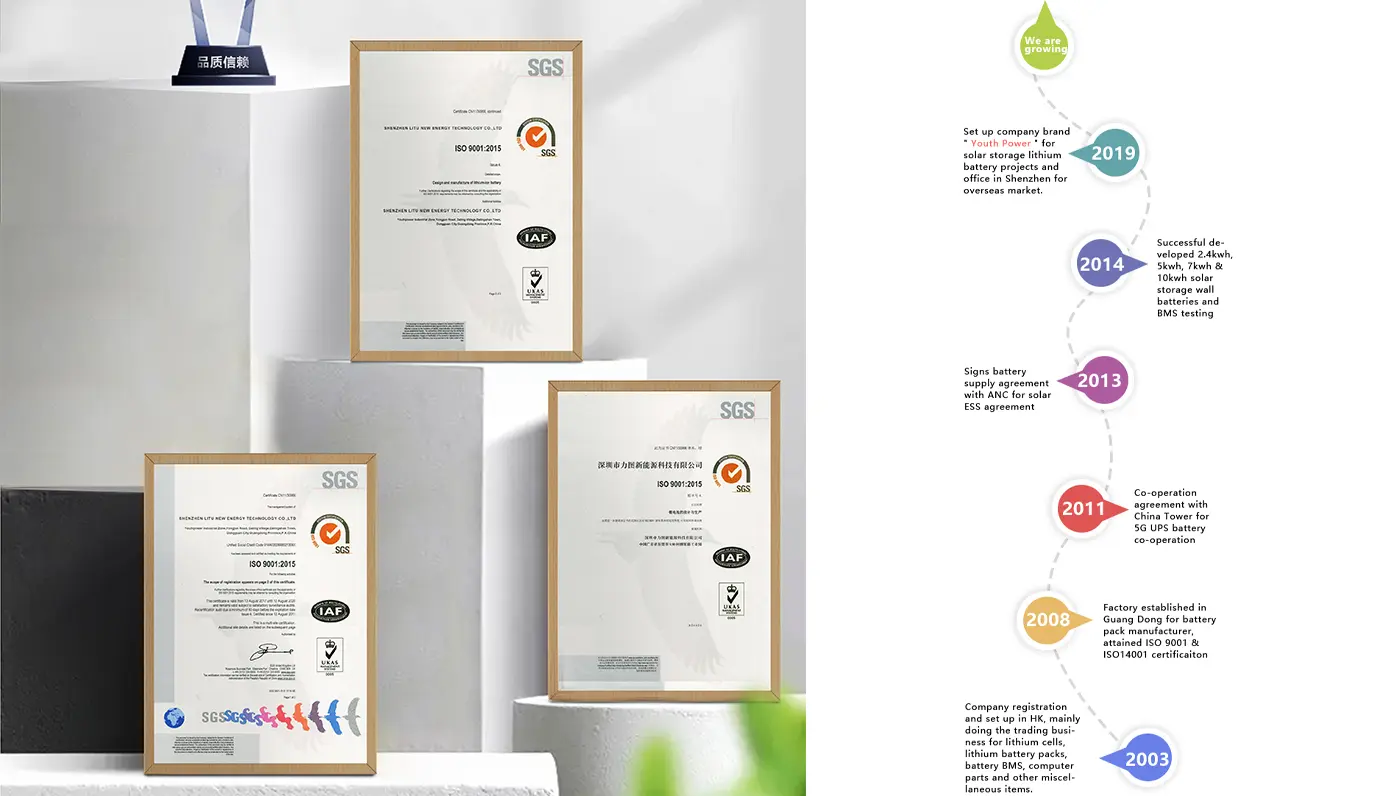
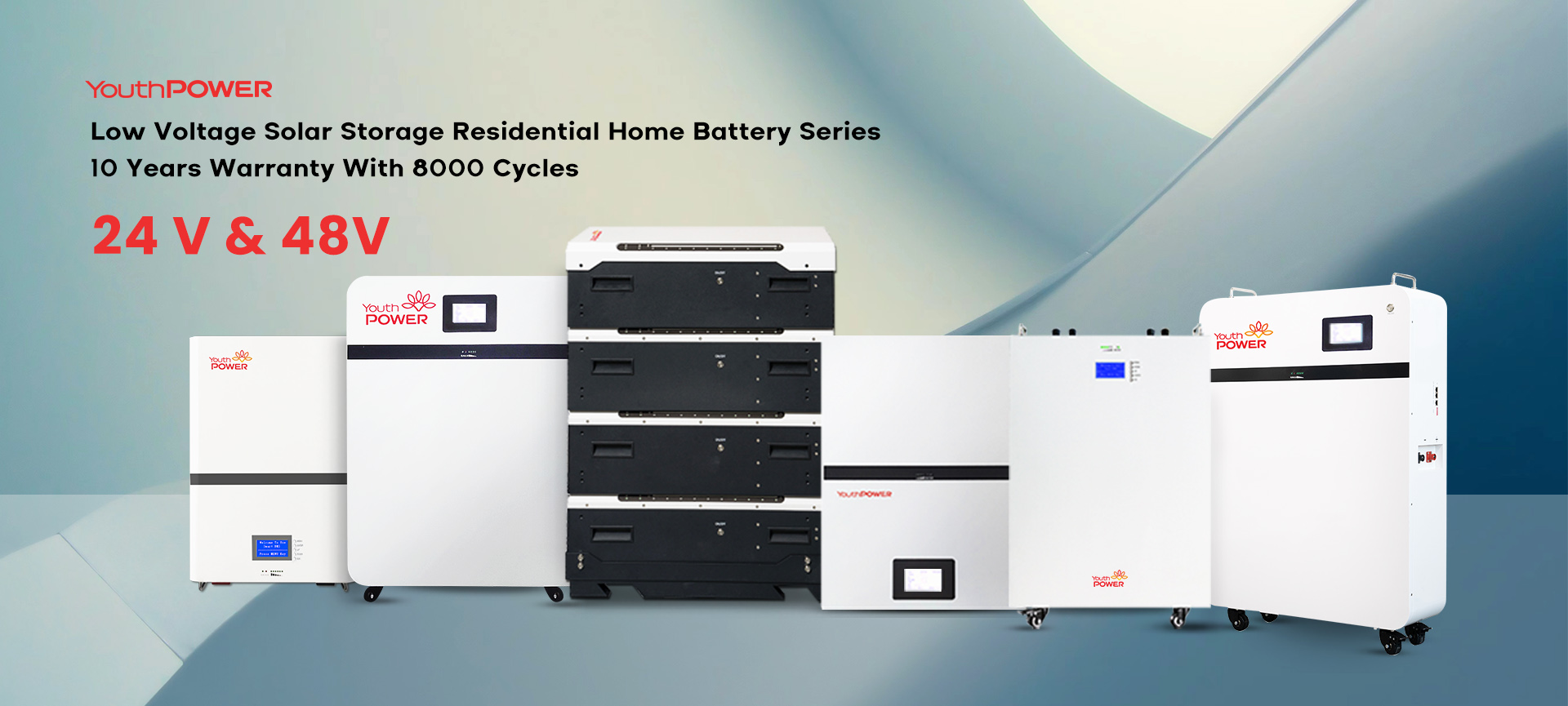
Founded in 2003, YouthPOWER has now become one of the leading suppliers of solar storage lithium batteries in the world. With a broad range of energy storage solutions, it covers a series of 24V, 48V and higher voltage lithium batteries solutions.
YouthPOWER has engaged in the battery technology and production for almost 20 years, with abundant manufacturing experience and strong new product R & D capability. Through many years of hard work and market promotion, we have created our own brand "YouthPOWER" in 2019.
With nearly 20 years’ experience in the battery industry, we have the capability to provide you with both the products you need and the most suitable products you want. We are always ready to supply the first-class products and meet the various needs of the customers.
We have established good business relationships with our customers from all over the world. And we have a good cooperation with all our customers as well for many years running. Supported by our local vendors of raw materials, we can certainly offer you the best prices.
We are so proud that YouthPOWER has offered the reliable solar storage solution for over 1,000,000 families now in the world.
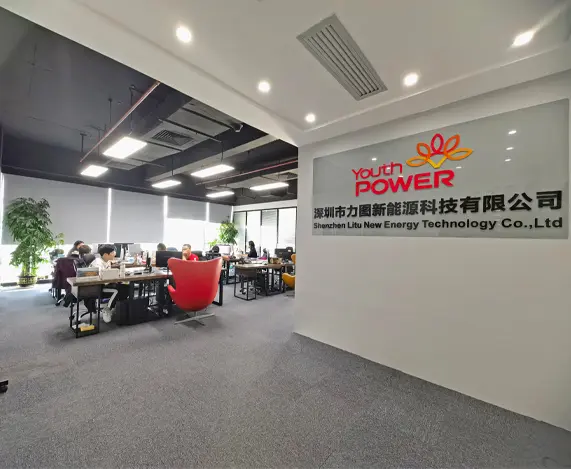
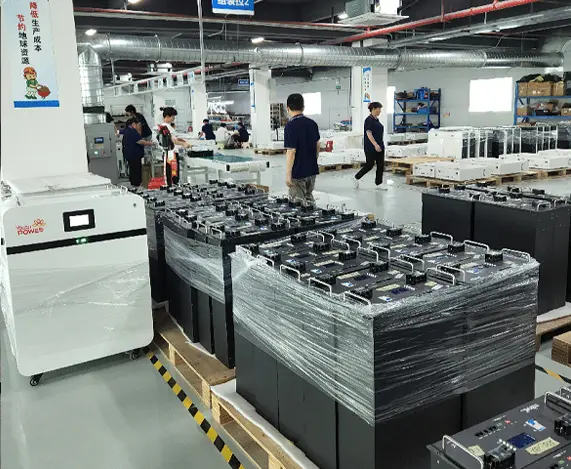
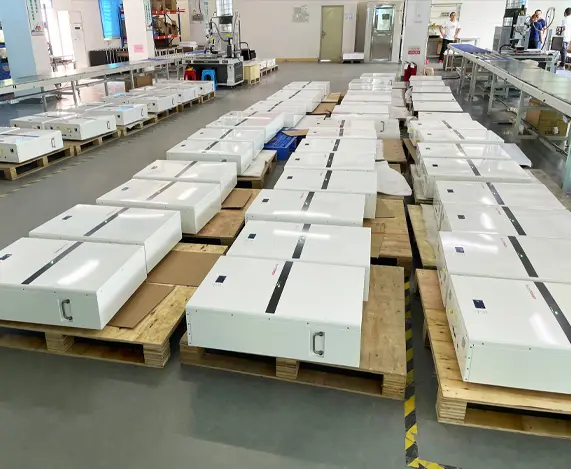
From our first lithium pack to advanced multi-megawatt configurations, here is how we have driven innovation in energy storage technology.
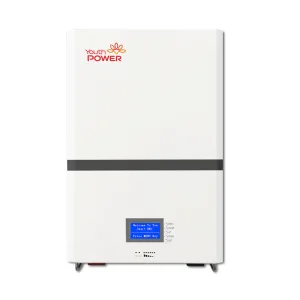
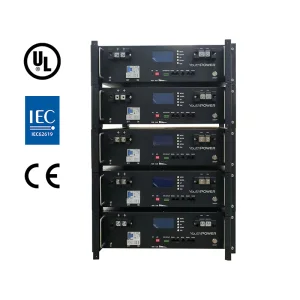
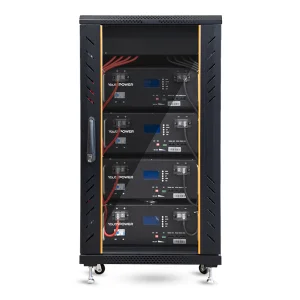
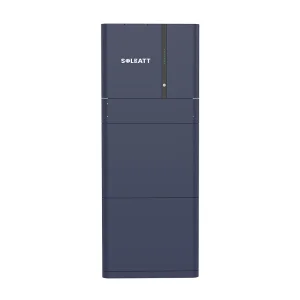
A reliable inverter-to-battery connection requires careful balancing of voltage levels, thermal stability, and communications integration. YouthPOWER's engineering teams follow a comprehensive design methodology for our high-voltage battery racks and all-in-one residential solutions:
We use nickel-plated copper busbars to limit contact resistance. This minimizes power loss and prevents localized hot spots that can degrade cell balance over thousands of cycles.
Communication mismatch is a leading cause of system performance drops. Our proprietary BMS uses CAN 2.0A/B and Modbus RTU communication systems. These connect directly with leading hybrid inverters, providing real-time data on state-of-charge (SoC), voltage variations, and cell temperatures.
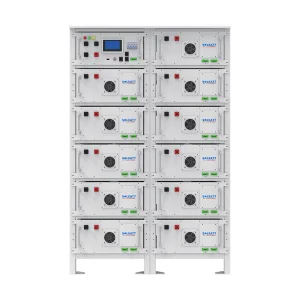
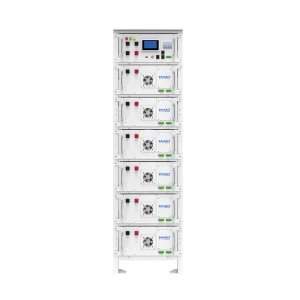
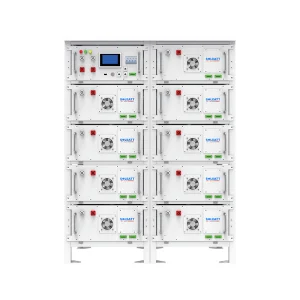
For C&I installations requiring high-voltage batteries (e.g., 400V to 563V setups), we design multi-level overcurrent and short-circuit protection circuits. These ensure the system can handle prospective short-circuit faults and keep operators safe.
Deploying liquid-cooled thermal plates to our commercial battery cabinets, maintaining cell temperatures within ±2°C limits.
Moving away from traditional liquid-electrolyte lithium chemistries toward high energy-density solid-state batteries for industrial projects.
Using machine learning on our BMS controllers to predict cell degradation and optimize load scheduling before faults occur.
Our systems are engineered to support demanding commercial, industrial, and agricultural energy needs worldwide.
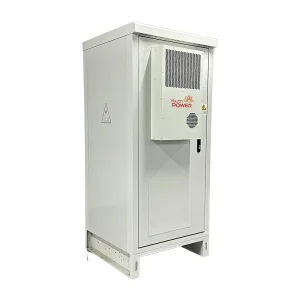
Remote industrial operations, mining sites, and telecom facilities require reliable energy independent of the grid. By pairing YouthPOWER high-voltage cabinets (like our 129KWH or 157KWH units) with multi-phase hybrid inverters, remote sites can maintain reliable power 24/7. These systems help operators reduce generator fuel use and optimize solar self-consumption.
Industrial operations face significant demand charges during peak utility hours. Our commercial batteries work with dynamic inverter-battery connections to discharge power during these peak windows. This lowers peak demand penalties and significantly reduces monthly electricity costs.
We make safety the priority in our battery designs. Our cells, modules, and battery management systems are built to meet rigorous global engineering standards. This ensures stable operation, regulatory compliance, and simple utility approval processes worldwide.
Our global partner network provides professional support, from system sizing and calculations to commissioning and preventative maintenance. This keeps your system running reliably and minimizes downtime over its entire operating life.
 YouthPOWER