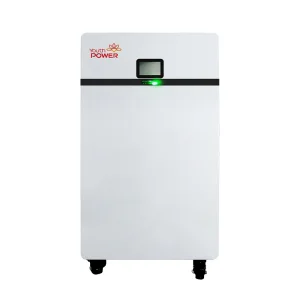
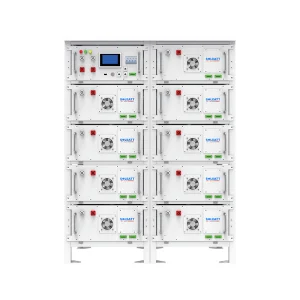
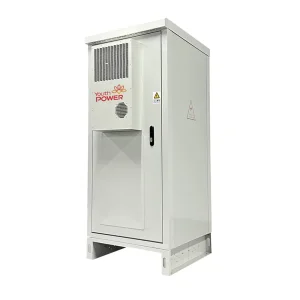
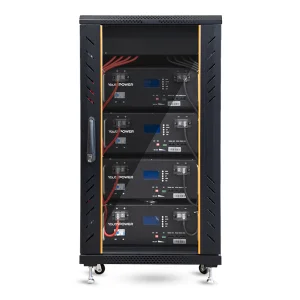
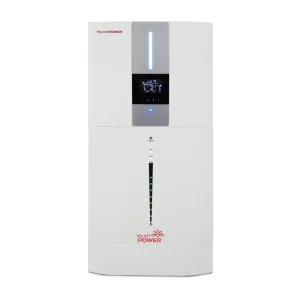
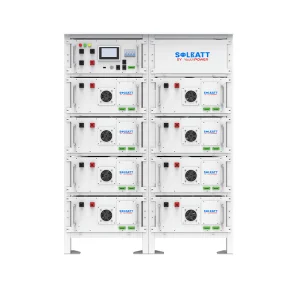
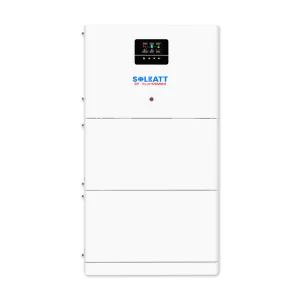
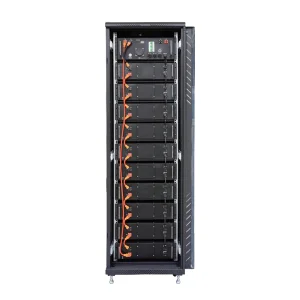
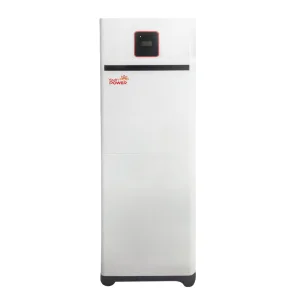
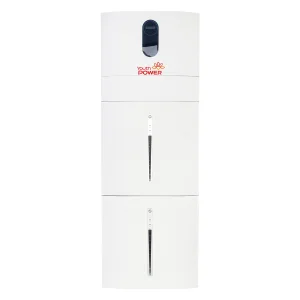
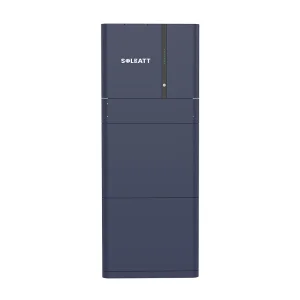
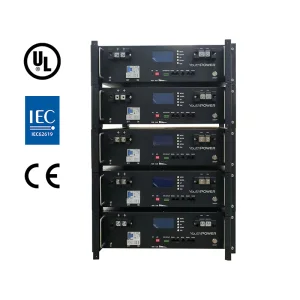
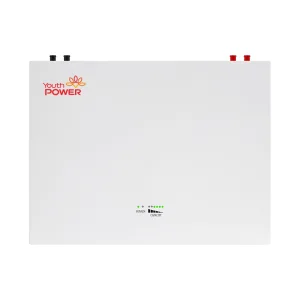
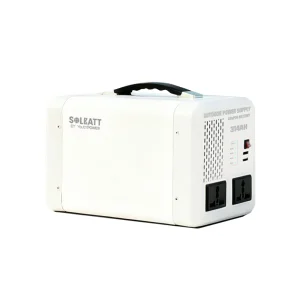
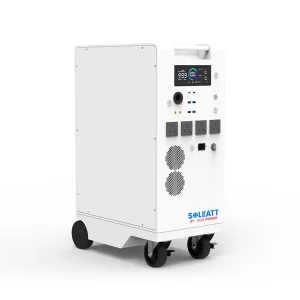
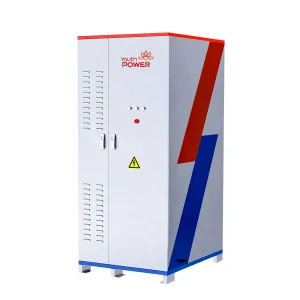
Premium grade lithium iron phosphate (LiFePO4) solar storage configurations engineered for industrial, grid-scale, and home applications.
Established
R&D Experience
Families Powered Globally
Grade-A Cell Warranty
Analyzing the shift towards high-voltage LiFePO4 structures and why leading global utilities purchase directly from source factories.
The global transition to renewable energy sources has changed the operational profile requirements for energy storage systems (ESS). As modern infrastructure pivots away from fossil fuels, high-capacity, thermally stable batteries have transitioned from a localized secondary utility to primary grid-balancing components. Among various chemical formulations, Lithium Iron Phosphate (LiFePO4) has emerged as the definitive choice for utility-scale, industrial, and residential applications due to its high thermal stability, long cycle life, and eco-friendly composition.
Direct sourcing from specialized lithium battery manufacturers offers a strategic advantage. It guarantees direct control over custom Battery Management System (BMS) engineering, thermal dissipation structures, and Cell-to-Pack (CTP) integration density. Selecting the right manufacturer requires assessing raw materials supply chains, compliance metrics, and mechanical reliability.
Designed to resist thermal runaway up to 60deg C. Direct cell integration with individual module fire mitigation systems ensures safe operations across commercial settings.
Engineered for more than 6,000 cycles at 80% Depth of Discharge (DoD), yielding over 15 years of operational utility under standard daily cycling conditions.
Integrated programmable multi-protocol CANbus, RS485, and RS232 communications interface directly with tier-1 hybrid inverter systems worldwide.
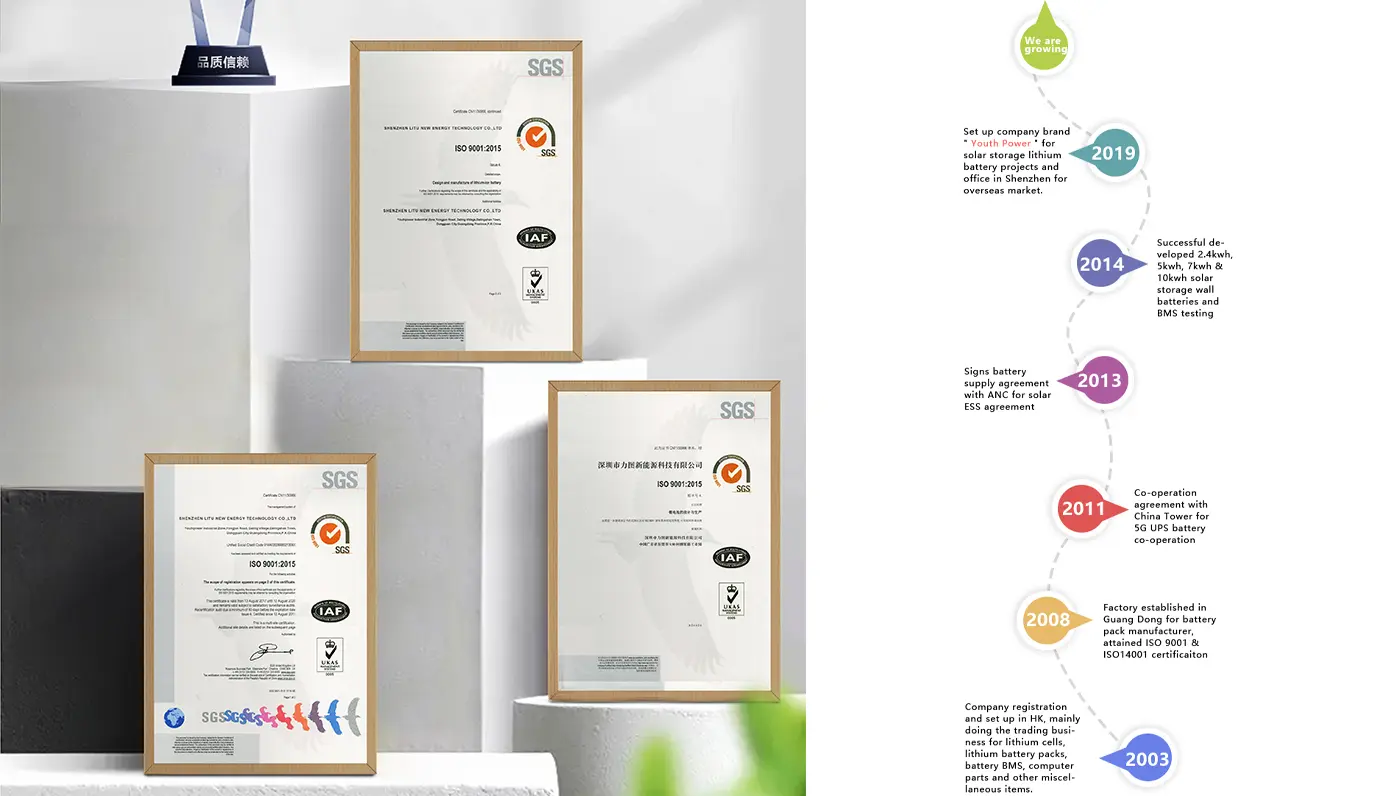
A history of manufacturing excellence spanning nearly two decades in the core lithium battery field.
Founded in 2003, YouthPOWER has now become one of the leading suppliers of solar storage lithium batteries in the world. With a broad range of energy storage solutions, it covers a series of 24V, 48V and higher voltage lithium batteries solutions.
YouthPOWER has engaged in the battery technology and production for almost 20 years, with abundant manufacturing experience and strong new product R & D capability. Through many years of hard work and market promotion, we have created our own brand "YouthPOWER" in 2019.
With nearly 20 years’ experience in the battery industry, we have the capability to provide you with both the products you need and the most suitable products you want. We are always ready to supply the first-class products and meet the various needs of the customers.
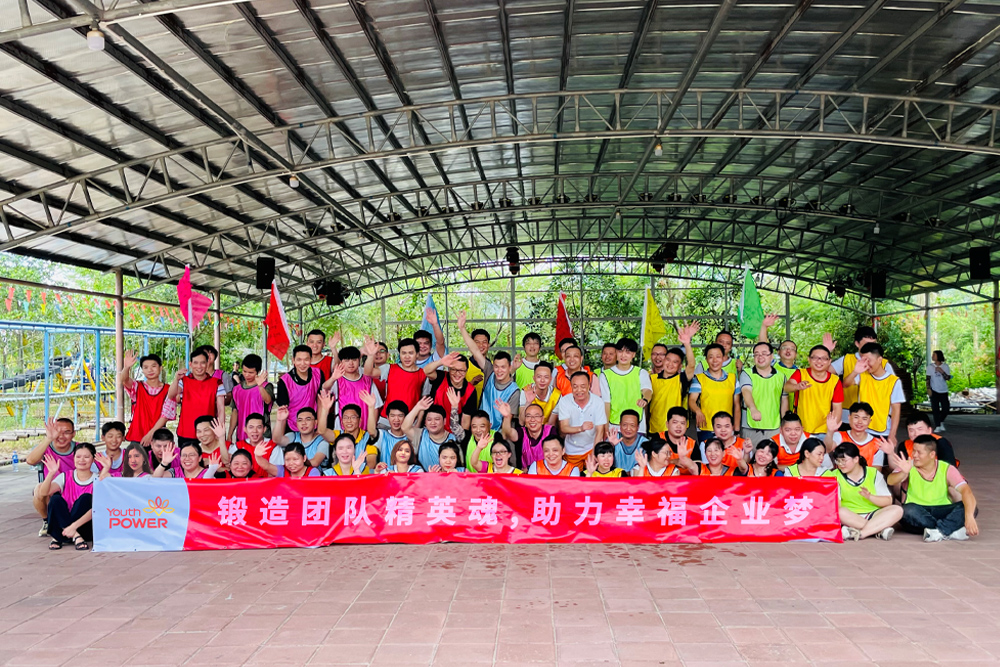
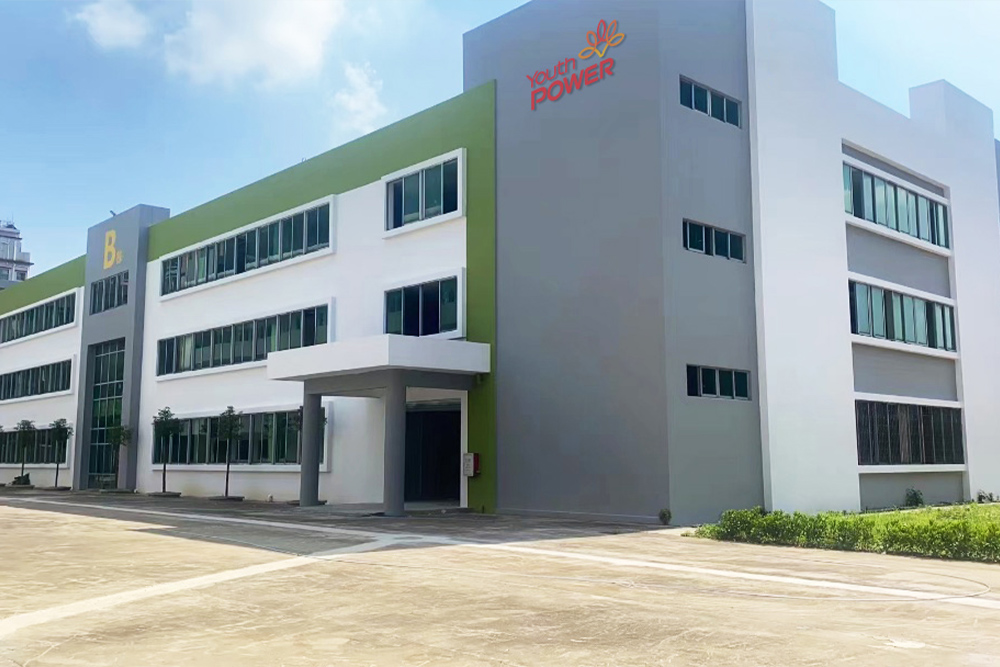
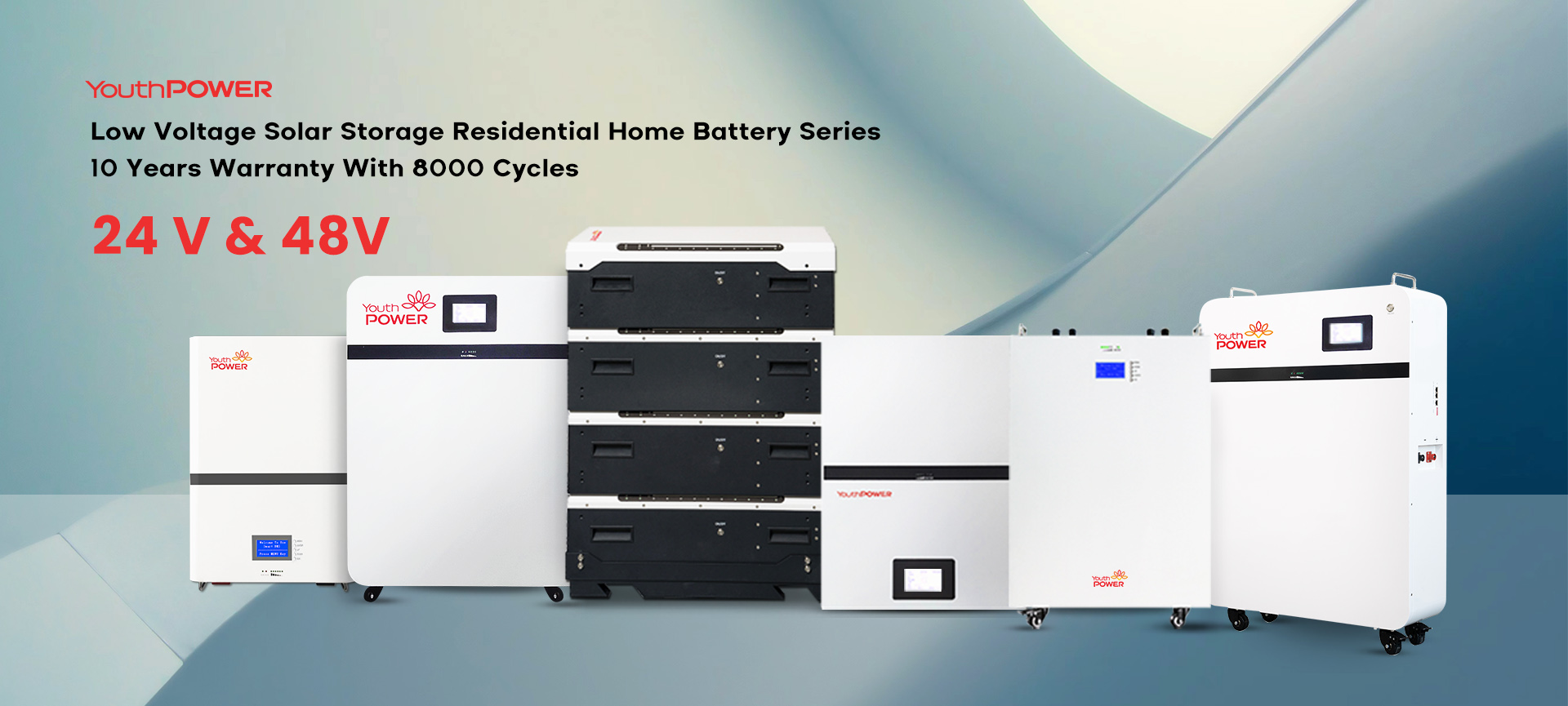
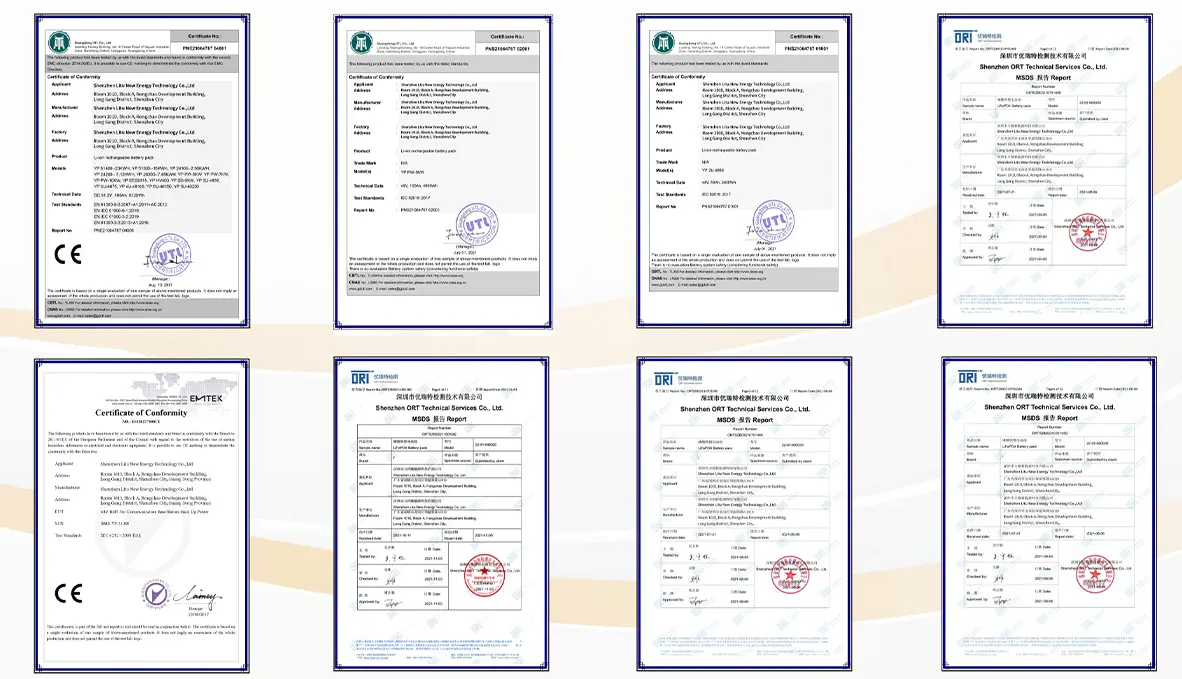
We have established good business relationships with our customers from all over the world. And we have a good cooperation with all our customers as well for many years running. Supported by our local vendors of raw materials, we can certainly offer you the best prices.
We are so proud that YouthPOWER has offered the reliable solar storage solution for over 1,000,000 families now in the world.
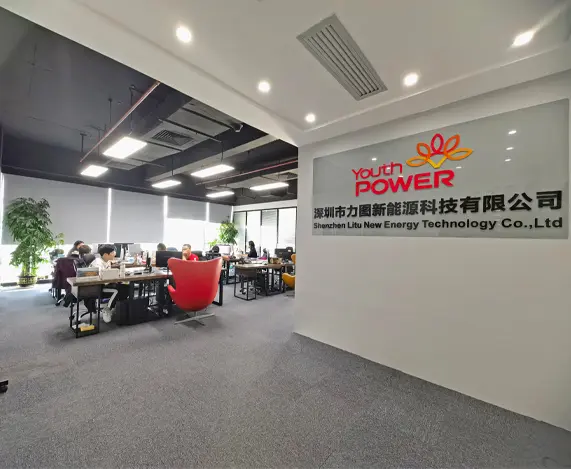
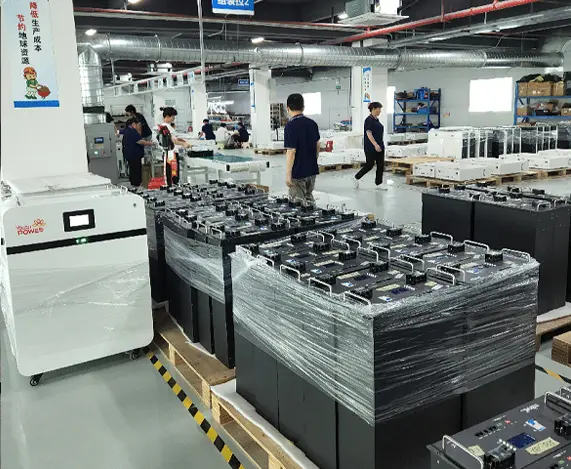
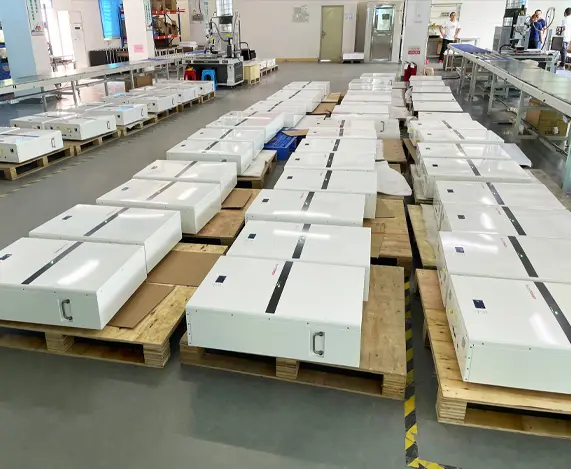
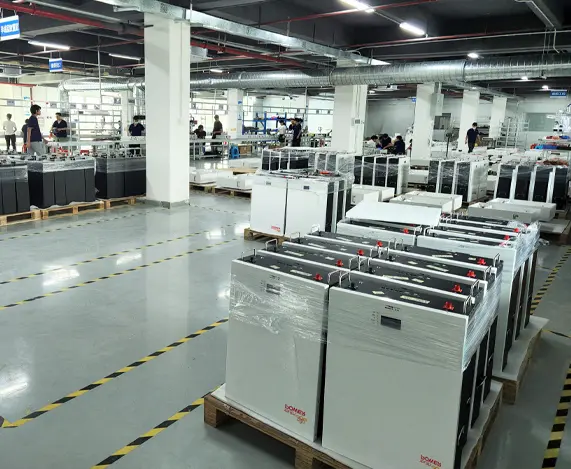
Analyzing vertical integration, supply chain networks, and manufacturing efficiency.
Understanding the structure of the supply chain explains why sourcing directly from Chinese factories remains a primary choice for global distributors, EPC contractors, and system integrators. Over 75% of global lithium chemical refining and cathode active material production is located in mainland China. Sourcing energy storage directly from Chinese factories yields lower costs, faster design validation, and efficient technology deployments.
| Evaluation Parameter | Direct China Factory Sourcing | Local Western Assembly Centers | Trading Intermediaries |
|---|---|---|---|
| Direct Component Traceability | Full cell batch number log, matching internal resistance data. | Dependent on tier-2 import batches; variable logs. | Limited access; no direct access to cell factory logs. |
| BMS Customization | Direct protocol adaptation for specific inverter firmware. | Standard off-the-shelf options; limited code customization. | Not available; standard setups only. |
| Per Kilowatt-Hour Cost | Highly competitive base pricing. | 35% - 60% premium due to assembly labor rates. | 15% - 25% agency markup. |
| Lead Times (Bulk Order) | 4 - 6 Weeks (Standard configurations). | 8 - 12 Weeks (Component dependency). | Subject to distributor inventory levels. |
Guidelines for EPC contractors and utility-scale distributors to assess factory reliability and product quality.
Purchasing large-scale lithium batteries requires rigorous testing and qualification protocols to prevent premature system degradation. Buyers should evaluate key factory performance indicators during audit stages:
A battery pack is only as reliable as its weakest cell. Premium factories sort cells through high-precision testing hardware that measures open-circuit voltage (OCV) and internal resistance (IR) down to milli-ohm accuracies. These parameters ensure even charge distribution across cells, preventing early module failure.
Ask for quality assurance certificates that verify high/low temperature testing, humidity exposure, drop vibration analysis, and short-circuit protection tests. Factory-integrated environmental chambers test how modules operate in temperatures ranging from -20°C to 60°C to ensure reliable field installations.
The Battery Management System monitors cell conditions, tracking cell voltage, system temperature, and current flow. A high-quality BMS balance cells actively, adjusting current flow during charge and discharge cycles. Look for manufacturers that use double thermal monitoring configurations, overvoltage safeties, and standard communications support (CAN/Modbus).
Adapting battery configurations to local site conditions and electrical architectures.
In high-tariff regions, industrial facilities deploy high-voltage systems (such as the 129KWh or 114KWh models) to shave peak load demand. The system charges during low-cost utility hours and discharges during peak rates, reducing commercial demand charges.
Remote telecom infrastructure requires consistent, reliable power. Integrated cabinet systems with IP65-rated enclosures and active heating elements provide reliable power in harsh environments, reducing service visits.
Homeowners seek reliable energy storage systems to store excess solar generation. High-voltage stackable options (like 51.2V rack-mounted units) easily integrate with domestic hybrid inverters, providing seamless backup during grid outages.
Mitigating cross-border procurement challenges with structured logistics, compliance, and engineering support.
To successfully integrate imported lithium storage systems, projects must navigate local regulations, grid compliance rules, and shipping logistics:
The development of next-generation lithium battery technologies.
Our developmental trajectory reflects ongoing optimization in design, manufacturing automation, and structural integration. We continuously innovate to improve electrochemical density and reliability.
Explore high-voltage cabinet arrays, modular rack mounts, split-phase hybrid solutions, and reliable backup systems.
Answering common technical questions regarding cell chemistry, system sizing, active balancing, and standards compliance.
LiFePO4 (Lithium Iron Phosphate) offers superior thermal stability and safety compared to NMC (Nickel Manganese Cobalt). Its chemical structure is highly resistant to thermal runaway (up to 60°C). Furthermore, LiFePO4 batteries deliver more than 6,000 charge cycles at 80% Depth of Discharge (DoD), whereas NMC packs typically range from 1,000 to 2,000 cycles.
High internal resistance (IR) causes heat dissipation during high-current charging and discharging cycles, reducing overall round-trip efficiency (RTE). In consistent cells, mismatches in IR lead to uneven wear and cell degradation. Precise testing and cell-matching processes at the factory ensure consistent resistance across the system, maximizing the battery pack's lifespan.
High-voltage (HV) battery configurations (such as 400V to 800V setups) minimize current levels for equivalent power capacities. Lower current requirements reduce resistive heating losses, enabling the use of thinner, more cost-effective cabling. Additionally, HV systems improve overall conversion efficiency when pairing with utility-scale inverters.
Passive balancing dissipates excess energy from high-voltage cells as heat through resistors, which is inefficient. Active balancing transfers charge from higher-voltage cells to lower-voltage cells within the pack. This process optimizes usable storage capacity, reduces heat generation, and extends the life of the battery system.
For US installations, key certifications include UL 1973 (for battery packs) and UL 9540 (for complete energy storage systems), along with UL 9540A thermal testing. In Europe, systems must meet IEC 62619, IEC 63056 safety standards, and CE directives to ensure grid compatibility and safety.
High-capacity lithium batteries are classified as Class 9 Dangerous Goods (UN3480). Shipments must pass UN 38.3 testing and require specialized shipping containers, proper labeling, and appropriate hazard documentation. Direct factory sourcing ensures all safety regulations are met, minimizing customs delays.
Cold temperatures lower ion conductivity, reducing usable battery capacity. High temperatures accelerate chemical degradation within cells. To mitigate these effects, advanced battery enclosures integrate heating systems for cold conditions and liquid cooling or active ventilation systems to manage heat in warm climates.
We do not recommend mixing batteries of different capacities, chemistries, or manufacturing batches. Voltage mismatches can lead to unbalanced charging and discharging cycles, putting stress on cells and potentially causing BMS shut-downs or early system failures.
 YouthPOWER