Engineered for extreme reliability, deep cycle life, and high round-trip efficiency
Modern enterprises no longer view the Uninterrupted Power Supply (UPS) merely as emergency backup hardware. With the global transition to decarbonized infrastructure, UPS systems have evolved into integrated, bidirectional battery energy storage systems (BESS). These modern systems provide critical load protection while enabling smart grid interactivity, peak shaving, and optimized self-consumption of renewable energy.
Legacy lead-acid UPS topologies are rapidly being replaced by Lithium Iron Phosphate (LiFePO4) chemistry. This shift is driven by the demand for higher thermal stability, compact footprints, and dynamic thermal management systems (BTMS). For purchasing managers, evaluating the right factory-direct price requires a total cost of ownership (TCO) analysis, comparing initial capital expenditure (CAPEX) with long-term operational costs (OPEX).
By leveraging intelligent Battery Management Systems (BMS), modern UPS units interface seamlessly with clean energy grids, ensuring uninterrupted operations for data centers, medical units, and large manufacturing complexes alike.
Sourcing energy storage directly from China offers significant advantages in economies of scale, technological refinement, and raw material integration.
By bypassing multiple layers of regional distributors, commercial clients save up to 30-40% on hardware sourcing. Direct communication with factory engineering teams allows for custom BMS programming and tailoring of voltage ranges.
Factories situated in China's battery manufacturing hubs have immediate proximity to top-tier LFP raw materials, high-density cell manufacturers, and dynamic power electronics suppliers, assuring premium build quality.
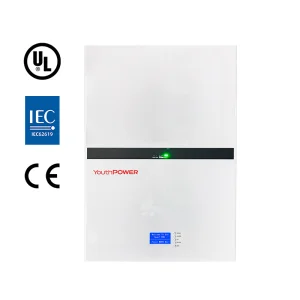
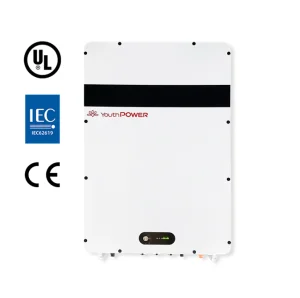
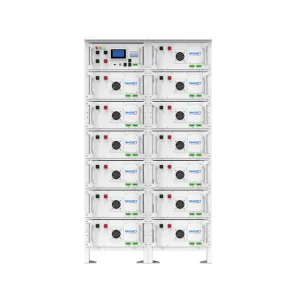
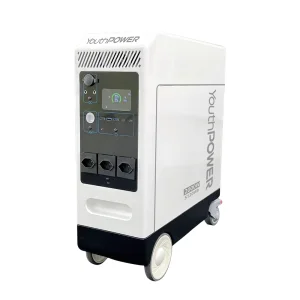
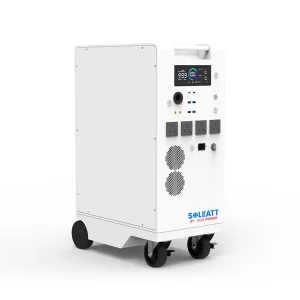
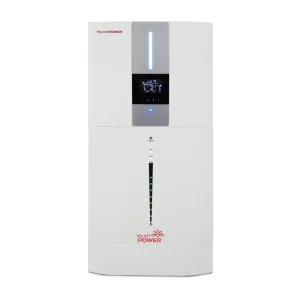
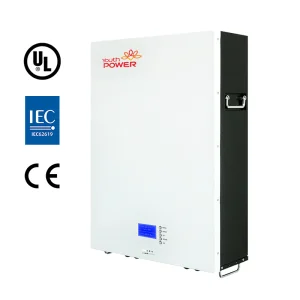
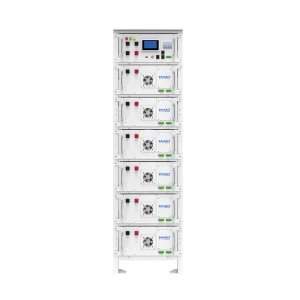
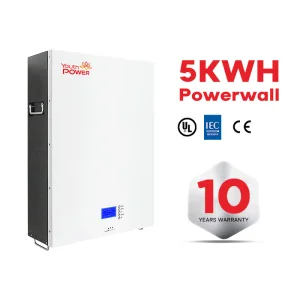
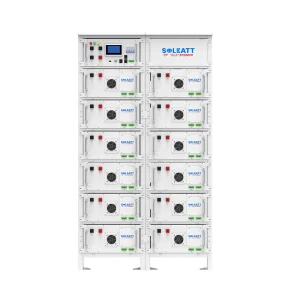
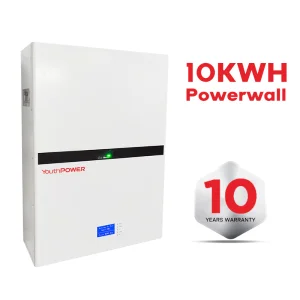
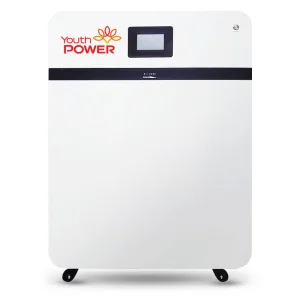
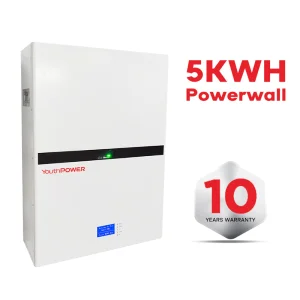
Whether you require standard 5kwh Powerwall replacement batteries, custom 186kwh C&I high-voltage racks, or customized waterproof housings for outdoor microgrid deployment, the supply chain supports rapid prototyping.
Founded in 2003, YouthPOWER has now become one of the leading suppliers of solar storage lithium batteries in the world. With a broad range of energy storage solutions, it covers a series of 24V, 48V and higher voltage lithium batteries solutions.
YouthPOWER has engaged in the battery technology and production for almost 20 years, with abundant manufacturing experience and strong new product R & D capability. Through many years of hard work and market promotion, we have created our own brand "YouthPOWER" in 2019.
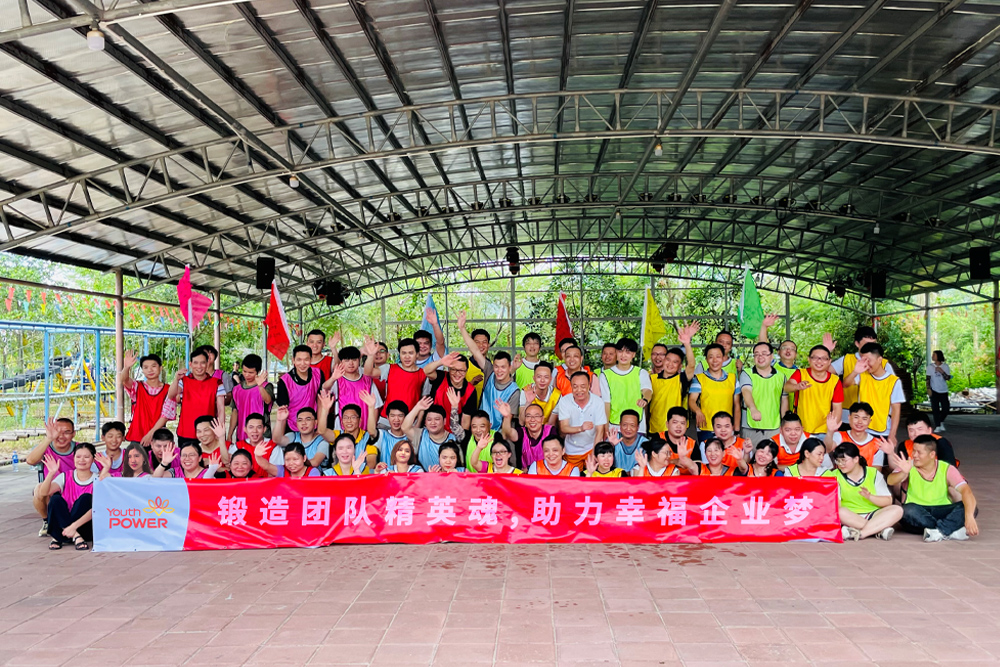
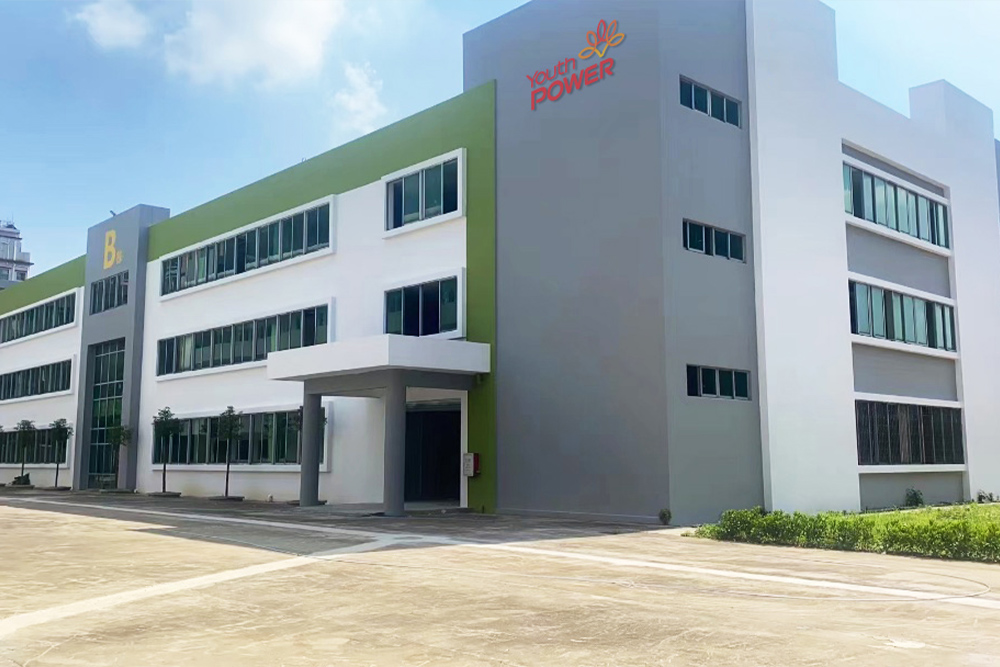
Large-scale energy projects require robust hardware along with extensive engineering validation. EPC contractors and commercial site developers evaluate battery storage systems on round-trip efficiency (RTE), thermal control integrity, and protocol integrations (e.g., Modbus TCP, CANbus).
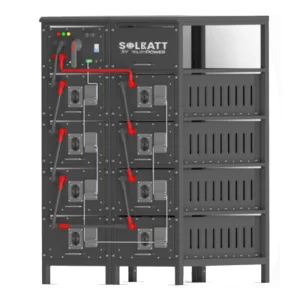
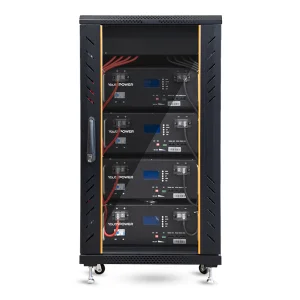
For industrial grid protection, the integration of high-voltage battery storage arrays (such as the 665V and 409V commercial racks) reduces system current, resulting in lower line losses and smaller cable profiles. This architecture streamlines installation and maximizes floor space utilization in facilities like processing plants or data storage environments.
Sourcing directly from an established factory ensures the availability of specialized engineering drawings, technical support documents, and comprehensive warranty coverage, which are vital for securing project financing and local utility approval.
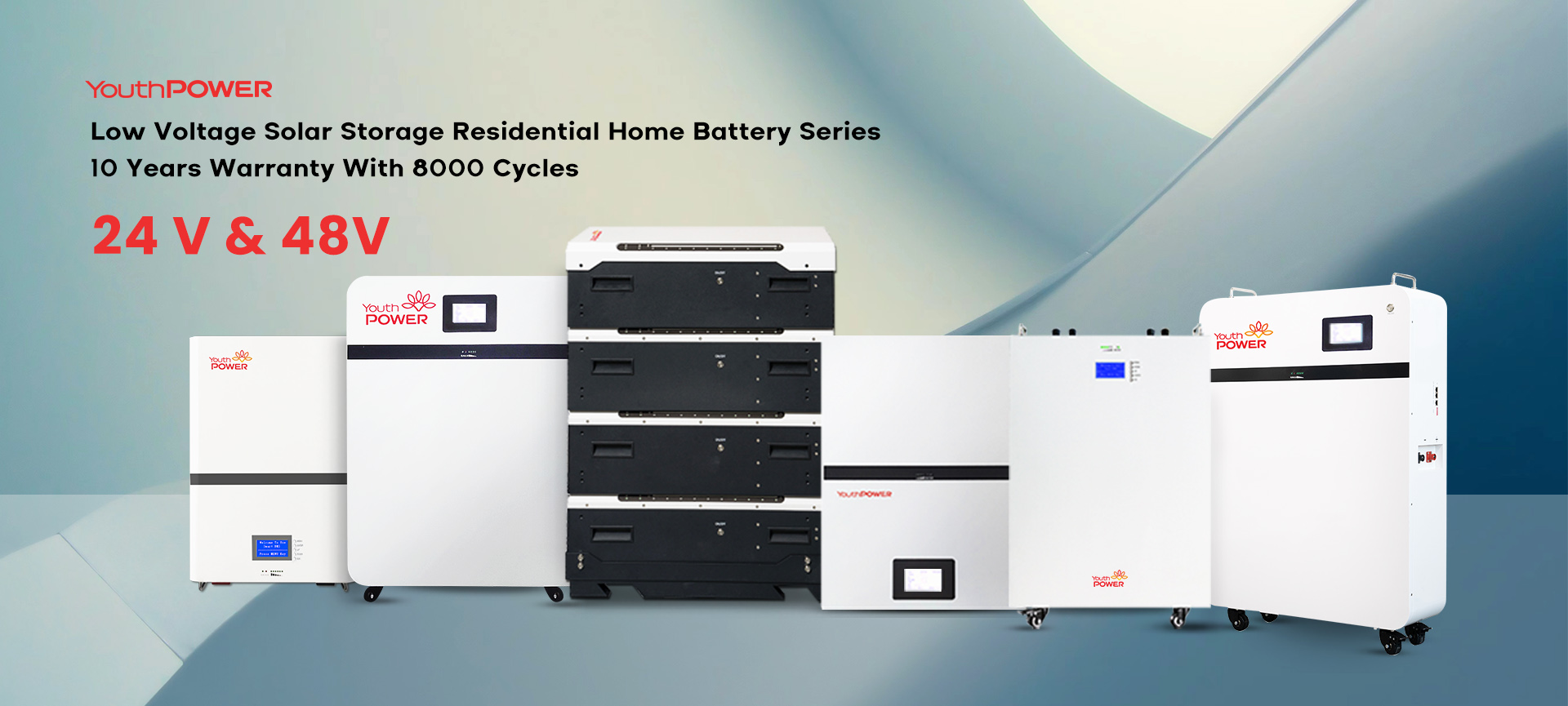
With nearly 20 years’ experience in the battery industry, we have the capability to provide you with both the products you need and the most suitable products you want. We are always ready to supply the first-class products and meet the various needs of the customers.
We have established good business relationships with our customers from all over the world. And we have a good cooperation with all our customers as well for many years running. Supported by our local vendors of raw materials, we can certainly offer you the best prices.
We are so proud that YouthPOWER has offered the reliable solar storage solution for over 1,000,000 families now in the world.
Inside YouthPOWER's state-of-the-art energy storage facility
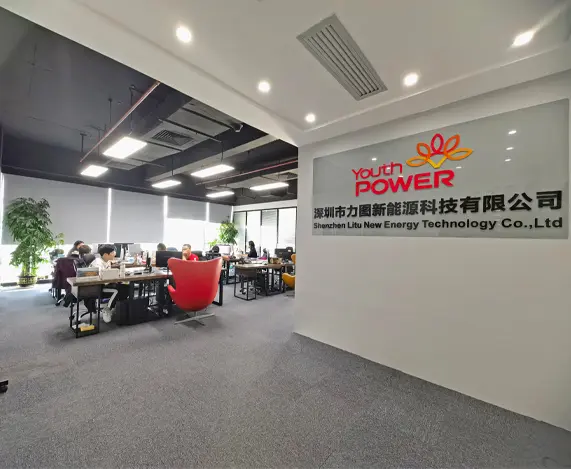
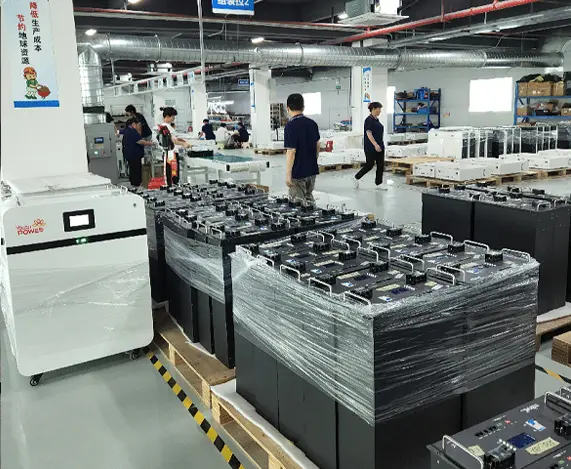
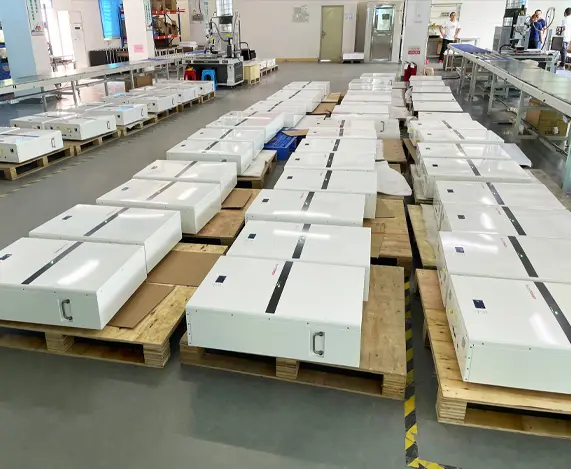
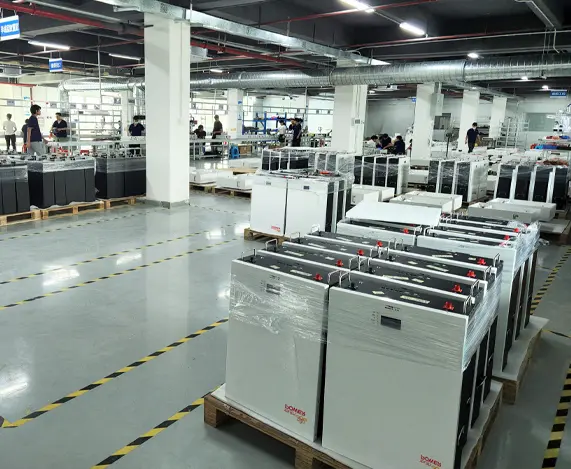
Tracing our path of innovation from high-precision battery manufacturing to global supplier of advanced lithium energy storage systems. Our history reflects a commitment to engineering improvements, structural safety, and grid compatibility.
By investing continuously in automation, quality control testing, and active safety measures, we ensure that every lithium-ion battery cabinet meets international performance expectations under a variety of environmental conditions.
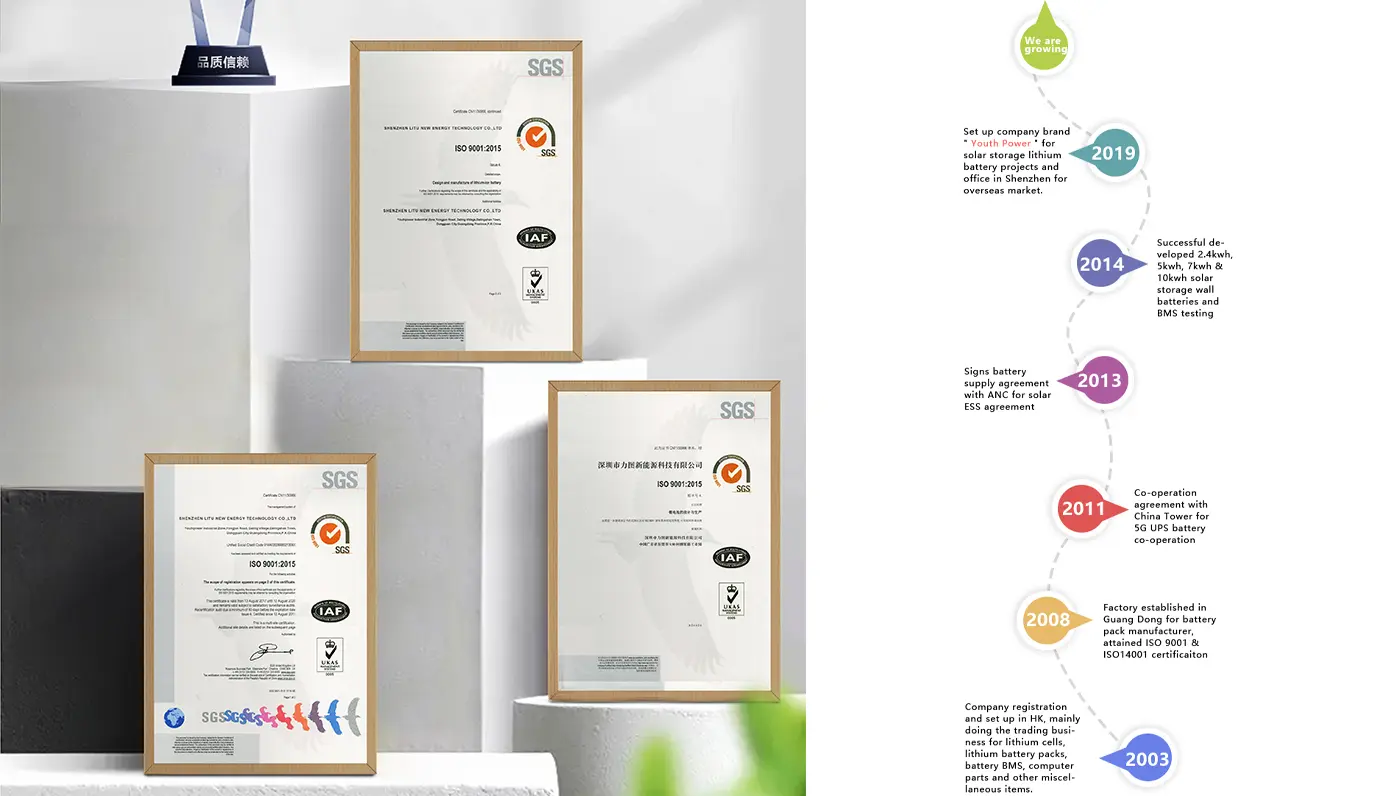
Navigating international regulatory frameworks to ensure seamless installation and system approvals.
Deploying grid-scale battery systems or residential UPS installations requires compliance with diverse standards. YouthPOWER's manufacturing lines adhere to international protocols, facilitating approvals from local utilities and inspectors.
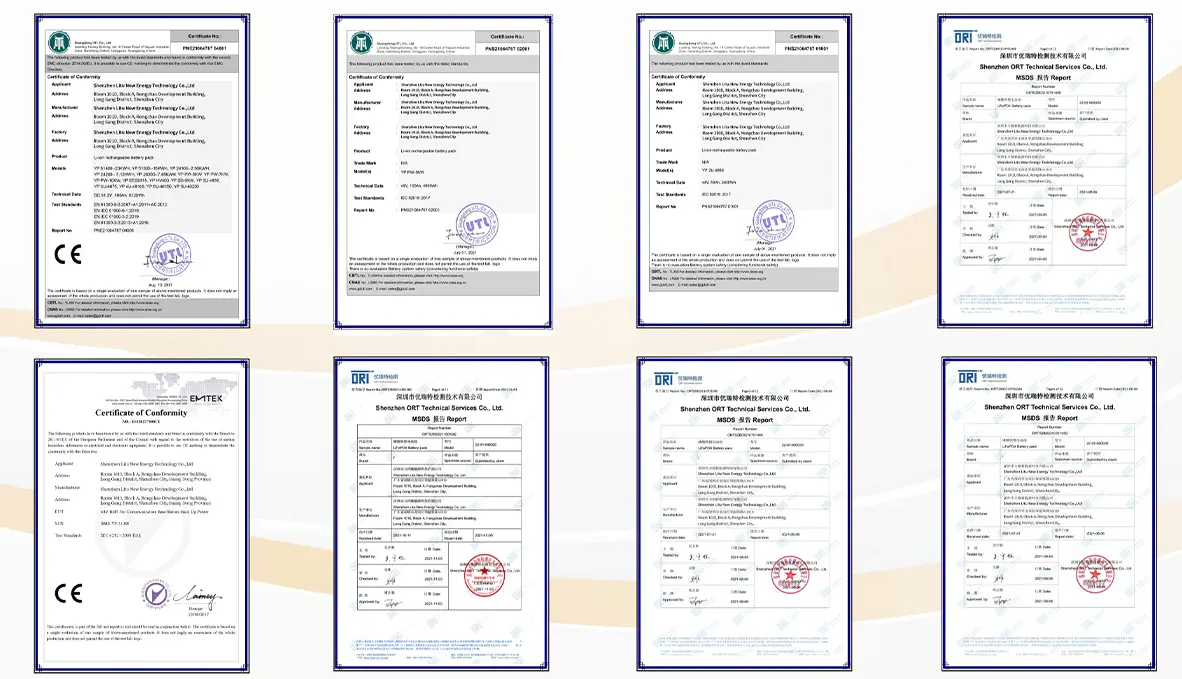
Our solutions comply with UL 1973 (stationary batteries), IEC 62619 (industrial lithium-ion batteries), and CE-EMC standards. This documentation is essential for regulatory approvals and commercial insurance compliance.
Lithium energy storage units are classified as Class 9 Hazardous Goods. We secure complete UN38.3 test reporting and Material Safety Data Sheet (MSDS) packages to prevent delays in global shipping and customs clearance.
Our intelligent CAN/RS485 communication protocols interface directly with major inverter brands globally, enabling plug-and-play installation for hybrid solar operations.
How our product offerings translate directly into real-world operational security and financial savings.
Providing uninterrupted power for cellular towers and base transceiver stations. The IP65 waterproof housing options protect lithium arrays in coastal or harsh climates.
Using our high-voltage 114kwh and 186kwh cabinets to store off-peak power and deploy it during peak rate hours, reducing utility demand charges.
Supporting continuous runtime during grid brownouts. Faster switchover speeds guard against hardware corruption and prevent costly downtime.
Integrating wind, solar, and diesel generator sources with decentralized storage blocks to establish self-sufficient energy systems.
Technical answers to support your engineering and purchasing decisions
Scalable designs optimized for commercial properties, utility microgrids, and off-grid configurations
 YouthPOWER