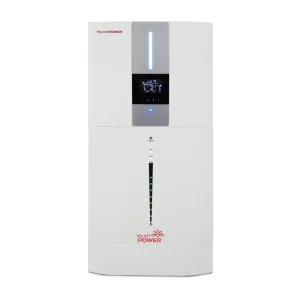
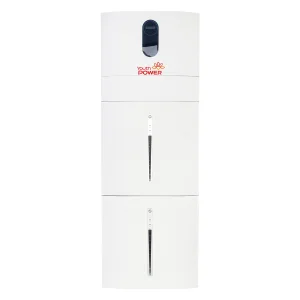
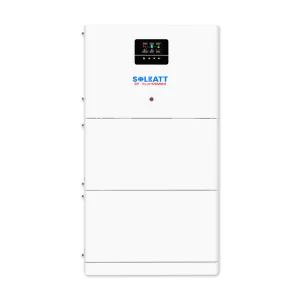
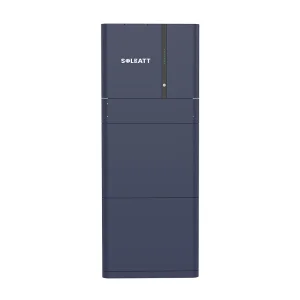
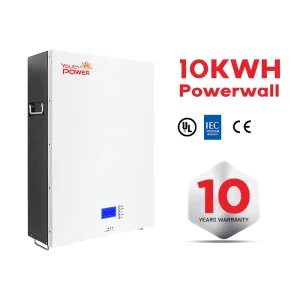
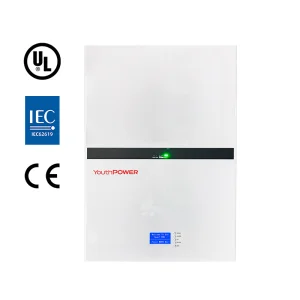
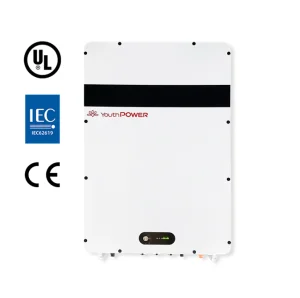
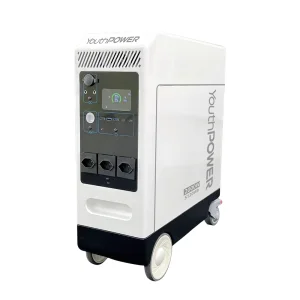
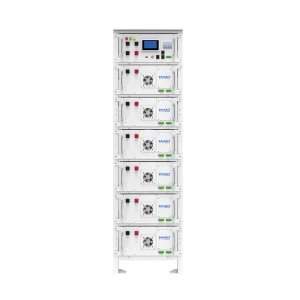
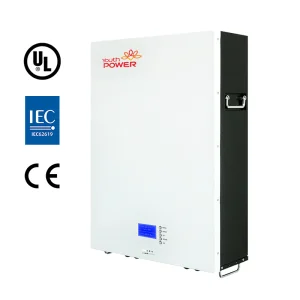
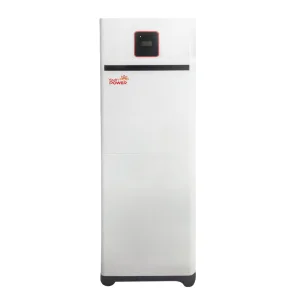
Highly integrated solar battery systems engineered to handle Jakarta's tropical environment and supply robust backup power during grid disruptions.
As the economic epicenter of Indonesia, the Greater Jakarta Area (Jabodetabek) faces a dual challenge: maintaining rapid industrial and commercial expansion while adhering to Indonesia's commitments to carbon neutrality under MEMR regulations. The regional grid, managed by PLN, encounters frequent load fluctuations, voltage drops, and localized outages due to overloading and tropical weather disturbances. For key sectors—such as semiconductor assembly, cold chain storage, textile processing in Tangerang, and data centers in Cikarang—even a millisecond power outage can lead to significant production losses.
This vulnerability has accelerated the transition from conventional diesel backup generators to modern hybrid solar battery systems. With the updated net-metering framework and the government’s push for decarbonization, regional enterprises are heavily investing in Industrial LiFePO4 Battery Systems. By integrating custom inverter batteries, plants achieve absolute power resilience and optimize energy costs through peak shaving and load shifting.
Furthermore, local environmental conditions present challenges. High ambient temperatures (frequently exceeding 35°C) and relative humidity levels up to 90% demand premium energy storage systems. Inferior battery chemistries rapidly degrade under these conditions. YouthPOWER's specialized LiFePO4 cells, equipped with advanced aerosol fire-suppression mechanisms and robust thermal management systems, deliver a reliable solution engineered specifically for tropical climates.
Why LFP Chemistry and High-Voltage Architectures represent the future of energy storage in Southeast Asia.
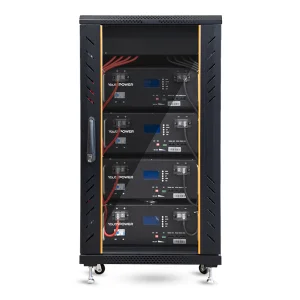
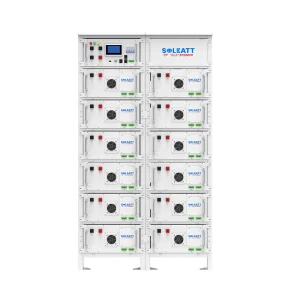
Conventional low-voltage (48V) battery banks suffer from high transmission current losses, requiring thick copper cabling. Transitioning to High-Voltage Rack Cabinets (up to 600V+) reduces system current, decreases thermal generation, and boosts round-trip efficiency (RTE) past 95%.
Our Intelligent Battery Management System monitors parameters down to individual cell voltage and temperature. Cloud telemetry enables predictive failure analysis and integrates seamlessly with hybrid inverters like Deye, Growatt, and SMA via CAN/RS485 interfaces.
By employing Grade-A prismatic Lithium Iron Phosphate (LiFePO4) cells, YouthPOWER batteries withstand operating temperatures up to 60°C. Structural isolation and integrated liquid or forced-air cooling ensure system longevity and prevent thermal runaway.
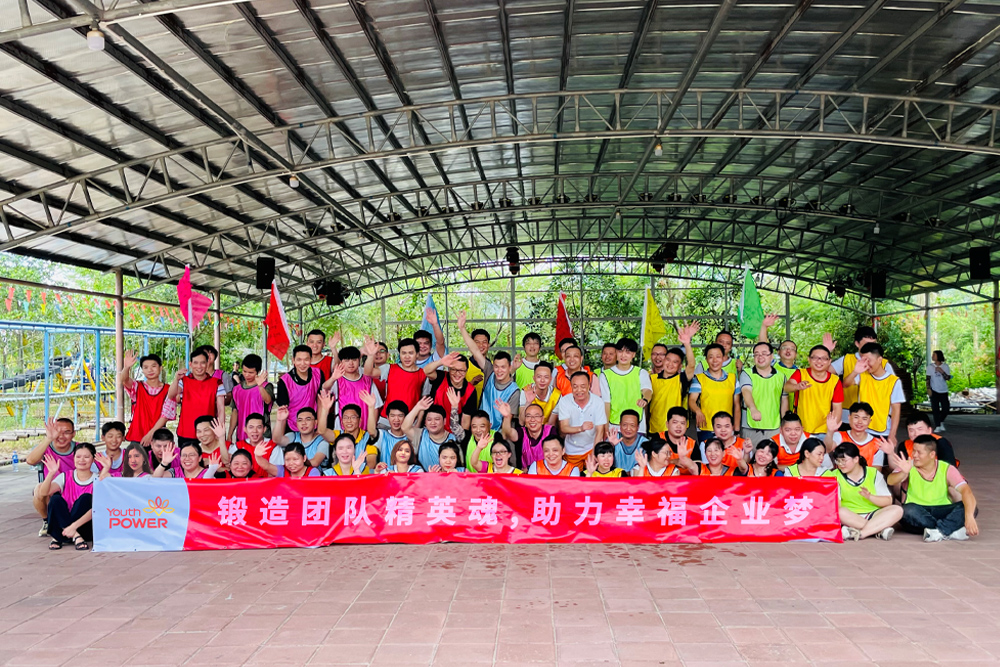
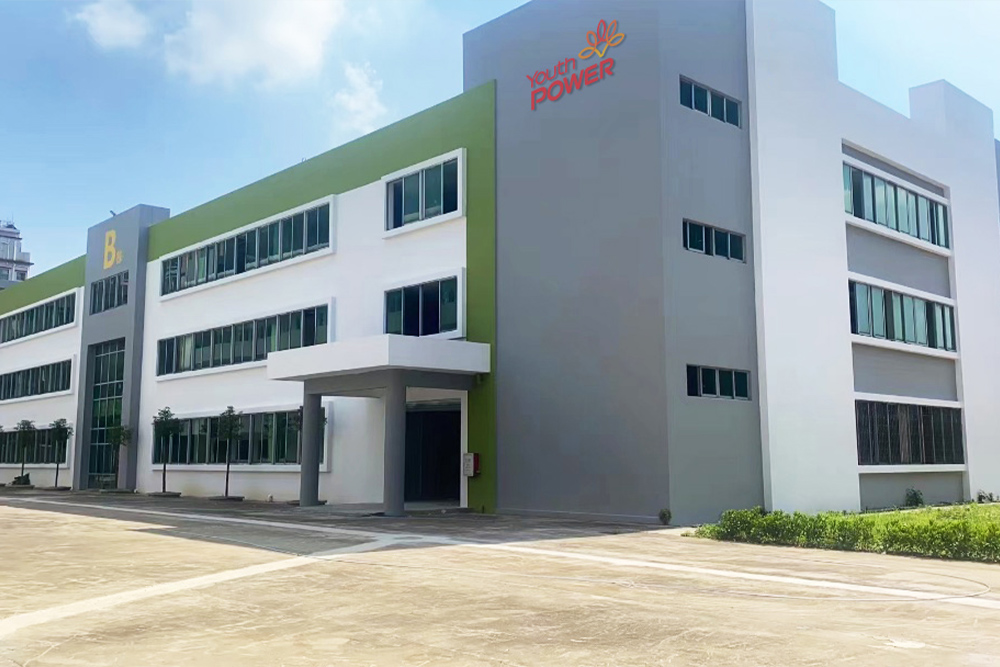
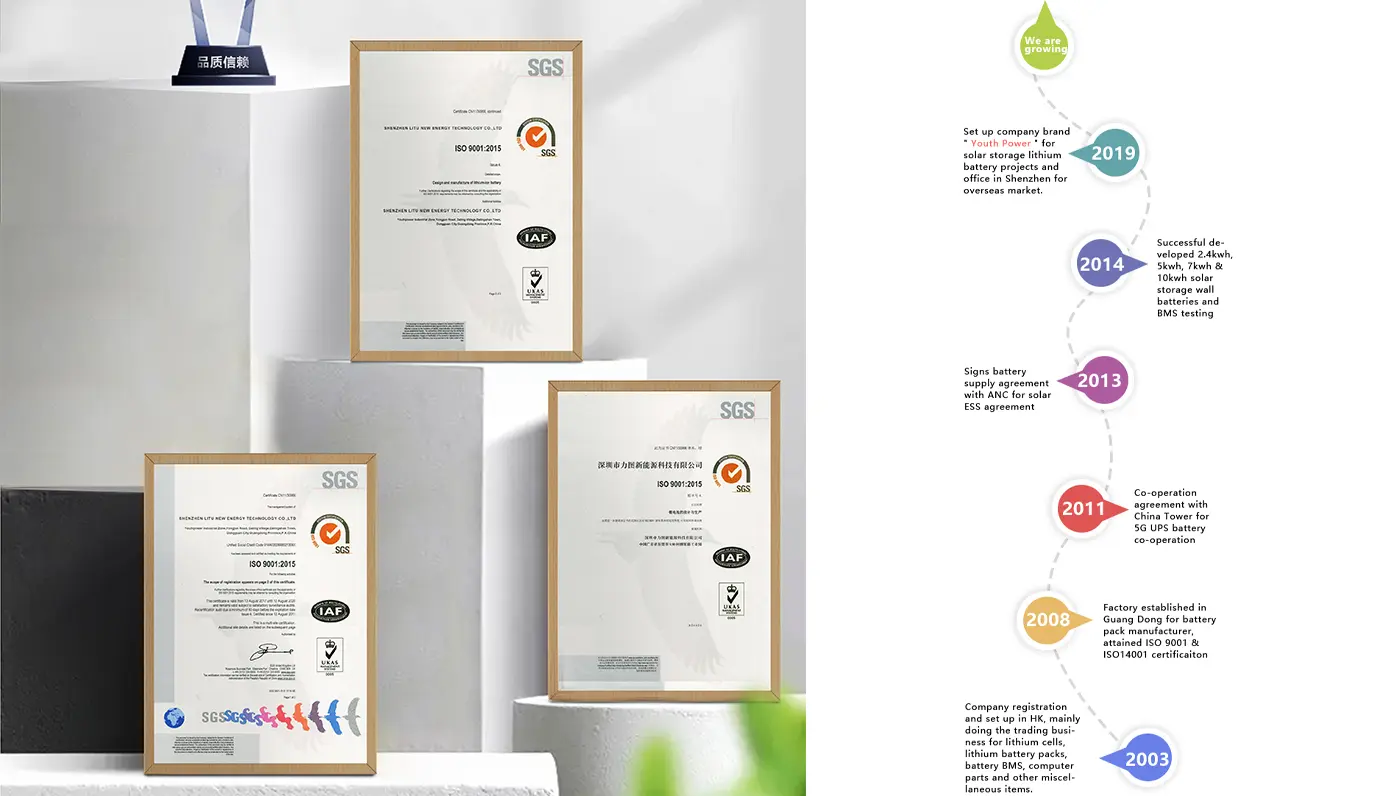
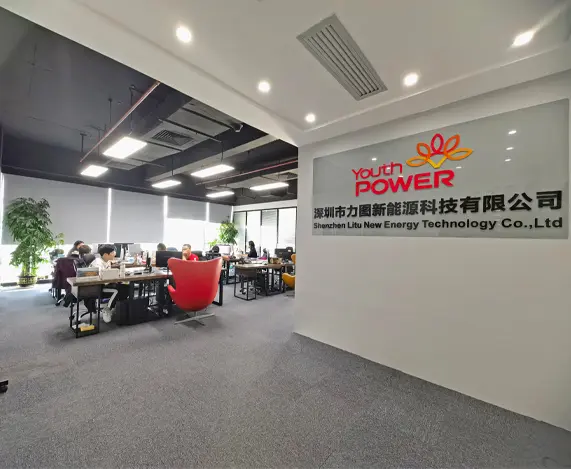
Founded in 2003, YouthPOWER has grown to become one of the world's leading suppliers of solar storage lithium batteries. Over the last two decades, our engineering divisions have developed innovative solutions across low-voltage residential batteries, modular high-voltage racks, and containerized industrial BESS.
With a presence in key markets worldwide, our self-owned brand YouthPOWER was officially established in 2019 to deliver state-of-the-art power storage systems directly to developers and industrial buyers. Supported by reliable raw material vendors and our fully automated manufacturing facilities, we deliver industry-leading price-performance ratios. Today, YouthPOWER has deployed reliable solar storage systems to over 1,000,000 families and businesses globally.
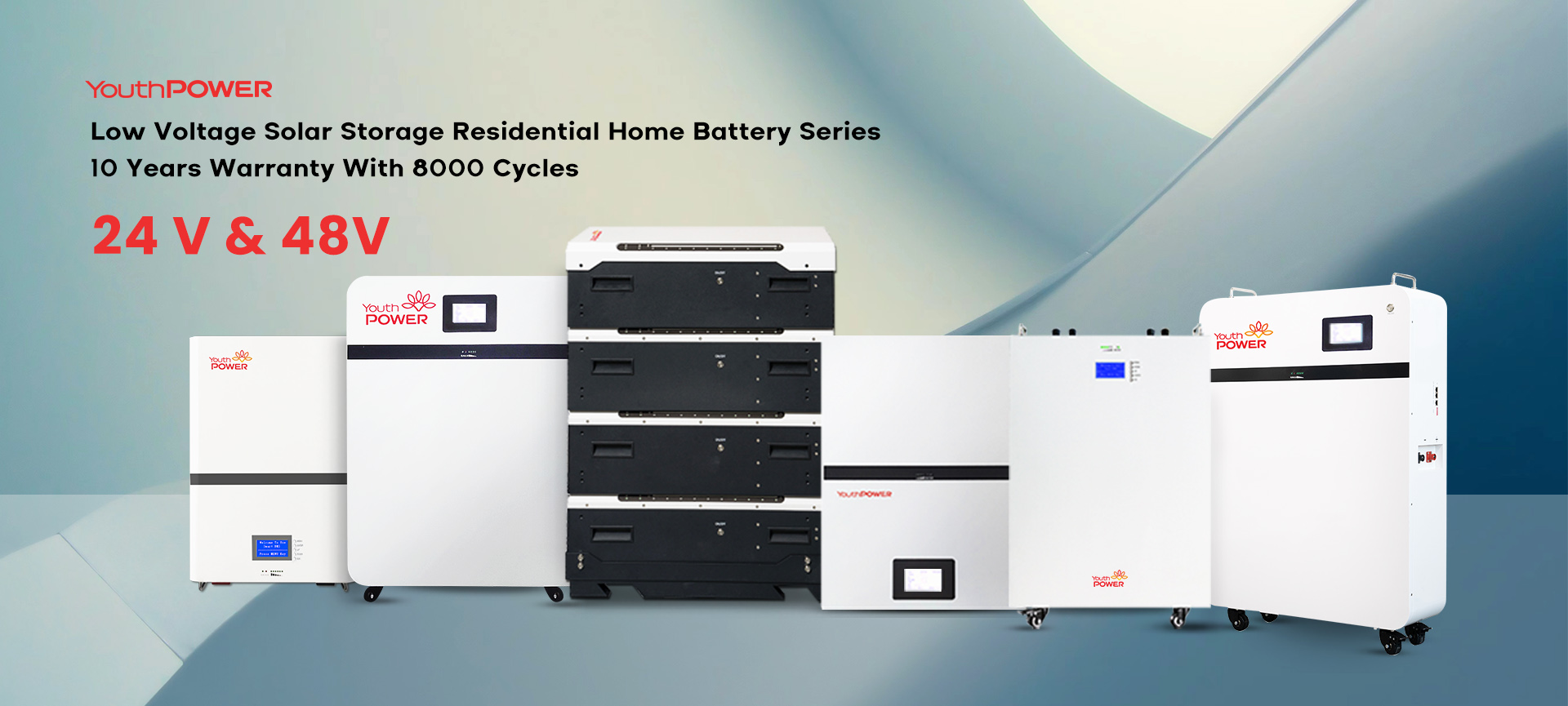
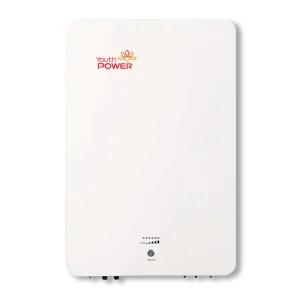
Providing tailor-made modular storage configurations for infrastructure, defense, and industrial zones.
Off-grid telecom base stations in remote regions across Java and Sumatra demand continuous power. Our high-density rack modules provide deep-cycle durability, high energy density, and minimal maintenance overhead compared to lead-acid alternatives.
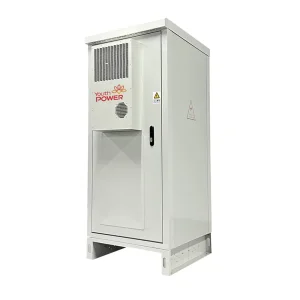
Commercial facilities in Jakarta face steep peak tariff rates from PLN. Integrating a containerized BESS allows facilities to store energy during off-peak hours and discharge it during peak times, lowering monthly utility demand charges.
For isolated resort islands and logistics terminals near Tanjung Priok Port, hybrid microgrids incorporating solar energy, wind power, and LiFePO4 batteries deliver round-the-clock reliability and lower dependence on expensive diesel logistics.
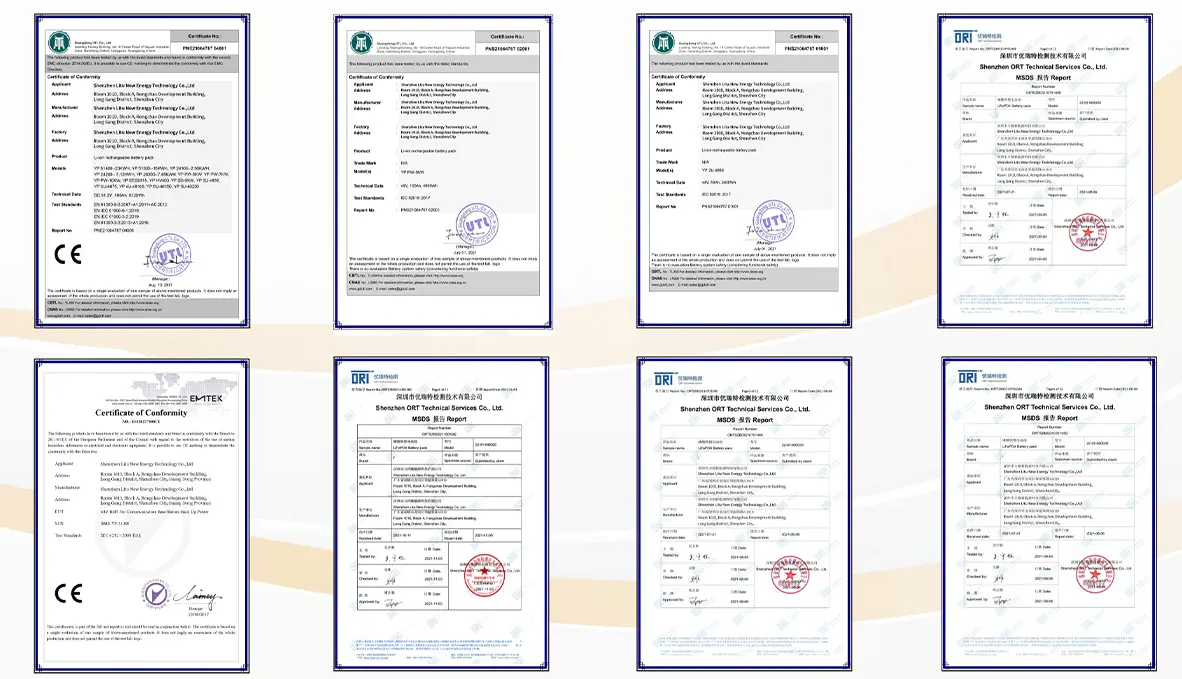
Navigating the complex regulatory landscape in Indonesia is essential for commercial developers and EPC firms. The Ministry of Industry requires strict alignment with local standards and emphasizes the Domestic Component Level (TKDN) for government procurement and utility-scale projects.
YouthPOWER provides compliant energy storage solutions designed to meet Indonesian electrical codes (SNI), ensuring seamless approvals from local authorities and inspectors. Our local partners in Jakarta facilitate seamless system integration and maintenance services, minimizing downtime and maximizing project lifespans.
Every product undergoes dynamic environmental testing, including humidity and salt-spray tests, to verify that electrical enclosures and connections can withstand Jakarta's seaside coastal humidity. This proactive engineering helps prevent premature component wear, ensuring reliable performance year after year.
Leveraging state-of-the-art production tech to lower capital expenditure for international buyers.
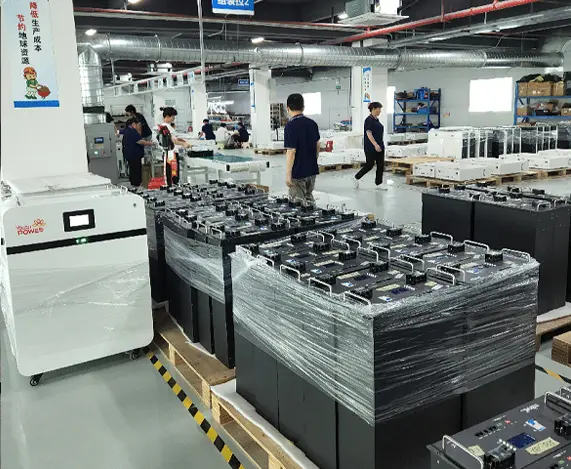
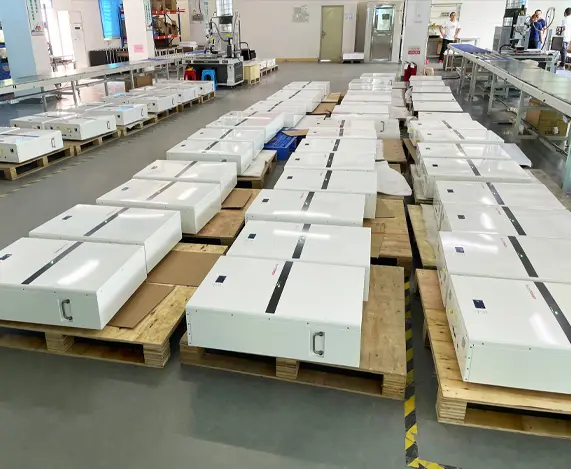
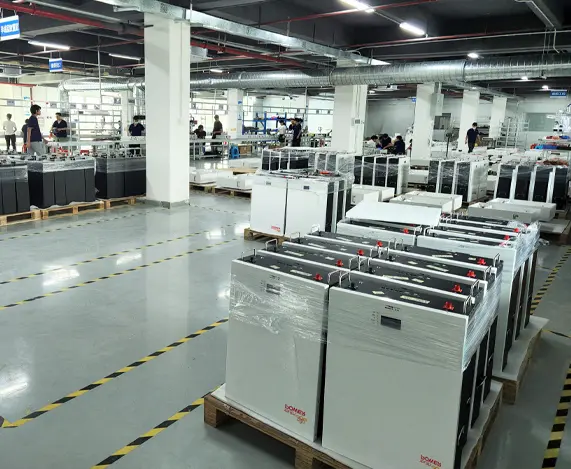
By leveraging advanced China Factory 4.0 production standards, YouthPOWER maintains an optimal balance between premium quality and cost efficiency. Our manufacturing line uses automated cell testing, sorting, and laser-welding equipment to build battery packs with uniform internal resistance and consistent performance characteristics. This automation helps prevent premature module degradation and extends the functional life of the overall system.
Our raw material supply chain ensures access to high-purity lithium carbonate and premium cathode materials. By sourcing directly and purchasing in volume, we can offer competitive price-to-kWh configurations. We pass these savings directly to regional distributors, EPC firms, and commercial developers throughout Jakarta and the wider ASEAN region.
This automated quality assurance minimizes defect rates and provides consistent batch reliability. For large-scale projects, this consistency translates directly to lower operating costs, simplified system maintenance, and predictable payback periods.
Essential parameters for project engineers and procurement managers shipping utility-grade energy storage systems into Jakarta.
For commercial installations, upfront purchase price is only one part of the financial equation. Savvy procurement teams calculate the Levelized Cost of Storage (LCOS). By selecting high-cycle LiFePO4 chemistry that delivers more than 6,000 cycles at 80% Depth of Discharge (DoD), organizations minimize cell replacement cycles, resulting in a lower total cost per kilowatt-hour stored over the project's lifetime.
Shipping large-capacity lithium batteries requires compliance with strict international regulations. Classified as Class 9 Dangerous Goods, all shipments must carry UN38.3 certification and meet MSDS safety packaging standards. Our logistics divisions coordinate ocean freight directly to Tanjung Priok Port, providing full documentation to ensure smooth clearance through Indonesian customs and timely delivery to your site.
Engineered for large factories, data facilities, and high-voltage commercial applications in the Greater Jakarta area.
Direct answers from our engineering division regarding prices, performance, and importing storage systems to Jakarta.
Pricing varies based on system voltage (low-voltage vs. high-voltage), continuous discharge requirements, and integration options. Generally, FOB factory prices for premium LiFePO4 cells range from $130 to $220 per kWh. Complete, high-voltage all-in-one commercial cabinets typically range between $200 and $350 per kWh, depending on the integration level of the inverters and automated cooling units. For bulk orders or project-specific bids, contact our technical sales team for a detailed quote.
Our batteries are designed for tropical climates. The physical enclosures use structural steel with anti-corrosive powder coatings (IP54 to IP66 options). Inside, cells are spaced to optimize airflow, and our advanced BMS actively monitors module temperatures. It adjusts thermal controls and, if necessary, reduces output currents to prevent thermal issues and keep the system within safe operating parameters.
Yes. Our integrated BMS is pre-configured with communication protocols for major global inverter manufacturers, including Deye, SMA, Victron, GoodWe, Solis, and Growatt. We provide setup documentation and wiring guides to ensure trouble-free integration and communication right out of the box.
Manufacturing typically takes 25 to 35 days, depending on system complexity and current order volumes. Ocean freight from our China port directly to Tanjung Priok in Jakarta takes about 10 to 14 transit days. We supply all required shipping documents—including UN38.3 test summaries, safety data sheets, and custom declarations—to minimize clearance times at the port.
We provide remote commissioning assistance, detailed engineering diagrams, and technical training for installation teams. Our technical support team helps resolve system integration questions, and we maintain an inventory of spare parts and replacement BMS units for quick dispatch to help minimize system downtime.
Whether you are designing a grid-tied industrial solar project in Bekasi or sourcing heavy-duty backup batteries for a data center in BSD City, our engineering team can configure an energy storage system to meet your specific requirements.
Send Inquiry Now & Request Custom Price Quotation YouthPOWER