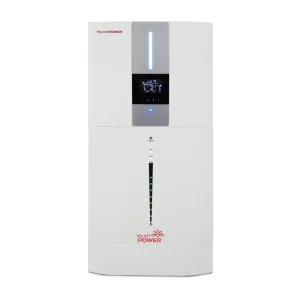
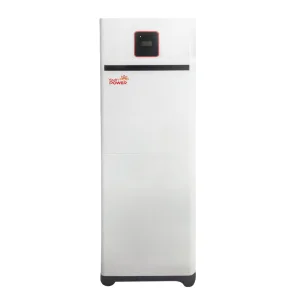
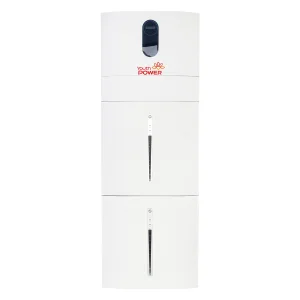
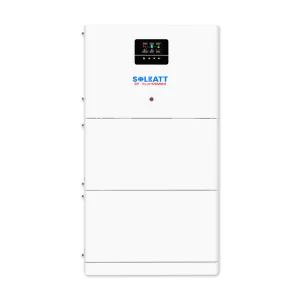
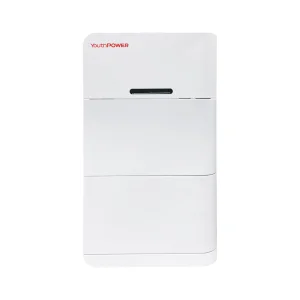
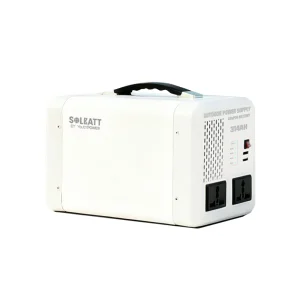
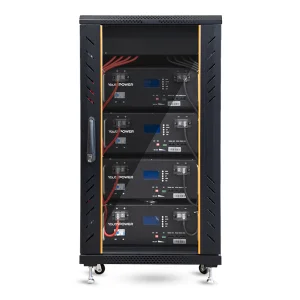
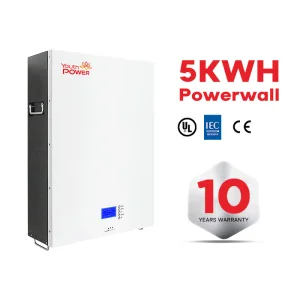
Engineered for high-altitude resilience, Swiss grid compliance, and seamless multi-mode residential backup operations.
Switzerland is undergoing a monumental transformation in its energy architecture. Following the declaration of the Swiss Energy Strategy 2050, which aims to phase out nuclear energy and scale up domestic renewable production, the integration of decentralized storage has transitioned from an environmental choice to a core structural necessity. Due to the unique topography and climatic variation across cantons (such as Zurich, Bern, Valais, and Graubünden), peak winter load demand presents a persistent challenge to grid stability.
This macro-shift directly drives the installation rate of high-capacity inverter batteries. With the phasing out of traditional feed-in tariffs, Swiss homeowners and industrial operators are prioritizing self-consumption optimization. By pairing photovoltaic (PV) arrays with intelligent battery storage systems, end-users can leverage up to 85% of their generated solar power on-site, insulating themselves from fluctuating peak-time network tariffs.
Understanding Capex, Opex, and Total Cost of Ownership (TCO) in Swiss Francs (CHF) and USD.
Includes high-voltage safety margins, local certifications, and structural installation inside Switzerland.
Utilizing A-Grade LiFePO4 cells with over 6,000 deep discharge cycles at 80% DoD.
Customs classification optimization under lithium-ion accumulator harmonized codes.
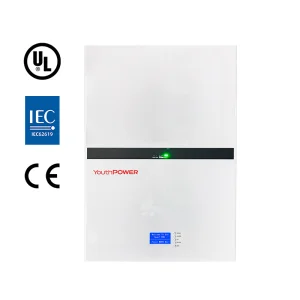
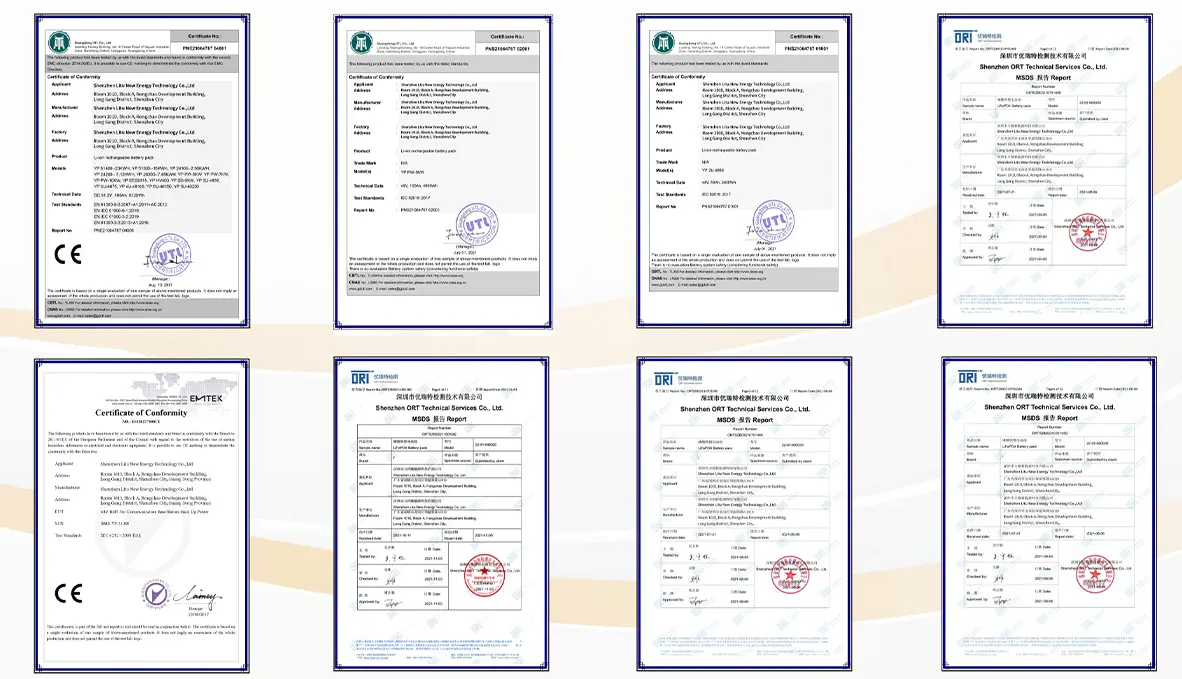
The purchase price of an inverter battery in Switzerland is heavily dictated by safety regulations (e.g., ESTI - Swiss Federal Inspectorate for Heavy Current Installations) and local installation labor rates. While European-branded battery storage cabinets command premium prices reaching up to CHF 900 - 1,200 per kWh, direct manufacturer sourcing from specialized global entities like YouthPOWER offers high-performance alternatives at a fraction of the cost, usually landing around USD 250 - 450 per kWh (FOB China). By importing factory-direct certified solutions, EPC contractors and solar installers in Switzerland can gain a massive cost advantage while meeting all necessary IEC 62619, CE, and UN38.3 standards.
The global dominance of Chinese lithium battery manufacturing is not merely a matter of labor scaling; it is a highly integrated, technological ecosystem. From raw material processing of lithium iron phosphate (LFP) chemistry to advanced automated battery management system (BMS) surface mount technology (SMT), Chinese factories operate on unmatched supply-chain efficiency.
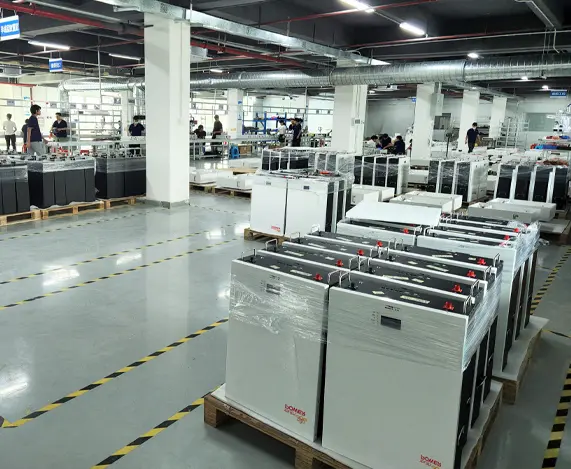
By purchasing direct from Tier-1 factories, Swiss energy integrators circumvent multiple layers of distributors, markups, and regional logistics delays. The production lines feature dynamic laser welding, automated charge-discharge sorting, and real-time thermography validation, ensuring that each cell packed into a residential or commercial cabinet demonstrates identical impedance and capacity characteristics.
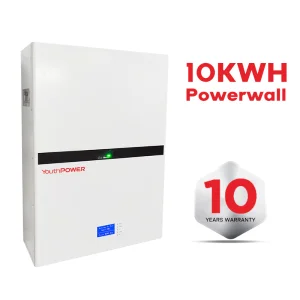
This rigorous manufacturing standard is what allows factories like YouthPOWER to offer up to 10-year structural warranties, supporting energy infrastructure across diverse climates from the Swiss Alps to South African off-grid zones.
Over 20 years of dedication to cell chemistry, system integration, and global clean energy deployment.
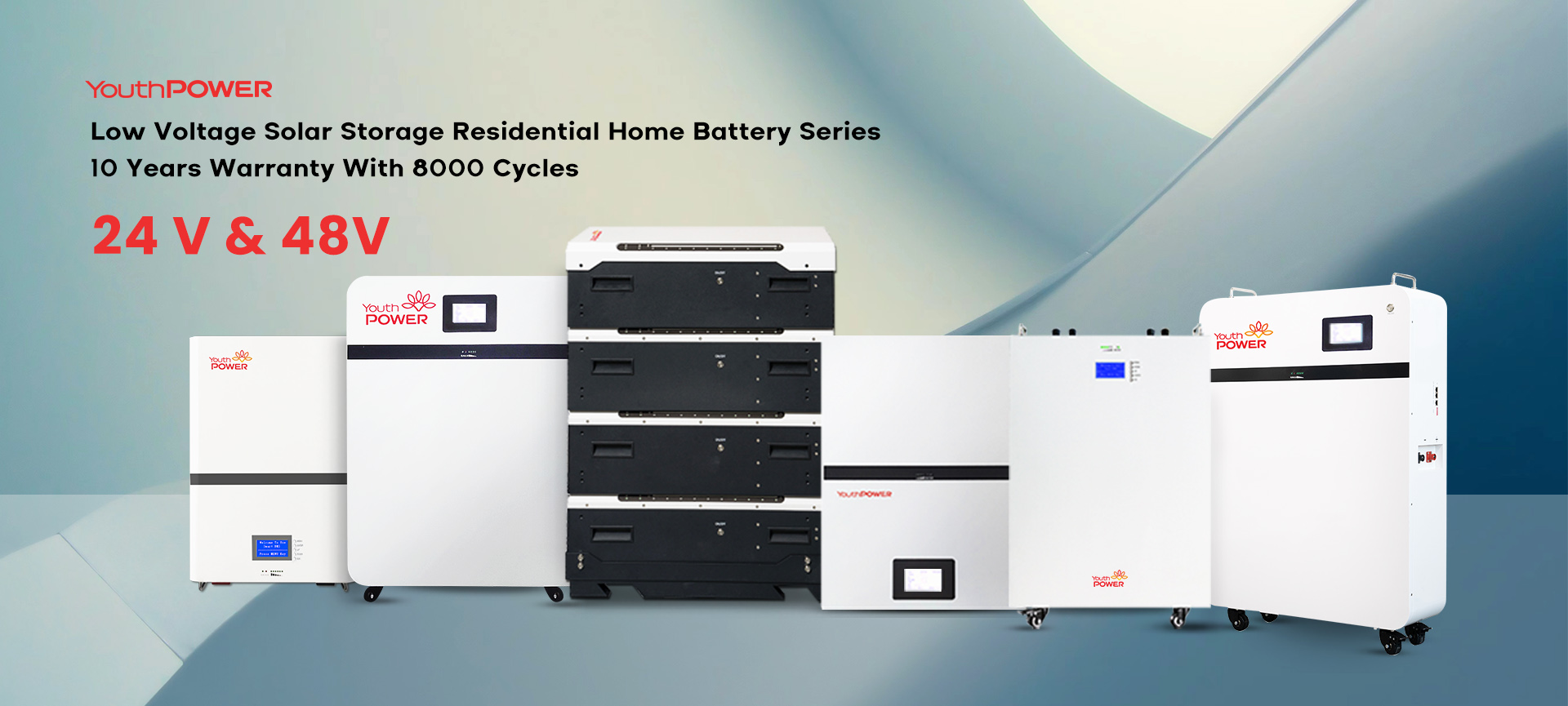
Founded in 2003, YouthPOWER has now become one of the leading suppliers of solar storage lithium batteries in the world. With a broad range of energy storage solutions, it covers a series of 24V, 48V and higher voltage lithium batteries solutions.
YouthPOWER has engaged in the battery technology and production for almost 20 years, with abundant manufacturing experience and strong new product R & D capability. Through many years of hard work and market promotion, we have created our own brand "YouthPOWER" in 2019.
With nearly 20 years' experience in the battery industry, we have the capability to provide you with both the products you need and the most suitable products you want. We are always ready to supply the first-class products and meet the various needs of the customers.
We have established good business relationships with our customers from all over the world. And we have a good cooperation with all our customers as well for many years running. Supported by our local vendors of raw materials, we can certainly offer you the best prices.
We are so proud that YouthPOWER has offered the reliable solar storage solution for over 1,000,000 families now in the world.
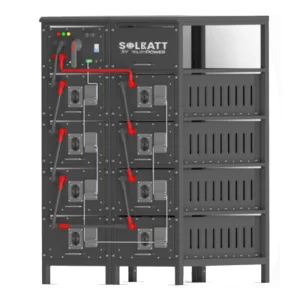
Every single ESS containerized cabinet or modular stack system undergoes structural aging tests, thermal run-away prevention checks, and communication protocol pairing with leading global hybrid inverters (including Studer, SMA, Solis, and Deye).
Establishment of state-of-the-art lead-acid and secondary chemical cell testing facility, laying the foundation for modern electrochemistry expertise.
Pivoted production architecture heavily into lithium iron phosphate (LiFePO4) packaging and BMS (Battery Management System) design.
Launched the global trademark brand "YouthPOWER", aligning our operations with tier-1 compliance requirements in Europe and North America.
Deployment of Smart High-Voltage Stackable batteries tailored specifically to complex grids, alpine microgrids, and high-safety residential standards globally.
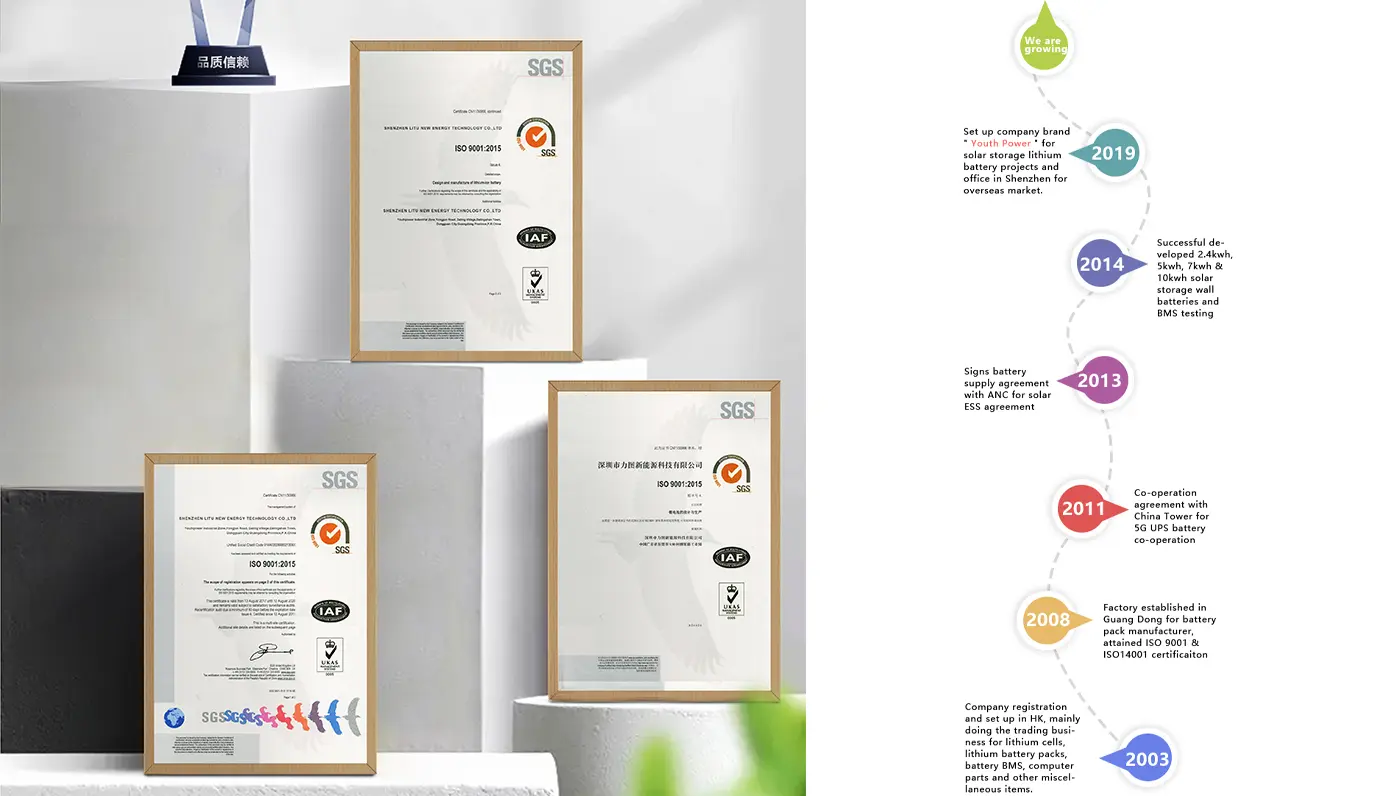
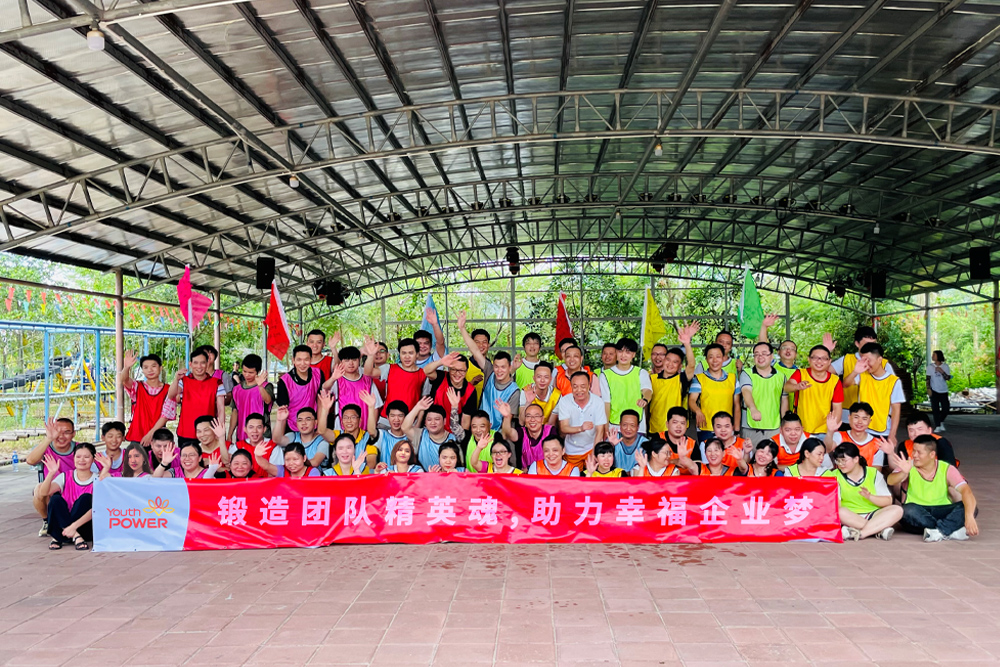
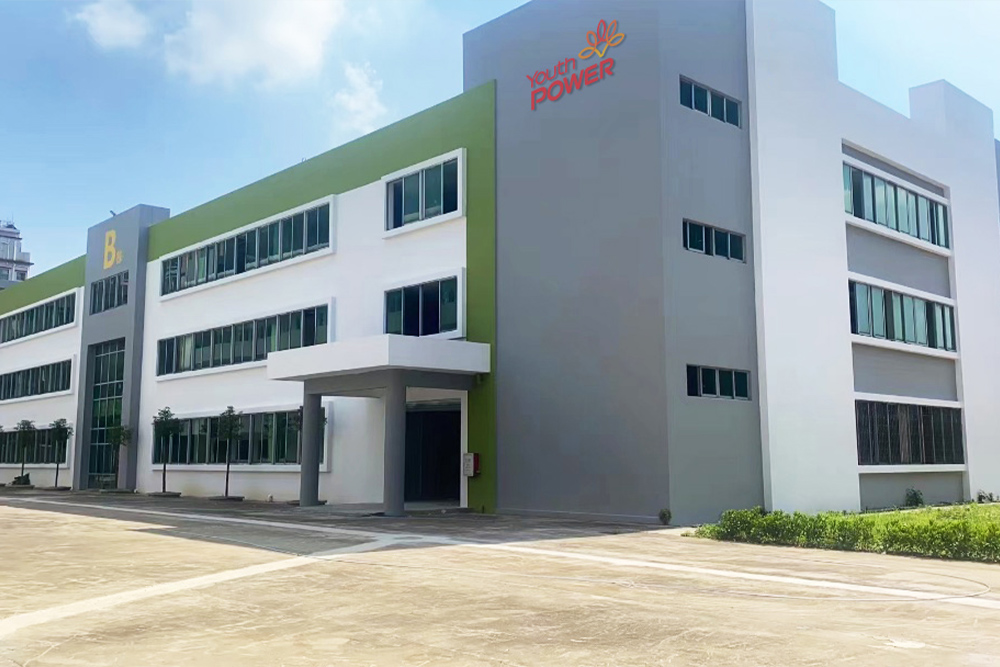
A glimpse into our production environments, testing bays, and logistics operations.
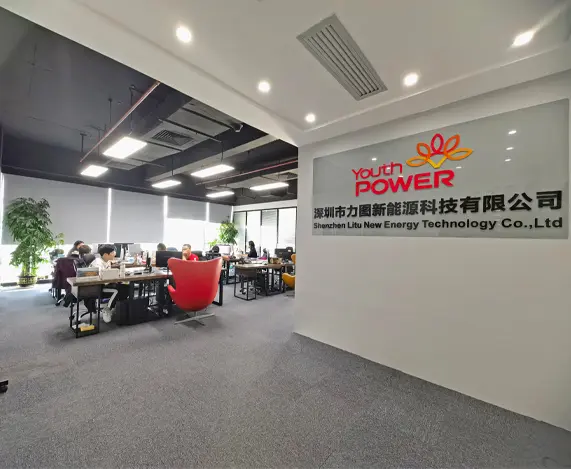
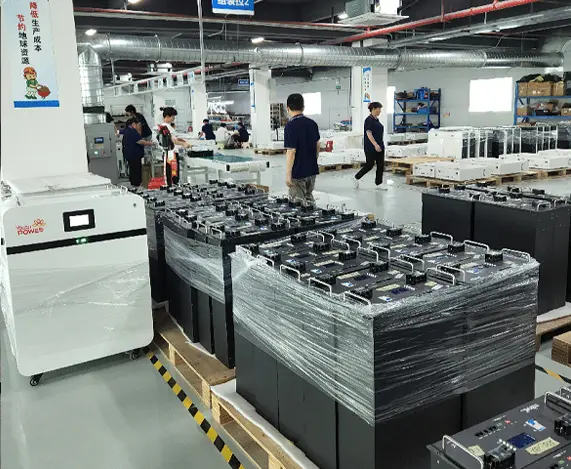
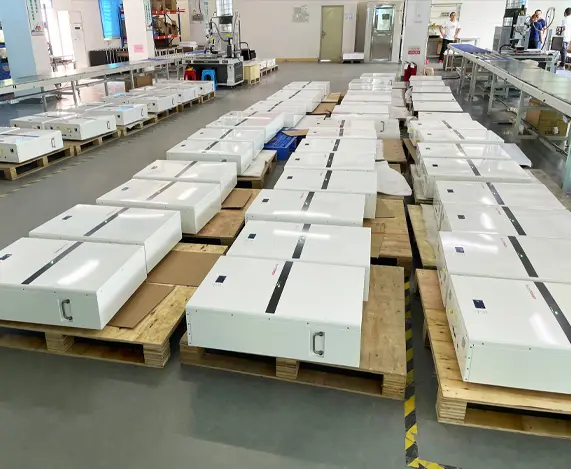
Explore our complete commercial, industrial, and high-voltage residential catalog designed to maximize self-reliance and backup potential in European markets.
For B2B distributors, engineering contractors, and grid architects across Europe, importing high-voltage ESS setups involves understanding precise technical metrics. System stability, integration with local EMS (Energy Management Systems), and dynamic grid feedback are major components of sourcing evaluation. YouthPOWER provides tailored system solutions for several key application fields in Switzerland:
By implementing a custom-engineered Battery Management System (BMS) with multi-level safety trip circuits, YouthPOWER systems prevent cell overcharge, balance cell impedance internally, and offer thermal management thresholds optimized for long, reliable life cycles.
Ensure your imports align with standard European and localized Swiss codes:
Critical answers regarding pricing, regulatory standards, import structures, and installation parameters.
Get in touch with our engineering and procurement team for direct factory pricing, custom specifications matching, and bulk shipping quotes to Switzerland.
Send Inquiry Now YouthPOWER