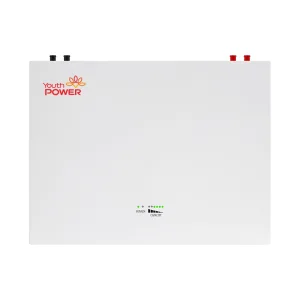
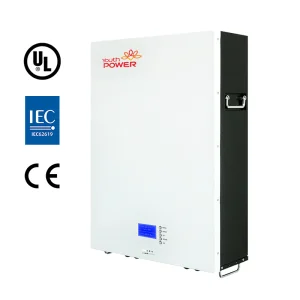
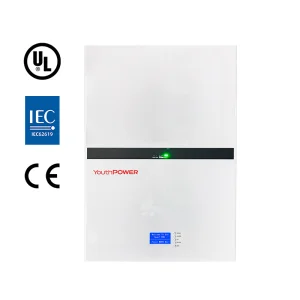
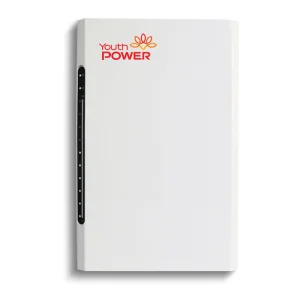
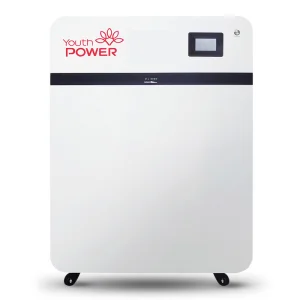
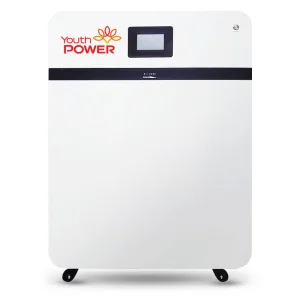
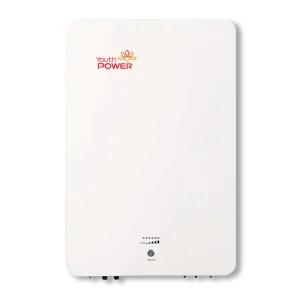
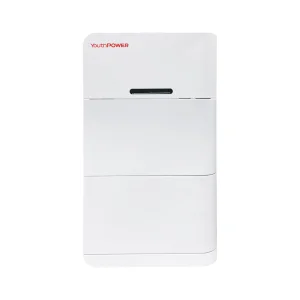
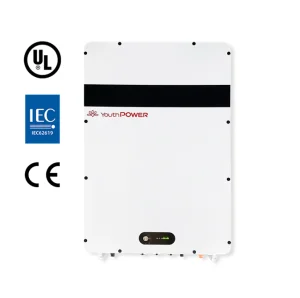
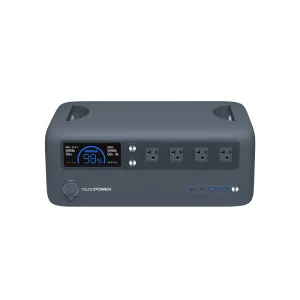
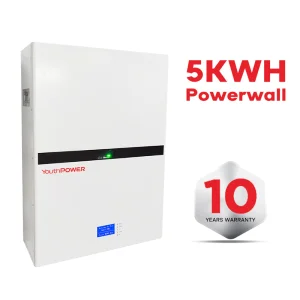
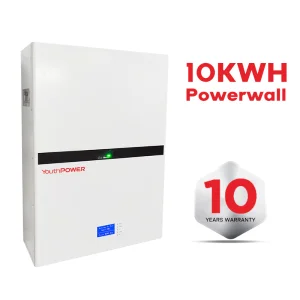
High-performance energy storage platforms tailored for integration with Luxembourg’s Creos grid compliance protocols and local solar configurations.
As a central European economic hub, Luxembourg is accelerating its energy transition under the National Energy and Climate Plan (NECP). The state targeting of substantial emissions reductions by 2030 has catalyzed a structural transition toward distributed solar photovoltaic (PV) generation coupled with decentralized residential battery storage systems.
For homeowners in the Grand Duchy, adopting home battery systems is no longer just an environmental aspiration; it is an optimized financial hedge. With electricity prices fluctuating and the Grand Duchy's "Klimabonus" initiative subsidizing residential storage investments at up to 62.5% of eligible costs (subject to capacity ceilings), the capital expense is drastically lowered.
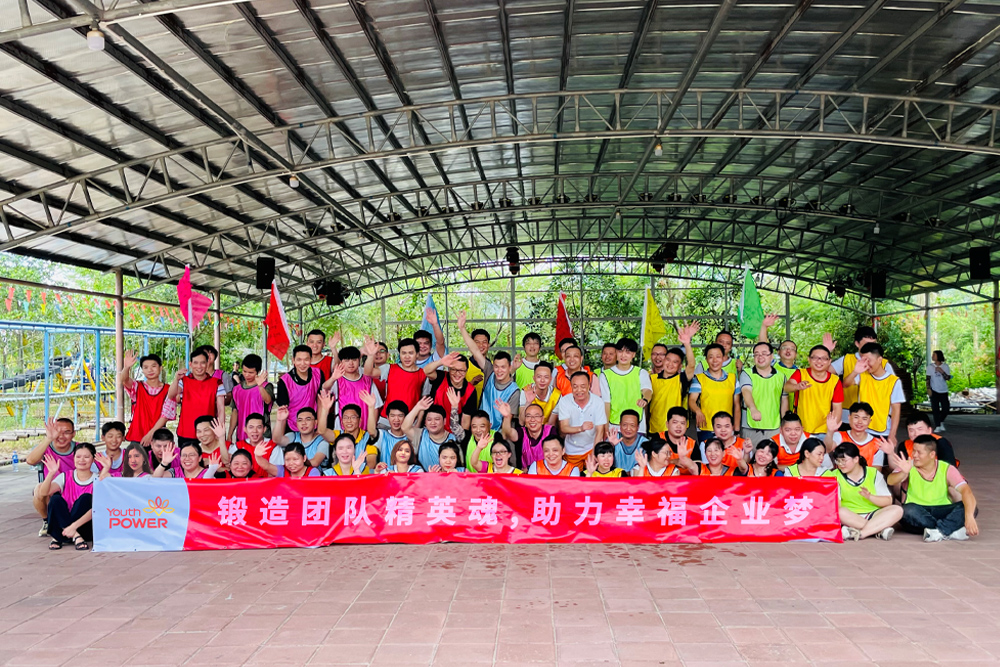
From historical countryside renovations to high-tech urban villas, customized storage profiles maximize energy resilience.
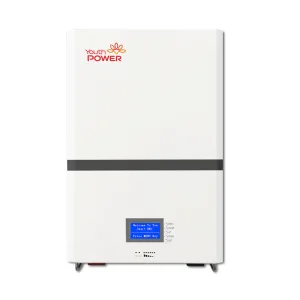
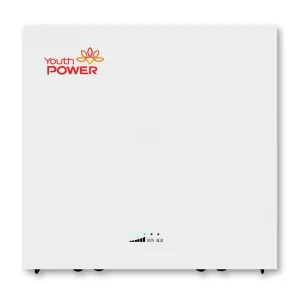
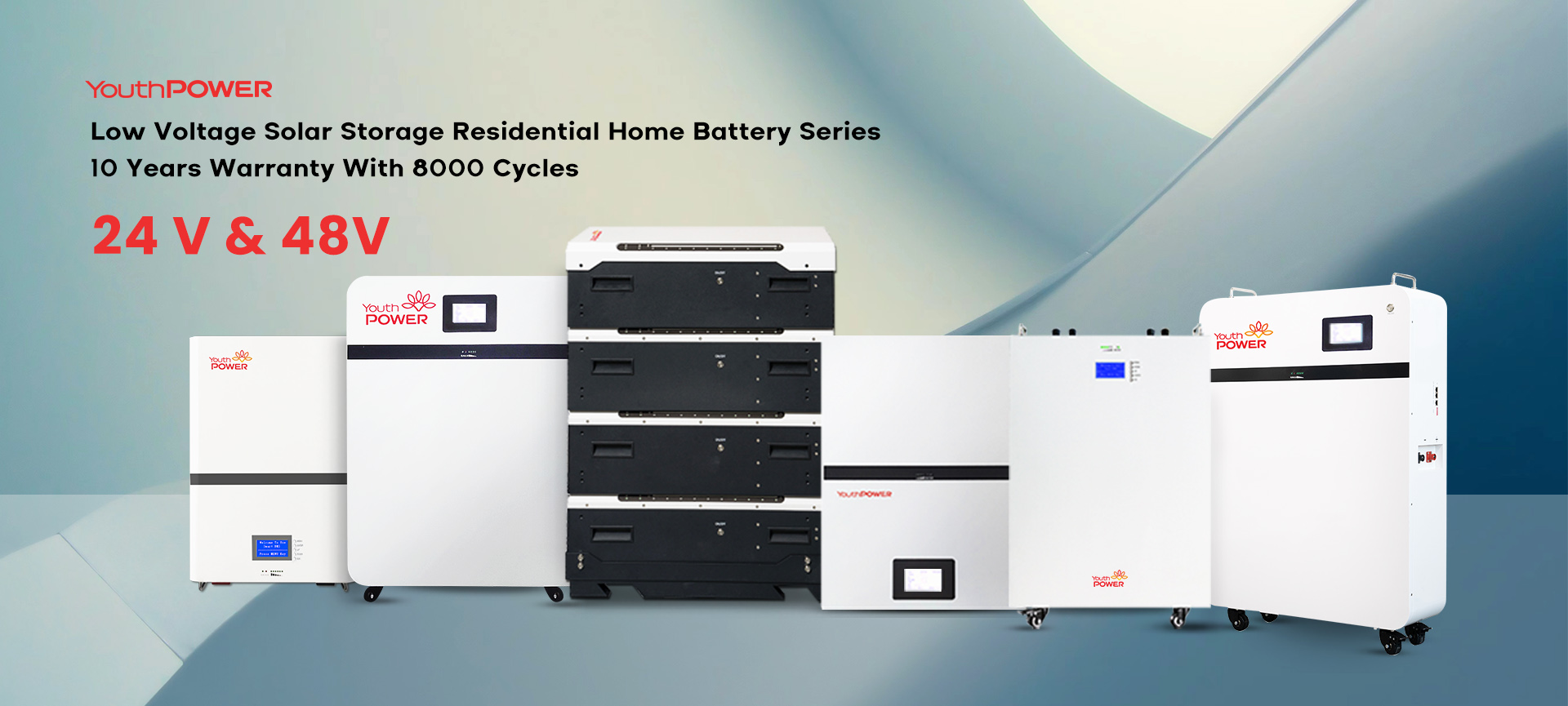
Luxembourgish properties present diverse spatial and structural profiles. Traditional estates in rural regions like Ardennes often require robust, decentralized, low-voltage systems to handle potential grid instability during winter storms. These configurations benefit from highly scalable modular batteries.
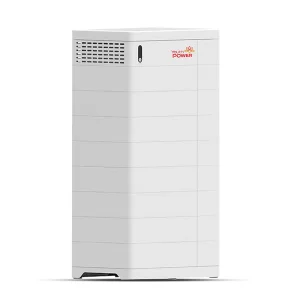
Conversely, modern villas in Luxembourg City demand space-efficient, high-aesthetic stackable systems that integrate seamlessly with high-voltage hybrid inverters. Standardizing on three-phase system designs ensures zero phase imbalances, complying with local distribution grid codes enforced by network operators such as Creos and Sudstroum.
Our product architectures support direct interface options for smart-home communication protocols, enabling direct control and monitoring via local energy management networks.
Engineered for architectural space constraints, high three-phase power demands, and dynamic hybrid system coupling.
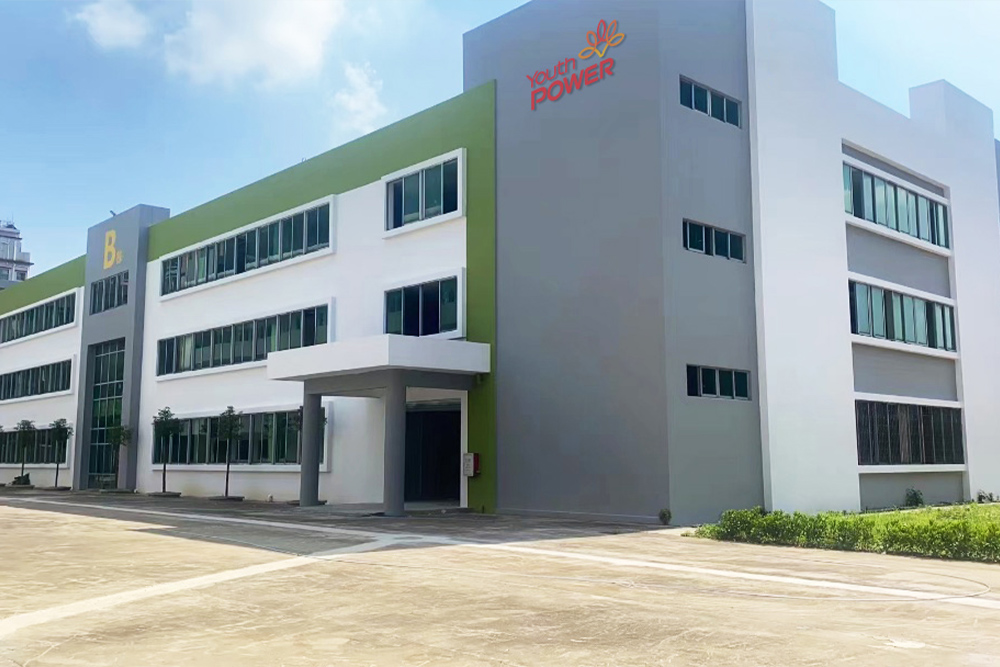
The production of top-tier residential batteries requires extreme manufacturing precision. Our state-of-the-art Factory 4.0 infrastructure in China integrates advanced MES (Manufacturing Execution Systems) to track each Lithium Iron Phosphate (LiFePO4) cell from raw material processing through final pack assembly.
By implementing high-automation laser welding, automated cell capacity sorting, and dynamic impedance testing, we guarantee that the cells within our batteries operate with minimal performance deviation. This precision manufacturing significantly mitigates local thermal stress, extending the typical cycle life to over 6,000 deep discharge cycles.
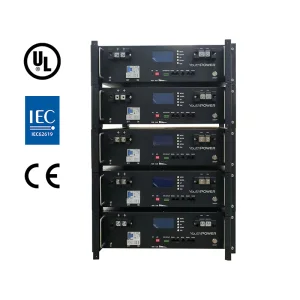
For global distributors and installation companies, this supply chain excellence ensures stable logistics, competitive costs, and rigorous compliance with international safety protocols (CE, UN38.3, IEC62619, UL1973).
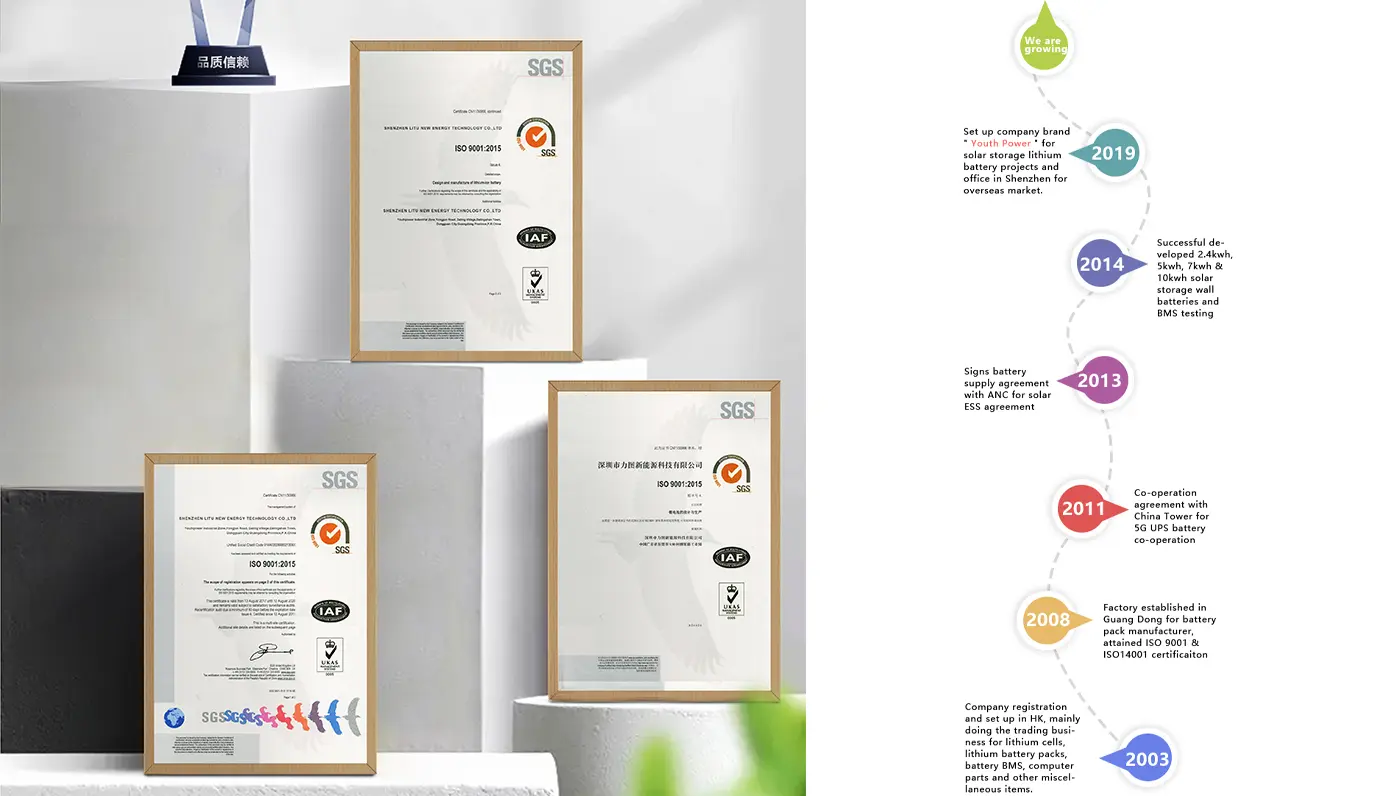
Founded in 2003, YouthPOWER has become one of the leading suppliers of solar storage lithium batteries in the world. With a broad range of energy storage solutions, it covers a series of 24V, 48V, and higher voltage lithium batteries solutions.
YouthPOWER has engaged in battery technology and production for almost 20 years, with abundant manufacturing experience and strong new product R&D capability. Through many years of hard work and market promotion, we created our own brand "YouthPOWER" in 2019.
We have established strong business relationships with our customers from all over the world. Our collaborative approach spans many years of continuous cooperation. Supported by our local raw material vendors, we offer competitive tier-1 pricing directly to residential and commercial integrators alike. We are proud that YouthPOWER has delivered reliable solar storage solutions to over 1,000,000 families worldwide.
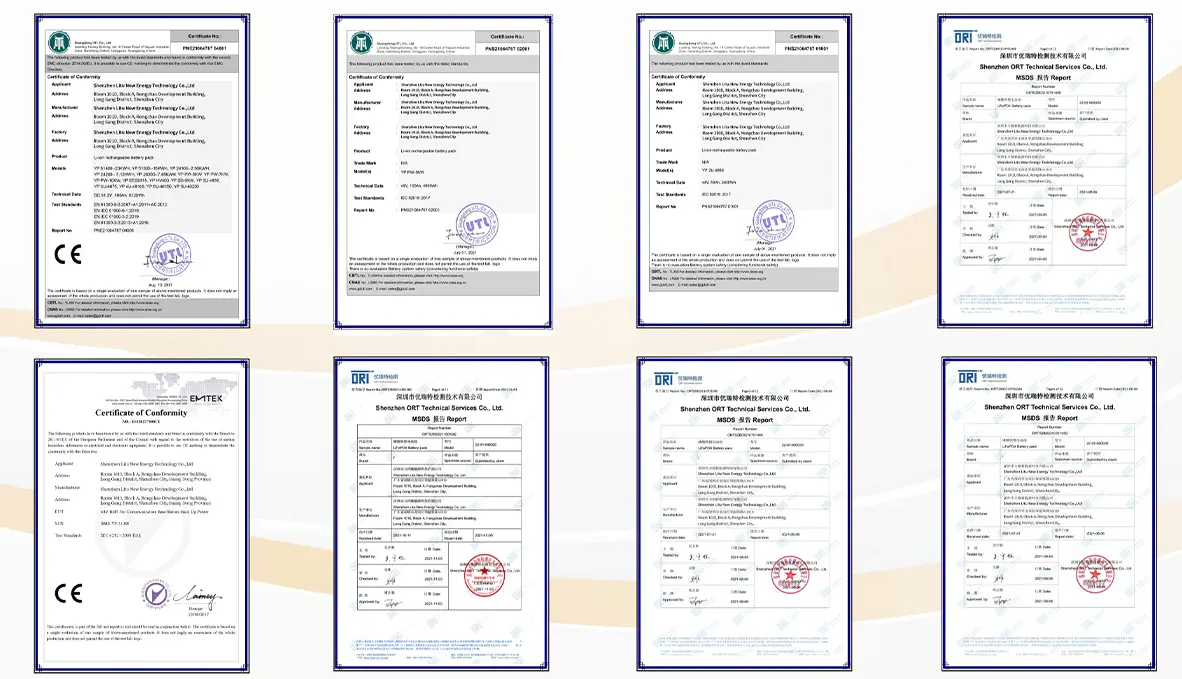
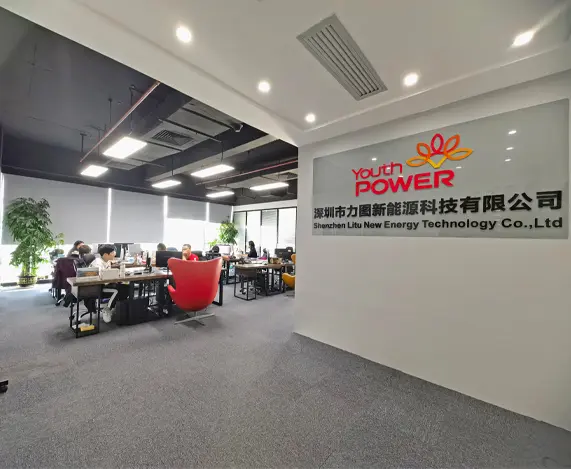
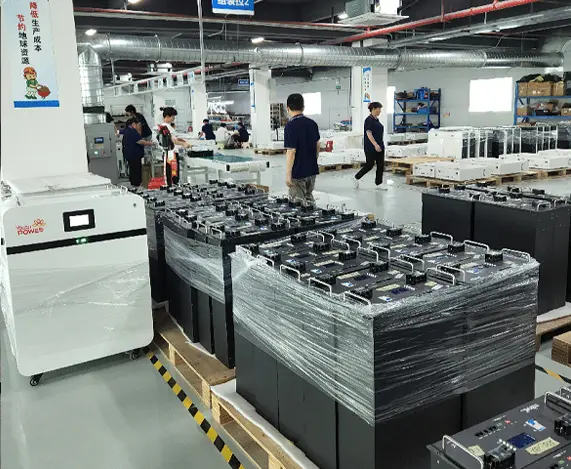
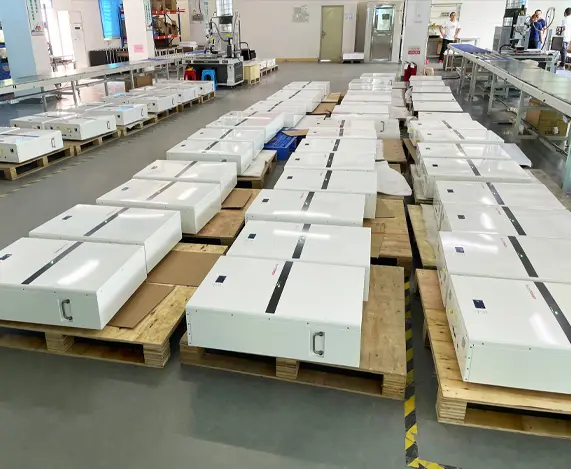
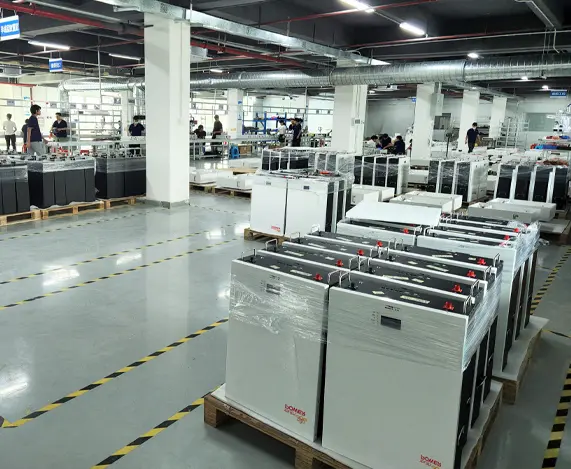
A timeline of innovation, engineering milestones, and scaling clean energy technologies worldwide.
Explore our full line of residential energy storage systems, certified for worldwide integration and local European distribution.
Technical and economic guidance on grid regulation compliance, pricing, subsidies, and configuration selections.
 YouthPOWER