 YouthPOWER
Brazilian Residential Energy Storage Market: The Transition to Autonomy
Brazil is witnessing an unprecedented transition in its distributed generation (GD) sector. Following the implementation of Lei Federal 14.300/2022, the Brazilian legal framework for micro and mini distributed generation has introduced a gradual charge on the distribution grid tariff component (commonly referred to as the Fio B). Under these revised rules, the historical net metering dynamic—where 1 kWh injected into the grid equaled 1 kWh consumed—is shifting. This creates a powerful economic incentive for behind-the-meter Residential Battery Energy Storage Systems (BESS).
Homeowners and commercial facilities across Brazil, from urban estates in São Paulo and Rio de Janeiro to agricultural production hubs in Mato Grosso and Goiás, are looking to minimize reliance on the centralized distribution network (operated by concessionaires like Enel, Neoenergia, and CPFL). By coupling high-cycle lithium iron phosphate (LiFePO4) storage chemistry with existing solar PV systems, consumers can lock in their levelized cost of energy (LCOE) and protect themselves against the unpredictable fluctuations of the national Bandeira Tarifária (Tariff Flags) pricing scheme.
"The integration of localized energy storage is no longer just a technical luxury for off-grid operations in the Amazon basin; it is now a primary financial hedging strategy against grid tariff inflation and network instability in urban and suburban Brazil."
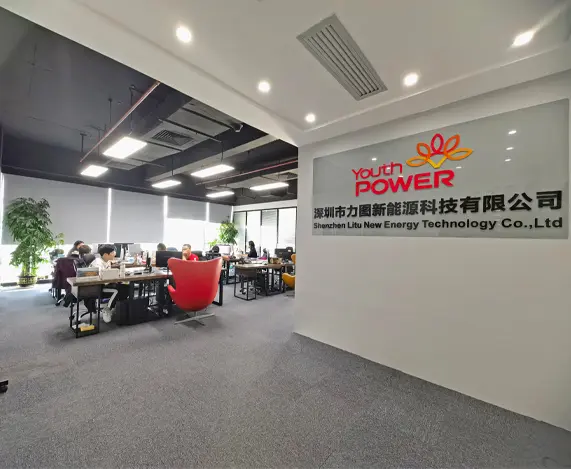
Corporate Profile & Global Integration
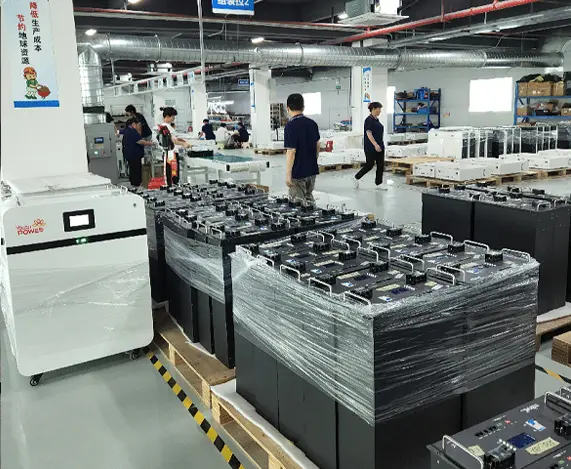
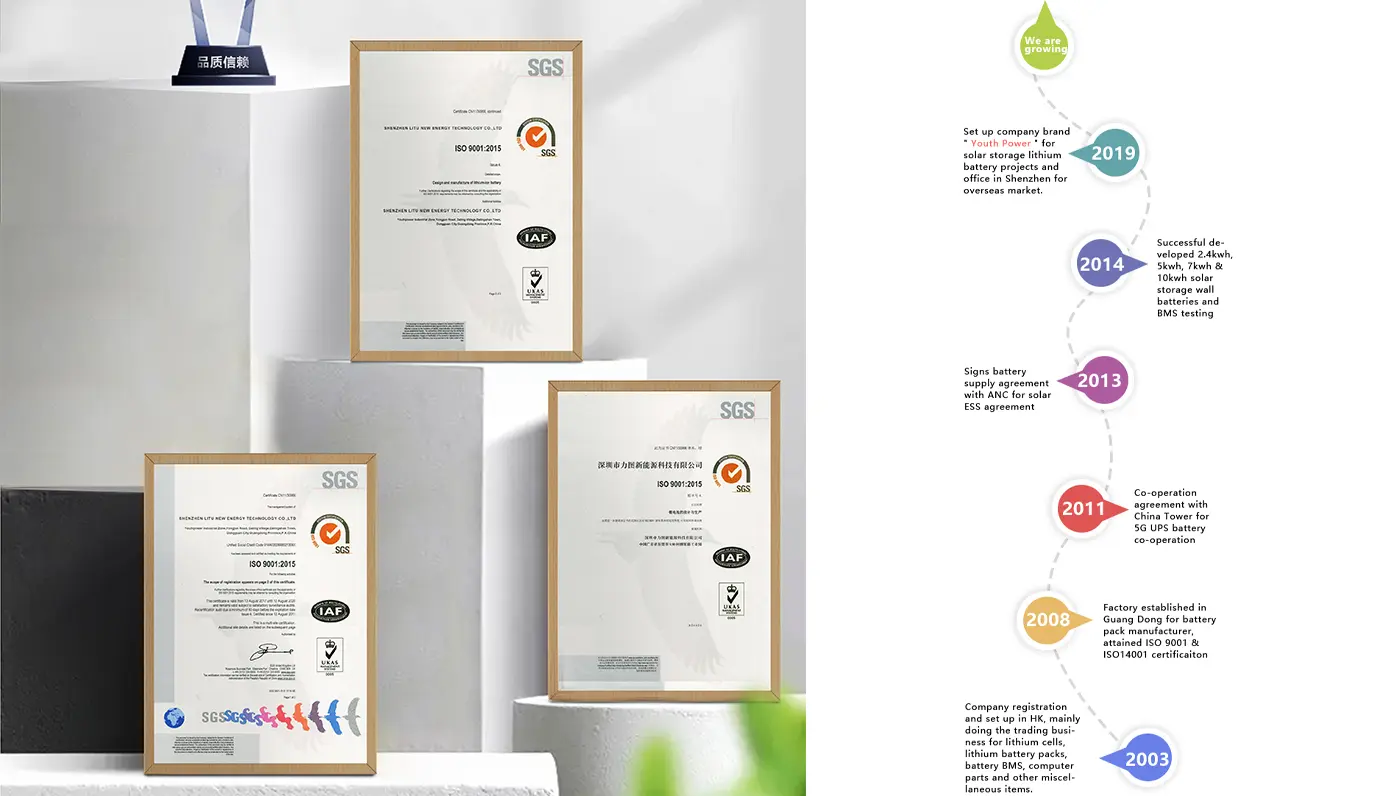
Founded in 2003, YouthPOWER has now become one of the leading suppliers of solar storage lithium batteries in the world. With a broad range of energy storage solutions, it covers a series of 24V, 48V and higher voltage lithium batteries solutions.
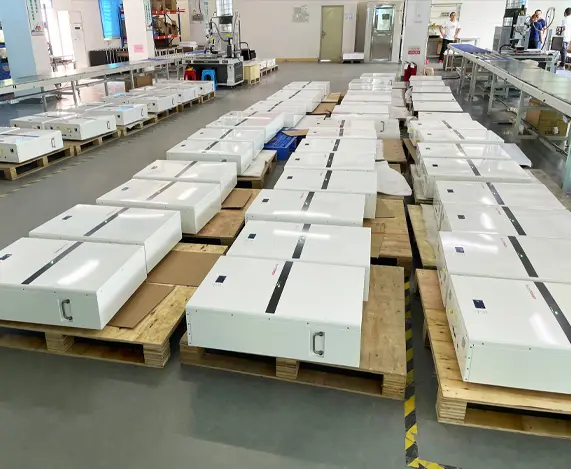
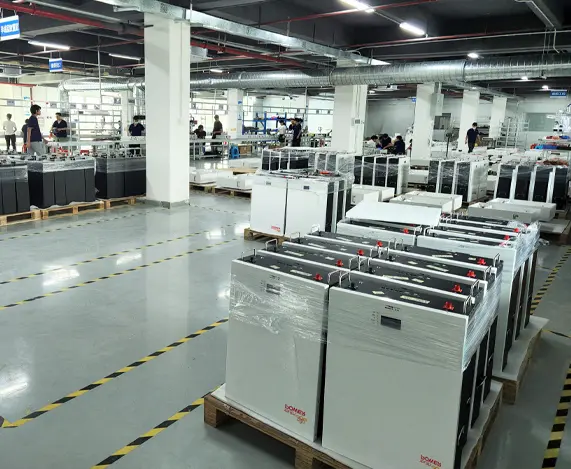
YouthPOWER has engaged in the battery technology and production for almost 20 years, with abundant manufacturing experience and strong new product R & D capability. Through many years of hard work and market promotion, we have created our own brand "YouthPOWER" in 2019.
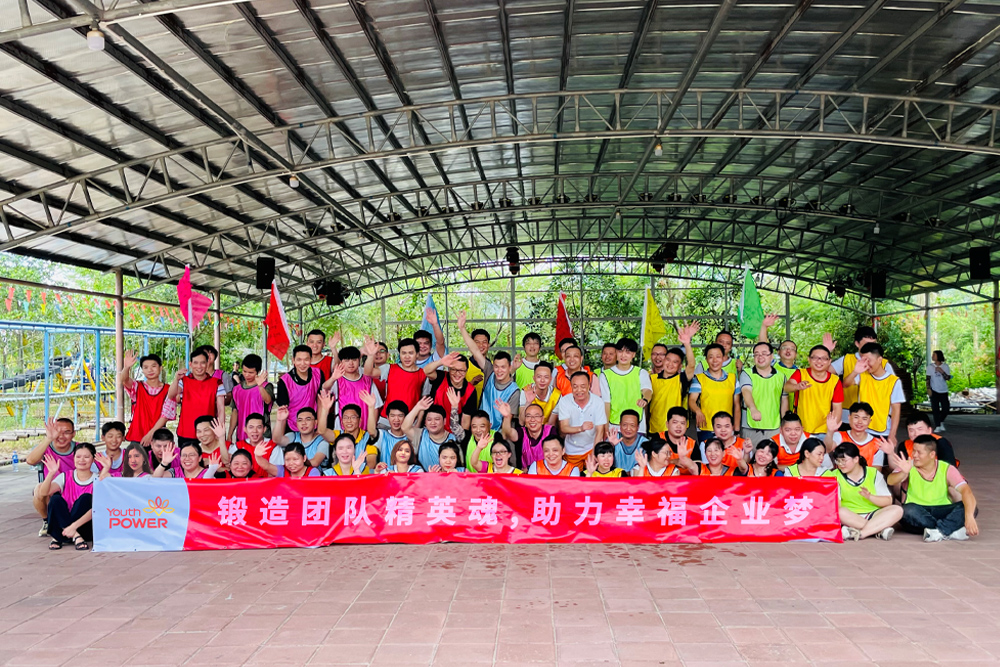
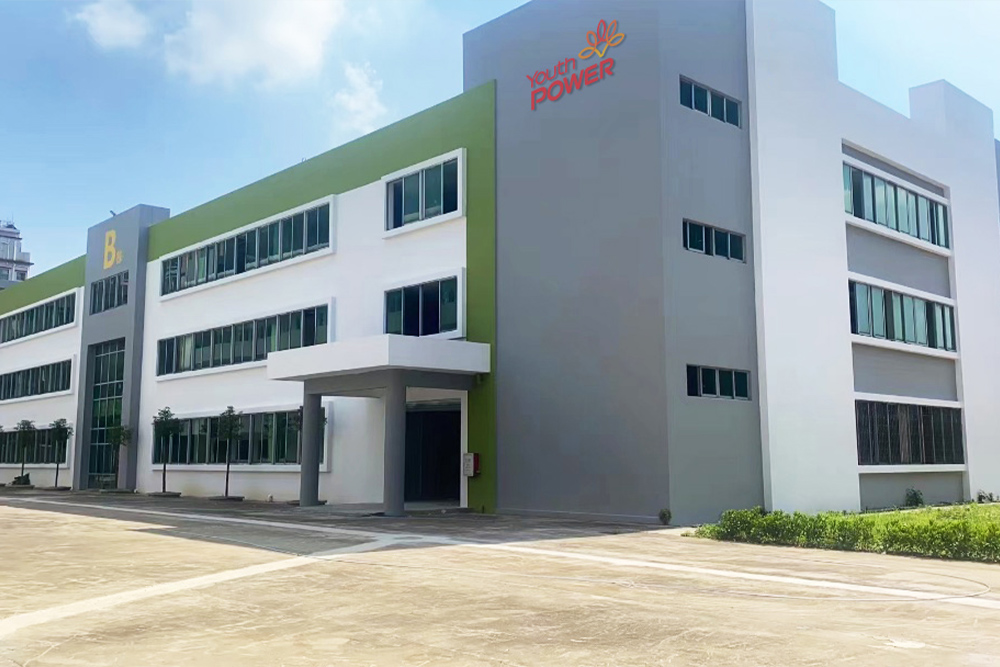
With nearly 20 years’ experience in the battery industry, we have the capability to provide you with both the products you need and the most suitable products you want. We are always ready to supply the first-class products and meet the various needs of the customers.
We have established good business relationships with our customers from all over the world. And we have a good cooperation with all our customers as well for many years running. Supported by our local vendors of raw materials, we can certainly offer you the best prices.
We are so proud that YouthPOWER has offered the reliable solar storage solution for over 1,000,000 families now in the world.
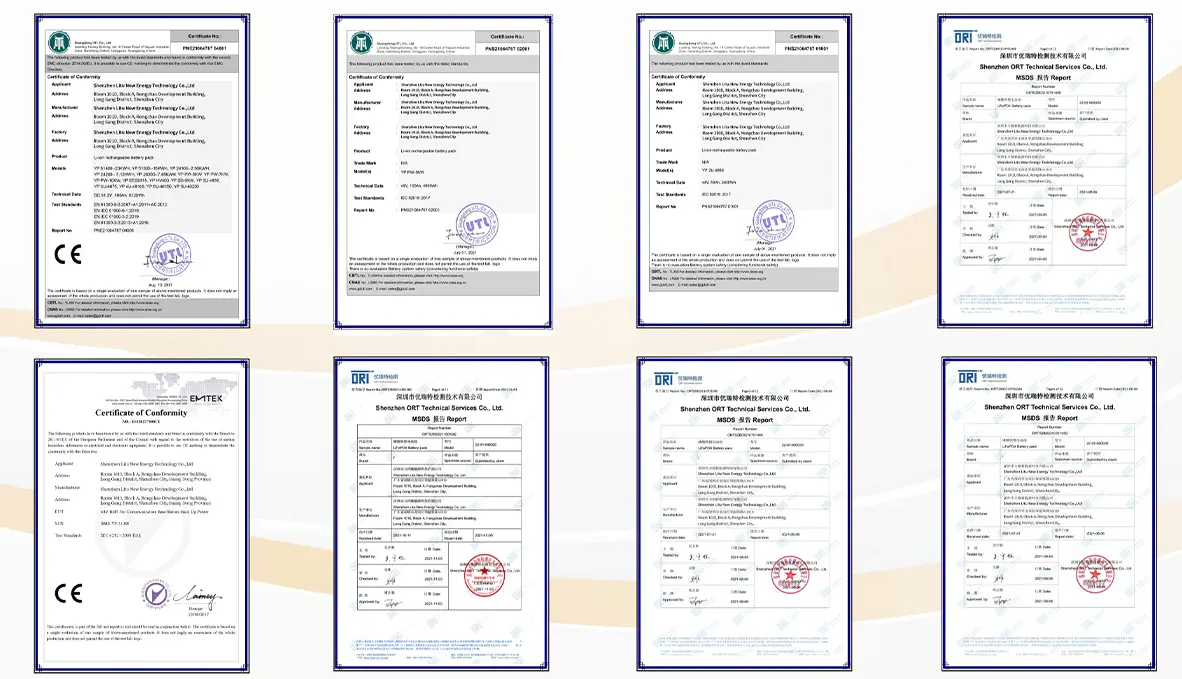
Our global expansion strategies are anchored on local partnerships and regulatory engineering. By offering customized localized support, we guarantee that all product deployments match local electrical codes, seismic certifications, and regional temperature profile dynamics.
Industrial Infrastructure & Technical Milestone Path
Technical Comparison: High Voltage vs. Low Voltage Architecture in Brazil
Selecting the ideal residential battery layout requires a deep understanding of the differences between Low Voltage (LV - typically 48V/51.2V) and High Voltage (HV - 200V to 400V+) storage systems. In Brazil, where regional grid setups can vary significantly between single-phase (127V/220V) and three-phase (220V/380V) configurations, the selection of the battery system has a direct impact on inverter pairing and overall round-trip conversion losses.
| Technical Parameter | Low Voltage ESS (48V / 51.2V) | High Voltage Stackable ESS (200V - 400V) | Impact on Brazilian Grid Users |
|---|---|---|---|
| Typical Applications | Small to medium residential installations, retrofits | Large estates, commercial, peak-shaving applications | High-end urban condominiums prefer HV systems for fast response times |
| System Efficiency | ~88% to 91% conversion efficiency | 95% to 97% conversion efficiency | HV systems waste less solar power during active DC-to-AC conversion |
| Cable Cross-Section & Cost | Thick copper cables required (high current handling) | Standard diameter solar PV cabling (low current handling) | HV installations reduce installation time and cabling costs across Brazil |
| Inverter Compatibility | Widely compatible with standard low-voltage hybrid units | Requires dedicated high-voltage hybrid string inverters | HV systems pair well with high-capacity three-phase inverters |
Application Scenarios in the Brazilian Market
To fully appreciate the versatility of YouthPOWER’s product range in South America, we examine three dominant application scenarios across Brazil:
Scenario A: Urban Peak Shaving & Outage Protection
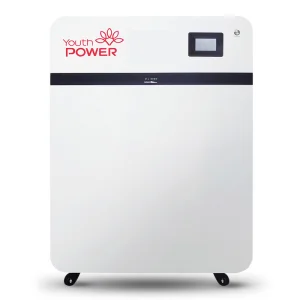
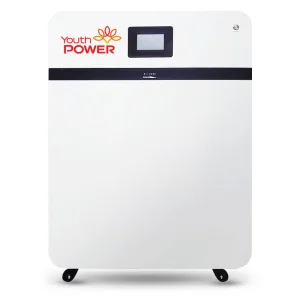
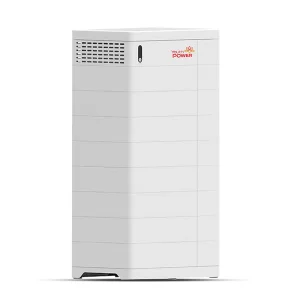
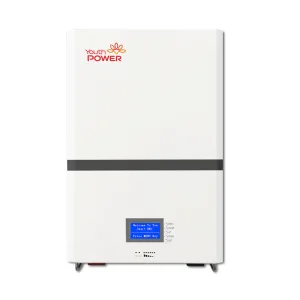
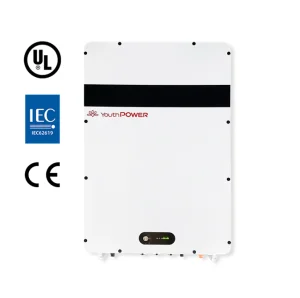
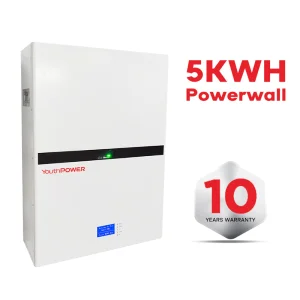
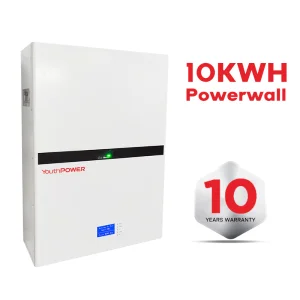
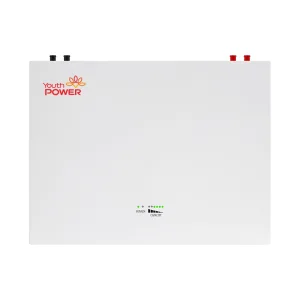
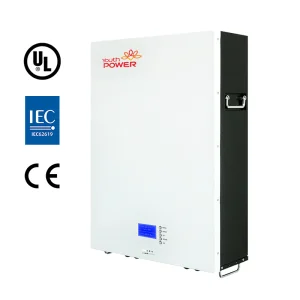
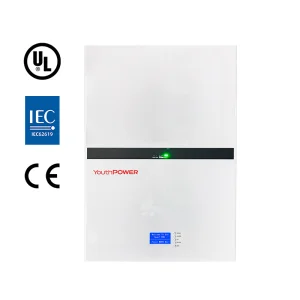
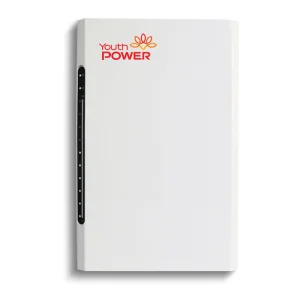
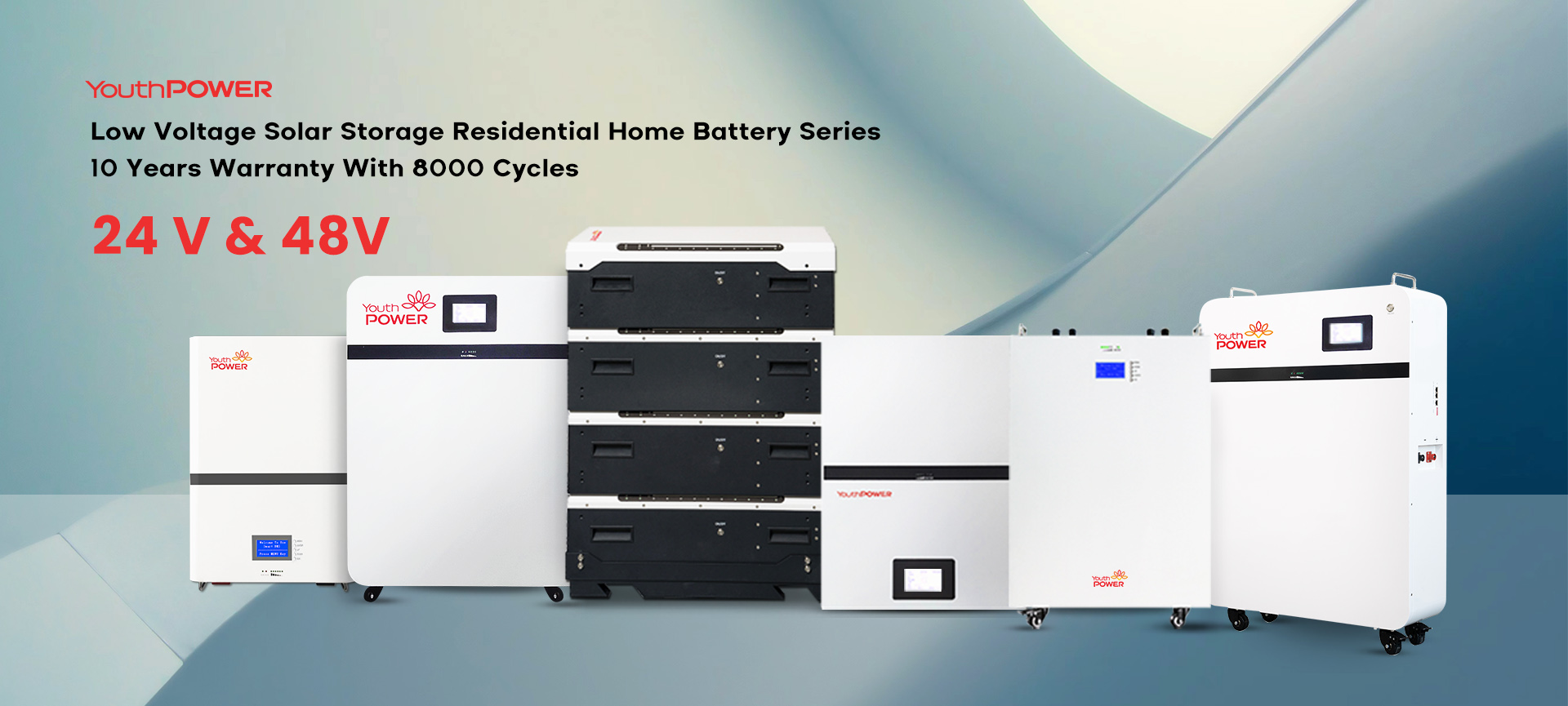
In metropolitan centers like São Paulo, Rio de Janeiro, and Belo Horizonte, grid reliability is frequently challenged by summer tropical storms (tempestades de verão). A residential battery system such as the YouthPOWER Powerwall 5kWh/10kWh acts as an instantaneous backup, ensuring seamless transition during outages. Additionally, commercial and high-end residential users deploy these systems for peak shaving: charging the battery bank using low-cost off-peak electricity or rooftop solar, and discharging it during peak pricing windows (typically 18:00 to 21:00) when grid tariffs peak.
Scenario B: Microgrid Integration in Remote Agricultural Farms
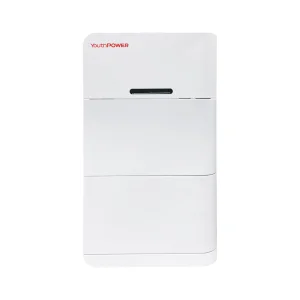
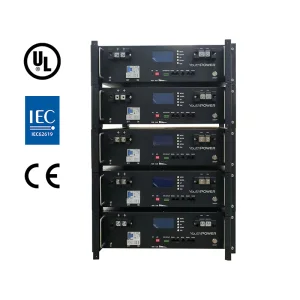
Brazil is an agricultural superpower. Farms located in states like Mato Grosso, Bahia, and Tocantins often rely on long, single-phase grid connections prone to severe voltage drops and instability. Integrating a heavy-duty 20kWh 51.2V 400Ah Battery System or a stackable high-voltage battery unit allows farms to hybridize diesel generators with solar PV. This results in fuel consumption reductions of up to 65% and ensures continuous operation of critical machinery and irrigation systems.
Scenario C: Off-Grid and Mini-Grid Decarbonization in the Amazon Region
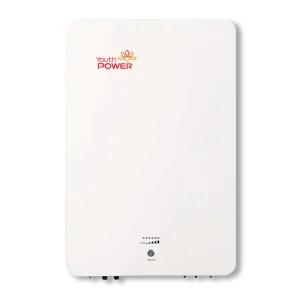
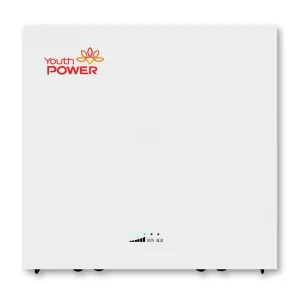
For remote communities in northern Brazil (Amazonas, Pará, Acre), connection to the national grid (SIN) is physically impossible. Historically, power generation was dominated by expensive, high-maintenance diesel generators. The deployment of robust, IP65-rated waterproof storage solutions like the YouthPOWER Waterproof Solar Box 10KWH provides an ideal clean energy solution, protecting internal electronics from high humidity and extreme ambient temperatures.
Compliance Standards & Fiscal Policy (INMETRO & ABNT)
Navigating the import and installation process of residential storage in Brazil requires strict compliance with domestic certification standards. Manufacturers exporting to Brazil must adhere to:
- INMETRO Certification (Portaria 140/2022): Establishes the safety and performance requirements for lithium batteries used in photovoltaic generation systems. YouthPOWER ensures high-grade cell testing to meet these criteria.
- ABNT NBR 16149 / ABNT NBR 16274: Sets the guidelines for utility-interconnected photovoltaic systems and battery storage commissioning standards.
- Fiscal Optimization (Ex-Tarifário & ICMS): Importers should pay close attention to potential tariff exemptions (Ex-Tarifário) for highly specialized technology segments. State-level ICMS exemptions under Convênio ICMS 101/97 are also key factors in project feasibility calculations.
Brazil Market Price Analysis & ROI Calculation
When evaluating the cost of residential batteries in Brazil, the initial price structure depends on importing costs, local freight, state taxes (ICMS), and distributor margins. While standard LFP batteries range from $200 to $350 USD per kWh (FOB China factory price), the landed and installed cost in Brazil typically ranges between R$ 2.500 to R$ 4.500 per kWh.
Below is a typical financial model showcase showing the return on investment (ROI) for a Brazilian household in São Paulo (consuming ~600 kWh/month under the B1 conventional residential tariff):
| Factor | Without Storage (Standard Solar PV Only) | With Solar PV + YouthPOWER 10kWh Battery System |
|---|---|---|
| Average Grid Dependency | ~60% (High night-time draw) | <15% (High self-sufficiency) |
| Peak Hours Cost Impact | High (Subject to Red Flag Tariff levels) | Zero (Battery discharges during peak times) |
| Estimated Payback Period | 4.5 to 5.5 Years | 6.0 to 7.0 Years (with expanded backup security) |
| Lifespan and Warranty | Inverter swap after 8-10 years | 6000+ Cycles (15+ Year operational life) |
Ready to Customize Your Storage Solution?
Contact our engineering specialists today to receive a comprehensive technical proposal and customized price quote tailored for the Brazilian solar distribution market.
Send Inquiry Now