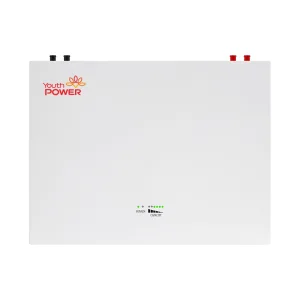
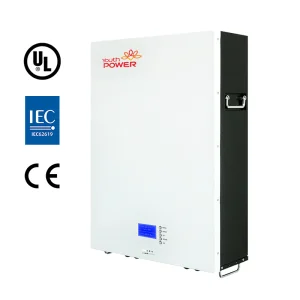
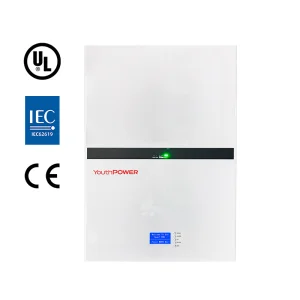
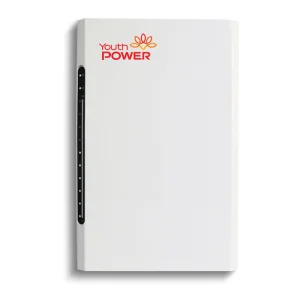
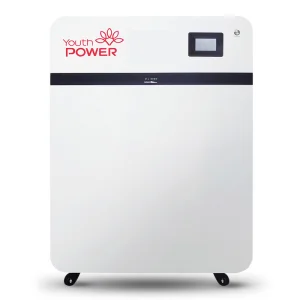
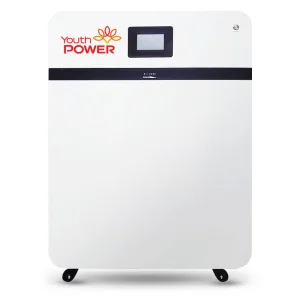
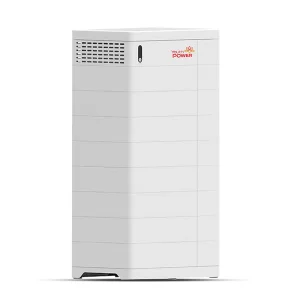
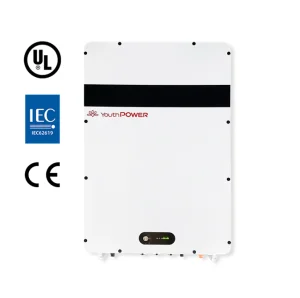
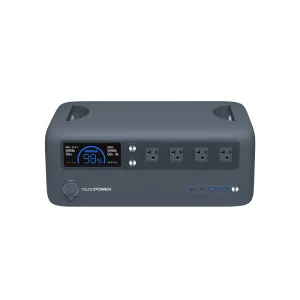
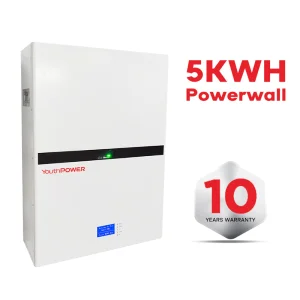
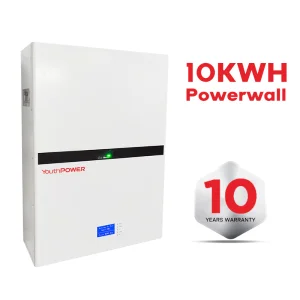
Engineered for extreme reliability, urban spatial efficiency, and safety. Ideal for Japanese smart home energy storage, local grid compliance, and back-up power management.
Starting in April 2025, the Tokyo Metropolitan Government (TMG) has instituted a landmark mandate requiring all newly constructed single-family homes and residential buildings built by major housing developers to install solar PV panels. Consequently, this policy shift has triggered an unprecedented surge in demand for local residential battery storage systems. Under Tokyo's high-density urban geography, safety, system footprint, and grid integration are paramount selection parameters.
Tokyo's electricity profile is characterized by high peak rates and vulnerability to natural disasters (typhoons and earthquakes). Homeowners are moving from the feed-in tariff (FIT) export model to a self-consumption framework (post-FIT), leveraging advanced lithium iron phosphate (LiFePO4) chemistries to store excess daytime solar energy and offset expensive evening grid power.
Pricing Drivers in Tokyo: Residential energy storage systems typically range from JPY 800,000 to JPY 1,800,000 installed, heavily influenced by the Kanto region's strict installation labor codes, fire department fireproof boundaries, and grid-connection approval processes. Subsidies from TMG can cover up to 50% of the equipment costs, positioning high-grade imported battery modules as highly competitive solutions.
Founded in 2003, YouthPOWER has now become one of the leading suppliers of solar storage lithium batteries in the world. With a broad range of energy storage solutions, it covers a series of 24V, 48V and higher voltage lithium batteries solutions.
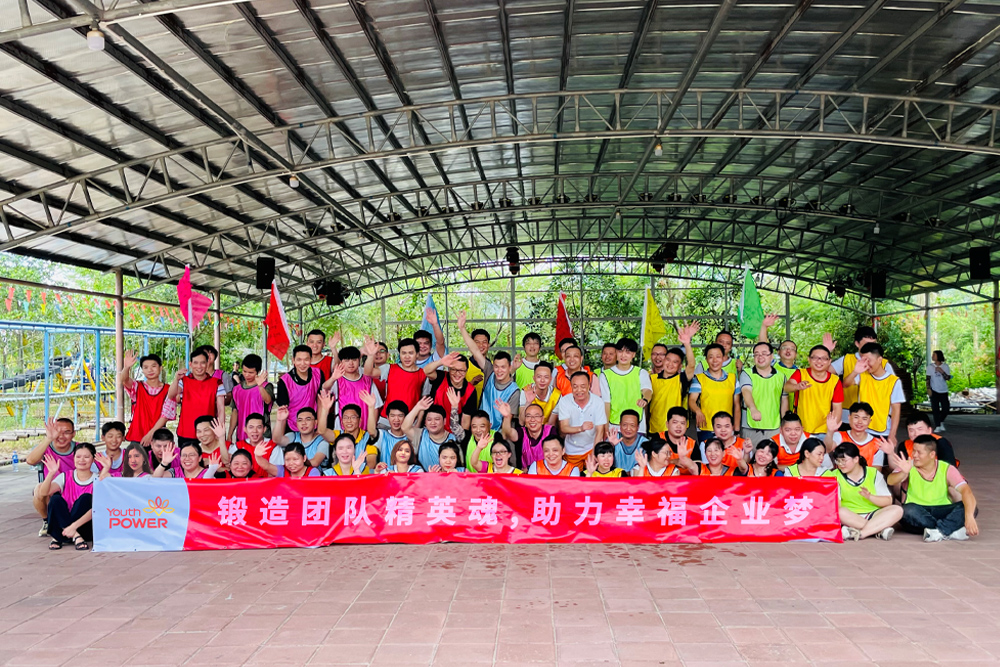
YouthPOWER has engaged in the battery technology and production for almost 20 years, with abundant manufacturing experience and strong new product R & D capability. Through many years of hard work and market promotion, we have created our own brand "YouthPOWER" in 2019.
With nearly 20 years’ experience in the battery industry, we have the capability to provide you with both the products you need and the most suitable products you want. We are always ready to supply the first-class products and meet the various needs of the customers.
We have established good business relationships with our customers from all over the world. And we have a good cooperation with all our customers as well for many years running. Supported by our local vendors of raw materials, we can certainly offer you the best prices.
We are so proud that YouthPOWER has offered the reliable solar storage solution for over 1,000,000 families now in the world.
Using exclusive Automotive Grade A Lithium Iron Phosphate (LFP) cells. LFP has high thermal stability, meaning thermal runaway is virtually non-existent, a safety profile essential for the densely populated suburbs of Tokyo.
Proprietary Battery Management System (BMS) offers real-time cell balancing, over-voltage protection, over-current limits, and advanced temperature monitoring. Connects seamlessly with CAN/RS485 systems.
Support stackable high-voltage connections up to 400V. Reduces energy transmission loss, optimizes conversion rates, and minimizes wire diameter requirements, cutting home installation costs.
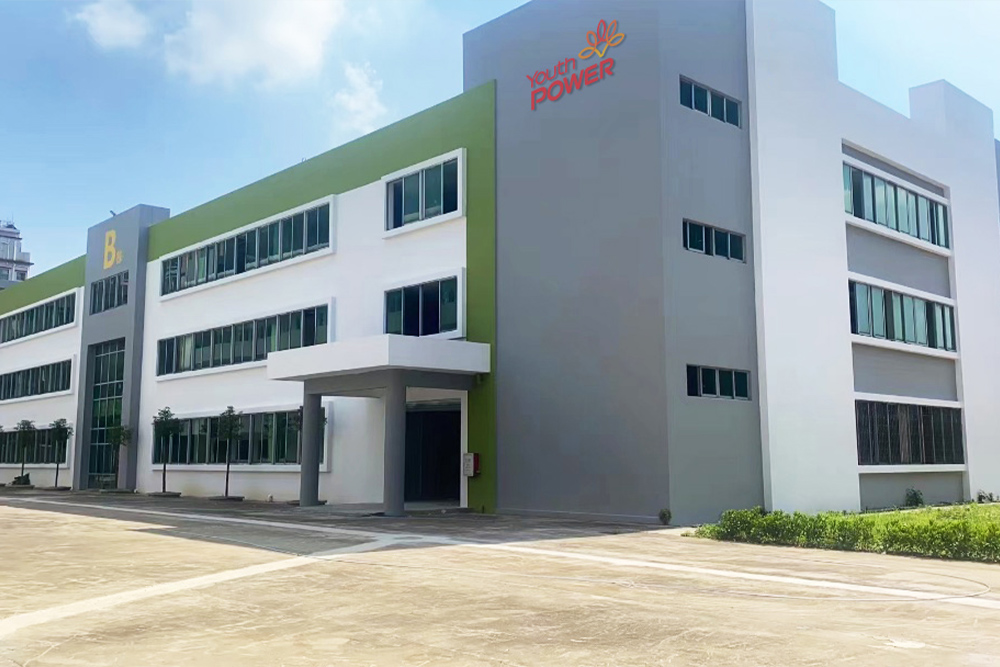
Explore our standardized factory facilities dedicated to clean production, high reliability, and strict quality control.
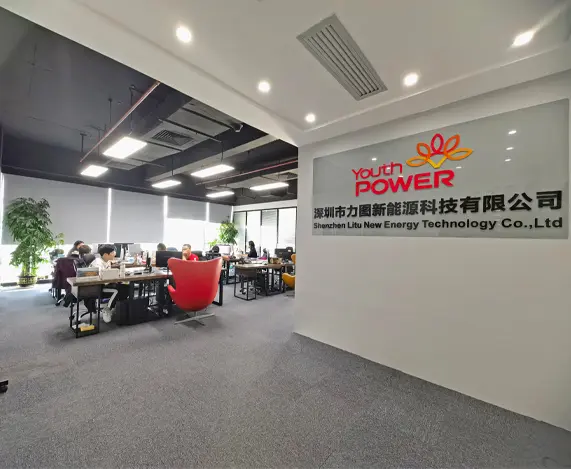
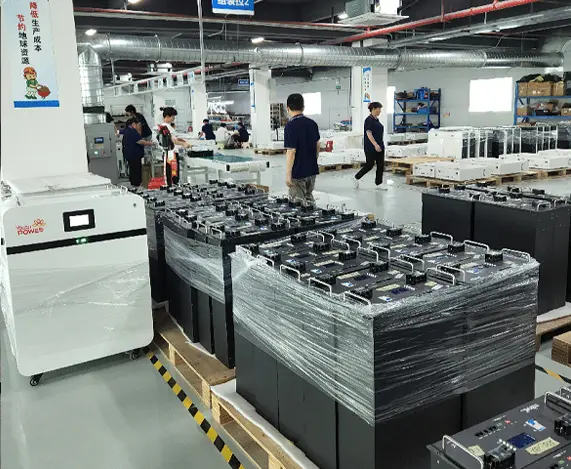
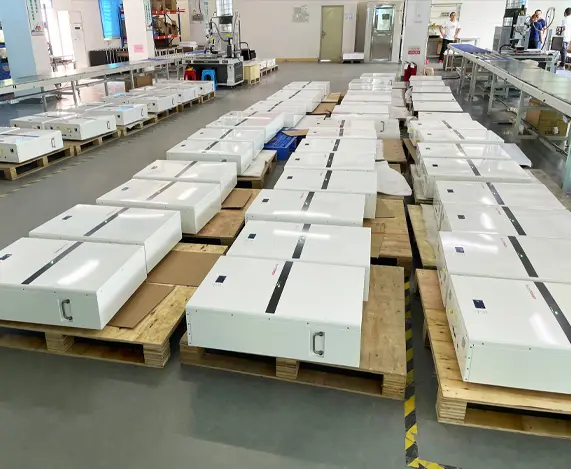
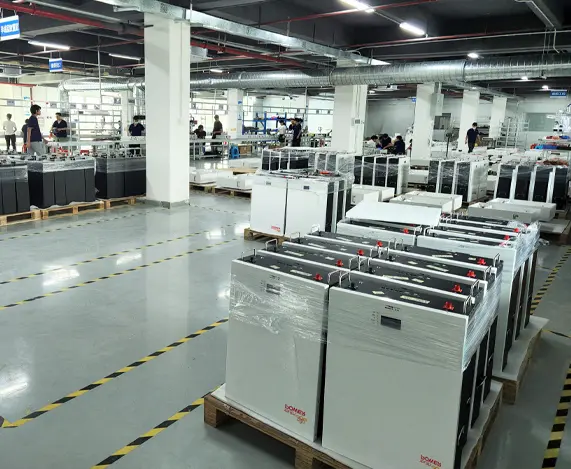
Tracing our development from local battery assembler to a globally prominent player in lithium storage solutions, servicing commercial partners, developers, and residential installers alike.
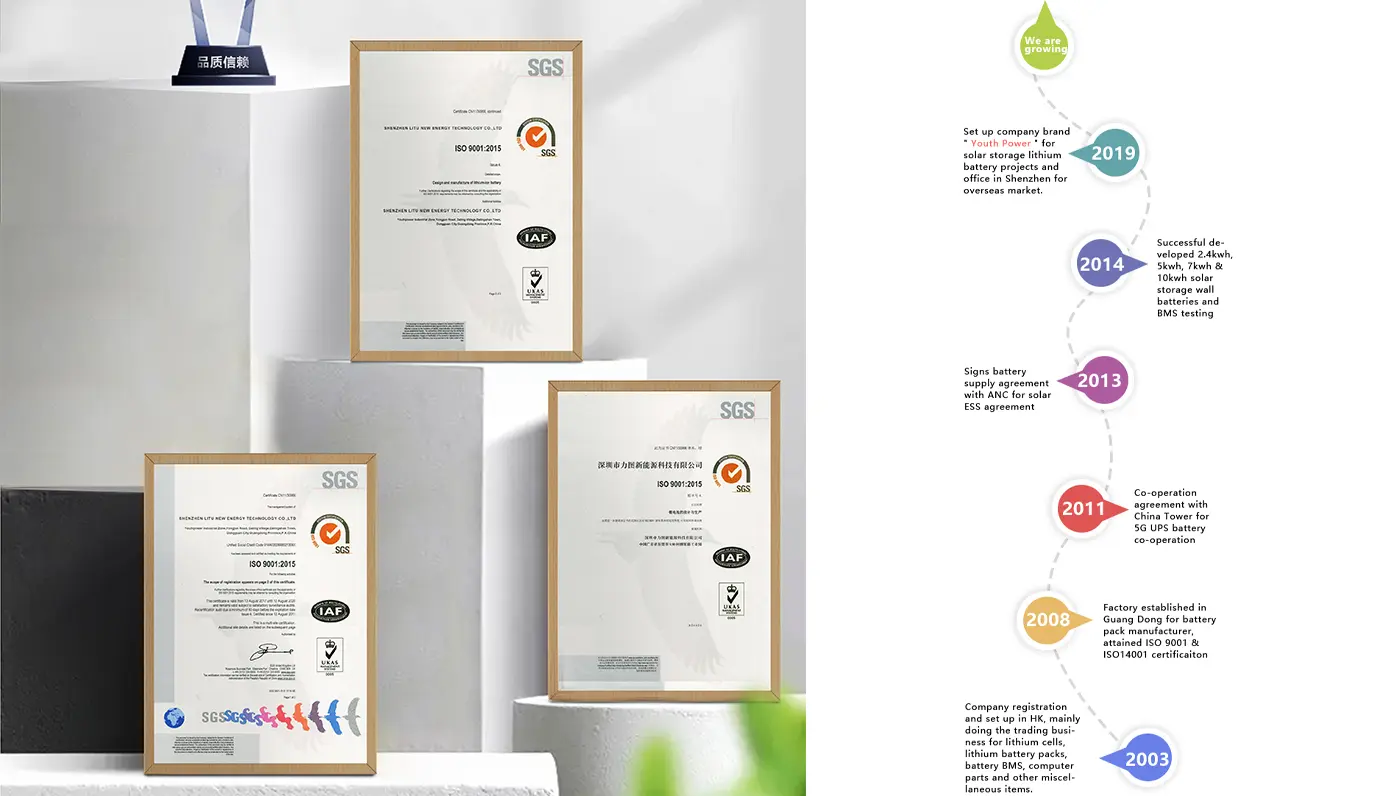
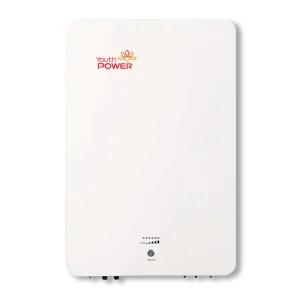
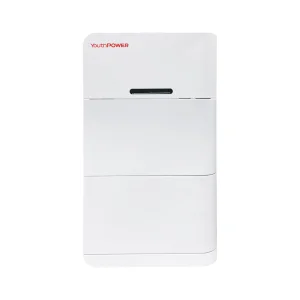
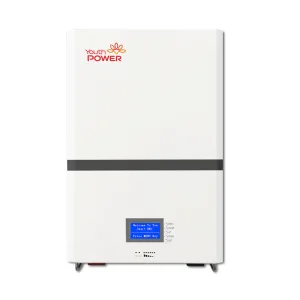
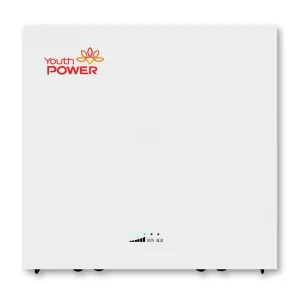
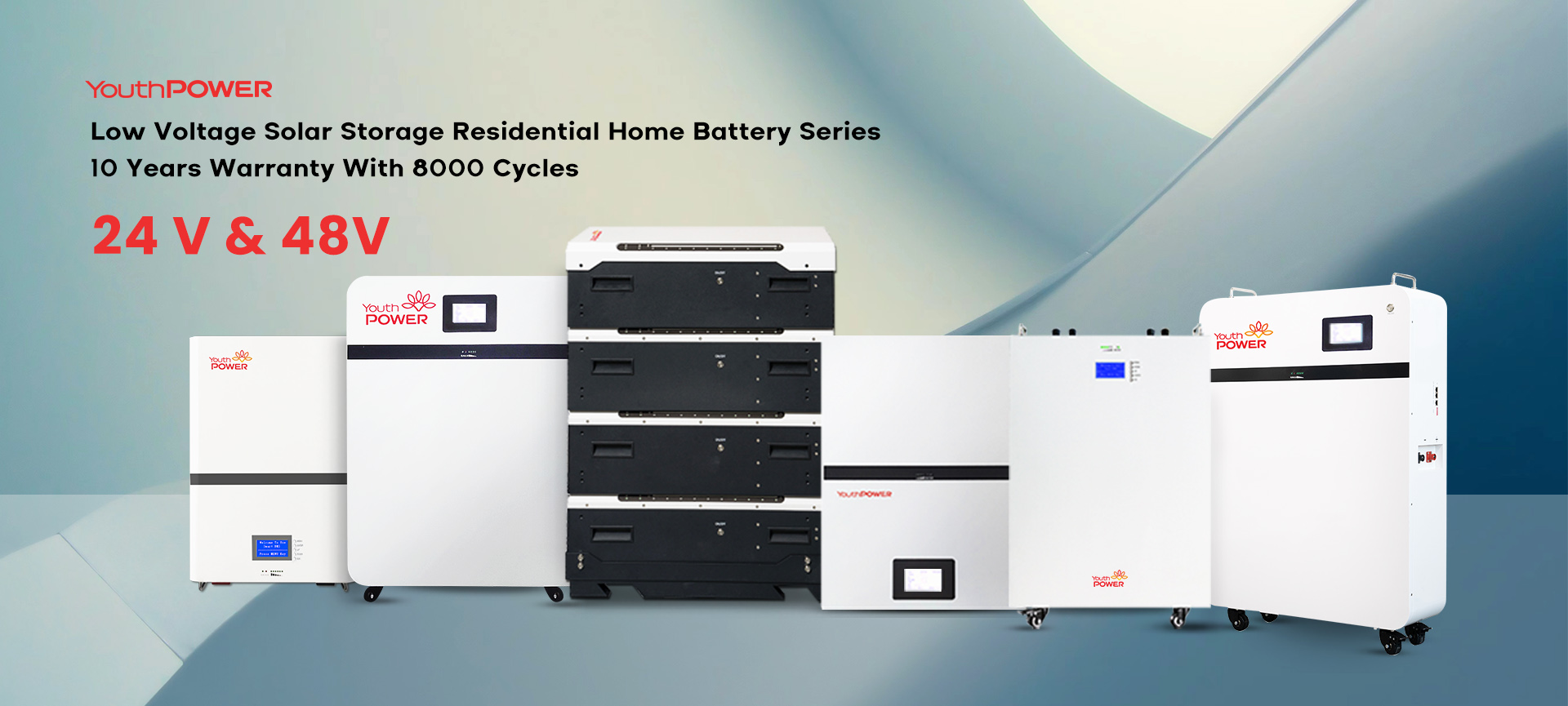
A comprehensive list of our main residential energy storage system (ESS) models, customized for Japanese residential, balcony, and multi-tenant architectures.
Specifically engineered for apartments, balconies, and modular wall installations where outdoor space is scarce. Perfect for Tokyo Metropolitan residents.
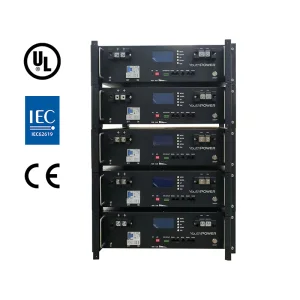
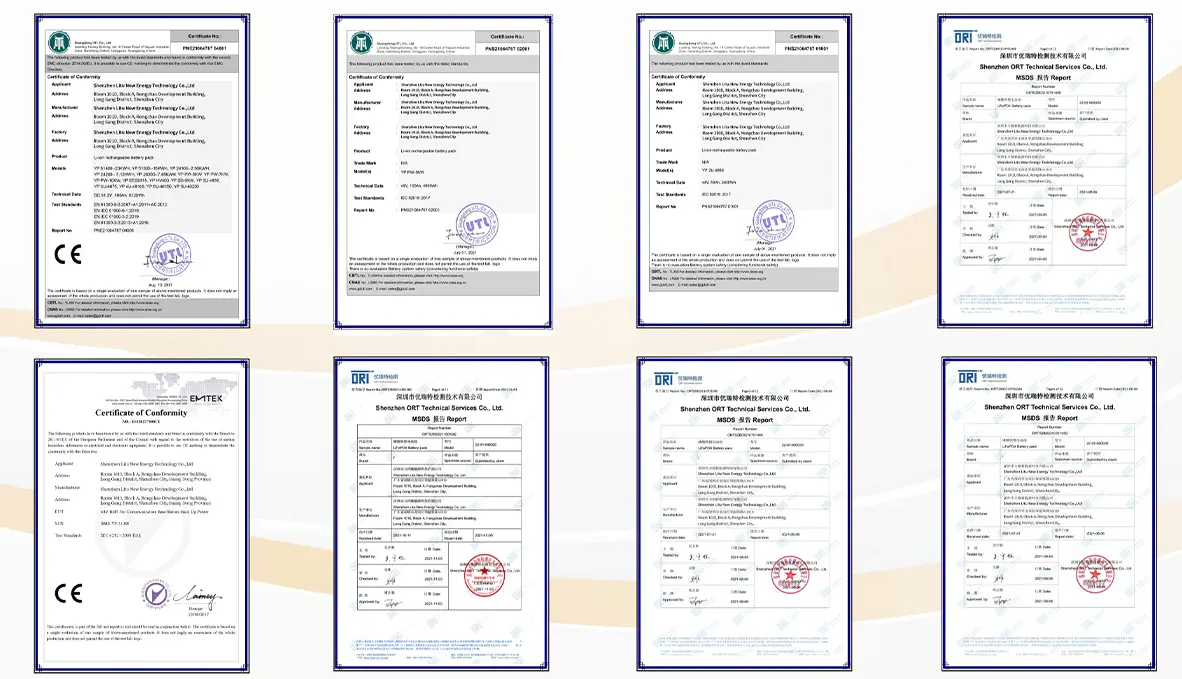
To successfully deploy storage batteries in the Tokyo metropolitan area, strict adherence to domestic certification is non-negotiable. Our products meet or exceed the following metrics:
Whether you are a real estate developer in Tokyo, a clean energy EPC installer, or a global supplier looking to white-label top-tier battery packs, YouthPOWER offers end-to-end ODM/OEM customization. This includes custom dimensions for small footprint placements, localized BMS protocols matching Japanese hybrid inverters, and localized logistics support in the Tokyo area.
Get in touch with our technical sales team for comprehensive specifications, wholesale price lists, and compliance documentation.
Send Inquiry Now YouthPOWER